Bookbot

Padma Sambhava

    1 janvier 0717 – 1 janvier 0762

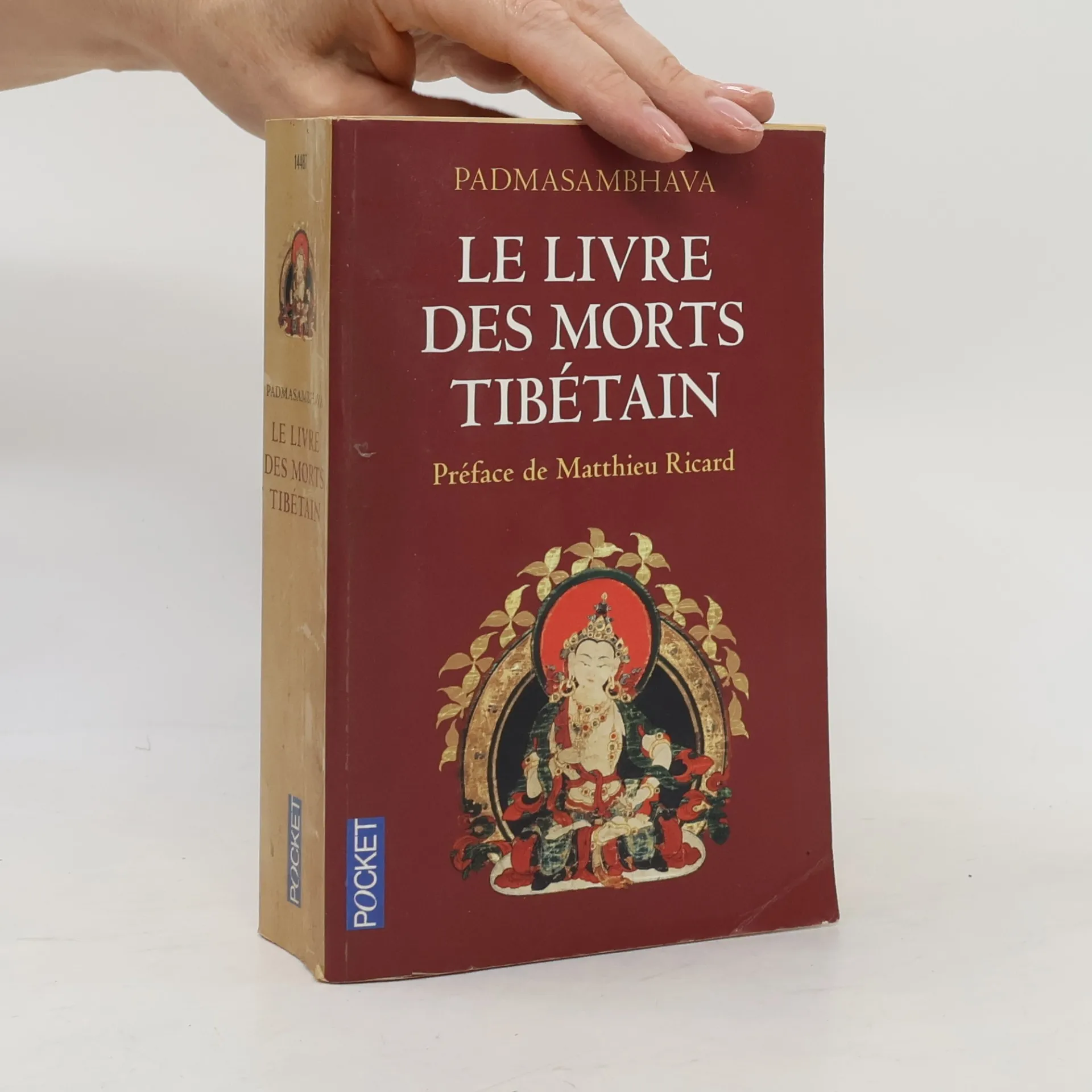
    Padmasambhava, vénéré comme le « Maître Précieux », est une figure centrale du bouddhisme tibétain, particulièrement au sein de la tradition Nyingma. Le récit de sa vie est empreint de légendes soulignant ses capacités extraordinaires et sa puissance spirituelle. Il est considéré comme un second Bouddha, essentiel à l'introduction des enseignements tantriques au Tibet.

    Padma Sambhava
    Following in Your Footsteps, Volume II
    Following in Your Footsteps
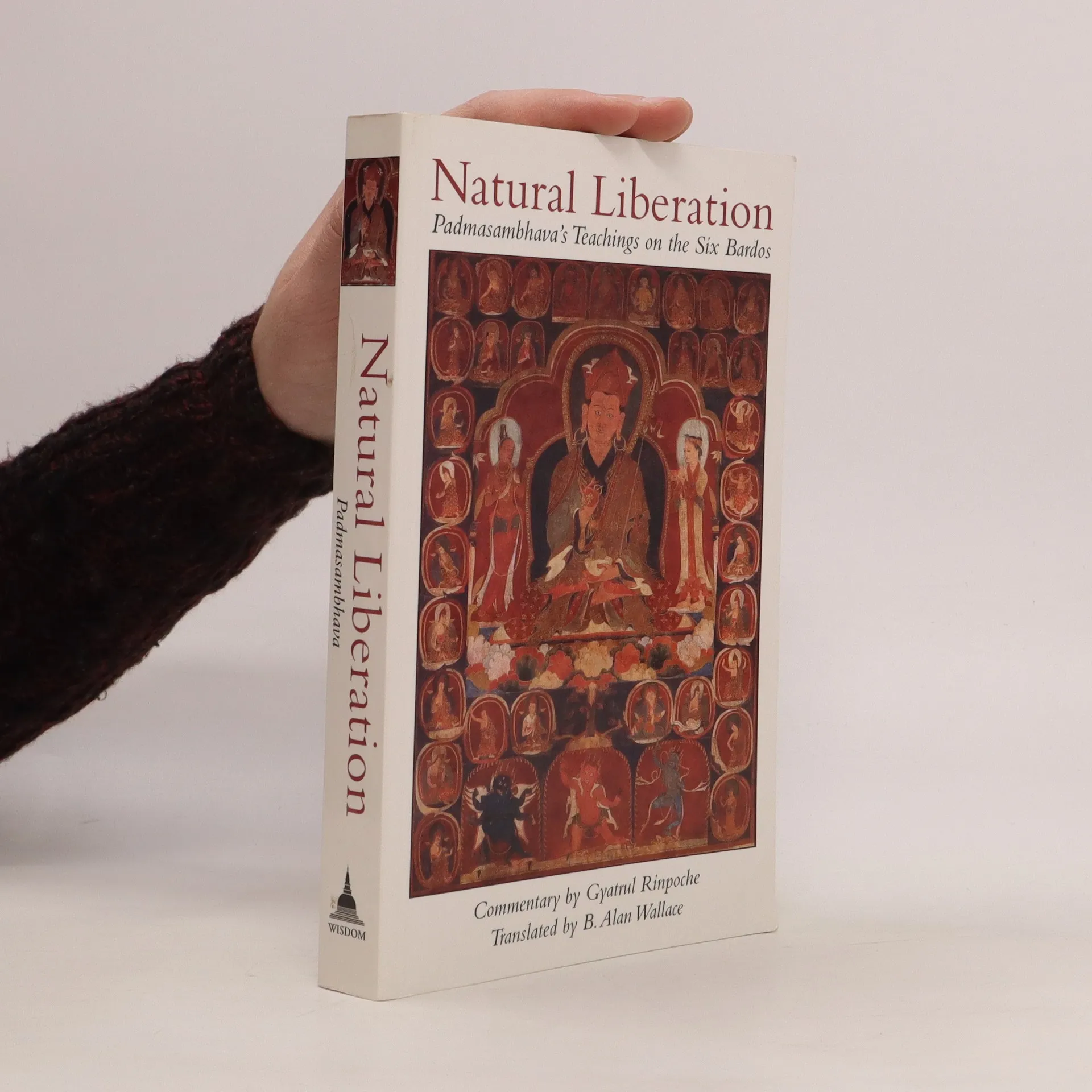
    Natural Liberation. Padmasambhava's Teachings on the Six Bardos
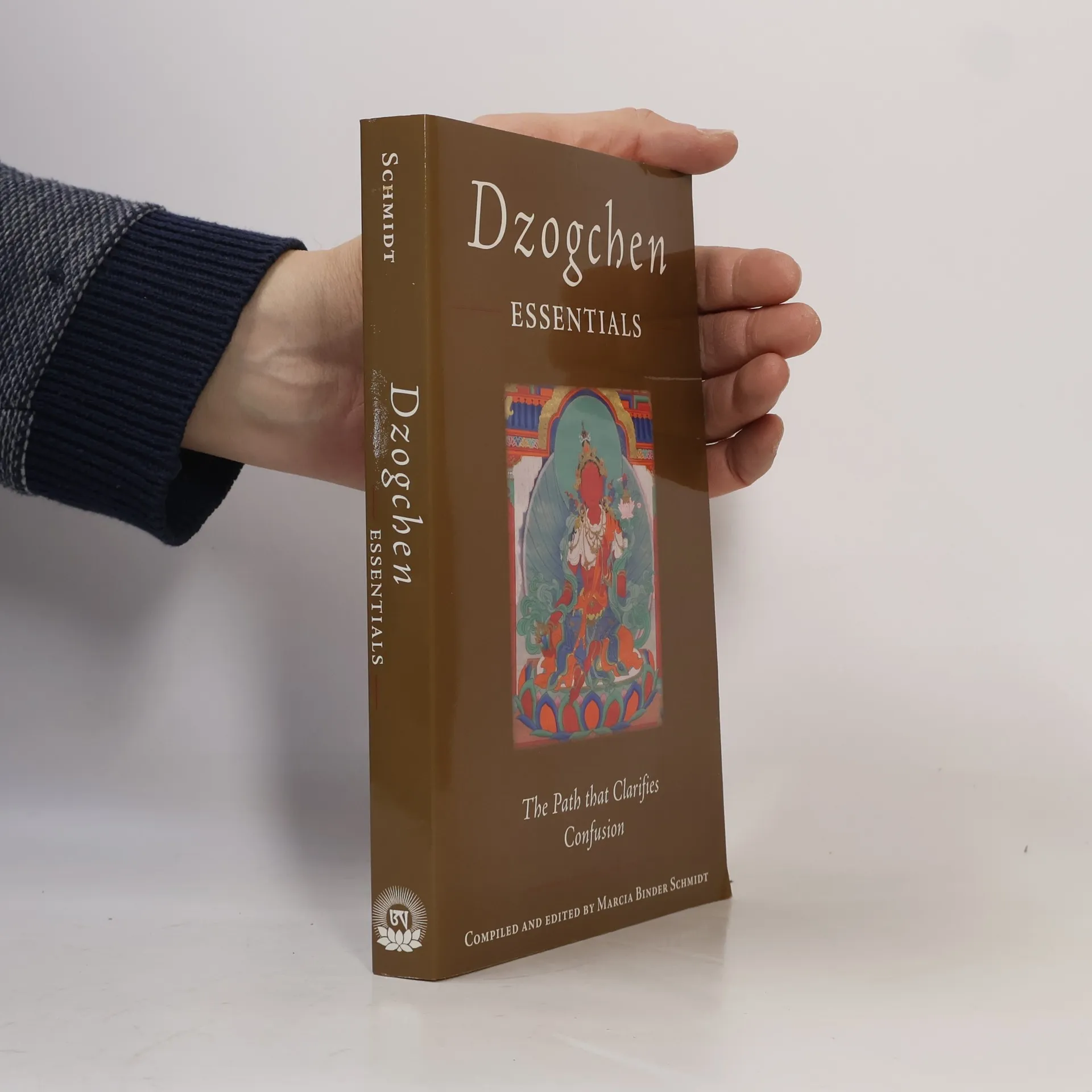
    Dzogchen Essentials
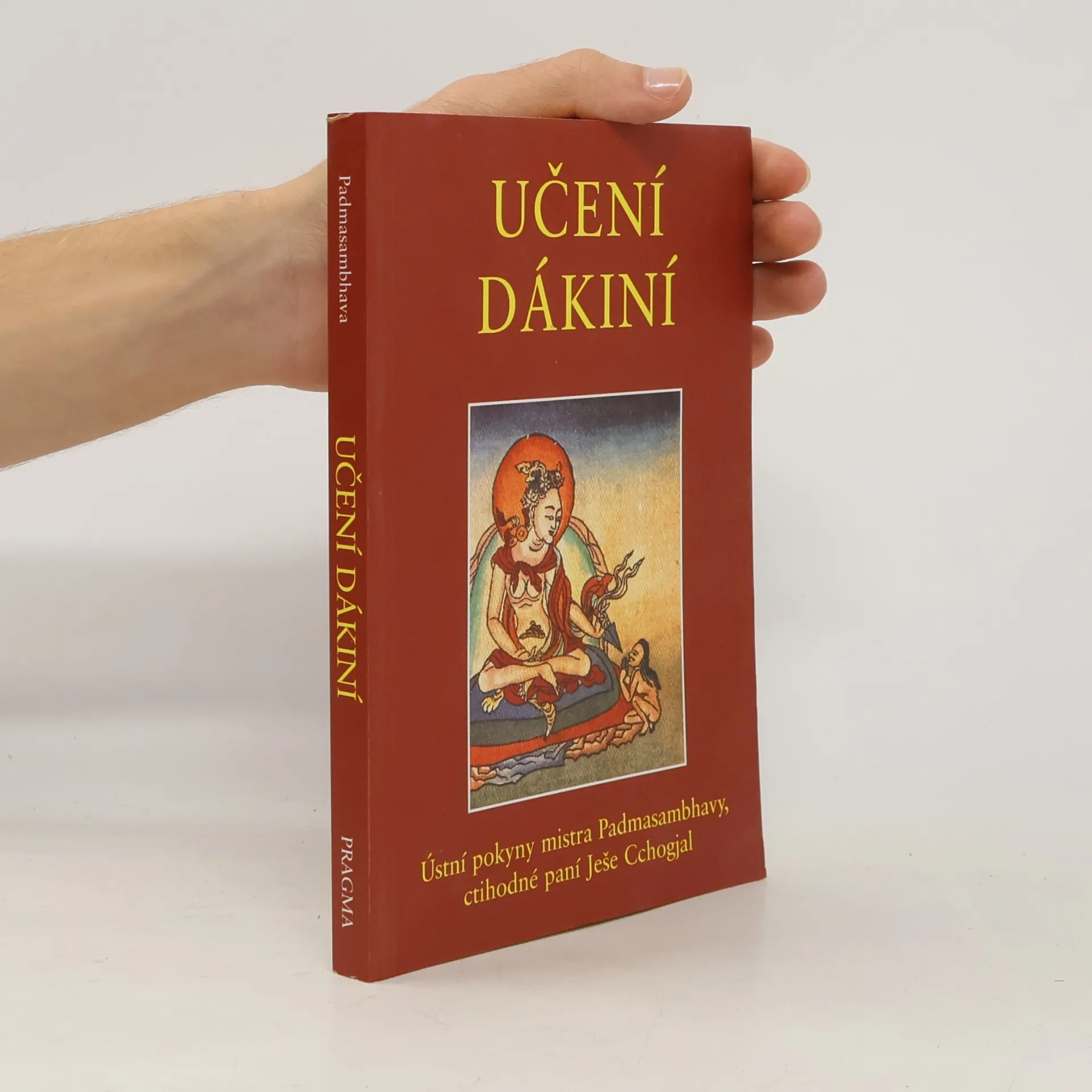
    Dakini Teachings
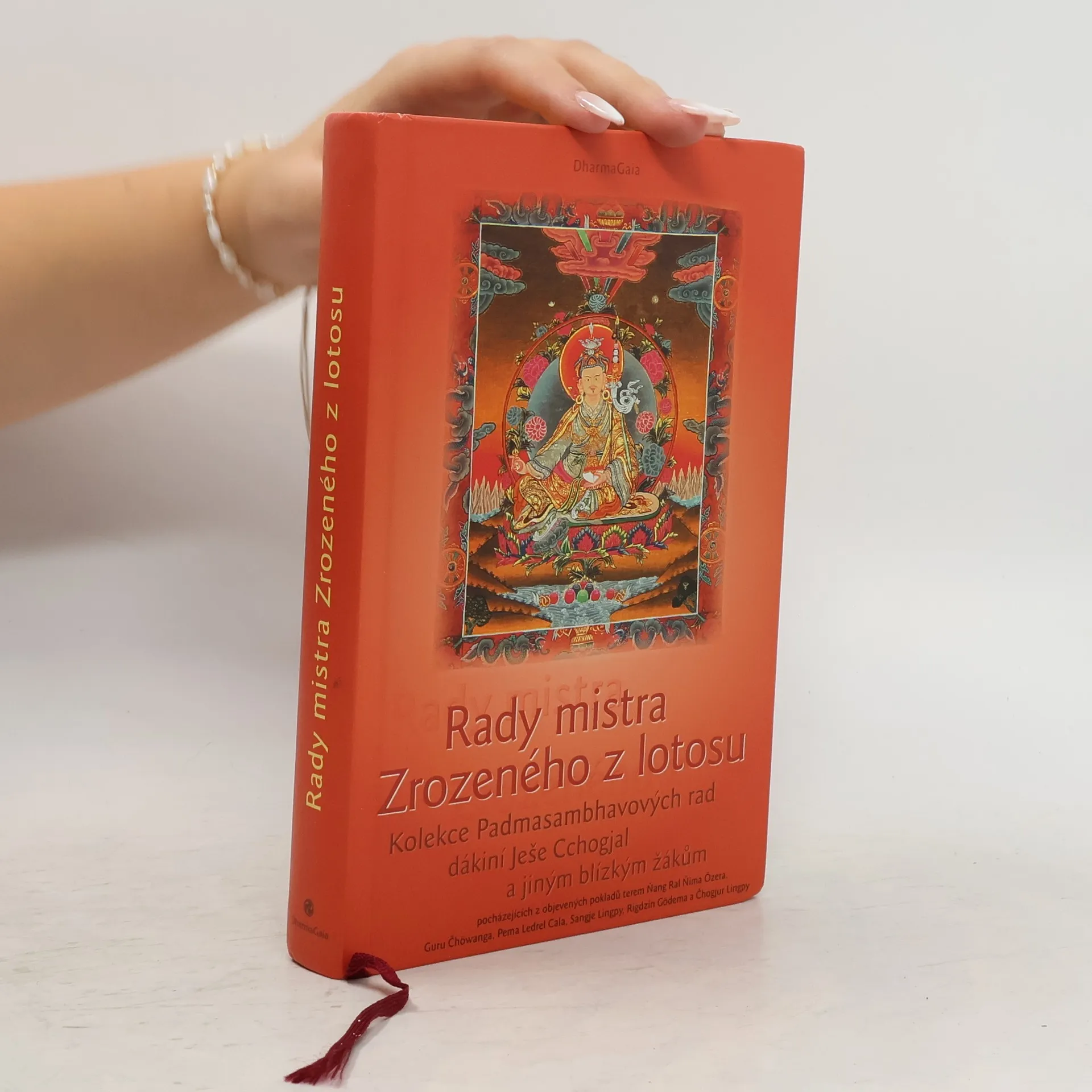
    Advice from the Lotus-Born
    • Advice from the Lotus-Born

      • 184pages
      • 7 heures de lecture
      4,7(81)Évaluer

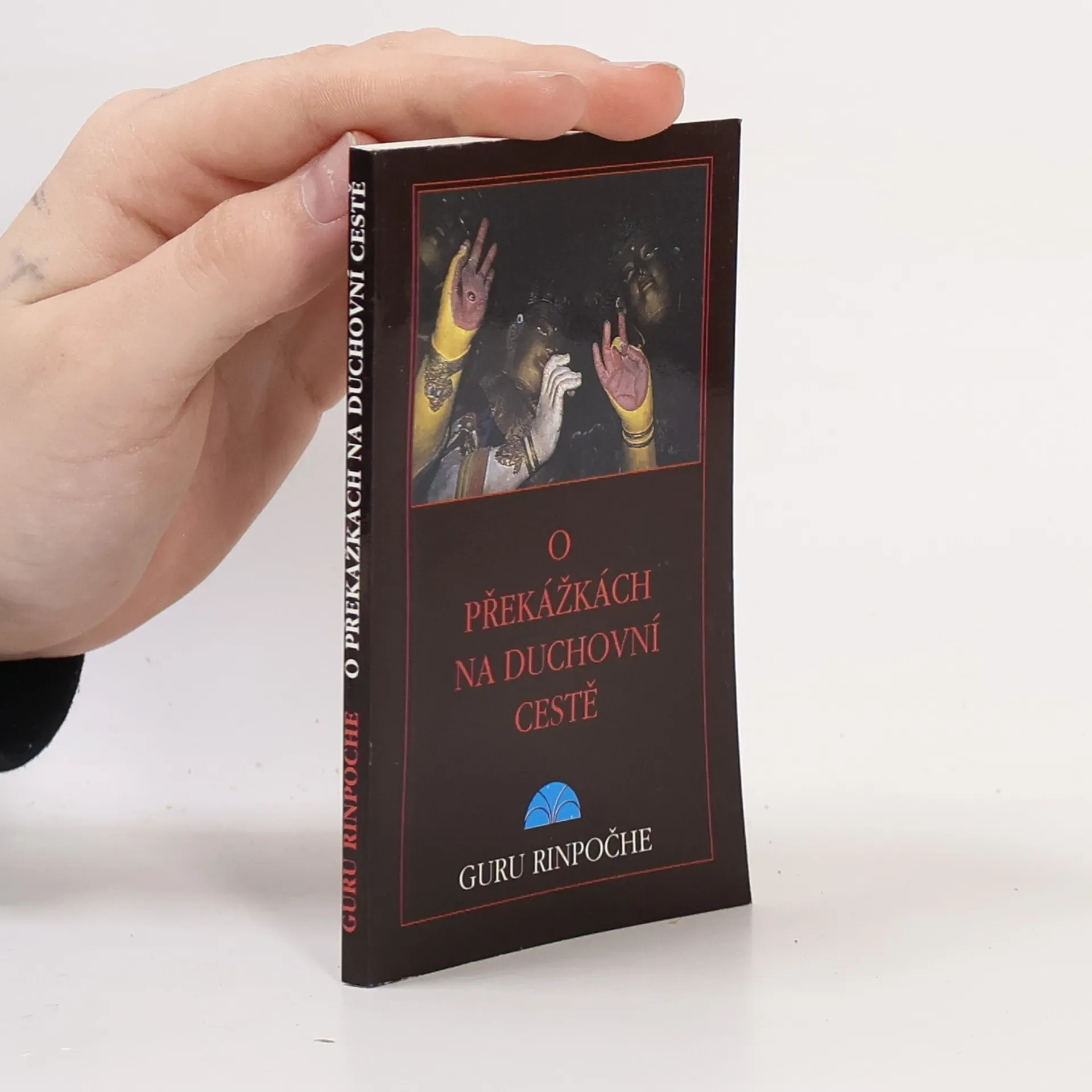
      “ Don’t mistake mere words to be the meaning of the teachings. Mingle the practice with your own being and attain liberation from samsara right now.”PadmasambhavaPadmasambhava is the primary master of Vajrayana, the teachings for our time. Out of his great compassion and wisdom, he instructed his main disciple Yeshe Tsogyal to conceal terma treasures to be revealed at the destined time for future practitioners. The profundity of this advice is meant to be personally applied by all individuals in all circumstances. It is a classic work, which contains valid truth for anyone who sincerely wants to follow a spiritual path.“The chief compiler of Padmasambhava’s teachings was Yeshe Tsogyal, an emanation of a female Buddha. There may be some people who believe that only men can attain enlightenment, but her life is proof to the opposite. The awakened state of mind is neither male or female.”Tulku Urgyen Rinpoche, from Introductory Teachings
      Advice from the Lotus-Born
    • Dakini Teachings

      • 222pages
      • 8 heures de lecture
      4,6(103)Évaluer

      Padmasambhava, the Indian mystic and tantric Buddhist master, is second only to Buddha Shakyamuni as the most famous personage in the Tibetan tradition of Buddhism. In the ninth century, he made the journey across the Himalayan Mountains to establish Buddhism for the people in that country. Now, more than 1,000 years later, we are able to hear and be touched by his voice as contained within this collection of oral advice. Sometimes with humor, sometimes with biting sarcasm, Dakini Teachings covers a wide range of instructions. Given not only to the king of Tibet but also to uneducated people, it is a classic work of valid truths for anyone who sincerely wants to follow a spiritual path in every walk of life.

      Dakini Teachings
    • Dzogchen Essentials

      • 288pages
      • 11 heures de lecture
      4,7(15)Évaluer

      The Tibetan Buddhist meditation practice known as Dzogchen is a pragmatic method for getting in touch with the pure, clear awareness that is hidden under our constant flow of anxious thoughts. Dzogchen Essentials makes available the methods to meet and utilize this rich spiritual path.Marcia Binder Schmidt, a long time, close attendant to one of the foremost Dzogchen Masters of the last century, Tulku Urgyen Rinpoche, has put together the most comprehensive and accessible collection of the essential instructions vital to this subject. She has organized them into a handbook for the genuine trainee of this tradition. The book includes a useful preface an introductory teaching by a leading Dzogchen Master as well as classical and original pieces that impart crucial explanations. This is a book for the layperson as well as the scholar.For centuries, Dzogchen has been a secretly held and privately transmitted teaching, which was unknown beyond the confines of Tibetan culture. But that changed in the final decades of the last century, as many Tibetans saw the long-awaited unfolding of a famous ninth-century "When the Dark Age is rampant, the Dzogchen teachings will blaze like wildfire."

      Dzogchen Essentials
    • A perfect companion to the well-known Tibetan Book of the Dead .In life and in death, in meditation and in sleep, every transitional stage of consciousness, or bardo, provides an opportunity to overcome limitations, frustrations, and fears. The profound teachings in this book provide the under- standing and instruction necessary to turn every phase of life into an opportunity for uncontrived, natural liberation.Like the Tibetan Book of the Dead, Natural Liberation is a terma, a "hidden treasure" attributed to the eighth-century master Padmasambhava. Gyatrul Rinpoche's lucid commentary accompanies the text, illuminating the path of awakening to the point of full enlightenment. Natural Liberation is an essential contribution to the library of both scholars and practitioners of Tibetan Buddhism.

      Natural Liberation. Padmasambhava's Teachings on the Six Bardos
    • Following in Your Footsteps

      • 256pages
      • 9 heures de lecture
      5,0(1)Évaluer

      Following in Your The Lotus-Born Guru in Nepal presents the incredible feats of Guru Padmasambhava in the Himalayan land of Nepal. This tantric embodiment of awakening spent years in retreat in these hills and valleys, gave countless teachings to disciples and hid treasures beyond number.  The Lotus-Born Guru in Nepal explores the sacred sites where Guru Padmasambhava’s activities unfolded. Closely following Orgyen Lingpa’s Pema The Chronicles of Padma—one of the single most important treasure biographies of Guru Padmasambhava—these Himalayan narratives are interwoven with rare accounts and visions from realized Tibetan masters such as Jamyang Khyentsé Wangpo, Chokgyur Dechen Lingpa and Jamyang Khyentsé Chökyi Lodrö. The Lotus-Born Guru in Nepal offers a fresh translation of Jamgön Kongtrul’s classic biography of Guru Padmasambhava, along with teachings by the contemporary Tibetan masters Neten Chokling Rinpoché and Phakchok Rinpoché. You will also find a collection of essential supplications and prayers—in both English and Tibetan—and beautifully rendered paintings and photographs to guide and inspire your journey into this miraculous world. The Lotus-Born Guru in Nepal is the first of a three-part series tracing the arc of Guru Padmasambhava’s journey across the ages and landscapes of India, Nepal, Bhutan and Tibet. Lhasey Lotsawa has collected some of the most treasured stories from these places, with the goal to provide a rich source of inspiration for pilgrims through the ages. Those who wish to follow in the footsteps of the Lotus-Born Guru will find these authentic books essential companions on their journey.

      Following in Your Footsteps
    • Following in Your Footsteps, Volume II

      • 340pages
      • 12 heures de lecture
      5,0(1)Évaluer

      Following in Your The Lotus-Born Guru in India presents the incredible feats of Guru Padmasambhava in the Indian subcontinent. This tantric embodiment of awakening spent hundreds of years training with the greatest masters of India, practicing in charnel grounds, protecting the Dharma, and spreading these marvelous teachings far and wide.

      Following in Your Footsteps, Volume II
    • These ancient texts, attributed to the great Tibetan meditation master Padmasambhava, offer traditional Vajrayana Buddhist teachings on the nature of the fundamental elements that make up our world. The translator’s commentaries show us a practical view of how to use these life-energies for personal development.

      Secret Teachings Of Padmasambhava
    • A Garland Of Views, A

      • 144pages
      • 6 heures de lecture
      4,0(18)Évaluer

      A core text of the Nyingma tradition of Tibetan Buddhism, presented in English for the first time, with commentary by Jamgön Mipham, one of the Nyingma tradition's most lucid and brilliant minds.A concise commentary by the eighth-century Indian Buddhist master Padmasambhava on a chapter from the Guhyagarbha Tantra , which gives an overview of the different Buddhist and non-Buddhist philosophical views, including the Great Perfection (Dzogchen), with an explicative commentary by the nineteenth-century scholar Jamgön Mipham (1846-1912). Padmasambhava's text is a core text of the Nyingma tradition because it provides the basis for the system of nine vehicles (three sutra vehicles and six tantra vehicles) that subsequently became the accepted way of classifying the different Buddhist paths in the Nyingma tradition. Mipham's commentary is the one most commonly used to explain Padmasambhava's teaching. Mipham is well known for his prolific, lucid, and original writings on many subjects, including science, medicine, and philosophy, in addition to Tibetan Buddhist practice and theory.

      A Garland Of Views, A
    • Contains a translation of the key Buddhist text that follows a Buddhist priest and student as they guide a deceased person into afterlife, chronicling the progress of the soul through death and rebirth in three stages

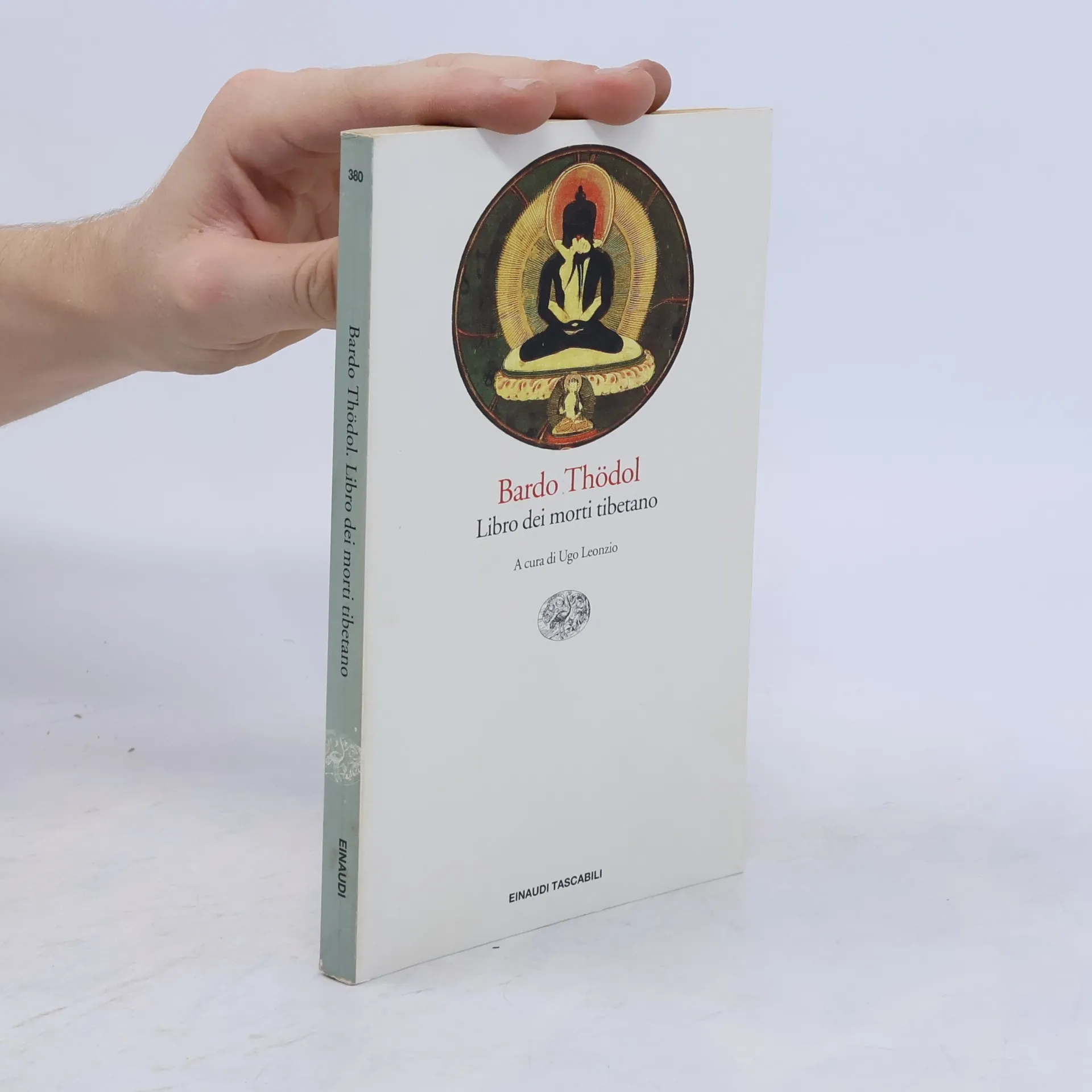
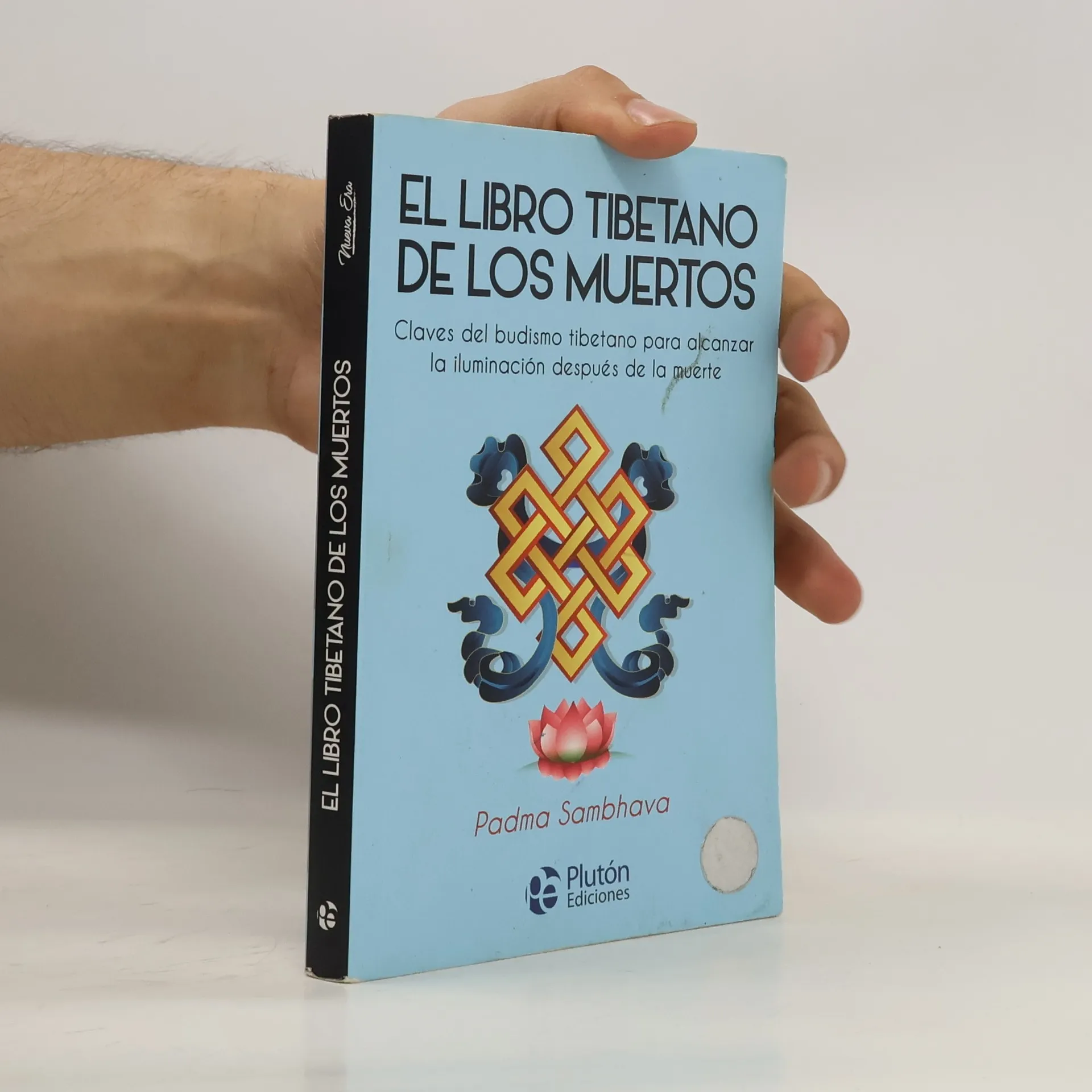
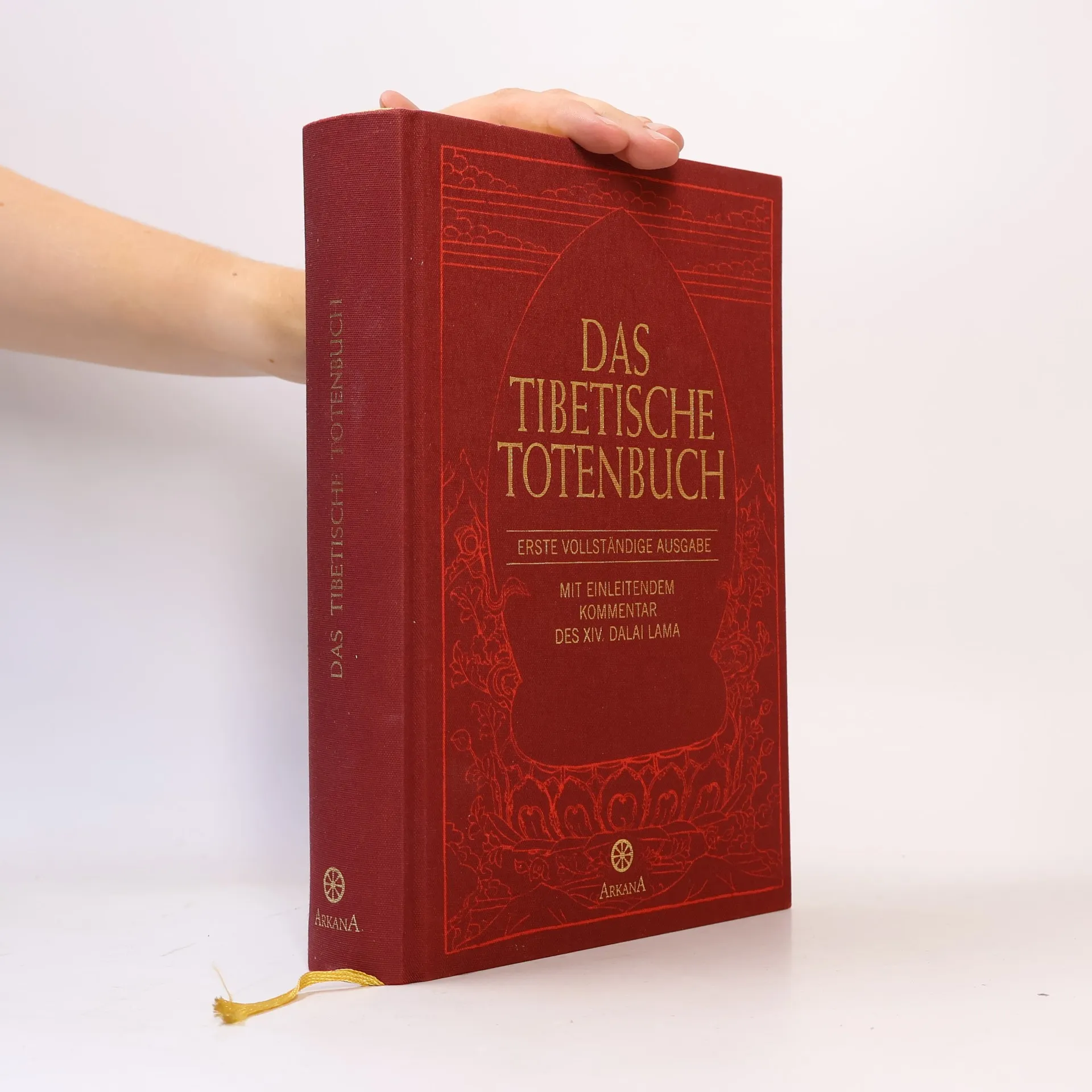
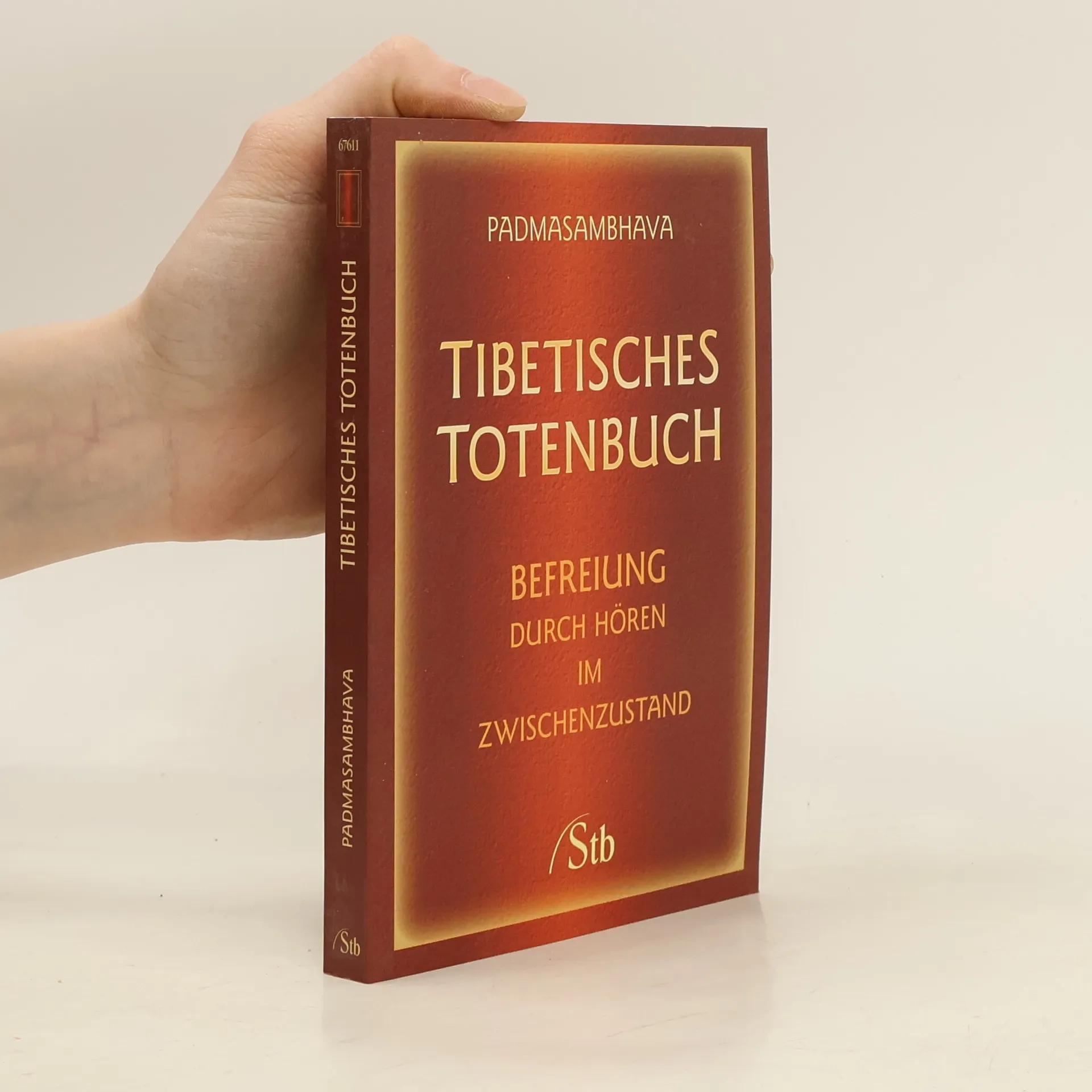
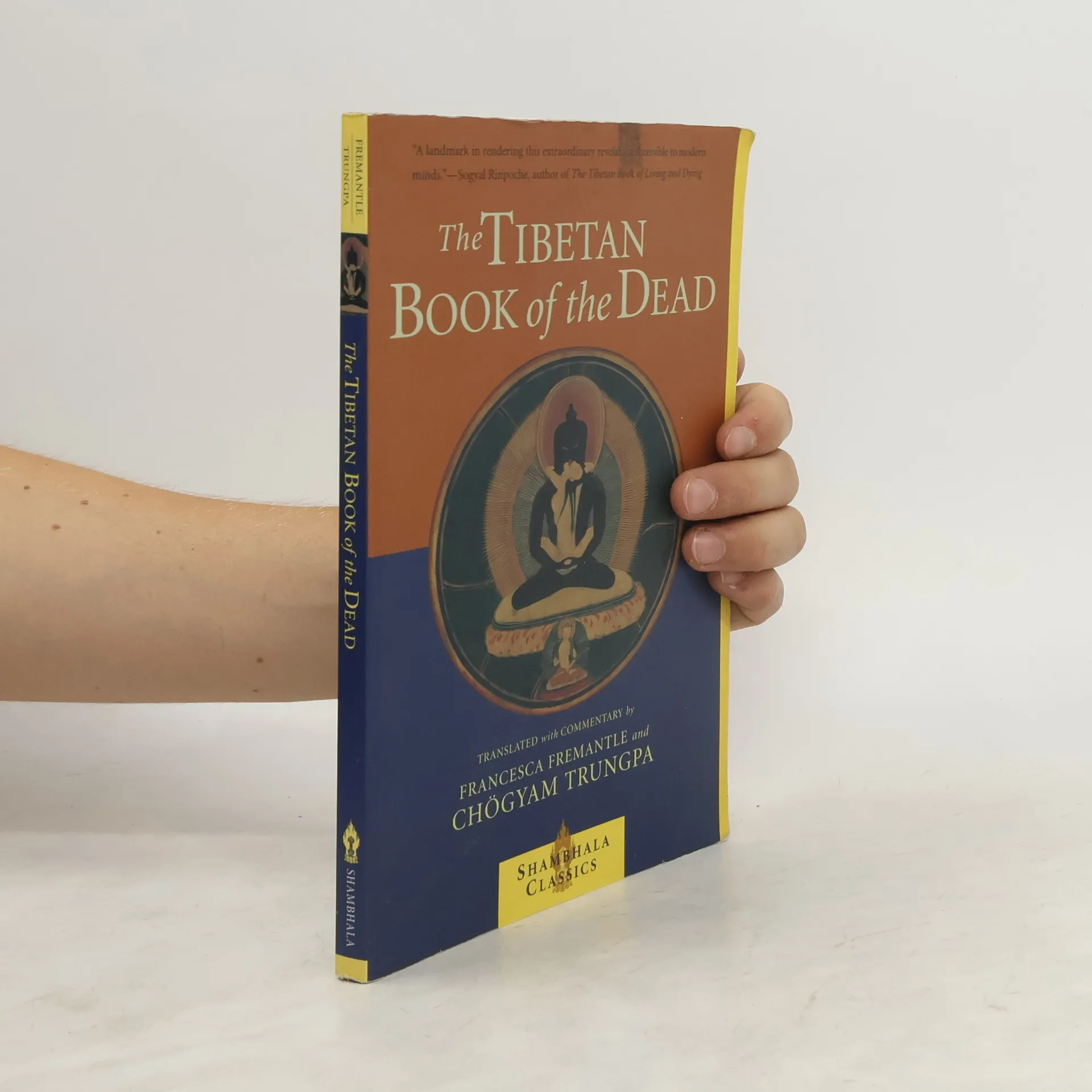
      The Tibetan Book of the Dead
    • The Tibetan Book Of The Dead

      • 144pages
      • 6 heures de lecture
      4,0(238)Évaluer

      In this classic scripture of Tibetan Buddhism—traditionally read aloud to the dying to help them attain liberation—death and rebirth are seen as a process that provides an opportunity to recognize the true nature of mind. This translation of The Tibetan Book of the Dead emphasizes the practical advice that the book offers to the living. The insightful commentary by Chögyam Trungpa, written in clear, concise language, explains what the text teaches us about human psychology. This book will be of interest to people concerned with death and dying, as well as those who seek greater spiritual understanding in everyday life.

      The Tibetan Book Of The Dead