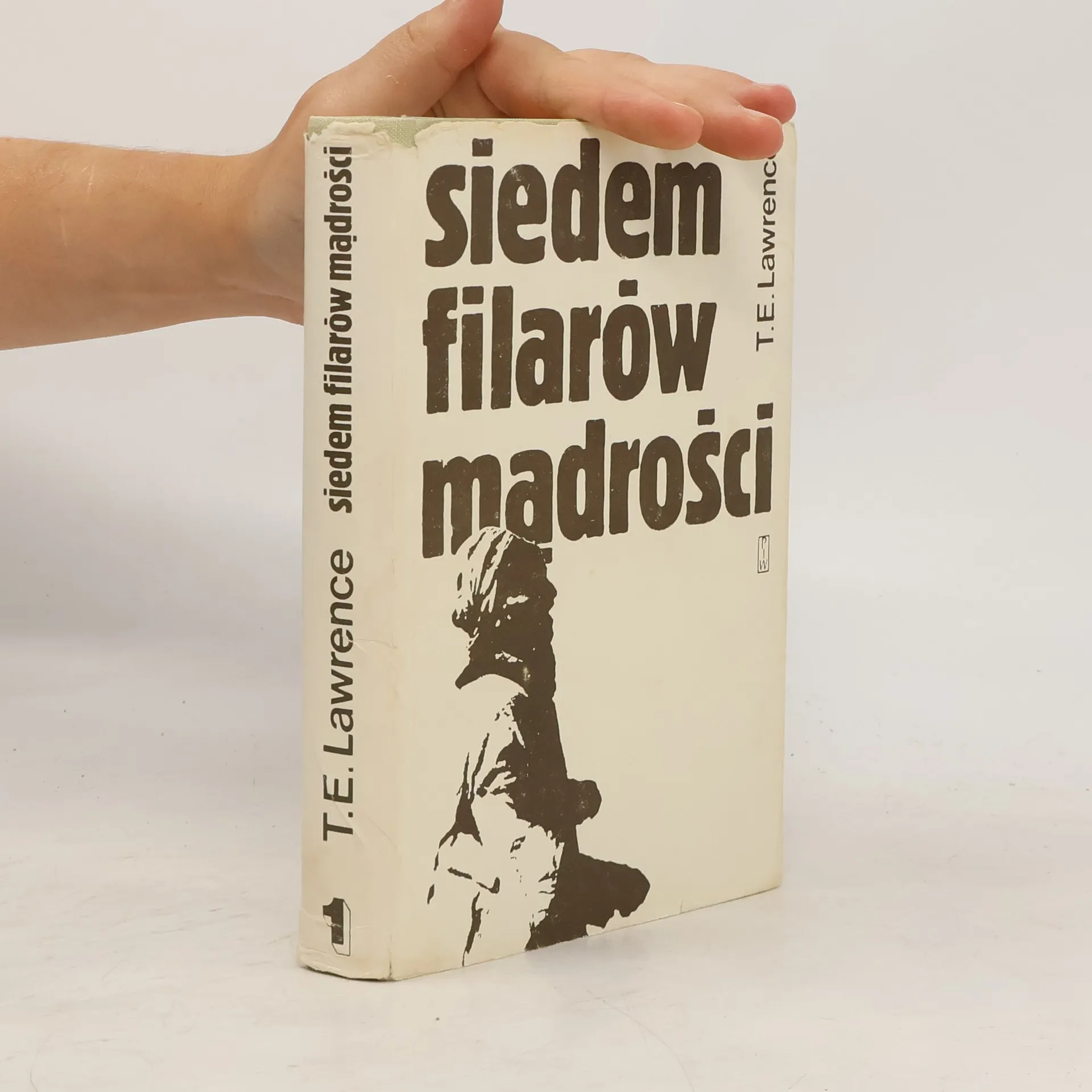
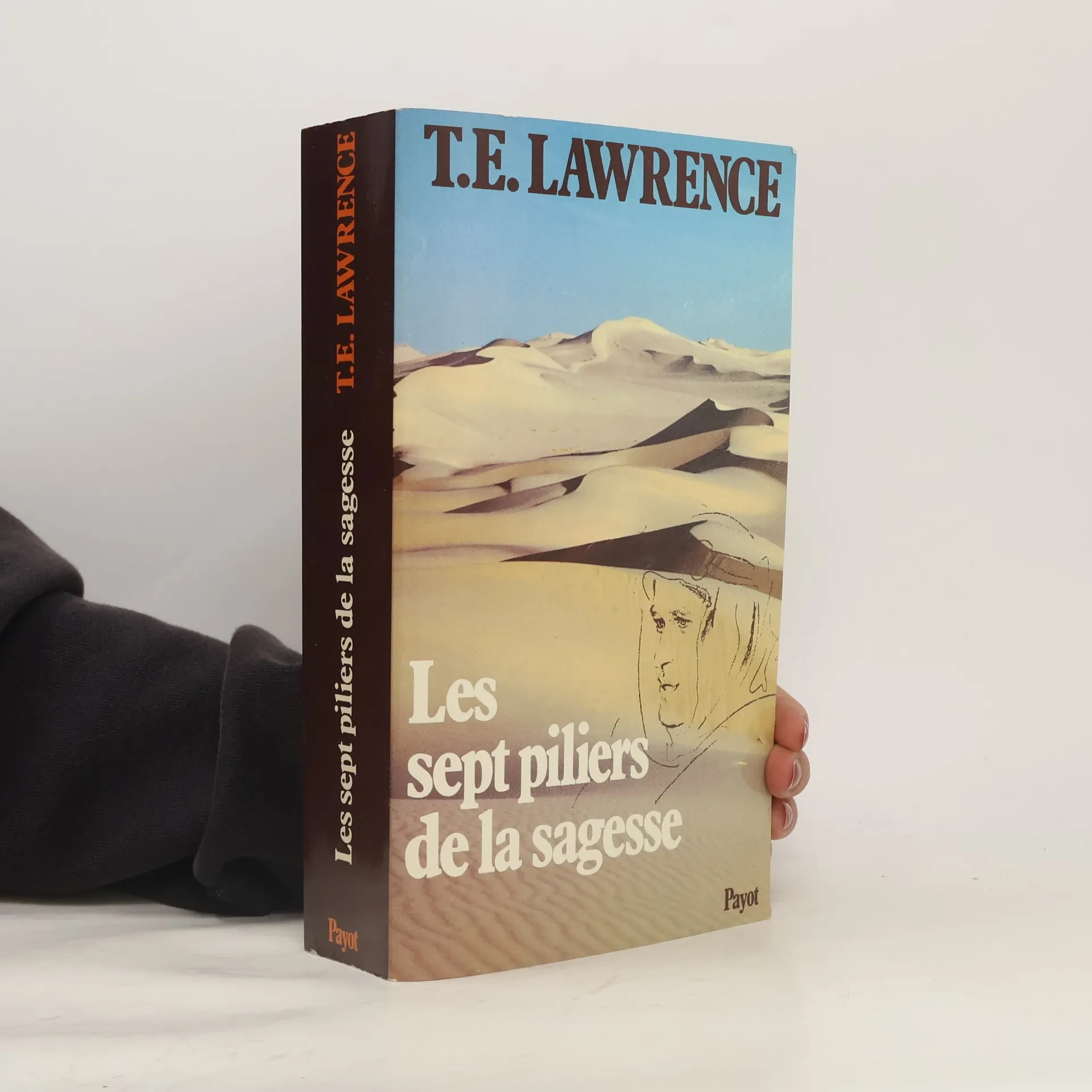
Seven Pillars of Wisdom is an unusual and rich work. It encompasses an account of the Arab Revolt against the Turks during the First World War alongside general Middle Eastern and military history, politics, adventure and drama. It is also a memoir of the soldier known as 'Lawrence of Arabia'.Lawrence is a fascinating and controversial figure and his talent as a vivid and imaginative writer shines through on every page of this, his masterpiece. Seven Pillars of Wisdom provides a unique portrait of this extraordinary man and an insight into the birth of the Arab nation.
T. E. Lawrence Livres
16 août 1888 – 19 mai 1935
Cet auteur a acquis une renommée grâce à ses récits d'aventures, profondément imprégnés d'une fascination pour l'histoire et la culture du Moyen-Orient. Ses œuvres se caractérisent par des descriptions de paysages vivides et des représentations captivantes de destins humains au milieu d'événements historiques dramatiques. Il enrichit ses textes d'aperçus détaillés sur les coutumes et traditions arabes, offrant aux lecteurs une perspective unique sur le choc des cultures. Son écriture est connue pour sa portée épique et son approche intime des individus.




The Selected Letters
- 564pages
- 20 heures de lecture
Profiles the enigmatic soldier, statesman, and man of letters, offering a wealth of letters that shed light on his role in the Arab revolt, his sexuality, and his retreat into obscurity
The Diary Kept by T. E. Lawrence While Travelling in Arabia During 1911
- 96pages
- 4 heures de lecture
Presented here with 13 key photographs and letters to his mother, the diary shows the young T.E. Lawrence developing a strong respect for the Arab people and already involved in Arabian politics.
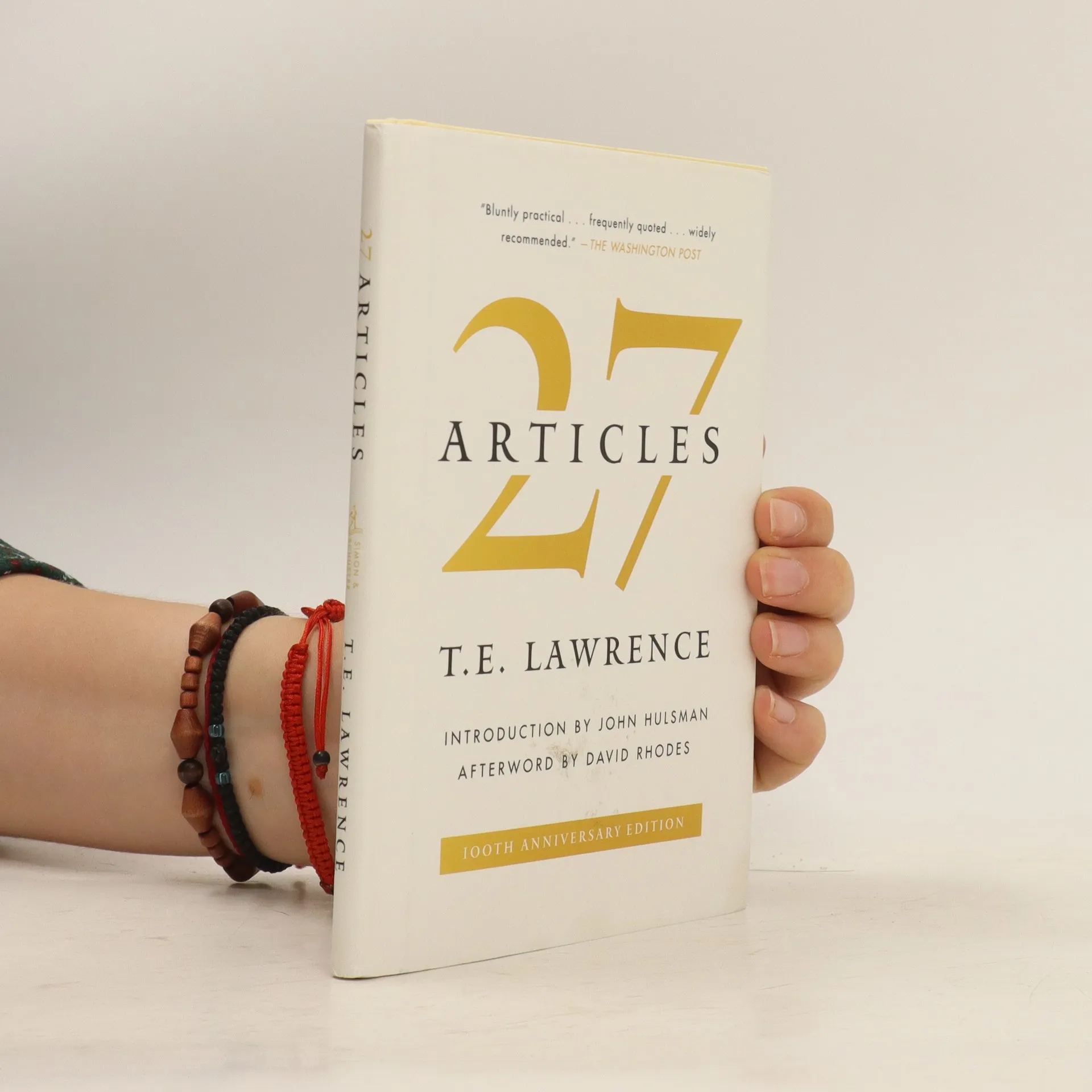
27 Articles
- 64pages
- 3 heures de lecture
This classic set of military leadership guidelines was penned by T.E. Lawrence during his deployment to the Arabian Peninsula in 1916, amid World War I. Tasked with supporting the Arab Revolt against the Ottoman Empire, Lawrence achieved remarkable success alongside Arab revolutionaries, and his experiences became legendary. To preserve his insights, British command urged him to document his tactics and teachings, resulting in a collection that has become essential reading for military leaders. The 100th anniversary edition includes a new introduction by foreign policy expert John Hulsman and an afterword by CBS News President David Rhodes, highlighting the articles' enduring relevance. Lawrence's deployment marked the West's first modern military engagement in the Middle East, offering invaluable lessons that resonate with contemporary conflicts, particularly in Iraq and Afghanistan. His concise articles, while rooted in battlefield strategy, also provide significant insights applicable to management, leadership, and business, proving their timelessness and adaptability across various fields.
In the desert sands of southern Jordan lies a once-hidden conflict landscape along the Hejaz Railway. Built at the beginning of the twentieth-century, this narrow-gauge 1,320 km track stretched from Damascus to Medina and served to facilitate participation in the annual Muslim Hajj to Mecca. The discovery and archaeological investigation of an unknown landscape of insurgency and counter-insurgency along this route tells a different story of the origins of modern guerrilla warfare, the exploits of T. E. Lawrence, Emir Feisal, and Bedouin warriors, and the dramatic events of the Arab Revolt of 1916-18. Ten years of research in this prehistoric terrain has revealed sites lost for almost 100 years: vast campsites occupied by railway builders; Ottoman Turkish machine-gun redoubts; Rolls Royce Armoured Car raiding camps; an ephemeral Royal Air Force desert aerodrome; as well as the actual site of the Hallat Ammar railway ambush. This unique and richly illustrated account from Nicholas Saunders tells, in intimate detail, the story of a seminal episode of the First World War and the reshaping of the Middle East that followed.
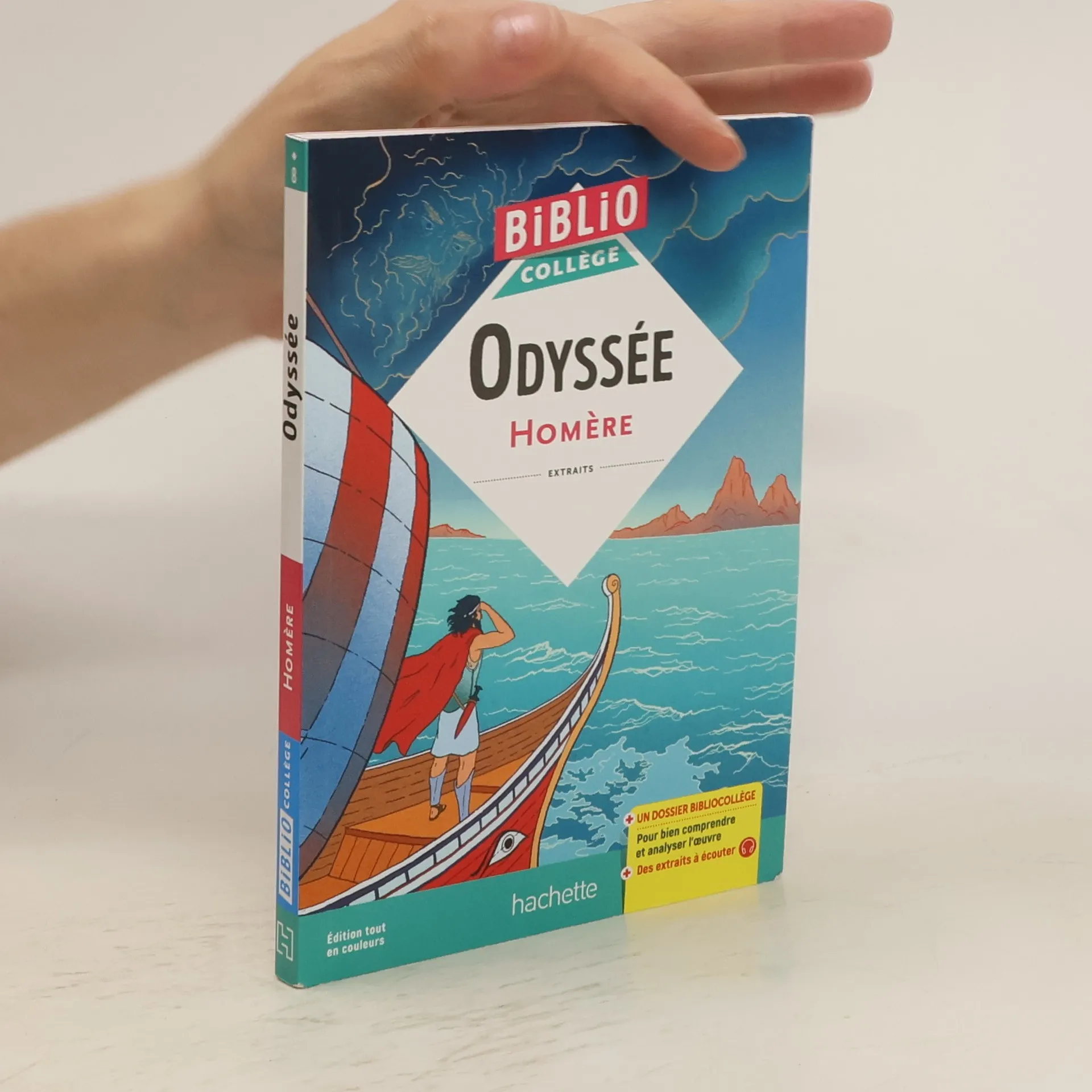
Odyssée
Extraits
Ulysse, héros grec de la guerre de Troie, celui dont la ruse a permis de mettre fin à un siège de dix ans, voudrait regagner son île d'Ithaque, où l'attendent sa femme Pénélope et son fils Télémaque. Mais les dieux ne l'entendent pas ainsi.Sur le chemin du retour, il doit affronter le Cyclope, la magicienne Circé, les Sirènes au chant mortel, les monstres Charybde et Scylla, et bien d'autres encore...Aidé de la déesse Athéna, Ulysse parviendra-t-il à retrouver son palais et à se débarrasser des prétendants qui convoitent sa femme et ses biens ? Toutes les clés pour comprendre l'œuvre et le thème associéAvant de lire l'œuvre• L'essentiel sur l'auteur• Le contexte d'écriture de l'œuvreAu fil de l'œuvre• Des questionnaires sur les passages clés : compréhension et étude de la langue• L'enregistrement audio de ces extraits lus par un comédienLe dossier BIBLIOCOLLÈGE• L'essentiel sur l'œuvre• La structure de l'œuvre• Les personnages de l'œuvre• Le genre de l'œuvre• L'œuvre dans l'histoire des arts• Des films, des documents et des livres associés à l'œuvreLe GROUPEMENT DE TEXTES. Thème : Les monstres - Monstres effrayants et fascinants.
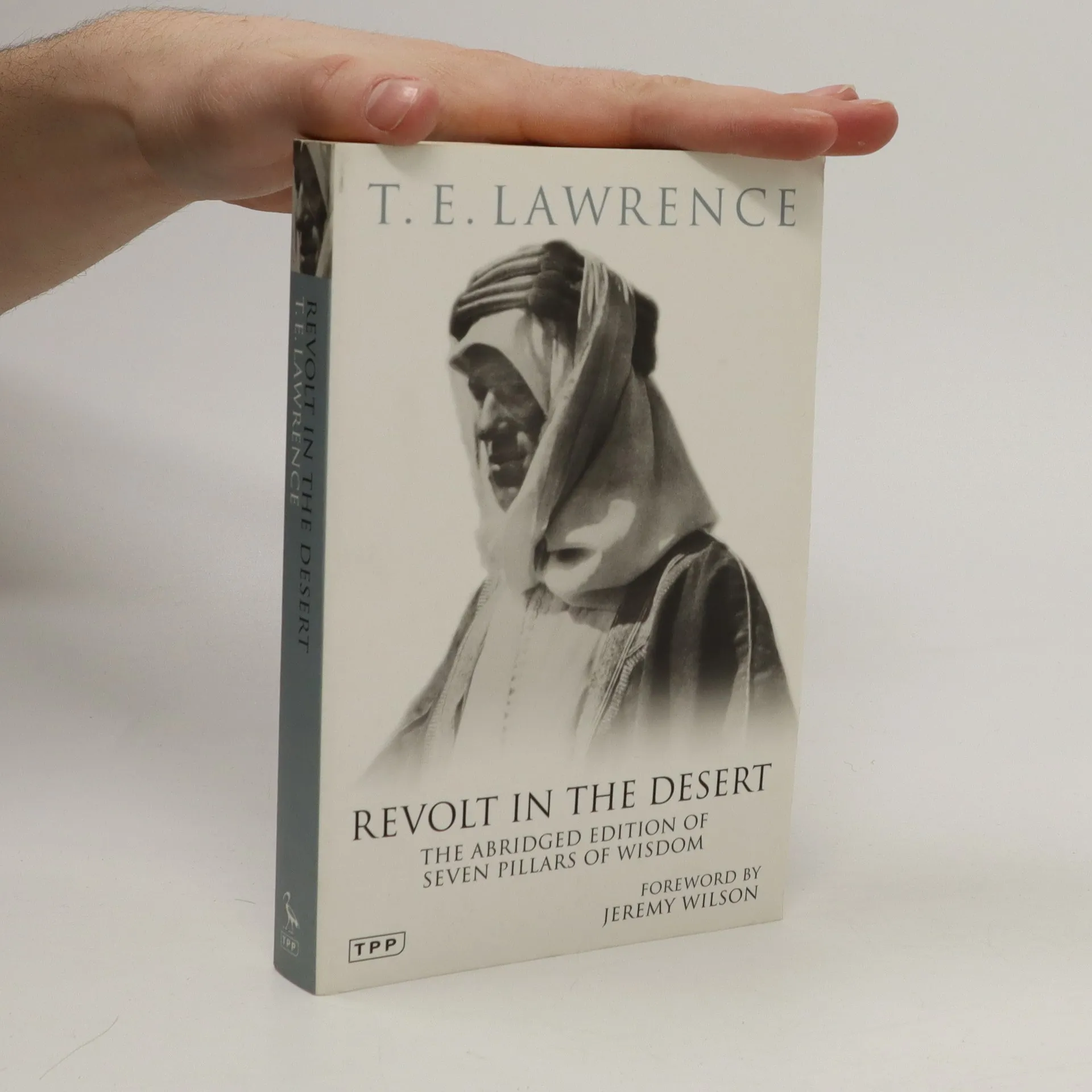
Revolt in the Desert : The Abridged Edition of Seven Pillars of Wisdom
- 326pages
- 12 heures de lecture
T.E. Lawrence, also known as "Lawrence of Arabia," wrote Seven Pillars of Wisdom: A Triumph from his memories of serving as a liaison officer with rebel forces during the Arab Revolt against the Ottoman Turks (1916-1918). Possessed of a brilliant military mind and an unmatched knowledge of the region and the Arab people, Lawrence led the revolt alongside the charismatic Faisal I, sounding the death knell for the Ottoman Empire and paving the way for a new colonial power in the region: the British. Writing from memory after his original manuscript and detailed notes were lost, Lawrence was able to privately publish a polished version of his autobiograhpical account in 1922. It is from this edition that he created the abridged version in 1927 which would become a best-seller, titling it Revolt in the Desert. This important historic work vividly portrays one of the most turbulent periods in the history of the Middle East while offering rich insight into one of Britain's esteemed national heroes.
This Elibron Classics book is a facsimile reprint of a 1888 edition by the University Press, Cambridge.
Secret Despatches from Arabia
And Other Writings
An account of Lawrence's service in the Royal Air Force
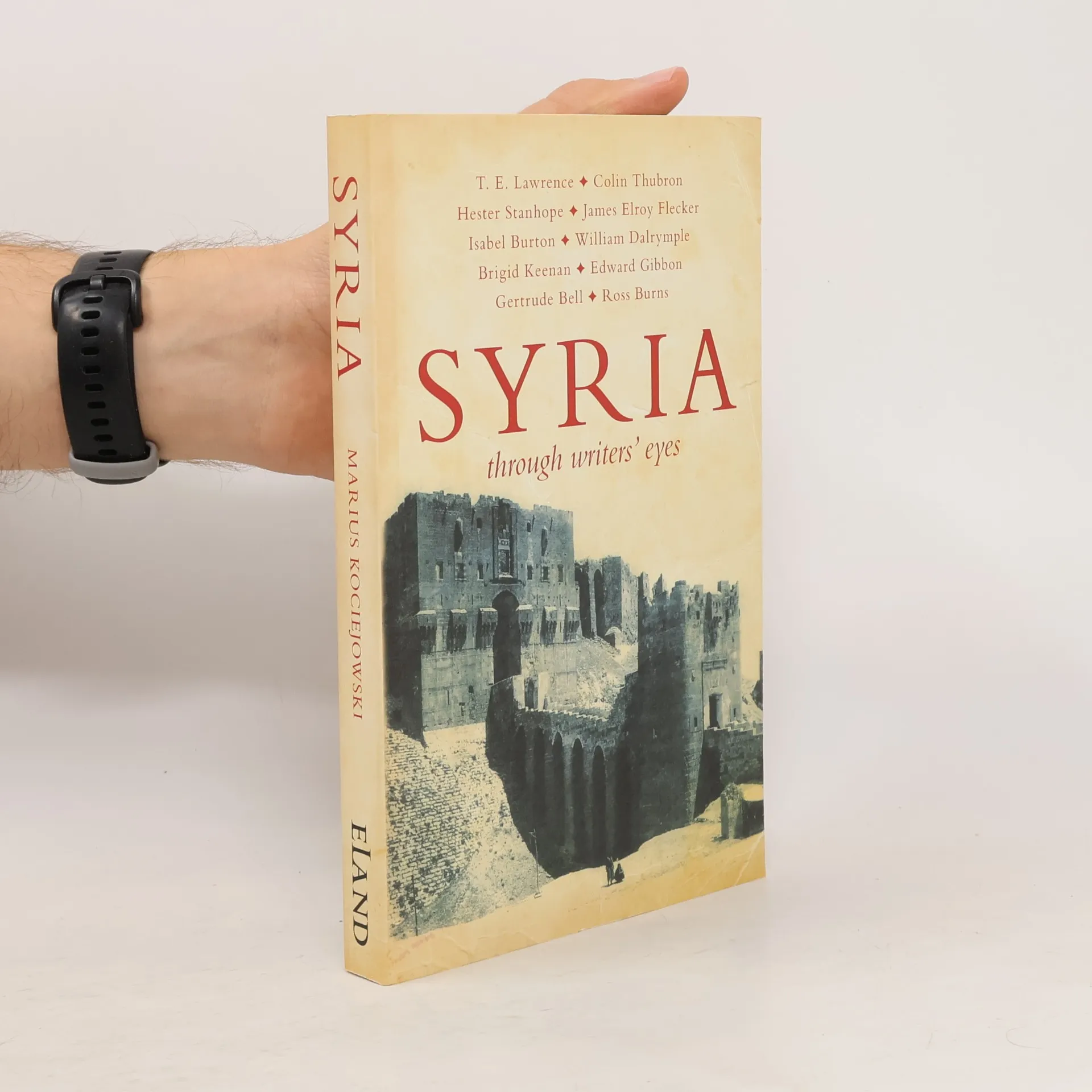
A useful companion for those travelling to Syria, this work is part of a series that is a collection of writing, aiming to invest the traveller with a cultural and historical background to Syria.
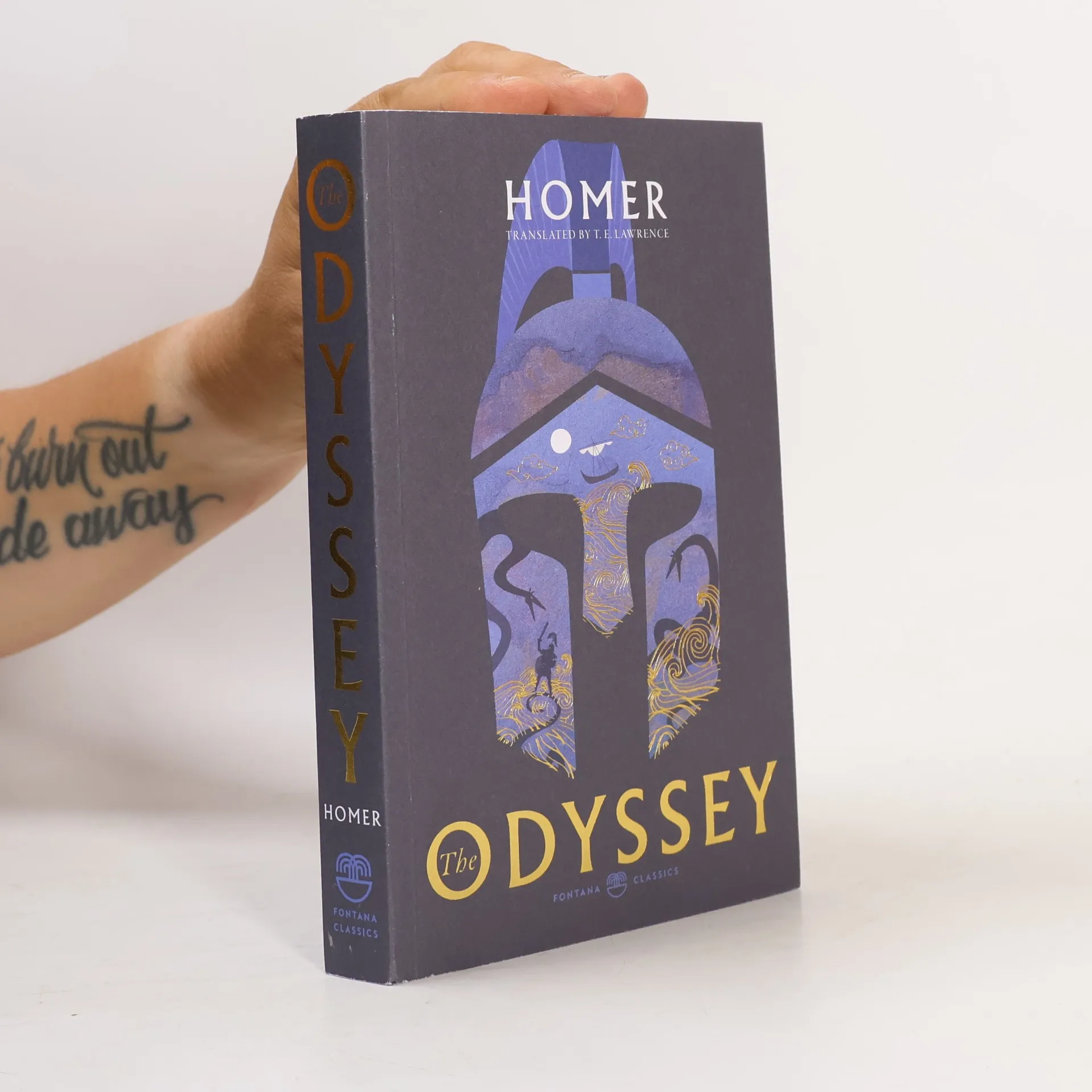
Fontana Classics: The Odyssey
Discover the Timeless Greek Epic Before You See the Film
- 384pages
- 14 heures de lecture
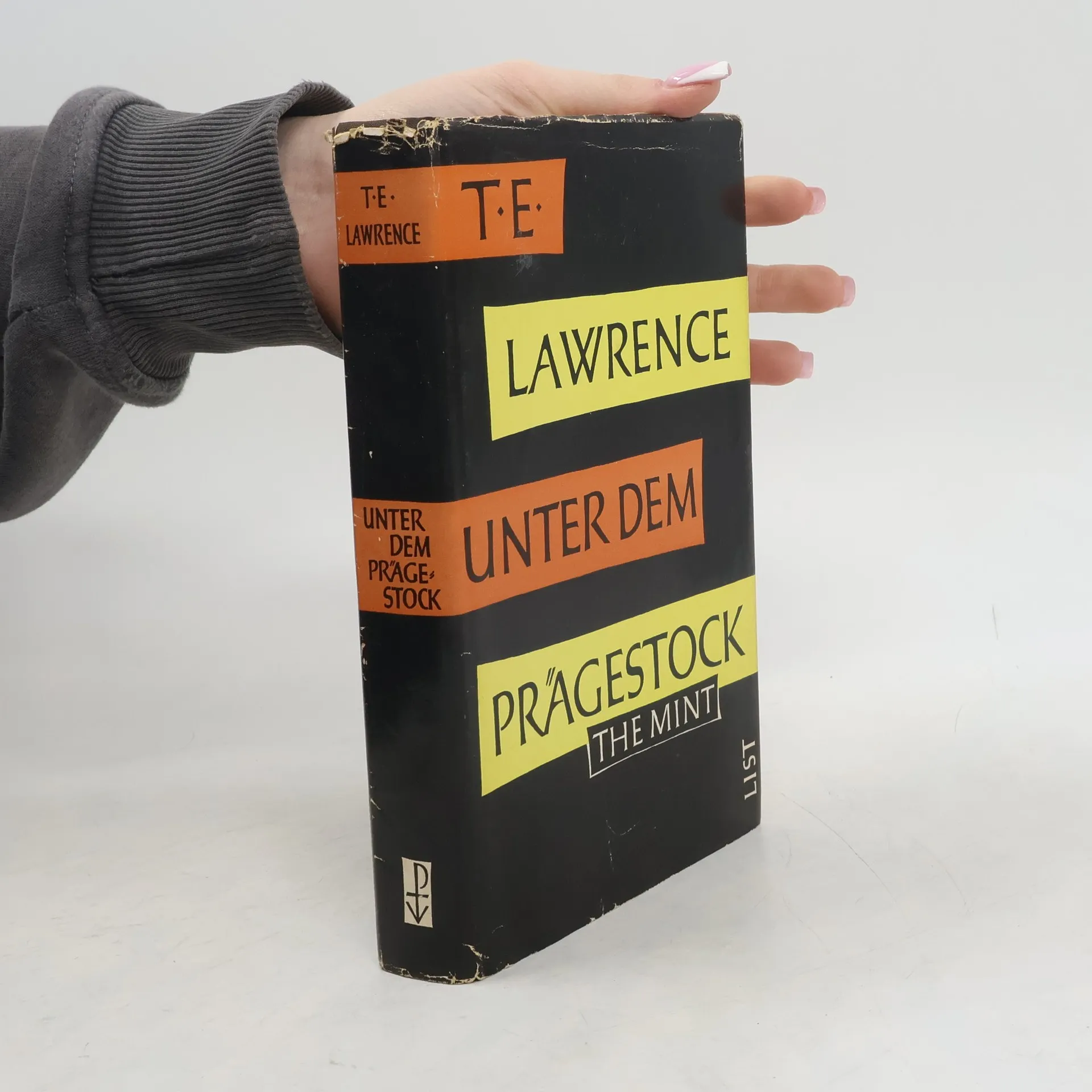
Im Jahr 1922, nachdem seine Träume von einem unabhängigen Arabien zerbrochen waren, trat T.E. Lawrence unter dem angenommenen Namen John Hume Ross in die RAF ein. Obwohl das Leben dort methodisch und einschränkend war, schien es Lawrence zu passen: "Die Luftwaffe ist keine menschenzerdrückende demütigende Sklaverei, all ihre Tage. Es gibt Sonne und anständige Behandlung sowie ein sehr reales Maß an Glück für diejenigen, die nicht nach vorne oder hinten schauen." Mit poetischer Klarheit erweckt Lawrence die harten Realitäten des Barrackenlebens zum Leben und beleuchtet die seltsame Dämmerwelt, in die er nach seinen Kriegserfahrungen geraten war. Für alle, die sich für das Leben eines der beständigsten Helden des 20. Jahrhunderts und sein Leben jenseits der gut dokumentierten Araberhebung interessieren, ist "Unter dem Prägestock" eine wesentliche und fesselnde Lektüre.
De donderprofeet en andere motorverhalen
- 255pages
- 9 heures de lecture
Dutch
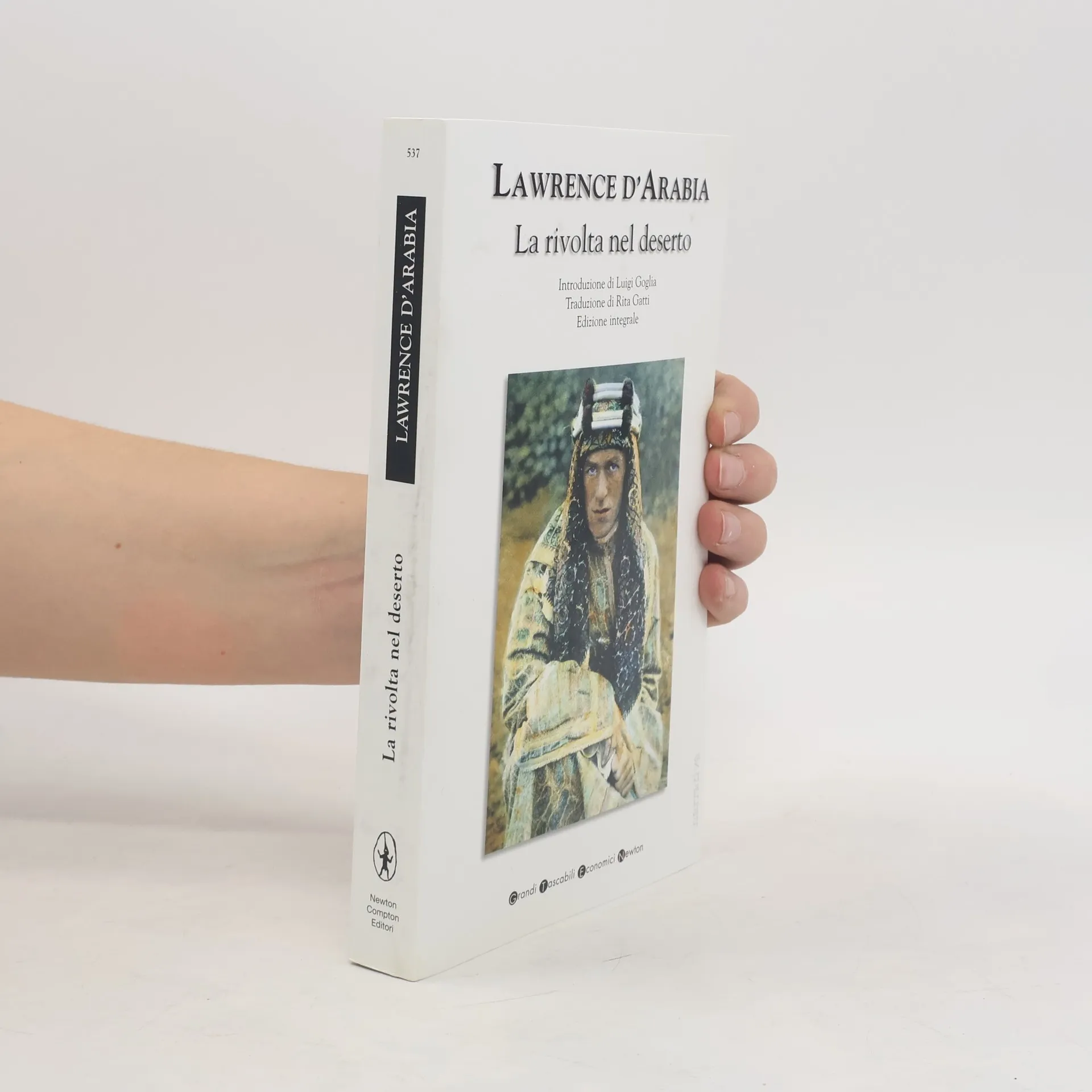
La rivolta nel deserto
- 352pages
- 13 heures de lecture
Der autobiografische Kriegsbericht von Lawrence of Arabia fängt eindrucksvoll die Atmosphäre des Nahen Ostens während des Krieges ein. In einer bewegenden Schilderung reflektiert der Autor über seine Erlebnisse und die kulturellen Eindrücke, die ihn prägen. Die eindringliche Beschreibung eines abendlichen Gebetsrufes eines Muezzins verdeutlicht die spirituelle Tiefe und die kulturellen Kontraste der Region. Lawrence vermittelt sowohl persönliche als auch historische Perspektiven, die den Leser in die komplexen Ereignisse und Emotionen dieser Zeit eintauchen lassen.
Aufstand in der Wüste (Großdruck)
Die autobiografischen Kriegsberichte des Lawrence von Arabien
- 472pages
- 17 heures de lecture
Die autobiografischen Kriegsberichte von Thomas Edward Lawrence bieten einen faszinierenden Einblick in seine Erlebnisse während des Ersten Weltkriegs im Nahen Osten. Lawrence schildert eindrucksvoll den Arabischen Aufstand gegen das Osmanische Reich und seine Rolle als Vermittler zwischen den verschiedenen Stämmen. Sein Schreiben kombiniert persönliche Reflexionen mit historischen Ereignissen und beleuchtet die komplexen politischen und kulturellen Dynamiken der Region. Die Erzählung ist sowohl ein Abenteuerbericht als auch ein tiefgehendes psychologisches Porträt eines Mannes, der zwischen verschiedenen Welten steht.
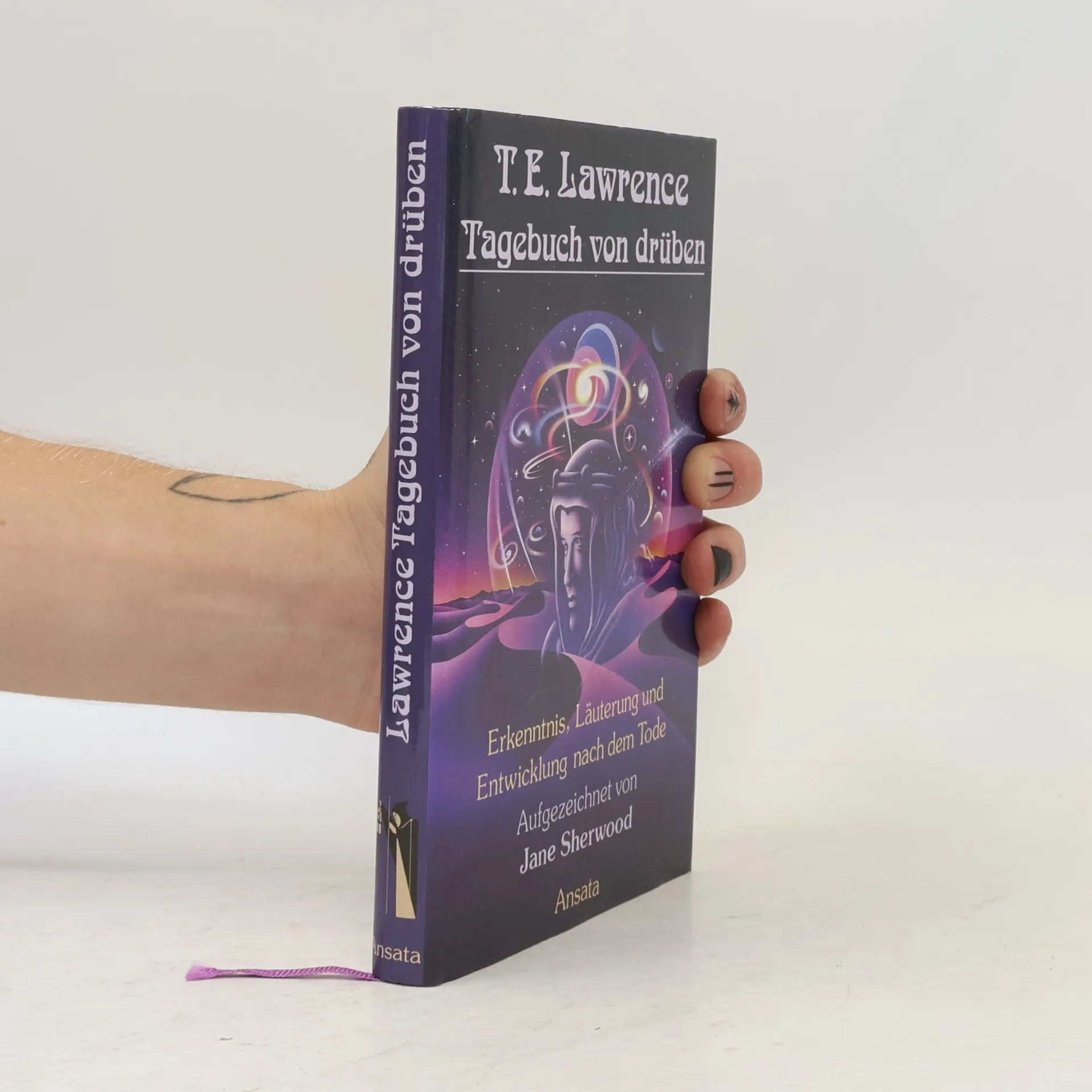
T.E. Lawrence Tagebuch von drüben
- 162pages
- 6 heures de lecture
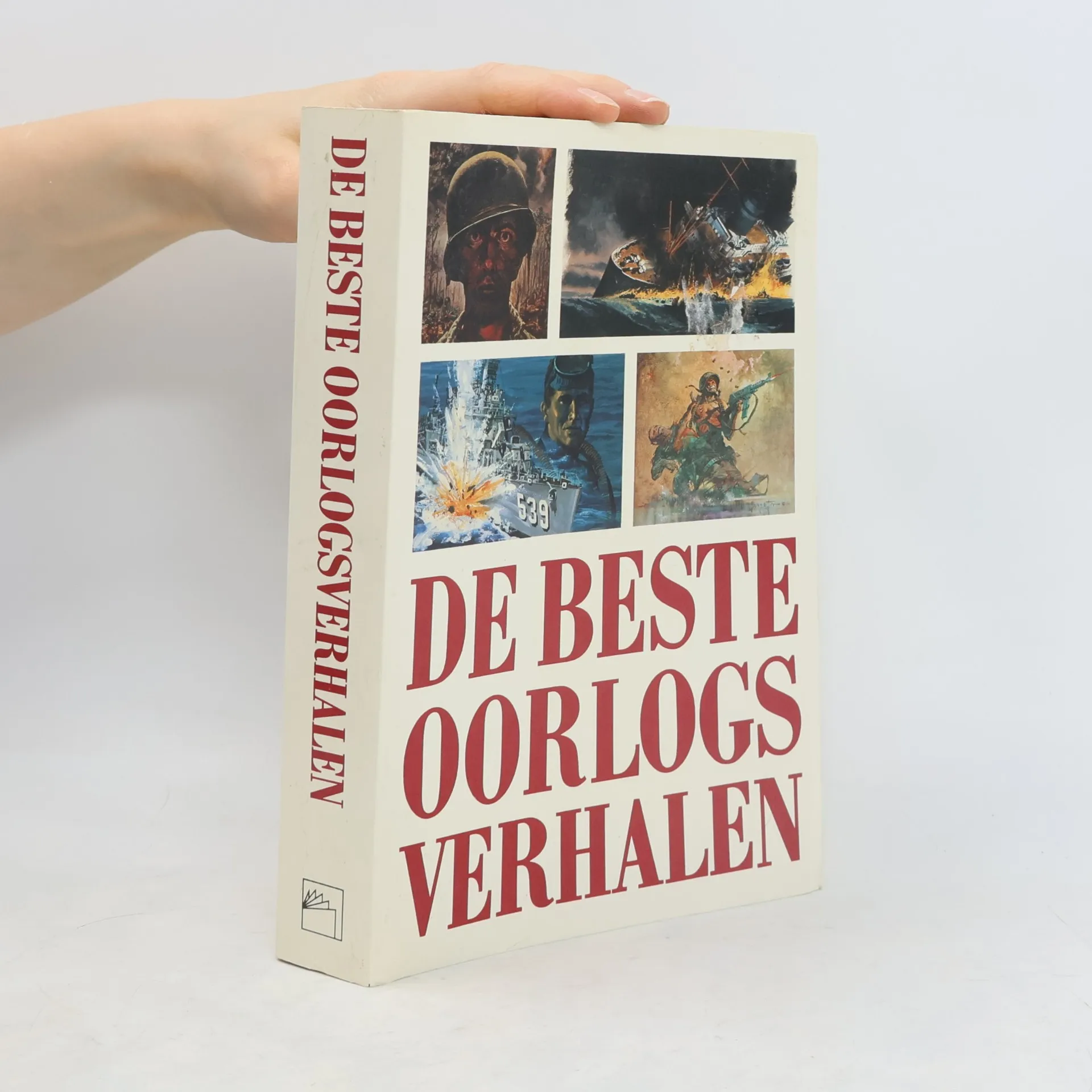
Deze omvangrijke omnibus biedt de lezer een zeer uitgebreide en rijk geschakeerde collectie oorlogsverhalen. Verdeeld in 6 afdelingen - Soldaten in de oorlog, Burgers in de oorlog, Facetten van de oorlog, Soldateneer, Oorlog tussen volkeren en Satire over de oorlog - bevat deze omnibus meer dan 25 novellen en verhalen. Naast verhalen van beroemde schrijvers als Tolstoj, Sholochow, Zola, T.E. Lawrence, Remarque en Hemingway werden uit een onvoorstelbare rijkdom aan Engelse, Franse, Duitse, Russische en Japanse literatuur de beste verhalen over oorlog gekozen - van de Griekse mythologie tot onze eigen tijd. De beste oorlogsverhalen voert de lezer naar de slagvelden en loopgraven van vele oorlogen; naar de besneeuwde steppes van Azië, de verzengende woestijnen van Afrika en de verschroeide aarde van Vietnam.