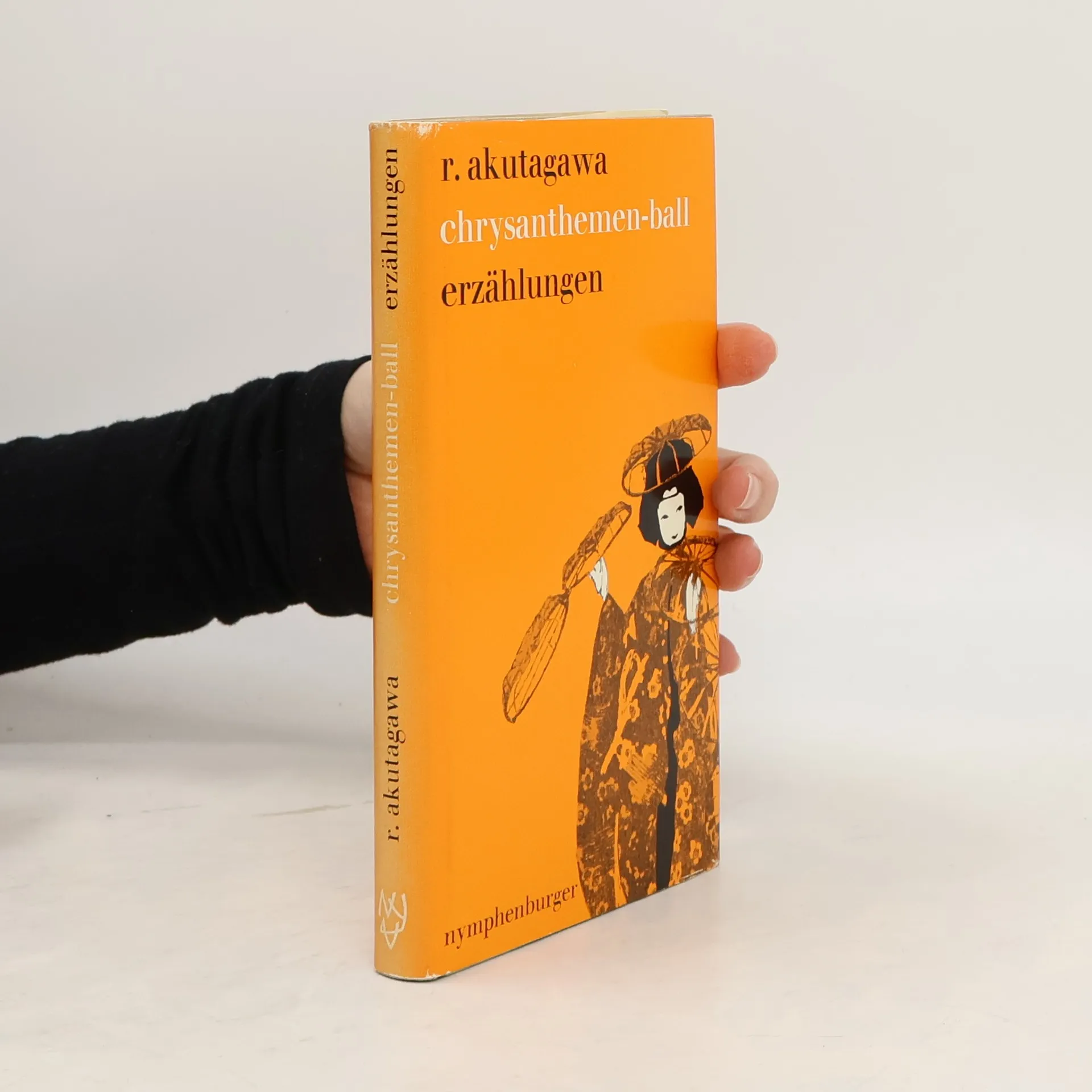
Ryunosuke Akutagawa (1892-1927) is one of Japan's foremost stylists - a modernist master whose short stories are marked by highly original imagery, cynicism, beauty and wild humour. This work features stories such as Rashomon, In a Bamboo Grove, The Nose, O-Gin, Loyalty, Death Register, The Life of a Stupid Man and Spinning Gears.
Ryūnosuke Akutagawa Livres
1 mars 1892 – 24 juillet 1927
Akutagawa Ryunosuke fut parmi les premiers écrivains japonais d'avant-guerre à connaître une large diffusion à l'étranger, réputé pour sa virtuosité technique et sa capacité à fusionner le matériel traditionnel avec une sensibilité moderne. Son œuvre se distinguait des récits banals des romanciers contemporains, explorant souvent la laideur de l'égoïsme humain et la valeur de l'art. Les nouvelles brillantes et concises d'Akutagawa réinterprètent des œuvres classiques et des événements historiques sous un angle résolument moderne, les rendant captivantes pour les lecteurs.



In Dreams
- 176pages
- 7 heures de lecture
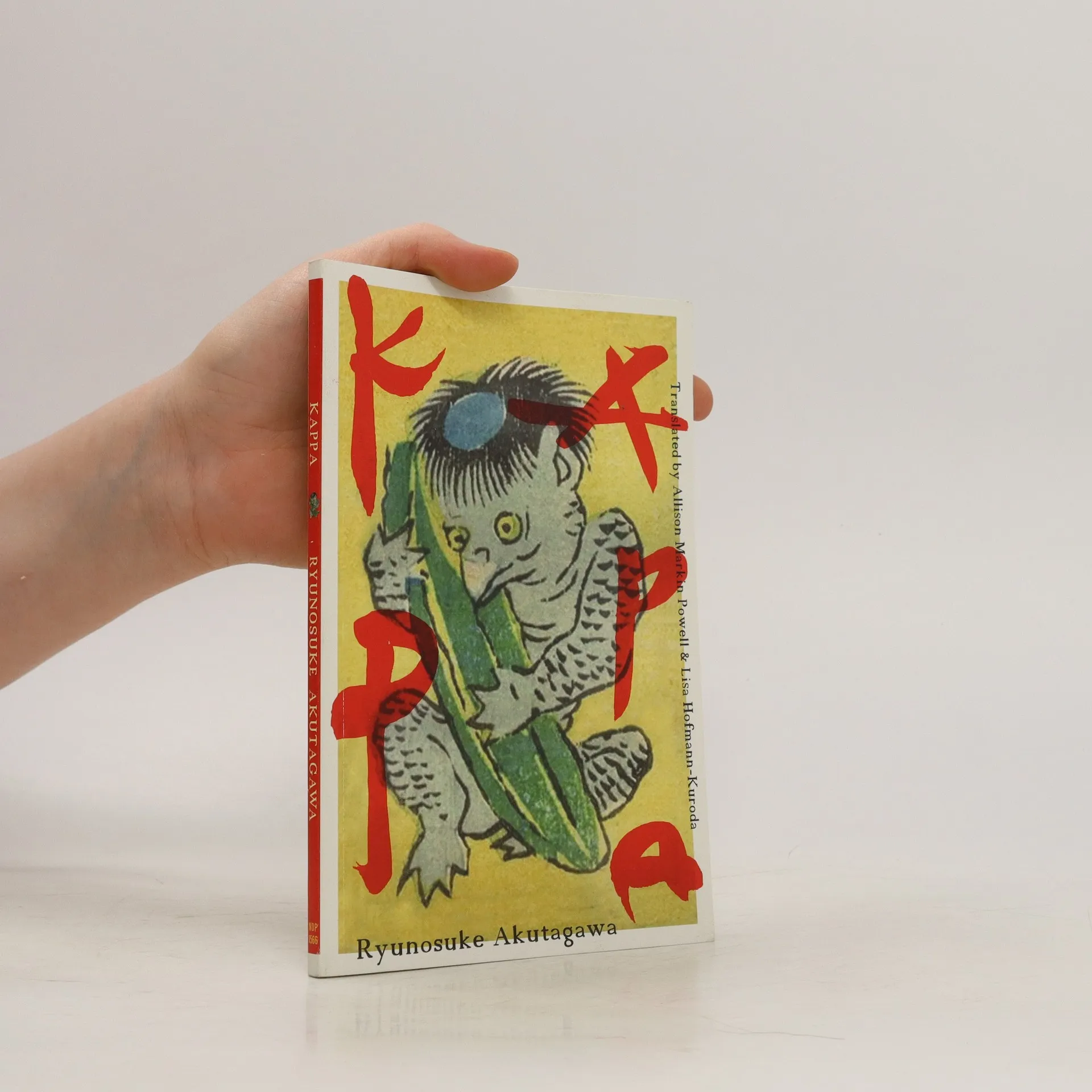
Deftly translated by Ryan Choi, these stories and vignettes (plus two short plays) all have radical brevity in common, demonstrating that Akutagawa was an early and prescient master of what we now call "flash" fiction and non-fiction. With a striking economy of means, the author gives us vivid, eccentric, feeling characters, young and elderly, learned and unpolished, urban and rural. Akutagawa's observations and notes âe" on dreams, on being impersonated, on mountain towns, winter nights, university life and, poignantly, the Great KantÅ Earthquake âe" are as rich and evocative as his stories, with which they share a mesmerising quality. Â First published in Japan between 1914 and 1927 (some posthumously), these works have been overlooked in favour of Akutagawa's longer tales, which have formed the basis of his reputation in the West. In translating them, Choi rounds out our understanding of this master stylist.Â
Hell Screen
- 224pages
- 8 heures de lecture
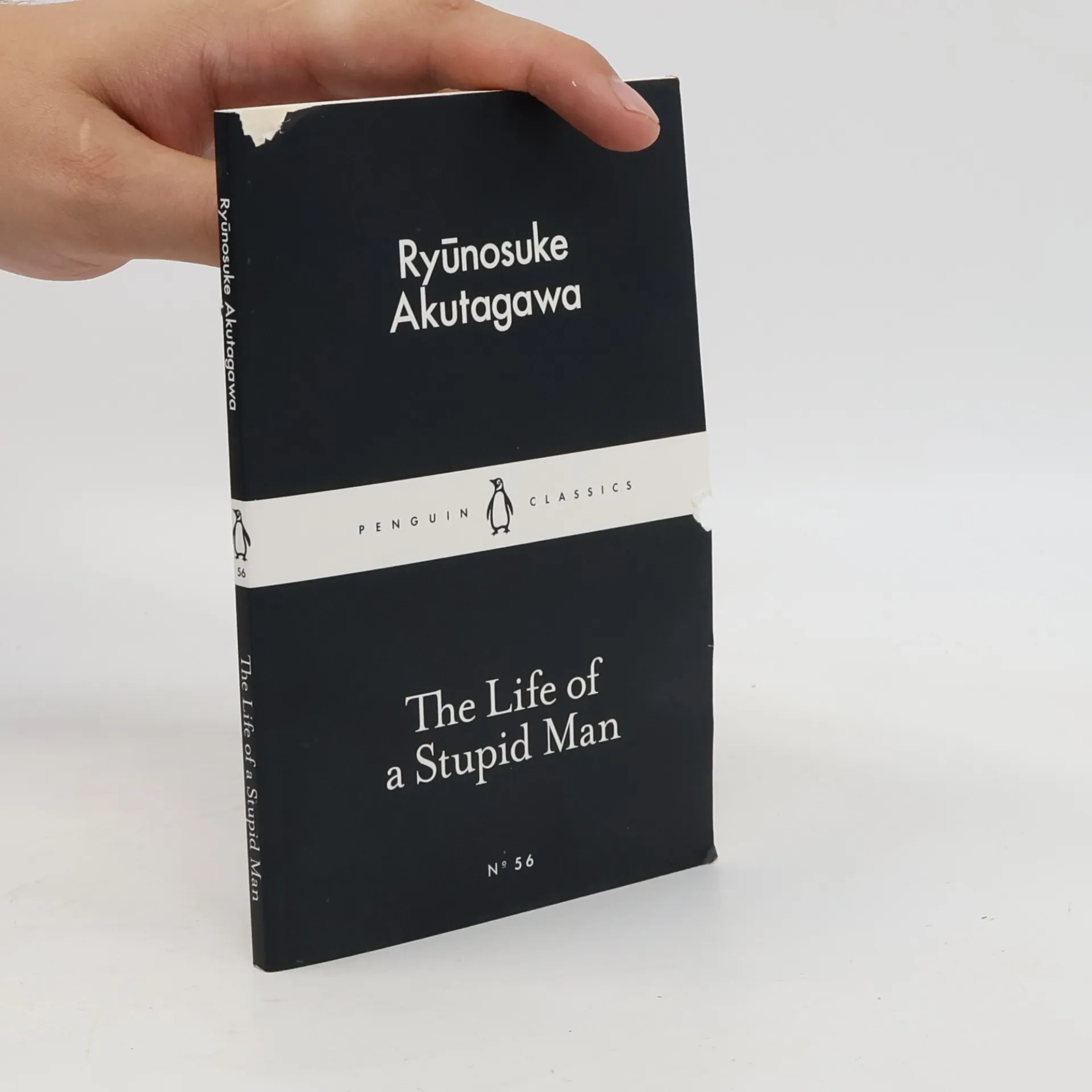
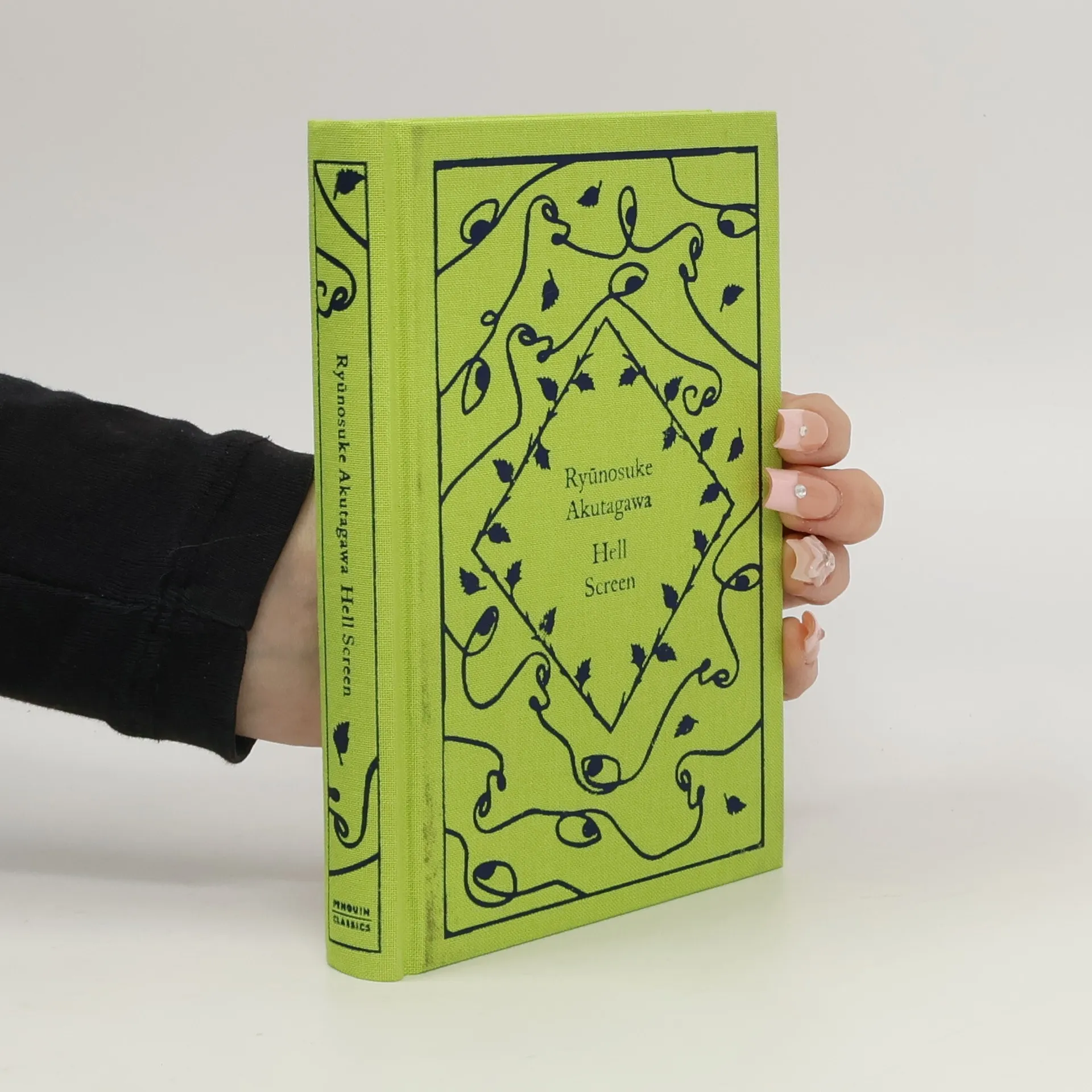
Introducing Little Clothbound Classics: irresistible, mini editions of short stories, novellas and essays from the world's greatest writers, designed by the award-winning Coralie Bickford-Smith. Celebrating the range and diversity of Penguin Classics, they take us from snowy Japan to springtime Vienna, from haunted New England to a sun-drenched Mediterranean island, and from a game of chess on the ocean to a love story on the moon. Beautifully designed and printed, these collectible editions are bound in colourful, tactile cloth and stamped with foil. Akutagawa was one of the towering figures of modern Japanese literature, and is considered the father of the Japanese short story. This paradigmatic selection, which includes the stories that inspired Akira Kurosawa's 1950 film Rashomon, showcases the terrible beauty, cynicism, sublime pain and absurd humour of his writing. 'One never tires of reading and re-reading his best works. The elegantly spare style has a truly spine-tingling brilliance' - Haruki Murakami
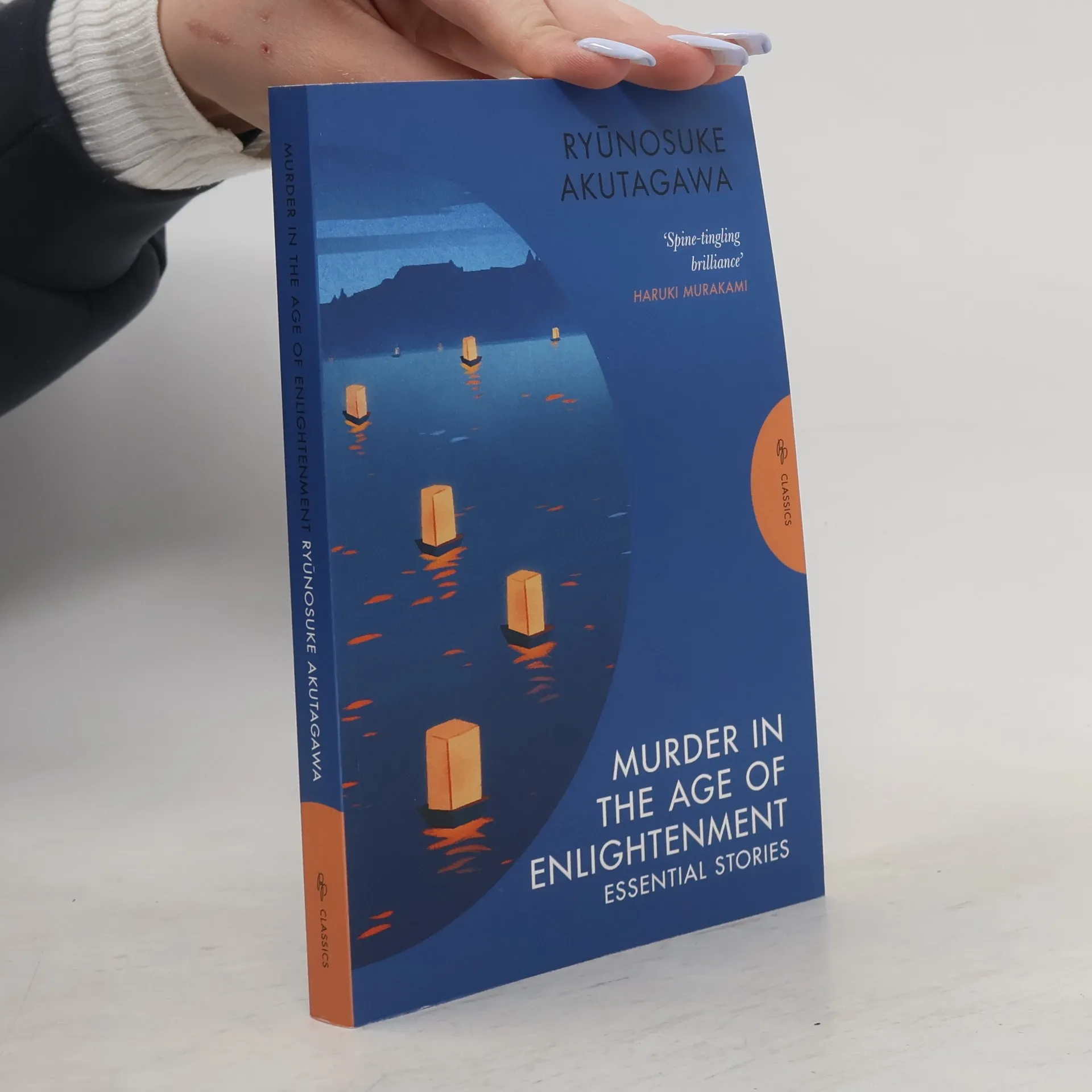
From a nobleman's court, to the garden of paradise, to a lantern festival in Tokyo, these stories offer dazzling glimpses into moments of madness, murder and obsession. A talented yet spiteful painter is given over to depravity in pursuit of artistic brilliance. In the depths of hell, a robber spies a single spider's thread being lowered towards him. When a body is found in an isolated bamboo grove, a kaleidoscopic account of violence and desire begins to unfold.These are short stories from an unparalleled master of the form. Sublimely crafted and stylishly original, Akutagawa's writing is shot through with a fantastical sensibility. This collection, in a vivid new translation by Bryan Karetnyk, brings together the most essential work from this iconic Japanese writer.
Kodansha English Library - 27: The Spider's Thread and Other Stories
- 150pages
- 6 heures de lecture
Akutagawa's magical final work is a short novel with a magic spell all its own--poignant, fantastical, wry, melancholic, and witty
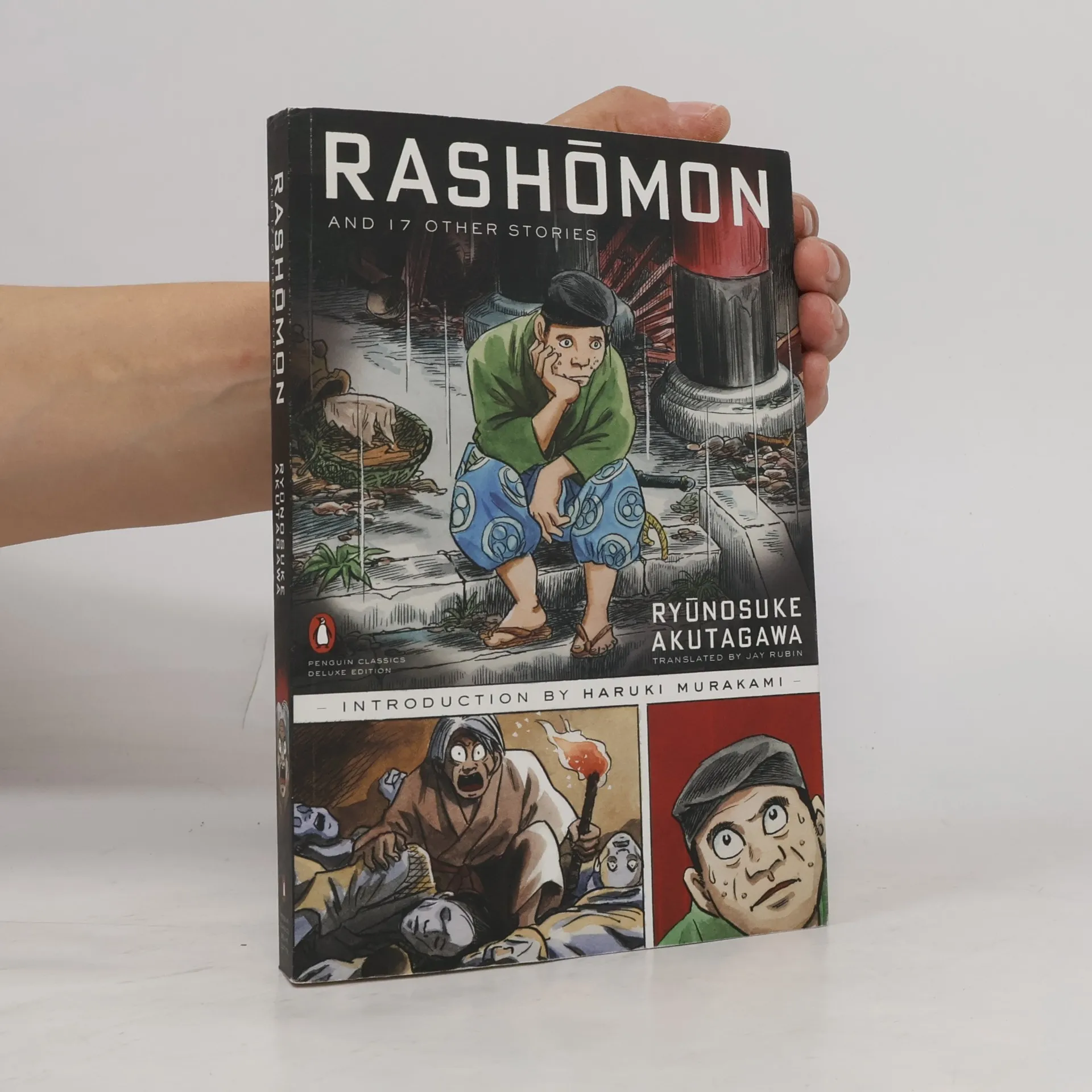
'What is the life of a human being - a drop of dew, a flash of lightning? This is so sad, so sad.' Autobiographical stories from one of Japan's masters of modernist story-telling. Introducing Little Black Classics: 80 books for Penguin's 80th birthday. Little Black Classics celebrate the huge range and diversity of Penguin Classics, with books from around the world and across many centuries. They take us from a balloon ride over Victorian London to a garden of blossom in Japan, from Tierra del Fuego to 16th-century California and the Russian steppe. Here are stories lyrical and savage; poems epic and intimate; essays satirical and inspirational; and ideas that have shaped the lives of millions. Ryunosuke Akutagawa (1892-1927). Akutagawa's Rashomon and Seventeen Other Stories is also available in Penguin Classics.
Obraz pekla
- 52pages
- 2 heures de lecture
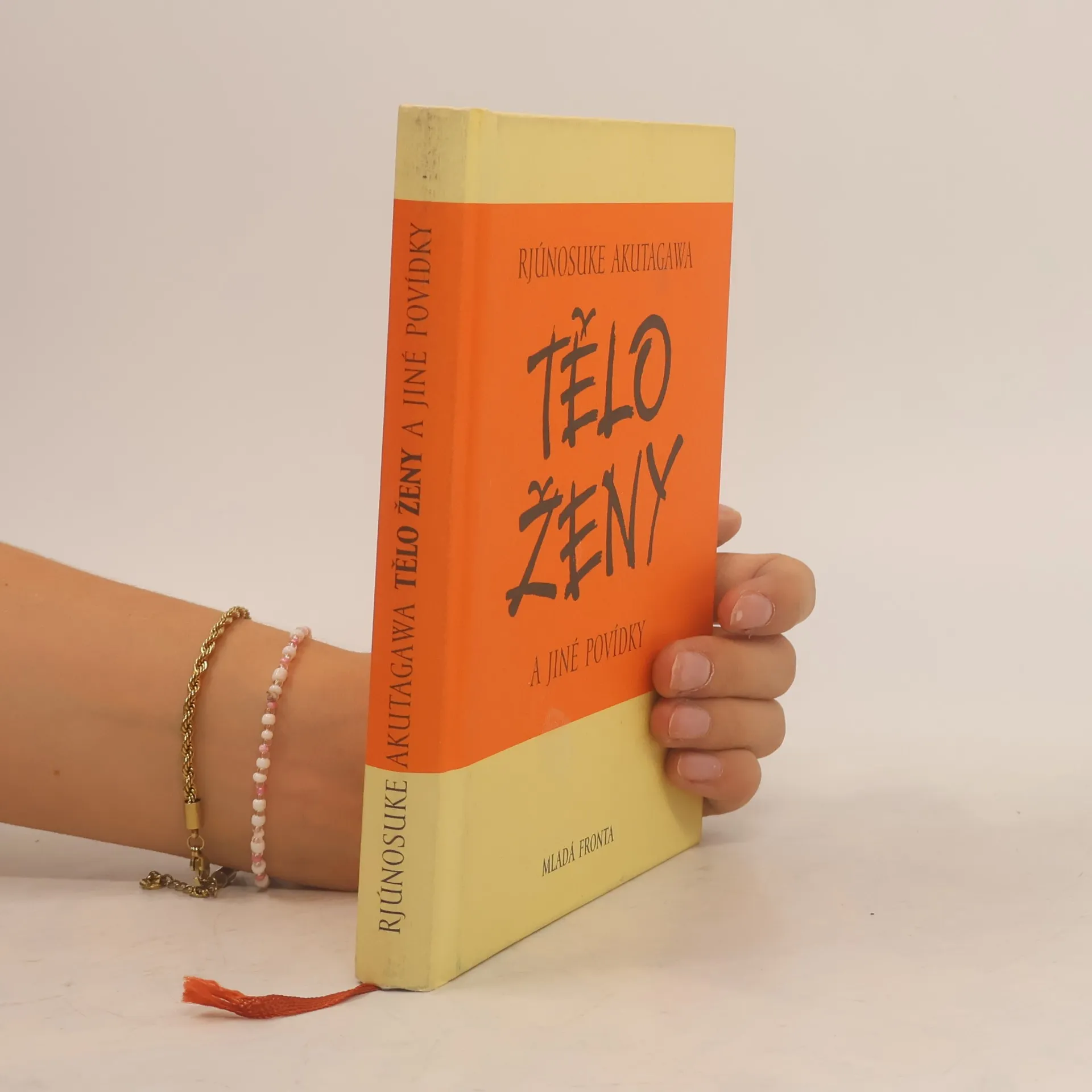
Povídka Obraz pekla japonského prozaika a esejisty zabývajícího se složitostí lidské psychiky, v překladu Vlasty Hilské vychází samostatně v novém kapesním vydání.
Kniha obsahuje celkem deset povídek, které Rjúnosuke Akutagawa napsal v letech 1919–1926. Každá z nich má své osobité kouzlo a předkládá čtenáři s jemnou ironií a melancholickou skepsí nadčasová dramata pocitu viny, pochybností, zrady a hrabivosti, vycházející z osobních zážitků a úvah autora i dávných mystických příběhů, přenesených do autorovy současnosti. Hloubka a originalita pohledu, s jakou se umělec dívá na věci kolem sebe, je nejvtipněji a nejstručněji vyjádřena v titulní povídce "Tělo ženy"....
В стране водяных (V strane vodyanykh)
- 512pages
- 18 heures de lecture
Этот сборник представляет собой исключительное по богатству собрание произведений великого японского писателя, относящихся к разнообразным жанрам «малой» прозы. Реалистические новеллы и рассказы, действие которых относится к современной автору эпохе, перемежаются с историческими произведениями, изысканно стилизованными под блестящую литературу разных периодов японского Средневековья, те сменяются печальными и мудрыми литературными сказками, философскими притчами, даже сатирической фантастикой, рассказами автобиографического характера. Однако все эти тексты, удивительно разные в жанровом и стилистическом отношении, наполнены свойственной Акутагаве неизменной страстностью отношения к человеку и необычайной остротой проникновения в самые затаенные глубины человеческого ума и души.
Собрание сочинений Tom 2: Усмешка богов (Sobraniye sochineniy Tom 2: Usmeshka bogov)
- 608pages
- 22 heures de lecture
Kniha obsahuje celkem třináct povídek, které Rjúnosuke AKUTAGAWA napsal v letech 1916–1927. Každá z nich má své osobité kouzlo a předkládá čtenáři s jemnou ironií a melancholickou skepsí nadčasová dramata pocitu viny, pochybností, zrady a hrabivosti, vycházející z osobních zážitků a úvah autora i dávných mystických příběhů, přenesených do autorovy současnosti. Tři z povídek vycházejí v českém překladu poprvé. Rukopis poslední povídky nebo spíše poetických zápisků nazvaných Život jednoho blázna zaslal Akutagawa krátce před svou sebevraždou příteli Masaovi Kumemu s prosbou, aby po jeho smrti sám rozhodl, zda si tato svého druhu autorova autobiografie zaslouží být vydána.
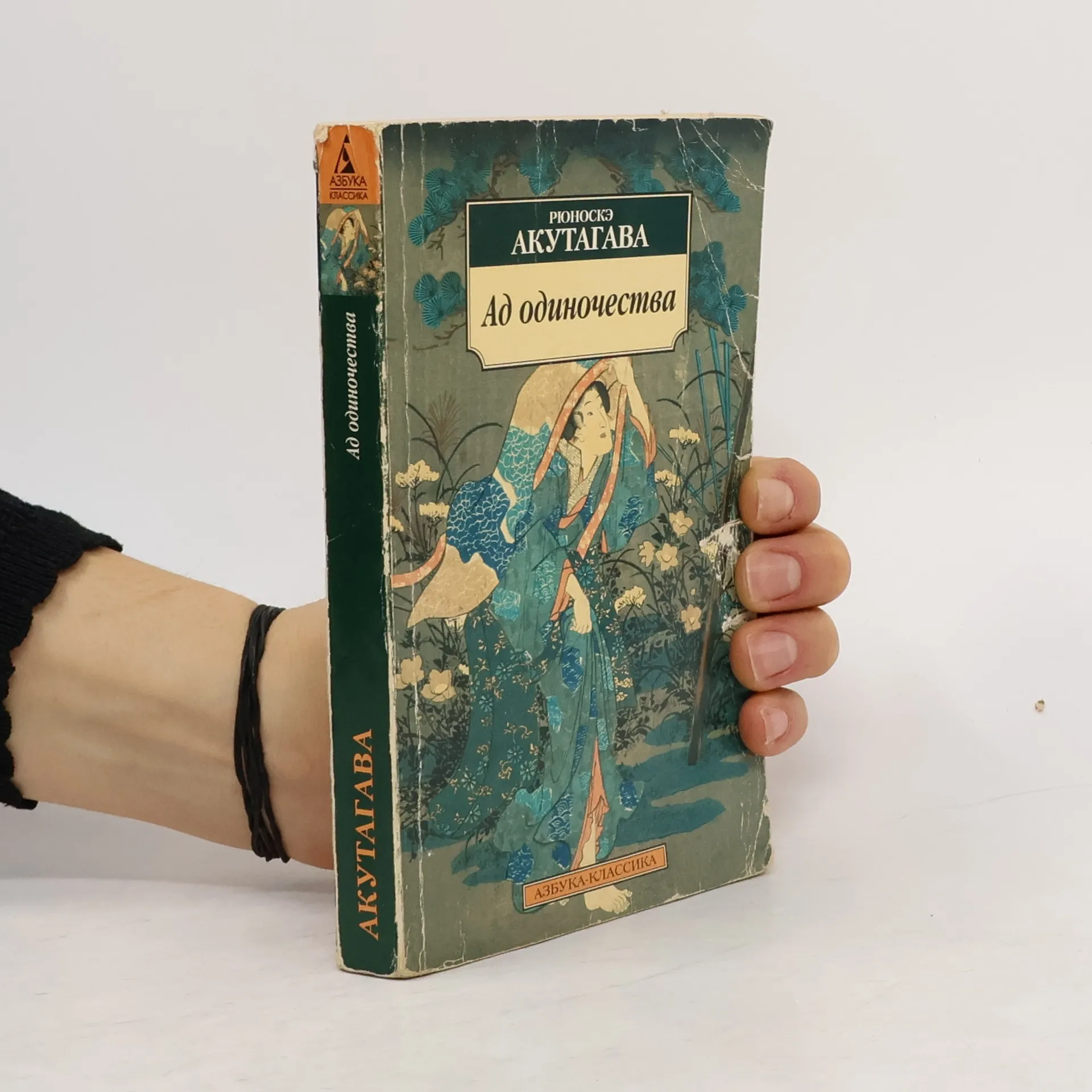
Азбука-Классика: Ад одиночества
- 416pages
- 15 heures de lecture
Творчество выдающегося японского писателя Акутагавы Рюноскэ - одно из наиболее ярких и необычных явлений в мировой литературе XX века. Главная тема его произведений, написанных с тонким вкусом и юмором, - бесконечная вселенная духа и тайны человеческой психологии. Материалы для своих новелл Акутагава черпал из исторических хроник, средневековых анекдотов и сборников старинных легенд. Акутагава полагал, что только через исключительное и неожиданное можно раскрыть подлинные движения души. Причудливое переплетение вымысла и реальности, глубина психологического анализа, парадоксальность суждений, мягкая ирония делают произведения Акутагавы подлинными шедеврами.
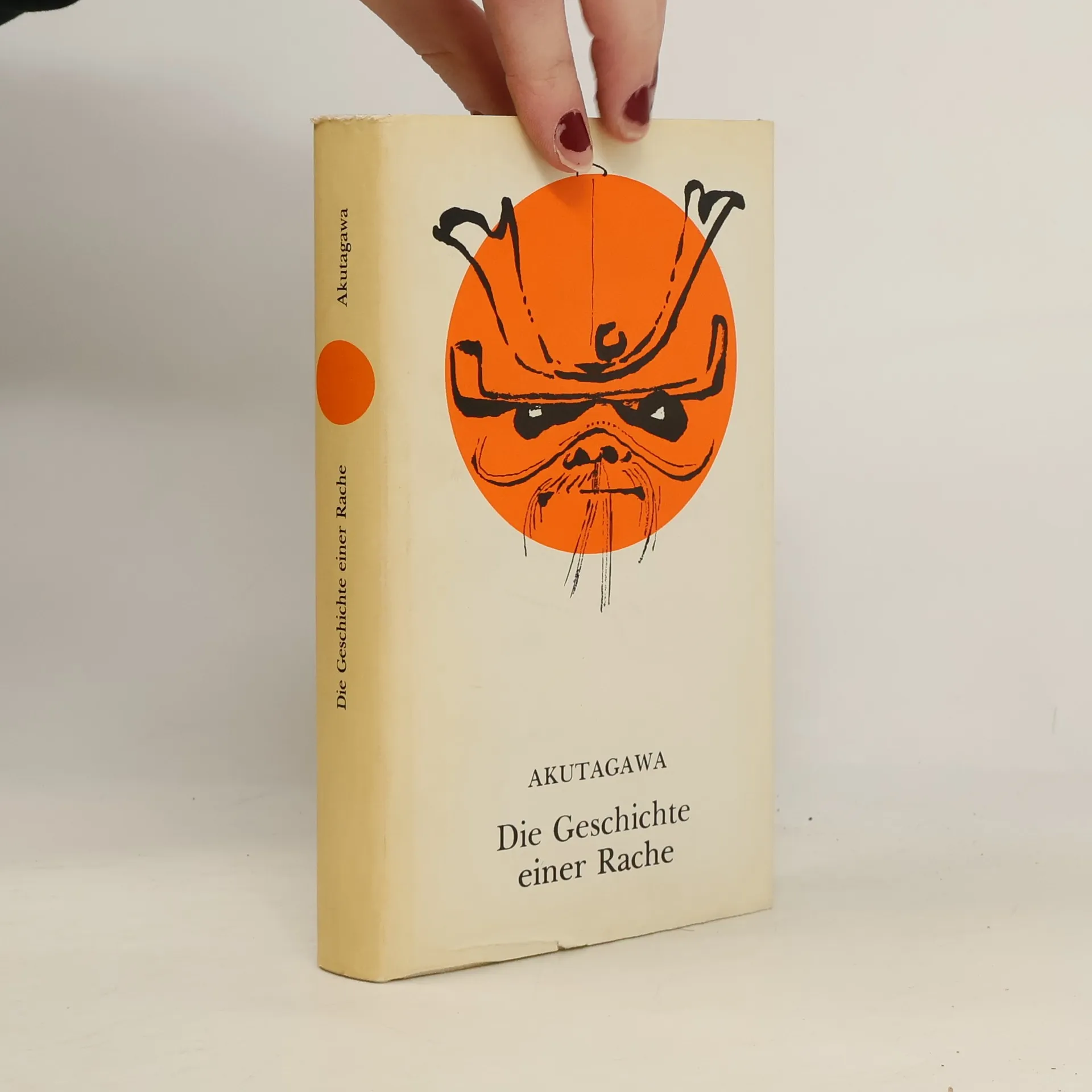
Der vorliegende Band versammelt einundzwanzig ausgewählte und bislang nicht in deutscher Sprache vorliegende Erzählungen und Prosatexte aus allen Schaffensphasen des großen japanischen Erzählers, Dichters und Essayisten Akutagawa Ryūnosuke (1892–1927), dessen stilistisch und thematisch unübertroffen vielfältiges Werk in Japan so hochgeschätzt wird, dass es für viele den Übergang von Tradition über Moderne zu Post-Moderne verkörpert. Der 1935 gestiftete und heute höchstangesehene Literaturpreis Japans trägt Akutagawas Namen, und etliche seiner ungebrochen populären Erzählungen werden in japanischen Schulen gelesen.
Die siebzehn Erzählungen und Prosatexte dieses Bandes entstanden in den letzten Lebensjahren Akutagawa Ryūnosukes (1892–1927), dessen spätes Werk im Westen noch immer weitgehend unbekannt ist. Zur sprachlichen Eleganz und subtilen Psychologie der frühen Werke tritt eine experimentierfreudige stilistische Vielfalt, aus der das Bemühen des Autors spricht, der japanischen Literatur seiner Zeit neue Wege zu weisen. So enthält sein spätes Werk neben Erzählungen etwa Texte in Dialogform, Filmdrehbücher, Aphorismensammlungen, meisterhafte literarische Skizzen in prägnantester Kürze und darüber hinaus eine Vielzahl von Essays, Gedichten und tagebuchähnlicher Prosa. Akutagawas Werke haben auch ein dreiviertel Jahrhundert nach seinem Freitod nichts von ihrer inhaltlichen, sprachlichen und stilistischen Originalität und Lebendigkeit eingebüßt.
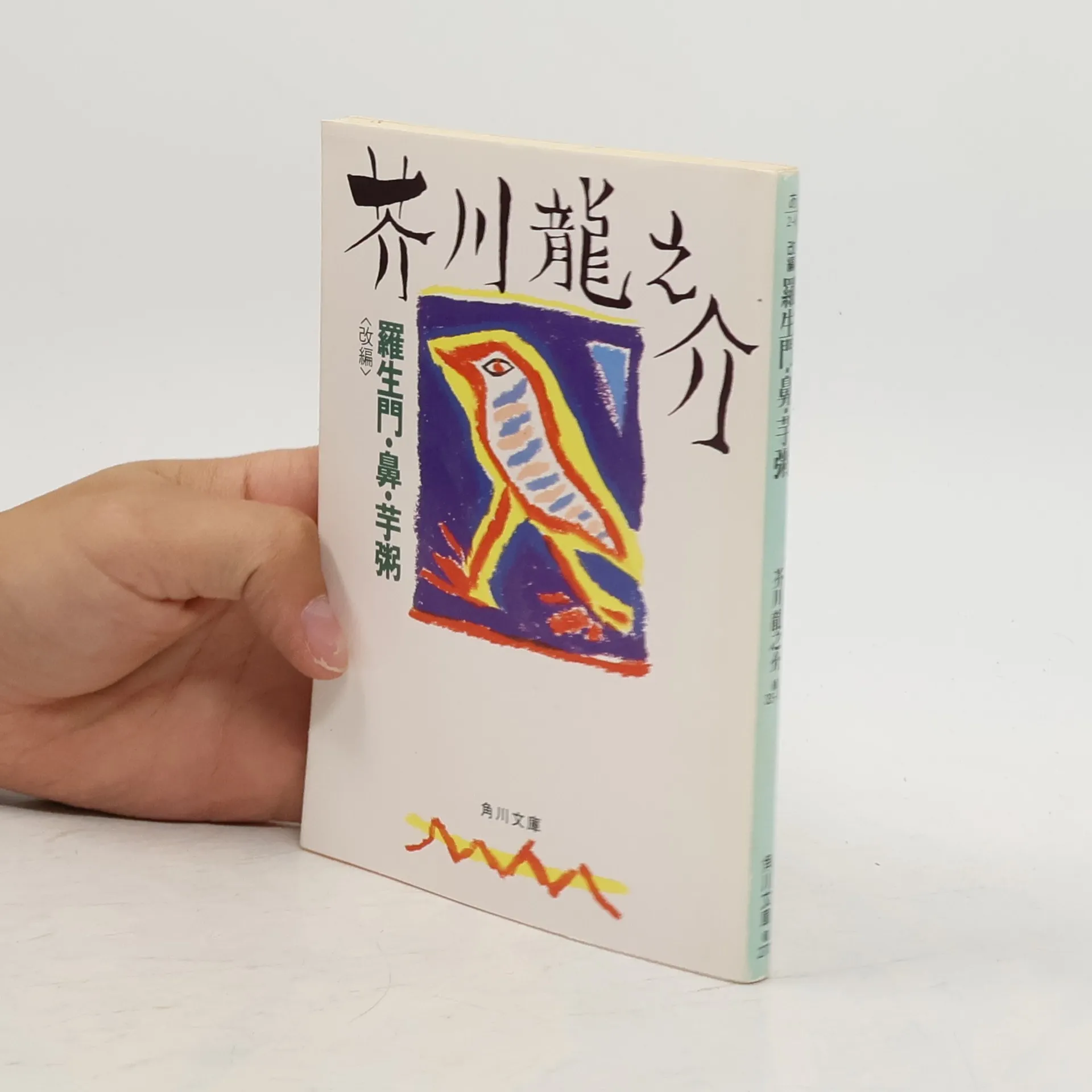
"大正5年、東大在学中の芥川は、久米正雄・菊池寛らと創刊した第四次「新思潮」に「鼻」を発表、漱石の賞賛を得、異才はにわかに文壇の脚光を浴びた。『今昔物語』に取材の表題作のほか、人生の暗黒を見つめる理知と清新な抒情、卓抜な虚構と明晰な文体は、すでにゆるぎない作風を完成している。(C)KAMAWANU CO.,LTD.All Rights Reserved"
Японская поэзия - грациозная, немногословная, столь непохожая на творчество западных поэтов - явление уникальное. И многие специалисты полагают, что именно эпоха Серебряного века (конец XIX - первая половина XX века) представляет собой период наивысшего расцвета японского стиха. В настоящую антологию, подготовленную известным востоковедом и переводчиком японской поэзии Александром Долиным, вошли произведения крупнейших поэтов Серебряного века (среди которых встречаются такие прославленные писатели, как Рюноске Акутугава и Нацумэ Сосэки). Книгу дополняют обширные вводные статьи, воссоздающие панораму многочисленных поэтических школ и направлений Серебряного века.
Akutagawa Ryunosuke, geboren 1892 in Tokyo, war ein vielseitiger Schriftsteller, der zwischen 1912 und 1927 Erzählungen, Stücke und Essays schuf. Er verband japanische und westliche Literaturstile und prägte den magischen Realismus. Sein Suizid 1927 gilt als Wendepunkt in Japans literarischer Geschichte. Der Akutagawa-Preis ehrt sein Erbe.
Karikatúra japonských pomerov a názorov na mnohé otázky života. Prezrádzajú autorovu nespokojnosť s týmito pomermi a stratu duševenj rovnováhy, ktorá krátko po ukončení diela vyústila do samovraždy.
羅生門:獨家收錄
- 278pages
- 10 heures de lecture
《羅生門:獨家收錄【芥川龍之介特輯】及<侏儒的話><某個傻子的一生>》 日本「短篇小說之王」芥川龍之介短篇代表傑作精選集 日本國高中生必讀經典 完整收錄「芥川龍之介的創作與人生」特輯 全方位了解「日本短篇小說之王」 與莫泊桑、契訶夫、愛倫坡齊名 日本文壇最令人驚嘆的「鬼才」 本書精選芥川龍之介創作全盛期短篇代表作 芥川龍之介在他短暫的一生中,寫了超過一百五十篇小說。他的短篇小說篇幅極短,取材新穎,情節新奇甚至詭異。作品關注社會的醜惡現象,卻很少直接評論,僅以冷峻的文字和簡潔有力的語言來陳述,讓讀者深感人性之醜惡,具有極高度的藝術性,同時也成為當時社會的縮影。本書依發表年代,收錄芥川龍之介最受歡迎的五個短篇代表作,完整呈現日本篇小說之王流麗洗練的文字與如剃刀般鋒利的明晰思想!包括: 〈羅生門〉──生死關頭的善惡終極抉擇 〈鼻子〉──深受夏目漱石讚賞的傑作 〈蜘蛛之絲〉──天堂與地獄只在一念之間 〈地獄變〉──藝術至上主義的極致書寫 〈竹林中〉──黑澤明經典電影《羅生門》原著小說 此外,本書特別收錄芥川龍之介晚年的兩部作品,有別於前五篇創作全盛期代表作給人的知性、犀利風格,從晚年時期的作品,可以看到芥川龍之介在創作瓶頸時力求突破的新嘗試: 〈侏儒的話〉──格言集形式,解讀芥川人生觀、藝術觀、戀愛觀的關鍵作品 〈某個傻子的一生〉──自傳式中篇小說,於芥川龍之介自殺後發表,是芥川最後一部作品,更是他留給世人的公開遺書 獨家「芥川龍之介的創作與人生」特輯 從文學與人生的角度 全方位介紹「短篇小說之王」的文學與人