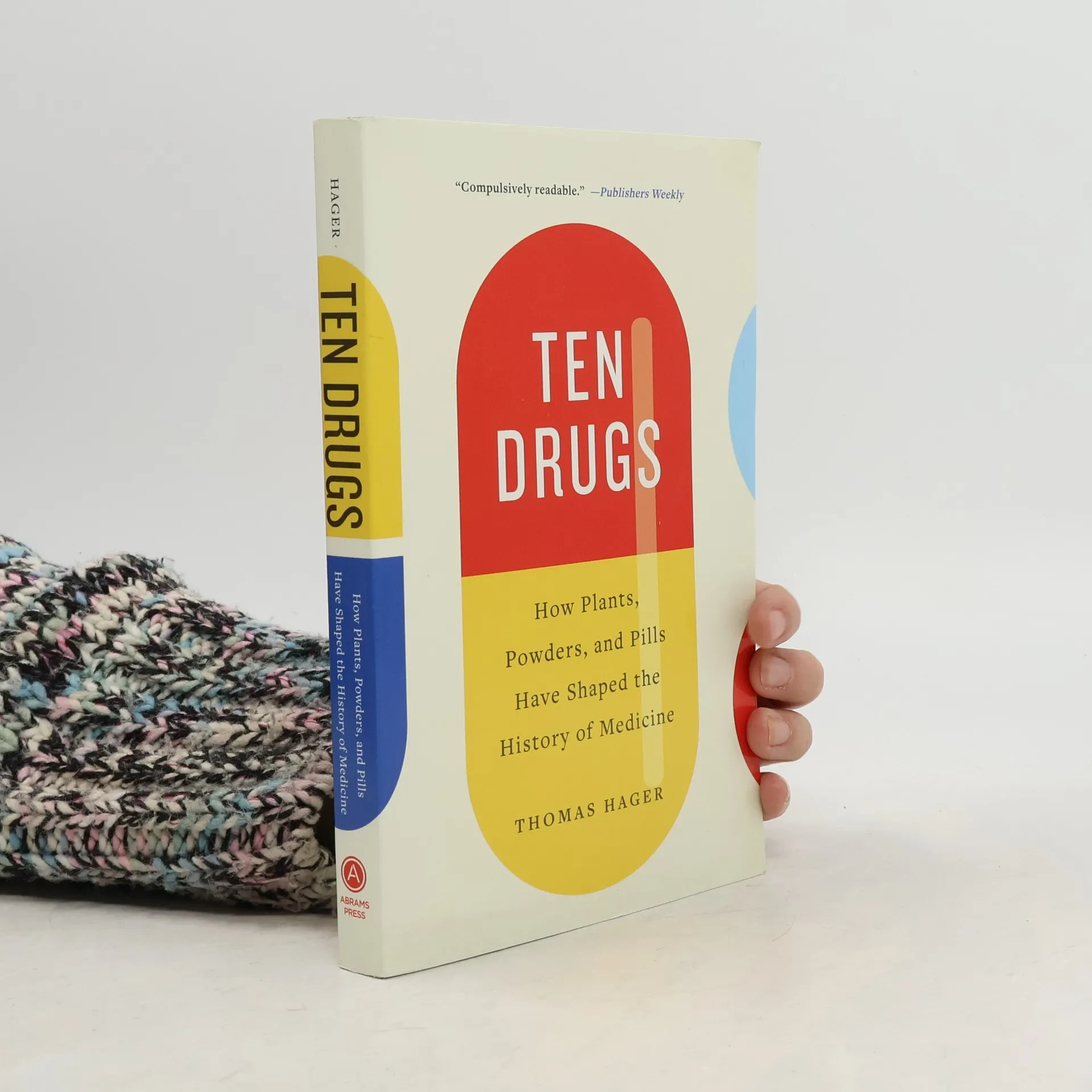
Ten Drugs: How Plants, Powders, and Pills Have Shaped the History of Medicine
- 304pages
- 11 heures de lecture
Profiles ten drugs, discussing their discovery and significance to the history of medicine.



Profiles ten drugs, discussing their discovery and significance to the history of medicine.
A sweeping history of tragic genius, cutting-edge science, and the Haber-Bosch discovery that changed billions of lives—including your own. At the dawn of the twentieth century, humanity was facing global disaster: Mass starvation was about to become a reality. A call went out to the world’ s scientists to find a solution. This is the story of the two men who found it: brilliant, self-important Fritz Haber and reclusive, alcoholic Carl Bosch. Together they discovered a way to make bread out of air, built city-sized factories, and saved millions of lives. But their epochal triumph came at a price we are still paying. The Haber-Bosch process was also used to make the gunpowder and explosives that killed millions during the two world wars. Both men were vilified during their lives; both, disillusioned and disgraced, died tragically. The Alchemy of Air is the extraordinary, previously untold story of a discovery that changed the way we grow food and the way we make war–and that promises to continue shaping our lives in fundamental and dramatic ways.
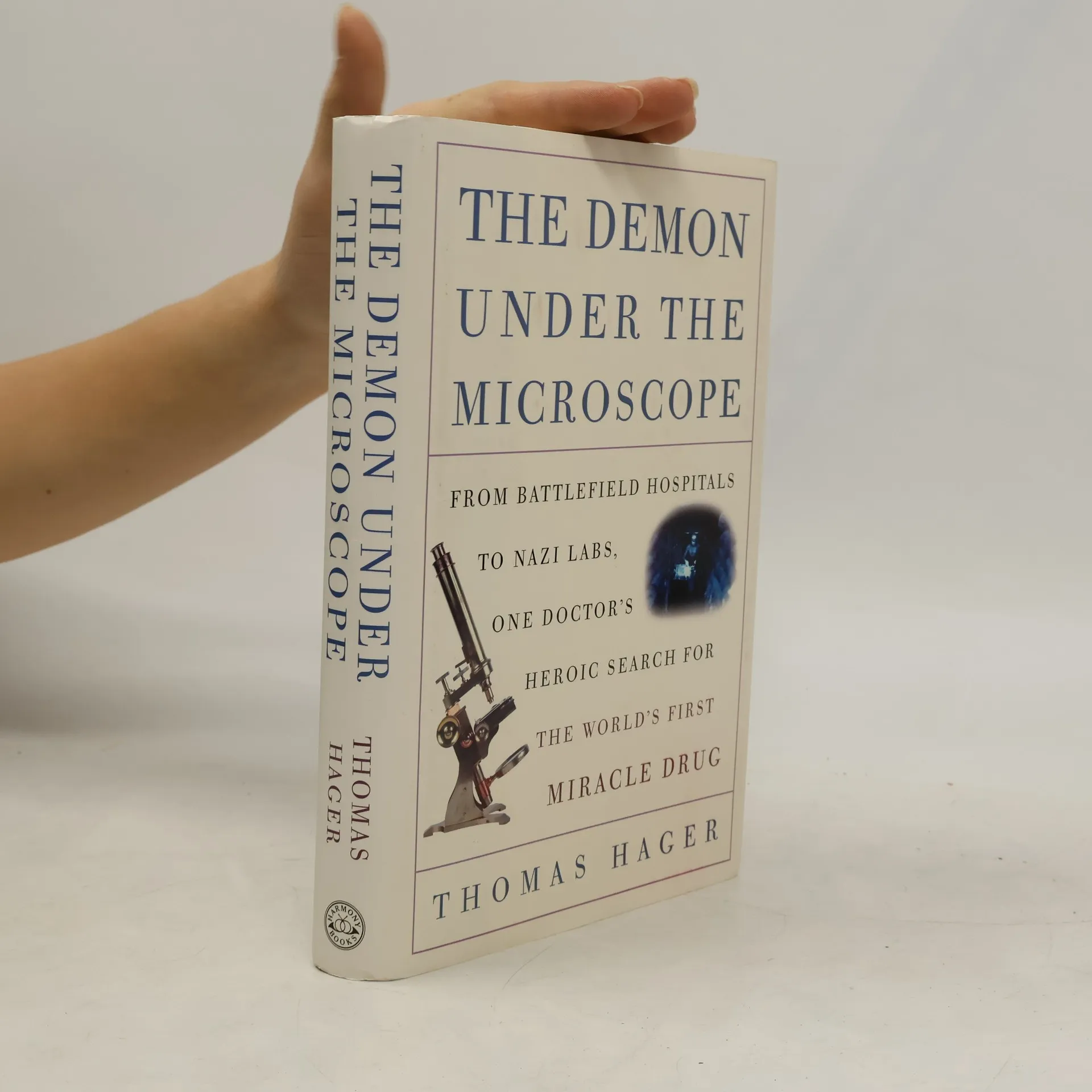
From Battlefield Hospitals to Nazi Labs, One Doctor's Heroic Search for the World's First Miracle Drug
The Nazis discovered it, and the Allies won the war with it. This incredible discovery was sulfa, the first antibiotic, which revolutionized modern medicine. Thomas Hager chronicles the dramatic history of this drug that saved millions, including Winston Churchill and Franklin Delano Roosevelt Jr. Sulfa transformed drug development, patient treatment, and the very concept of curing diseases at their root rather than merely alleviating symptoms. The story of sulfa is colorful and complex, featuring vivid characters, corporate strategies, individual idealism, and a mix of luck, cynicism, heroism, and greed. It highlights the central, albeit mistaken, ideas that brought this groundbreaking drug to the world. For centuries, humanity sought medicines to combat contagion, achieving limited success with vaccines and a few antitoxins. While some drugs could address parasitic diseases, the major bacterial killers—pneumonia, plague, tuberculosis, diphtheria, cholera, and meningitis—remained unchecked by 1931. However, the advent of sulfa marked a pivotal shift in the fight against bacterial infections, paving the way for the antibiotics era and changing the landscape of medicine forever. This narrative is a fascinating scientific tale infused with the excitement and intrigue of a suspense novel.
Die unglaublichen Karrieren der zehn wichtigsten Wirkstoffe der Welt
Eine Impfung schützt vor schweren Krankheiten, Antibiotika retten Leben und Tabletten sind aus unserem Alltag nicht mehr wegzudenken. Doch jede Arznei hat ihre eigene Geschichte, und viele einst gefeierte Mittel fanden später als gefährliche Drogen ein unrühmliches Ende. Thomas Hager enthüllt mit detektivischem Eifer die faszinierenden Hintergründe von zehn bedeutenden Wirkstoffen und zeigt, wie deren Entdeckung die Pharmazie und unsere Gesellschaft beeinflusste. Dabei lässt er bekannte Medikamente wie Penicillin und Aspirin bewusst außen vor und widmet sich auch weniger bekannten Substanzen wie K.O.-Tropfen und Opium. Er erzählt ihre Geschichten mit wissenschaftlicher Präzision und großem Unterhaltungswert. Das Buch ist ein unterhaltsames Sachbuch, das die unglaublichen Biografien von Wirkstoffen wie Chloroform, Heroin, Viagra und der Anti-Baby-Pille beleuchtet. Es beschreibt die Entwicklung der Pharmaindustrie von den Kräuterhexen zur modernen Medizin und die Meilensteine auf dem langen Weg zu wirksamen Arzneimitteln. Die Dosis macht das Gift – ein Wissen, das Chemiker und Pharmazeuten in der frühen Medizingeschichte erst erlangen mussten. Viele Medikamente entstanden als Zufallsfunde und hatten oft verheerende Nebenwirkungen. Erfahren Sie mehr über die hustenstillende Wirkung von Heroin und die Pionierin, die Pockennarben aus unserem Alltag verbannte.