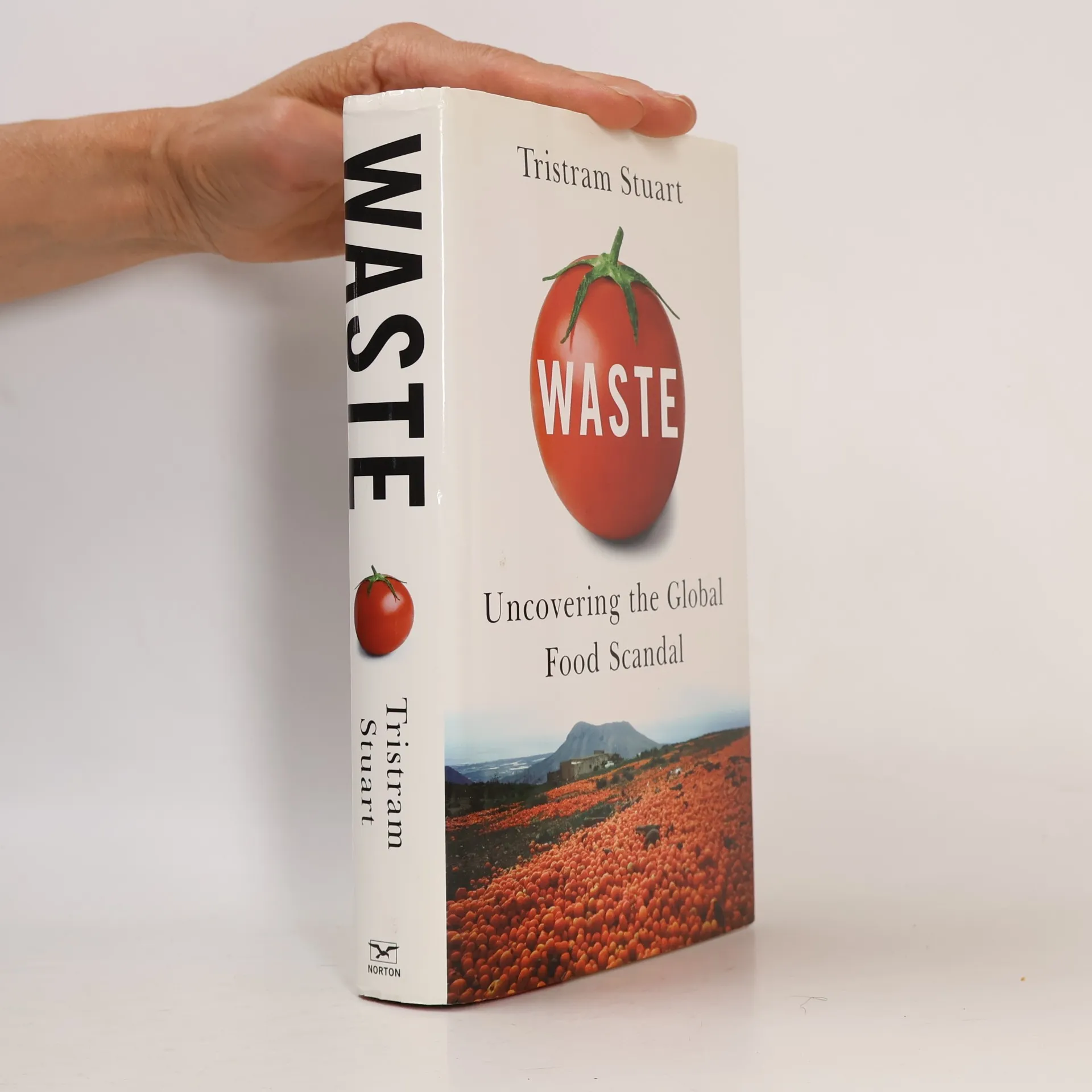
The global food industry discards an astonishing amount of food, with farmers, manufacturers, supermarkets, and consumers in North America and Europe wasting up to half of their food supply—enough to feed the nearly one billion hungry people worldwide multiple times over. This waste contributes to deforestation and accounts for nearly one-tenth of Western greenhouse gas emissions, as food is grown but never consumed. In contrast, developing nations face a different challenge, where crops often rot due to inadequate means for processing, storage, and transportation. However, there are surprisingly simple solutions to this pressing environmental and social issue. The narrative explores the global food waste problem, tracing it from the production chain to the consumer level. The author embarks on a journey from New York to China, Pakistan, Japan, and back to England, meeting foraging pigs, potato farmers, and food industry executives. Along the way, he uncovers both shocking examples of waste and innovative approaches to maximizing resources. As a dedicated freegan, he emphasizes the importance of living off discarded or self-produced food to shed light on the global food waste crisis. Through investigative insights and compelling data, the book reveals how our current lifestyle has led to a food crisis and outlines actionable steps toward resolution.
Tristram Stuart Livres
Tristram Stuart est un auteur et militant de renom dont le travail aborde le problème critique du gaspillage alimentaire. À travers ses livres influents et ses campagnes internationales, il expose l'ampleur du scandale alimentaire mondial et propose des solutions tangibles. Son écriture met en lumière comment nous pouvons réduire considérablement la pression sur l'environnement et les approvisionnements alimentaires mondiaux en luttant contre le gaspillage. Les initiatives de Stuart, telles que Feeding the 5000, démontrent une voie vers un système alimentaire plus durable.