
Bookbot

Julia Lennemann

    Neue Baukunst
    Ein öffentlicher Kopf
    • Ein öffentlicher Kopf

      • 128pages
      • 5 heures de lecture

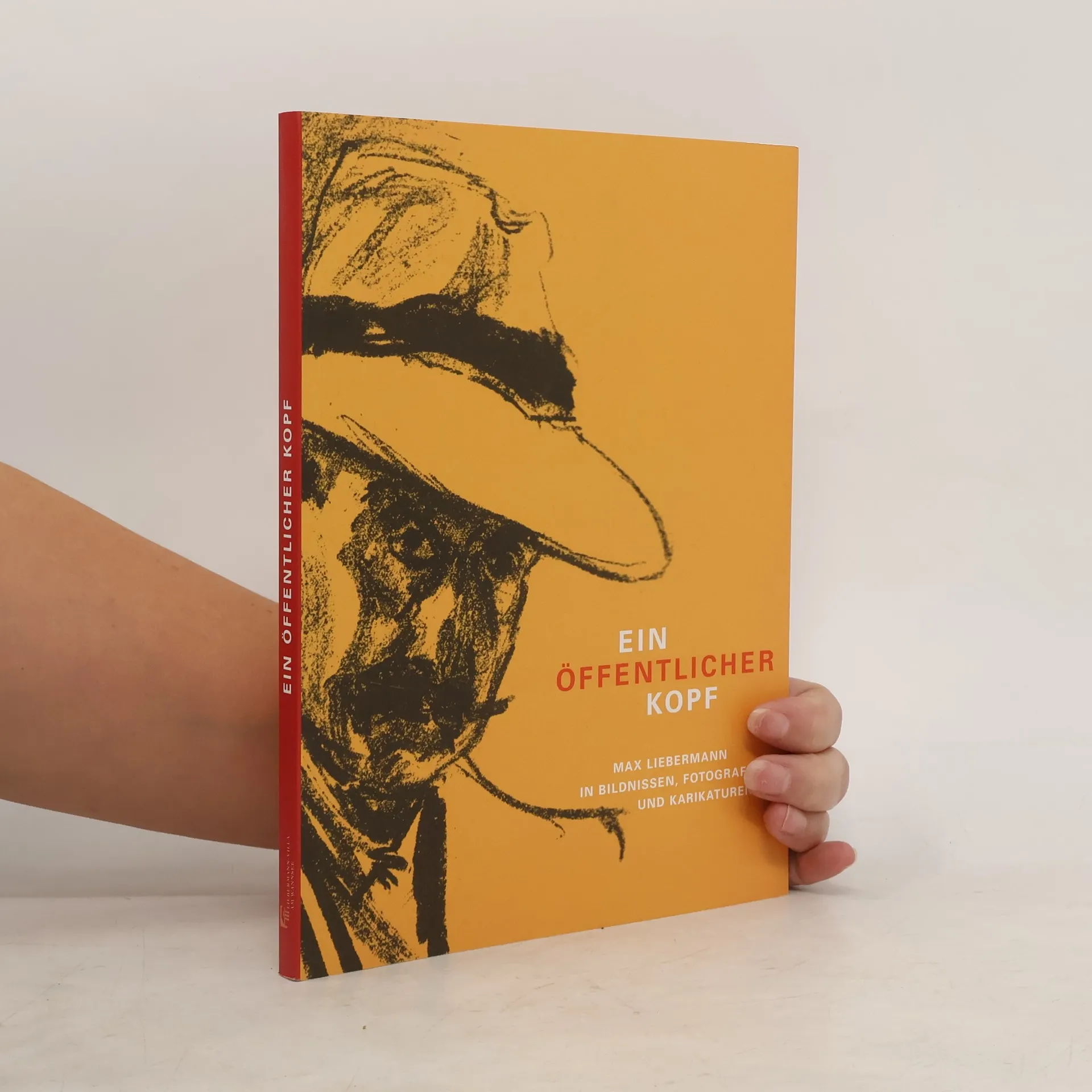
      Als Präsident der Akademie der Künste war Liebermann mindestens ebenso sehr Kulturpolitiker wie Künstler. Seinen ersten Selbstporträts merkt man das Selbstbewusstsein eines Mannes an, der sich zur gesellschaftlichen Elite rechnet. Später tritt an die Stelle eines festen Blicks zweiflerische Melancholie - passend dazu zitiert die Ausstellung in der Liebermann-Villa, die den Maler aus der Eigen- und der Fremd-Perspektive zeigt, den Künstler mit dem Ausspruch, das Selbstporträt sei das schwierigste Genre, denn: "Es fehlt die Distanz." Dieses Problem hatten Liebermanns Zeitgenossen nicht - wie unterschiedlich sie den stets zwischen Impressionismus und Naturalismus schillernden Künstler sahen, beweisen die Liebermann-Porträts. Exhibition: Liebermann-Villa am Wannsee, Berlin (until 28.2.2011).

      Ein öffentlicher Kopf
    • Neue Baukunst

      • 286pages
      • 11 heures de lecture

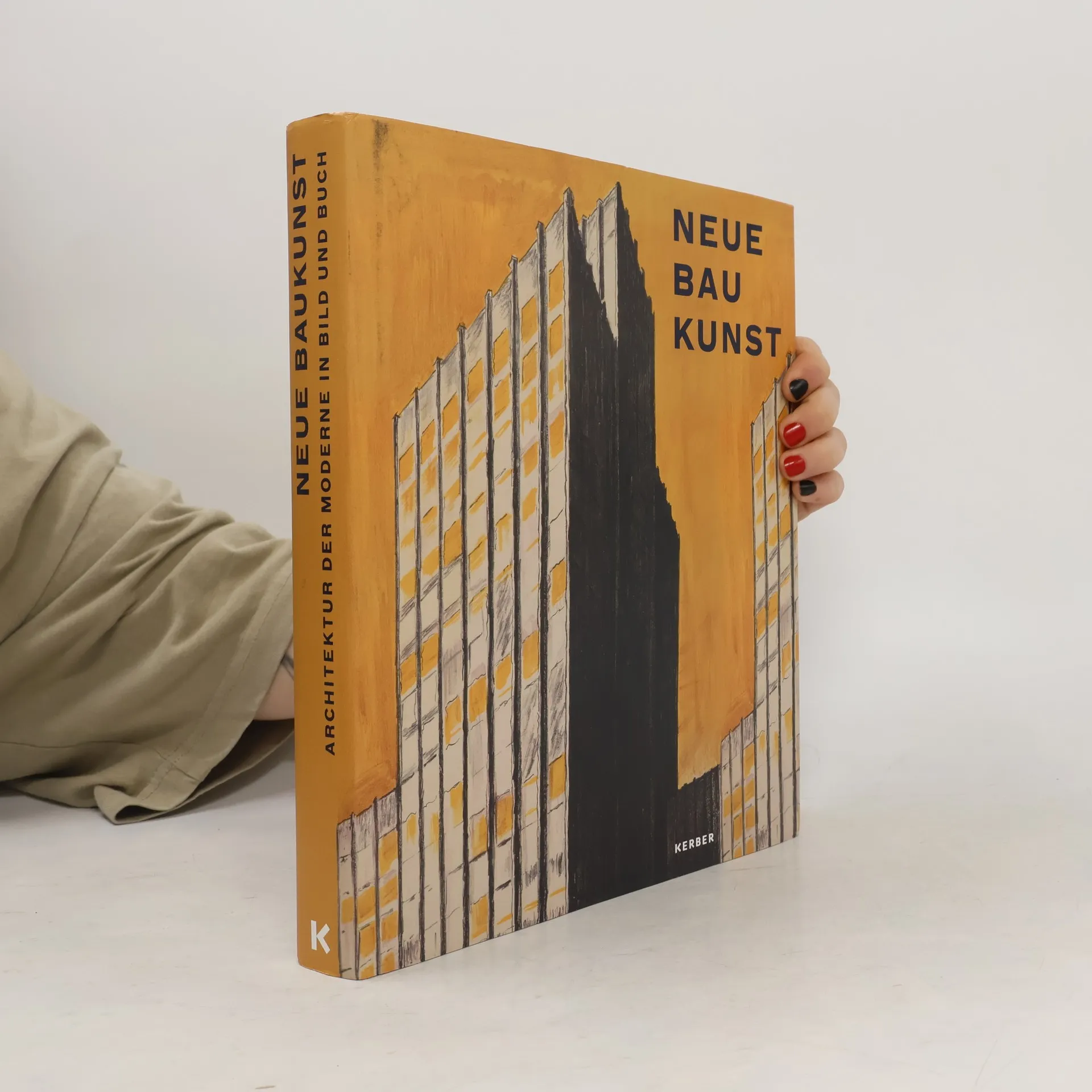
      Walter Müller-Wulckow (1886–1964) aimed to make the latest developments in modern architecture accessible to a broad audience. He authored the most widely circulated illustrated books on architecture in the 1920s, engaging in correspondence with numerous renowned architects. This catalog presents a remarkable collection of photographs, plans, letters, and books that provide a unique overview of architectural evolution during that era. It also explores publication networks, the study of architectural communication and perception, and architectural photography. Notable architects featured include Adolf Abel, Otto Bartning, Peter Behrens, Ludwig Bernoully, Paul Bonatz, Walter Gropius, Erich Mendelsohn, and many others. Additionally, the catalog highlights contributions from prominent photographers such as Ella Beyer-Held, Hermann Collischonn, and Arthur Köster, among others. This comprehensive presentation not only showcases the architectural innovations of the time but also emphasizes the collaborative efforts within the architectural community, reflecting the dynamic exchange of ideas and styles that characterized the period. The work stands as a testament to Müller-Wulckow's commitment to democratizing architectural knowledge and appreciation.

      Neue Baukunst