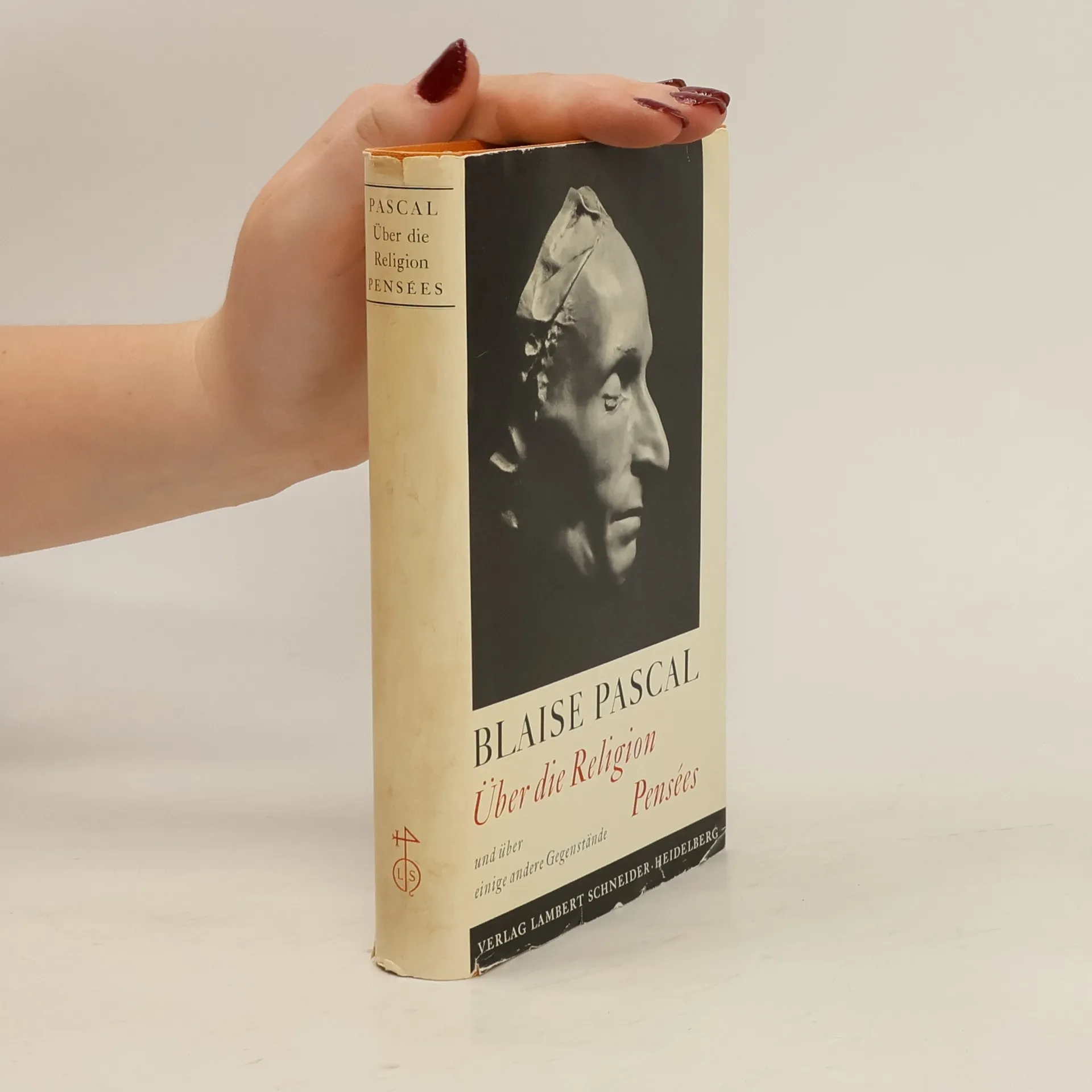
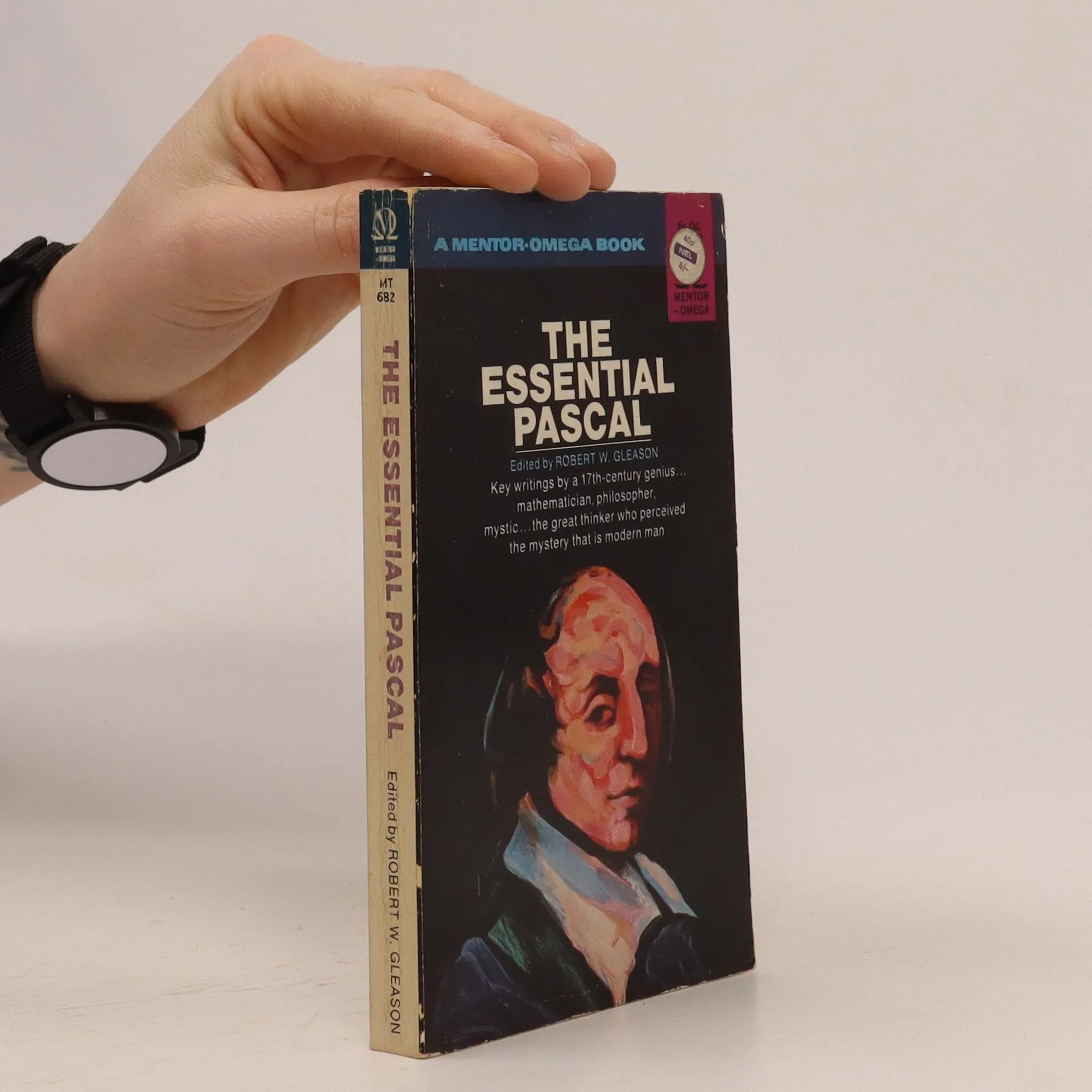
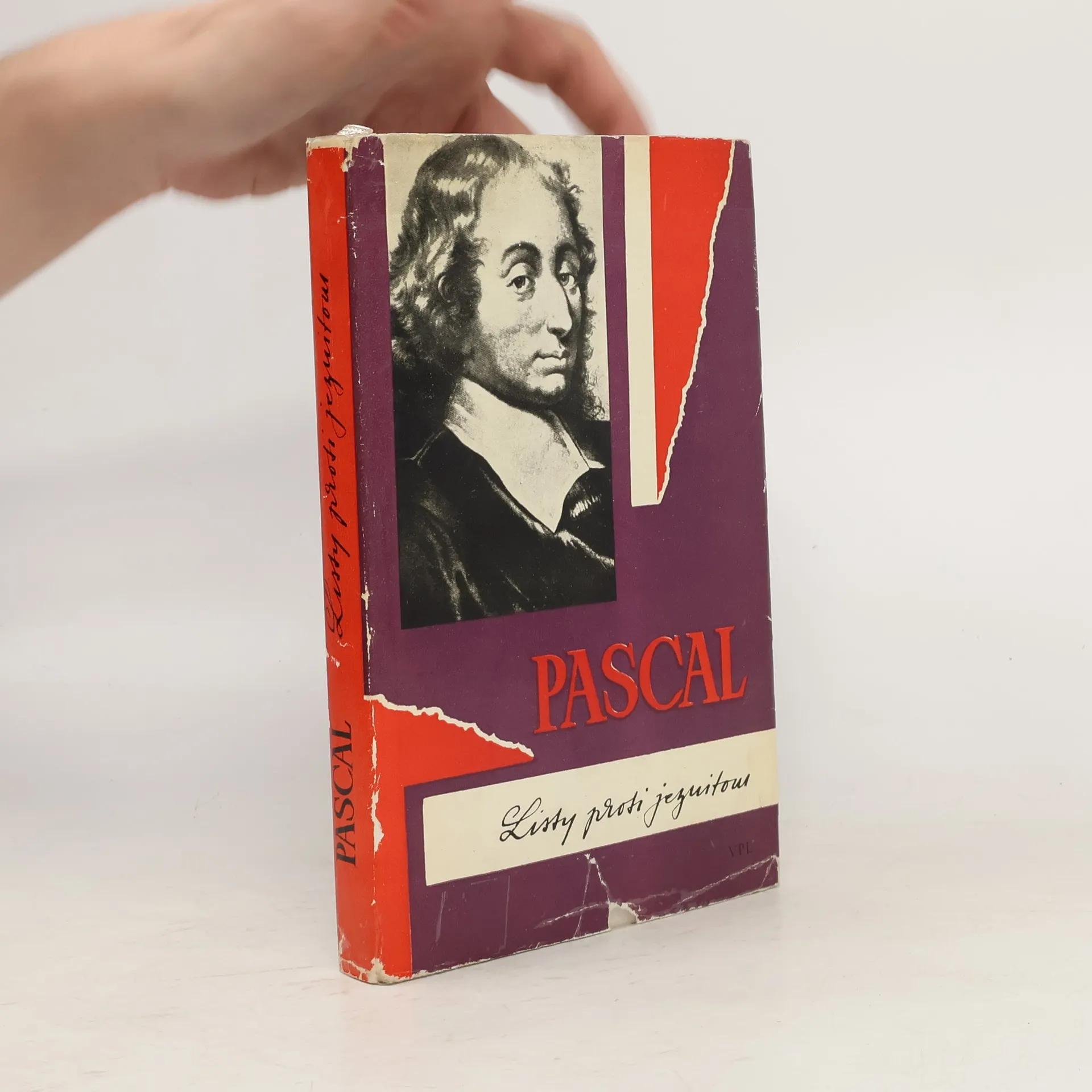
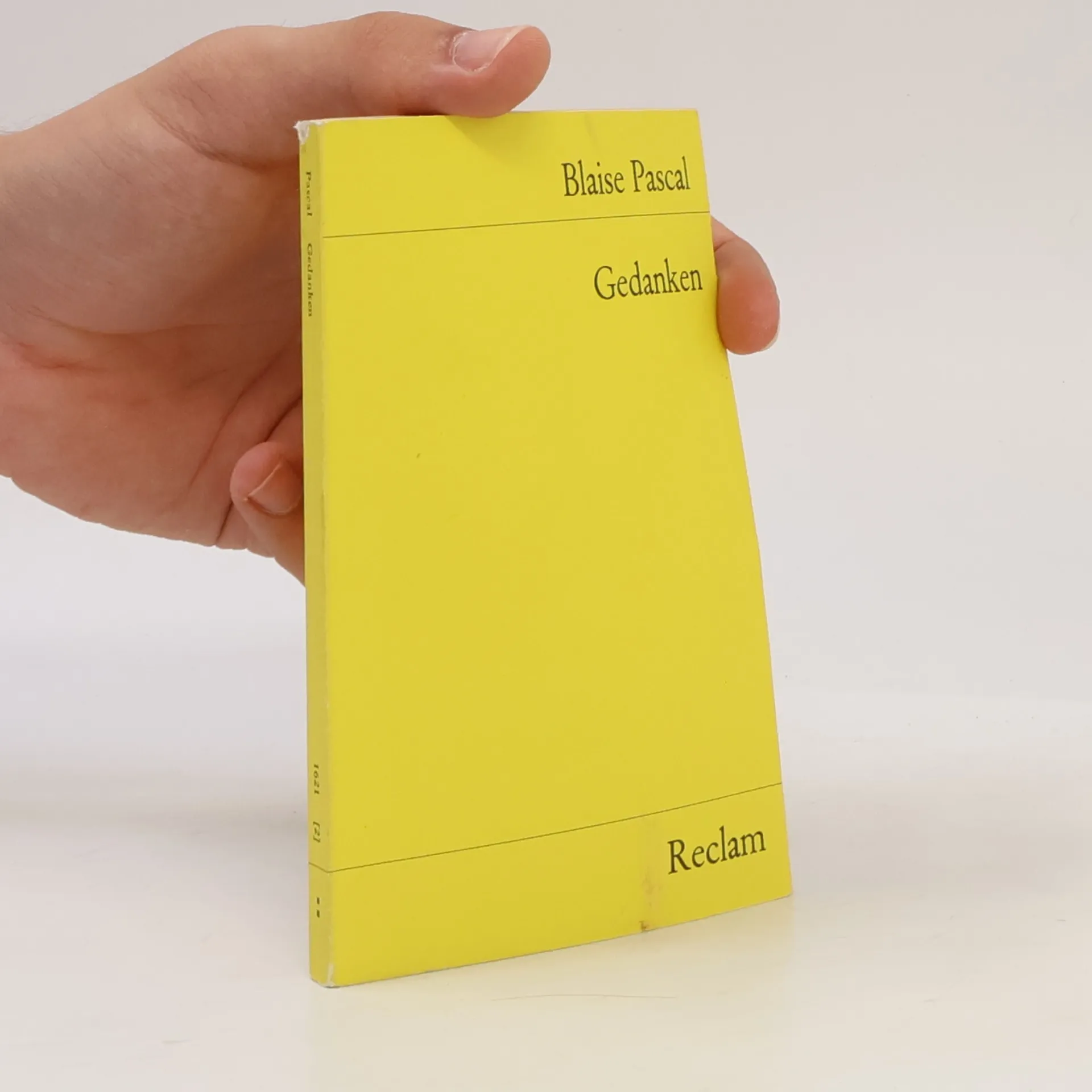
Blaise Pascal fut un mathématicien et philosophe français dont l'œuvre explora aussi bien la recherche scientifique que la contemplation théologique. Aux côtés de Pierre de Fermat, il posa les bases de la théorie des probabilités. Une profonde conversion spirituelle dans la dernière partie de sa vie réorienta son intellect vers la théologie, donnant naissance à ses célèbres Lettres Provinciales. Pascal est largement reconnu pour son Pari, un argument philosophique concernant le choix rationnel de croire en l'existence de Dieu.
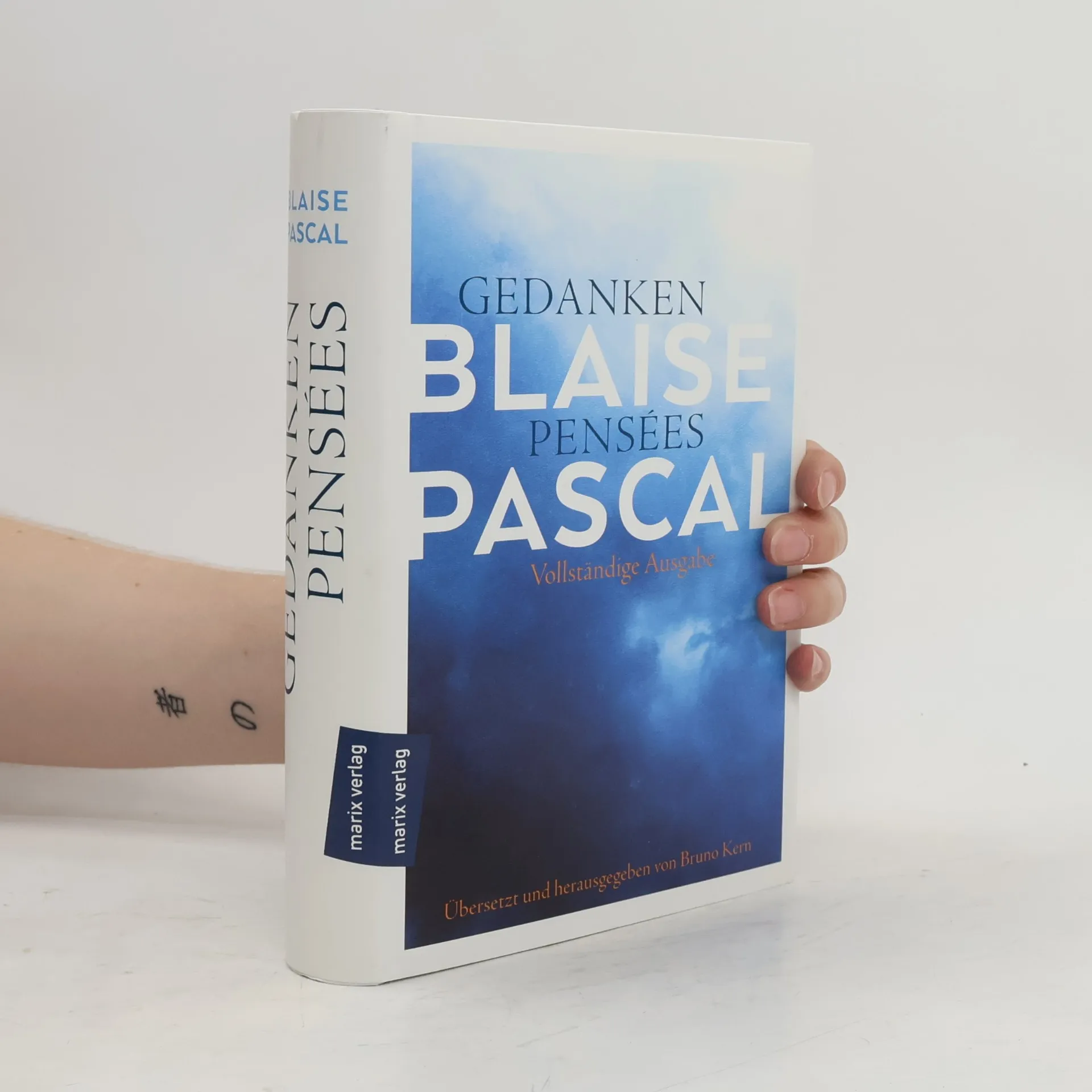
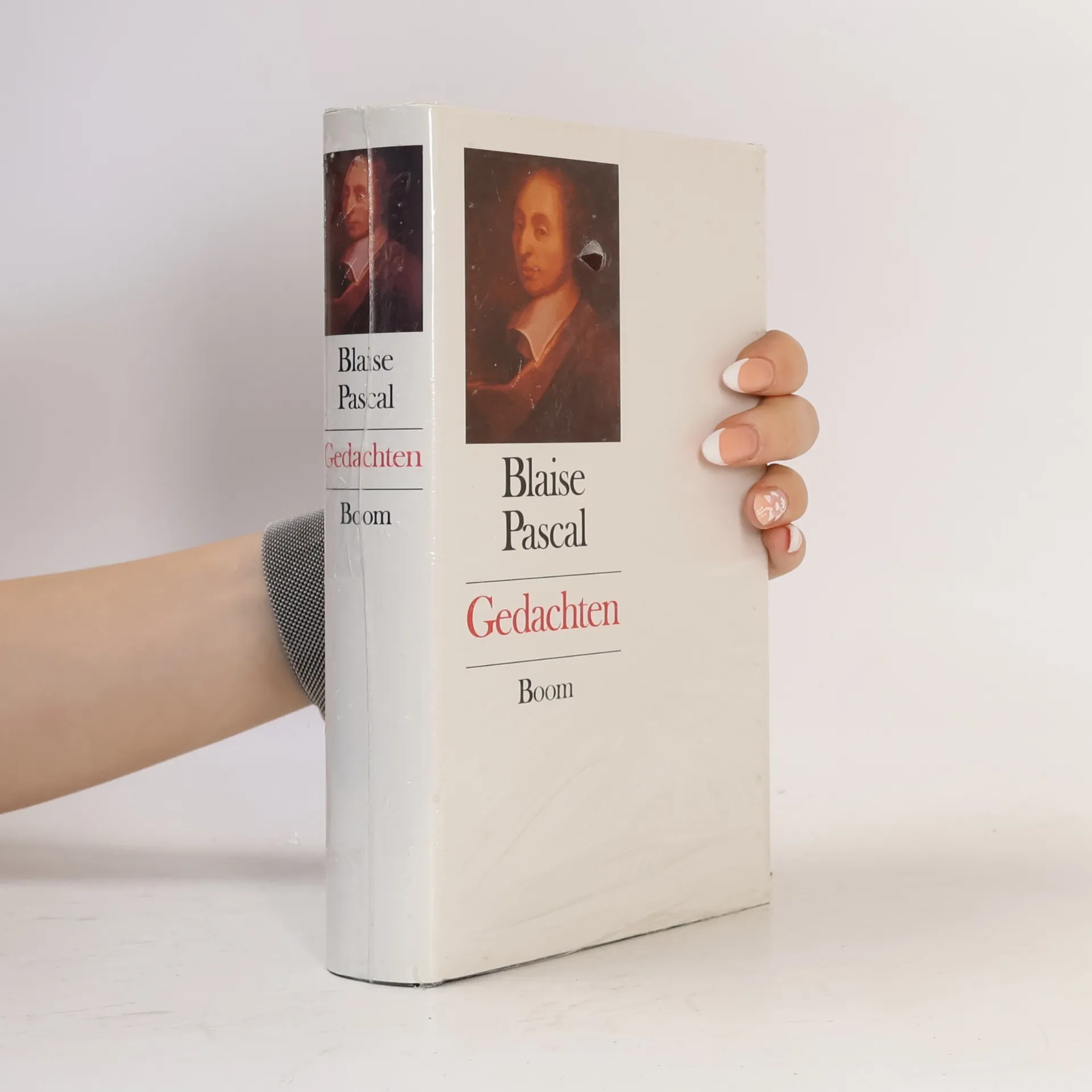
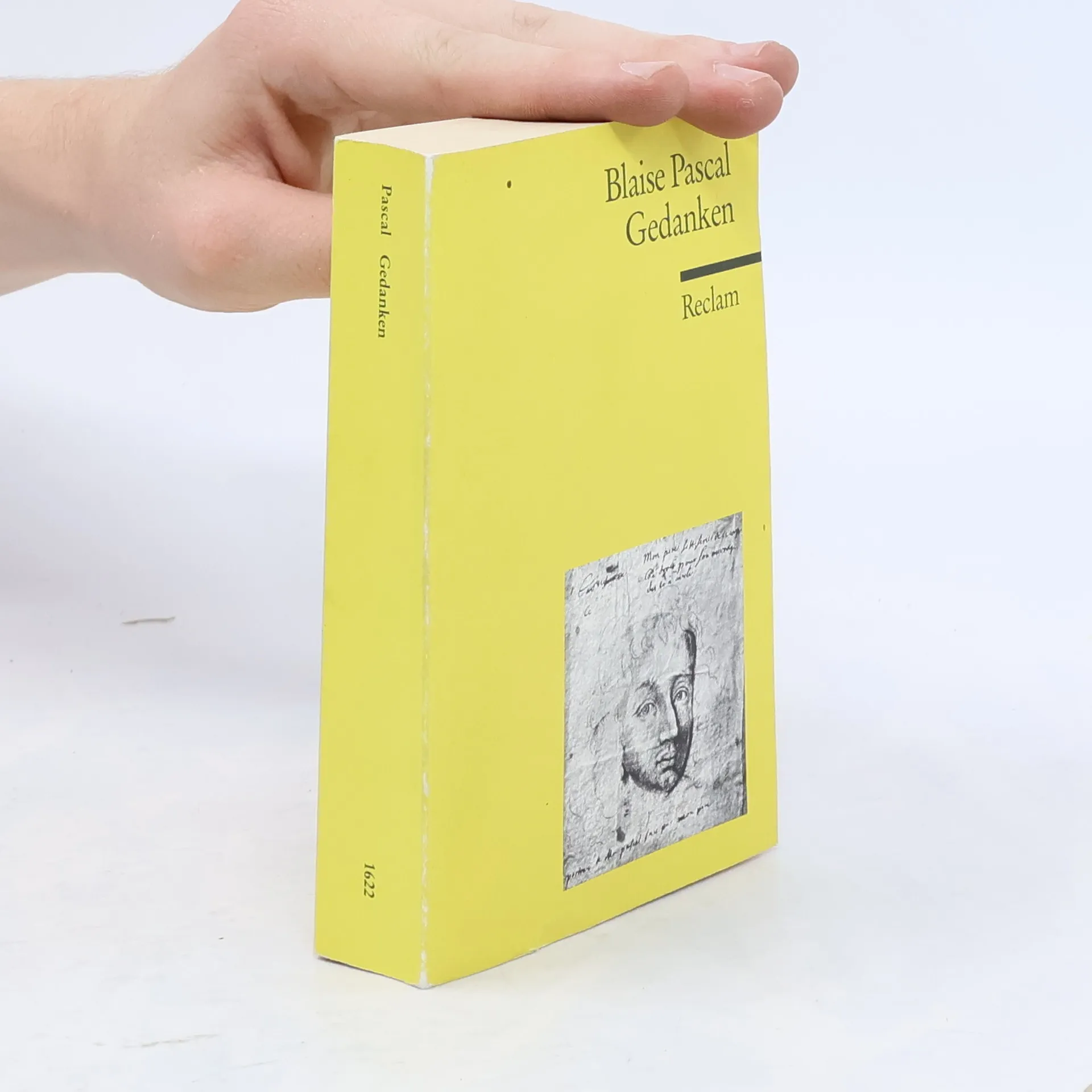
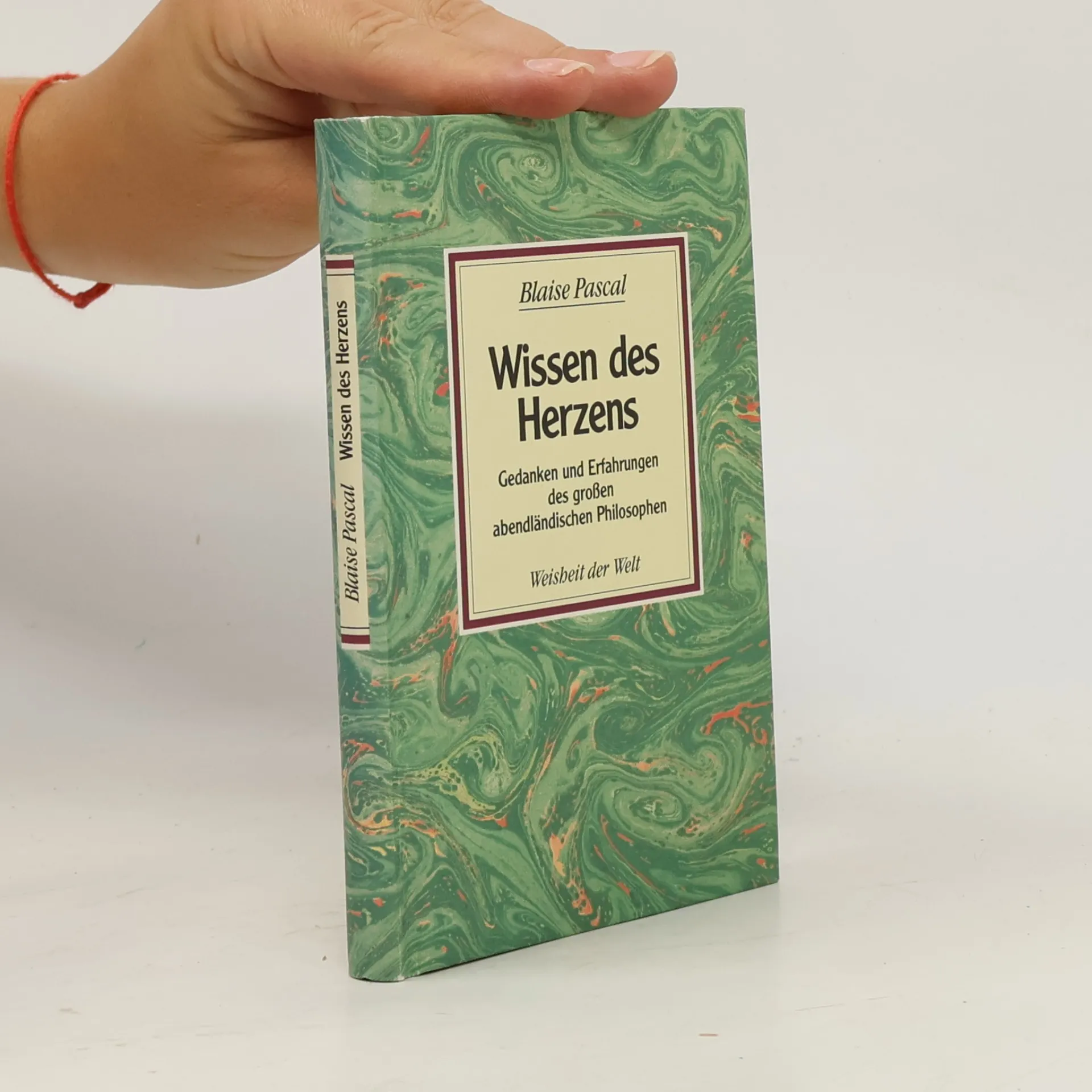
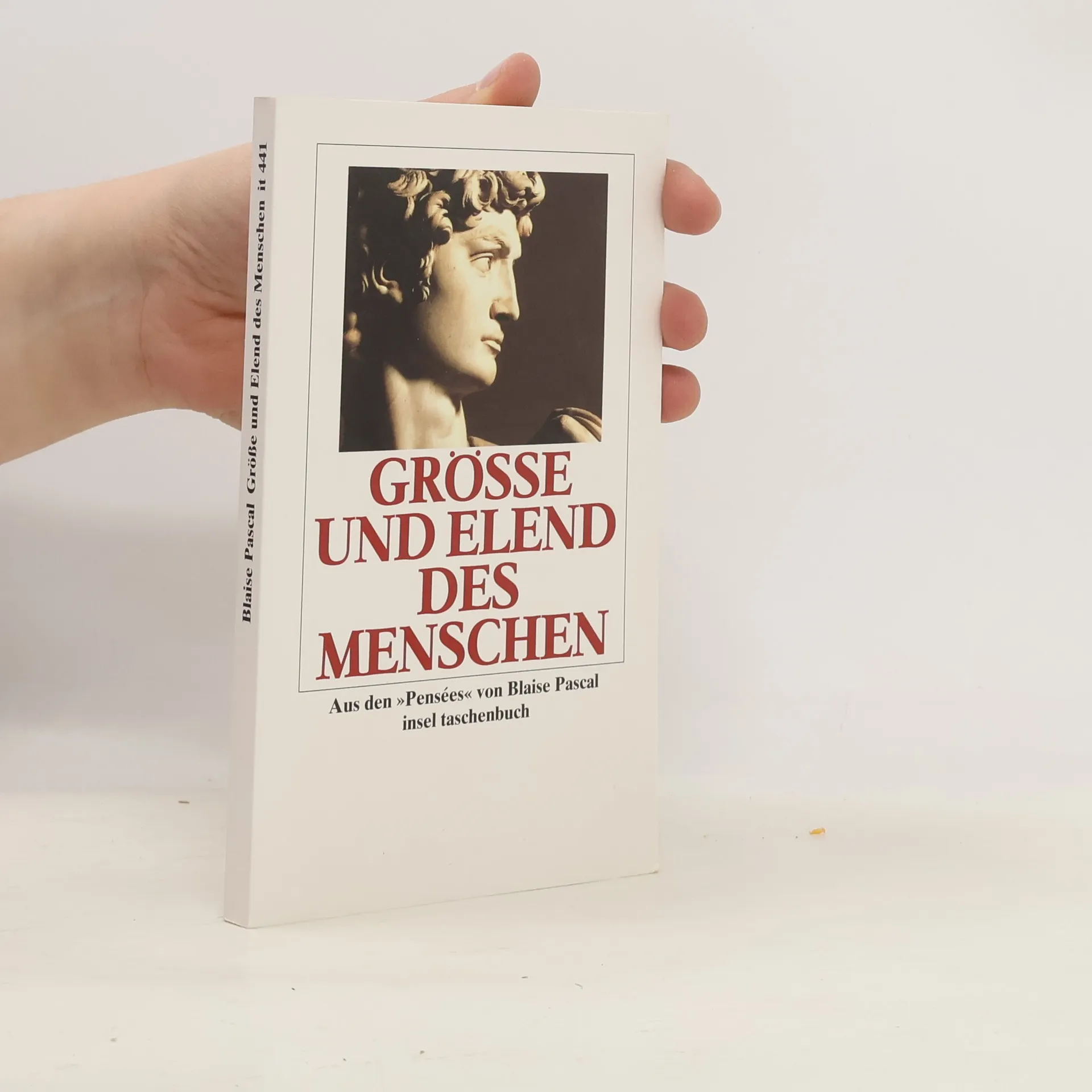
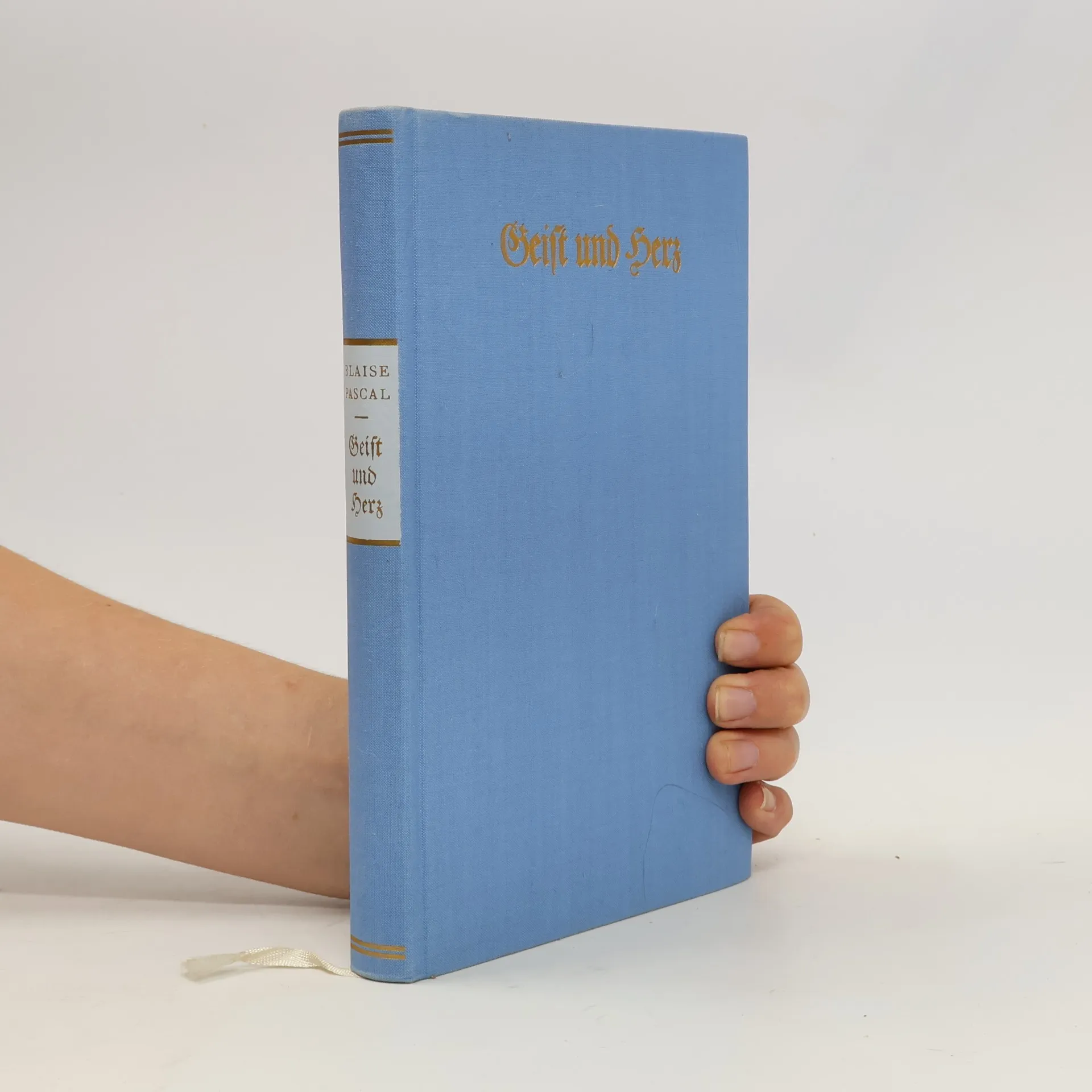
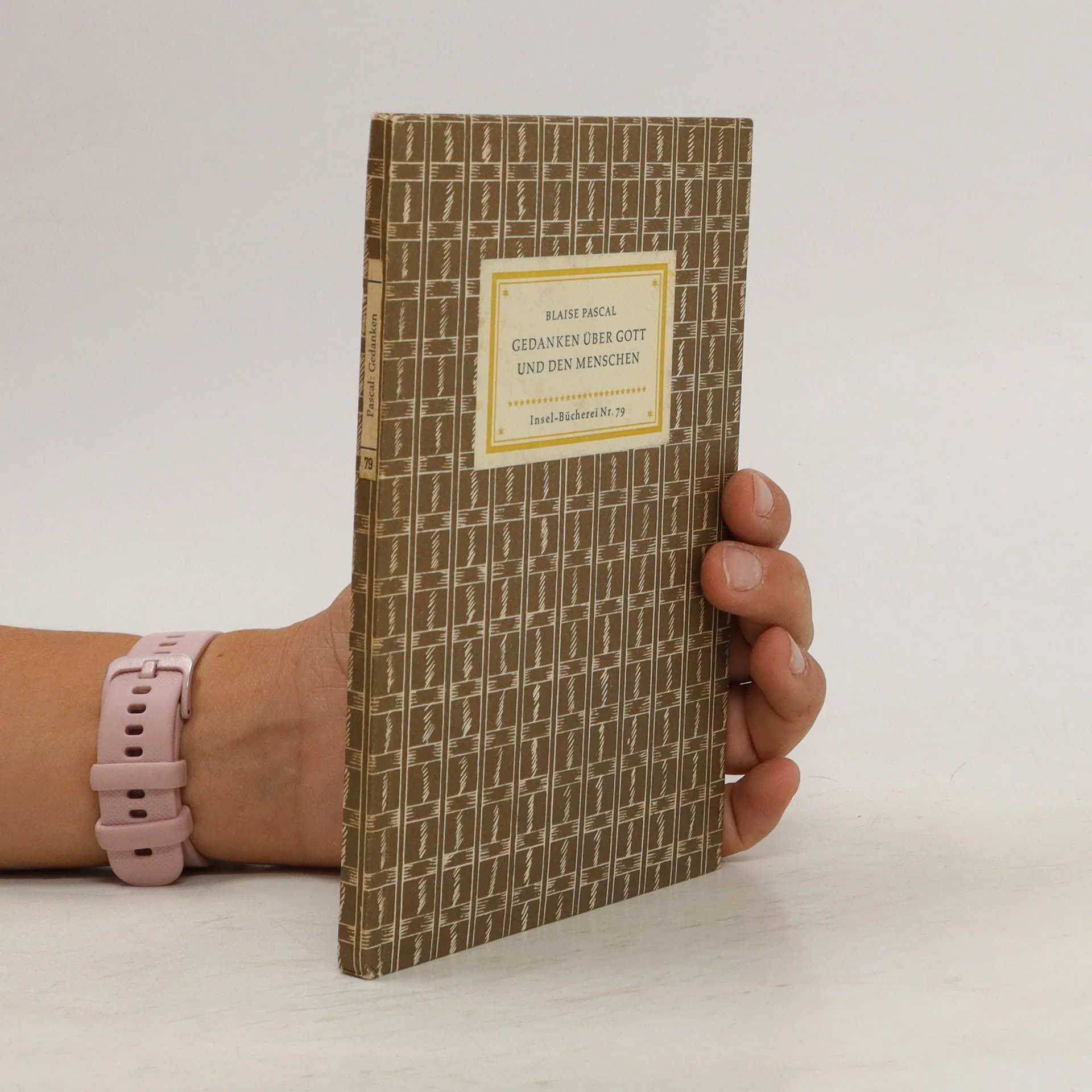
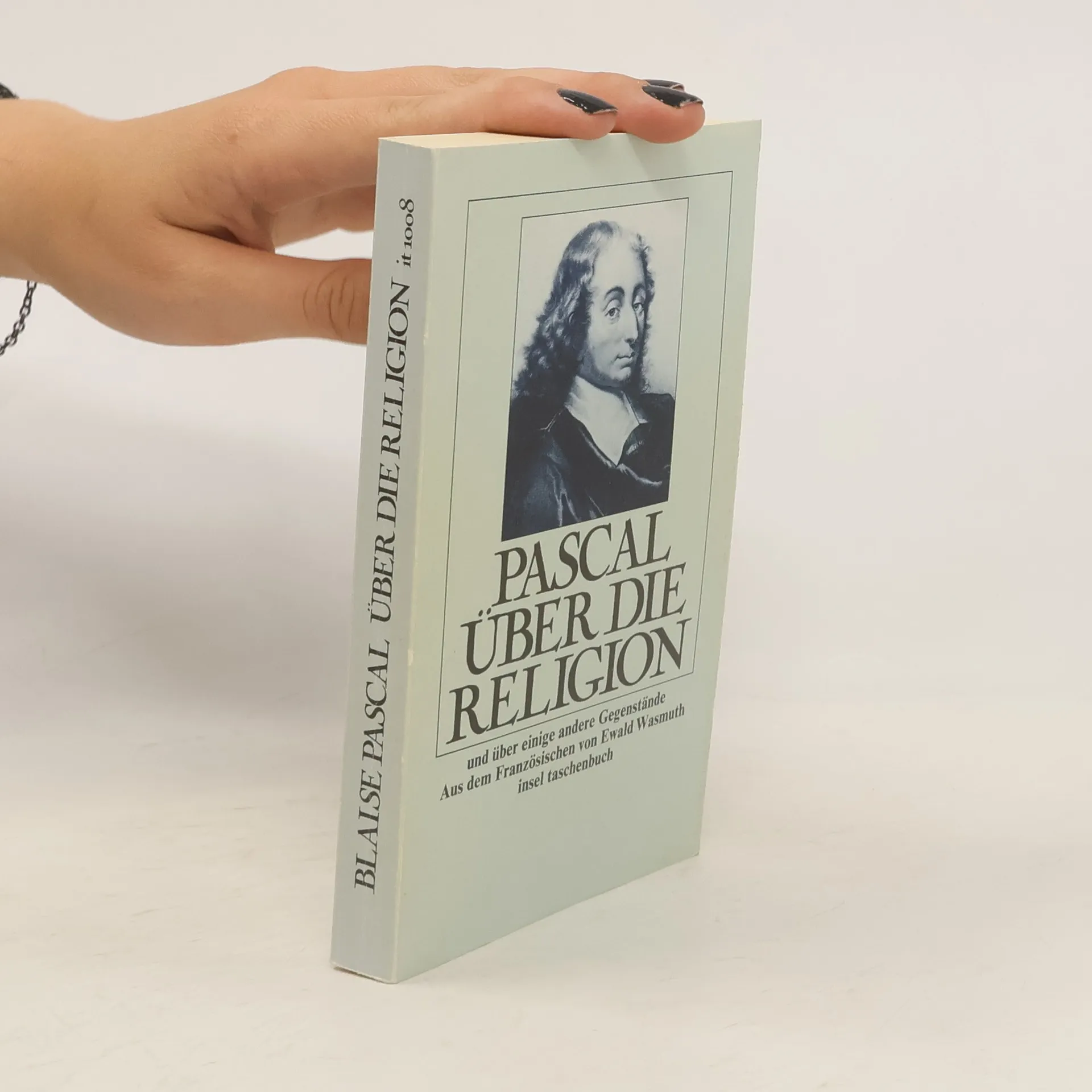
»Gedanken« ist eine posthum veröffentlichte Sammlung von Blaise Pascals philosophischen Fragmenten und Essays. Er beleuchtet die Widersprüche der menschlichen Natur aus theologischer Perspektive und beschreibt den Menschen als unglücklich, der durch den Glauben an Gottes Gnade transformiert werden kann.
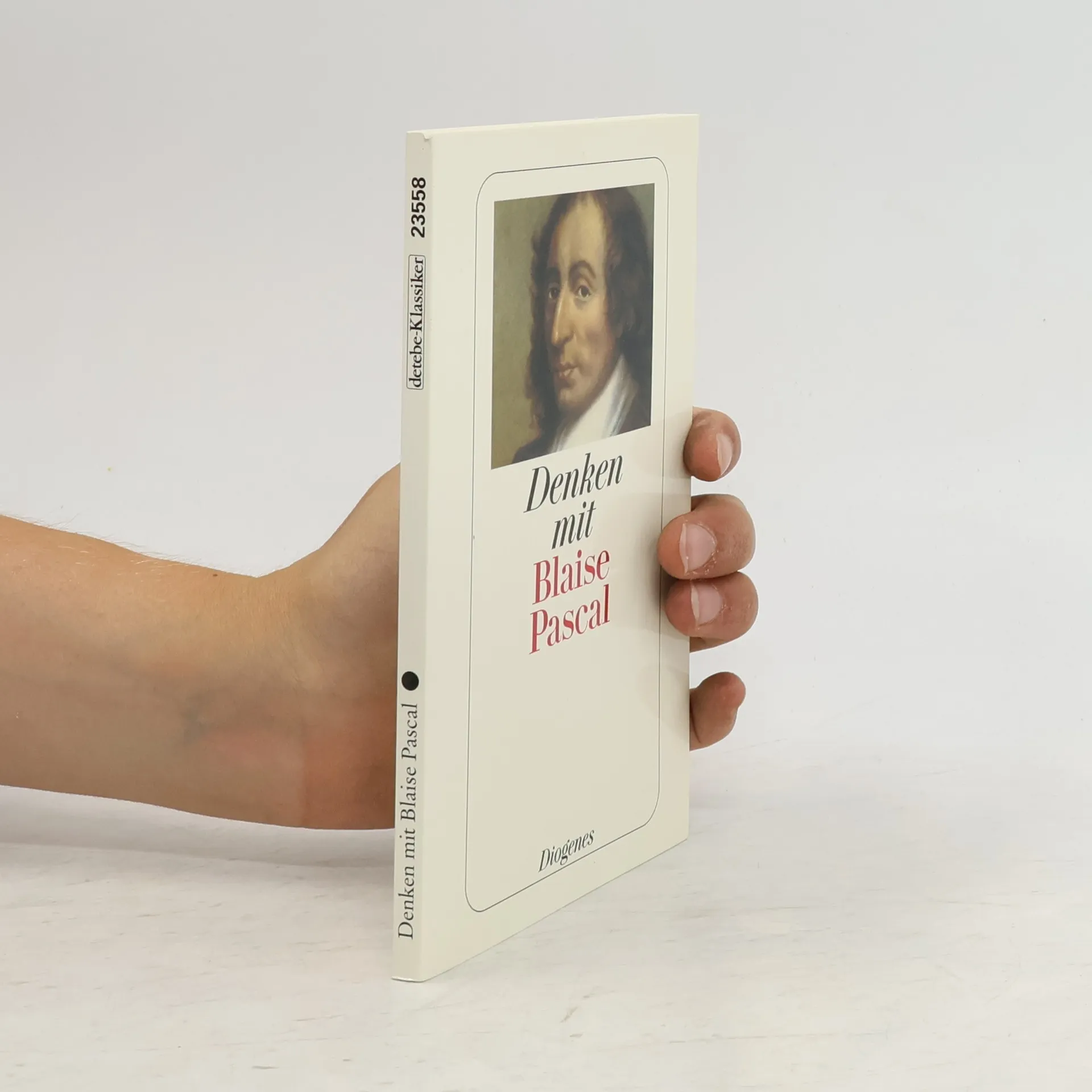
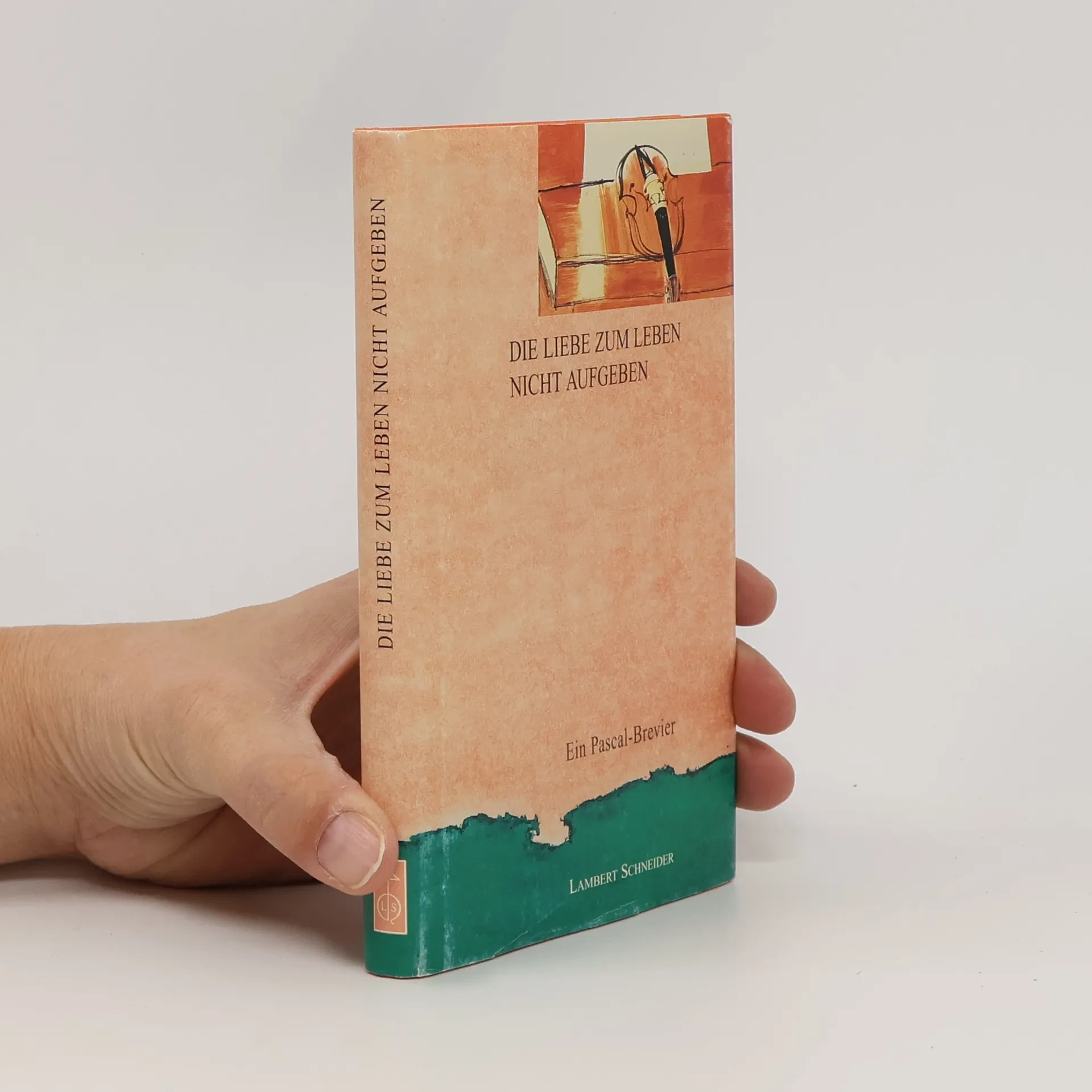
Blaise Pascal, der vor 400 Jahren geboren wurde, reflektierte über Glück, Liebe und Glauben mit präzisen und aktuellen Gedanken. Diese Aphorismen zeigen den Mathematiker und Physiker von einer neuen Seite und vereinen Herz und Verstand. Illustriert mit Natur-Aquarellen und einer umfassenden Biografie.
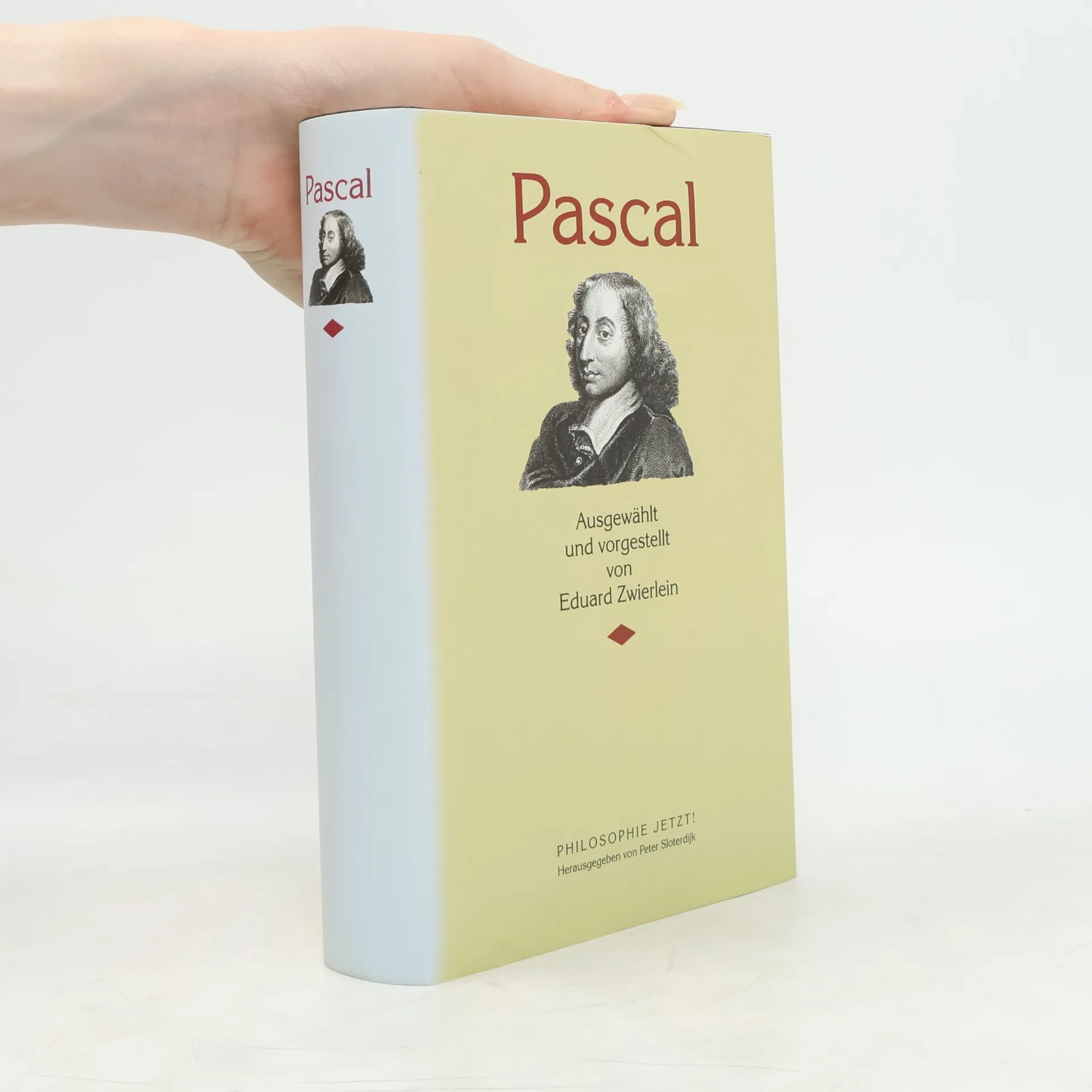
Zum 400 Geburtstag Blaise Pascals (1623–1662) erscheint dieser Jubiläumsband mit den schönsten Aphorismen und wichtigsten Gedanken aus seinen Pensées („Gedanken“). Dieses Bündel von Notizen aus dem Nachlass des Autors ist eines der meistgelesenen philosophisch-theologischen Meisterwerke der europäischen Geistesgeschichte. Pascal, der brillante Mathematiker und Naturwissenschaftler, das religiöse und literarische Genie, hat uns scharfsinnige und glänzende Einsichten hinterlassen, die lebendig in die Tiefe der Dinge dringen. Mit seinen provokativen Gedanken lädt er über die Jahrhunderte hinweg ein in ein Gespräch zu den wesentlichen Fragen des Lebens.
Blaise Pascal (1623-62) - francuski filozof, etyk, teolog, także wybitny
matematyk i fizyk. Przeciwnik jezuitów, jeden z twórców jansenizmu, a poprzez
to w pewnym sensie prekursor chrześcijańskiego egzystencjalizmu. Jego
najważniejsze dzieło to niewątpliwie Myśli . Opowiada się w nich Pascal (jako
człowiek niezwykle głęboko religijny)za odnową wiary, powrotem do św.
Augustyna, będąc bowiem racjonalistą uważał, że w pewnym zakresie racjonalizm
jest bezradny, trzeba jednak - by nie zwątpić - przyjąć pewien zakład (zwany
zakładem Pascala) i zawierzyć sercu, gdyż rozum niezdolny jest do poznania Jak
pisze W. Tatarkiewicz Albo Bóg jest albo go nie ma: jedno z dwojga musimy
przyjąć, decyzja jest nieuchronna, boć albo żyć będziemy z Bogiem, albo bez
niego. Otóż Pascal nie próbował dowieść, że istnienie Boga jest pewne, ani
nawet, o ile jest prawdopodobne; natomiast próbował obliczyć, o ile uznanie go
jest dla człowieka zyskowniejsze. I dalej Stawiając na istnienie Boga,
ryzykujemy niewiele, bo tylko jedno doczesne; jeśli zaś okaże się, iż mamy
rację, to zyskamy - wieczne życie i szczęście. Założeniem było tu, że Bóg
nagradza wiarę, a karze niewiernych.. Przyjąć zatem należy porządek serca,
gdyż jaki pisze Pascal rozum zawsze pada ofiarą pozorów...
The book aims to contribute to the preservation and repair of classic literature, highlighting the importance of maintaining original works for future generations. It reflects a commitment to safeguarding literary heritage, ensuring that timeless stories remain accessible and intact.
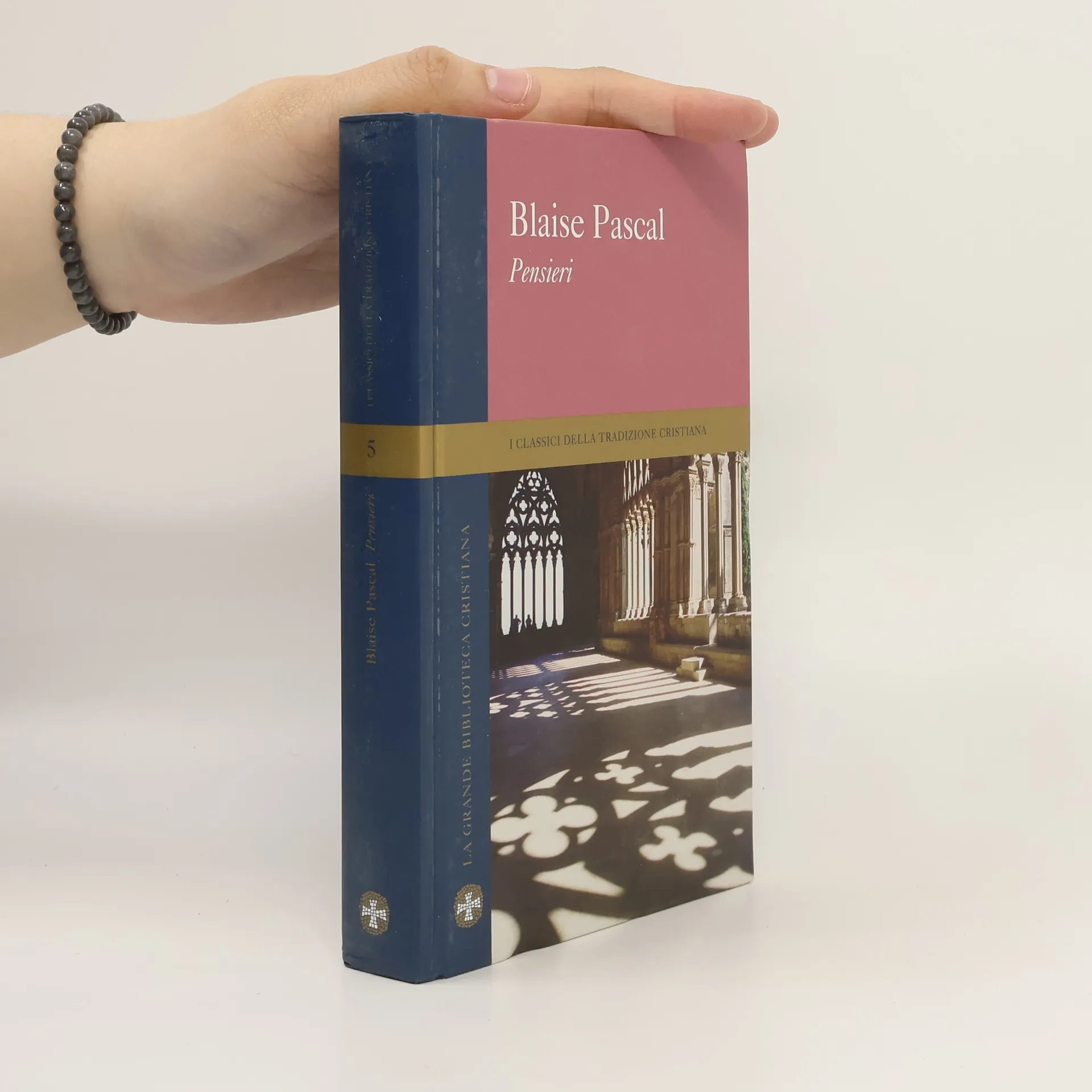
Blaise Pascal's "Thoughts" is a posthumously published compilation of his notes intended for a defense of Christianity, showcasing his keen observations on human life and intricate reasoning. Despite its incomplete nature, the work remains a classic in Christian literature, offering insights that resonate with discerning readers. The edition features W. F. Trotter's translation and includes an introduction by Thomas S. Kepler, printed on premium acid-free paper, ensuring both quality and accessibility for contemporary audiences.
In seinem Hauptwerk, den Pensées , schrieb der Philosoph, Theologe, Mathematiker und Naturwissenschaftler Blaise Pascal (1623–1662) vor allem gegen eines an: die Gedankenlosigkeit, mit der die meisten seiner Mitmenschen den ausgetretenen Pfaden der Gewohnheit folgten, ohne sich je den höchsten und letzten Fragen der menschlichen Existenz zu stellen. Brillant im Stil und faszinierend in der Argumentation behandelt er Themen wie Würde und Elend, Langeweile und Trostlosigkeit, Zweifel und Glauben, Sterben und Tod. Die hier vorgelegte Auswahl aus den Gedanken bietet eine unerschöpfliche Quelle fürs Weiterdenken und Meditieren.
Der erste Band einer vierbändigen Ausgabe aller Briefe des Mathematikers, Physikers und Philosophen Blaise Pascal. Das Spektrum dieser Briefe reicht vom alltäglichen Privatbrief bis zur ausgefeilten literarischen Kunstform in den ›Lettres Provinciales‹ und den ›Pensées‹. Band I umfasst 22 Briefe und Brieffragmente aus den Jahren 1643–1660/61. Sie gewähren einen sehr persönlichen Einblick in Pascals Herzen- und Gedankenwelt, eröffnen aber auch erhellende Bezüge und Einsichten hinsichtlich seiner theologischen und philosophischen Schriften. Die folgenden Bände enthalten die wissenschaftliche Korrespondenz (Band II), die ›Briefe in die Provinz‹ (Band III) sowie philosophische Briefe und die ›Pensées‹ (Band IV).
The work features curated selections from Pascal's Pensées, offering insights into his philosophical and theological reflections. Known for its profound exploration of faith, reason, and the human condition, the text delves into existential questions and the nature of belief. This English translation makes Pascal's influential ideas accessible to a wider audience, highlighting his unique perspective on life's complexities.
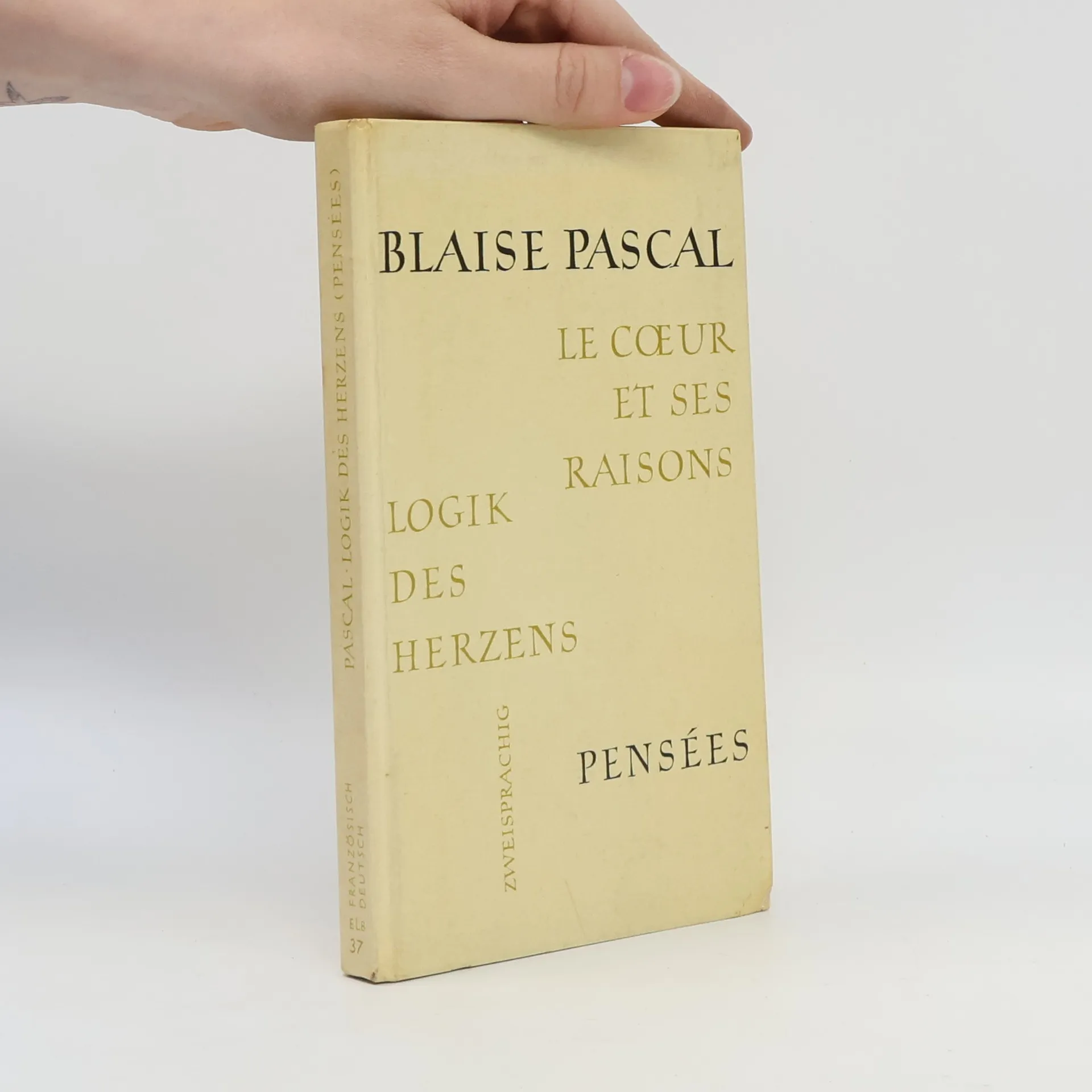
Die Wahrheit erfassen wir nicht nur mit dem Verstand, sondern auch mit dem Herzen. Intuitiv wissen wir, was die entscheidenden Dinge in unserem Leben sind. Blaise Pascal (1623 - 1662), berühmtester Mathematiker seiner Zeit und einer der einflussreichsten Philosophen, hat der Logik des Herzens zu ihrem Recht verholfen und dennoch die Logik der Vernunft weiterentwickelt. Mit einem Nachwort von Fritz Paepcke
Blaise Pascal's unfinished work, originally intended as a comprehensive Christian apologetics, consists of fragmentary notes that offer profound insights into faith and reason. Despite their incomplete nature, these thoughts are celebrated for their literary excellence and continue to resonate with readers today. This edition enhances the reading experience with an index, allowing readers to navigate Pascal's intricate ideas and arguments effectively.
For much of his life Pascal (1623-62) worked on a magnum opus which was never published in its intended form. Instead, he left a mass of fragments, some of them meant as notes for the Apologie. These were to become known as the Pensées, and they occupy a crucial place in Western philosophy and religious writing. This translation is the only one based on the Pensées as Pascal left them. It includes the principal dossiers classified by Pascal, as well as the essential portion of the important Writings on Grace.
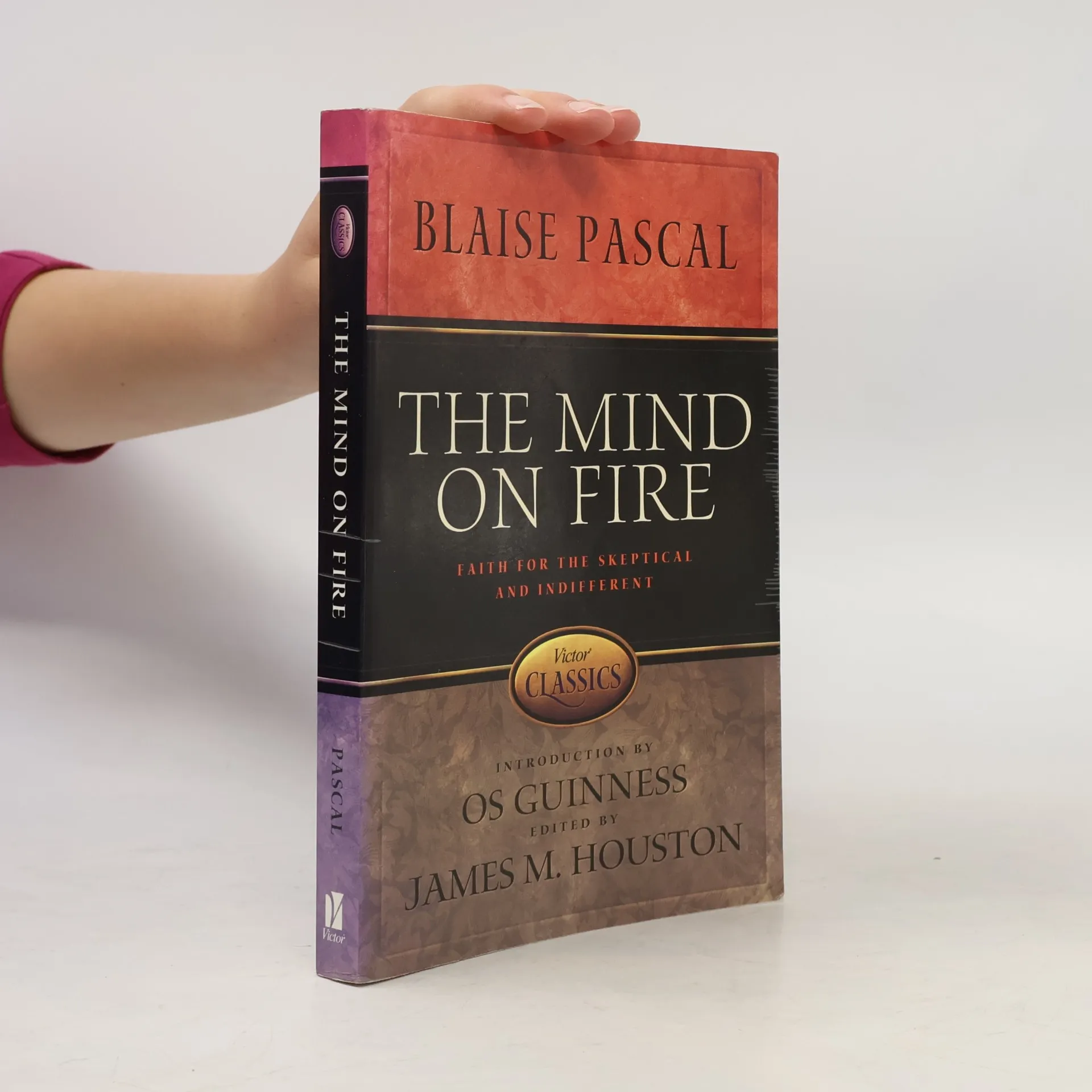
faith for the skeptical and indifferent : from the writings of Blaise Pascal
320pages
12 heures de lecture
Blaise Pascal (1623-1662) earned recognition as a renowned mathematician, physicist—and a man after God's heart. As he came to the forefront of geometry and physics, he turned his considerable analytical abilities to study religion or, as he said, to "contemplate the greatness and the misery of man." Pascal's classic defense of Christianity— Pensées—persuaded many a skeptic in his time. Today, editor James Houston has organized Pascal's meditations into a logical progression of thought that contemporary readers can enjoy in Mind on Fire . Described as a "Masterpiece of theological scholarship," Mind on Fire also includes selections from Pascal's Letters to a Provincial , a description of his conversion in his own words.
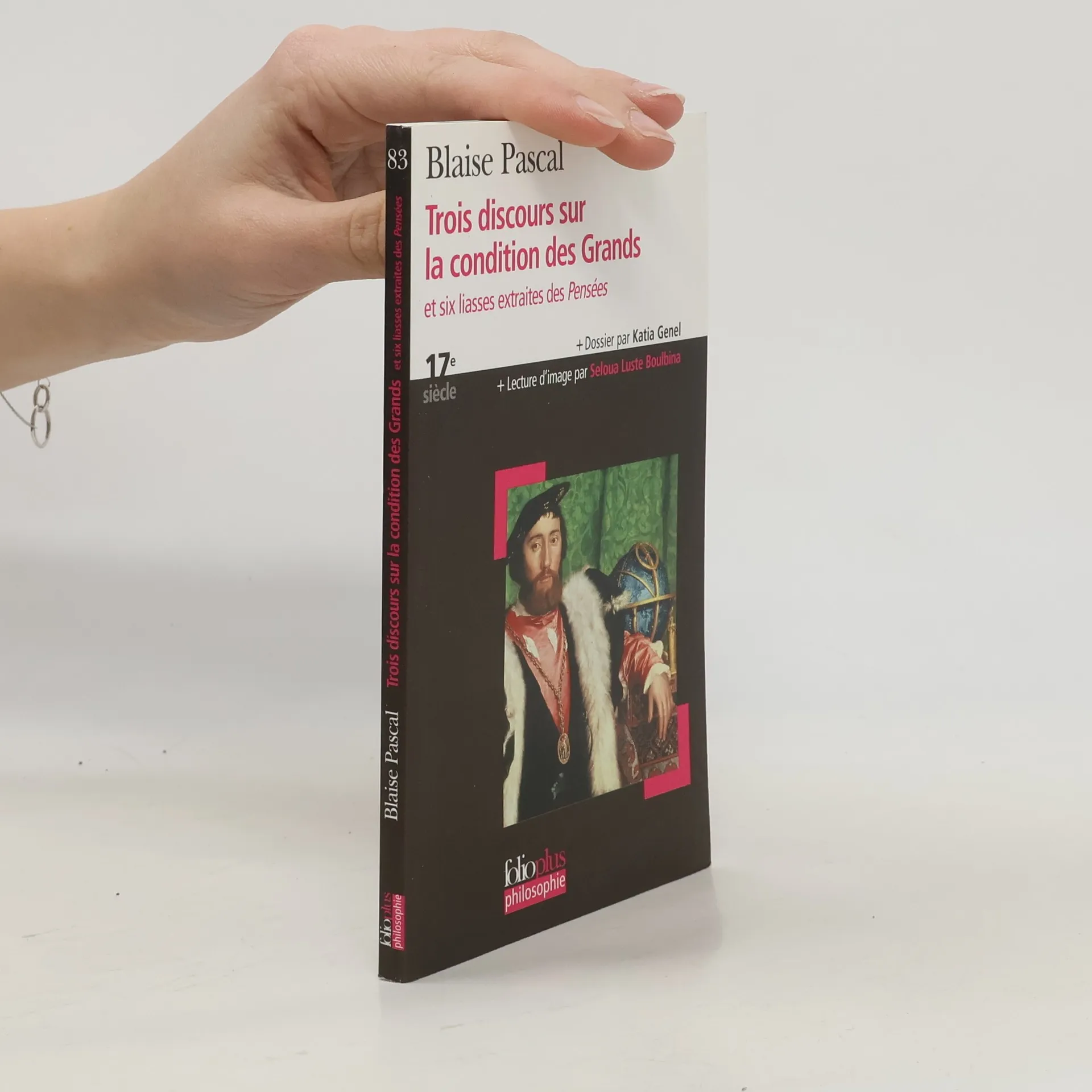
Les Trois discours sur la condition des grands sont des discours éducatifs prononcés par Blaise Pascal au futur duc de Chevreuse, Charles-Honoré d'Albert, vers 1660, et retranscrits par Pierre Nicole dans De l'éducation d'un prince, publié en 1670. Dans le premier discours, Pascal soutient que la condition des grands dépend davantage du hasard que de qualités naturelles. Il insiste sur la nécessité pour un grand d'adopter une double-pensée, agissant selon son rang tout en reconnaissant son égalité intrinsèque avec les autres. Le second discours distingue les grandeurs d'établissement, qui méritent respect, des grandeurs naturelles, qui relèvent du talent ou de la vertu. Un grand ne doit pas exiger admiration pour des qualités qu'il ne possède pas, afin d'éviter une injustice. Dans le troisième discours, Pascal explore les relations d'un grand avec son peuple, comparant cette dynamique à celle d'un roi de concupiscence, qui doit satisfaire les désirs de son peuple sans devenir tyrannique. Ces discours, le seul texte politique de Pascal, abordent des thèmes présents dans les Pensées, comme le caractère conventionnel des coutumes. Pascal vise à prévenir les abus de pouvoir tout en évitant le chaos d'une contestation populaire de l'autorité, affirmant que la véritable grandeur réside dans la soumission à la voie de Dieu.
From the notes for Pascal's contemplated "Apology for the Christian Religion" the Port-Royalists compiled and edited the book known as his "Pensees" or "Thoughts." The early texts were much tampered with, and the material has been frequently rearranged; but now at last it is possible to read these fragmentary jottings as they came from the hand of their author. In spite of their incompleteness and frequent incoherence, the "Thoughts" have long held a high place among the great religious classics. Much of the theological argument implied in these utterances has little appeal to the modern mind, but the acuteness of the observation of human life, the subtlety of the reasoning, the combination of precision and fervid imagination in the expression, make this a book to which the discerning mind can return again and again for insight and inspiration.
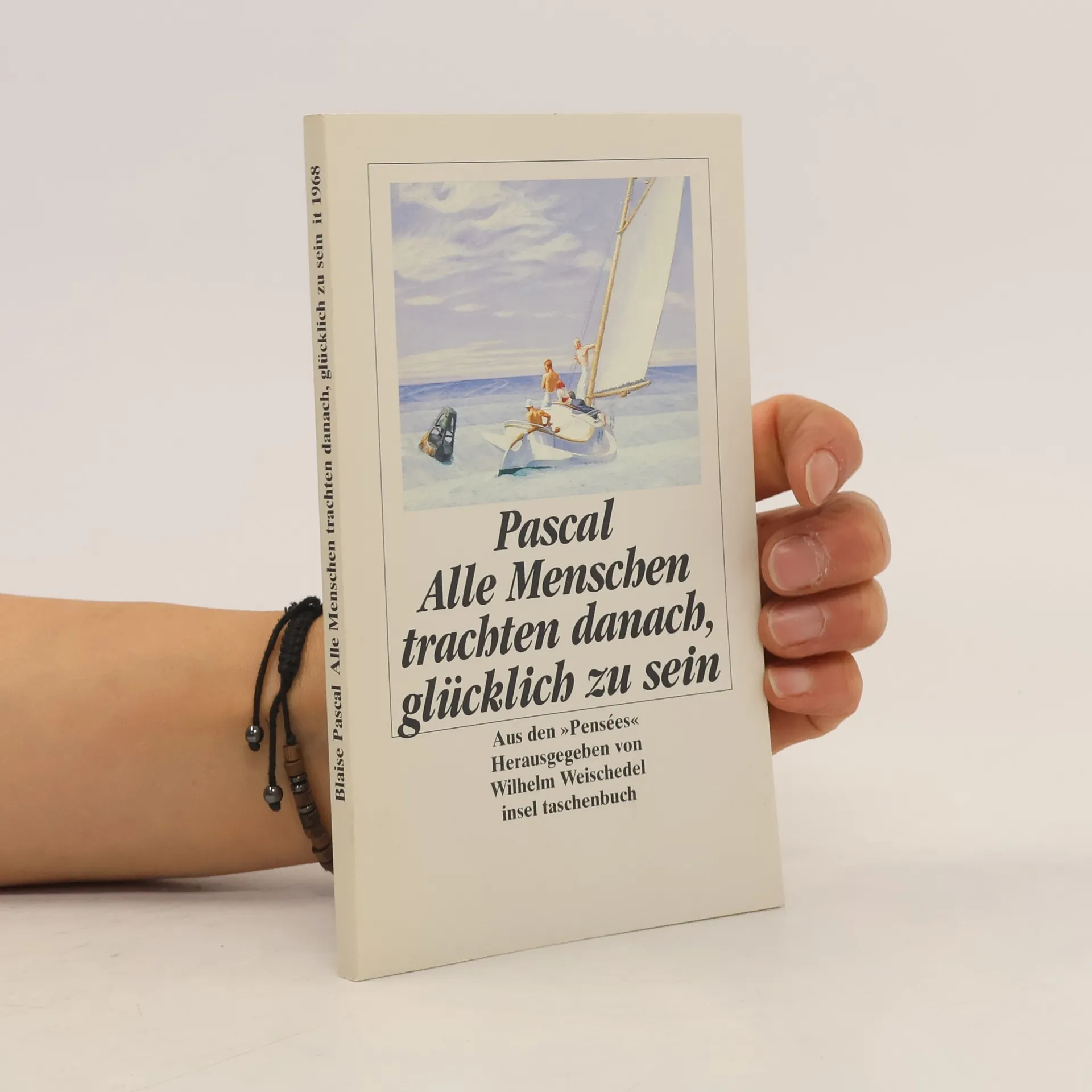
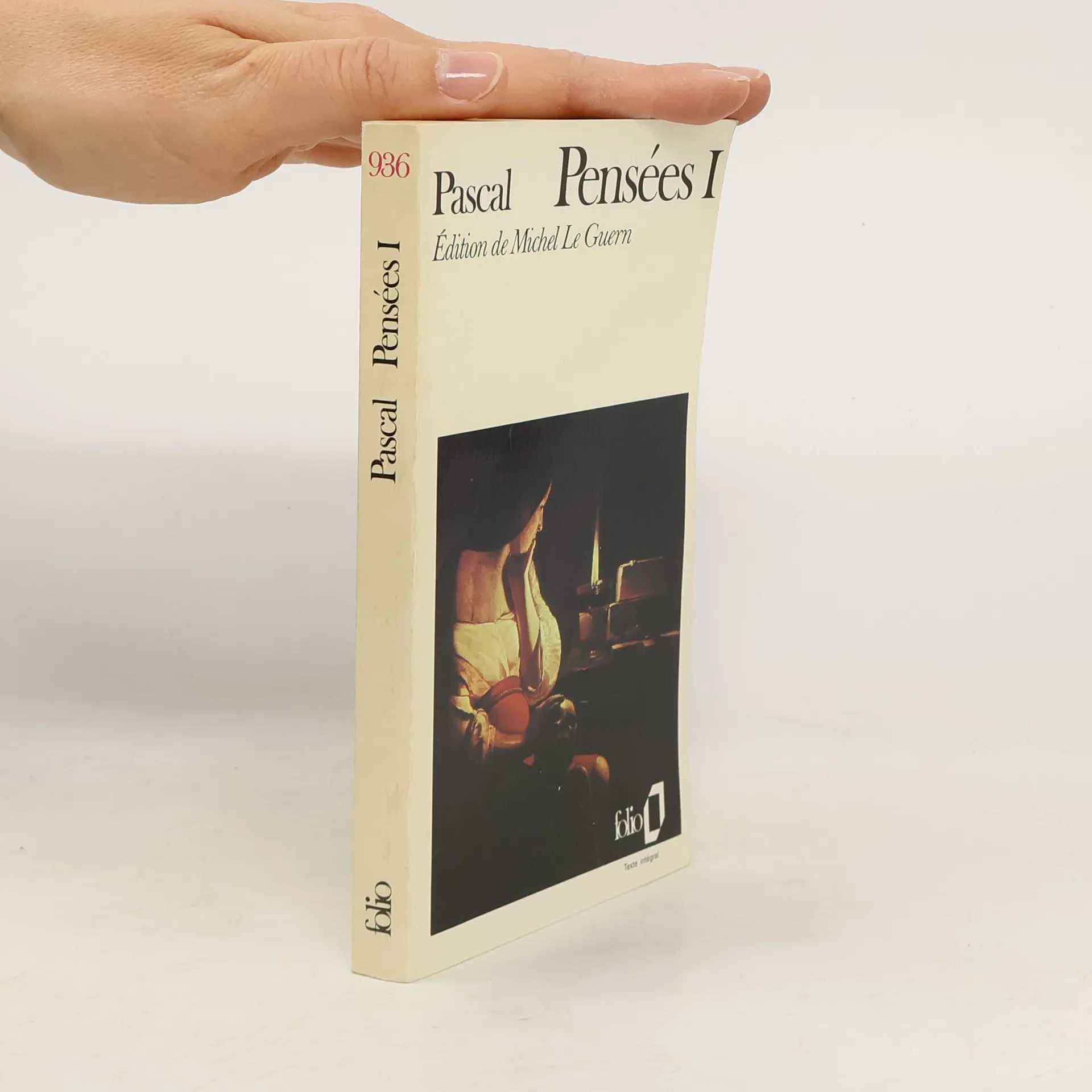
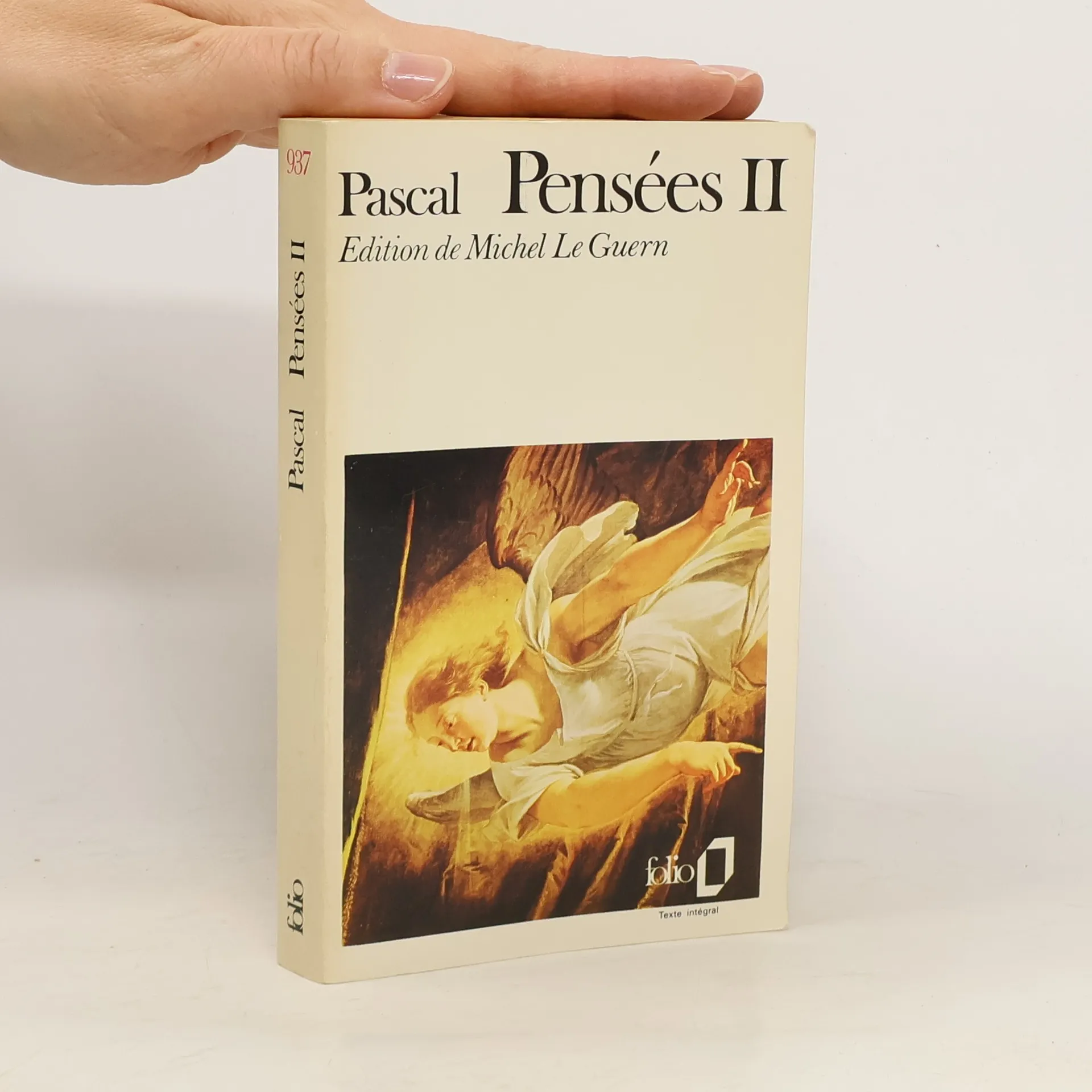
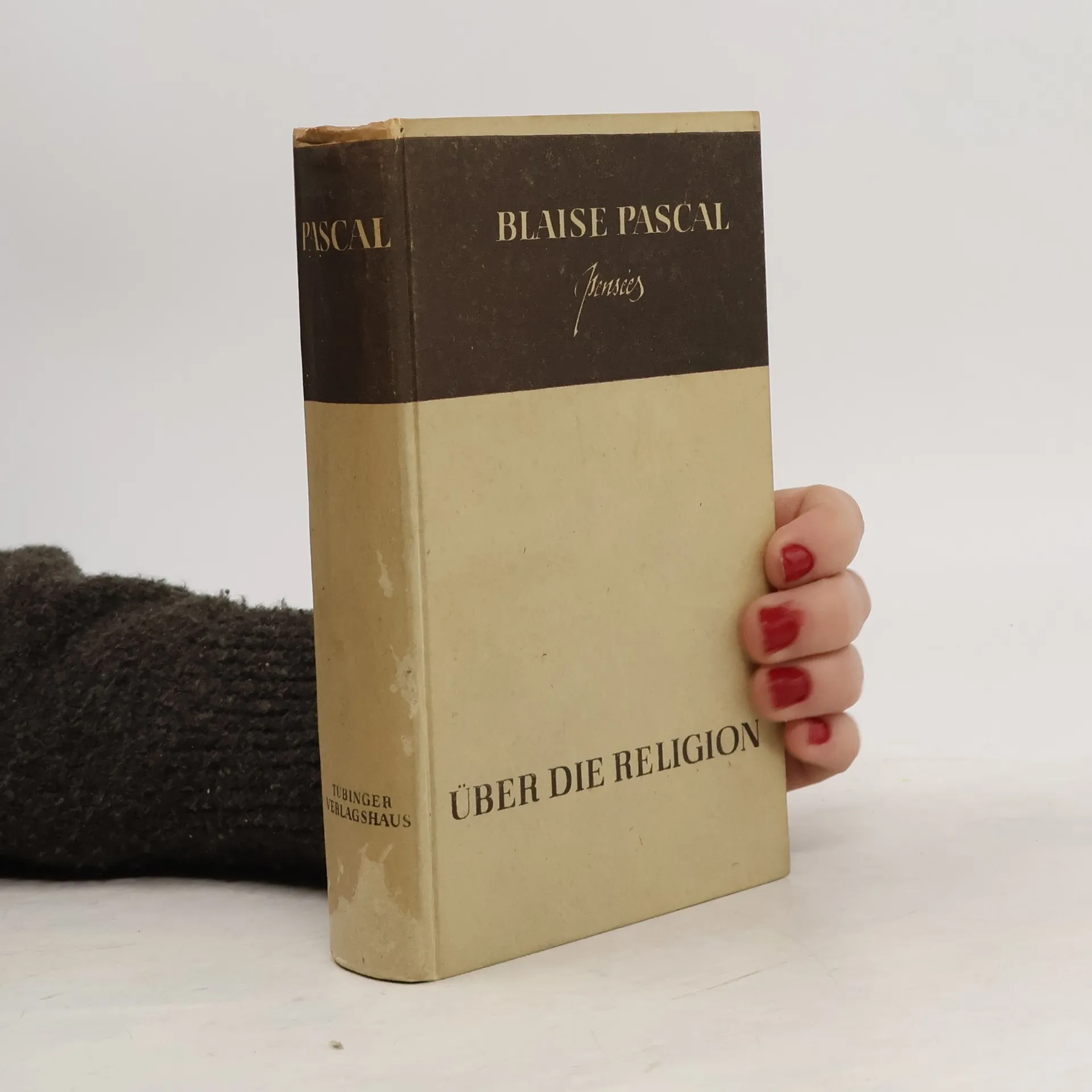
„Ich werde hier meine Gedanken ordnungslos aufschreiben ... Das ist die Wahre Ordnung ...“ So führt der Naturwissenschaftler und Philosoph Pascal in sein Hauptwerk ein, dessen System die Systemlosigkeit ist. In brillanter Prosa - von aphoristischen Einzelsätzen bis zu ausgefeilten Essays - behandelt er Themen wie Ordnung, Eitelkeit, Elend, Langeweile, Ursachen und Wirkungen, Widersprüche, Zerstreuung, das höchste Gut, Natur, vor allem aber Religion und christliche Moral. Die vorliegende Gesamtausgabe fußt auf Pascals „unordentlicher“ Originalsammlung und eigenen Abschriften, die seit einigen Jahren als verbindliche Textgrundlage für jede wissenschaftliche Edition gelten.
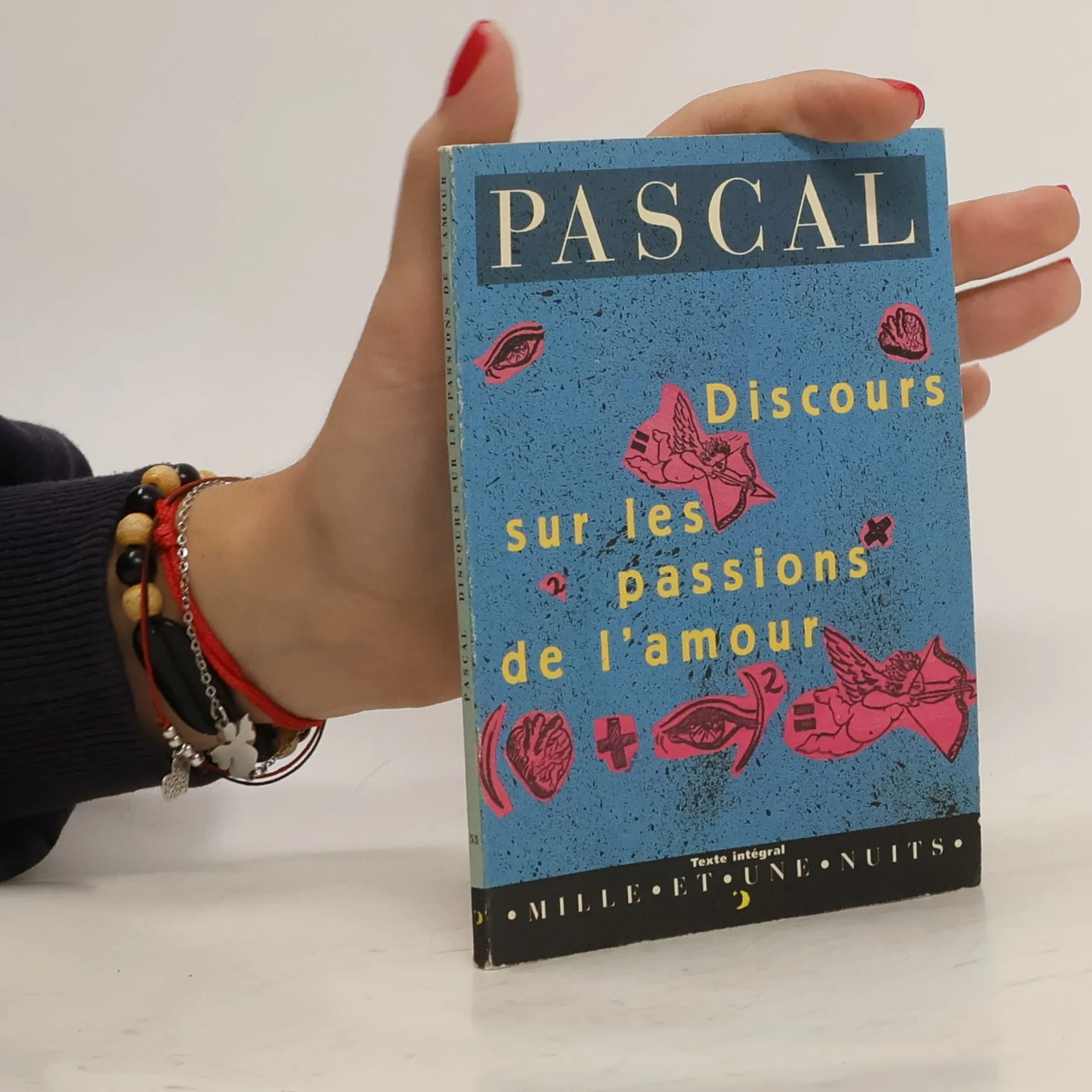
Discours sur les passions de l’amour Blaise Pascal, Mathématicien, physicien, inventeur, philosophe, moraliste et théologien français (1662-1623) Ce livre numérique présente «Discours sur les passions de l’amour», de Blaise Pascal, édité en texte intégral. Une table des matières dynamique permet d'accéder directement aux différentes sections. Table des Matières -01- Présentation -02- Discours sur les passions de l’amour
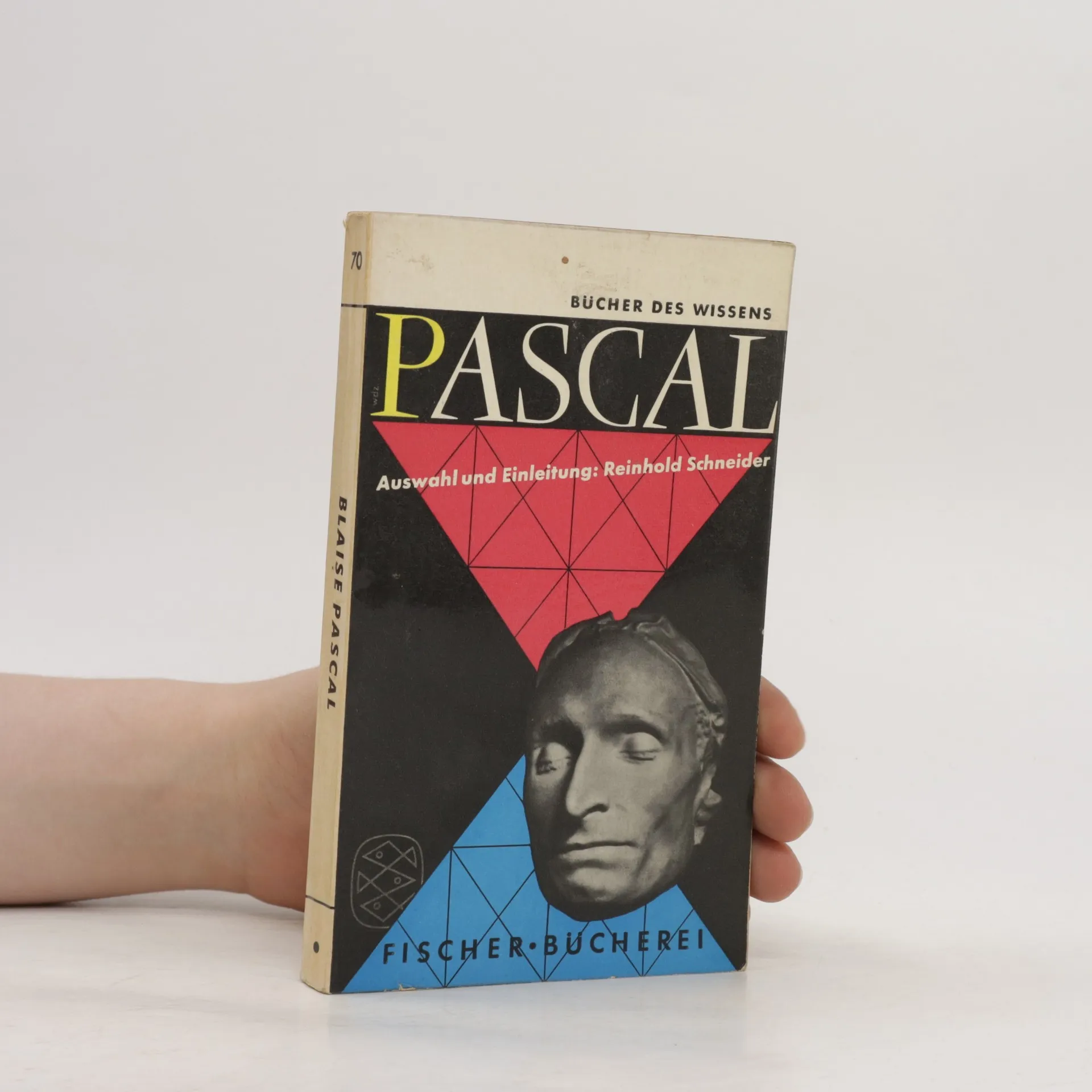
Die Pensées des Blaise Pascal (1623-1662) sind eine Sammlung von Notizen und Entwürfen für eine geplante „Apologie des Christentums“. Pascals Gedanken beeindrucken durch ihre psychologische Einsicht
"The heart has reasons which the mind does not understand." This quote, often misused, highlights that Pascal's notion of the heart is not a dismissal of reason but an acknowledgment of a deeper rationality. For Pascal, the heart is integral to understanding theological matters, which he regarded as more significant than scientific inquiries, involving the whole personality. Blaise Pascal (1623-1662) left his Pensees unfinished at his death, yet the insights within continue to resonate. He presents a defense of Christian faith that intertwines skepticism and stoicism, addressing profound issues such as infinity, nothingness, intuition, analysis, existence, death, boredom, and despair. Central to his thoughts is the famous wager: the choice to believe in God or not. WISEBLOOD BOOKS champions works of fiction, poetry, and philosophy that reveal truths with an unyielding "realism of distances," as Flannery O'Connor described. These narratives seek redemption in unexpected places, challenge the monotony of life, critique societal pretensions, explore the complexities of faith and doubt, and confront humanity's trials while maintaining hope.
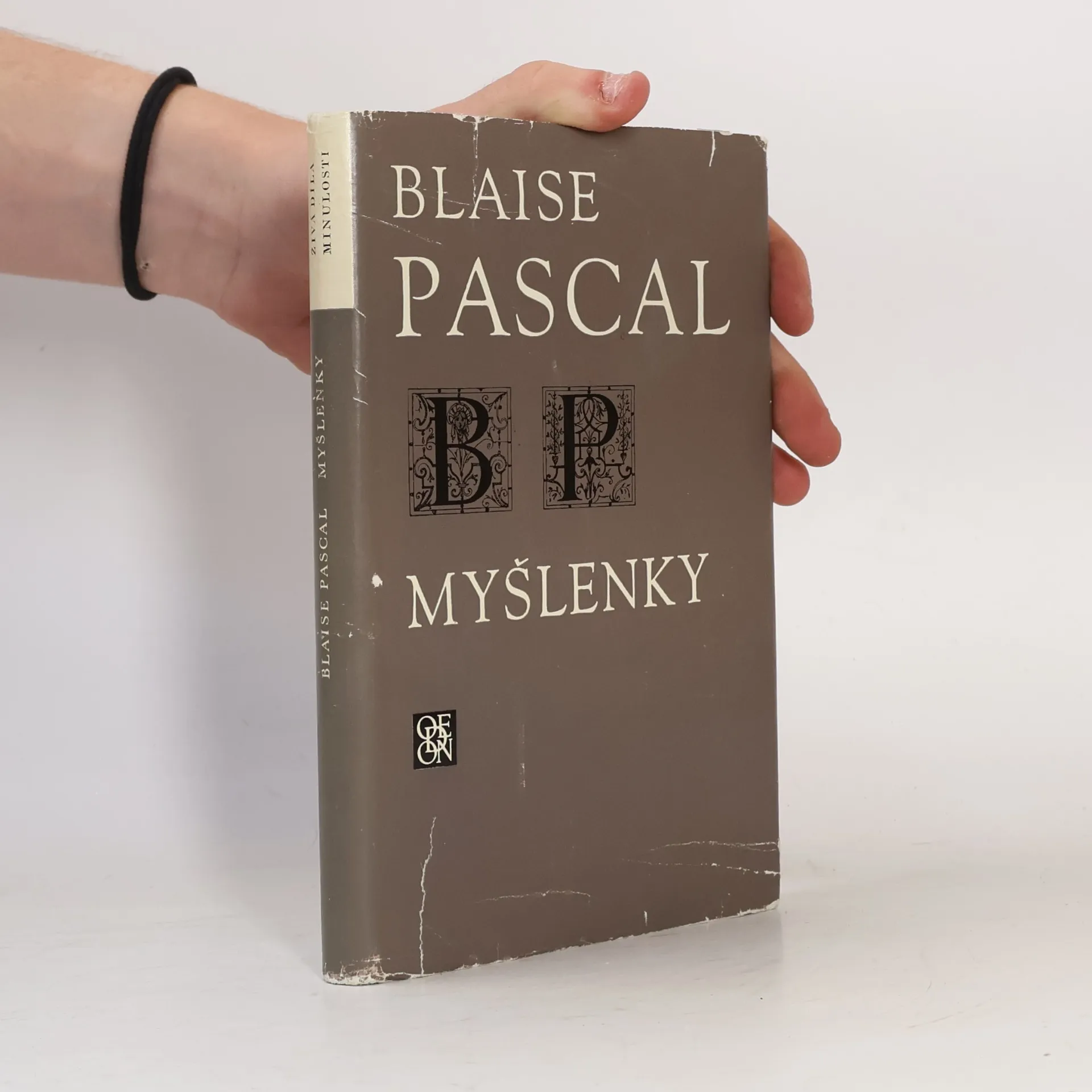
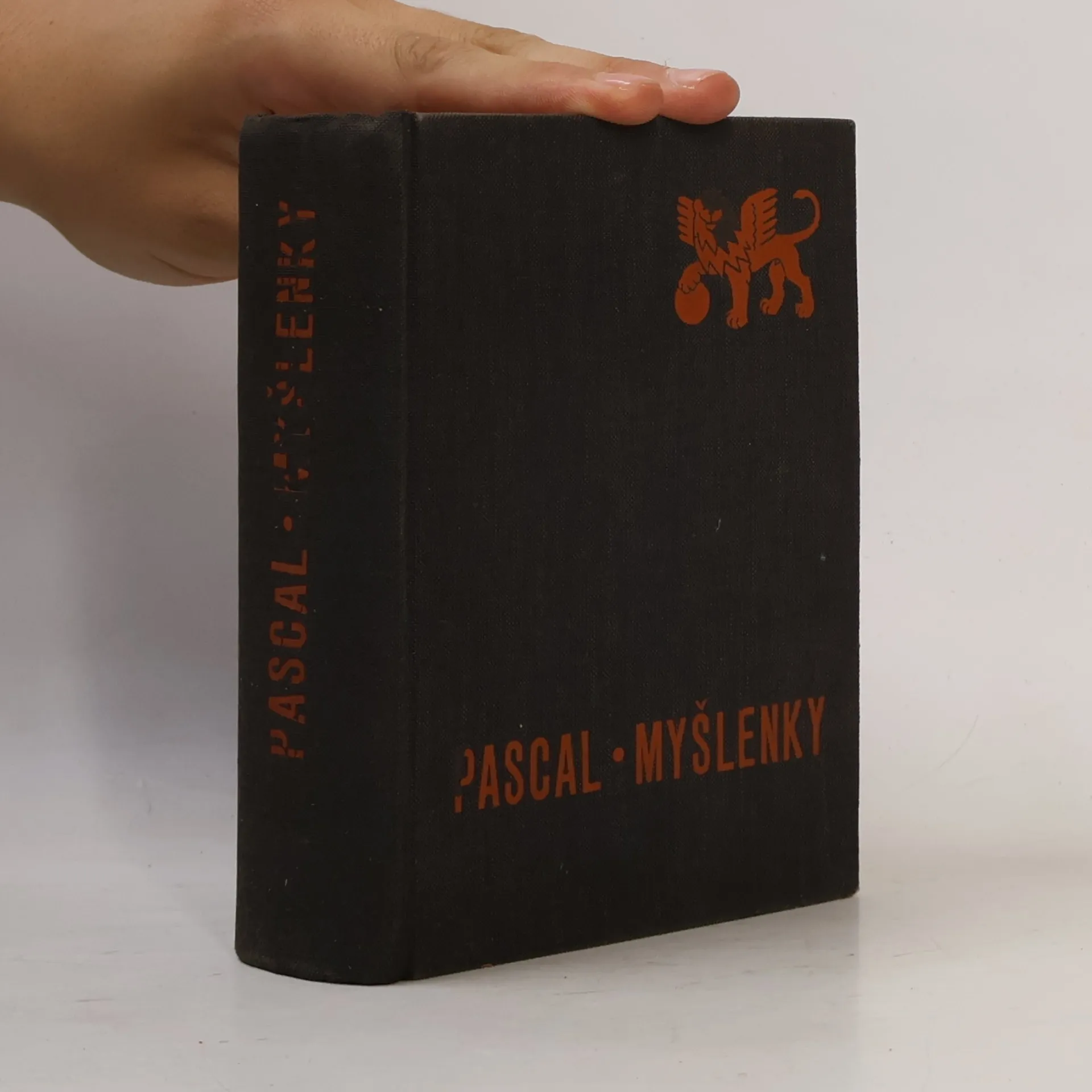
Výbor ze stěžejního filosofického díla francouzského filosofa, matematika a fyzika. Nedokončené dílo (doplňující jeho Listy provinciálovi, útočící proti jezuitům), v němž se autor snaží zharmonizovat realitu společnosti a jedince a v němž se na pozadí snahy o obhajobu křesťanství snaží rozpor mezi vědou a náboženstvím, rozumem a vírou posvětit jako rozpor neřešitelný, a tím zachovat jak vědu, tak i náboženství. Dílo vyniká neobyčejnou formální krásou, silou představivosti, lyrismem, expresivitou a dramatičností.
Blaise Pascal (1623–1662), der große französische Schriftsteller, Philosoph und Mathematiker, fasziniert durch die Schärfe seines Denkens und stellt einmal gewonnene Erkenntnisse immer wieder in Frage. Seine Gedanken sind tief und suchen nach dem Besonderen, das die Menschen auszeichnet. Er gibt uns eine Idee von der Unvollkommenheit der Menschheit und von dem Traum, sie zu verändern. 'Man glaubt, die Tasten einer gewöhnlichen Orgel anzuschlagen, wenn man die Tasten des Menschen anschlägt. Er ist zwar eine Orgel, doch sie ist seltsam, wandelbar und veränderlich.'
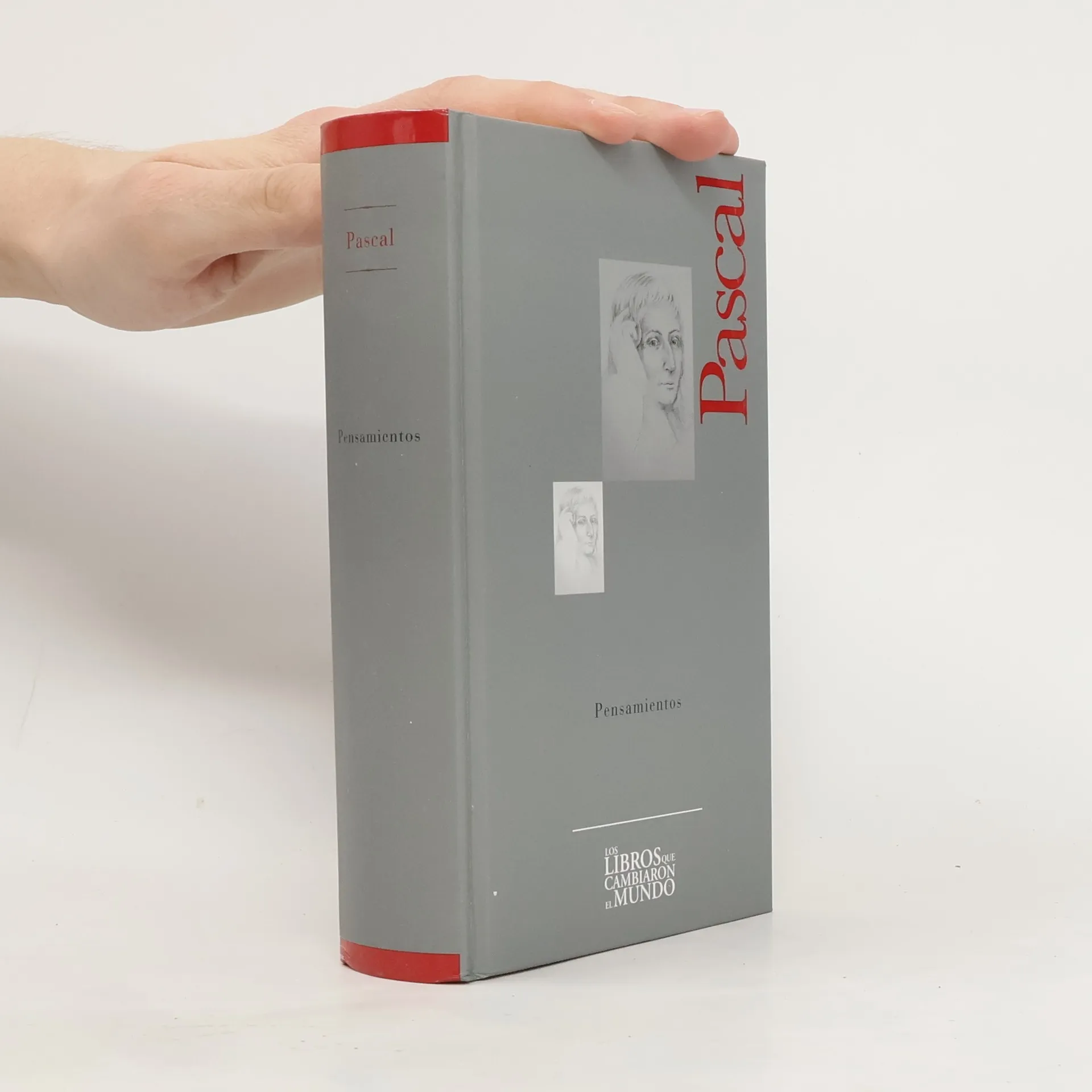
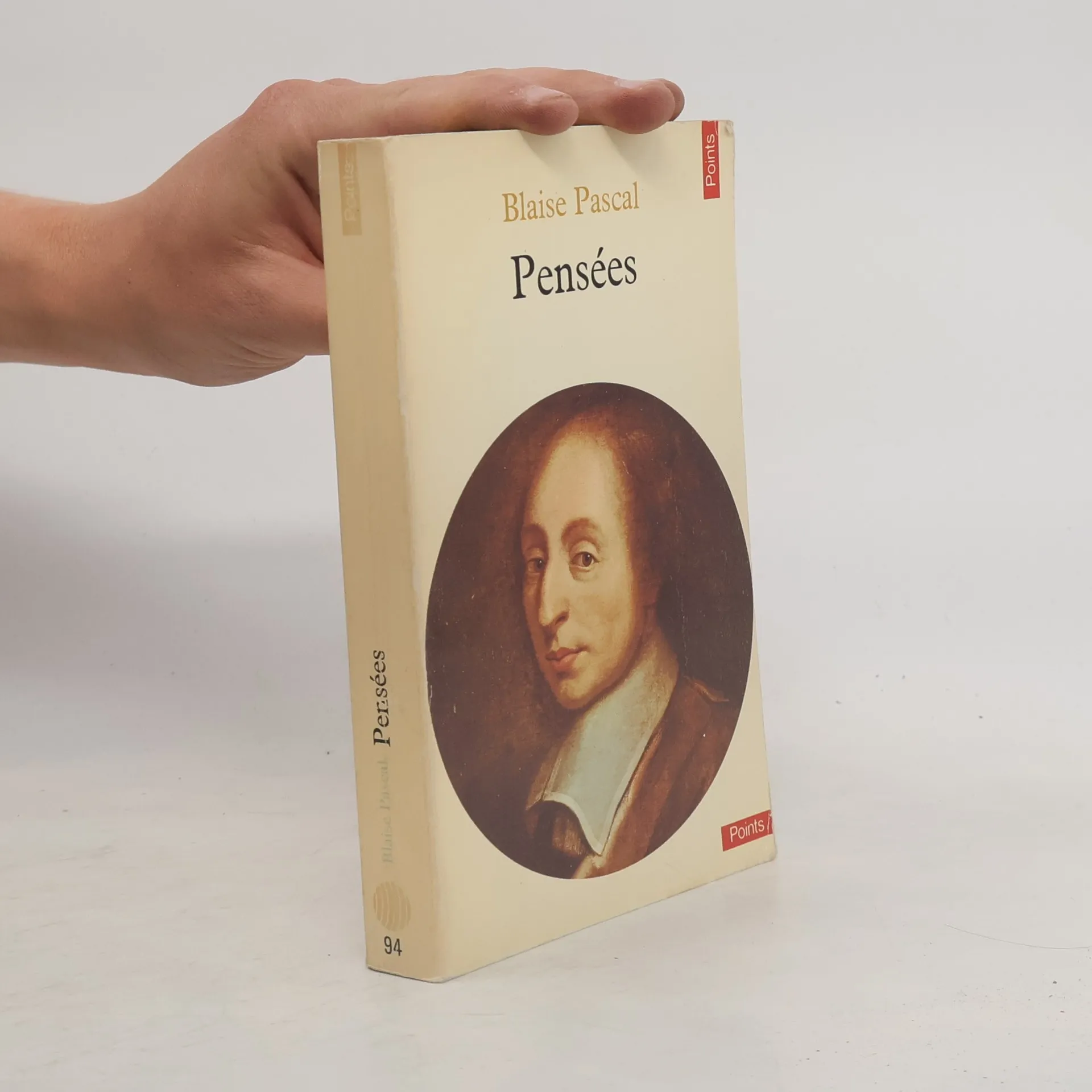
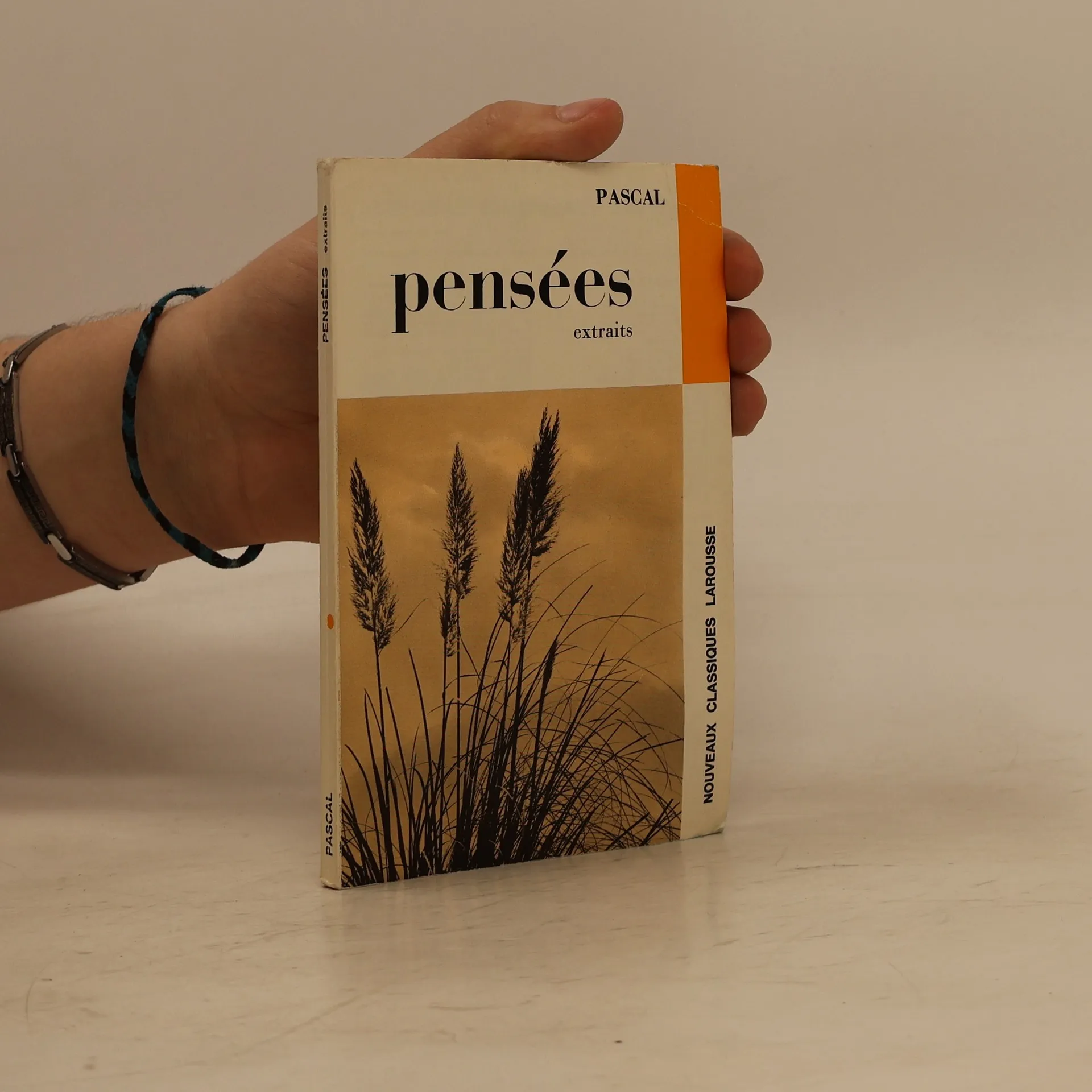
Destinées pour la plupart à la rédaction ultérieure d'un traité sur la religion chrétienne, les Pensées sont un ensemble de notes éparses prises par Pascal avant de mourir. Il y expose sa conception de l'homme " imbécile ver de terre ", être inconsistant, faible et méprisable, " roseau ", certes " pensant ", mais que l'imagination et le divertissement détournent de la vérité... Il se fait un devoir de démontrer la misère de l'homme sans Dieu et exhorte les cœurs à le rechercher... Ce penseur du Grand Siècle - l'un des plus brillants de son époque - offre une réflexion dont la profondeur, près de quatre siècles après, continue de fasciner le lecteur...
Výbor z nejznámějšího díla francouzského myslitele, přírodovědce a matematika (1623-1662).
Nedokončené dílo, které mělo být obranou křestanského náboženství se zachovalo jenom ve zlomcích a proto se stalo v průběhu doby předmětem uspořádávání nejrůznějších editorů. Tento český výbor zachycuje všechna základní témata Pascalových myšlenek v devíti okruzích, ve kterých jsou výroky shromážděny v krátkých, někdy i jednovětých citacích. Autor v nich vyjadřuje svůj pevný postoj jansenistického filozofa k lidskému rozumu, k otázce dobra, k údělu člověka, k náboženství a víře,k lidské pýše, ale i k umění, literatuře a jazyku - postoj, že pravdu je možno poznat nejen rozumem, ale hlavně srdcem. Rozum se musí pokořit před nepochopitelností víry.
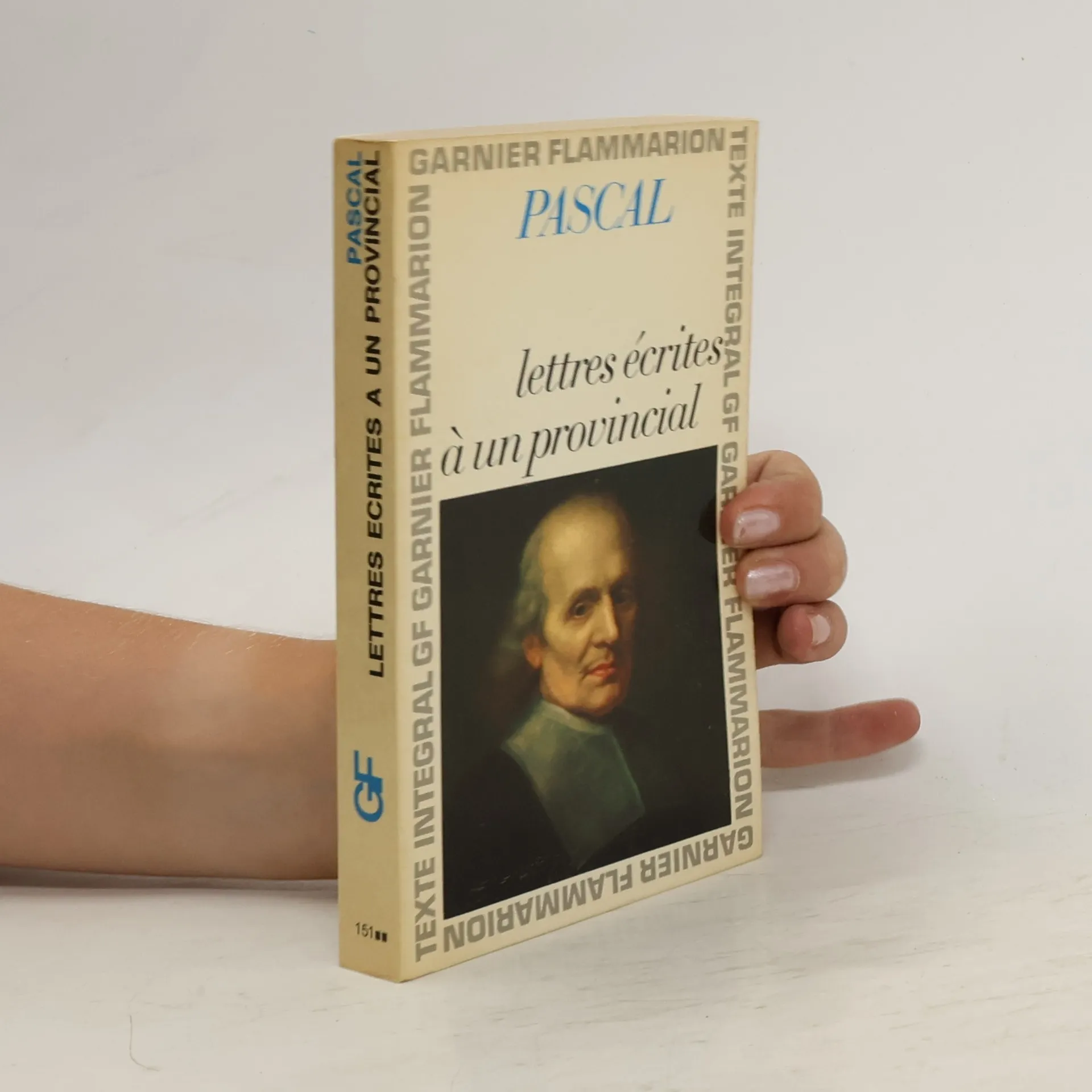
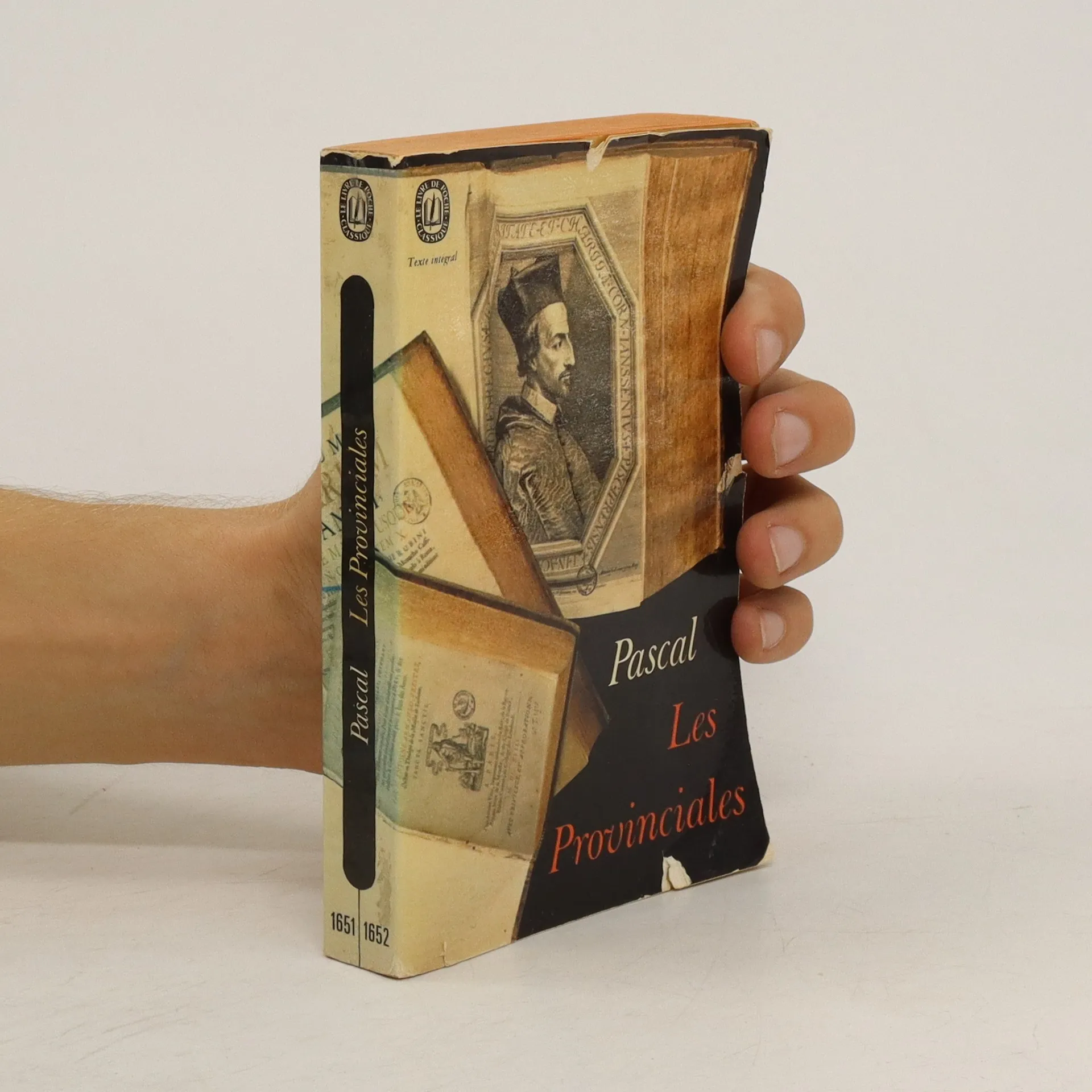
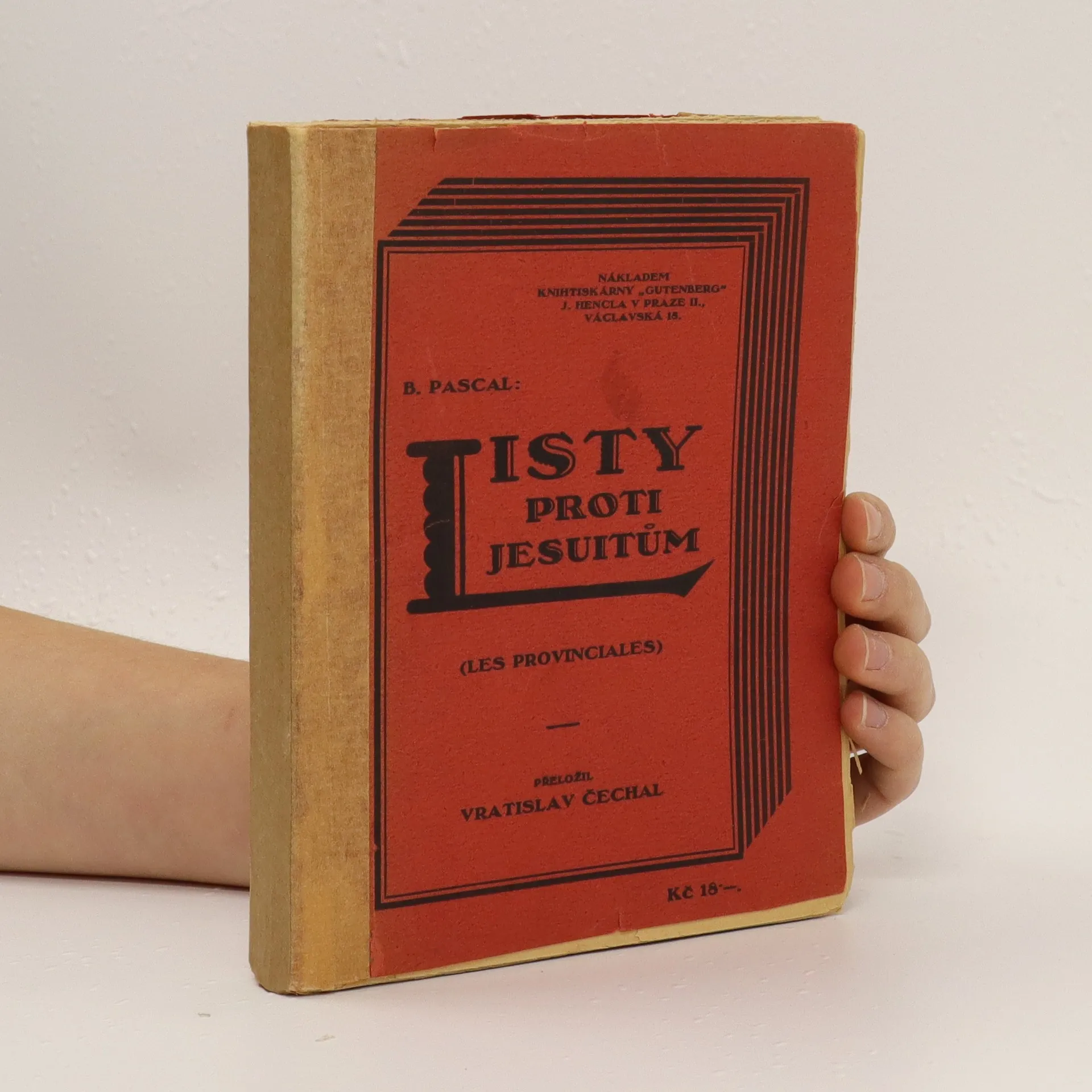
Dans le contexte de la controverse janséniste-jesuite, cette série de dix-huit lettres de Blaise Pascal défend son ami Antoine Arnauld et critique la laxité morale des jésuites à travers l'humour et la satire. Écrites dans un style spirituel et soigné, les lettres déguisent habilement leurs débats théologiques en correspondance entre un Parisien et un ami provincial. Malgré la condamnation de l'Église, ces lettres ont gagné en popularité pour leur mérite littéraire et ont influencé des écrivains futurs. En fin de compte, elles ont suscité d'importantes discussions théologiques, conduisant à une révision des enseignements de l'Église.