

Bookbot

Zygmunt Bauman

    19 novembre 1925 – 9 janvier 2017

    Zygmunt Bauman était un sociologue et philosophe polonais de renommée mondiale, professeur émérite de sociologie à l'Université de Leeds. Il fut l'un des théoriciens sociaux les plus éminents au monde, écrivant sur des sujets aussi divers que la modernité et l'Holocauste, le consumérisme postmoderne et la modernité liquide, et fut l'un des créateurs du concept de « postmodernisme ». Son œuvre offre des perspectives profondes sur les transformations de la société contemporaine et les défis auxquels nous sommes confrontés.

    Zygmunt Bauman
    Liquid modernity
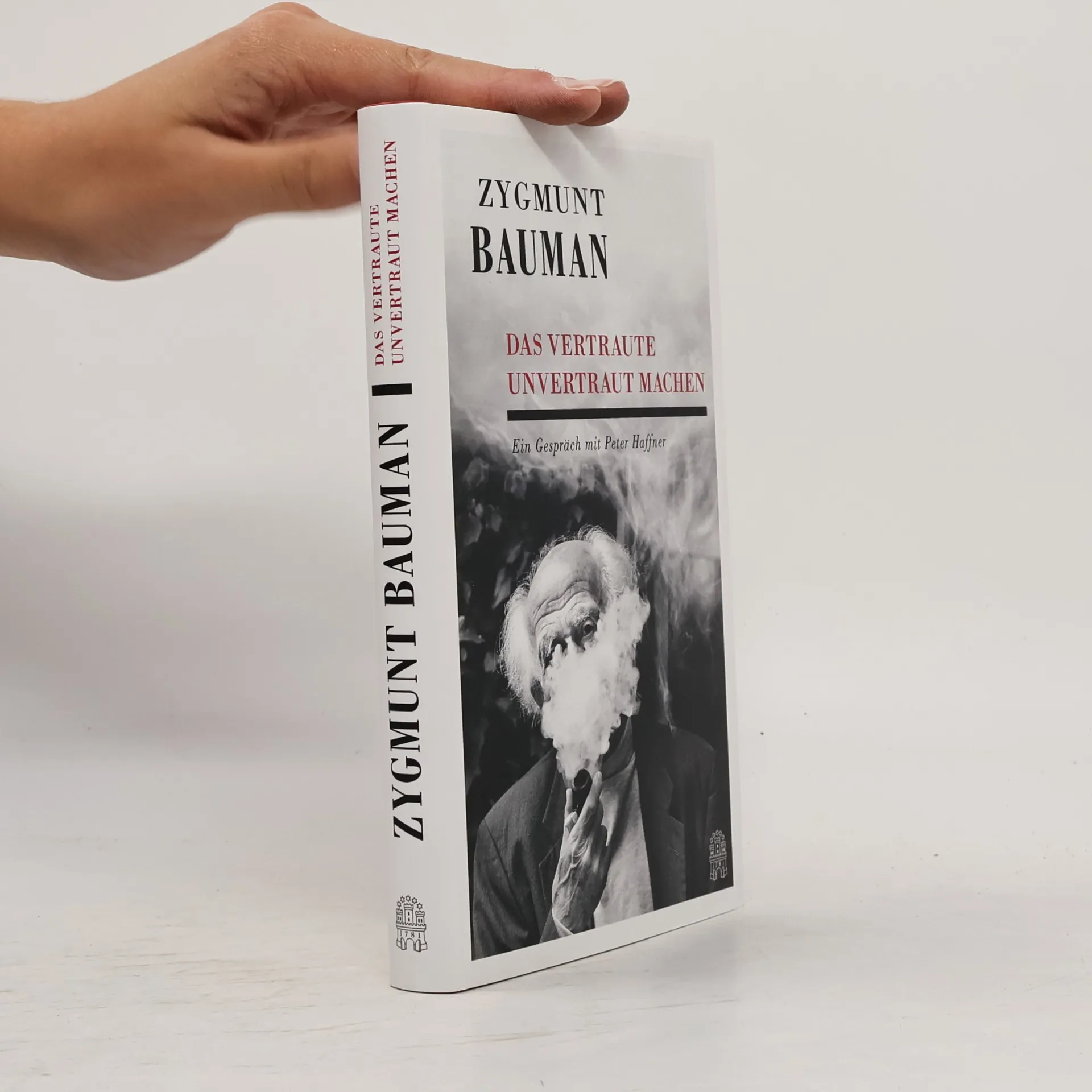
    Making the Familiar Unfamiliar
    Tickling the Ivories
    Shadows of Fury
    Pluriel: Le coût humain de la mondialisation
    La société assiégée
    • La mondialisation est-elle un bien ou un mal ? Quelles en seront les conséquences ? Pour Zygmunt Bauman, il y aura d'un côté une élite minoritaire qui en tirera les bénéfices, de l'autre une masse de plus en glus nombreuse d'exclus, poussés à la violence et au repli identitaire. Cet essai donne ainsi un sens et une cohérence aux phénomènes préoccupants qui agitent le monde actuel : affaiblissement de l'État-nation, primat du marché sur le politique, rôle des nouveaux médias, obsessions sécuritaires, régression sociale, etc. En dénonçant ces non-dit, il dévoile la profonde crise des valeurs humanistes que nous traversons.
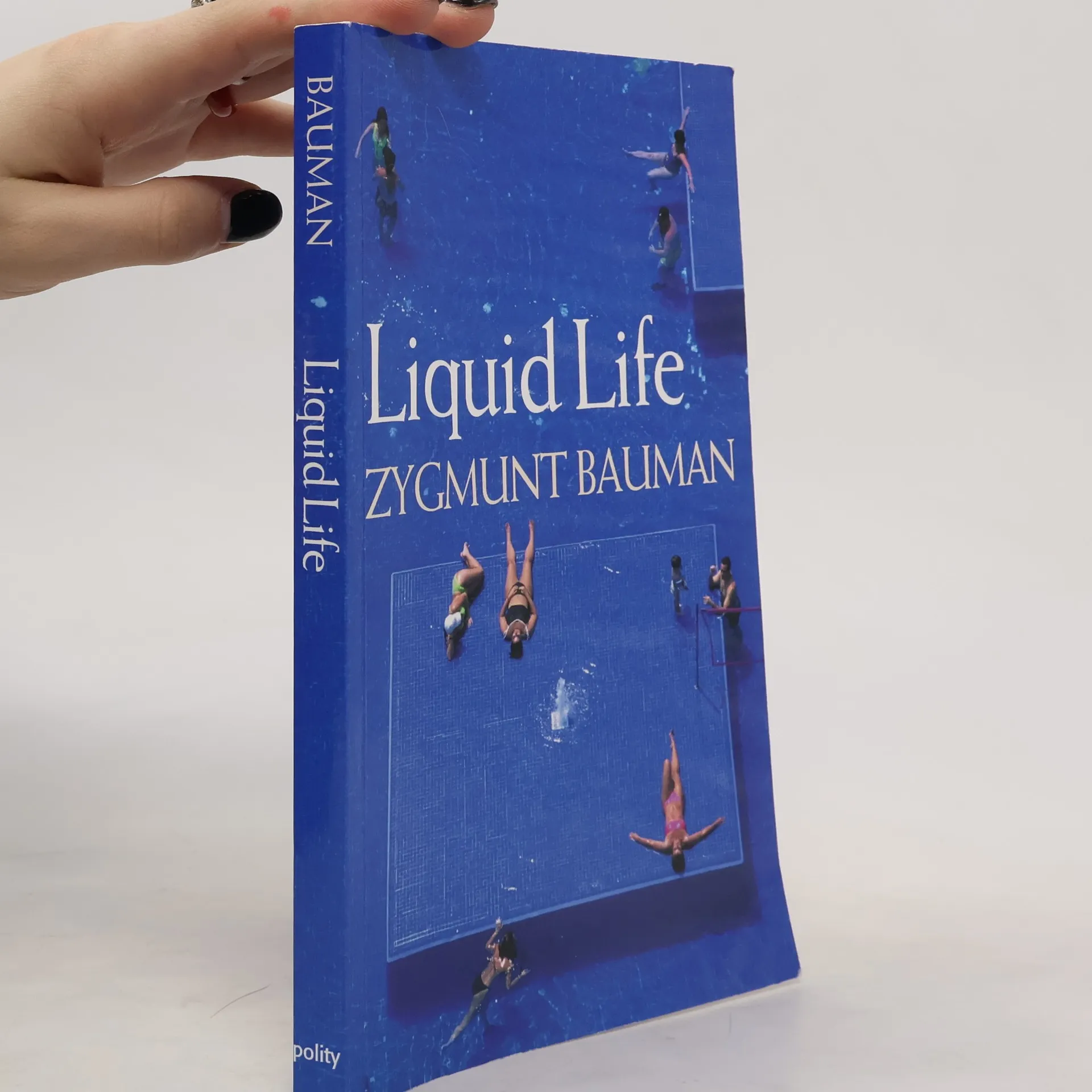
      Pluriel: Le coût humain de la mondialisation
    • A fatally ill woman is suffocated in her hospital bed. Her last visitor, Madeleine Reed, is accused of the crime. There are no witnesses. Madeleine cannot recall committing the murder and has no motive.

      Shadows of Fury
    • Pianist and author Keith Jacobsen tells the story of his lifelong passion for the piano as performer and teacher from early childhood in post-war Liverpool to the present day.

      Tickling the Ivories
    • In this new book, Bauman examines how we have moved away from a 'heavy' and 'solid', hardware-focused modernity to a 'light' and 'liquid', software-based modernity. This passage, he argues, has brought profound change to all aspects of the human condition. The new remoteness and un-reachability of global systemic structure coupled with the unstructured and under-defined, fluid state of the immediate setting of life-politics and human togetherness, call for the rethinking of the concepts and cognitive frames used to narrate human individual experience and their joint history. This book is dedicated to this task. Bauman selects five of the basic concepts which have served to make sense of shared human life - emancipation, individuality, time/space, work and community - and traces their successive incarnations and changes of meaning. Liquid Modernity concludes the analysis undertaken in Bauman's two previous books Globalization: The Human Consequences and In Search of Politics. Together these volumes form a brilliant analysis of the changing conditions of social and political life by one of the most original thinkers writing today.

      Liquid modernity
    • Liquid surveillance

      • 152pages
      • 6 heures de lecture
      4,1(18)Évaluer

      In today's world, the minutiae of our daily lives are monitored more closely than ever, often with our willing participation. Video cameras are commonplace in public spaces across major cities, while air travel now routinely includes body scanners and biometric checks, a trend that escalated post-9/11. Companies like Google and credit-card issuers track our habits and preferences, tailoring marketing strategies with our eager cooperation. In this fluid modern landscape, where crossing borders is routine and social media is omnipresent, individuals navigate life in a state of constant motion, often devoid of certainty and lasting connections. This dynamic environment fosters unprecedented surveillance that permeates areas once considered private. The analysis of surveillance by David Lyon intersects with Zygmunt Bauman's exploration of liquid modernity, raising critical questions about our future. Are we heading towards a bleak reality of constant monitoring, or can we still find spaces of freedom and hope? How do we acknowledge our responsibility towards others amidst the complexities of data and categorization? This insightful examination tackles issues of power, technology, and morality, offering a profound reflection on the implications of being both observed and observers in contemporary society.
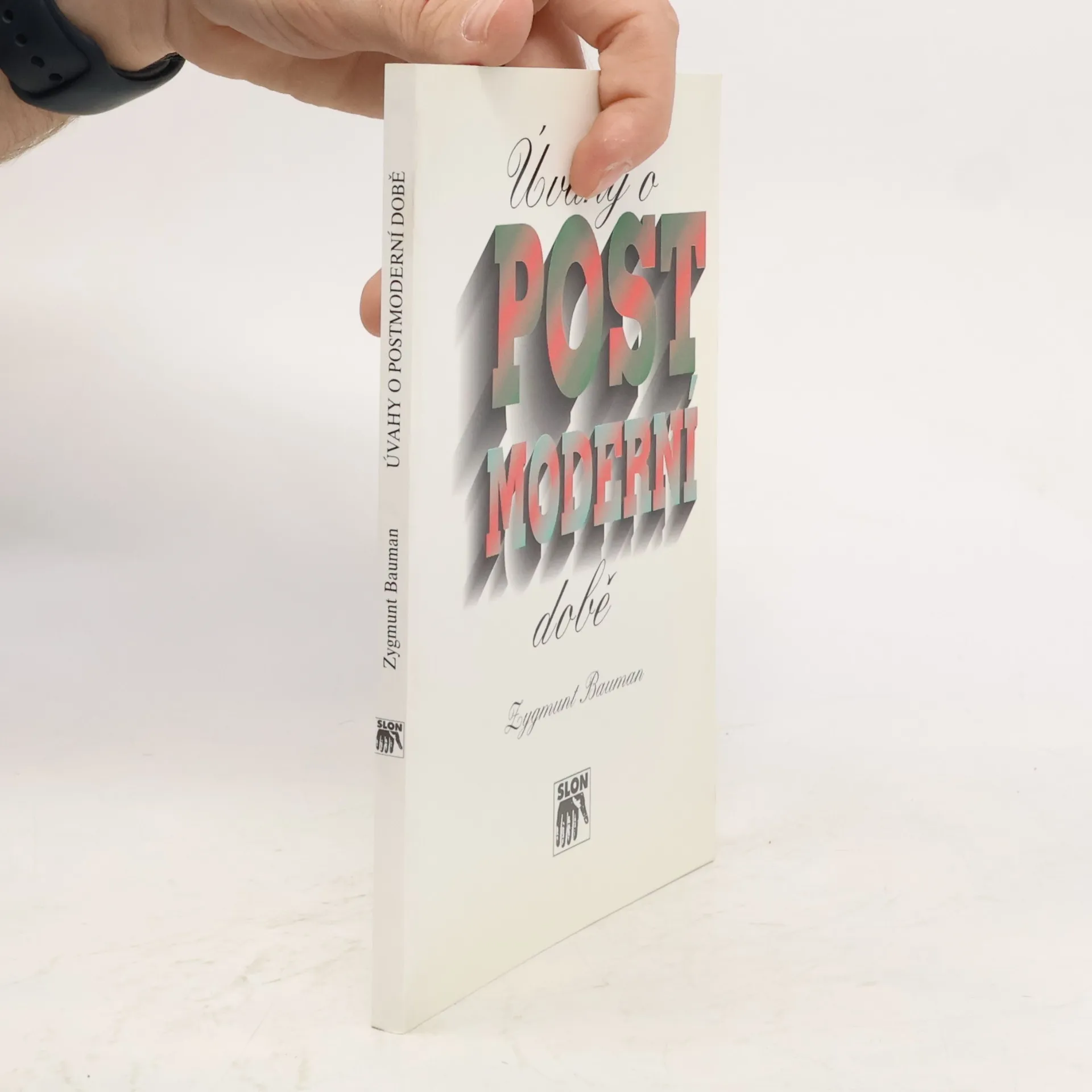
      Liquid surveillance
    • Liquid Fear

      • 188pages
      • 7 heures de lecture
      4,1(238)Évaluer

      Modernity was supposed to be the period in human history when the fears that pervaded social life in the past could be left behind and human beings could at last take control of their lives and tame the uncontrolled forces of the social and natural worlds. And yet, at the dawn of the twenty-first century, we live again in a time of fear.
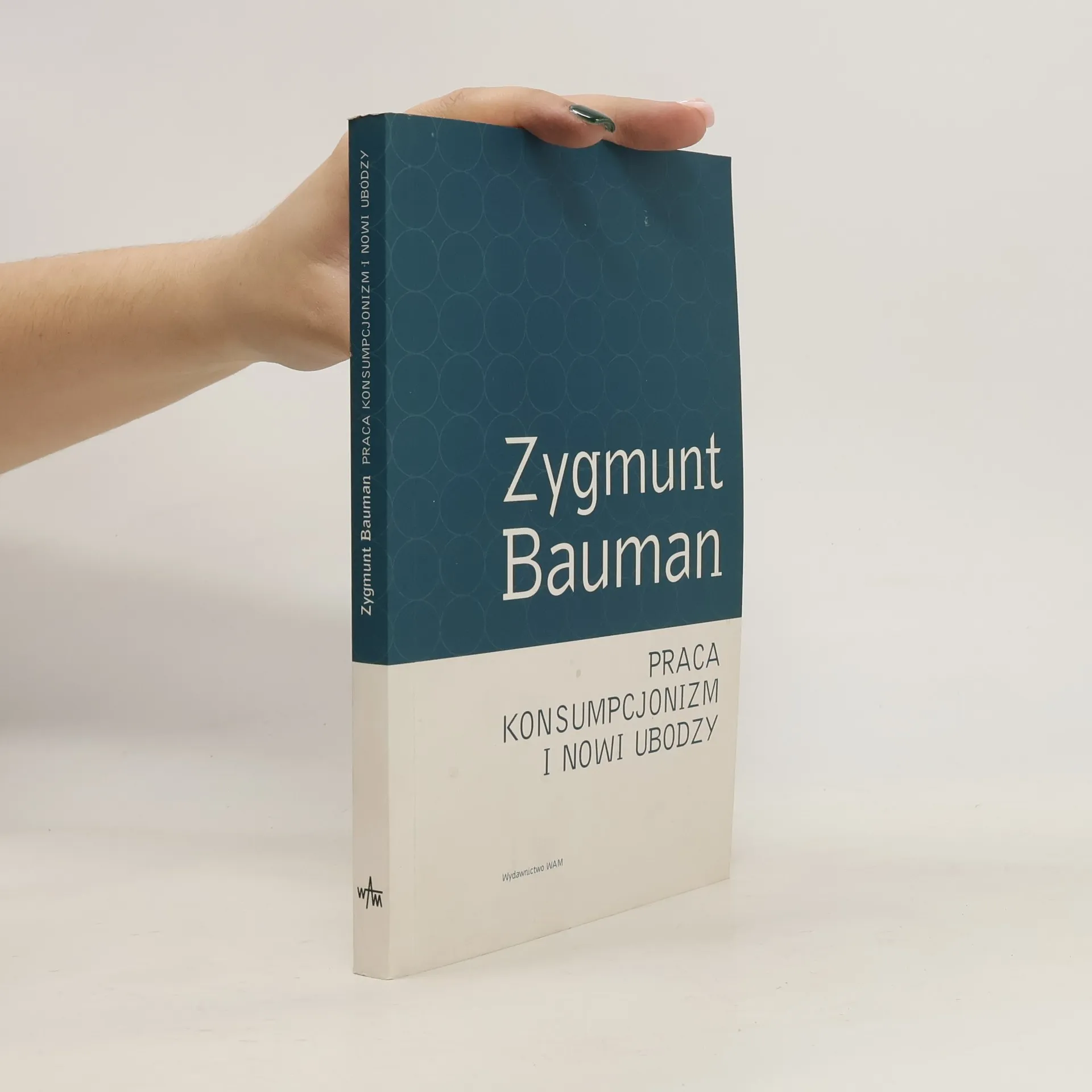
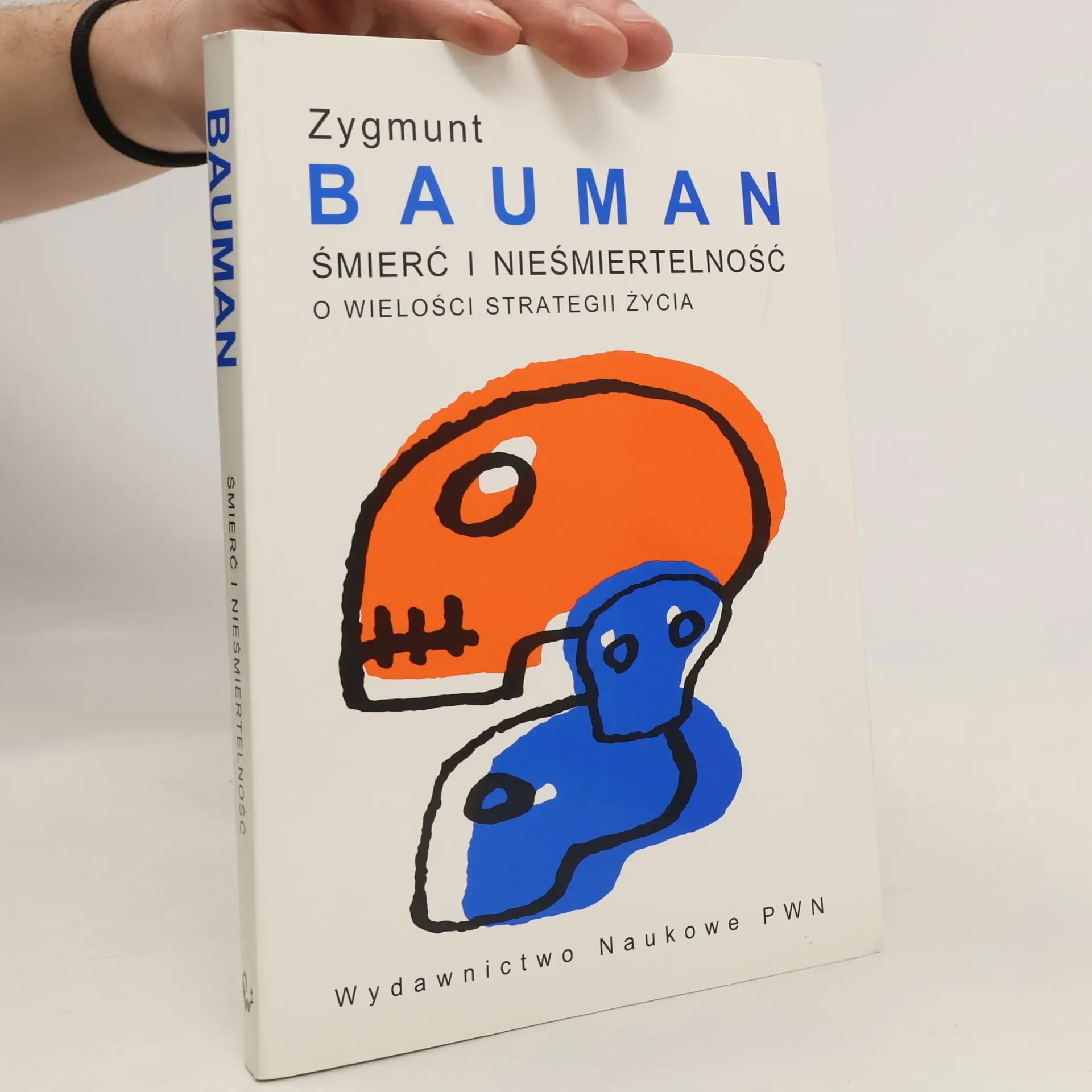
      Liquid Fear
    • Liquid Life

      • 224pages
      • 8 heures de lecture
      4,1(509)Évaluer

      A new book by one of the most original and brilliant social thinkers of our time. * Extends and develops some of the key themes in other Bauman titles, namely what it is like to live in a time of 'liquid modernity', identity, culture and consumerism.

      Liquid Life
    • Consuming Life

      • 168pages
      • 6 heures de lecture
      4,0(502)Évaluer

      With the advent of liquid modernity, the society of producers is transformed into a society of consumers. In this new consumer society, individuals become simultaneously the promoters of commodities and the commodities they promote. They are, at one and the same time, the merchandise and the marketer, the goods and the travelling salespeople.

      Consuming Life