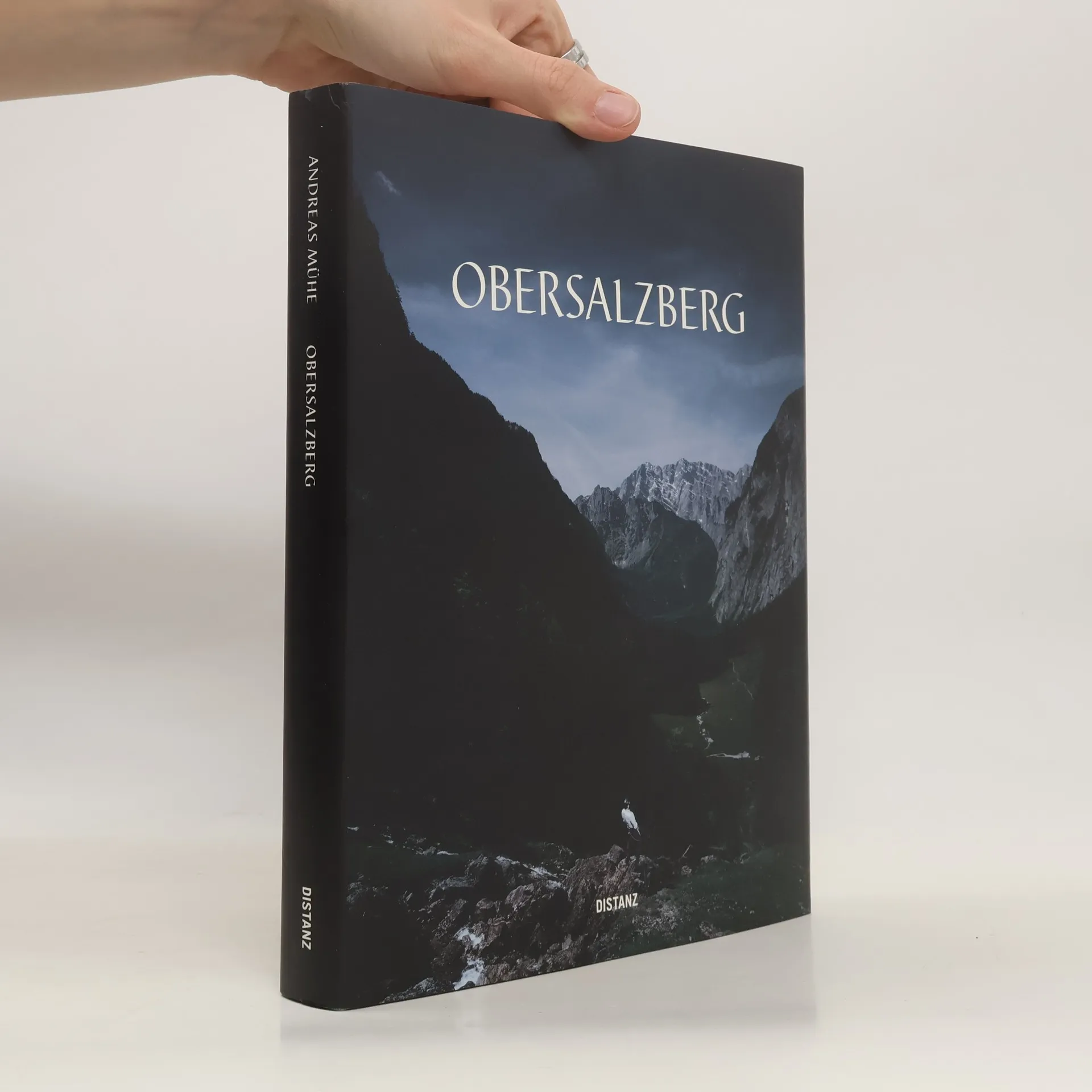
Both pathos and distance play a role in the work of Andreas Muhe. Pathos becomes distance, and this distance becomes a precondition that allows for pathos. Muhe's themes are often ambiguous, already emotional, and charged by their respective historical context: Christmas trees, chancellors, the chalk cliffs on Rugen, the Obersalzberg. The photographs by Andreas Muhe are accompanied by excerpts from the novel 1913 The Year before the Storm, by Florian Illies.
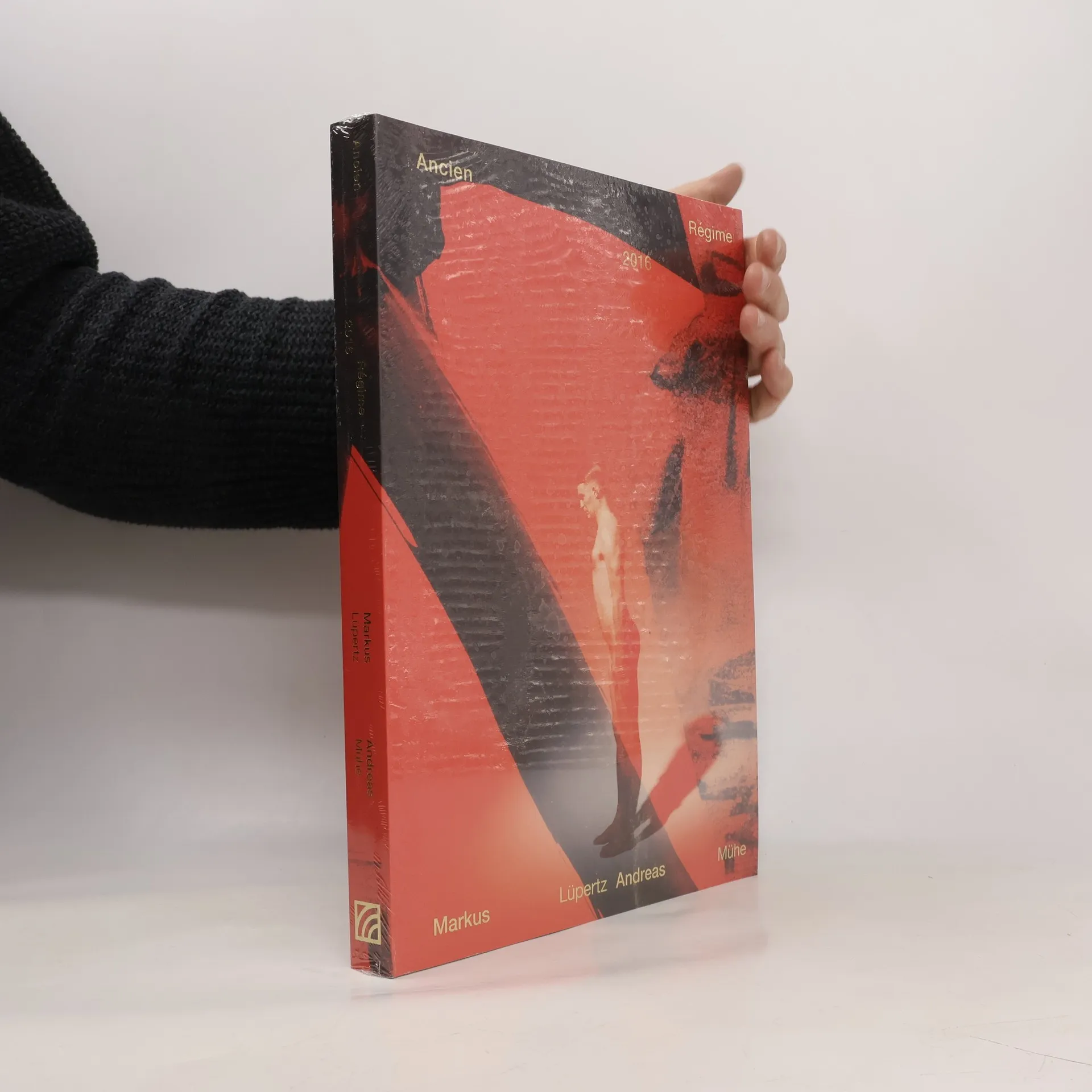
This book conjoins the painterly photographs of Andreas Mühe (born 1979), which examine the aesthetics of Nazism as expressed in posture, gestures and clothing, with 96 drawings by Markus Lüpertz (born 1941) on sculptor Ludwig Münstermann’s “Apollo”―both being playful explorations of historical pictorial traditions.
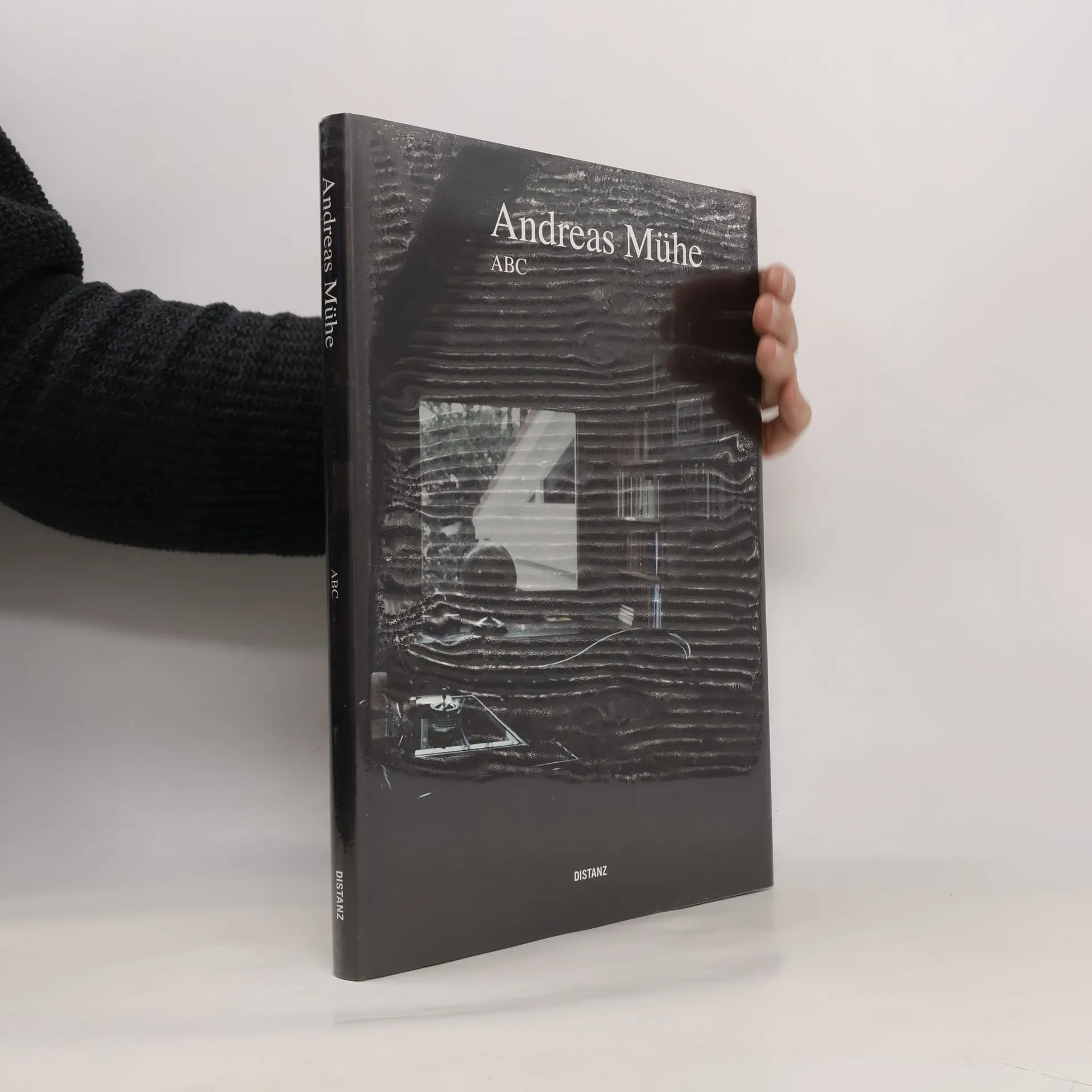
""It has to look as though you’re walking past an open door, quickly peek inside, and the scene that’s taking place there gets stuck on your mind"—that’s how the 32-year-old photographer Andreas Mühe (b. Karl-Marx-Stadt, 1979; lives and works in Berlin) describes the effect he hopes his pictures will have. Like the photograph of Helmut Schmidt’s office he chose for the cover of this book. In fact, he leaves nothing to chance, staging each setting down to the smallest detail. Deliberate selection of the space and precise lighting have become his trademark. His unconventional style has made Mühe the shooting star of the German photography scene and a sought-after portraitist of prominent politicians and celebrities such as Karl-Theodor zu Guttenberg, the Italian ambassador AntonioPuri Purini, Christiane zu Salm, and Gerhard Richter. Mühe takes analog photographs using a large-format camera. Whether he captures people or landscapes, his pictures are always surrounded by an aura of artificiality and unreality, exuding a sense of gloom and even menace. "I play with the dimensions of space and time and show the individual in context." The present book is the first comprehensive monograph about Andreas Mühe’s art. It includes a captivating characterization of the artist himself by the writer Jana Hensel—she, too, was born in East Germany—and essays by the critic Kito Nedo and the curator Ingo Taubhorn. "