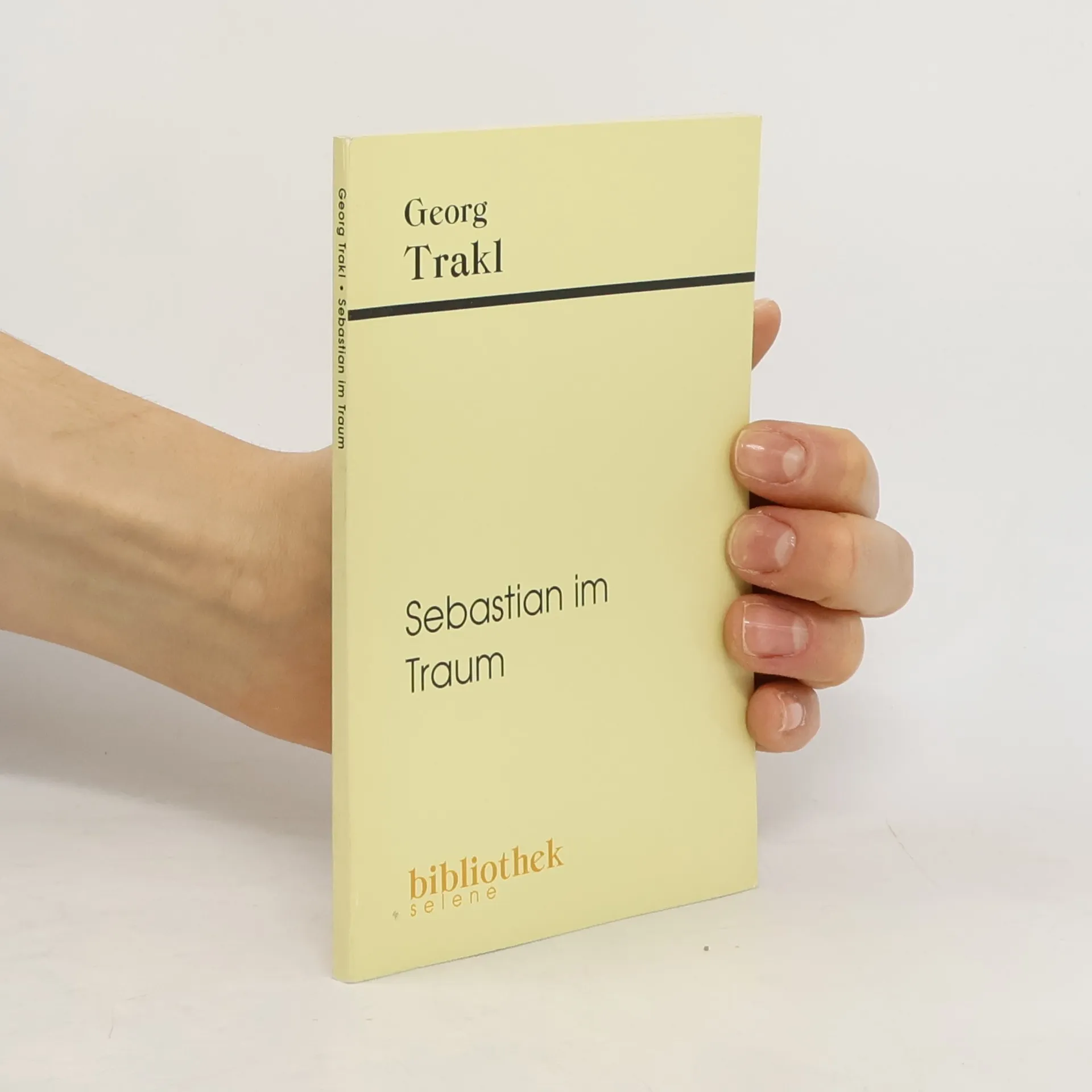
sous les broussailles d'or de la nuit et des étoiles elle vacille l'ombre de la soeur dans le bois silencieux
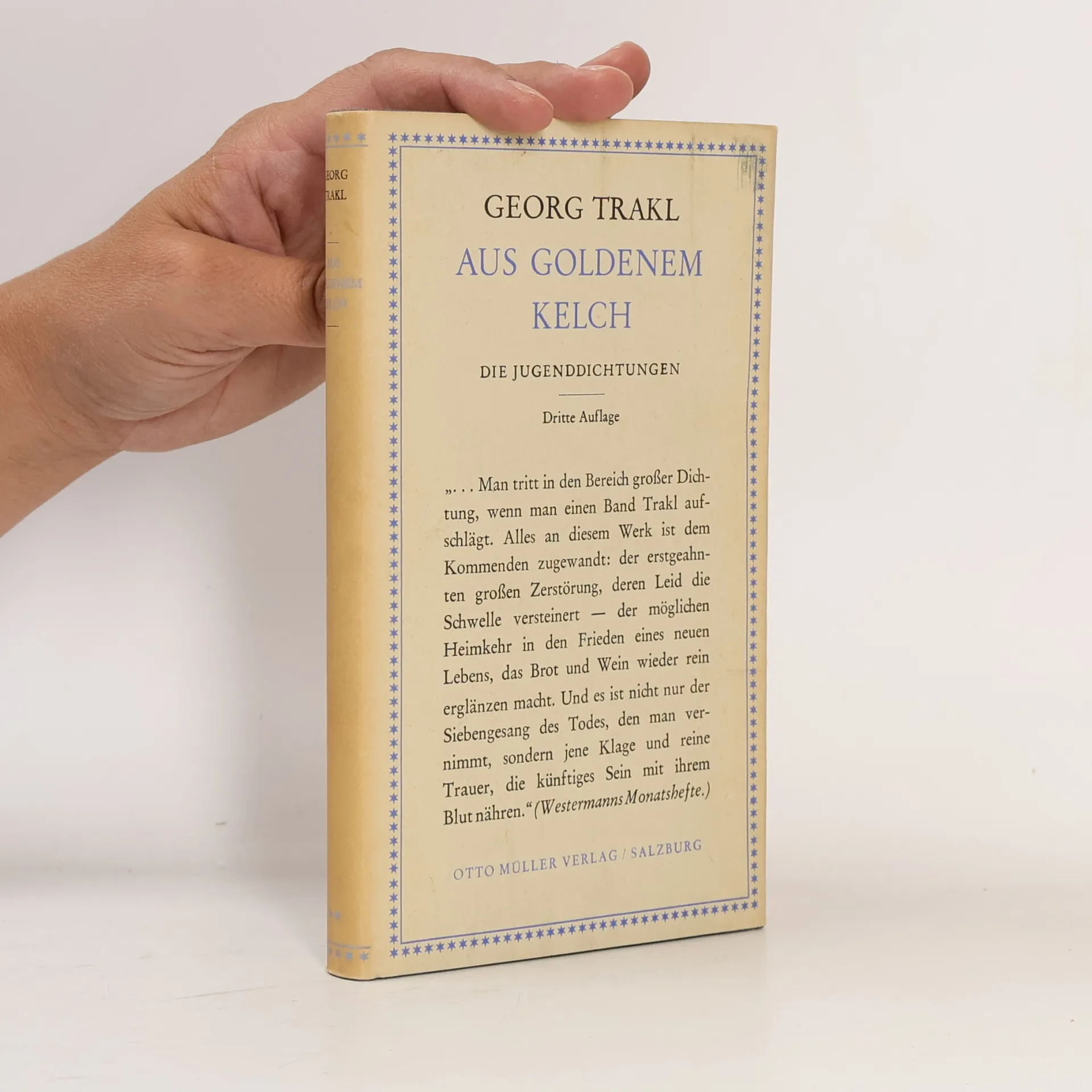
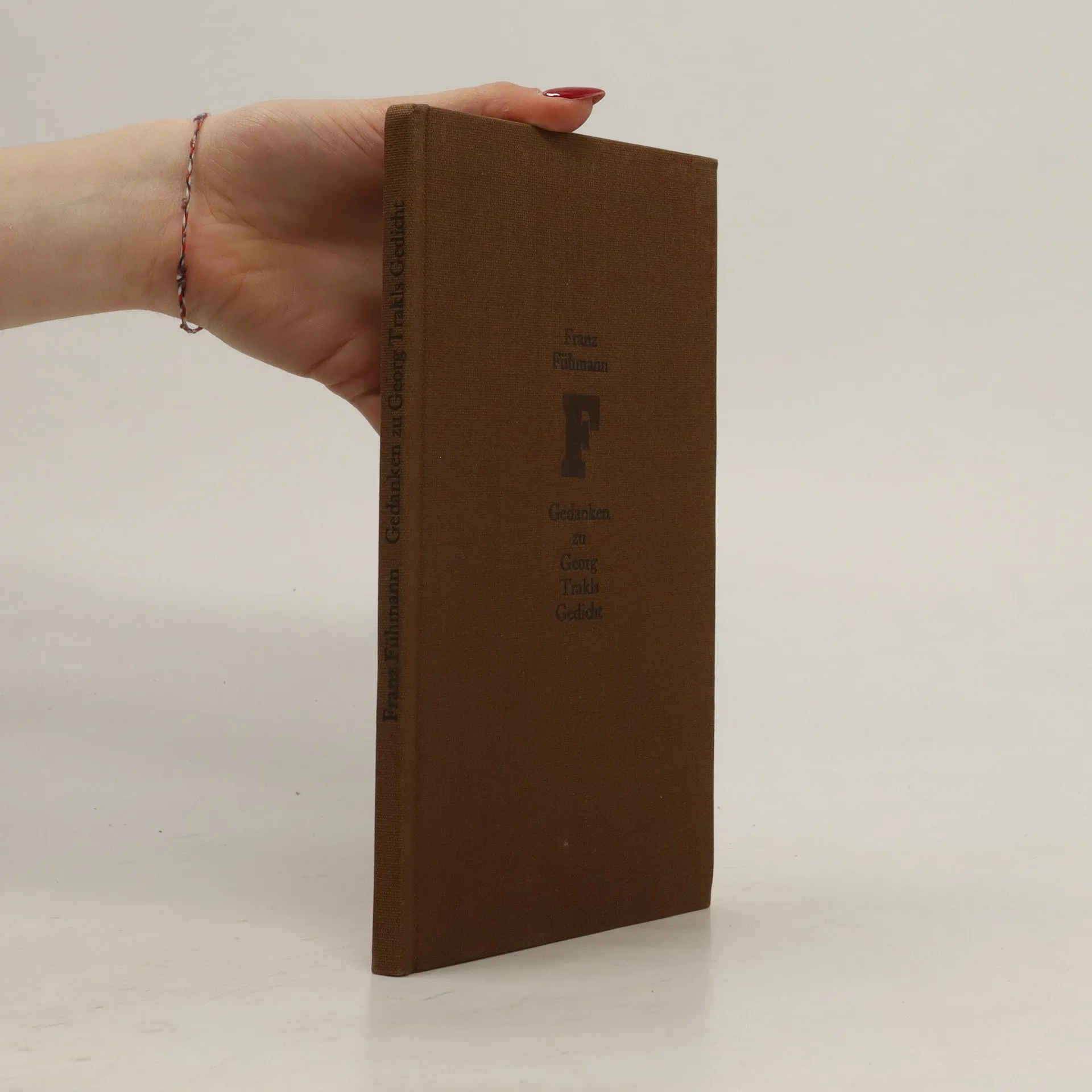
Georg Trakl Livres
3 février 1887 – 3 novembre 1914
Georg Trakl fut un poète autrichien, considéré comme l'un des expressionnistes autrichiens les plus importants. Ses premières œuvres montrent l'influence du symbolisme, mais il développa bientôt son propre style unique. Trakl se fit connaître pour sa poésie sombre et introspective, qui aborde souvent des thèmes tels que la mort, la décadence et la solitude. Son utilisation magistrale de l'imagerie et la musicalité de ses vers lui ont assuré une place parmi les figures clés de la poésie de langue allemande du XXe siècle.

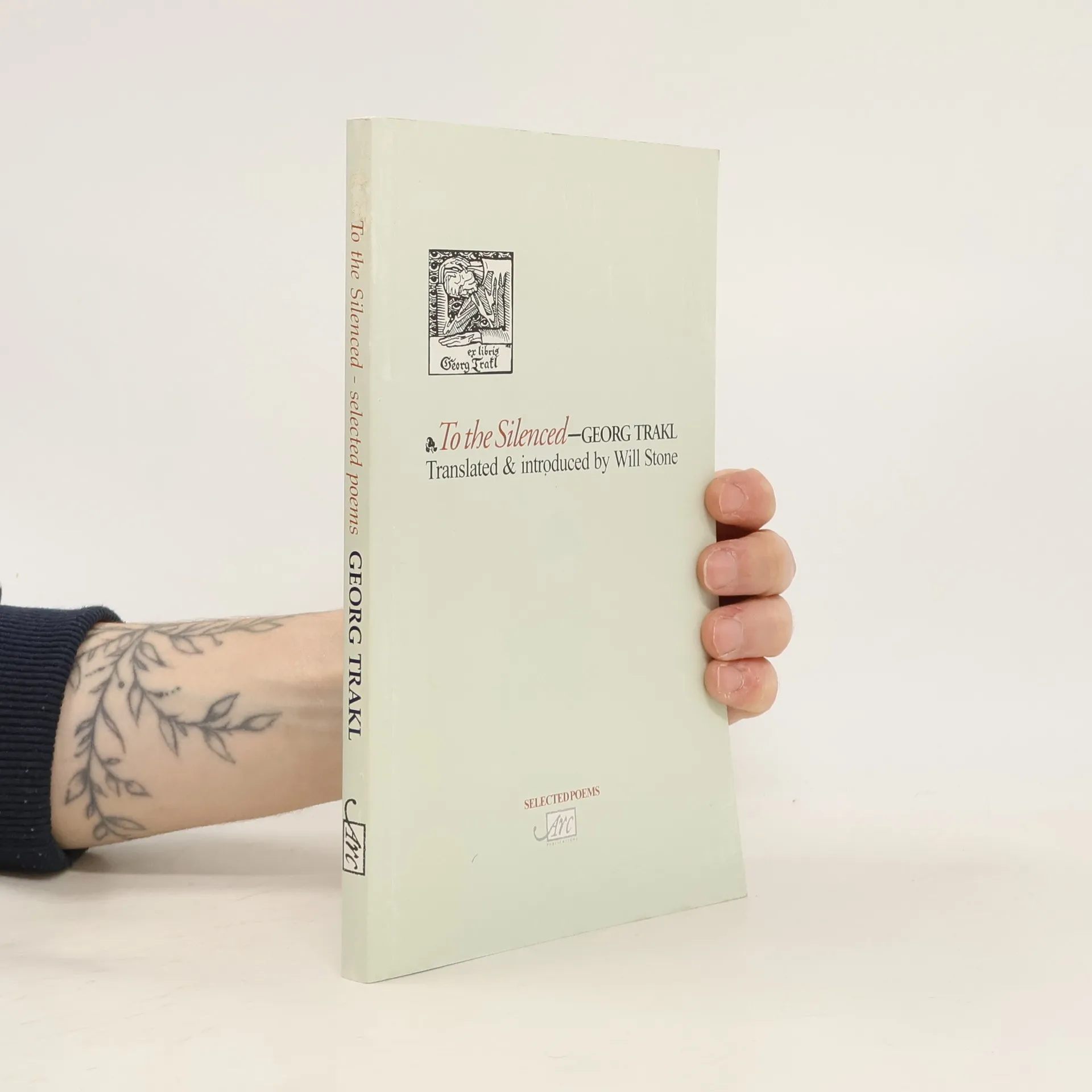
ARC Translation S: To The Silenced
Selected Poems - Translated & Introduced by Will Stone
- 172pages
- 7 heures de lecture
Stone's new translation of some of Georg Trakl's finest work--complete with introductory essays and commentary--is a volume which promises to rekindle interest in the work of this seminal Austrian poet.
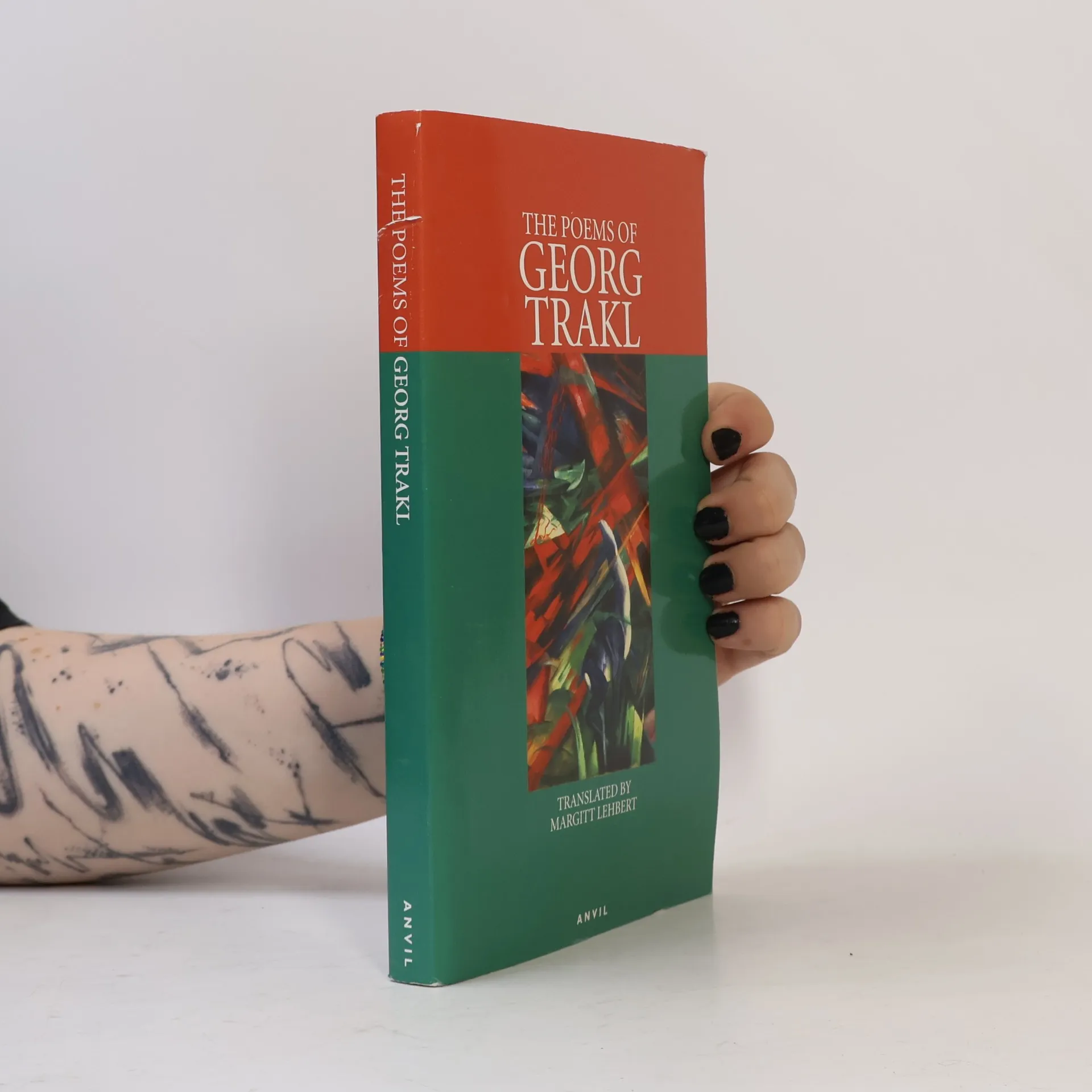
The Poems of Georg Trakl
- 190pages
- 7 heures de lecture
This collection of Trakl's essential poetry contains the two books published in his lifetime, "Gedichte "(Poems', 1913) and "Sebastian im Traum" (Sebastian in a Dream', 1914), together with the later poems published in the magazine "Der Brenner" which might have formed the nucleus of a third collection.His starkly beautiful, musical poems are rightly regarded as being among the early twentieth century's most original poetry. From a life marred by drug addiction and breakdowns, he created work of great depth and power, brought hauntingly to life in Margitt Lehbert's close and sympathetic versions.Georg Trakl (1887-1914) was born in Salzburg, Austria, where he lived apart from spells in Vienna. After qualifying as a pharmacist he spent his year of military service in the Innsbruck garrison hospital pharmacy. In the wake of the Battle of Grodek, he died of a drug overdose in a military hospital in Krakow.Margitt Lehbert was born in Geneva, Switzerland, to German parents in 1957. She grew up in the United States and Germany, studied in Konstanz and Iowa City, and translates into German as well as English. In 2006 she founded Edition Rugerup, which publishes mostly poetry in translation. She lives in south Sweden.
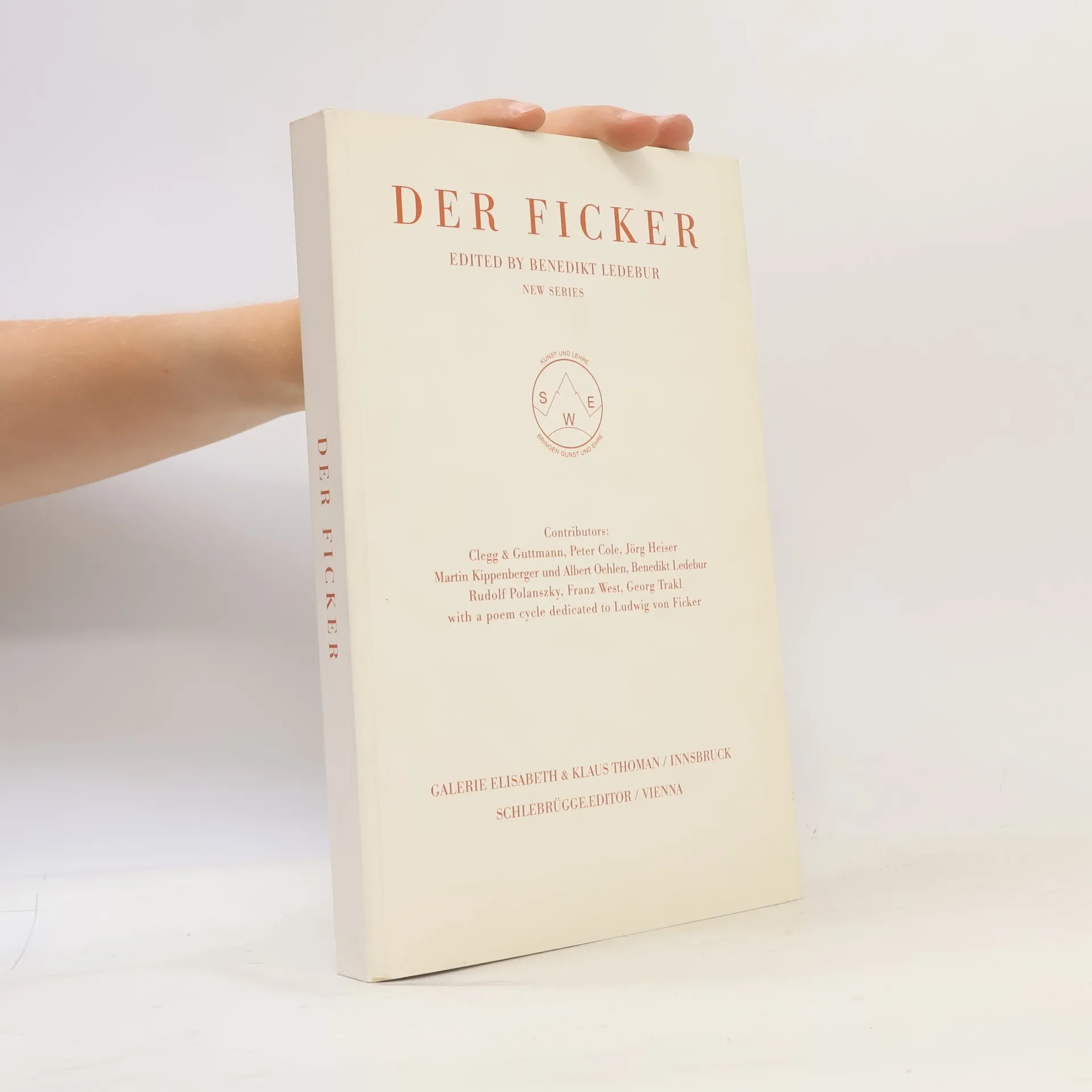
New Series: Der Ficker
- 210pages
- 8 heures de lecture
The publication is a resumption, on Franz West's initiative, of the renowned "Brenner" - a journal published in Innsbruck by Ludwig von Ficker. The circle that associated with this journal also included Georg Trakl and Ludwig Wittgenstein. The text and image contributions of artists and authors and the interviews that the Austrian writer Benedikt Ledebur conducted with them all revolve around linguistic and philosophical-historical themes, reflecting the approaches used by the artists involved and developing a modernist aesthetic with the conceptuality of collage - all of this in keeping with the tradition of the "Brenner", but also of the Dadaists and the Vienna Group.
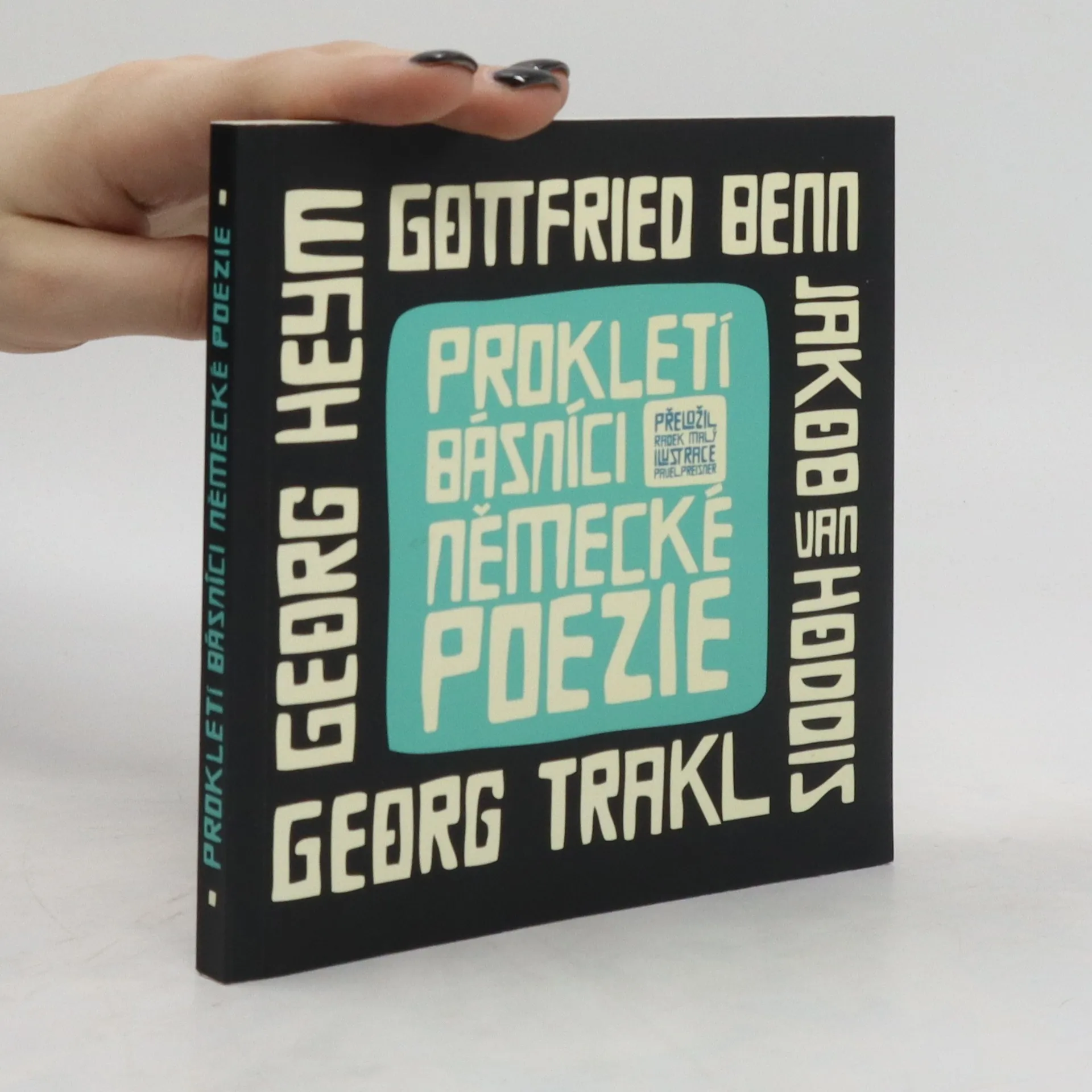
Prokletí básníci německé poezie
- 144pages
- 6 heures de lecture
Antologie novým způsobem představuje ranou poezii velikánů moderního německojazyčného básnictví Georga Heyma, Jakoba van Hoddise, Gottfrieda Benna a Georga Trakla. Tito čtyři autoři, jejichž poetika se formovala, měnila či předčasně uzavírala kolem roku 1912, vypjatého letopočtu německé literatury, bývají řazeni k ranému expresionismu, avšak výrazně tento směr intenzitou své tvorby přesahují. Byť se jim v češtině již dostalo samostatných knižních výborů, nekomunikovaly jejich texty doposud na stránkách jedné knihy. Antologie přináší také verše do češtiny převedené poprvé. Básně přeložil a doslovem opatřil básník Radek Malý a výtvarně je doprovodil Pavel Preisner.
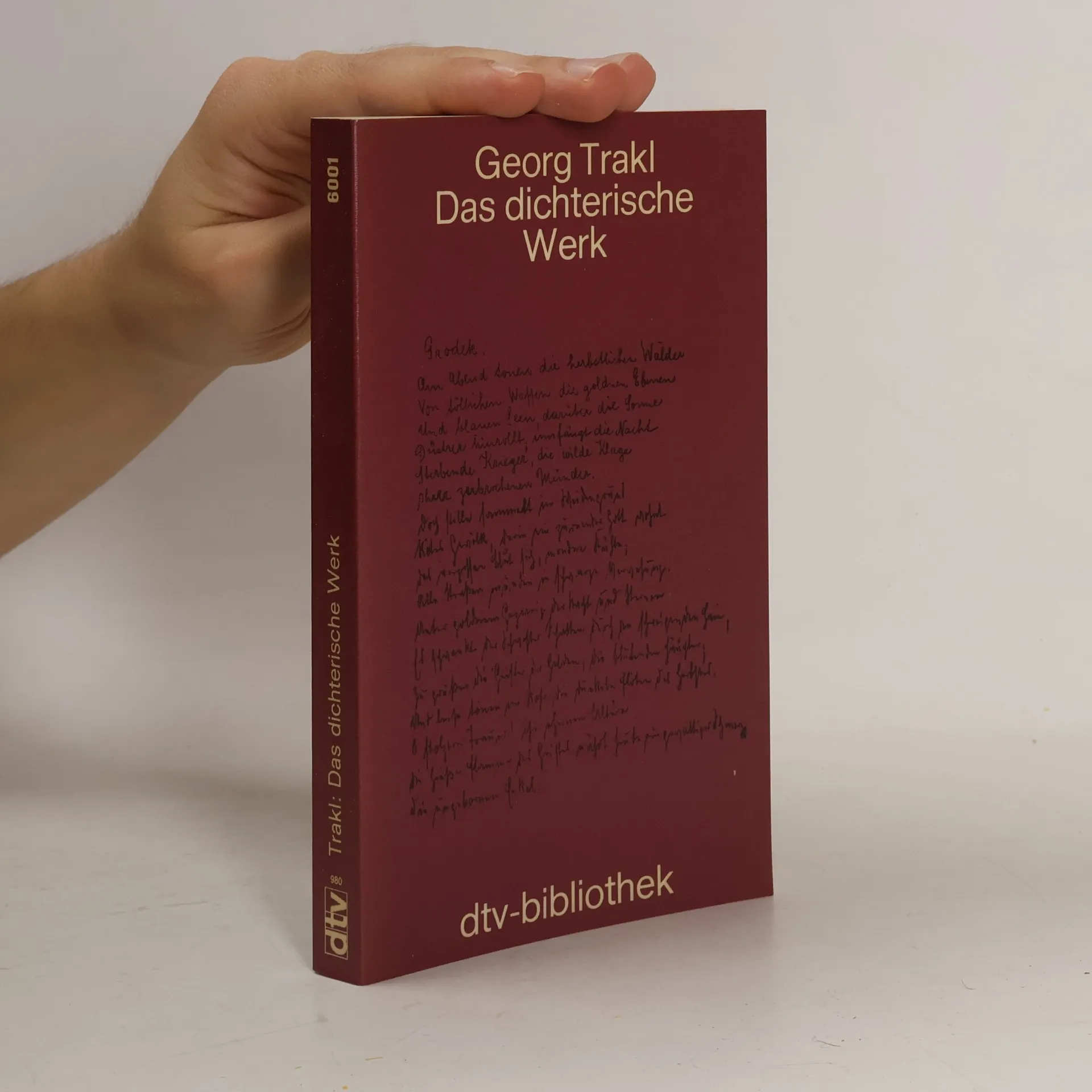
Das dichterische Werk
- 332pages
- 12 heures de lecture
Georg Trakl ist einer der bedeutendsten Vertreter des deutschsprachigen Expressionismus, doch sein Werk weist über weit seine Zeit hinaus. Kaum ein Lyriker der Moderne hatte solch großen Einfluss auf die nachfolgende Generation wie er. Tod, Verfall und der Untergang des Abendlandes sowie die Suche nach Gott sind die zentralen Themen, die er in kraftvollen Bildern und einer melodisch-rhythmischen Sprache umsetzt. Er träumt von einem neuen Menschen und der Rückkehr zu einer paradiesischen Unschuld.
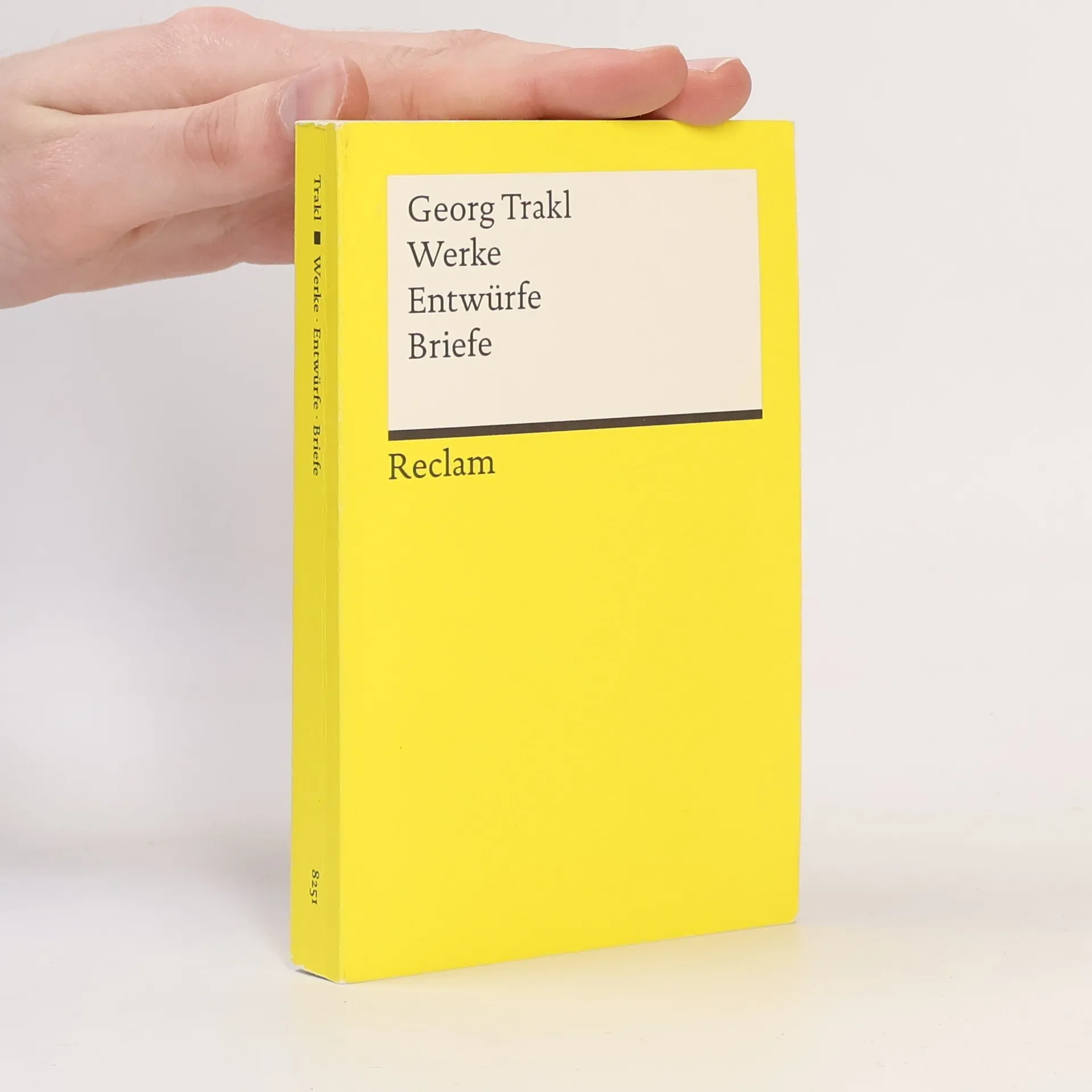
Werke, Entwürfe, Briefe
- 367pages
- 13 heures de lecture
Herausgegeben von Hans-Georg Kemper und Frank Rainer Max, umfasst das Buch 367 Seiten und enthält ein Nachwort sowie eine Bibliographie.
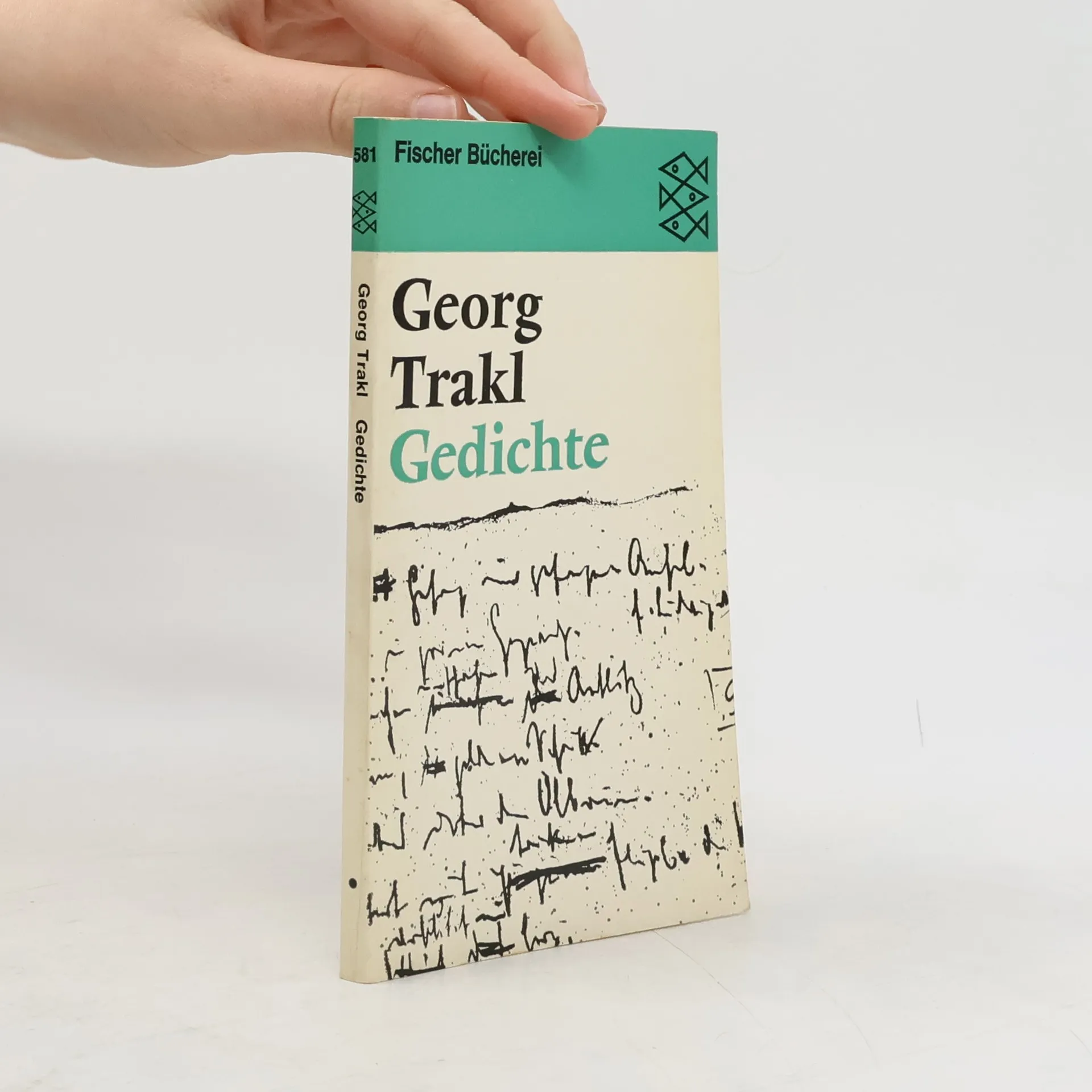
Georg Trakls lyrisches Werk besticht durch die sinnliche Kraft seiner Bilder und eine »Lyrik in Moll«. Er wird zu den bedeutendsten Frühexpressionisten deutscher Sprache gezählt. Sein hermetisches Schaffen weist jedoch weit darüber hinaus. Gebrandmarkt als Vertreter der »Décadence«, die den Verfall stilisiert anstatt eine soziale Utopie zu entwerfen, träumt er von einem neuen, »natürlichen« Menschen, von einer Erneuerung der paradiesischen Unschuld in der Gesellschaft. Charakteristisch für seine Gedichte sind Visionen von düsterer Farbenpracht und eine melodisch-rhythmische Sprache. Im vorliegenden Band sind die Gedichte aus den Jahren 19091914 nebst einer Einführung von Katharina Maier enthalten.
Das wilde Herz
- 87pages
- 4 heures de lecture
Die Gedichte des österreichischen Lyrikers Georg Trakl faszinieren durch das paradox anmutende Miteinander von ästhetischer Vollkommenheit und Un-Begreiflichkeit. Jedes Wort ist verständlich, die Motive stammen aus dem Fundus abendländischer, insbesondere romantischer und symbolistischer Tradition, aber eingebettet in eine Form von hoher Musikalität erscheinen auch Verfall, Melancholie und Umnachtung - die Erfahrungen der Generation.
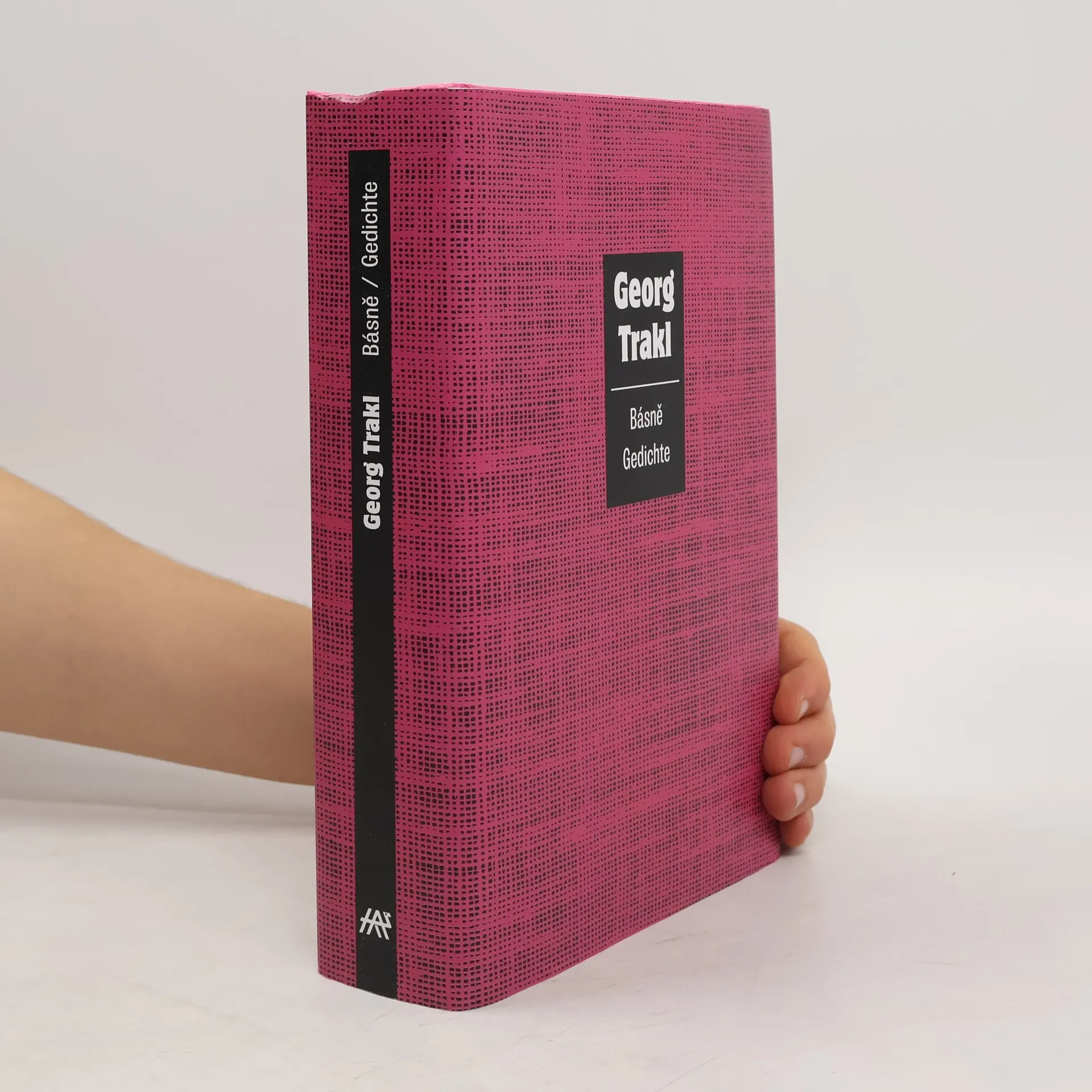
Básně / Gedichte
- 600pages
- 21 heures de lecture
Georg Trakl (1887-1914) byl rakouský lyrický básník, jehož díla oplývající bohatou symboličností obrazů tvoří základ rakouské poezie 20. století. Předkládané vydání první básníkovy publikované sbírky Básně (Gedichte) uvádí kromě českého převodu jeho textů i německý originál. Německý text byl korigován podle nejnovějších kritických vydání, nově pořízený český překlad se snaží o maximální možnou obsahovou a formální věrnost. Úvodní studie rozebírá básníkovu poetiku a některé okolnosti jeho života, které silně ovlivňují interpretaci básní a literární i lidský obraz jejich autora. Detailní komentář všech básní, v traklovském bádání ojedinělý, se zabývá hlavně kompozicí básně a jejích částí, syntaktickými, gramatickými a interpretačními zvláštnostmi a nejasnostmi, zvukovou stránkou veršů a jejich paralelami v tvorbě Trakla a jiných autorů. Slovo překladatele srovnává traklovské překlady v různých evropských jazycích a tradicích a objasňuje aktuálně použité zásady a postupy. Publikace je doplněna strukturovanou bibliografií a konkordancí básní z Gedichte s jejich pozicemi v hlavních traklovských edicích.
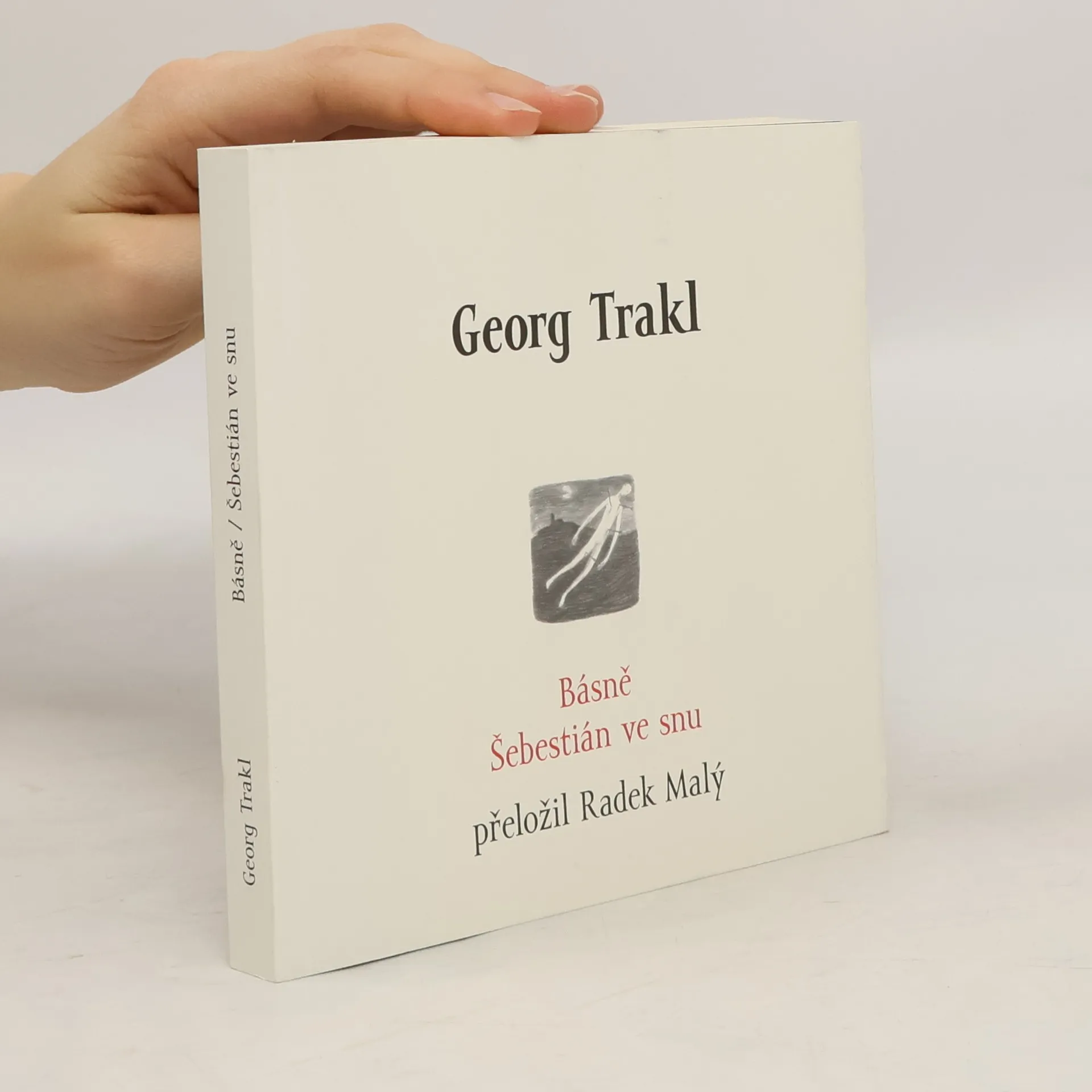
Rakouský básník Georg Trakl (1887–1914) stojí svým znepokojivým dílem na křižovatce moderních literárních směrů. Za svého života, který předčasně a tragicky ukončily události první světové války, napsal pouhé dvě sbírky poezie. Avšak obě se staly milníky moderního evropského básnictví: Básně (1913) s převahou vázaného verše v duchu dekadentního symbolismu a Šebestián ve snu (1915), kde dominuje volný verš a výrazná expresivita. Tento soubor přináší v jednom svazku obě Traklovy sbírky v překladu Radka Malého a s ilustracemi Heleny Hankeové.
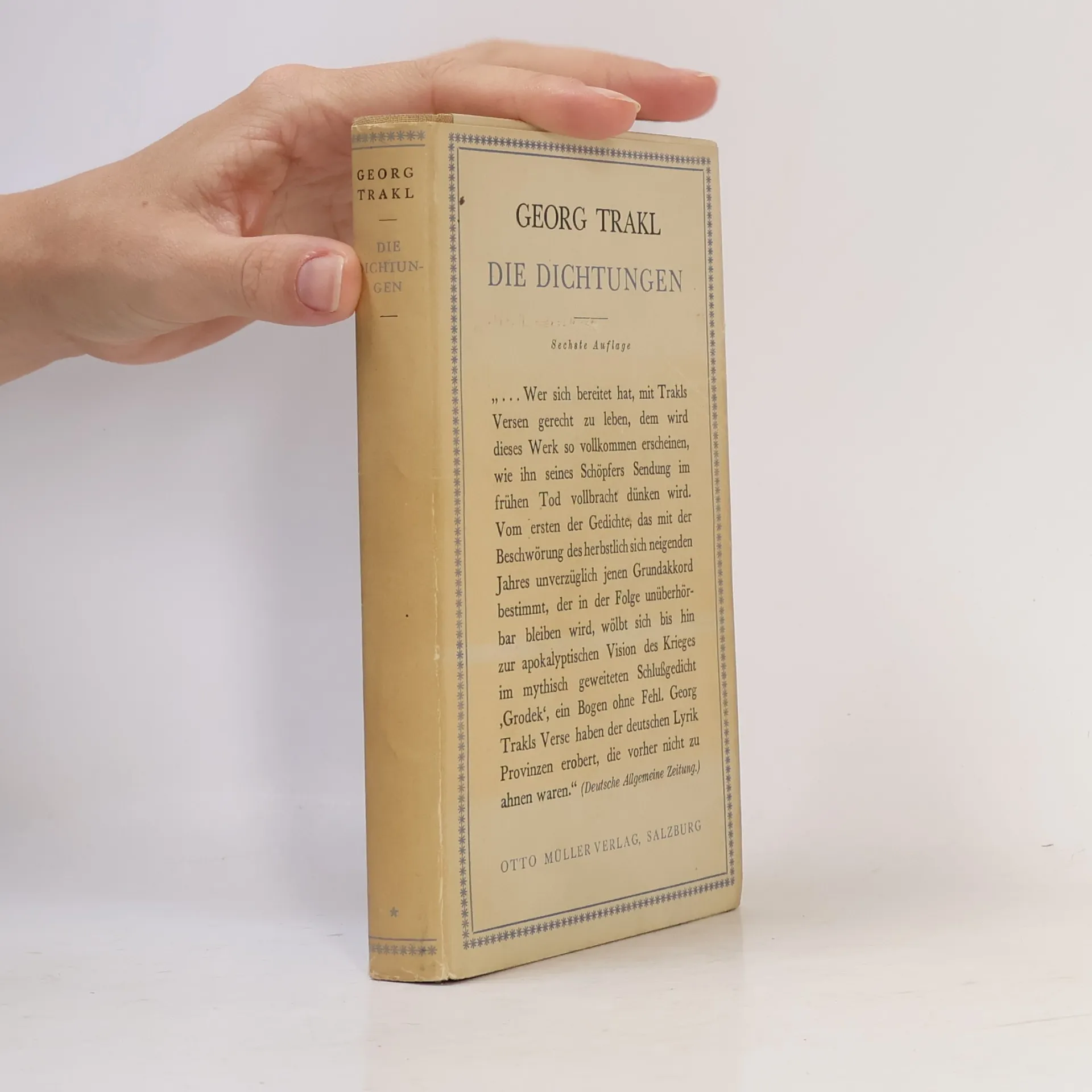
Kaum einer der modernen Lyriker hat solchen Einfluß auf die nachfolgende Generation ausgeübt wie Georg Trakl. Zu Lebzeiten nur einem engen Kreis von Freunden bekannt, erkannte die literarische Öffentlichkeit Trakl als einen der Großen unserer Lyrik, als die Gesamtausgabe seiner »Dichtungen« 1919 nach den Plänen des verstorbenen Dichters, besorgt von Karl Rock, erschien.
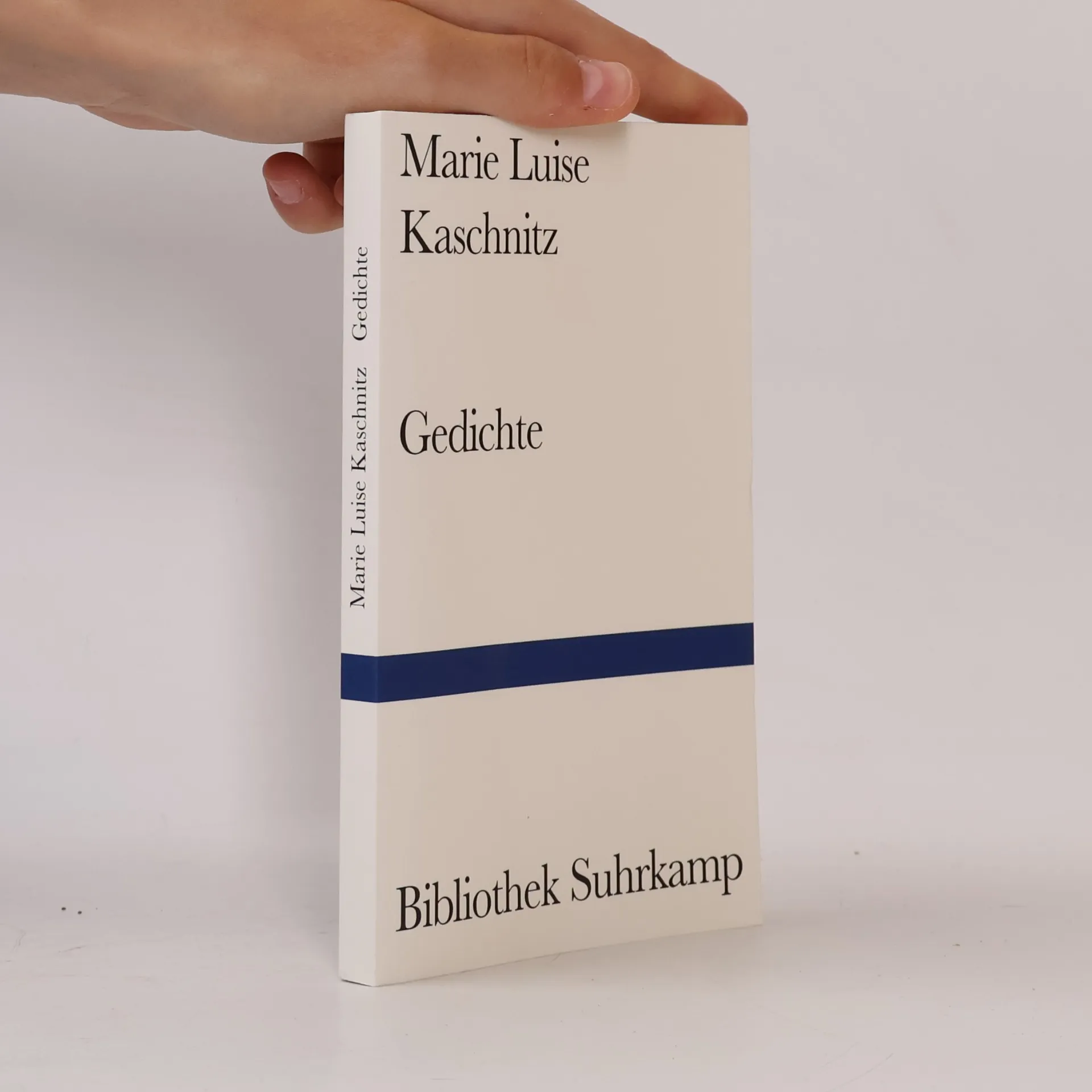
Diese Auswahl, die Marie Luise Kaschnitz aus dem Werk Georg Trakls getroffen hat, ist das persönliche Bekenntnis zu einem Dichter, zu dem sie von jeher besonndere Affinität verspürt hat.
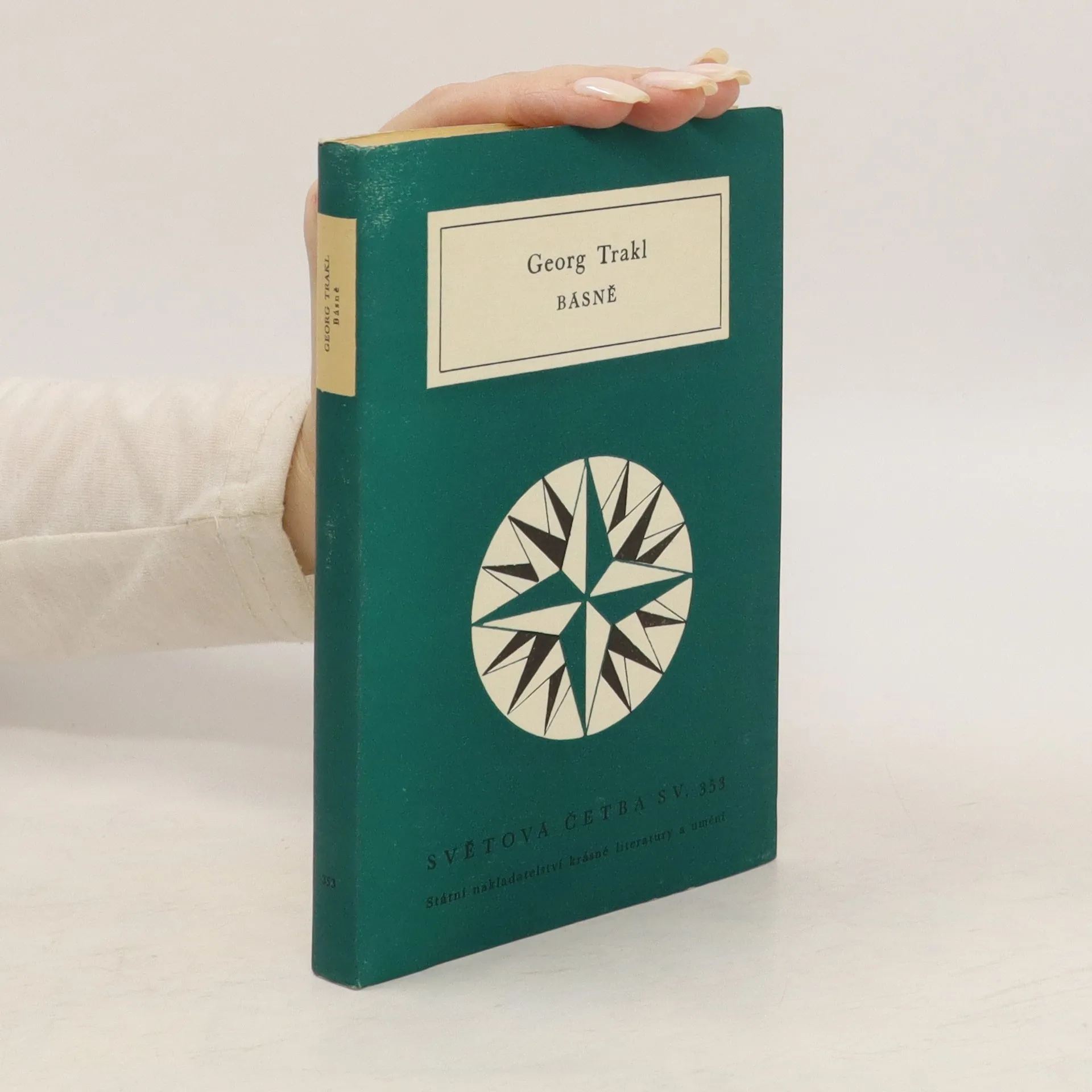
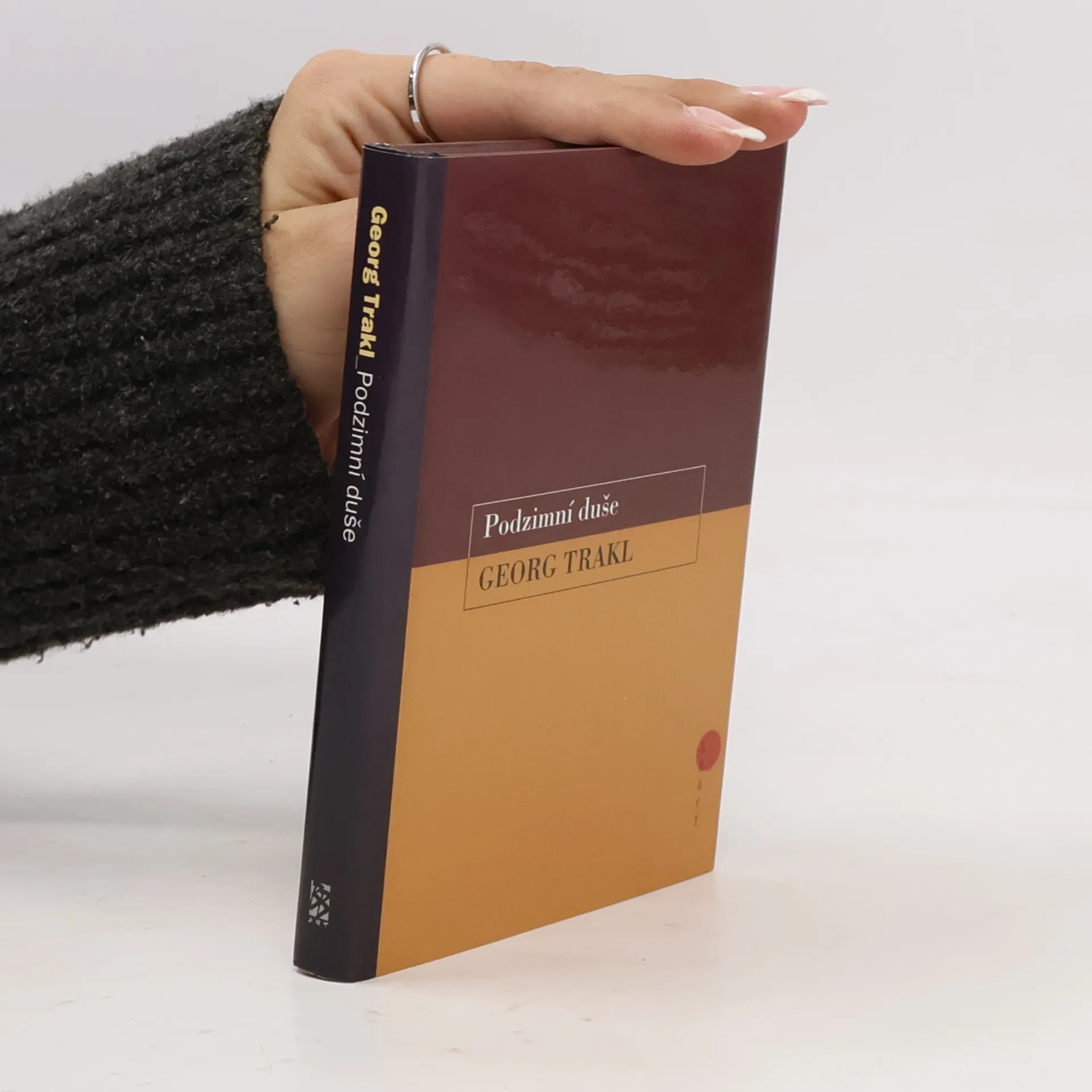
Poezie Georga Trakla, rakouského básníka, který jako sedmadvacetiletý tragicky zemřel na psychiatrickém oddělení vojenské nemocnice v Krakově, je ozvučnou deskou pocitů, v nichž se spojuje hluboká, až smrtící melancholie, soucítění s lidmi, smutek ze života, zádumčivost. Od prvních básní, laděných ještě impresionisticky, líčících nádheru paláců, parků, salcburskou krajinu, tesknotu podzimních žloutnoucích zahrad, zpěv drozda, mění se postupně vztah básníka a světa: svět začíná mít podobu básníkových představ, horečnatých vizí, snů. Trakl je jedním z hlavních představitelů expresionistické generace, jež se musela vyrovnat se zážitkem první světové války, a jeho poezie otřesně vrcholí v básních psaných rovnou na haličském bojišti. Neobyčejná je obraznost Traklových veršů, neobyčejná byla i básníkova metoda, volné sdružování asociací, kterou vynikající český germanista Vojtěch Jirát přirovnal k malířskému pointilismu. Georg Trakl patří k těm moderním básníkům, kteří na sebe vzali břímě své doby. I vlastní tragický lidský úděl se promítl do jeho poezie, jež objevila nové prostory života, prostory v těsném sousedství smrti. Z německého originálu přeložil, předmluvu a poznámky napsal Ludvík Kundera
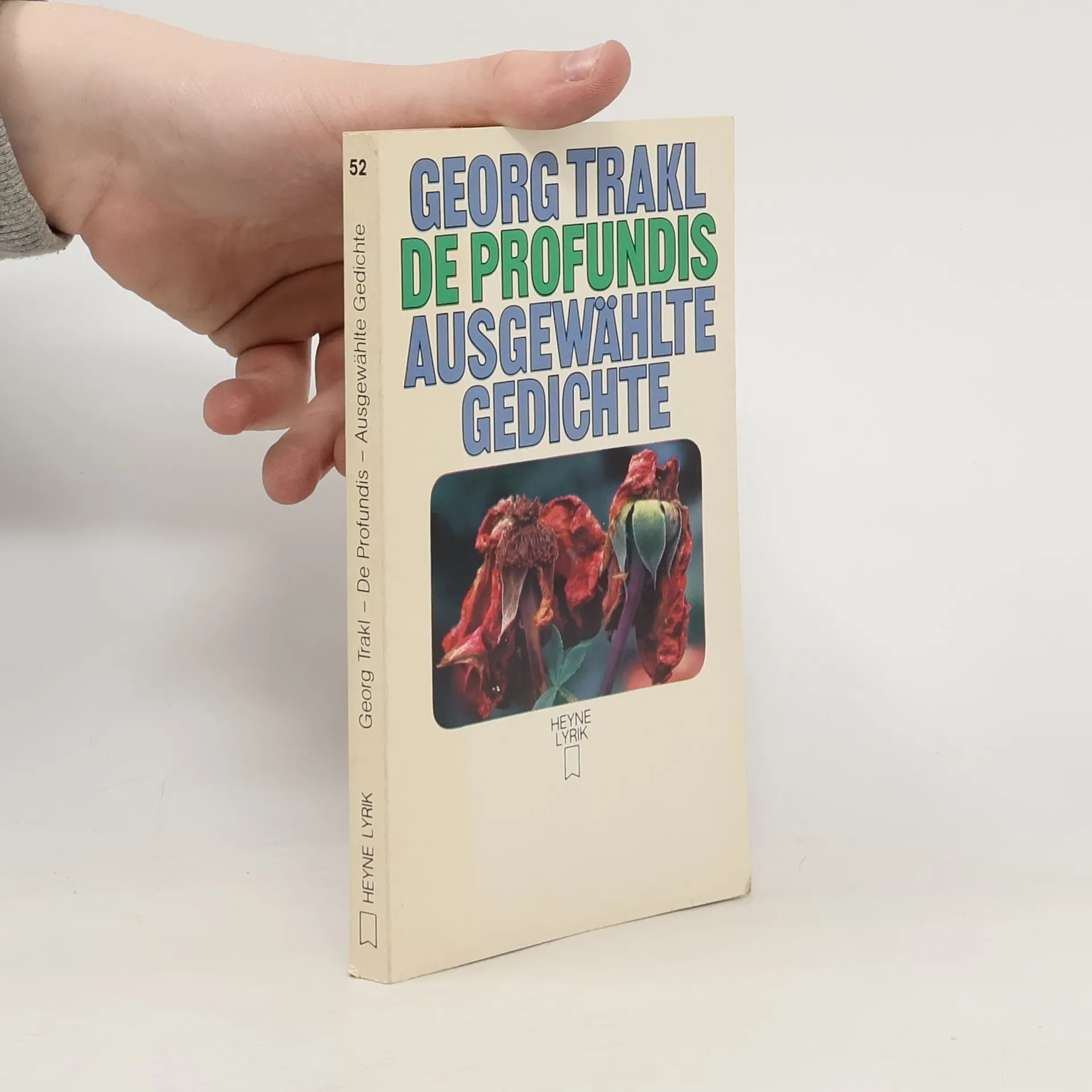
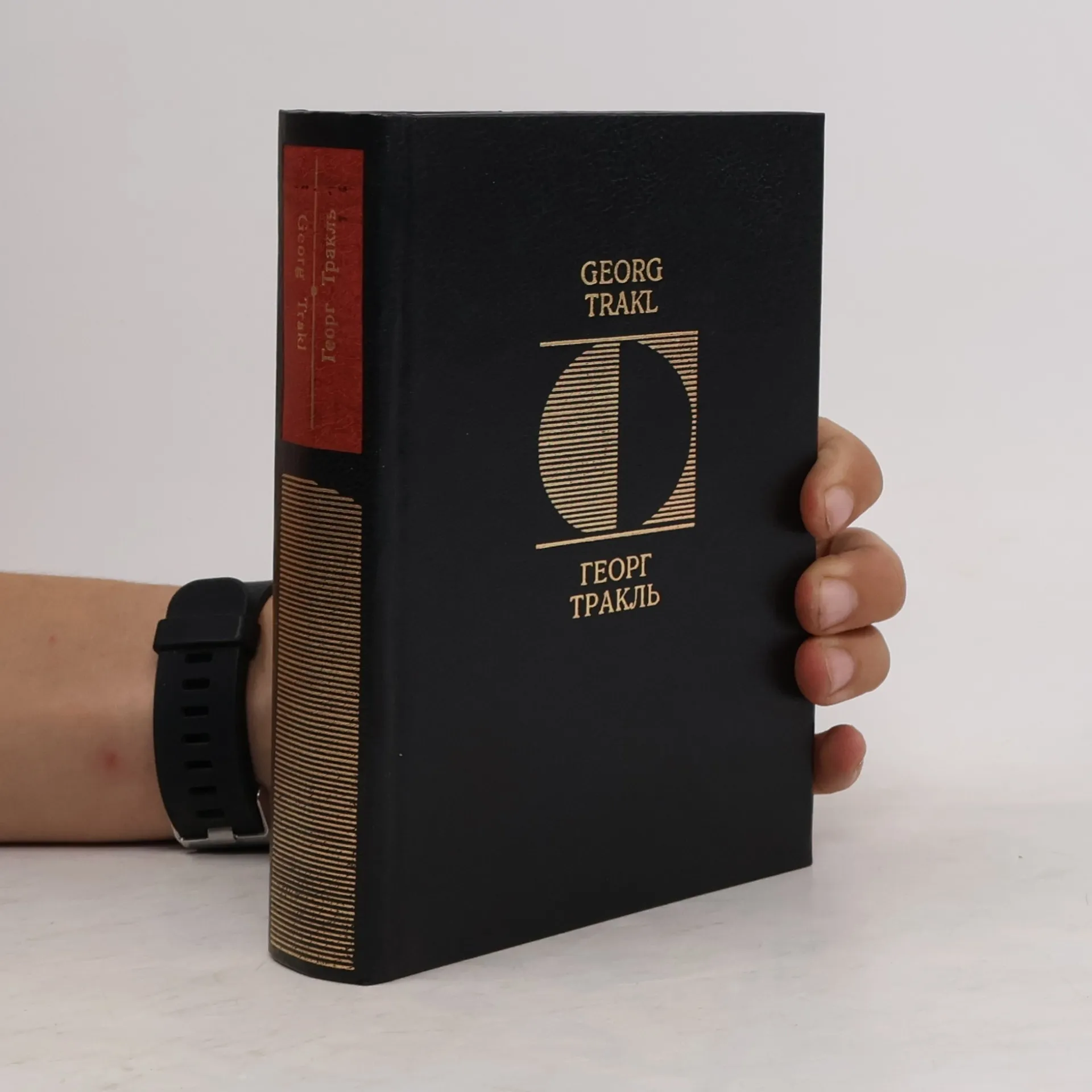
De Profundis - Ausgewählte Gedichte - bk1540; Heyne Verlag; Georg Trakl; pocket_book; 1986
Sie hatte Vorbilder - von Hölderlin bis Trakl - und sie fand »für die Zerstörung, die Auflösung und die Erschütterung eine lapidare, eine vorbildlich sparsame und doch niemals karge Sprache. Ihre Ruhe tarnte nicht die Unruhe, sondern ließ sie erst recht fühlen und erkennen. Ihre Verhaltenheit unterstrich ihren Schmerz, ihre Verzweiflung. Immer ist die Poesie der Marie Luise Kaschnitz in höchstem Maß persönlich und doch zugleich welthaltig. Sie zeichnet sich durch kammermusikalische Intimität aus. Gleichwohl geht von ihr eine geradezu alarmierende Wirkung aus. Sie erteilt uns eine sprachgewaltige Lektion Stille«. Marcel Reich-Ranicki zum Tode von Marie Luise Kaschnitz
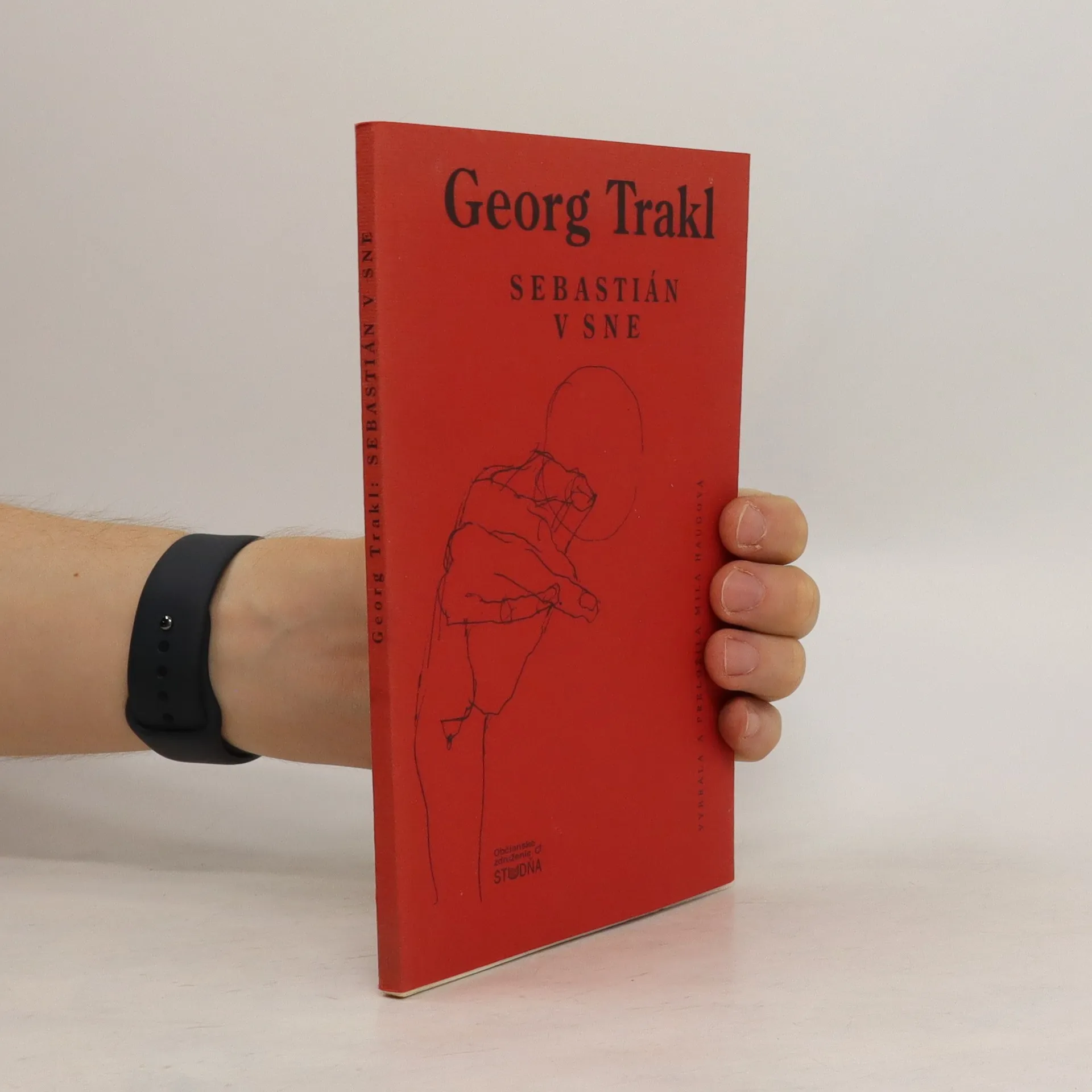
Sebastián v sne
- 88pages
- 4 heures de lecture
Zbierka básní rakúskeho básnika patriaceho k najvýznamnejším predstaviteľom nemecky písaného literárneho expresionizmu. Vybrala a preložila Mila Haugová.
Kniha básní významného rakouského autora v překladu básníka mladé generace Radka Malého.
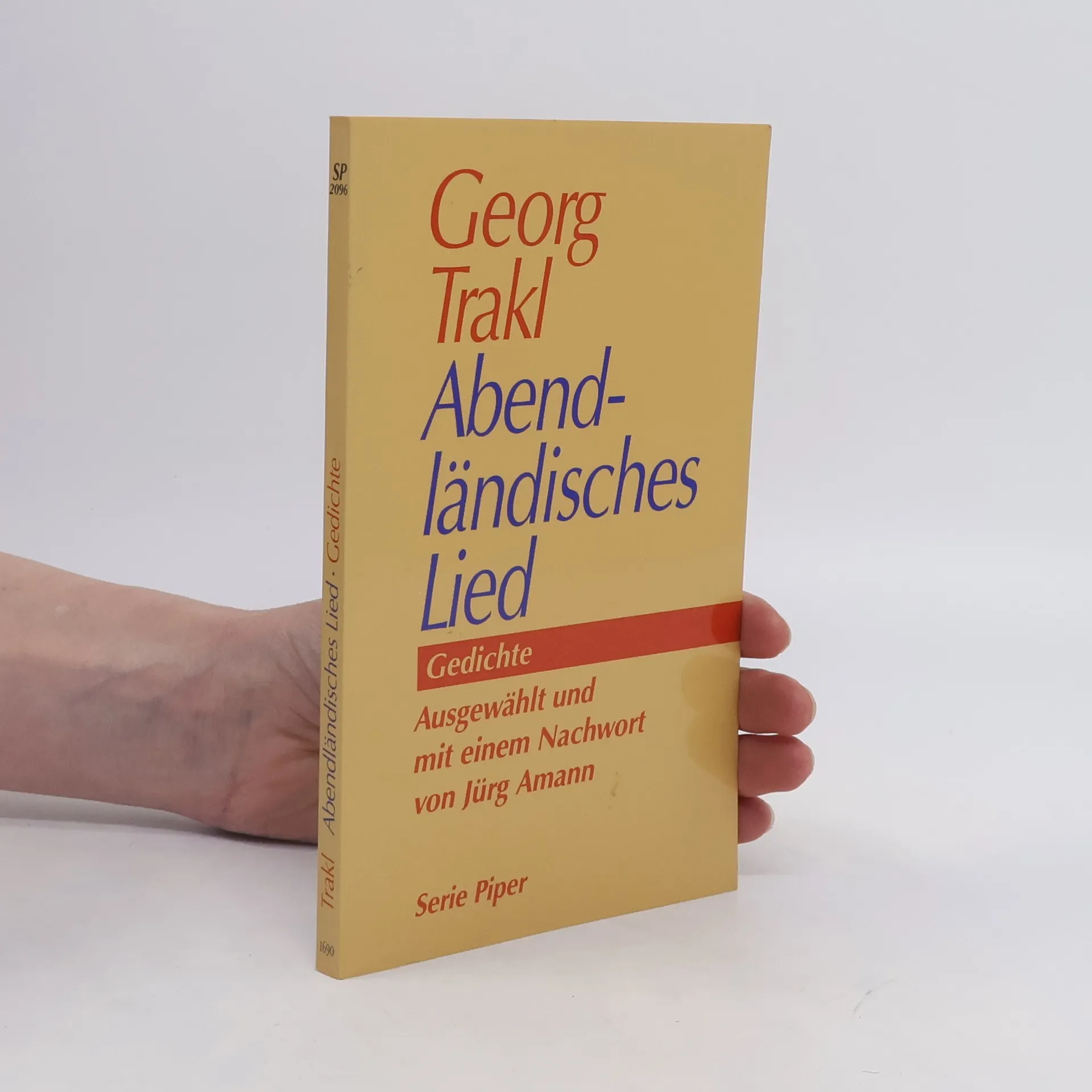
Abendländisches Lied
- 126pages
- 5 heures de lecture
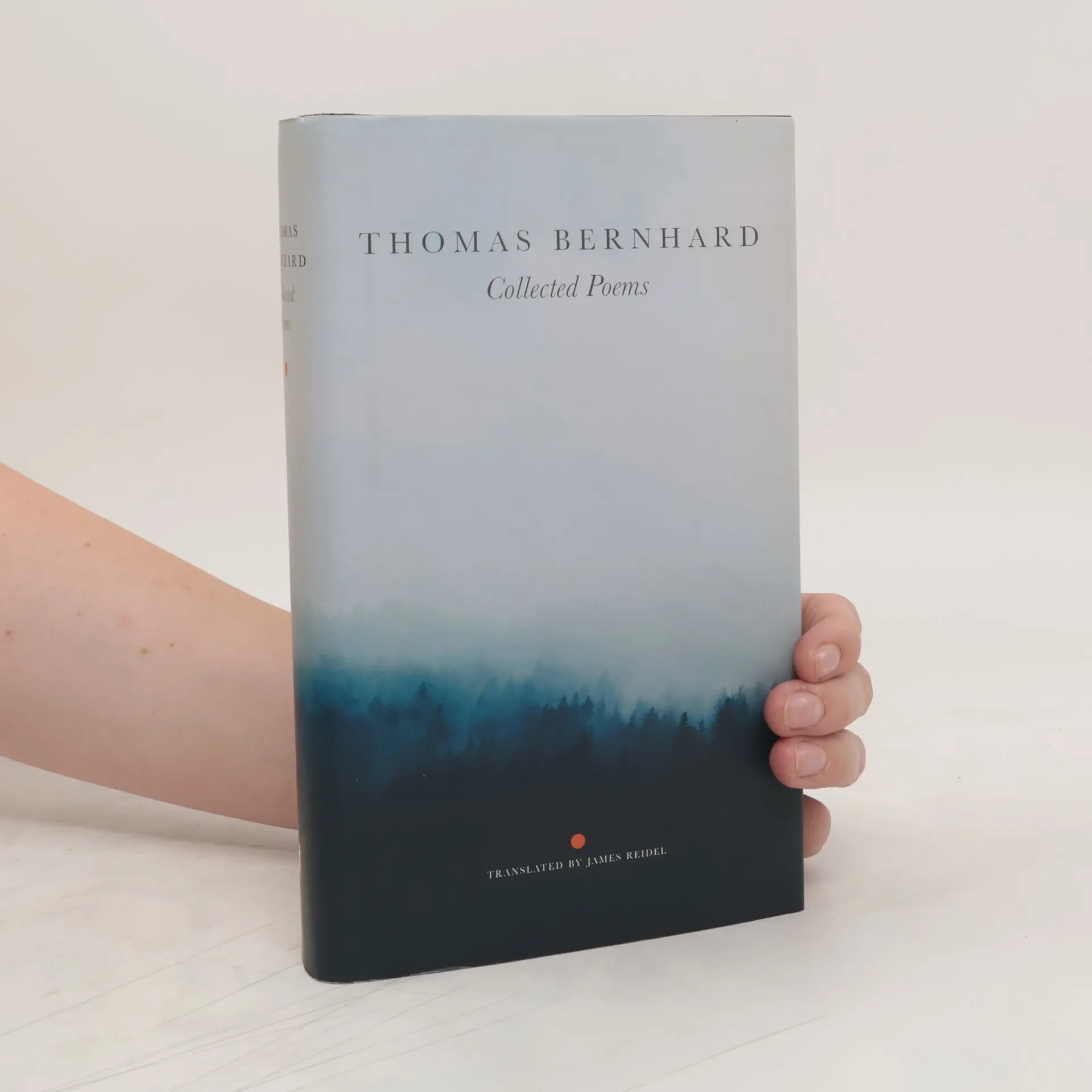
Collected poems
- 460pages
- 17 heures de lecture
Beloved Austrian writer Thomas Bernhard (1931-89) began his career in the early 1950s as a poet. Over the next decade, Bernhard wrote thousands of poems and published four volumes of intensely wrought and increasingly personal verse, with such titles as On Earth and in Hell, In Hora Mortis, and Under the Iron of the Moon. Bernhard's early poetry, bearing the influence of Georg Trakl, begins with a deep connection to his Austrian homeland. As his poems saw publication and recognition, Bernhard seemed always on the verge of joining the ranks of Ingeborg Bachmann, Paul Celan, and other young post-war poets writing in German. During this time, however, his poems became increasingly obsessive, filled with an undulant self-pity, counterpointed by a defamatory, bardic voice utterly estranged from his country, all of which resulted in a magisterial work of anti-poetry--one that represents Bernhard's own harrowing experience, with the leitmotif of success-failure, that makes his fiction such a pleasure. For all of these reasons, Bernhard's Collected Poems, translated into English for the first time by James Reidel, is a key to understanding the irascible black comedy found in virtually all of Bernhard's writings--even down to his last will and testament. There is much to be found in these pages for Bernhard fans of every stripe.
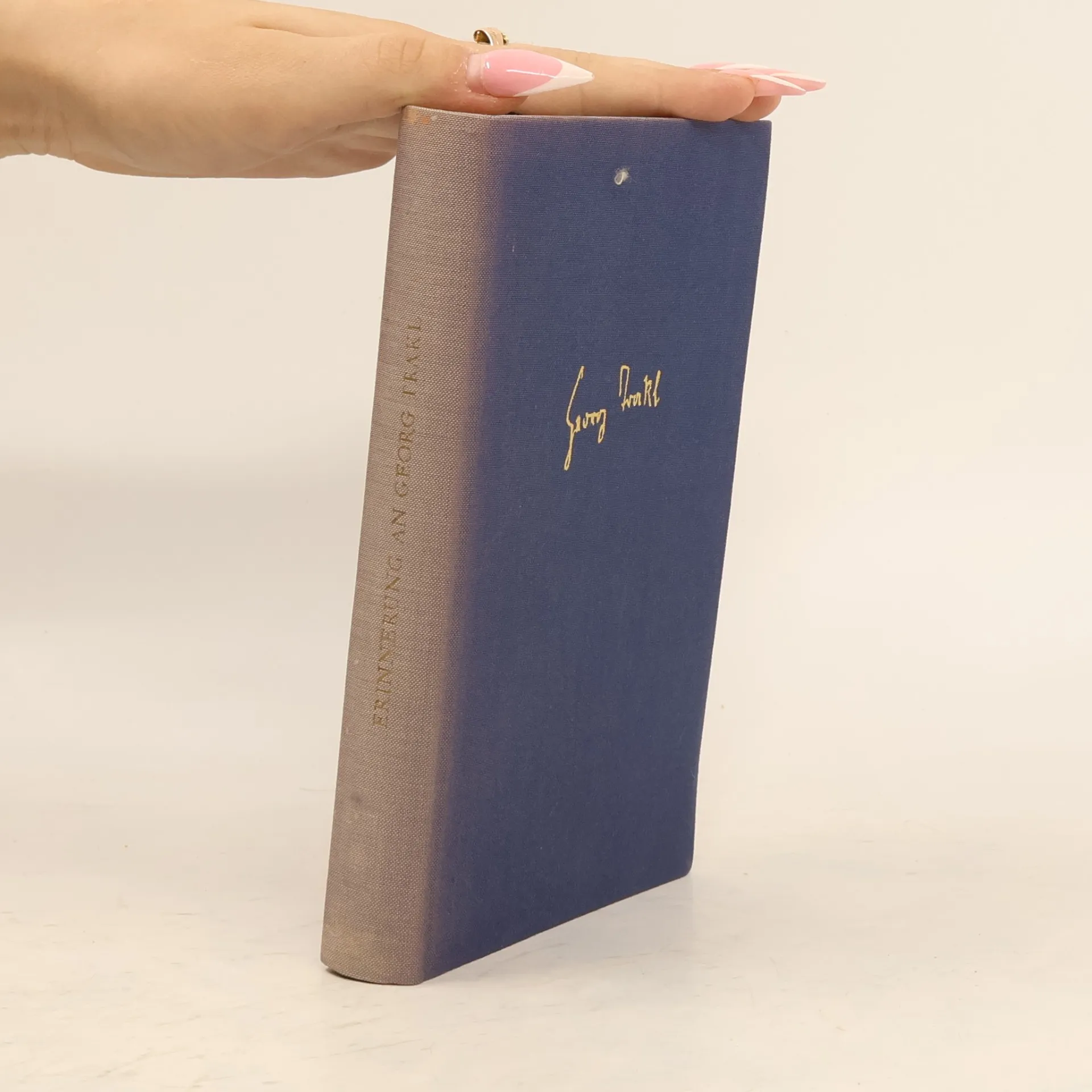
Erinnerung an Georg Trakl
Zeugnisse und Briefe
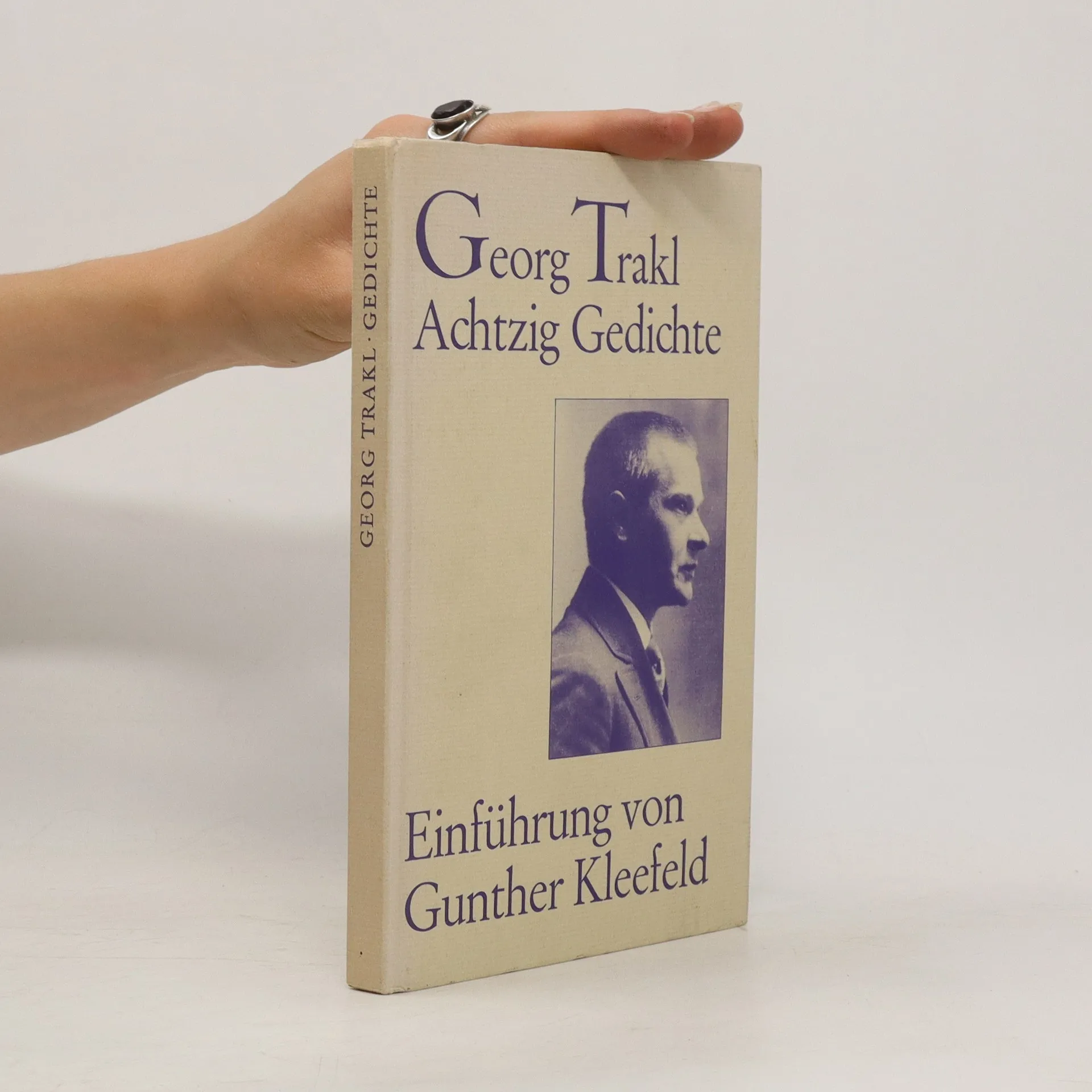
Achtzig Gedichte
Einführung von Gunther Kleefeld
In dieser poetischen Erzählung wird die melancholische Schönheit des Herbstes in einem Garten beschrieben, wo die Protagonistin den Vögeln nachblickt, die wie Pilger in die Ferne ziehen. Die Natur wird lebendig durch die Klänge der Amsel und die Farben des verwelkenden Weins. Die Bilder von Verfall und Vergänglichkeit durchziehen das Werk, während die Autorin die stillen Momente der Reflexion und Traurigkeit einfängt. Die blauen Astern, die sich im Wind neigen, verstärken das Gefühl von Verlust und die Vergänglichkeit des Lebens.
Gedichte und Prosa
- 124pages
- 5 heures de lecture
Die Gedichte und Prosa von Georg Trakl zeichnen sich durch eine tiefgründige Symbolik und eine melancholische Stimmung aus. Trakls Werke reflektieren oft Themen wie Einsamkeit, Vergänglichkeit und das Streben nach Schönheit in einer chaotischen Welt. Seine Sprache ist geprägt von intensiven Bildern und musikalischen Rhythmen, die eine emotionale Tiefe erzeugen. Die Sammlung bietet einen Einblick in das künstlerische Schaffen eines der bedeutendsten Lyriker des frühen 20. Jahrhunderts, dessen Einfluss auf die moderne Poesie bis heute spürbar ist.
Winkel am Wald. Ausgewählte Gedichte
- 85pages
- 3 heures de lecture
Eine Neuauflage der Gedichte steht schon lange an.
Verfall (Ausgewählte Gedichte)
- 106pages
- 4 heures de lecture
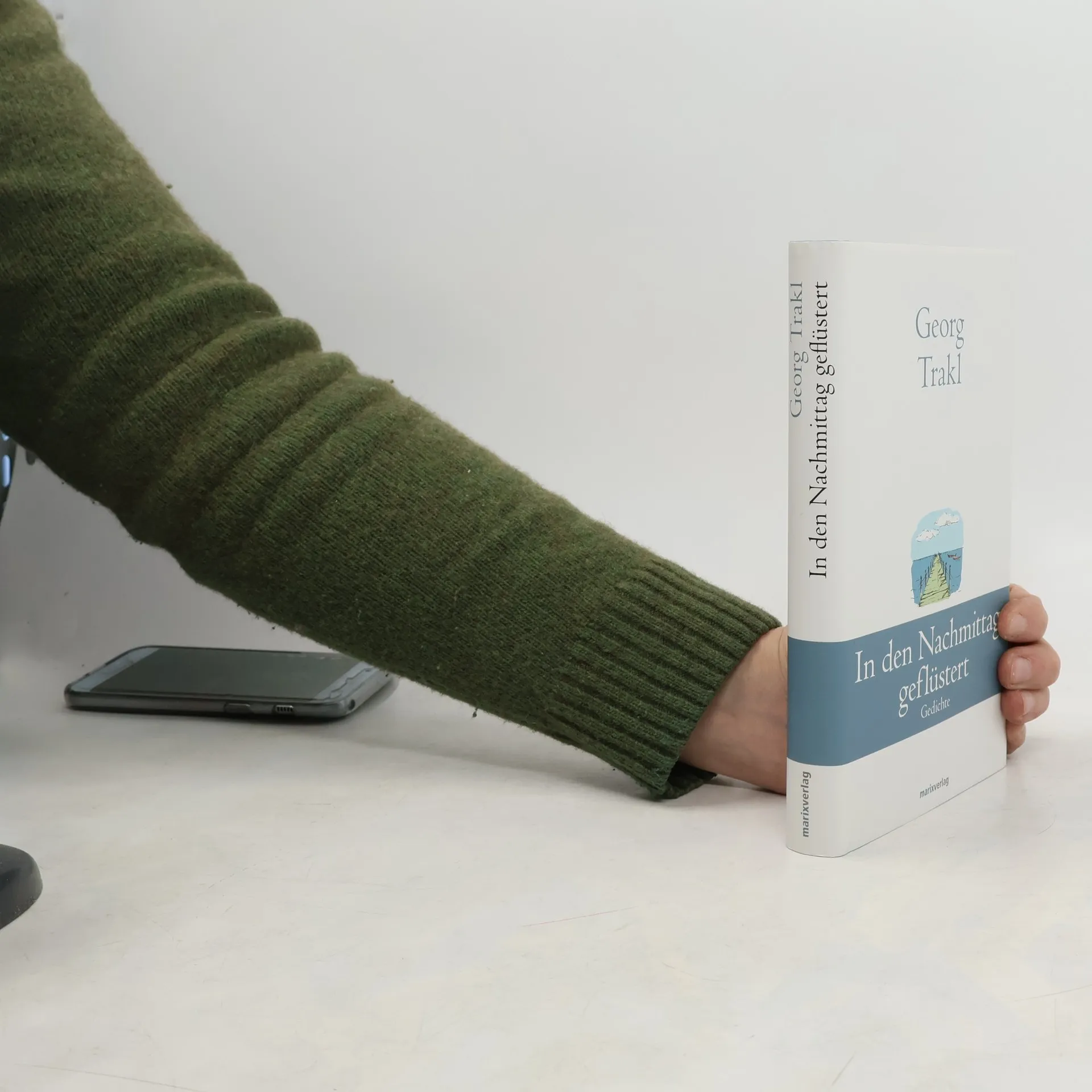
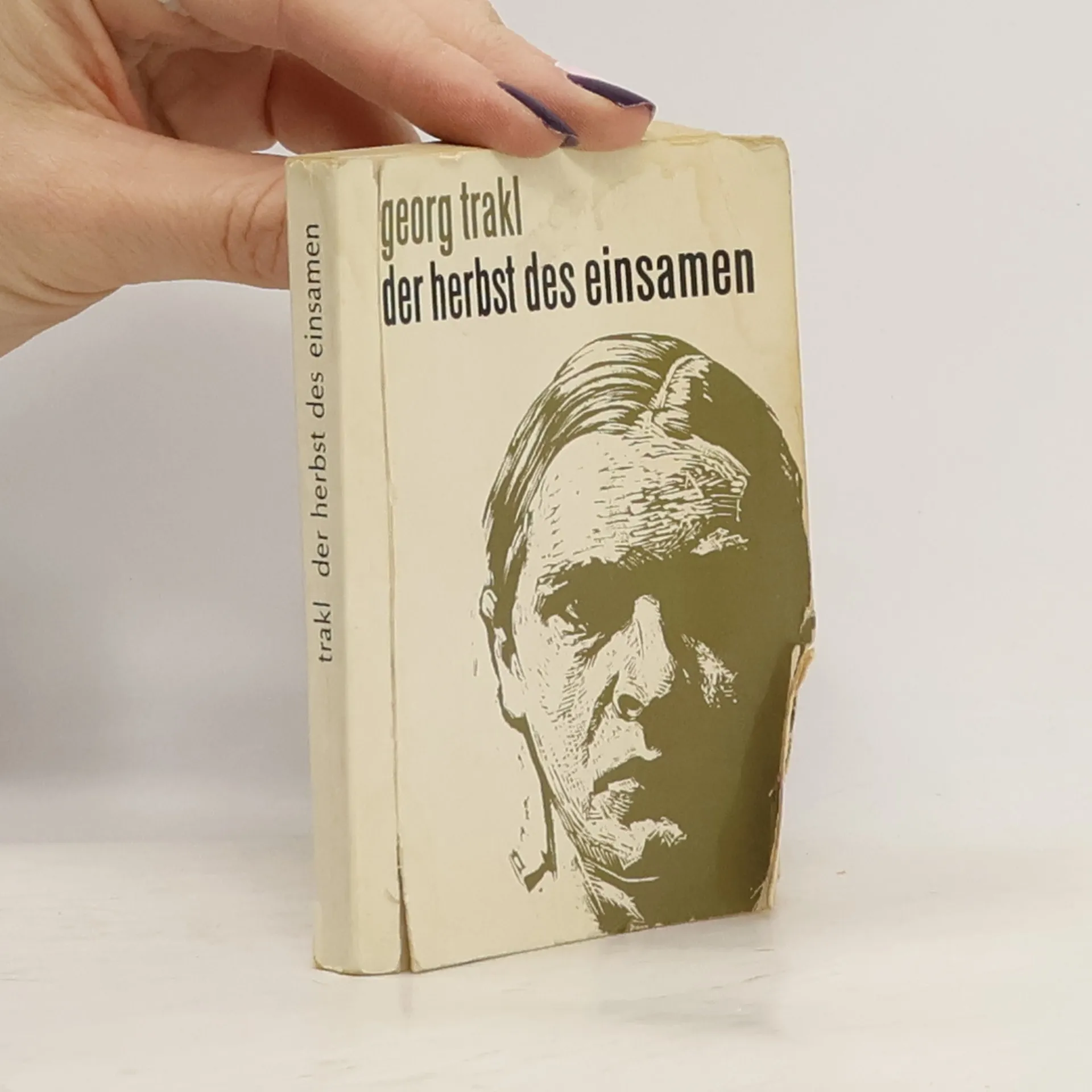
"Am Abend, wenn die Glocken Frieden läuten, Folg ich der Vögel wundervollen Flügen, Die lang geschart, gleich frommen Pilgerzügen, Entschwinden in den herbstlich klaren Weiten. Hinwandelnd durch den dämmervollen Garten Träum ich nach ihren helleren Geschicken Und fühl der Stunden Weiser kaum mehr rücken. So folg ich über Wolken ihren Fahrten. Da macht ein Hauch mich von Verfall erzittern. Die Amsel klagt in den entlaubten Zweigen. Es schwankt der rote Wein an rostigen Gittern, Indes wie blasser Kinder Todesreigen Um dunkle Brunnenränder, die verwittern, Im Wind sich fröstelnd blaue Astern neigen." ("Verfall", Georg Trakl, S. 9 in diesem Buch) Diese Ausgabe versammelt eine Auswahl des dichterischen Werks von Georg Trakl (1887 - 1914). Enthalten sind u.a. die folgenden Gedichte: Verfall Romanze zur Nacht Die schöne Stadt Traum des Bösen In der Heimat Die Raben Melancholie des Abends Winterdämmerung In den Nachmittag geflüstert Sebastian im Traum Verwandlung des Bösen Neuausgabe, LIWI Verlag, Göttingen 2020. LIWI Literatur- und Wissenschaftsverlag
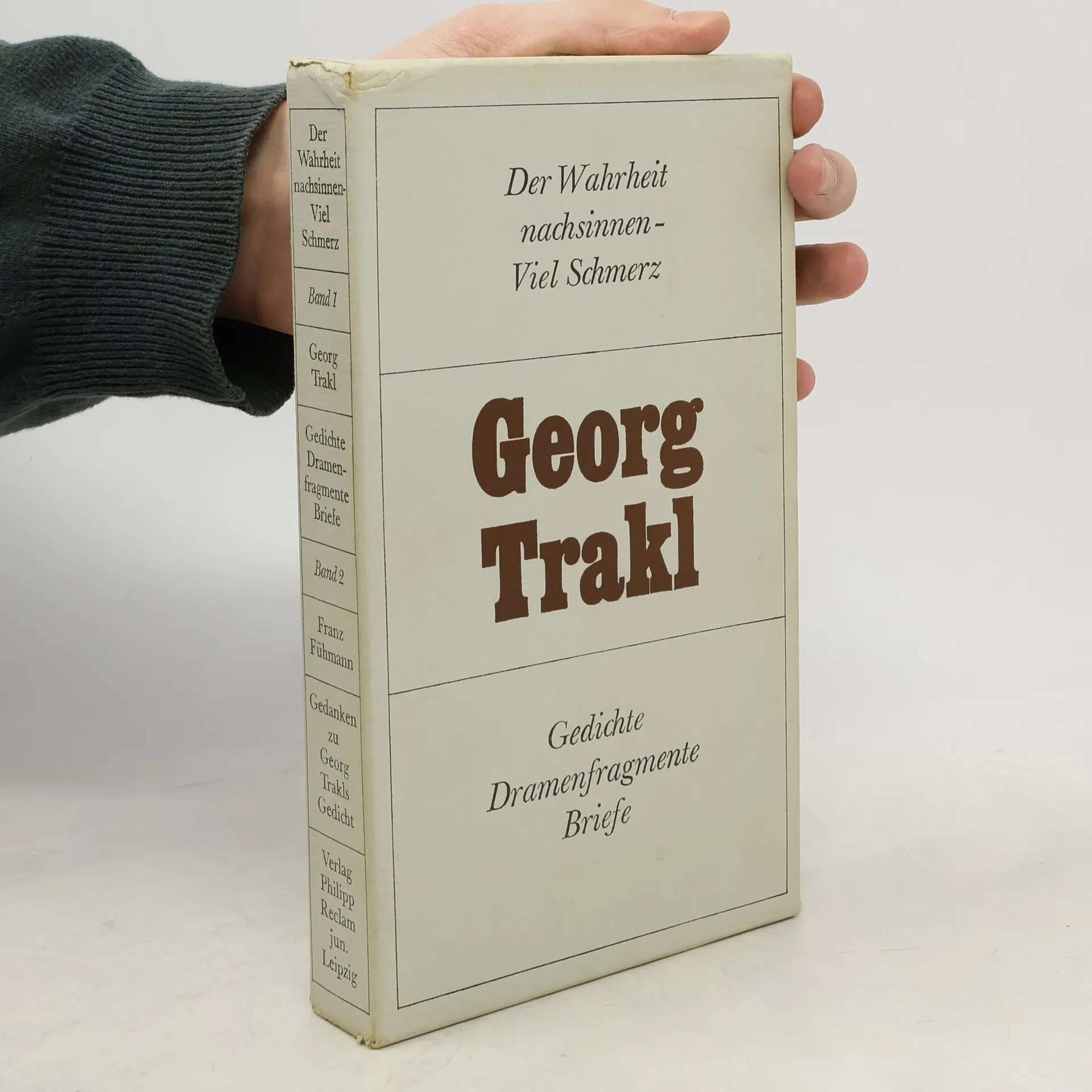
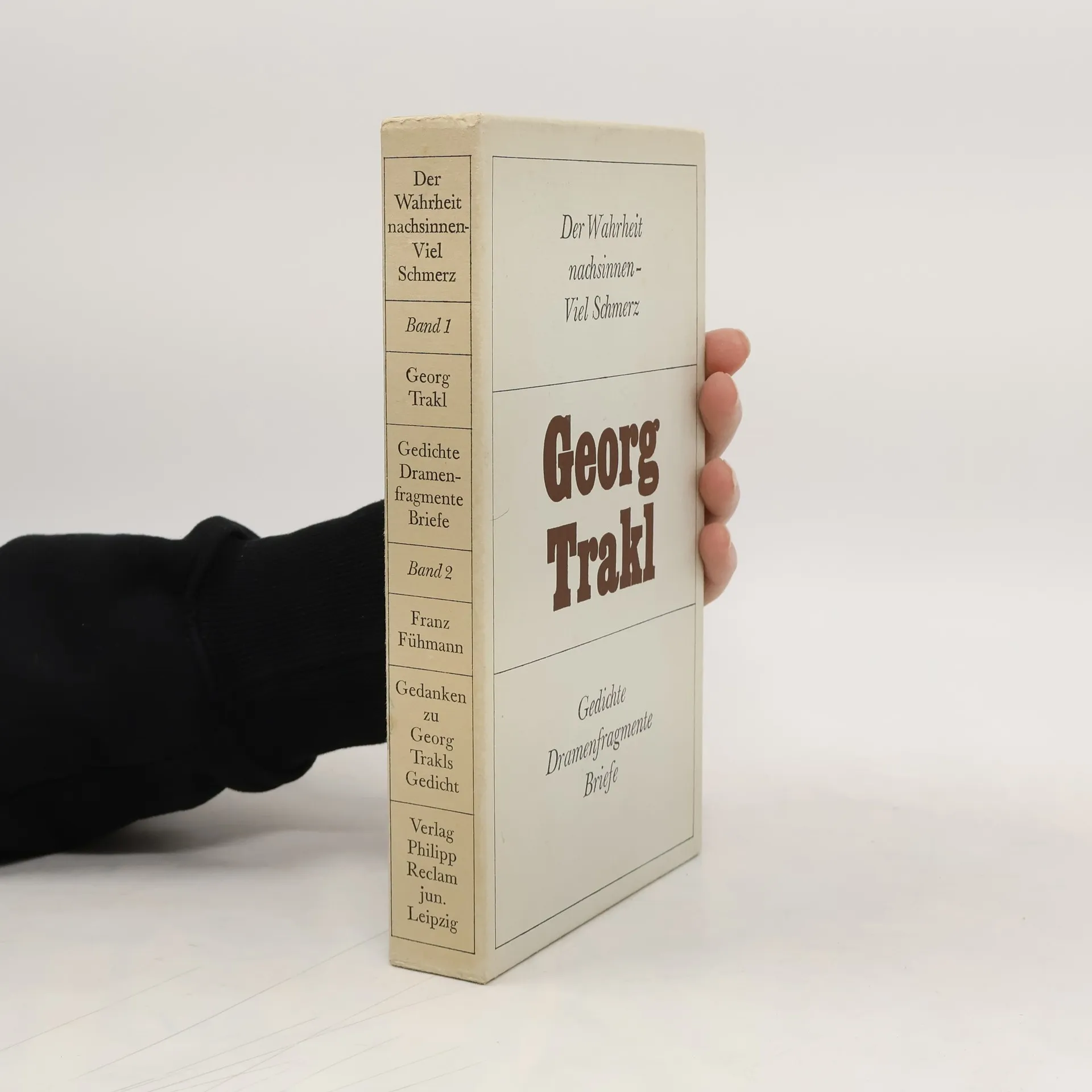
Gedichte, Dramenfragmente, Briefe
- 250pages
- 9 heures de lecture
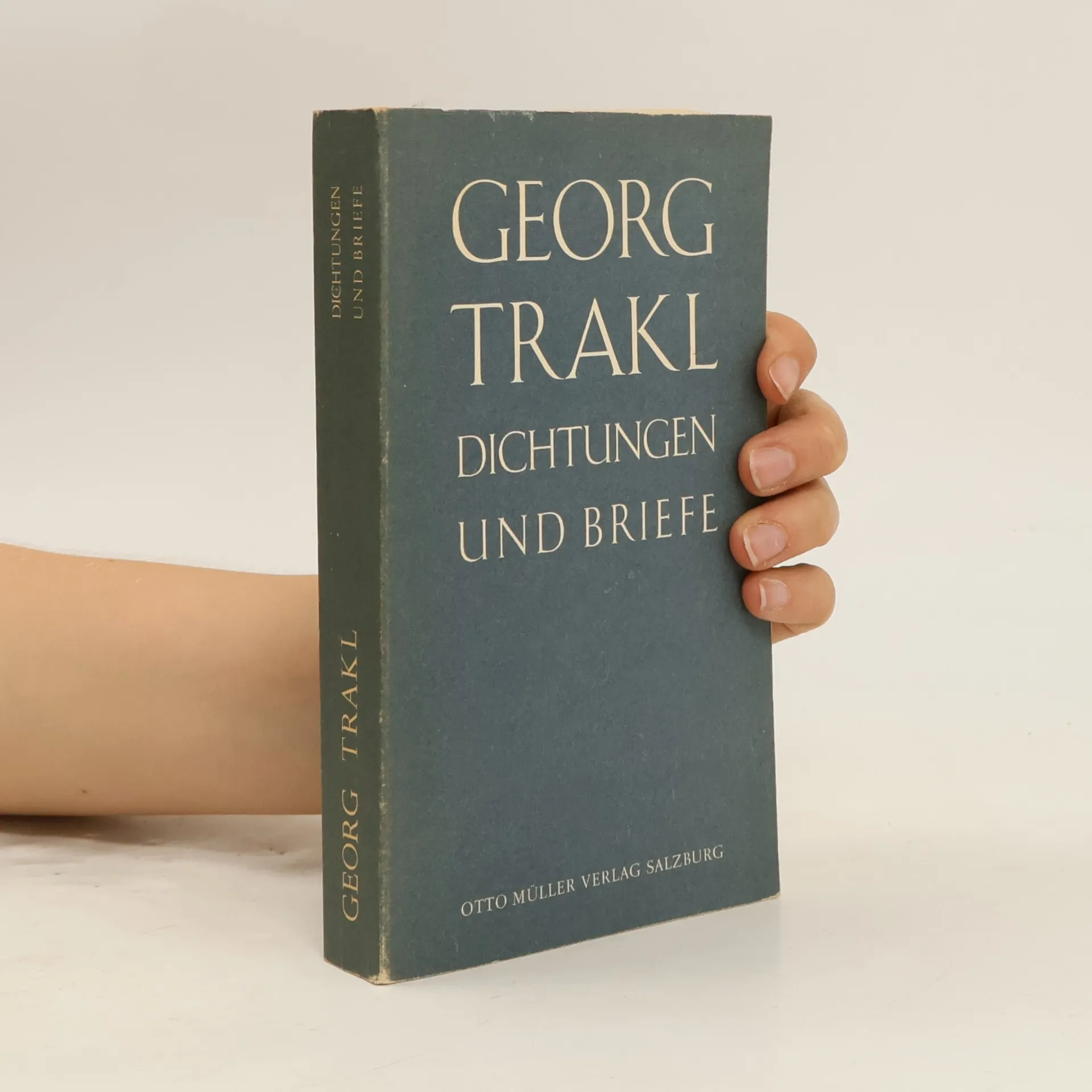
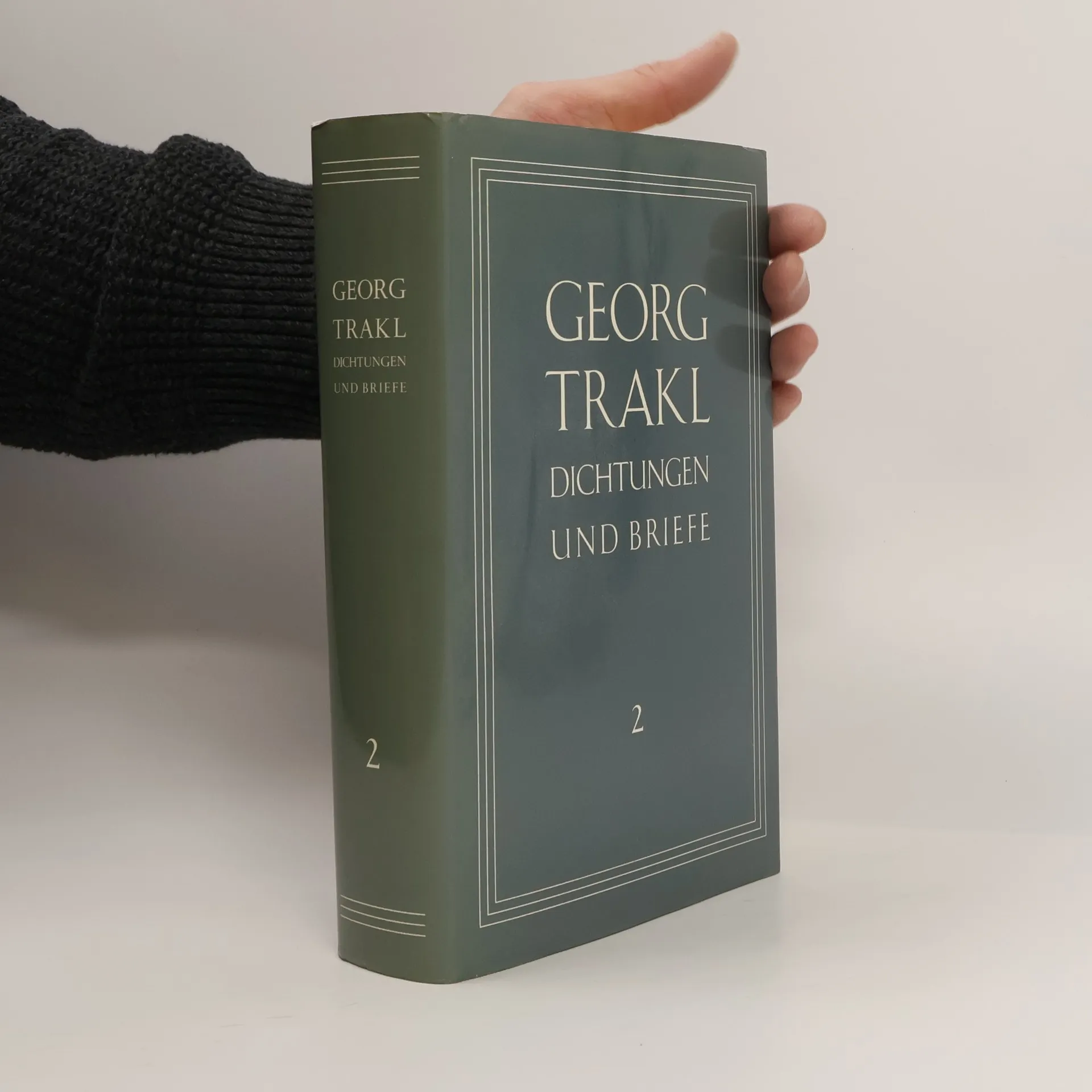
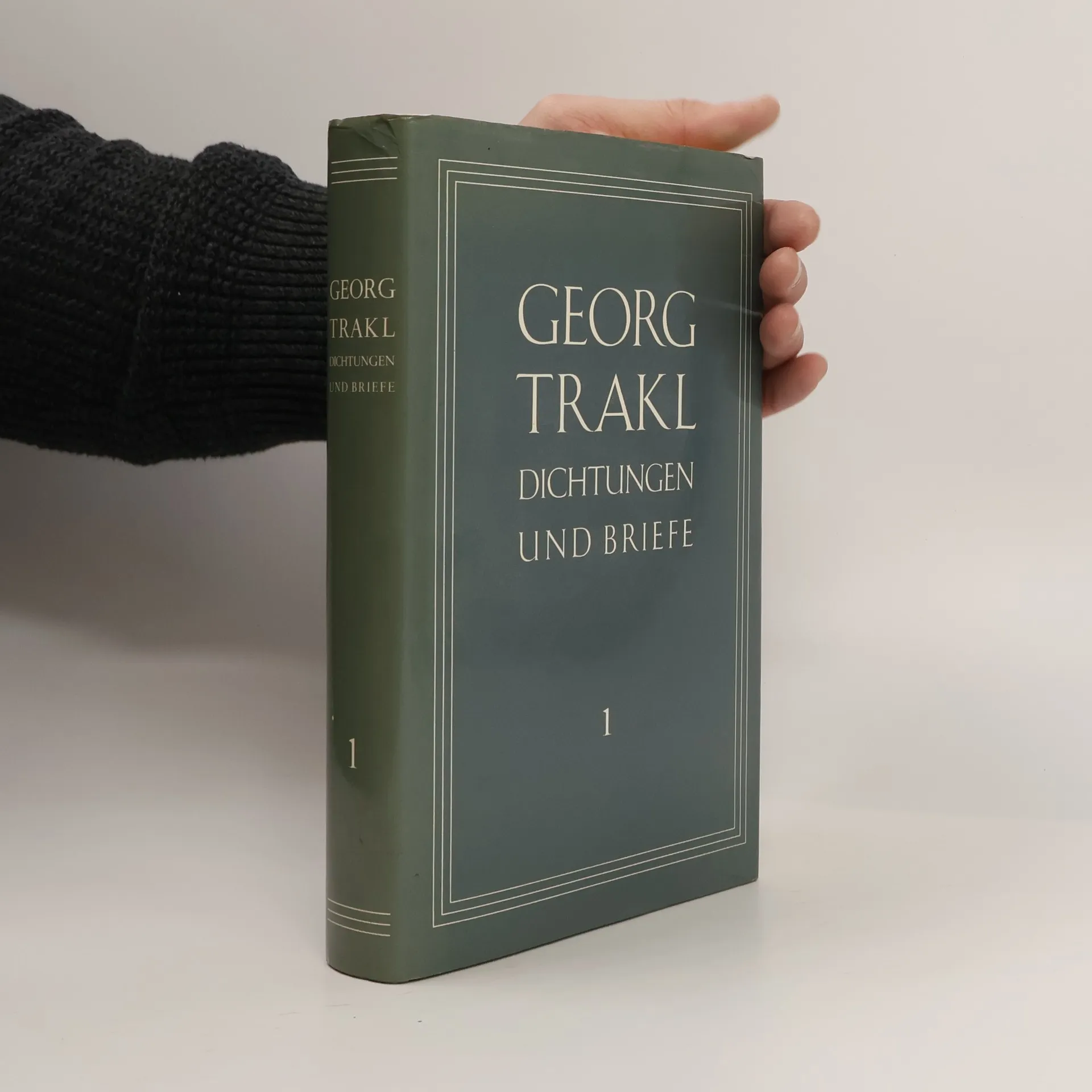
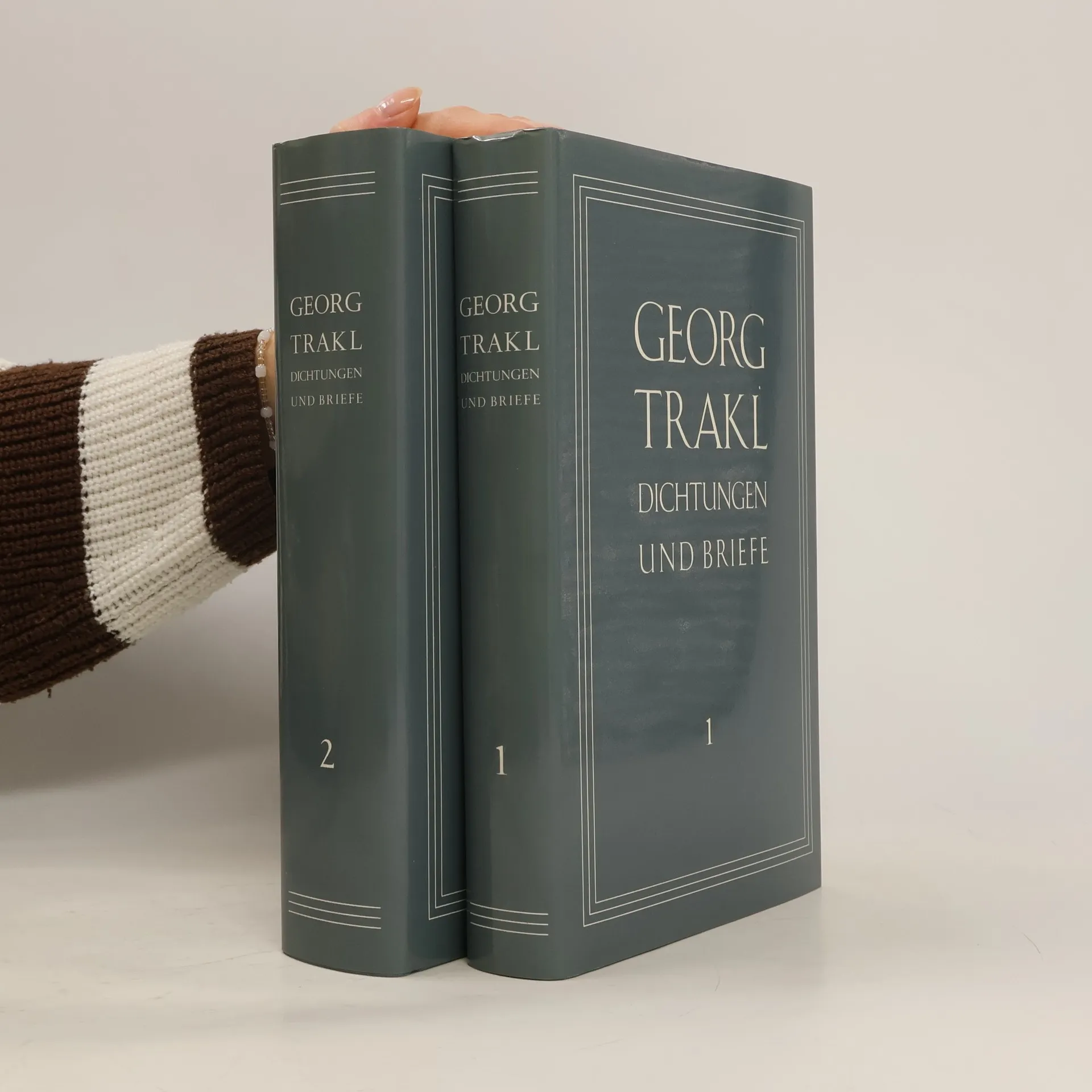
Dichtungen und Briefe
Lyrik unterwegs
- 348pages
- 13 heures de lecture
Lyrik unterwegs in Bussen und Bahnen der SSB Zum 25. Geburtstag von „Lyrik unterwegs“ erscheint die 4. erweiterte Auflage dieser Lyrik-Anthologie. Insgesamt 346 Gedichte von mehr als 100 Dichterinnen und Dichtern sind nun wieder in einem Gedichtband vereint und erfreuen die Herzen aller Poesiefreunde. Lyrik unterwegs - herausgegeben von der Stuttgarter Straßenbahnen AG (SSB)
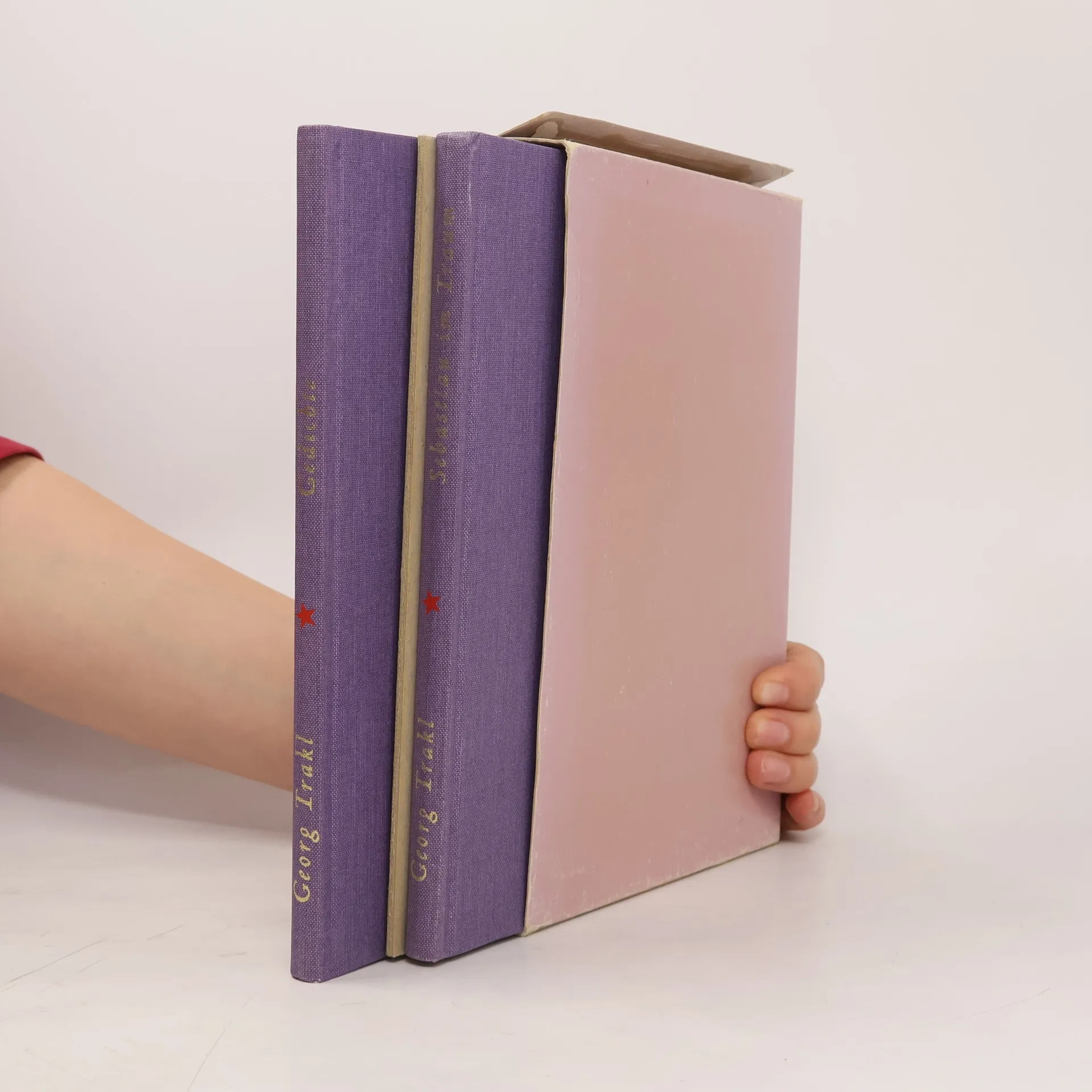
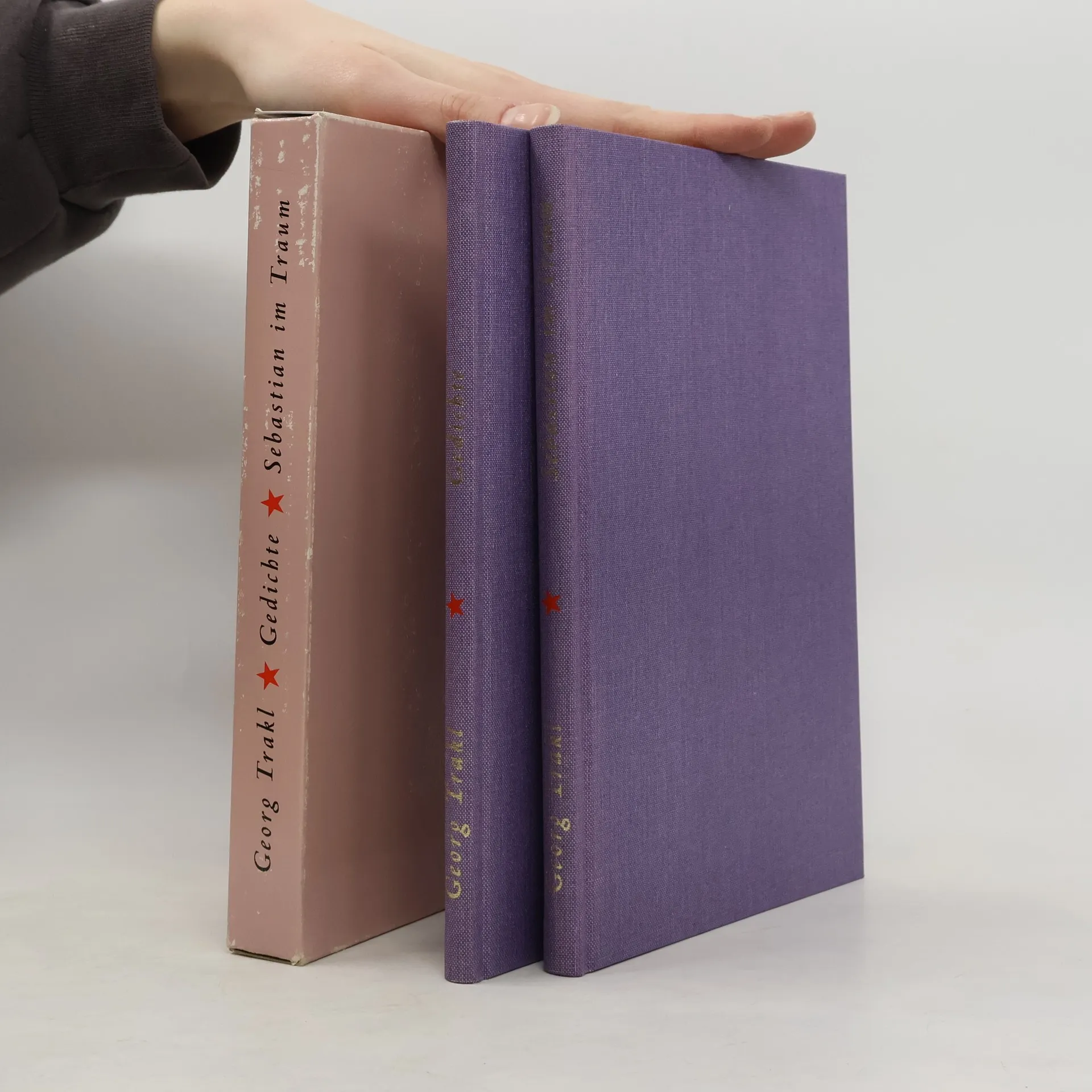
Gedichte. Sebastian im Traum
- 2volumes
Sebastian im Traum 1-2
- 2volumes