Bookbot

Saul Friedländer

    11 octobre 1932

    Saul Friedländer est un historien israélo-français dont l'œuvre explore en profondeur les questions complexes de l'histoire moderne. Son approche analytique et son souci du détail éclairent des moments cruciaux du XXe siècle. La prose de Friedländer est reconnue pour sa clarté et sa capacité à rendre accessibles des sujets complexes à un large public. Ses contributions à la compréhension historique sont essentielles pour saisir les événements récents.

    Saul Friedländer
    When Memory Comes
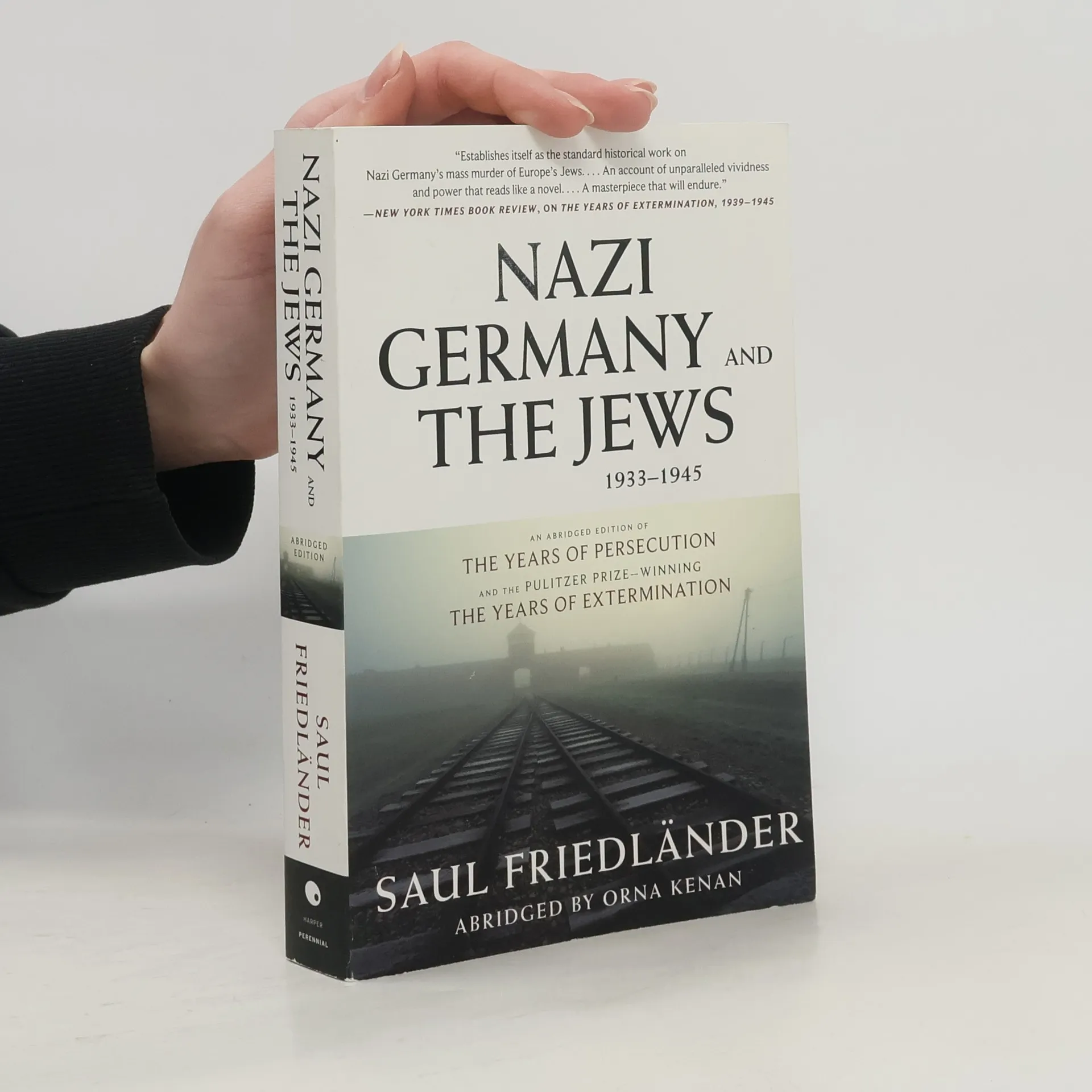
    Nazi Germany and the Jews, 1933-1945
    Where Memory Leads
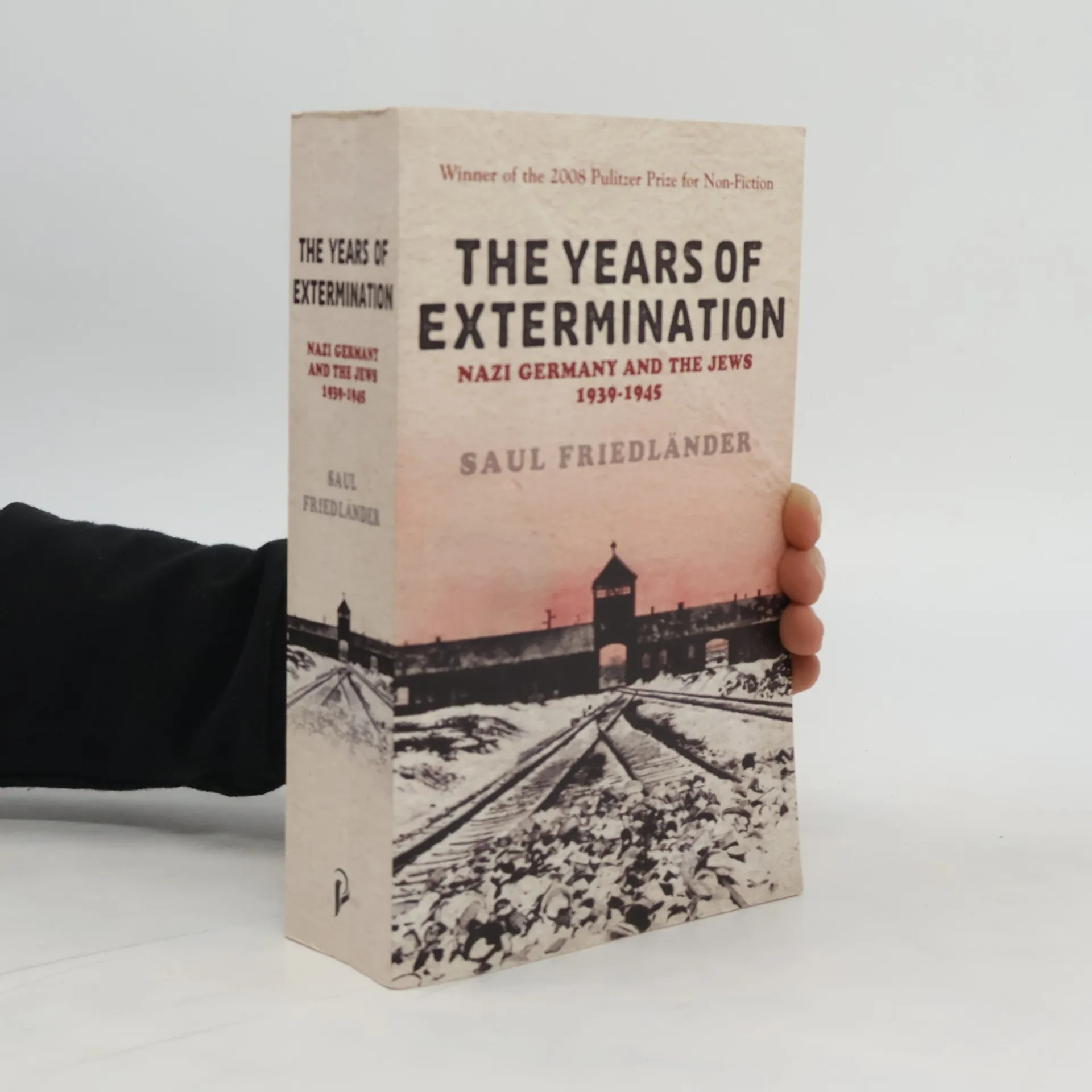
    Nazi Germany And the Jews: The Years Of Extermination
    Nazi Germany and the Jews
    Nazi Germany and the Jews
    • Nazi Germany and the Jews

      • 482pages
      • 17 heures de lecture
      4,3(13)Évaluer

      An abridged edition of Saul Friedlander's definitive two-volume history of the Holocaust: THE YEARS OF PERSECUTION and THE YEARS OF EXTERMINATION. Saul Friedlander's historical masterpiece is perhaps the richest examination of the Holocaust yet written, and, crucially, one that never loses sight of the experiences of individuals in its discussion of Nazi politics and the terrible statistics and technological and administrative sophistication of the Final Solution. The book's first part, dealing with the National Socialist campaign of oppression, restores the voices of Jews who were engulfed in an increasingly horrifying reality following the Nazi accession to power. Friedländer also provides the accounts of the persecutors themselves - and, perhaps most telling of all, the testimonies of ordinary German citizens. The second part covers the German extermination policies that resulted in the murder of six million European Jews.
      Nazi Germany and the Jews
    • Nazi Germany and the Jews

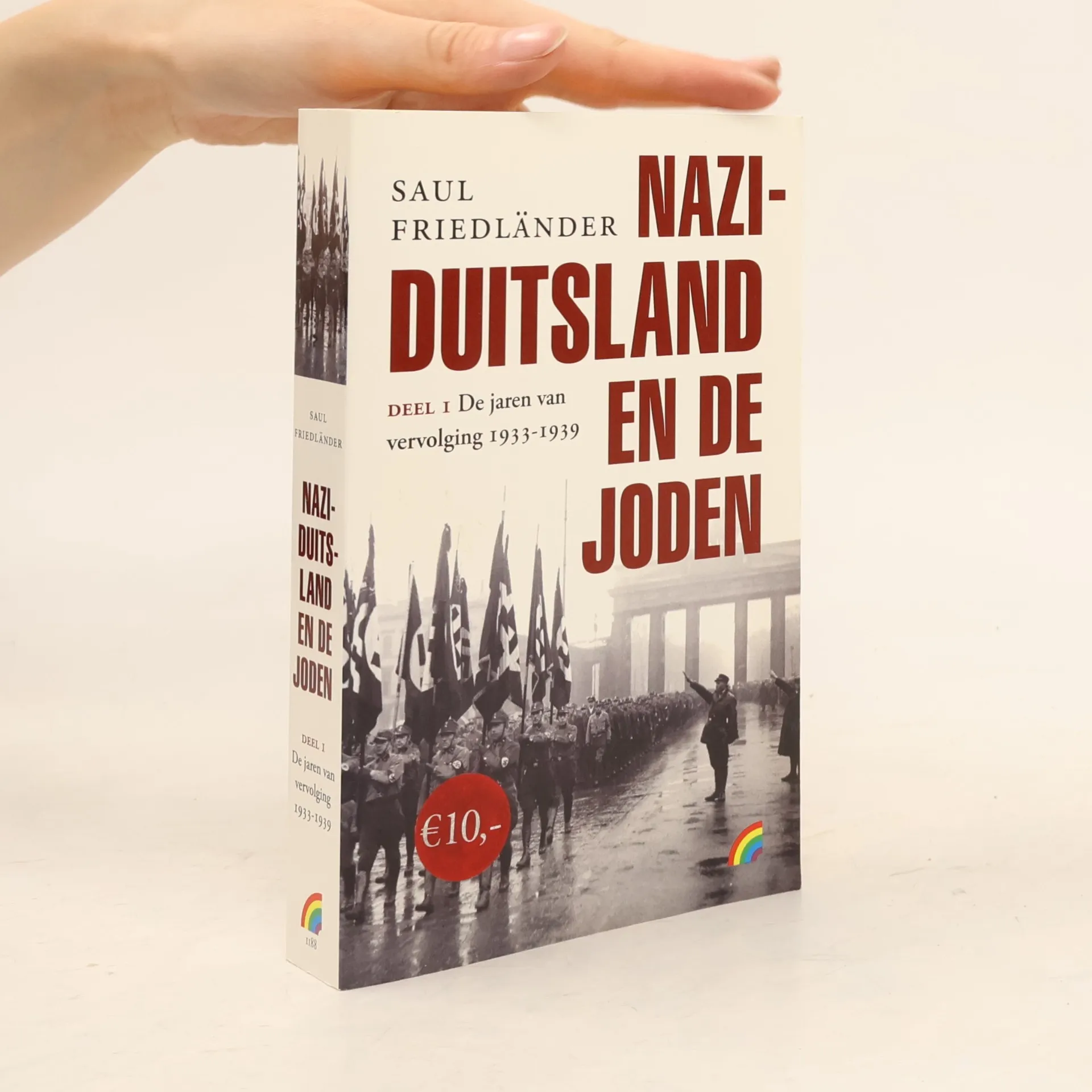
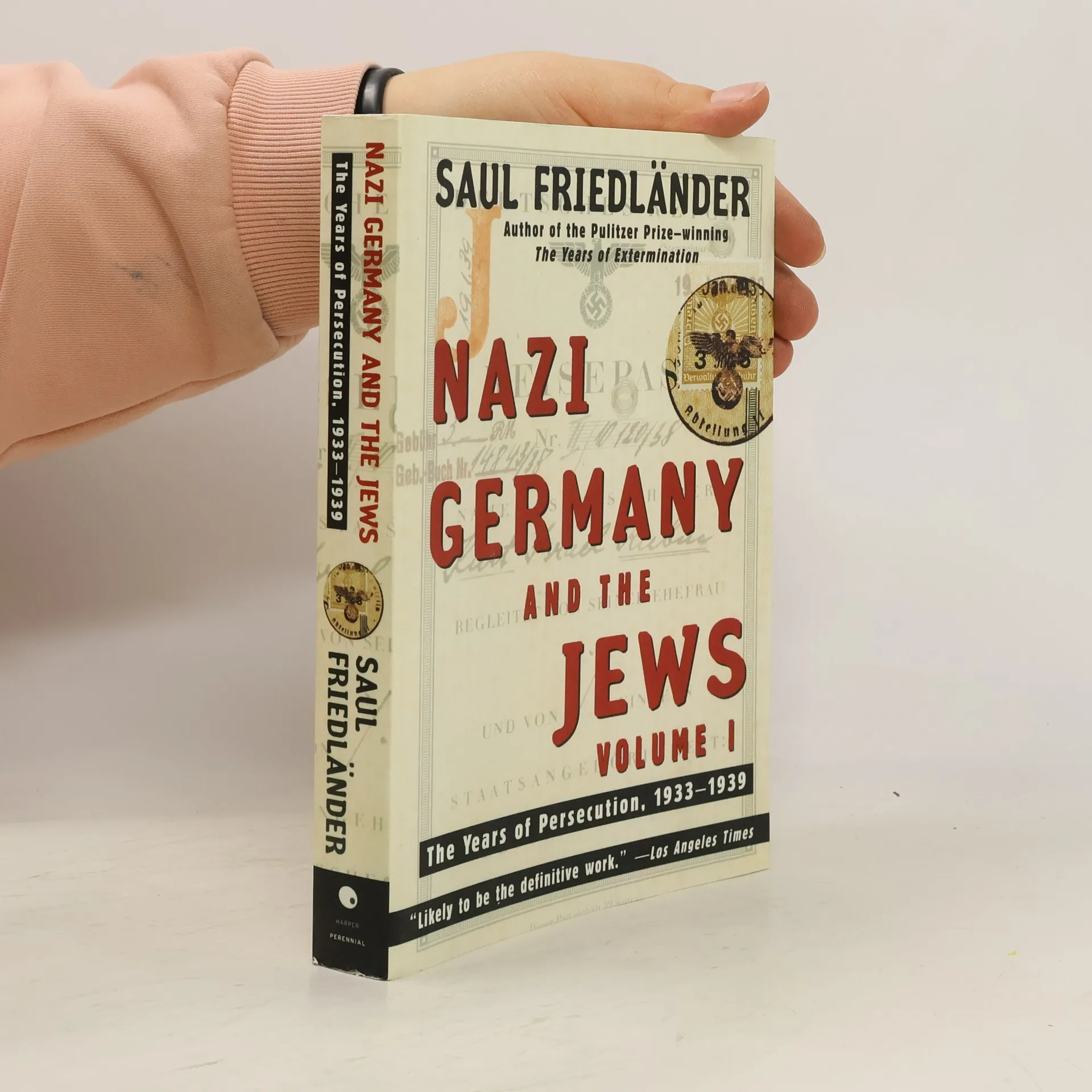
      The Years of Persecution, 1933-1939

      • 464pages
      • 17 heures de lecture
      4,2(19)Évaluer

      A great historian crowns a lifetime of thought and research by answering a question that has haunted us for more than 50 years: How did one of the most industrially and culturally advanced nations in the world embark on and continue along the path leading to one of the most enormous criminal enterprises in history, the extermination of Europe's Jews?Giving considerable emphasis to a wealth of new archival findings, Saul Friedlander restores the voices of Jews who, after the 1933 Nazi accession to power, were engulfed in an increasingly horrifying reality. We hear from the persecutors themselves: the leaders of the Nazi party, the members of the Protestant and Catholic hierarchies, the university elites, and the heads of the business community. Most telling of all, perhaps, are the testimonies of ordinary German citizens, who in the main acquiesced to increasing waves of dismissals, segregation, humiliation, impoverishment, expulsion, and violence.

      Nazi Germany and the Jews
    • Where Memory Leads

      • 304pages
      • 11 heures de lecture
      3,9(9)Évaluer

      A Pulitzer Prize-winning historian returns to memoir in a tale of intellectual growth across three continents, published alongside his classic Holocaust literature. After forty years since his first poignant memoir, Friedlander bridges his childhood ordeals with his esteemed reputation in Holocaust studies. He abandons his youthful conversion to Catholicism, rediscovers his Jewish roots as a teenager, and builds a new life in Israeli politics. His initial loyalty to Israel evolves into a lifelong fascination with Jewish life and history. Friedlander grapples with the pervasive effects of European anti-Semitism while seeking a balanced approach to the surrounding Zionism. His adulthood sees him navigating between Israel, Europe, and the United States, equipped with his linguistic talent and expansive intellect. His growing prestige places him in the company of other intellectual giants. In his early years in Israel, he mingles with the architects of the nascent state and brilliant figures like Gershom Scholem and Carlo Ginzburg. This memoir prompts Friedlander to reflect on the harrowing events that led him to dedicate sixteen years to writing his Pulitzer Prize-winning work, exploring the Nazi regime and its impact on the Jewish community from 1939 to 1945.

      Where Memory Leads
    • Nazi Germany and the Jews, 1933-1945

      • 512pages
      • 18 heures de lecture
      4,1(219)Évaluer

      Nazi Germany and the Jews, 1933-1945 is an abridged edition of Saul Friedländer's definitive Pulitzer Prize-winning two-volume history of the Holocaust: Nazi Germany and the Jews: The Years of Persecution, 1933-1939 and The Years of Extermination: Nazi Germany and the Jews, 1939-1945. The book's first part, dealing with the National Socialist campaign of oppression, restores the voices of Jews who were engulfed in an increasingly horrifying reality following the Nazi accession to power. Friedländer also provides the accounts of the persecutors themselves—and, perhaps most telling of all, the testimonies of ordinary German citizens who, in general, stood silent and unmoved by the increasing waves of segregation, humiliation, impoverishment, and violence. The second part covers the German extermination policies that resulted in the murder of six million European Jews—an official program that depended upon the cooperation of local authorities and police departments, the passivity of the populations, and the willingness of the victims to submit in desperate hope of surviving long enough to escape the German vise. A monumental, multifaceted study now contained in a single volume, Saul Friedländer's Nazi Germany and the Jews, 1933-1945 is an essential study of a dark and complex history.

      Nazi Germany and the Jews, 1933-1945
    • A classic of Holocaust literature, the eloquent, acclaimed memoir of childhood by a Pulitzer-winning historian, now reissued with a new introduction by Claire Messud Four months before Hitler came to power, Saul Friedländer was born in Prague to a middle-class Jewish family. In 1939, seven-year-old Saul and his family were forced to flee to France, where they lived through the German Occupation, until his parents' ill-fated attempt to flee to Switzerland. They were able to hide their son in a Roman Catholic seminary before being sent to Auschwitz where they were killed. After an imposed religious conversion, young Saul began training for priesthood. The birth of Israel prompted his discovery of his Jewish past and his true identity. Friedländer brings his story movingly to life, shifting between his Israeli present and his European past with grace and restraint. His keen eye spares nothing, not even himself, as he explores the ways in which the loss of his parents, his conversion to Catholicism, and his deep-seated Jewish roots combined to shape him into the man he is today. Friedländer's retrospective view of his journey of grief and self-discovery provides readers with a rare experience: a memoir of feeling with intellectual backbone, in equal measure tender and insightful.

      When Memory Comes
    • Named a Times Literary Supplement Best Book of the Year A Pulitzer Prize–winning historian revisits Marcel Proust’s masterpiece in this essay on literature and memory, exploring the question of identity—that of the novel’s narrator and Proust’s own. This engaging reexamination of In Search of Lost Time considers how the narrator defines himself, how this compares to what we know of Proust himself, and what the significance is of these various points of commonality and divergence. We know, for example, that the author did not hide his homosexuality, but the narrator did. Why the difference? We know that the narrator tried to marginalize his part-Jewish background. Does this reflect the author’s position, and how does the narrator handle what he tries, but does not manage, to dismiss? These are major questions raised by the text and reflected in the text, to which the author’s life doesn’t give obvious answers. The narrator’s reflections on time, on death, on memory, and on love are as many paths leading to the image of self that he projects. In Proustian Uncertainties, Saul Friedländer draws on his personal experience from a life spent investigating the ties between history and memory to offer a fresh perspective on the seminal work.

      Proustian Uncertainties
    • Franz Kafka

      • 183pages
      • 7 heures de lecture
      3,6(76)Évaluer

      Looks at that major aspects of Kafka's life—family, Judaism, love and sex, writing, illness and despair—and argues that, when reinserted in Kafka's letters and diaries, deleted segments lift the mask of "sainthood" frequently attached to the writer. 12,000 first printing.

      Franz Kafka
    • Diary of a Crisis

      Israel in Turmoil

      • 304pages
      • 11 heures de lecture

      The book offers profound reflections on the ongoing crisis in Israel and Gaza, framed through the lens of historical context, particularly the Holocaust. The Pulitzer Prize-winning historian delves into the complexities of conflict, examining the impact of history on contemporary issues. Through a thoughtful analysis, the author explores themes of memory, trauma, and the struggle for identity, providing readers with a deeper understanding of the current geopolitical landscape and its roots in past atrocities.

      Diary of a Crisis
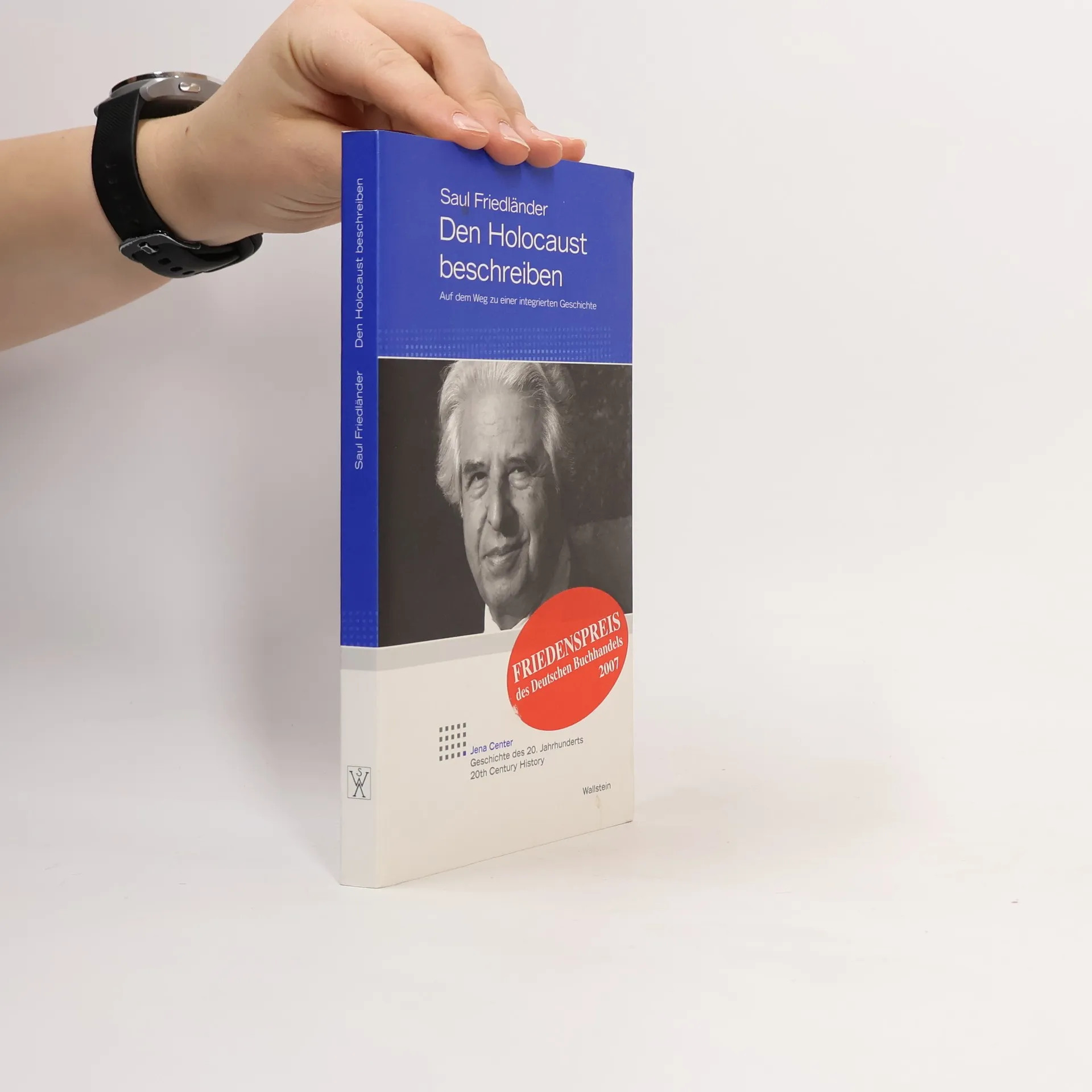
    • Diese von Saul Friedländer autorisierte Kurzfassung seines zweibändigen Werkes Das Dritte Reich und die Juden hat rund 800 Seiten weniger und bietet auf etwa 500 Seiten eine überschaubare Lektüre. Sie soll einem breiteren Publikum Zugänge zum Thema des Buches eröffnen und idealerweise auch hinführen zum Gesamtwerk. Orna Kenan hat bei ihrer Arbeit mit größter Sorgfalt und Sensibilität darauf geachtet, die einzigartige Erzählstruktur des Originals zu erhalten und seinen Gehalt zu bewahren. So ist eine eigenständige Version entstanden, die einerseits die Vorzüge der großen Darstellung bewahrt und andererseits in kürzerer Form einführt in die Geschichte der Verfolgung und Vernichtung der europäischen Juden. „Das Dritte Reich und die Juden 1933–1945“ ist eine gekürzte Ausgabe der berühmten Geschichte des Holocaust von Saul Friedländer. Das Werk und sein Autor wurden vielfach ausgezeichnet, unter anderem mit dem Friedenspreis des Deutschen Buchhandels, mit dem Geschwister-Scholl-Preis und mit dem Pulitzer-Preis. Es gilt als eines der historischen Meisterwerke unserer Zeit.

      Das Dritte Reich und die Juden