

Examining the unification process between North and South Yemen, this study begins with the preparations during the 1970s and '80s, which preceded union in 1990. It then examines the subsequent evolution of unity and the problems which led to internal war and the occupation of South Yemen by North Yemeni forces in 1994, concluding with some thoughts on the implications of this forced unity. Within the broad context of post-Cold War conditions, the Gulf War and inter-Arab relations, Yemeni hopes for unification are examined, as are the reasons why these were to be frustrated, with the co-existence of two rival state systems and communities. Attention is paid to the role of Islamic and tribal groups and values, and special emphasis is placed on the convulsions accompanying democratization.
Joseph Kostiner Livres
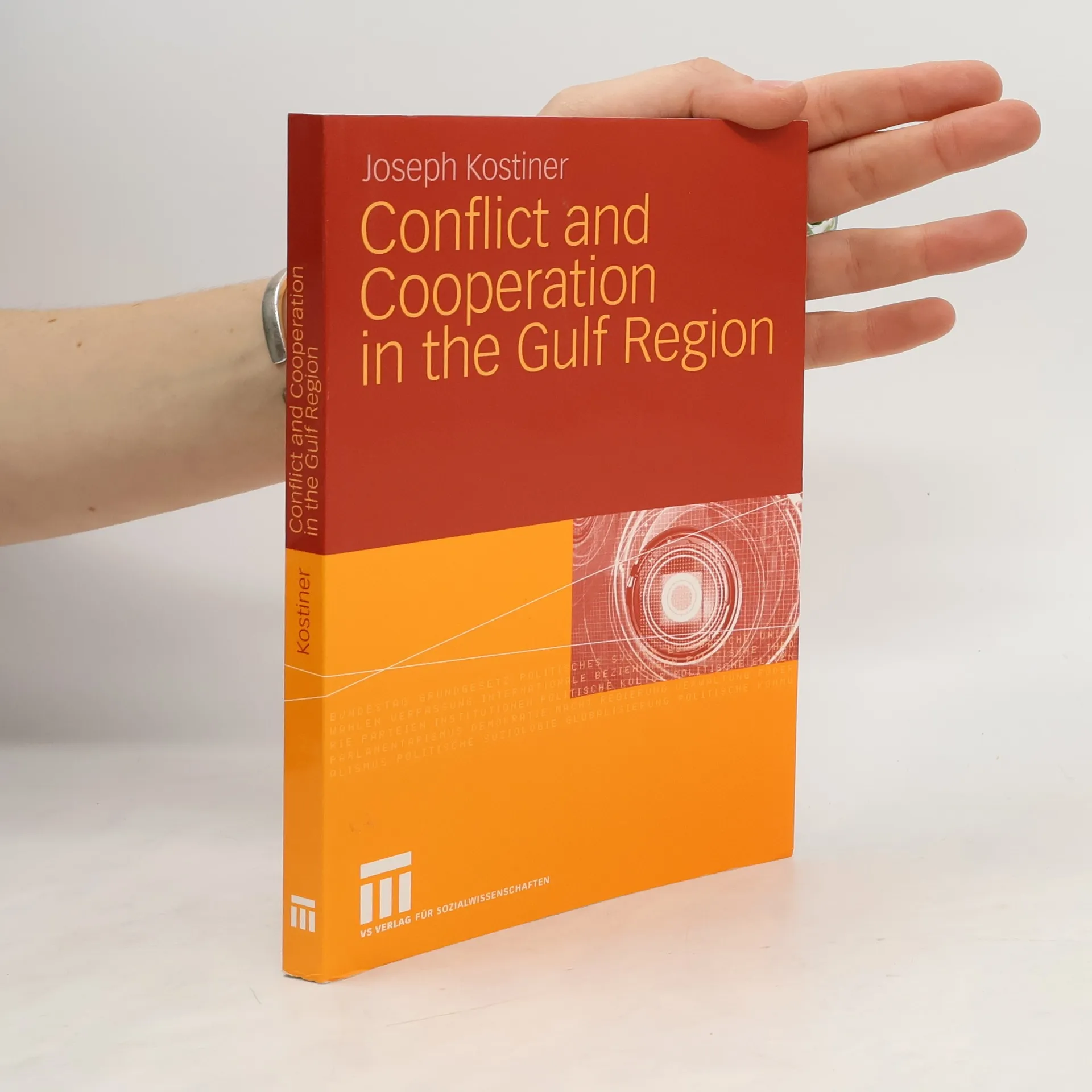

Conflict and cooperation in the Gulf region
- 287pages
- 11 heures de lecture
This book analyzes four main episodes of conflict and defense which have affected the region during the last three decades: the Iran-Iraq war (1980-1988), which effected the Gulf Cooperation Council (GCC) from a close, neighborly distance; the Iraq-Kuwait war (1990-1991), which constituted an attempt to invade the GCC and eliminate one of its member states, Kuwait. And the subsequent attempts to reestahblish a regional inter-state stability in the Gulf (during the mid-1990s, approximately), and the war of Islamic terrorism (notably al-Qa'ida) against Saudi Arabia (leading up to 2005). Each episode was driven by inimical interests and evolved as a distabilizintg influence on the Gulf states. At the same time, each conflict resulted in a paradoxical combination rivalry and cooperation among the GCC states themselves. A perpetual sequence of conflict and cooperation thus developed.
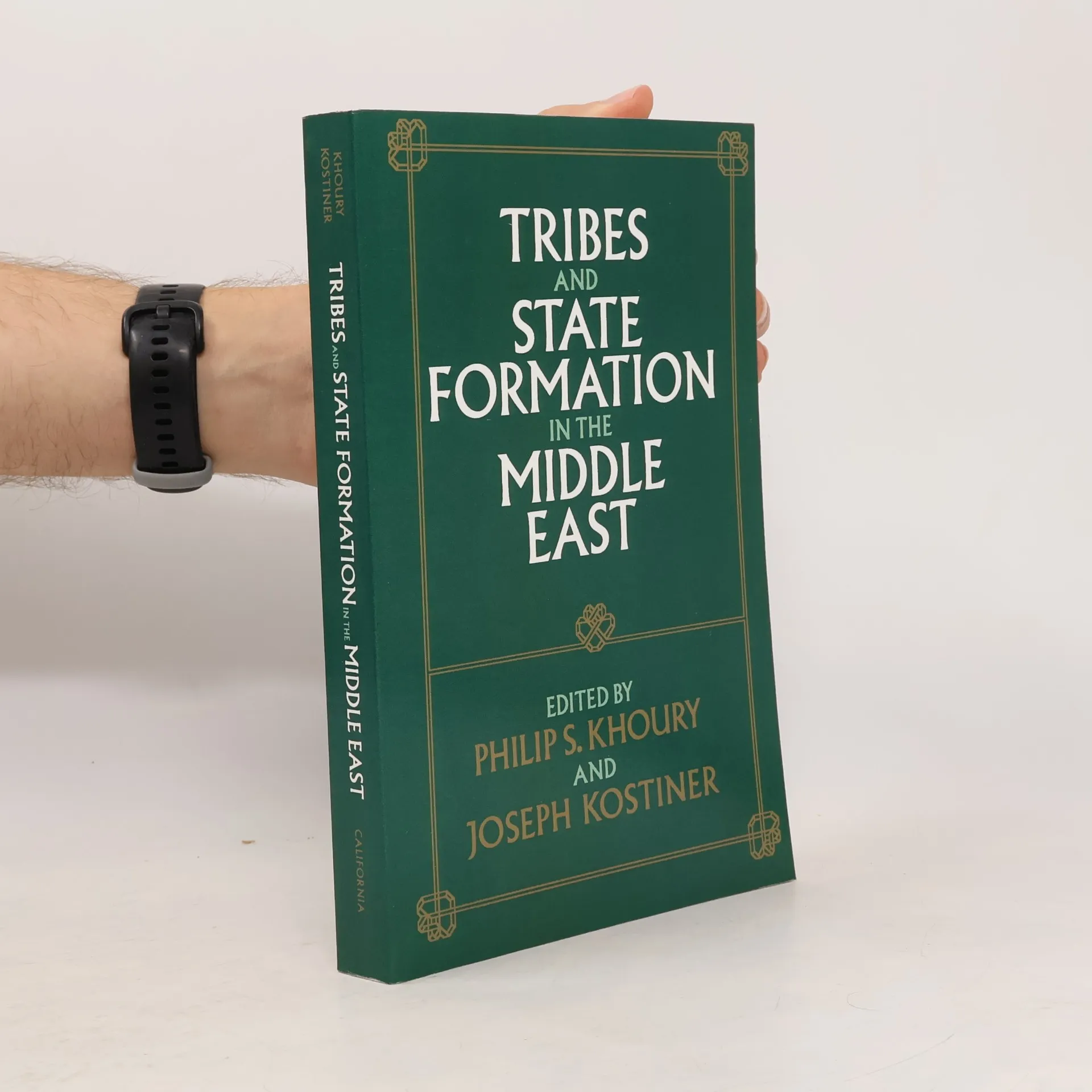
Tribes and State Formation in the Middle East
- 400pages
- 14 heures de lecture
Tribes and State Formation is the first effort to bring together the disciplines of history, anthropology, and political science around a major topic that none of these alone is adequately equipped to address. How and why did certain tribal societies metamorphose over time into states? Scholars concerned with general questions of theory and methodology and the interaction of anthropology and history, as well as political scientists and sociologists concerned with concepts of the state in the Middle East and other developing regions, will be well served by this innovative work.The articles by an array of distinguished scholars cover a wide range of the relationship of ideology to tribal and state power, comparisons between different regional patterns of tribe-state interaction, historical case studies from North Africa, the Arabian Peninsula, and Iran extending to the contemporary period; theoretical and methodological inquiries, and systematic reviews of the literature on tribes and states. The articles argue against a unilinear approach to the study of tribes and state formation by emphasizing that states often existed alongside tribes and even created tribes for their own purposes. Some case studies emphasize the incompatibility of states and tribalism, while others illustrate the many areas in which tribes actually enhanced rather than impeded state formation.