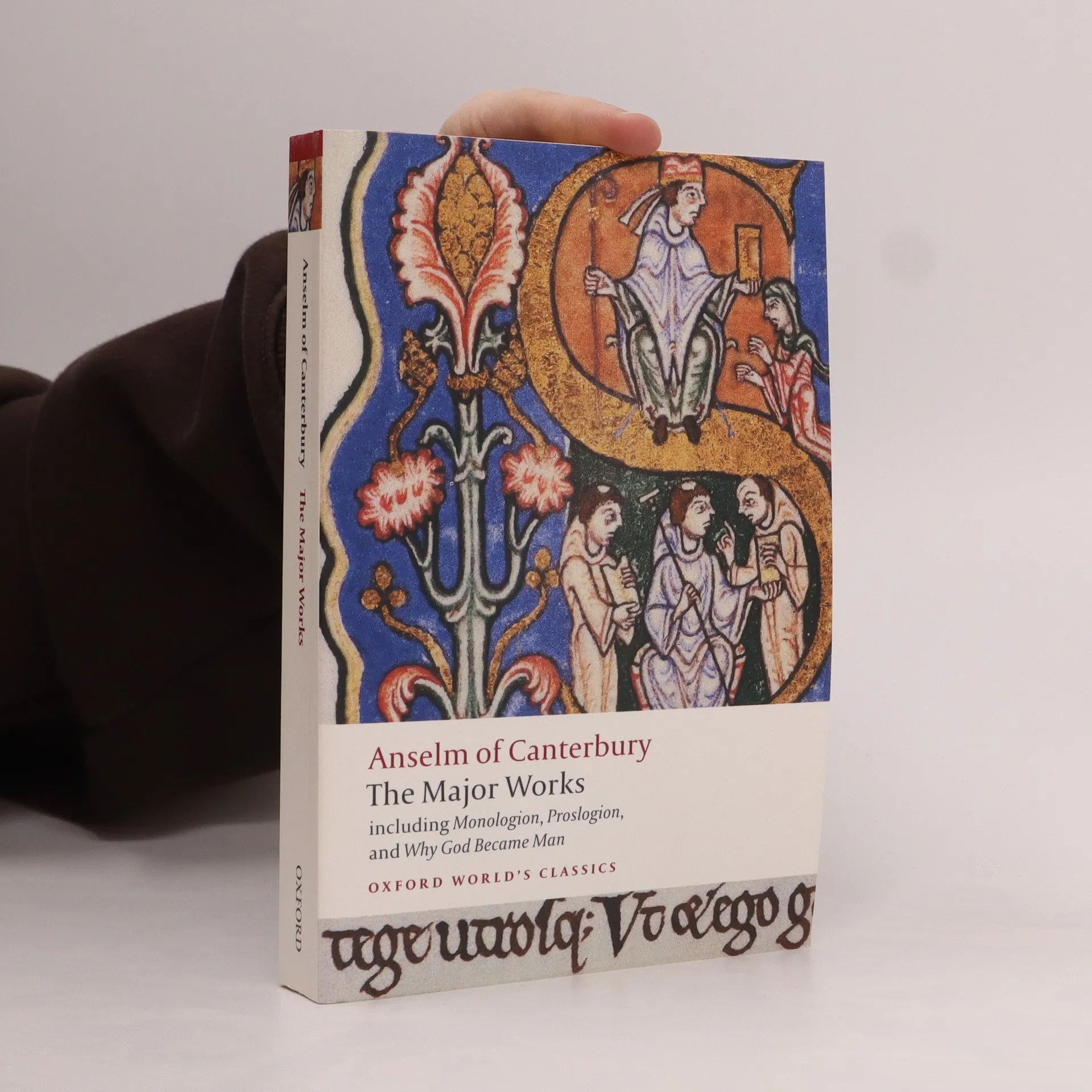
Anselm of Canterbury: The Major Works
- 513pages
- 18 heures de lecture
Originally published: Oxford; New York: Oxford University Press, 1998.


Saint Anselme de Cantorbéry fut une figure clé de la théologie et de la philosophie médiévales, réputé comme le fondateur de la scolastique. Son œuvre influença profondément la pensée occidentale, notamment ses arguments sur l'existence de Dieu et ses théories sur l'expiation. Anselme fut non seulement un intellectuel de premier plan, mais aussi un ecclésiastique dévoué, dont la vie fut marquée par des conflits entre l'Église et l'État. Ses idées continuent de résonner, façonnant le discours théologique et philosophique.


Originally published: Oxford; New York: Oxford University Press, 1998.
The translations by Williams are noted for their meticulous fidelity and accuracy, striking a balance between being true to the original texts and maintaining a lively, graceful style. This approach ensures that the essence and nuances of the source material are preserved while still being engaging for readers.
Mit Untersuchungen von Franciscus Salesius Schmitt
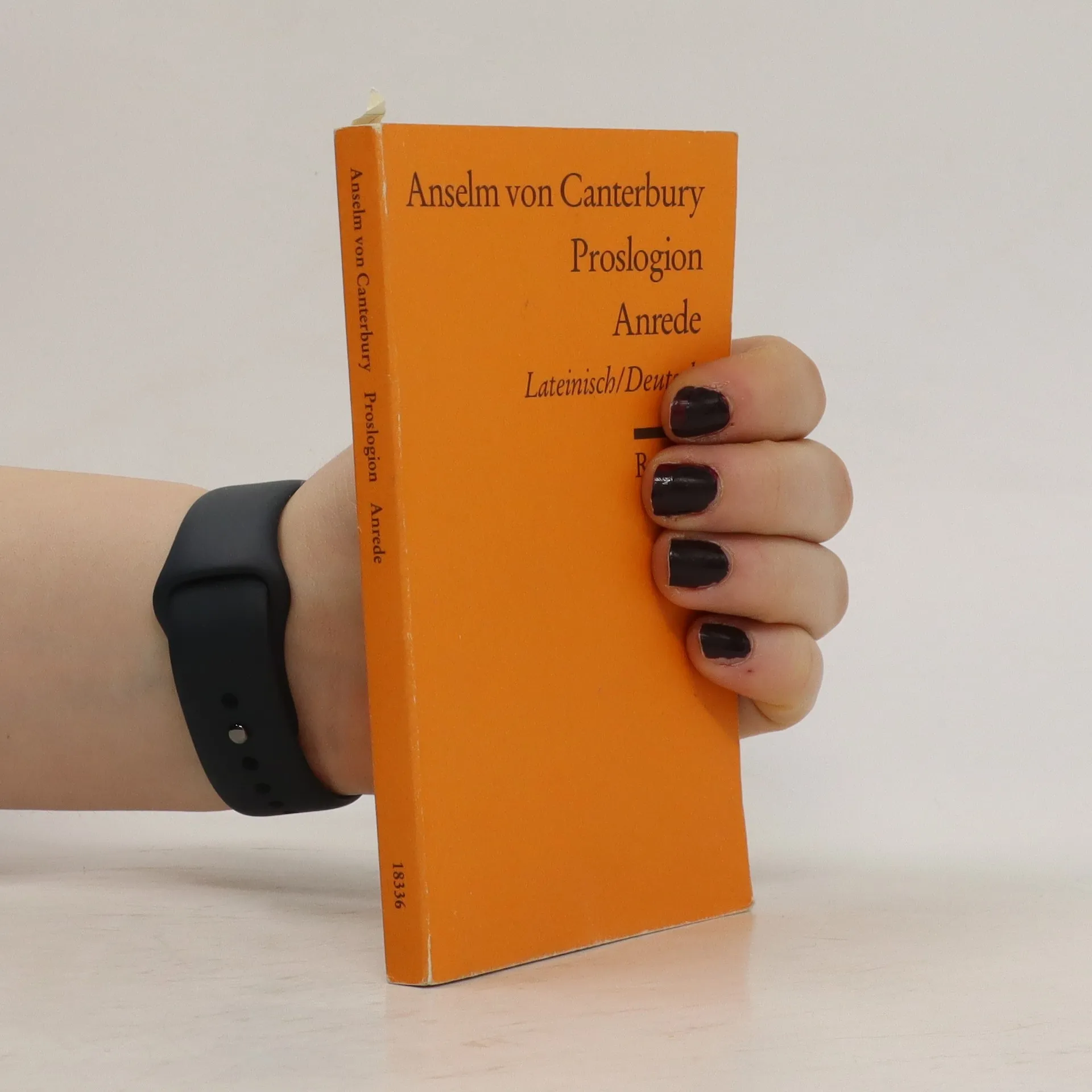
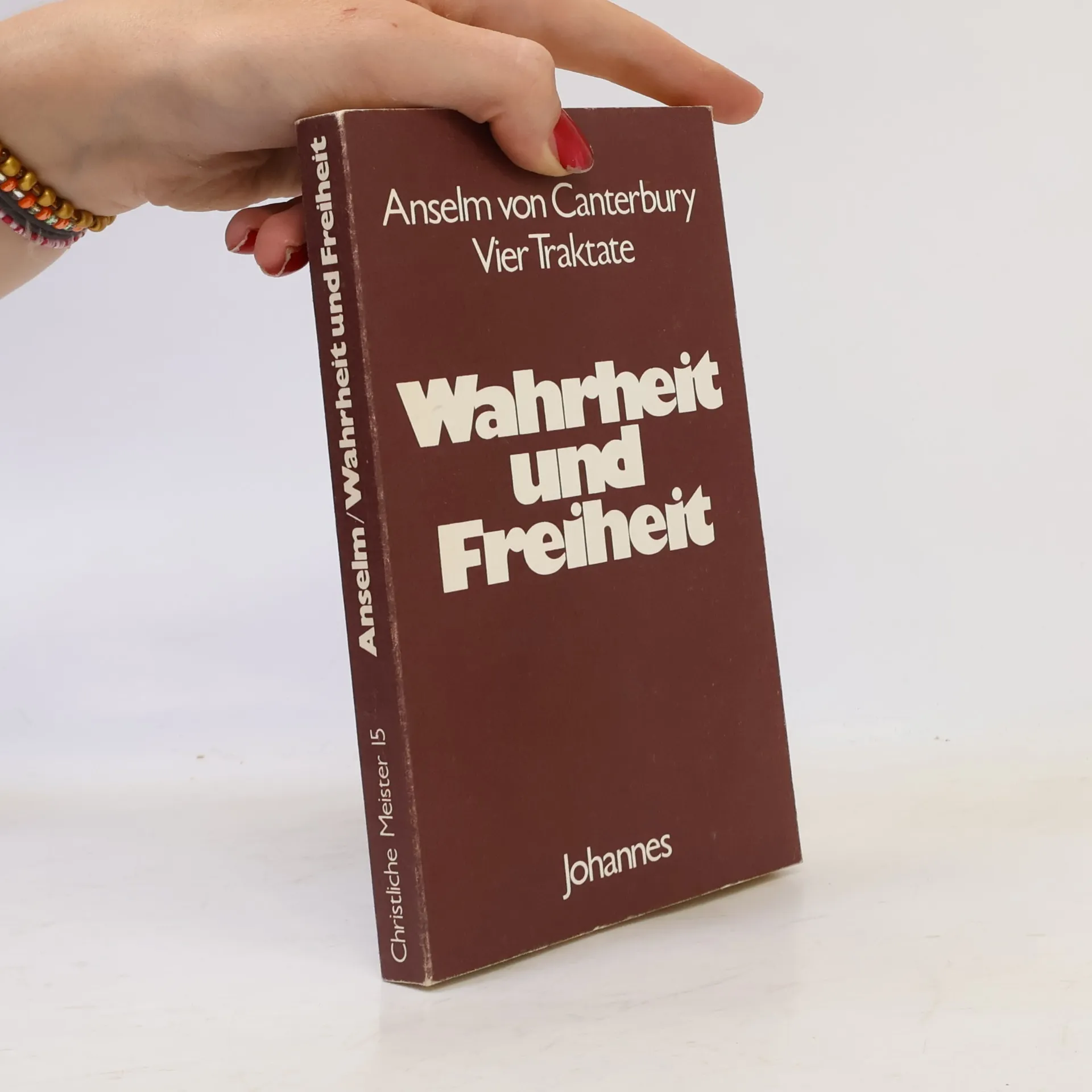
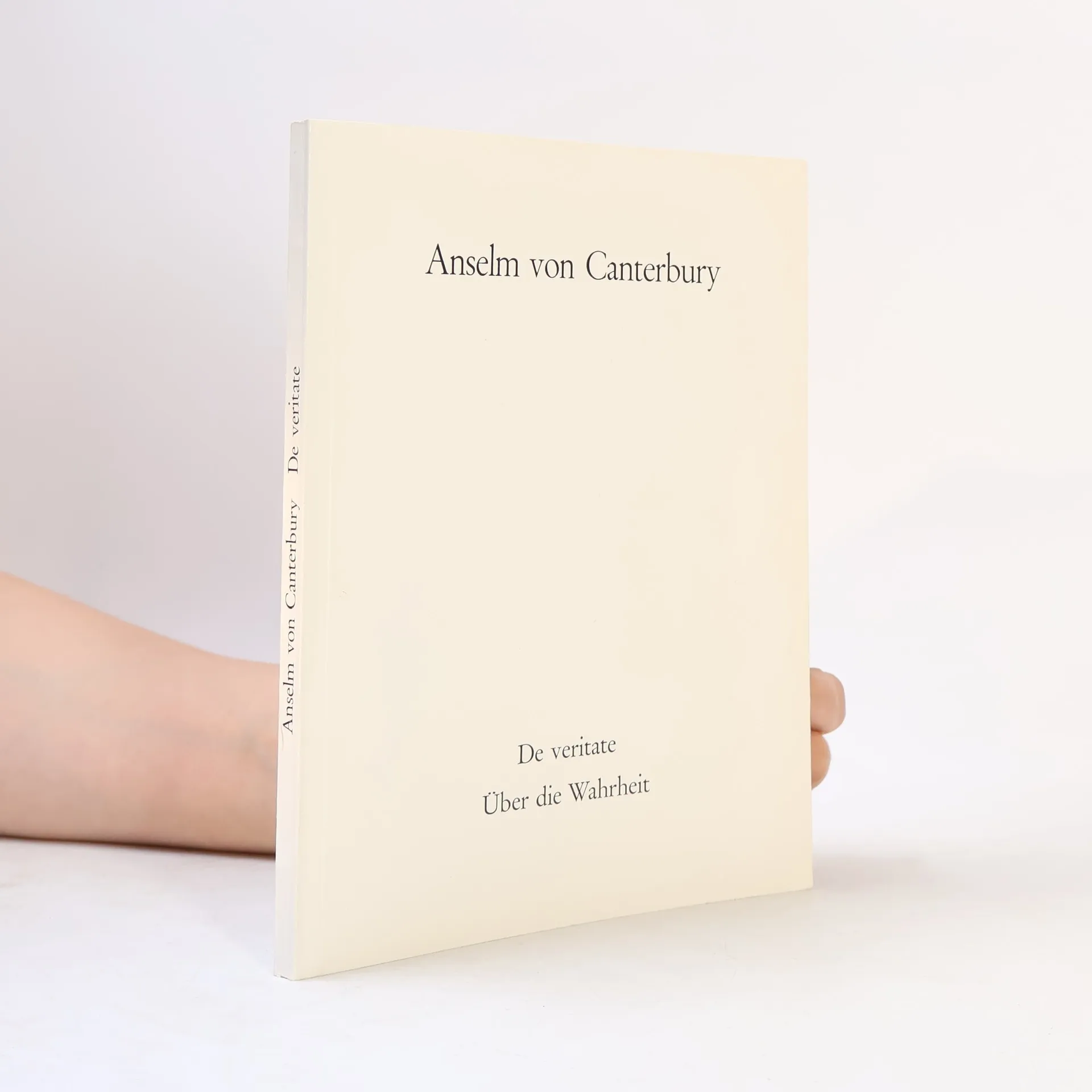
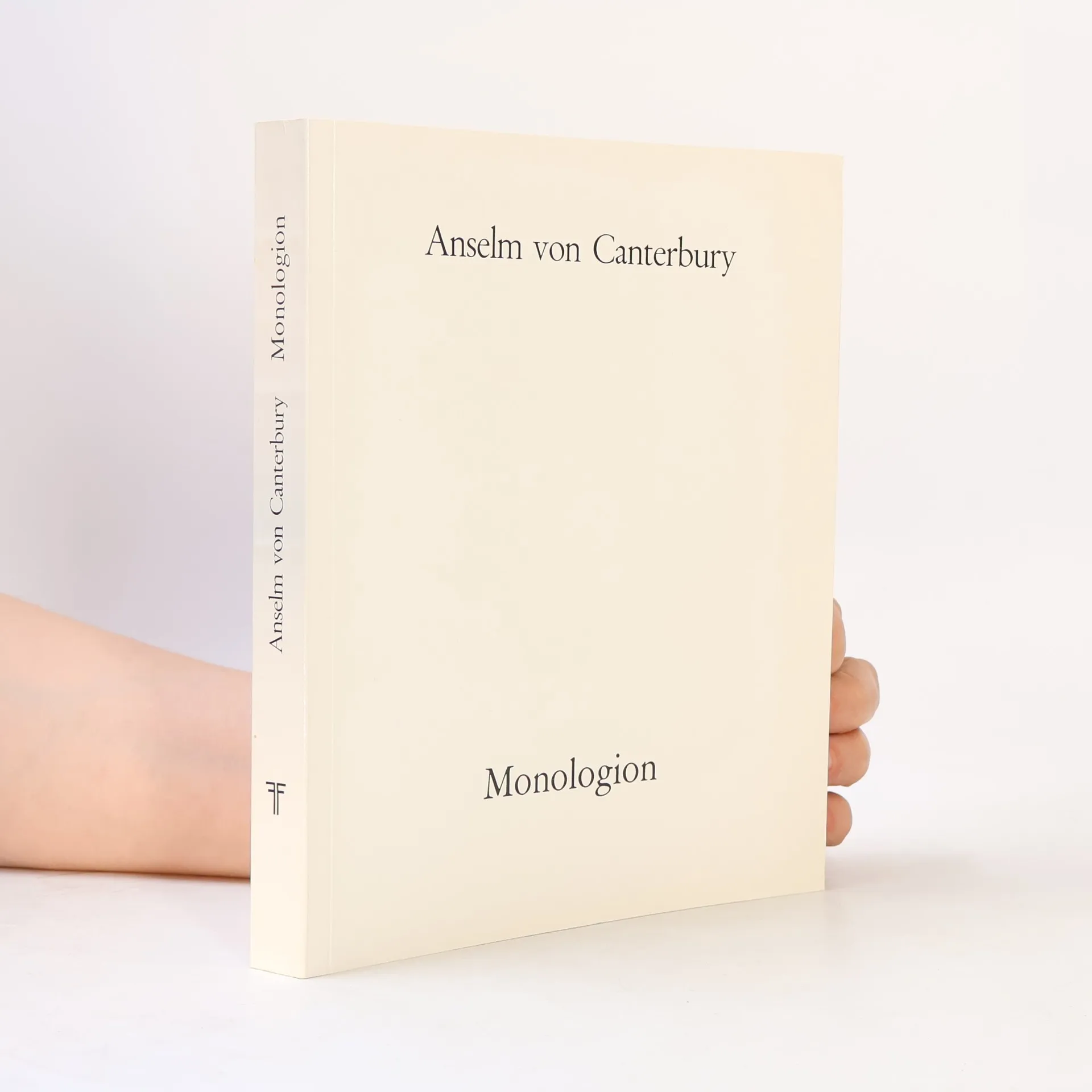
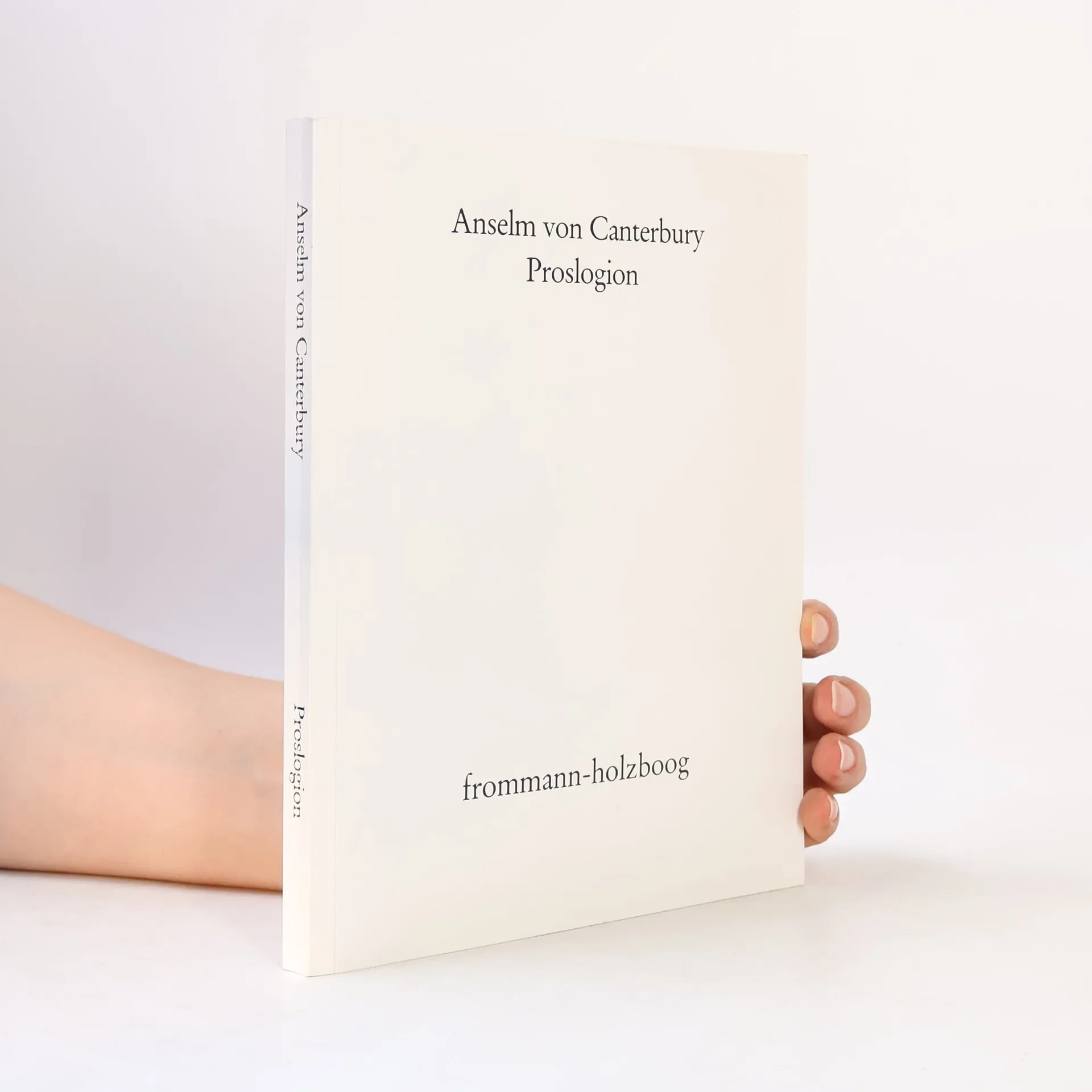
Das ›Monologion‹ handelt von Gott, seinem Dasein, seinem Wesen und seinen Personen. Es ist die erste eigentliche Theodizee. Seine Kühnheit besteht in dem Versuch, nur auf Grund reiner Vernunftüberlegung zu argumentieren. Die Vielheit der aufgefundenen Beweise veranlasst Anselm dann, nach einem einzigen Argument zu suchen, das er im ›Proslogion‹ entfaltet. Diese berühmteste Schrift Anselms enthält den ontologischen Gottesbeweis. Mit ihm entfachte der »Vater der Scholastik« eine Diskussion, die von Thomas bis Hegel und weiter reicht. Der Dialog ›De veritate‹ ist die erste Monographie dieses Titels überhaupt. Anselms Bestimmung der Wahrheit als »die mit der Vernunft allein erfaßbare Rechtheit« lässt die Einheit des Logischen, Ontologischen und Ethischen erkennen, den Quell, aus dem dieses Denken schöpft.
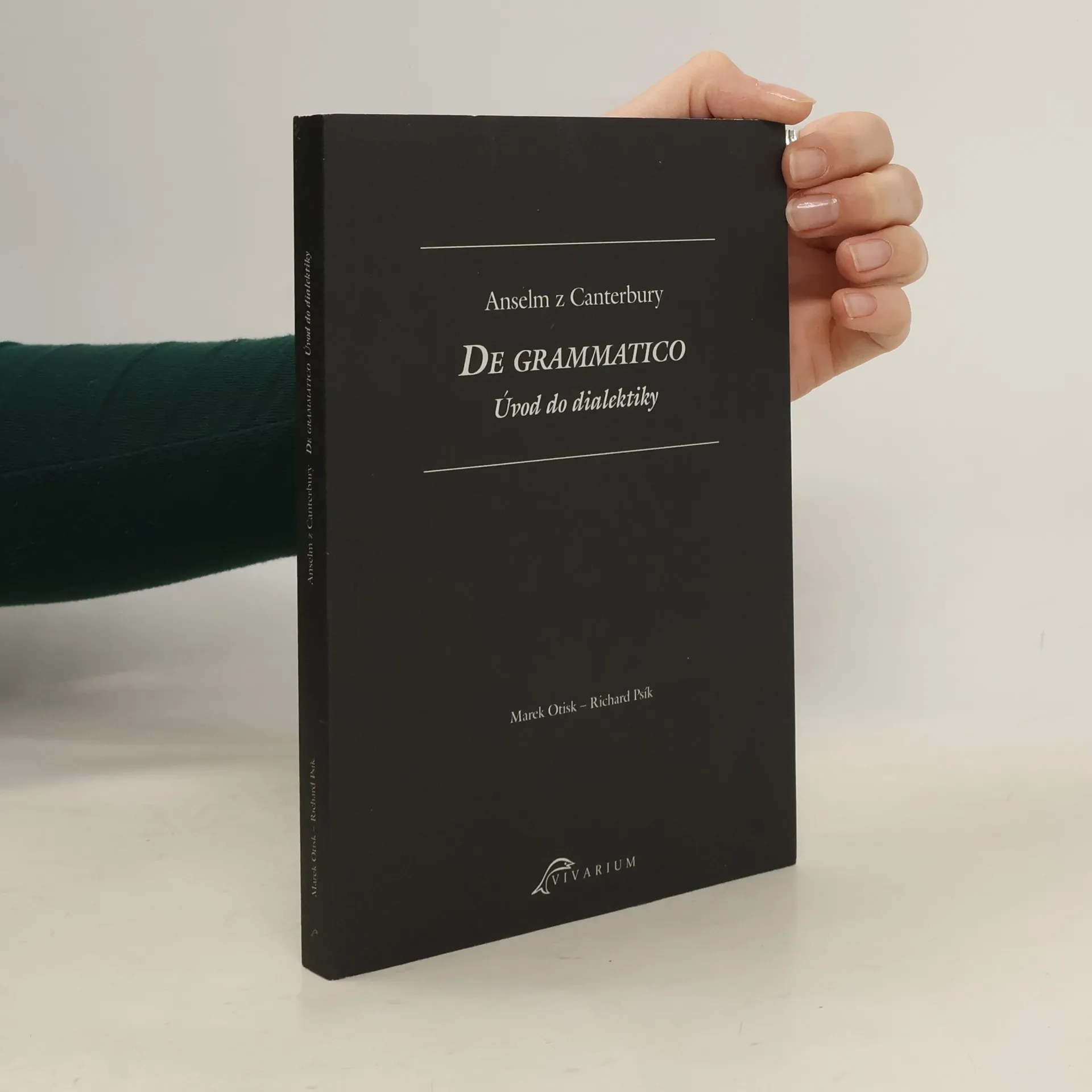
Anselm z Canterbury (1033–1109) je jednou z nejvýraznějších osobností intelektuálního světa konce 11. století, za což si vysloužil vznosné označení Otec scholastiky. V této publikaci vychází vůbec poprvé český překlad jeho dialogu "De grammatico", který on sám označil za úvod do dialektiky. Edici předchází rozsáhlejší úvodní studie, v níž je stručně představen autor spisu i přeložené dílo, přičemž podrobněji jsou probrána vybraná témata, jimž Anselm ve svém nedlouhém díle věnoval pozornost.
Klasické dílo teologie a filosofie. Kniha také obsahuje úvod do života a díla Anselma z Canterbury a jeho drobná díla „O pravdě“ a „O svobodě rozhodování“. Latinsko-české vydání. Uspořádala, úvodní studii napsala a z latinských originálů přeložila Lenka Karfíková.
Kann die Existenz Gottes bewiesen werden? Anselm von Canterbury, einer der bedeutendsten Denker des frühen Mittelalters, führt seinen Beweis mit dem Argument, dass Gott „etwas ist, über das nichts Größeres gedacht werden kann“. Dieser nachgerade raffiniert zu nennende „ontologische“ Gottesbeweis hat Philosophen bis Kant und Hegel immer wieder beschäftigt.
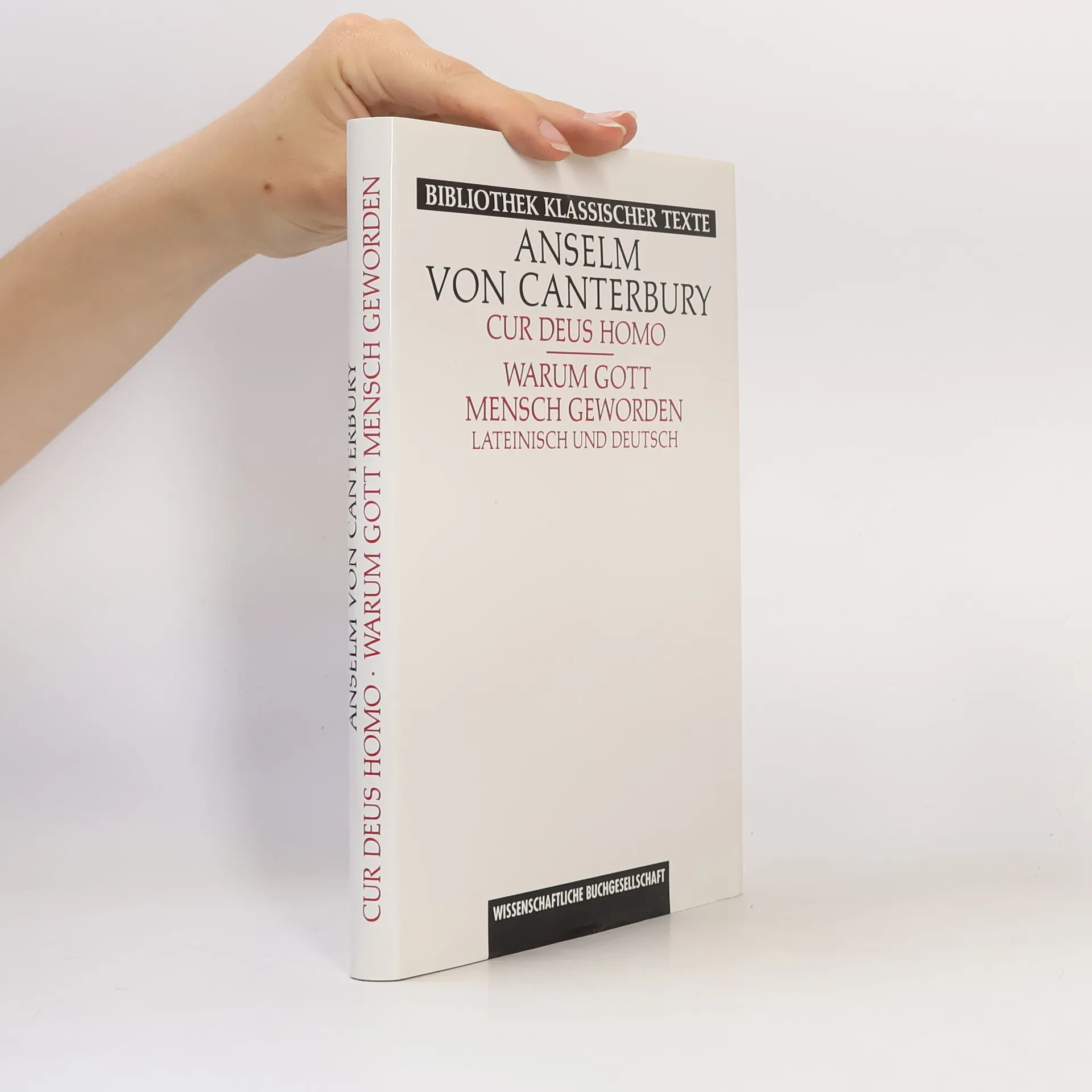
Anselm von Canterbury erläutert in "Warum Gott Mensch geworden" die Satisfaktionslehre, nach der der Tod Jesu notwendig war, um die Ehrverletzung Gottes durch den Sündenfall zu sühnen. Nur Gott konnte dieses Opfer bringen. Das Werk entstand zwischen 1094 und 1098 und gilt als bedeutender Beitrag zur Scholastik.
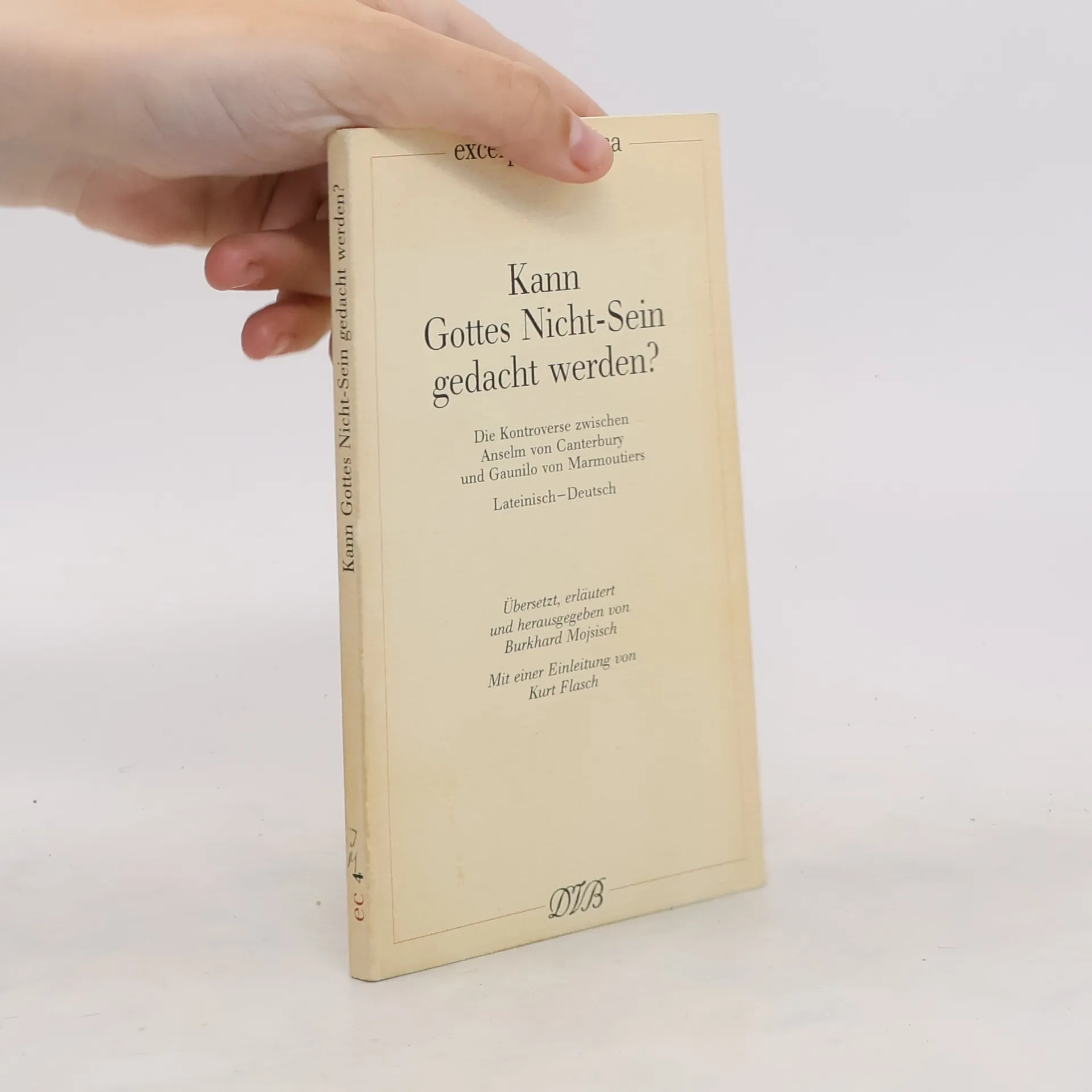
Die Kontroverse zwischen Anselm von Canterbury und Gaunilo von Marmoutiers. Lat. /Dt.
Freiheitsschriften. De Libertate arbitrii = Über die Freiheit des Willens. De Casu diaboli = Vom Fall des Teufels. De Concordia praescientiae et praedestinationis et gratiae dei cum libero arbitrio = Über die Vereinbarkeit des Vorherwissens, der Vorherbestimmung und der Gnade Gottes mit dem freien Willen