Para-Plattformen
Die Raumpolitik des Rechtspopulismus


Markus Miessen est un architecte et écrivain dont le travail examine de manière critique les théories architecturales et urbaines contemporaines. Il explore comment les forces politiques et sociales façonnent nos environnements physiques et comment nous pouvons mieux comprendre et influencer ces dynamiques. Par son écriture et son enseignement, Miessen favorise une compréhension plus approfondie de la relation complexe entre architecture, pouvoir et société.

Die Raumpolitik des Rechtspopulismus
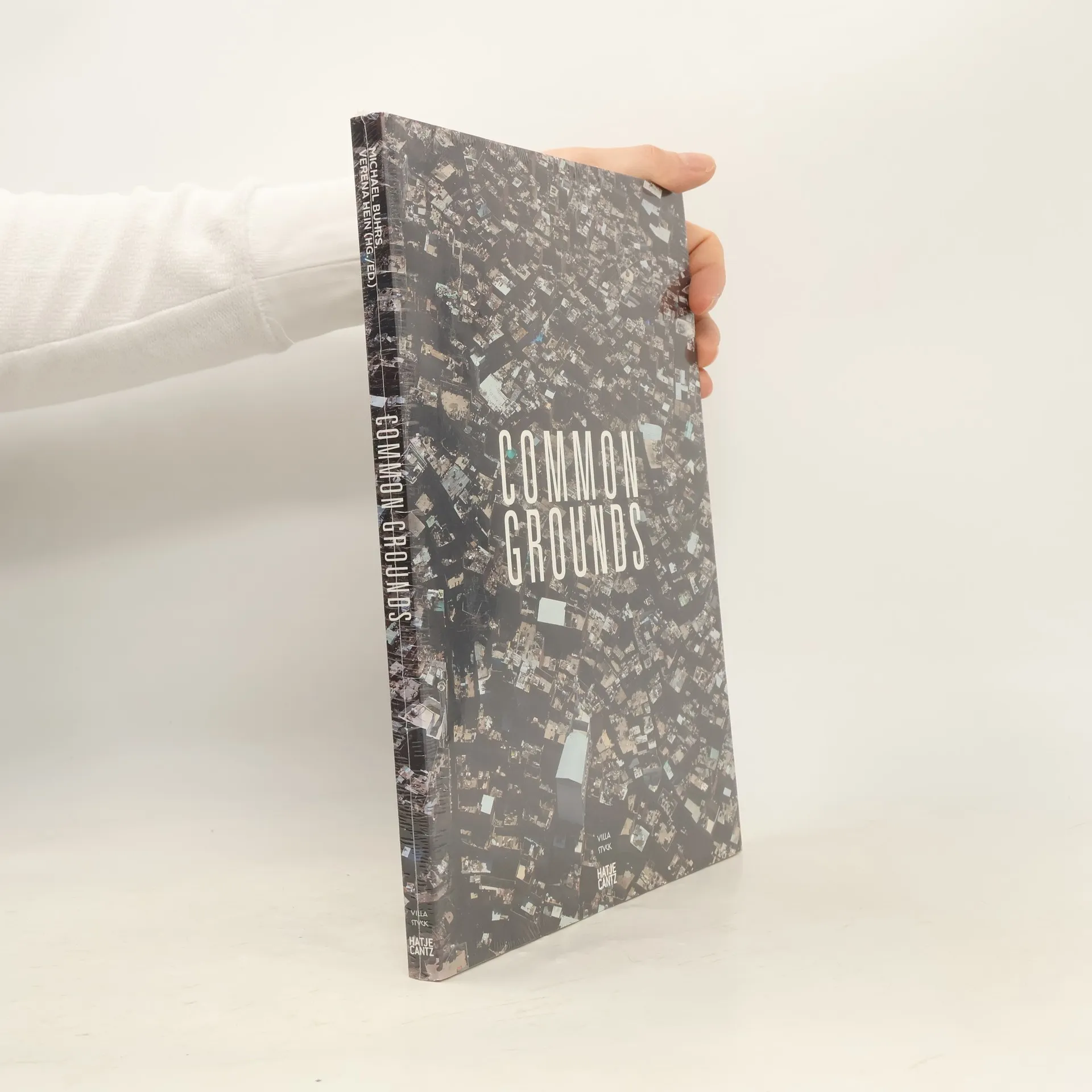
Die aufstrebenden Städte der Golf-Region und konfliktreiche Schauplätze im Mittleren und Nahen Osten sind zentrale Themen der aktuellen Medienberichterstattung. Der westliche Blick ist von den extremen Bildern aus diesen Gebieten geprägt. Die Publikation konterkariert deren manipulative Ästhetik mit Werken, die insofern einen vielschichtigeren Ansatz zeigen, als sie sich mit den dortigen gesellschaftlichen Bedingungen auseinandersetzen. Common Grounds bezieht sich auf das wissenschaftliche Modell des Grounding, die Annahme, dass zwischen Kommunikationspartnern ein gemeinsamer Wissensraum besteht, der den Dialog gelingen lässt. Dieser öffentliche Raum bildet das Sujet der präsentierten Arbeiten, die subjektive Erzählweisen jenseits kollektiver Geschichtsschreibung aufzeigen. In Christian Palestinian Archive (CPA) etwa gestaltet Dor Guez Archivmaterial, das persönliche Geschichten von Palästinensern christlichen Glaubens aus der ersten Hälfte des 20. Jahrhunderts dokumentiert. Die vorgestellten Künstler (Auswahl): Abbas Akhavan, DAAR, Parastou Forouhar, Babak Golkar , Dor Guez, Joana Hadjithomas & Khalil Joreige, Hazem Harb, Susan Hefuna, Bouchra Khalili, Sophia Al Maria, Ahmed Mater, Nasser Al Salem Ausstellung: Museum Villa Stuck, München 12.2.–17.5.2015
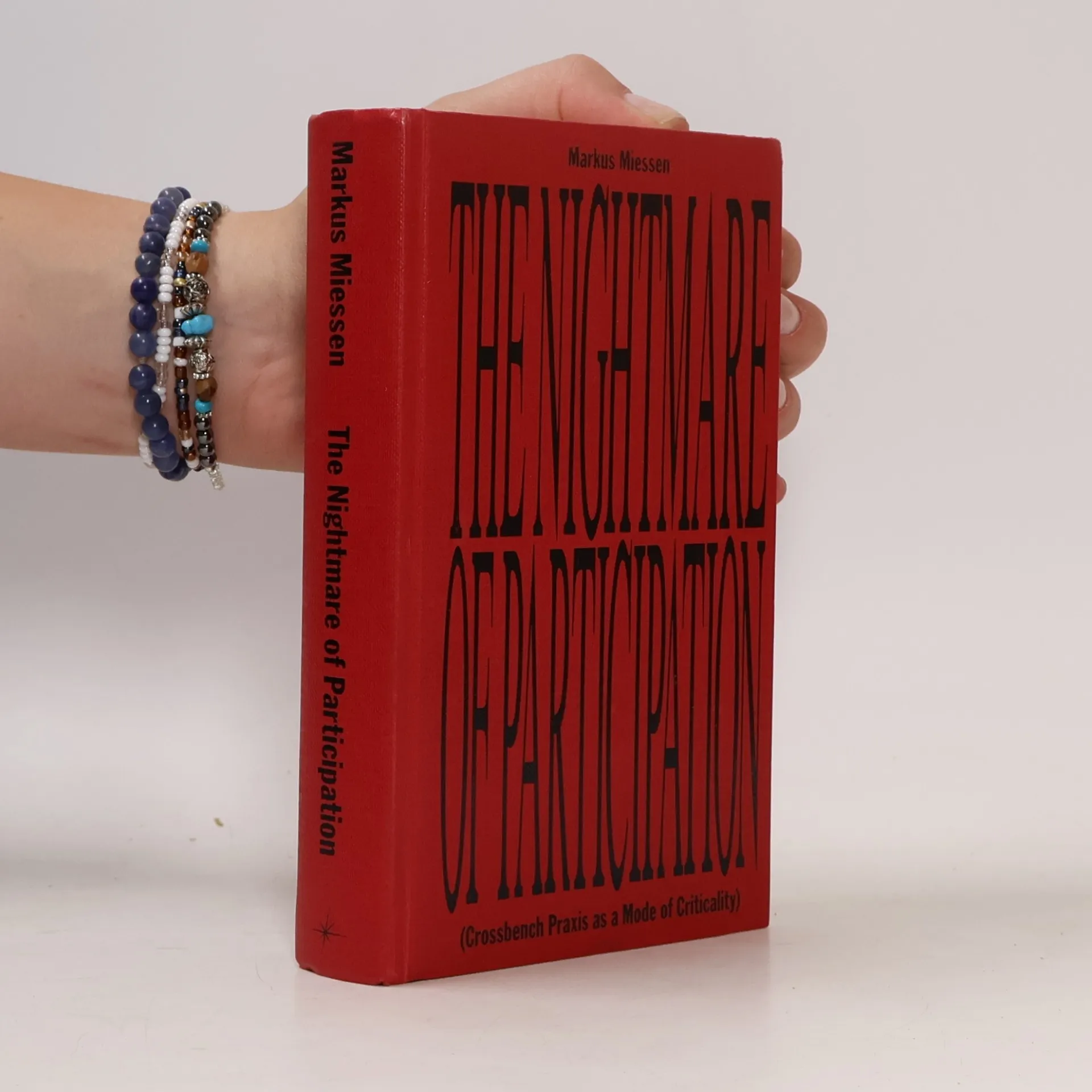
Welcome to Harmonistan! Berlin-based architect/writer Markus Miessen tackles the pervasive contemporary overuse of the concept of "participation" in the final part of his paradigm-changing trilogy. Supported by a nostalgic veneer of worthiness, phony solidarity and political correctness, participation has become the default of politicians withdrawing from responsibility. Miessen argues for an urgent inversion of participation, reflecting cogently on the limits and traps of its real motivations. He dreads breeding the next generation of facilitators and mediators, insisting on conflict as an enabling, instead of disabling, force. With refreshing candor, this internationally known architect and professor outlines a format for acting as uninvited irritant, forcing entry into fields of knowledge that arguably benefit from exterior thinking. Sometimes, Miessen writes, democracy has to be avoided at all costs!
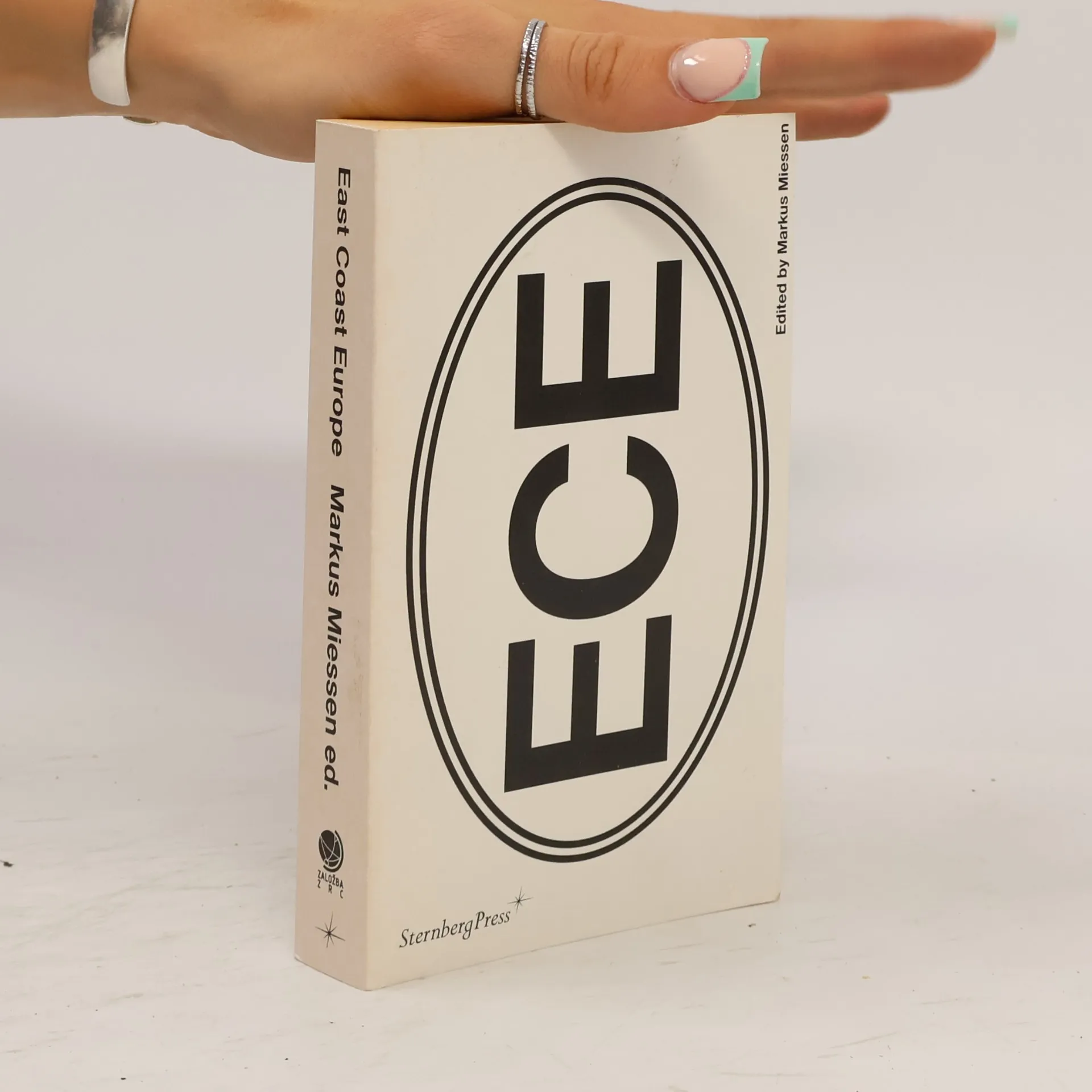
“East Coast Europe,” which took place during Spring 2008, is a project about the perceptions of contemporary European identity and its relation to spatial practices and international politics. The title “East Coast Europe” is a word play. “Europe” in the title is the central topic for investigation, its contemporary culture, expansion, and its status as a continuing social project. “East Coast” refers to two distinct edges of Europe, both real and imaginary―the geographical East Coast of the United States of America and the political “East Coast” of the European Union. The project invited leading figures in culture and politics from the two east coasts―of the United States of America, and of the countries in the European Union and its vicinity to comment on their perception of Europe today. East Coast Europe dives into the urgent details of a dense network of contemporary experience of the European Union's extensive exchange of knowledge, people, and goods with the East Coast of the United States and also with its own eastern border. What are its challenges and possibilities for social, political and spatial practices? Co-published with Zalozba ZRC, Ljubljana
What exactly is Europe? Is it an actual place or just a temporarycommunity based on shared political and economic interests? Editedby London-based architect and writer Markus Miessen, this compilationof essays, cartoons and other writings presents the world's mostdensely populated continent as a conflicted political space whoseidentity must be continuously negotiated. As the European Unionmaintains its eastward march to countries like Turkey, bleeding beyondits classically understood political boundaries, the questions continue.Produced to expound on Miessen's work from the Lyon Biennial in2007, this dense paperback accumulates diverse opinions exploringwhat it means to live in Europe today.