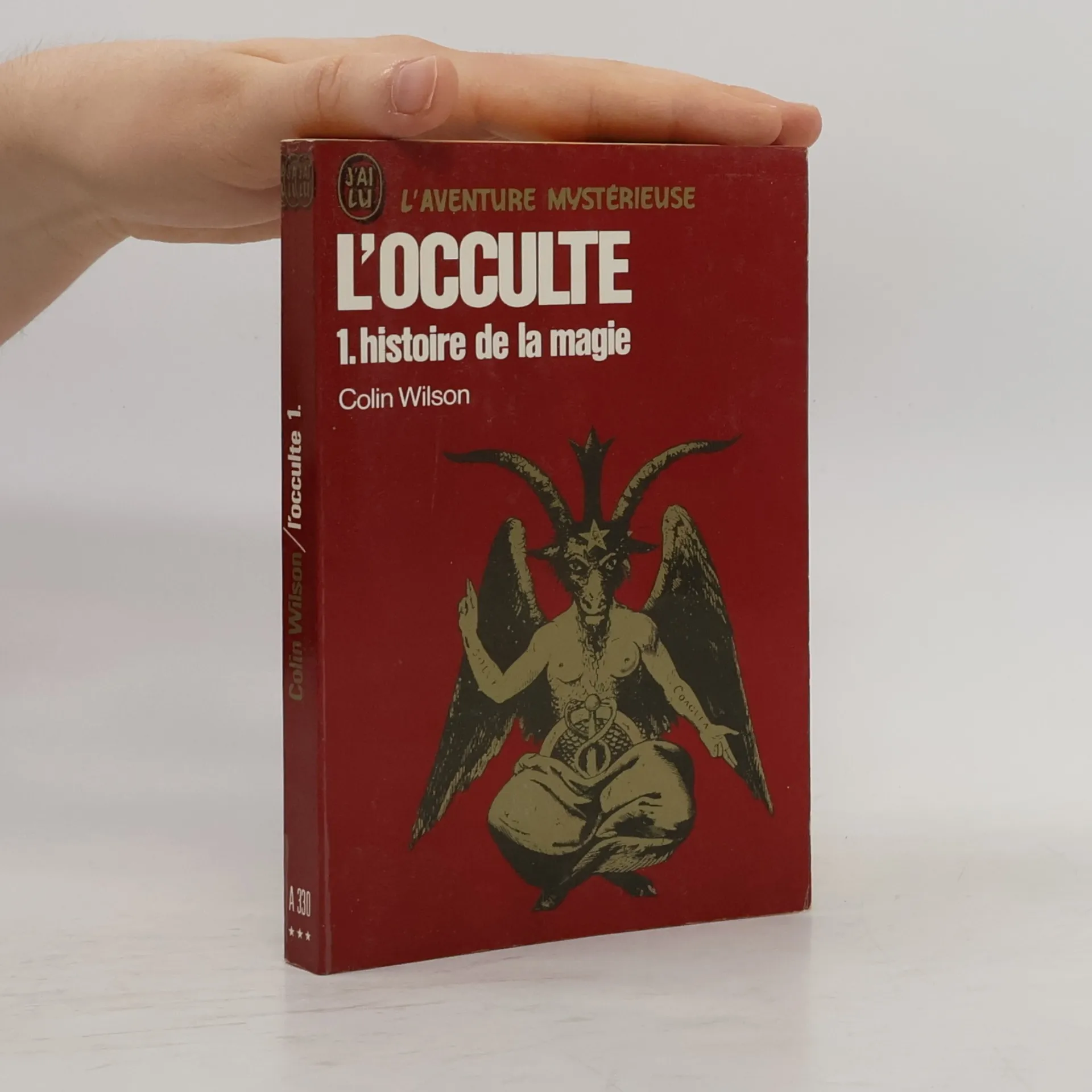
L'occulte
1. histoire de la magie


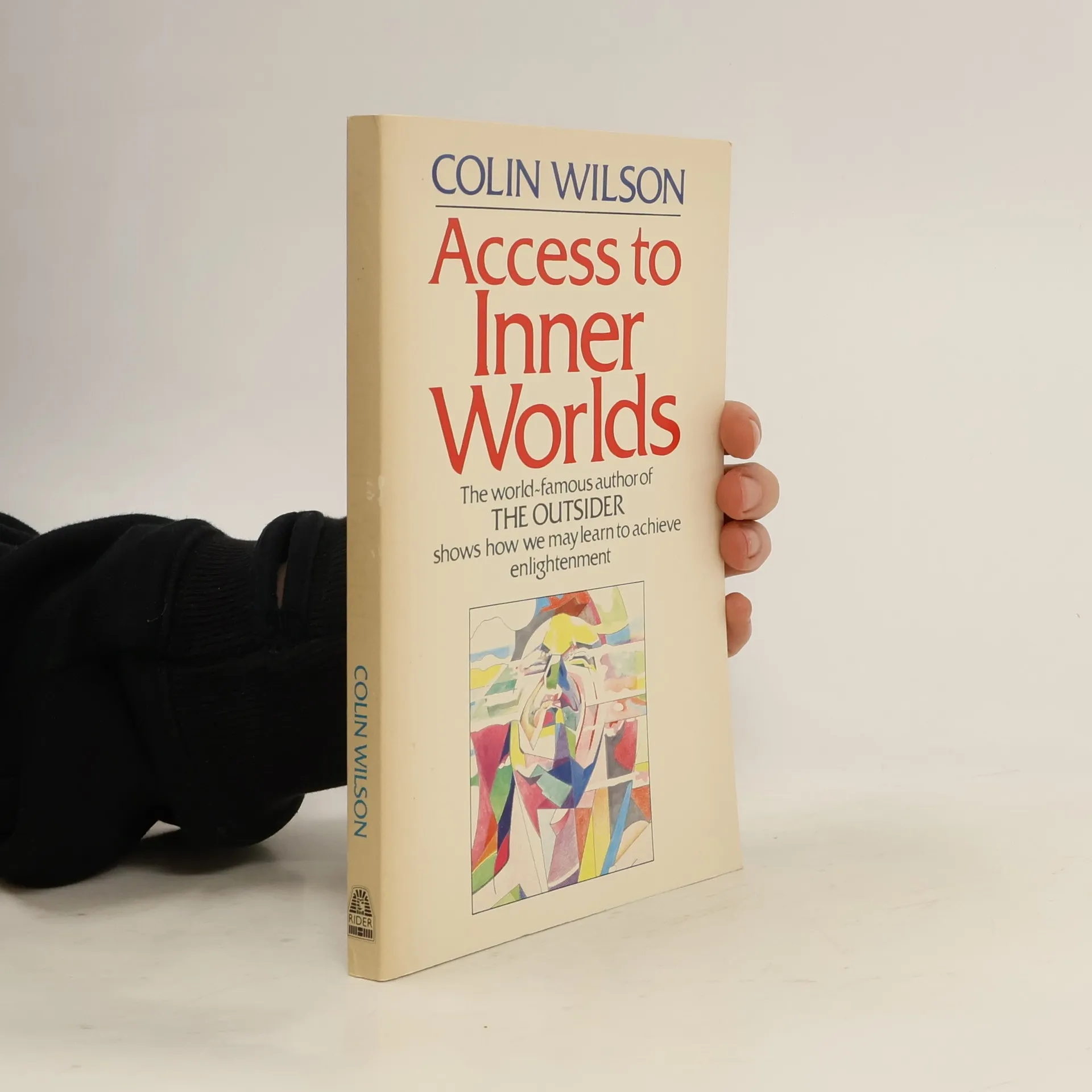
Colin Wilson était un auteur britannique qui a acquis une renommée pour son œuvre précoce examinant le rôle de l' 'outsider' social dans les œuvres de figures littéraires et culturelles clés. Dans ses écrits ultérieurs, Wilson a exploré les aspects positifs de la psychologie humaine, tels que les expériences de pointe et les limites de la conscience. Il a vivement critiqué l'accent existentialiste mis sur la défaite ou la nausée comme une vision incomplète de la réalité. Wilson a postulé que nos plus grands moments de joie et de sens sont aussi réels que les sentiments d'angoisse, et que vivre pleinement nécessite de transcender la conscience ordinaire et 'limitée'.


1. histoire de la magie
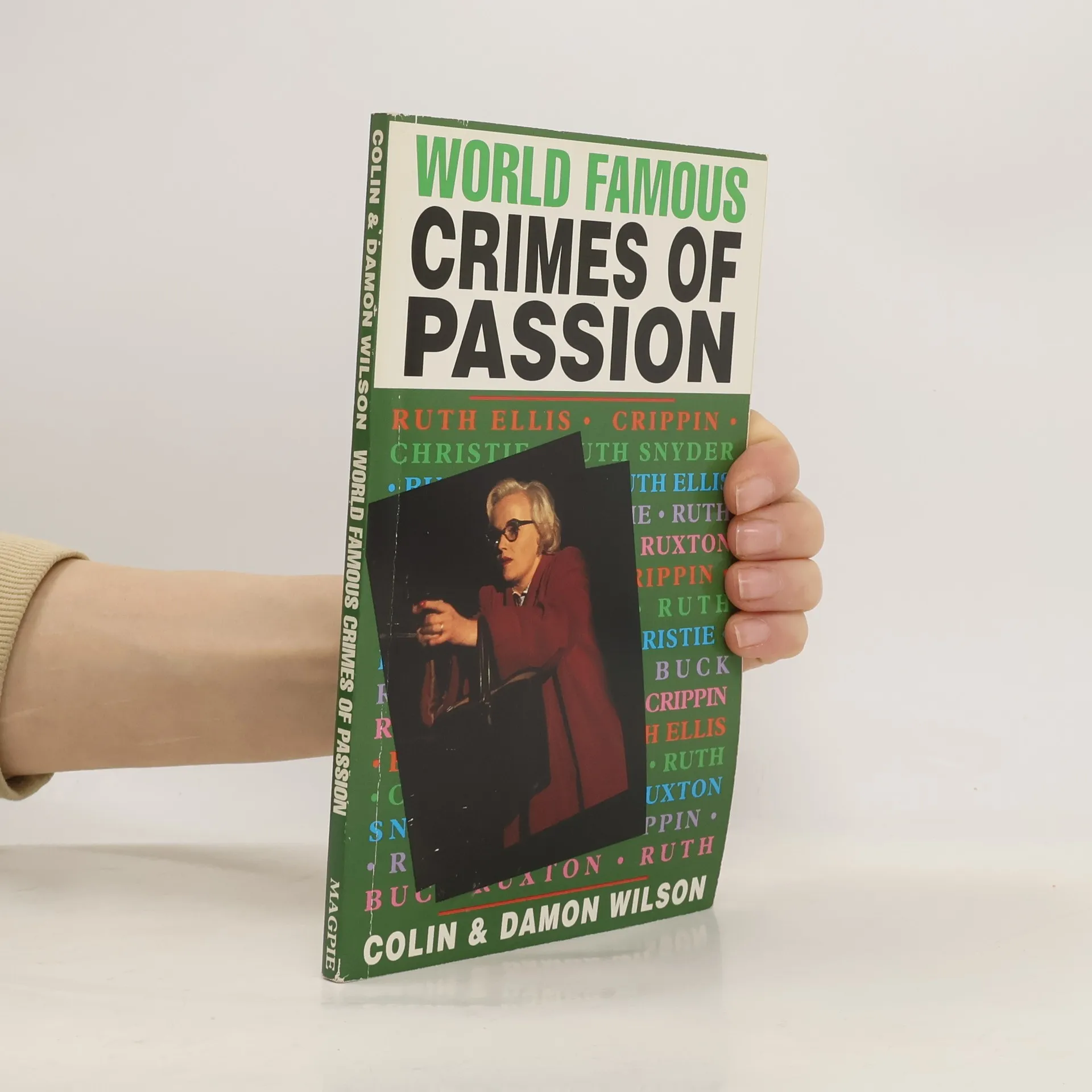
Chronicling over 150 emotionally-charged cases in which the heart ruled the head, invariably with fatal consequence, this work covers cases from all over the world, including Thompson and Bywaters, Snyder and Gray, Ruth Ellis, Howard Jacobson, and more. It offers an insight into the tortured minds of some of crime's infamous characters.
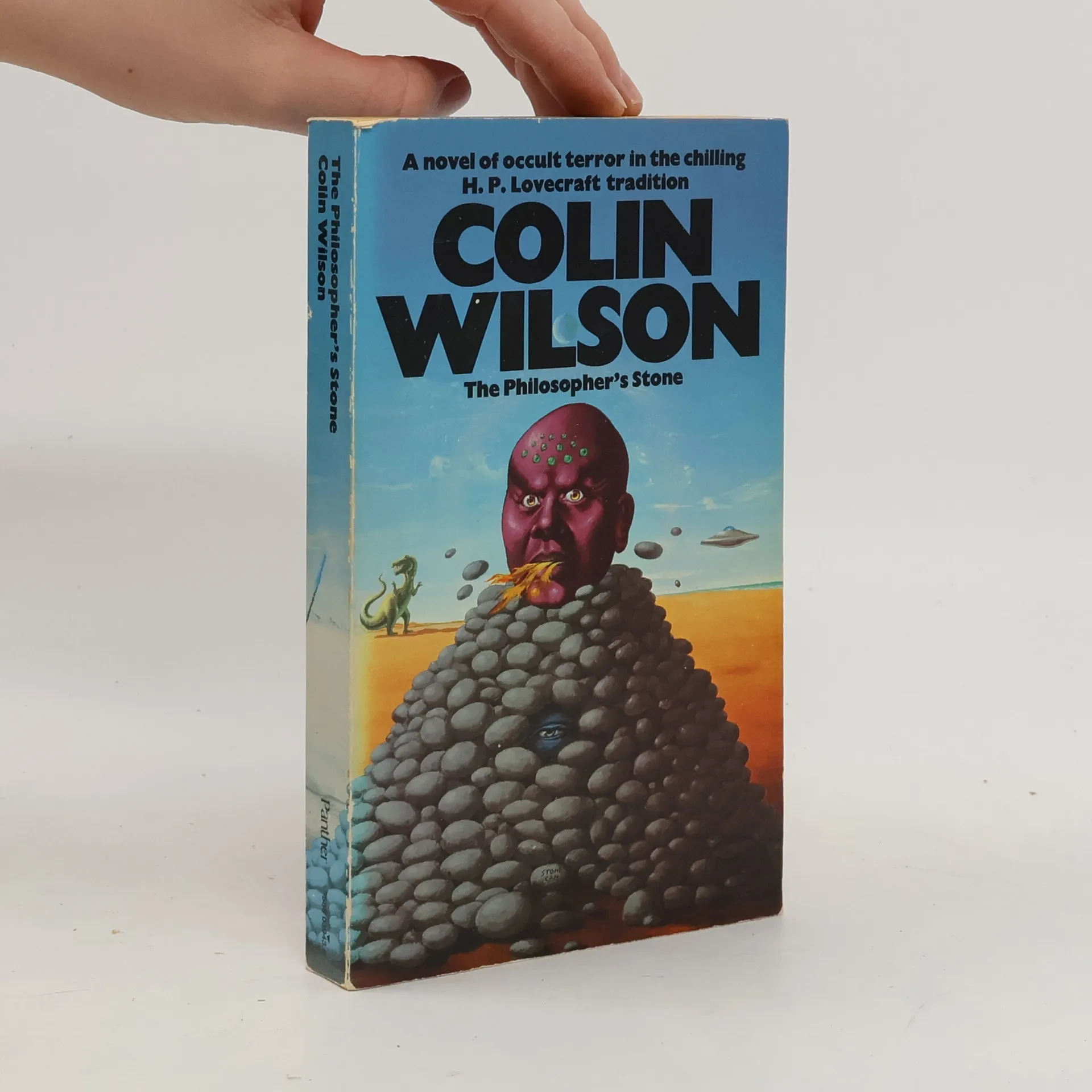
Colin Wilson has explored the paranormal universe ever since he researched his first highly successful work, The Occult: he reveals the usually unseen powers of the human mind and discusses why he has become convinced that disembodied spirits do exist.*Sunday Telegraph
At the age of twelve, I stumbled upon a collection of magazines in a secondhand bookshop, including H. G. Wells’s Outline of History. The captivating illustrations of prehistoric creatures and ancient civilizations sparked a profound fascination with world history. This excitement echoed the enchanting feeling children experience when they hear, “Once upon a time...” Years later, I encountered a condensed version of Wells’s work, which included a perplexing postscript titled “Mind at the End of Its Tether.” Written after World War II, it conveyed a disheartening view that humanity, or Homo sapiens, had reached its end. This stark contrast to the uplifting conclusions of earlier editions, which expressed hope for mankind’s future and the potential for peace through global cooperation, left me frustrated. I later asked a friend of Wells, biblical historian Hugh Schonfield, about this shift in tone. He suggested that Wells had once believed he possessed the solutions to humanity's problems but became disillusioned when he realized that no one shared his vision. This journey through Wells’s evolving perspective on history and humanity's fate continues to resonate, highlighting the complexities of our existence and the challenges we face.
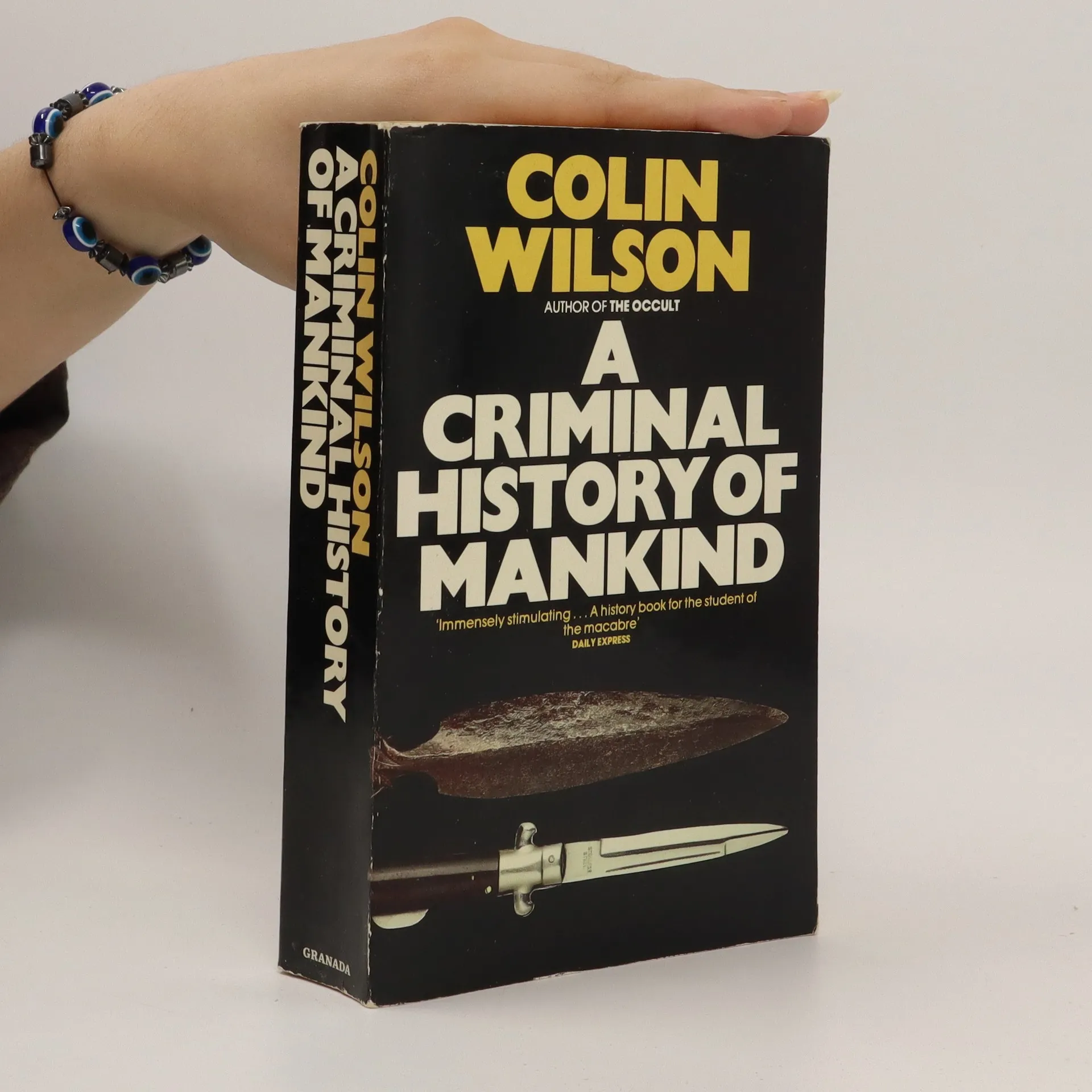
A description and analyses of some of history's most infamous crimes and their perpetrators; the Moors murderers, the Lindbergh baby case, the death houses of 10 Rillington Place and 25 Cromwell Street, and many more horrors from the dark side of the human soul.
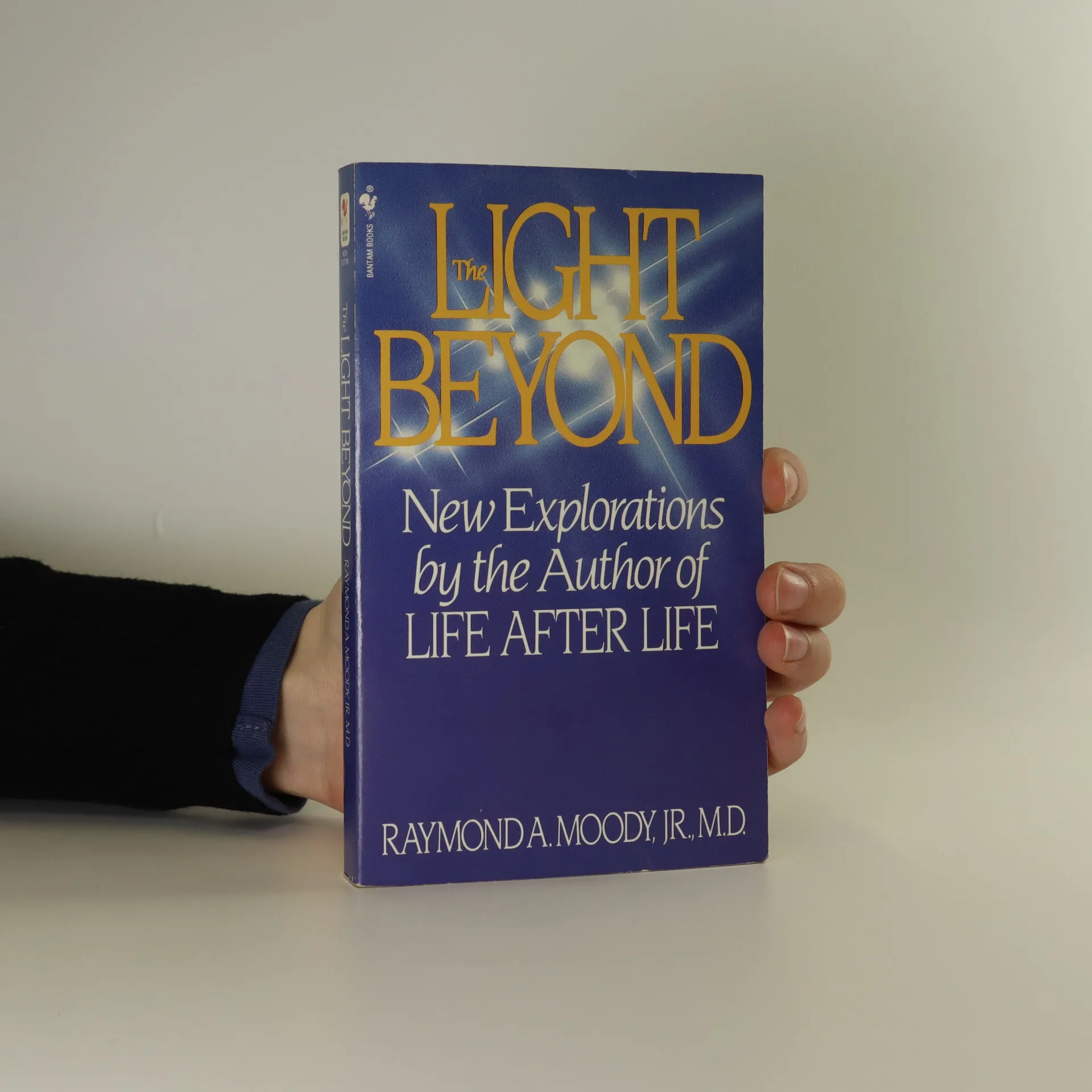
Complies new case histories of near-death experiences, discusses two phenomena not covered in previous books, and describes the profound, often life-transforming, influence of near-death experiences
In the 6th & last book of the Outsider series, Colin Wilson attacks the doom prophets of existentialism with a different, more accurate philosophy. He notes that the existentialism of the early 20th century is due mainly to poor thinking habits & erroneous self-pity. He describes his idea of peak experiences―times when one feels more vitally alive & interested in the world―& the role of sex & danger as stimuli of some such experiences. An appendix recounts his experience of taking mescalin to investigate modes of consciousness & perception.
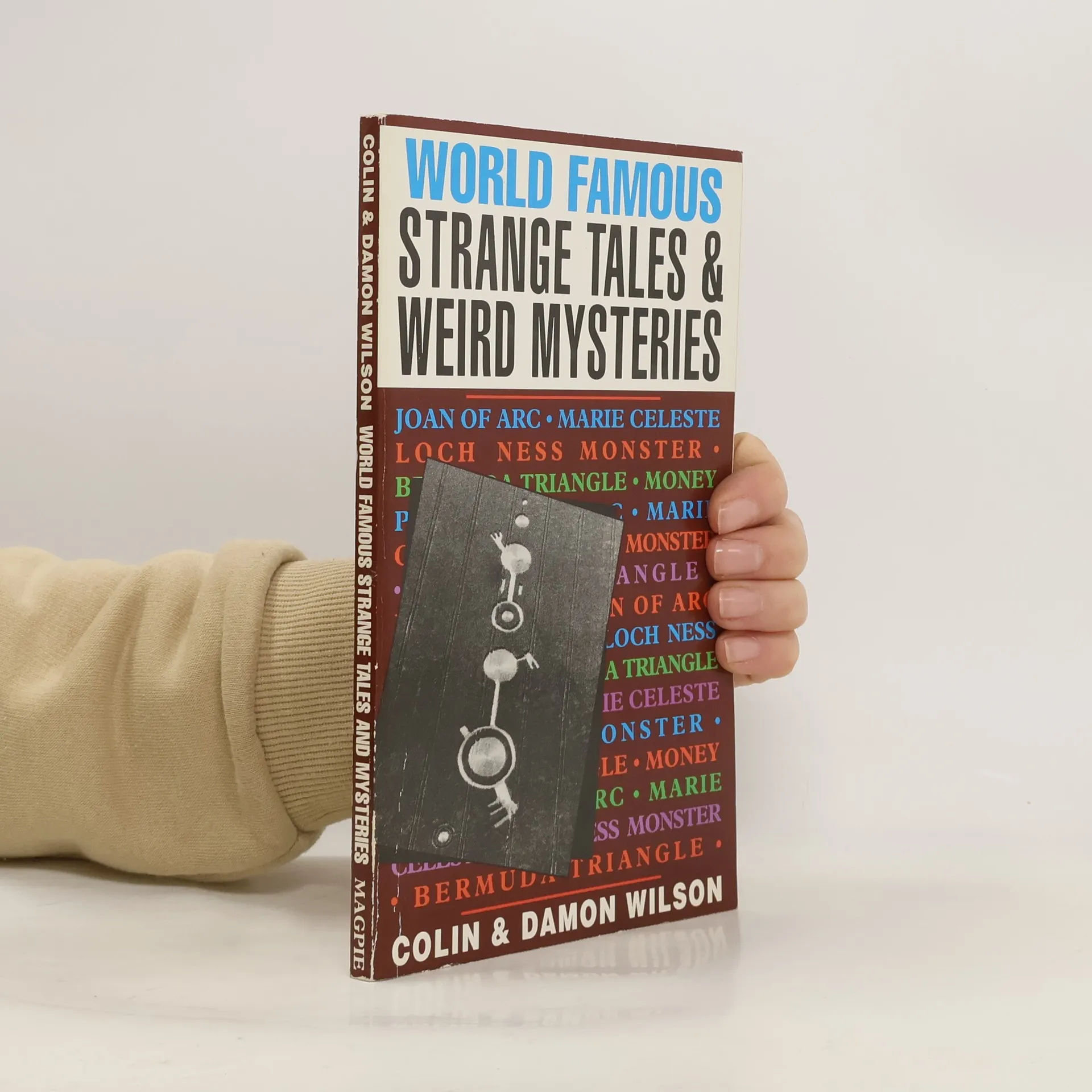
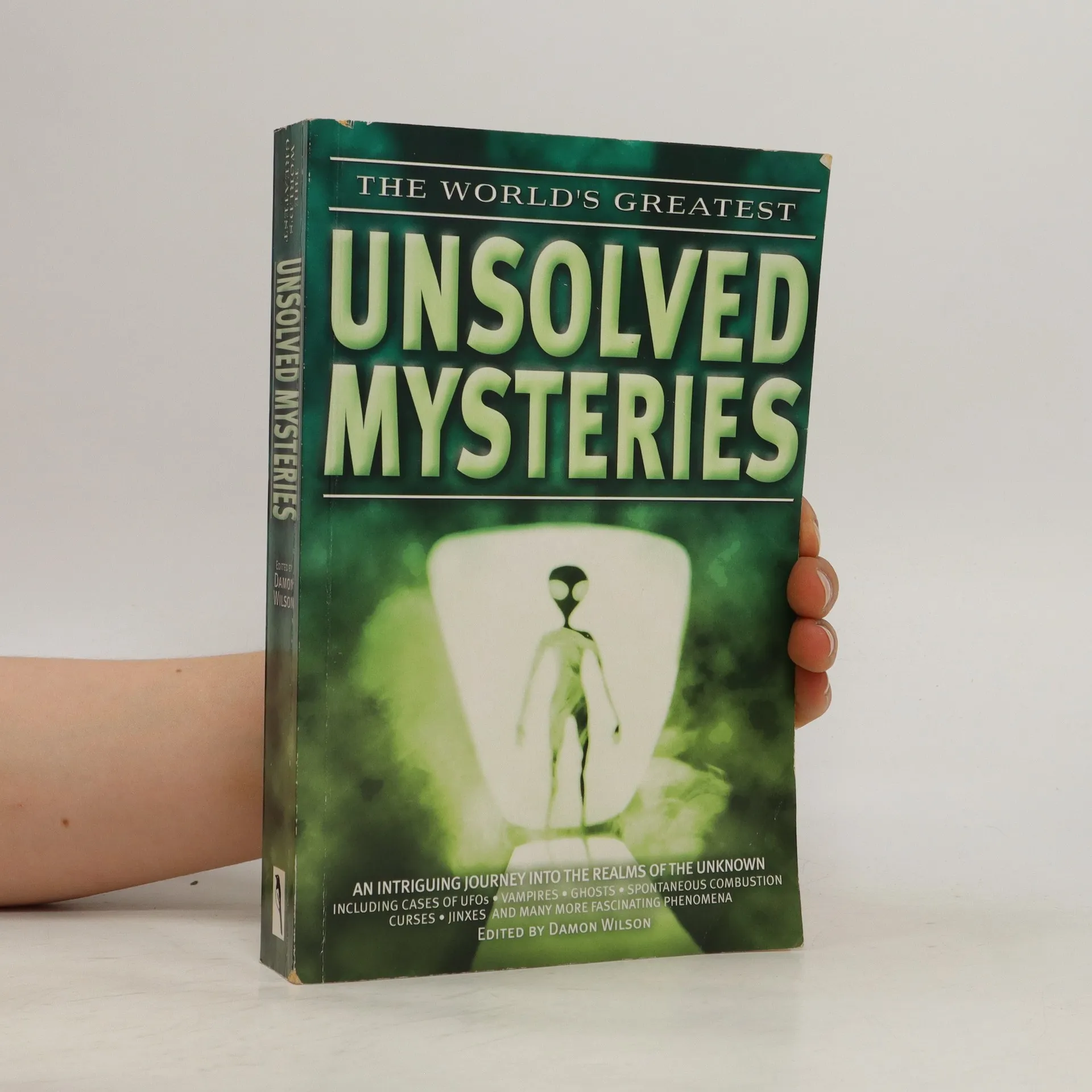
"In this truly bizarre collection, Damon Wilson investigates the full stories behind some of the most incredible phenomena that have baffled scientists and facinated the rest of the world for millenia."--Back cover.
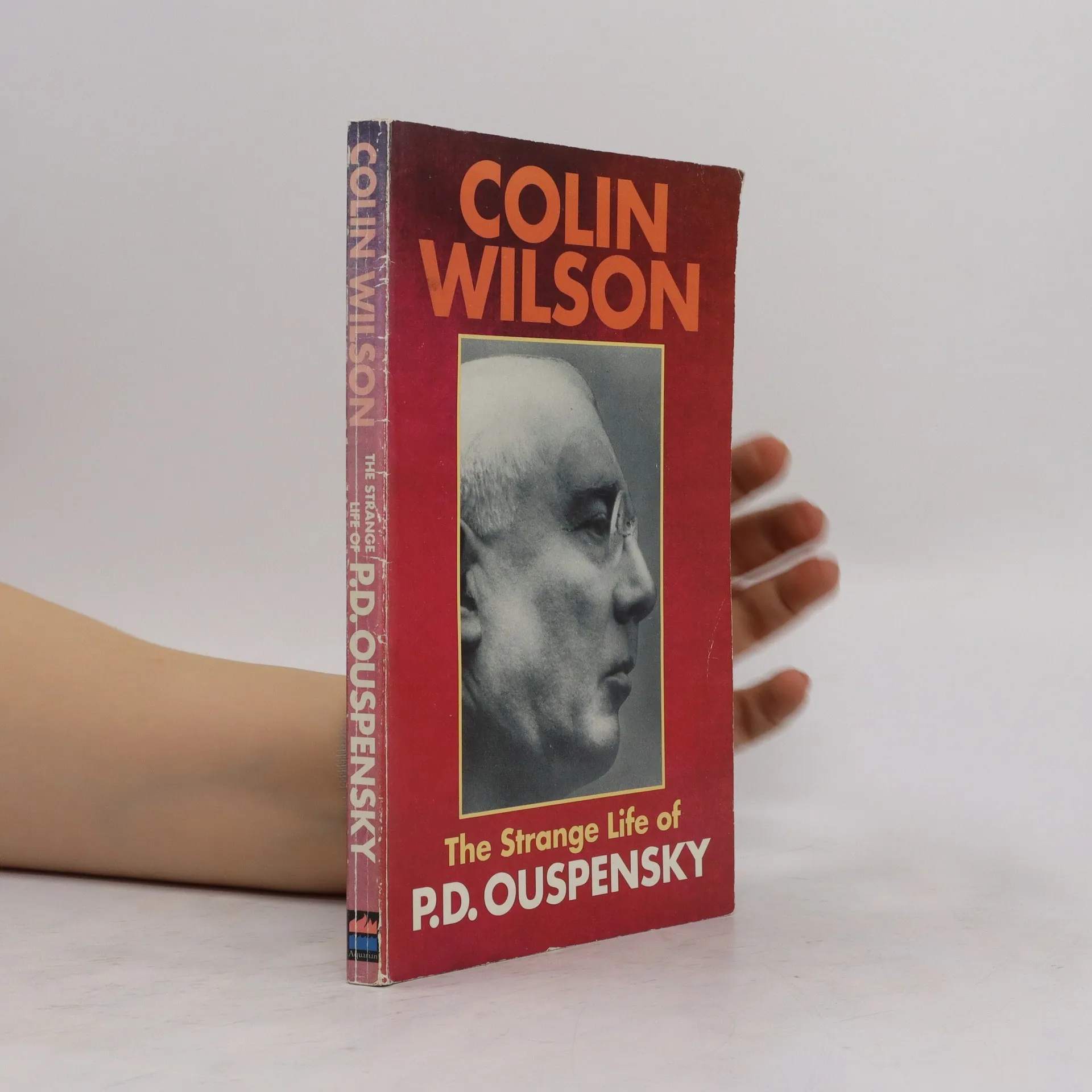
One of the most original thinkers of the twentieth century, Pyotr Demianovich Ouspensky was a complex and romantic soul. A promising young intellectual in Tsarist Russia, he won recognition as a novelist and philosopher, yet descended into self-chosen obscurity as a teacher of 'the Work', the system of his great contemporary Gurdjieff. Today, it is as Gurdjieff's chief disciple that he is remembered, yet Colin Wilson argues convincingly that he is to be considered a major writer and man of genius in his own right. A nostalgic melancholy Russian, on of Ouspensky's deepest instincts was that man can find his own salvation, yet towards the end of his turbulent life he lost faith in the System and drank himself to death. With sympathy and admiration, Colin Wilson throws new light on this gentle man and deep thinker.
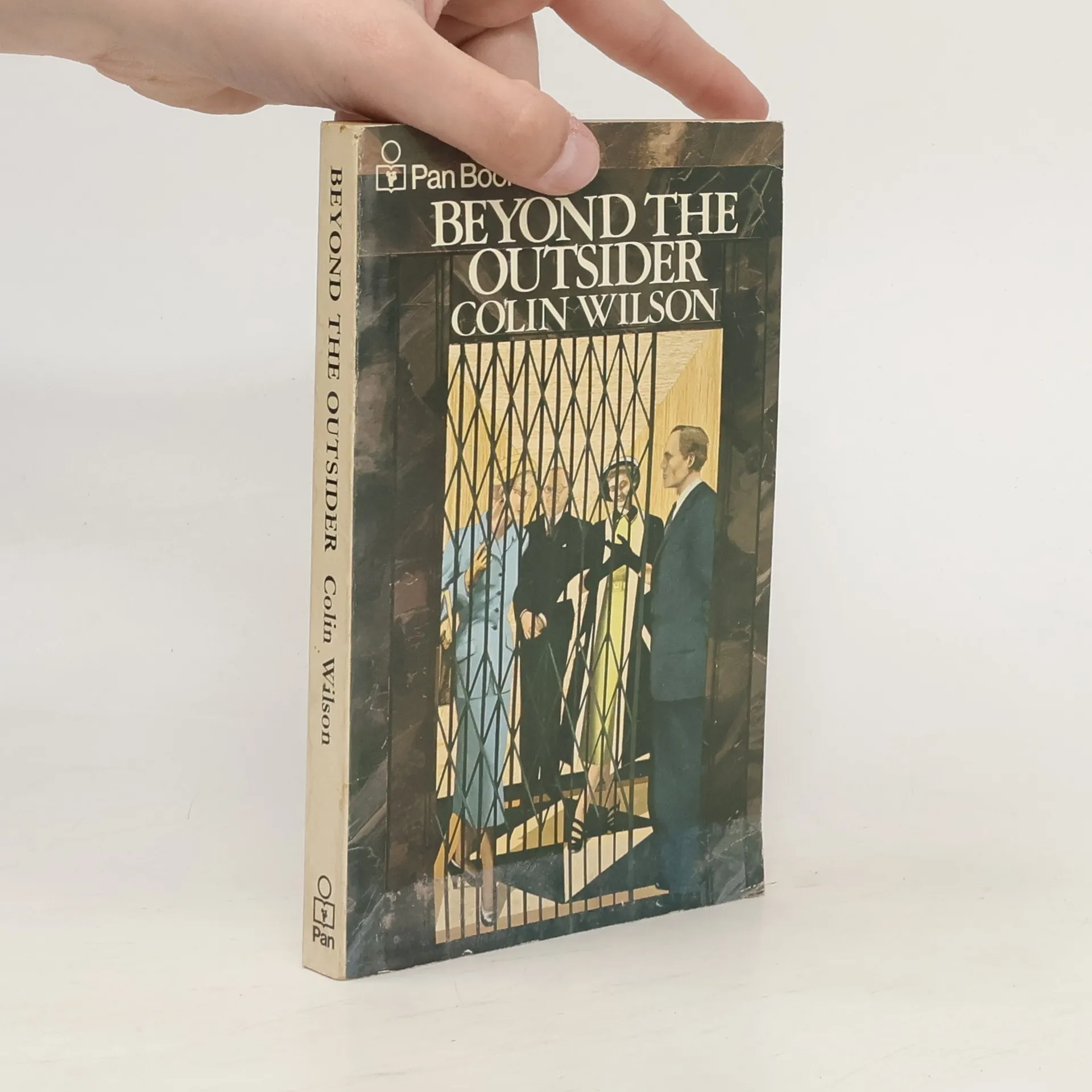
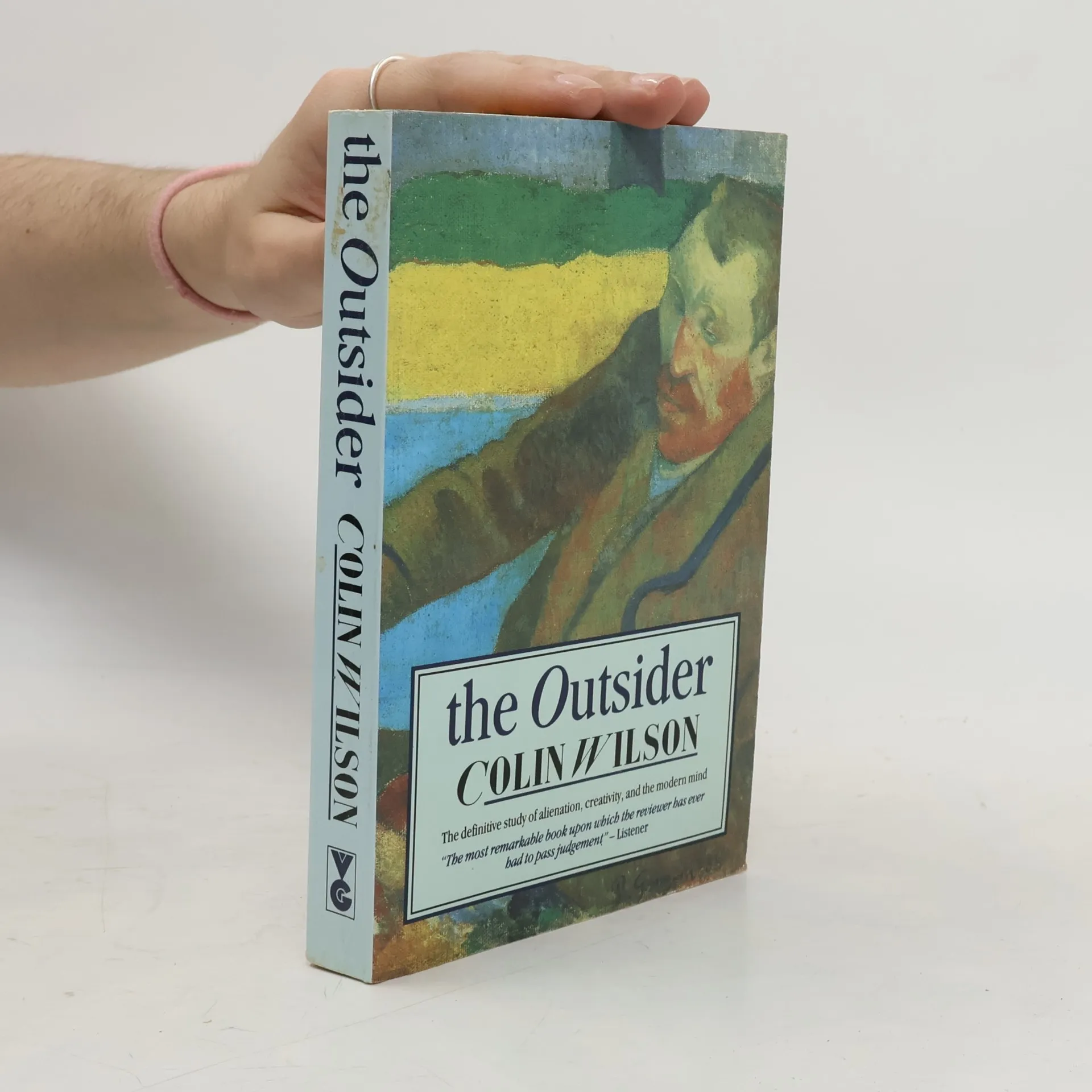
Here, for the first time in paperback, is Colin Wilson's second book, successor to his acclaimed The Outsider. In it he answers the charge that the Outsider is just an intellectual fad, showing instead that he is a powerful symbol of rebellion against materialist society and a product of the lack of spiritual tension, or vision, in all declining civilisations. In a series of studies ranging from Bernard Shaw to Wittgenstein he probes deeper into the psychology of the Outsider while at the same time establishing the historical and cultural background. In these examples we see the development of Colin Wilson's central concern; how can man extend his consciousness? - a concern which he has developed constantly over the ensuing twenty-five years and more. In a new introduction the author, while looking back at his younger self with some wry criticism mingled with approval, affirms his belief in the Outsider as a contemporary symbol. The only difference now, he feels, is that the Outsider has never had it so good.
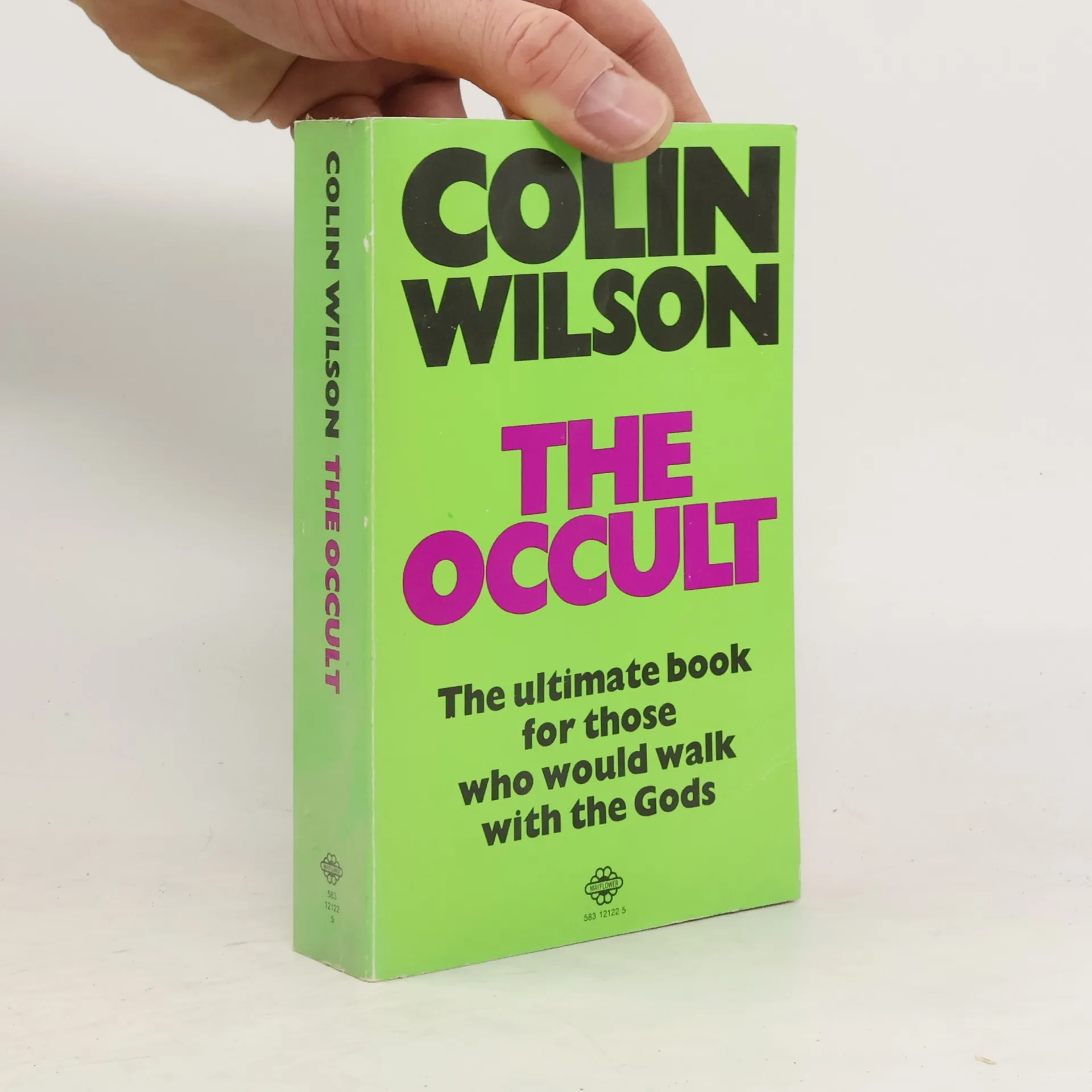
Topics include Aleister Crowley, G.I. Gurdjieff, Helena Petrovna Blavatsky, Kabbalah, primitive magic, Franz Anton Mesmer, Gregor Rasputin, Daniel Dunglas Home, Paracelsus, P.D. Ouspensky, Wm Blake, Giovanni Jacopo Casanova, Cornelius Agrippa etc. Acknowledgments Preface Introduction Part 1: A Survey of the Subject Magic-The Science of the Future The Dark Side of the Moon The Poet as Occultist Part 2: A History of Magic The Evolution of Man The Magic of Primitive Man Adepts & Initiates The World of the Kabbalists Adepts & Imposters The 19th Century--Magic & Romanticism The Beast Himself Two Russian Mages Part 3: Man's Latent Powers Witchcraft & Lycanthropy The Realm of Spirits Glimpses Bibliography Index
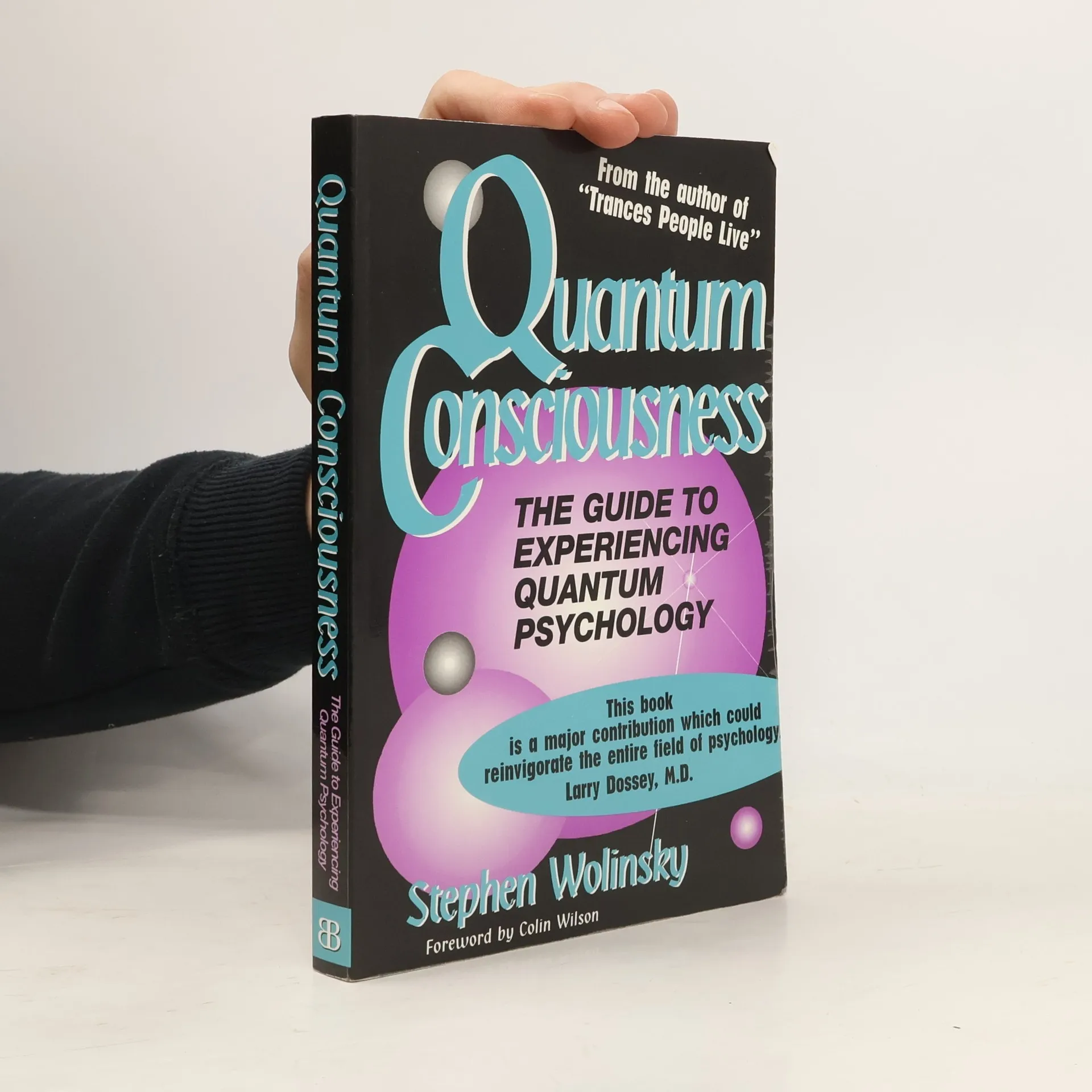
This adventure into far-reaching psychological thought provides more than eighty exercises -- designed to be done alone, in pairs, or in a group setting -- for exploring the underlying unity that is quantum consciousness and the quantum approach to problem resolution.
Our world ruled by insects? Once the Earth was ruled by humans, and insects were very small, with even the largest no bigger than a man's fist. But now, in the 25th century, humans serve giant beetles and spiders as slaves and often as food. Slaves all, or servants - except for those who live in the desert, spending most of their time underground. For Niall and his family, life is hard, but together they eke out an existence until the day Niall does what was said to be impossible. He kills a spider. This powerful act brings Niall to the attention and seat of the Spider Lord. But as he finds himself deep within the hostile city of the spiders, Niall also meets allies: Odina, a spider servany born and bred, and Bill, no mere man but an honorary beetle. Niall's special gift makes him useful to the spiders, who want access to their city's greatest mystery: an impenetrable white tower. But Niall alone can enter, and what he finds inside are the very facts of our planet's history and humanity's last chance for freedom and a future. Armed with the secrets of the white tower, the humans mount an epic struggle for power against the vast and brutal forces of the tyrannical Spider Lord.
The Rebel Alliance has struck a vital blow against the Empire by destroying the Death Star. As Rebels unite and civil war erupts across the galaxy, who will be left standing?
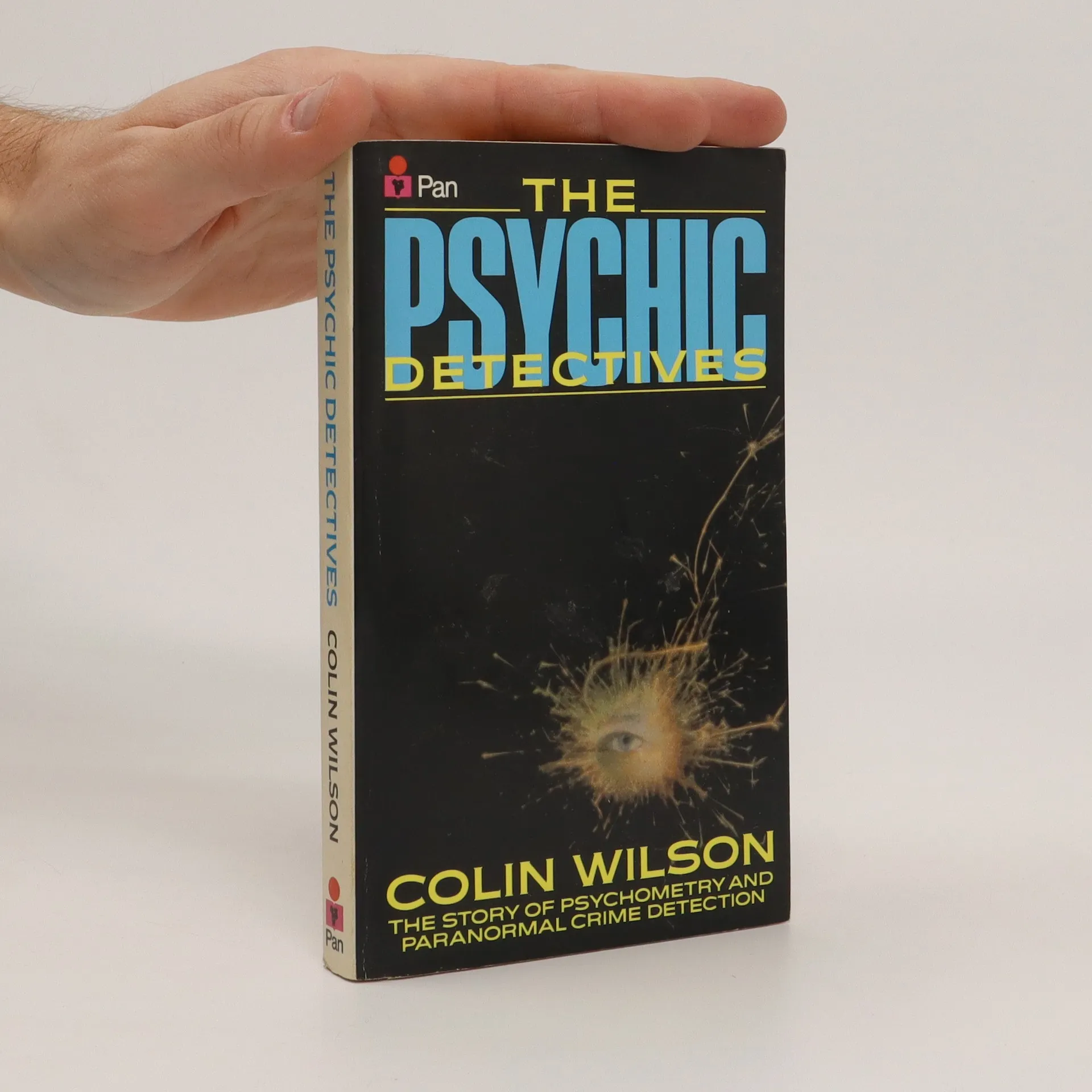
At the outset it should be stated that this book by the author of The Occult and The Outsider is only tangentially about paranormal crime detection, and is not for true crime buffs. While focusing on psychometry, Wilson surveys parapsychological phenomena with emphasis on the 19th and 20th centuries. Psychometry, which is closely related to telepathy and clairvoyance, involves the psychic's touching of an object or, in some instances, only being in the presence of an object, and "reading" that object's history or the history of a person closely associated with it. The phenomenon, according to the author, has applications to police work and has been successful in archeological studies. But emerging from Wilson's admitted "bewildering array of facts" are his devout faith in poltergeists, spiritualism, dowsing and related areas, and his intention to convert skeptics.
The Definitive Study of Alienation, Creativity, and the Modern Mind
The Outsider is the seminal work on alienation, creativity & the modern mind-set. First published over forty years ago, it made its youthful author England's most controversial intellectual. The Outsider is an individual engaged in an intense self-exploration-a person who lives at the edge, challenges cultural values & "stands for Truth." Born into a world without perspective, where others simply drift thru life, the Outsider creates his own set of rules & lives them in an unsympathetic environment. The relative handful of people who fulfilled Wilson's definition of the Outsider in the 1950s have now become a significant social force, making Wilson's vision more relevant today than ever. Thru the works & lives of various artists--including Kafka, Camus, Eliot, Hemingway, Hesse, Lawrence, Van Gogh, Nijinsky, Shaw, Blake, Nietzsche & Dostoyevski--Wilson explores the psyche of the Outsider, his effect on society & society's effect on him. Wilson illuminates the struggle of those who seek not only the transformation of Self but also the transformation of society as a whole. The book is essential for everyone who shares his conviction that "a new religion is needed".
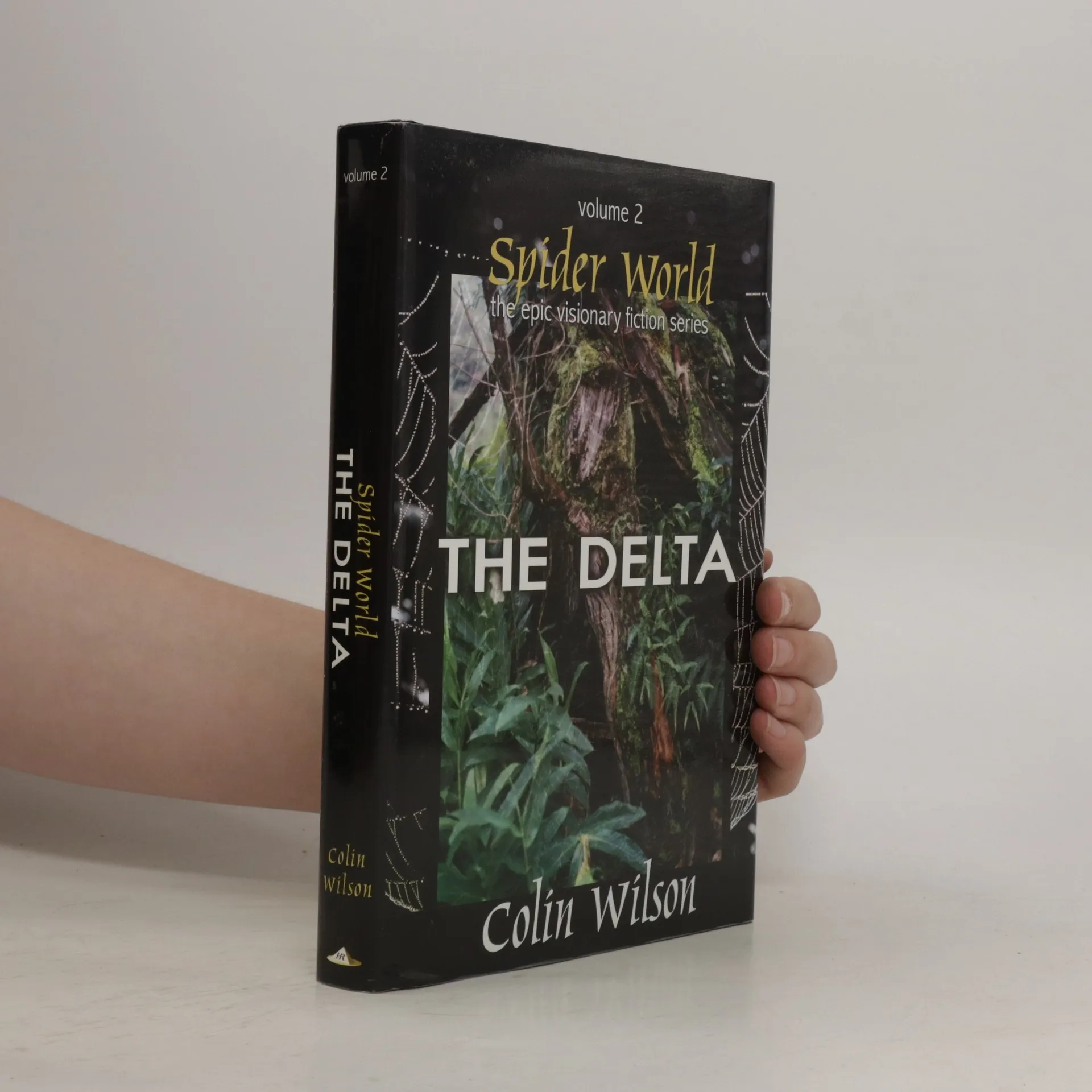
In the twenty-fifth century, spiders are lords of the earth. Humans live as their slaves (or food) or as servants to the spiders' allies, the beetles. Challenging the spiders' deadly rule are a young man named Niall and his allies. In the first volume, Spider World: The Tower, Niall forced the seemingly invincible Spider Lord to an uneasy standoff.In this volume, Niall leads an expedition to the mysterious and deadly Delta, the purported source of the Spider Lord's powers. To read their destination the insurgents must brave stormy seas, transverse treacherous beaches, and escape the jaws of flesh-eating trees and other dangers of a sinister jungle.
An extraordinary guide to the world's most intriguing and mystical religious places captures their myths, legends, and continued importance, while journeying to places such as the Egyptian pyramids, Mayan and Aztec sites, and the religious centers of Jerusalem and Mecca.
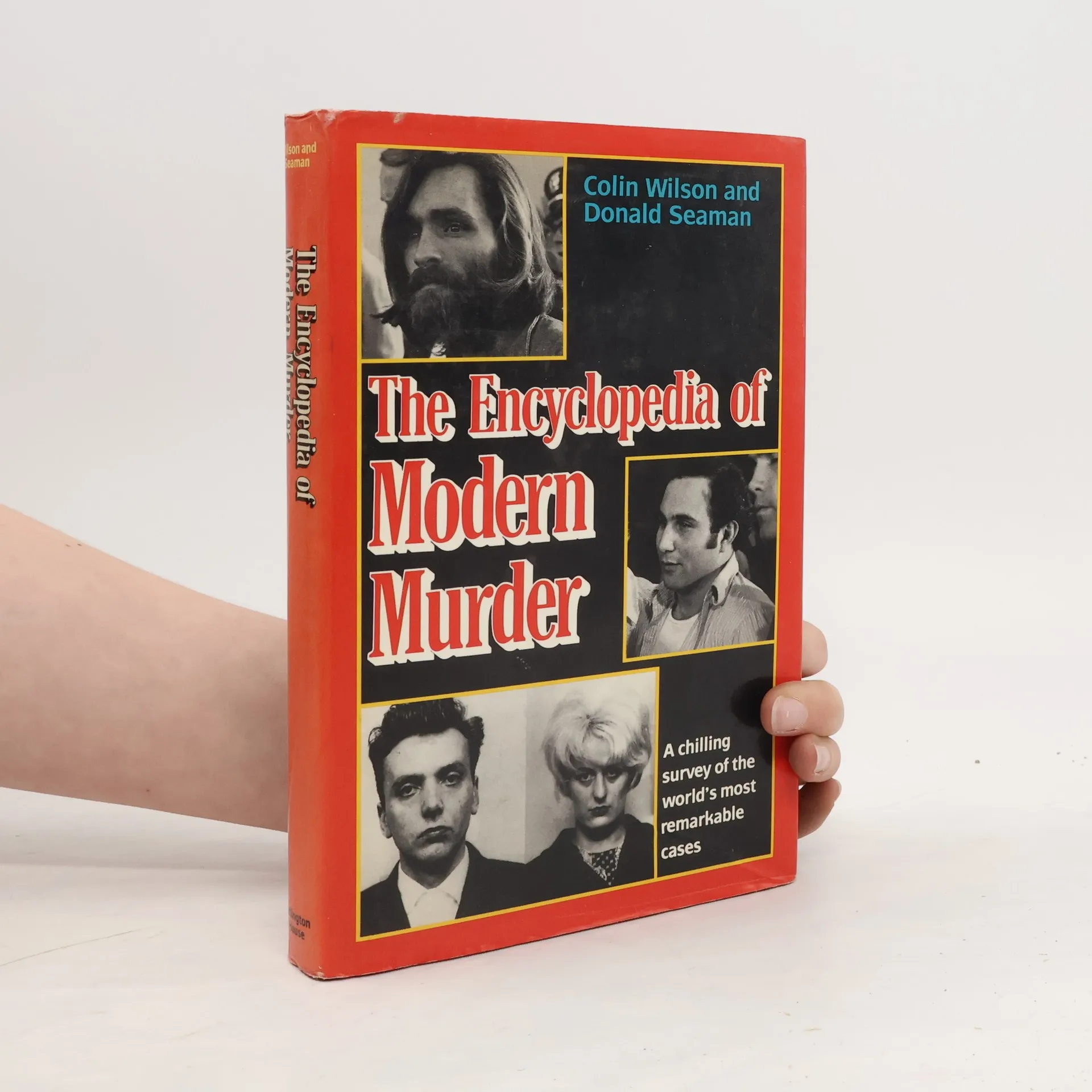
This illustrated book reports and analyzes in vivid detail the most remarkable murder cases of the twenty-year period, 1962-1982, and identifies changes in the patterns of violence in the civilized world
. 1983, bright clean copy, no markings, light fading to covers, Professional booksellers since 1981
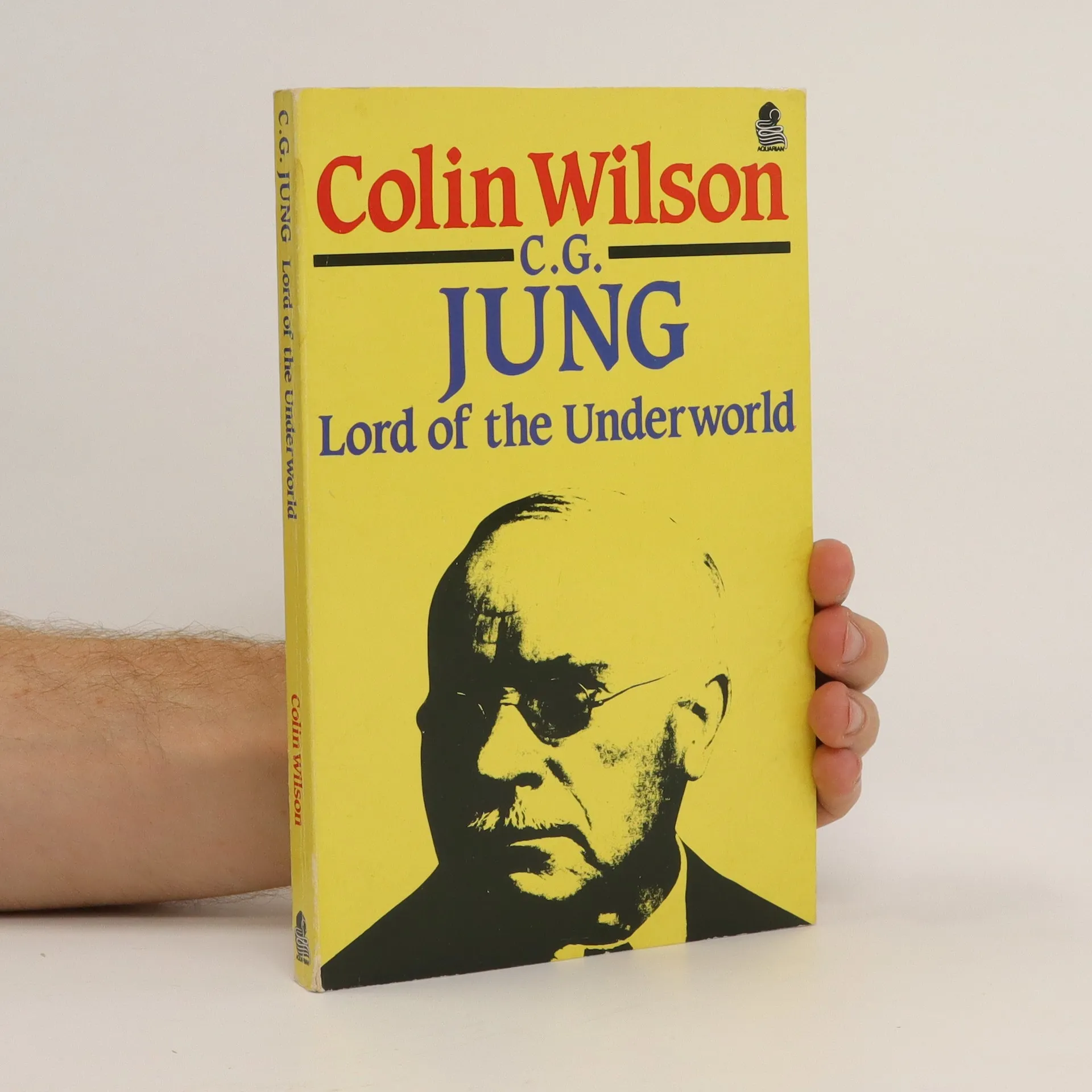
Dr. Carl Gustav Jung is a seminal figure in the history of depth psychology. An enormously influential & original thinker, he was for some time Freud's principal disciple, but he became more & more critical of the psychoanalytical emphasis on repressed sexual tendencies. After the 1912 publication of Symbols of Transformation, he broke away from Freud to develop his own technique of analytical psychology. Jung's clinical work & his own experience of occult phenomena led him to formulate & describe a number of key concepts which have now passed into general currency, including the theory of archetypes; the collective unconscious; synchronicity; & the idea of active imagination, a technique of conscious dreaming. With characteristic fluency, Colin Wilson weaves a fascinating biographical narrative with a penetrating analysis of Jung's ideas, providing a clear, readable introduction to his life & work.
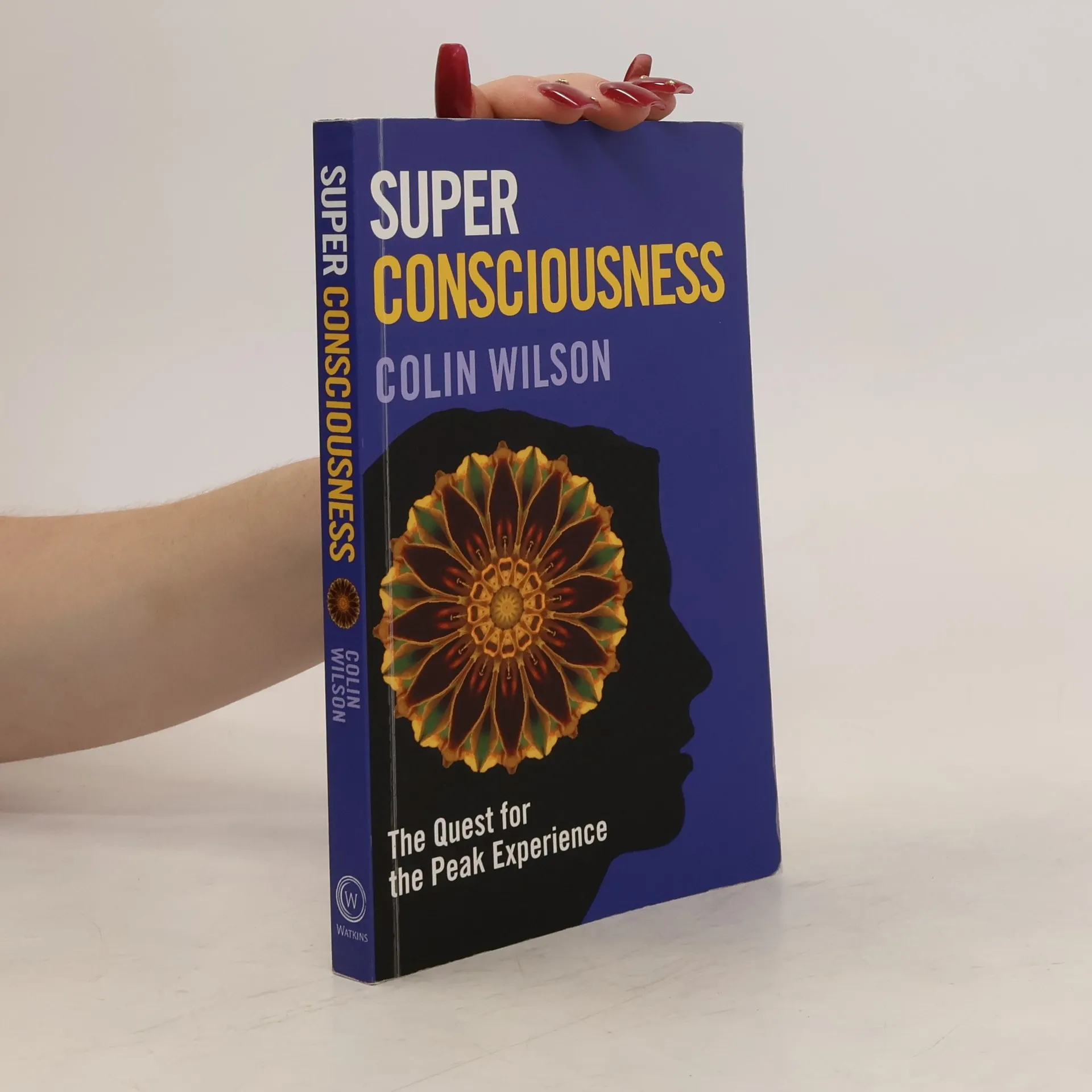
The book explores the concept of Peak Experiences, heightened states of awareness triggered by extreme emotions, as identified by Colin Wilson. Drawing on the insights of notable figures like Yeats, Blake, Sartre, Nietzsche, and Graves, it examines how these experiences have influenced creativity and understanding throughout history. Wilson shares personal anecdotes and historical examples to illustrate a recurring pattern of insight linked to emotional states. The work concludes with practical guidance for readers seeking to harness this power of consciousness in their own lives.
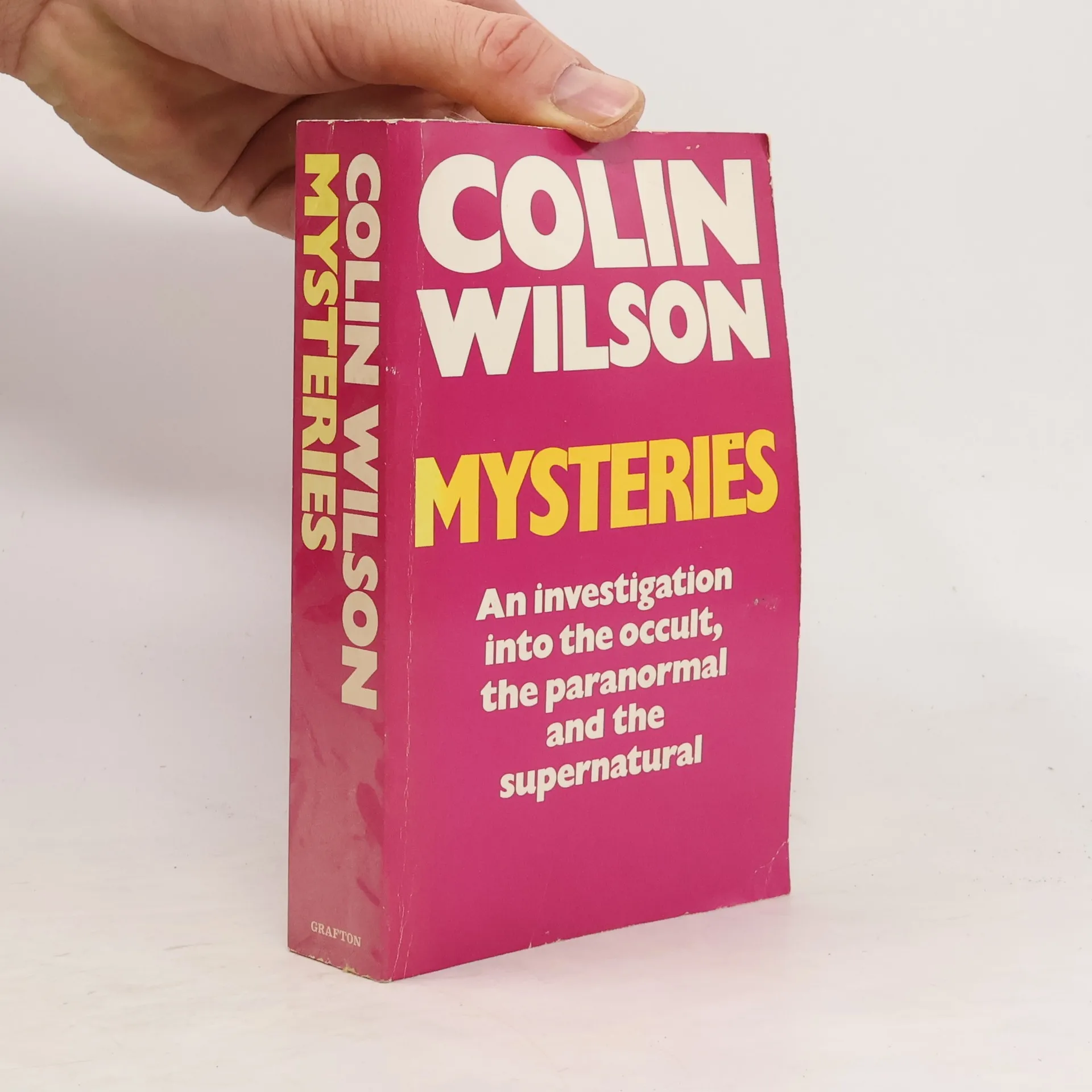
Through personal experience, Colin Wilson discovered that human beings consist of a ladder or hierarchy of selves, whose upper members may be called upon at will for personal transformation and deep knowledge. Wilson’s new-found knowledge spurred him to write Mysteries: An Investigation into the Occult, the Paranormal & the Supernatural an attempt to apply his theory to all paranormal phenomena, from precognition to Uri Geller's spoon bending. He presents detailed studies of hauntings, possession, and demonic hypnosis, as well as magic, the Kabbalah, and astrology. At the heart of his work is a fascinating discussion of the “Great Secret” of the alchemists, which Wilson sees as the key to the mystery of the “ladder of selves.
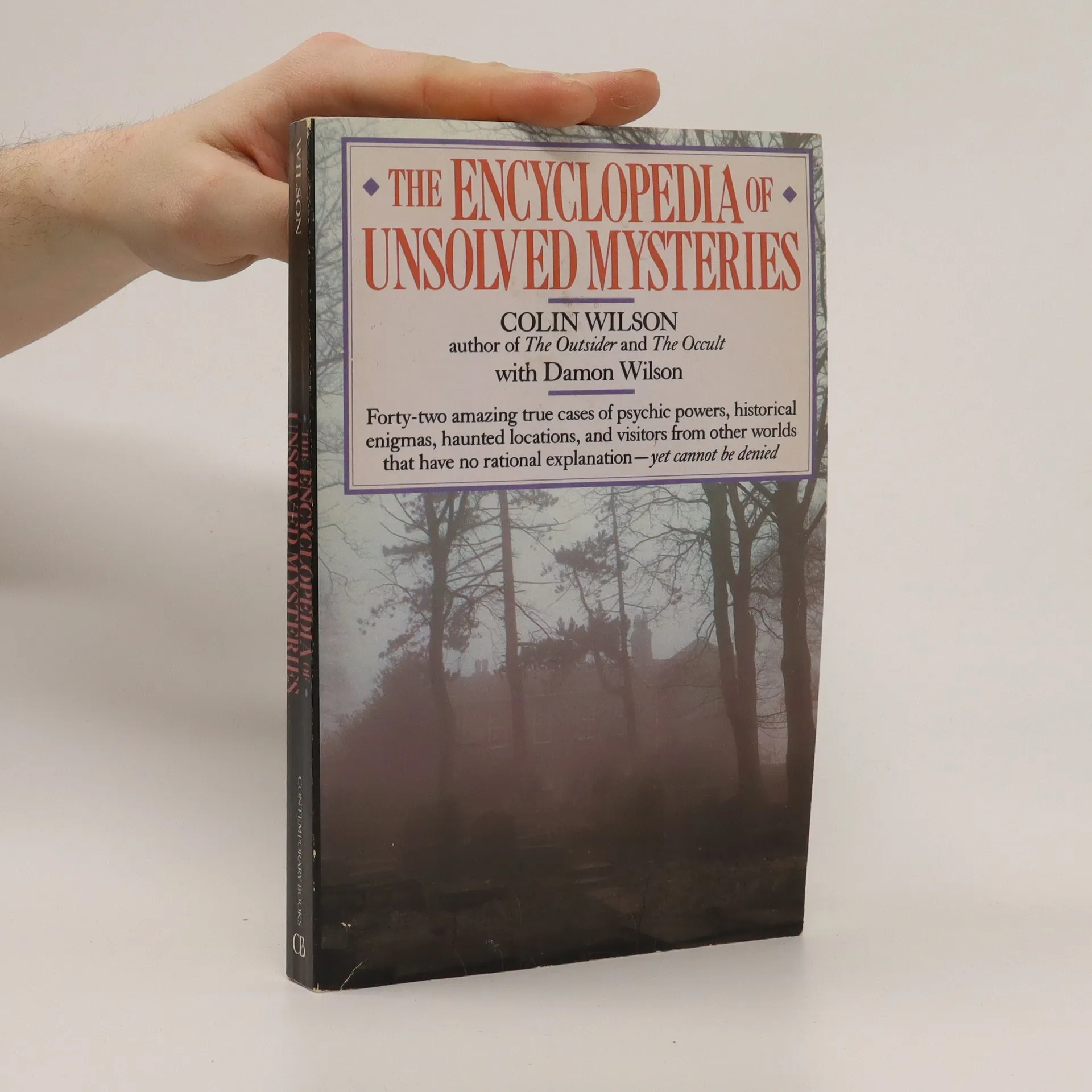
A look at modern unsolved mysteries, probing poltergeists, UFOs, the pain control of Indian fakirs, and spontaneous combustion
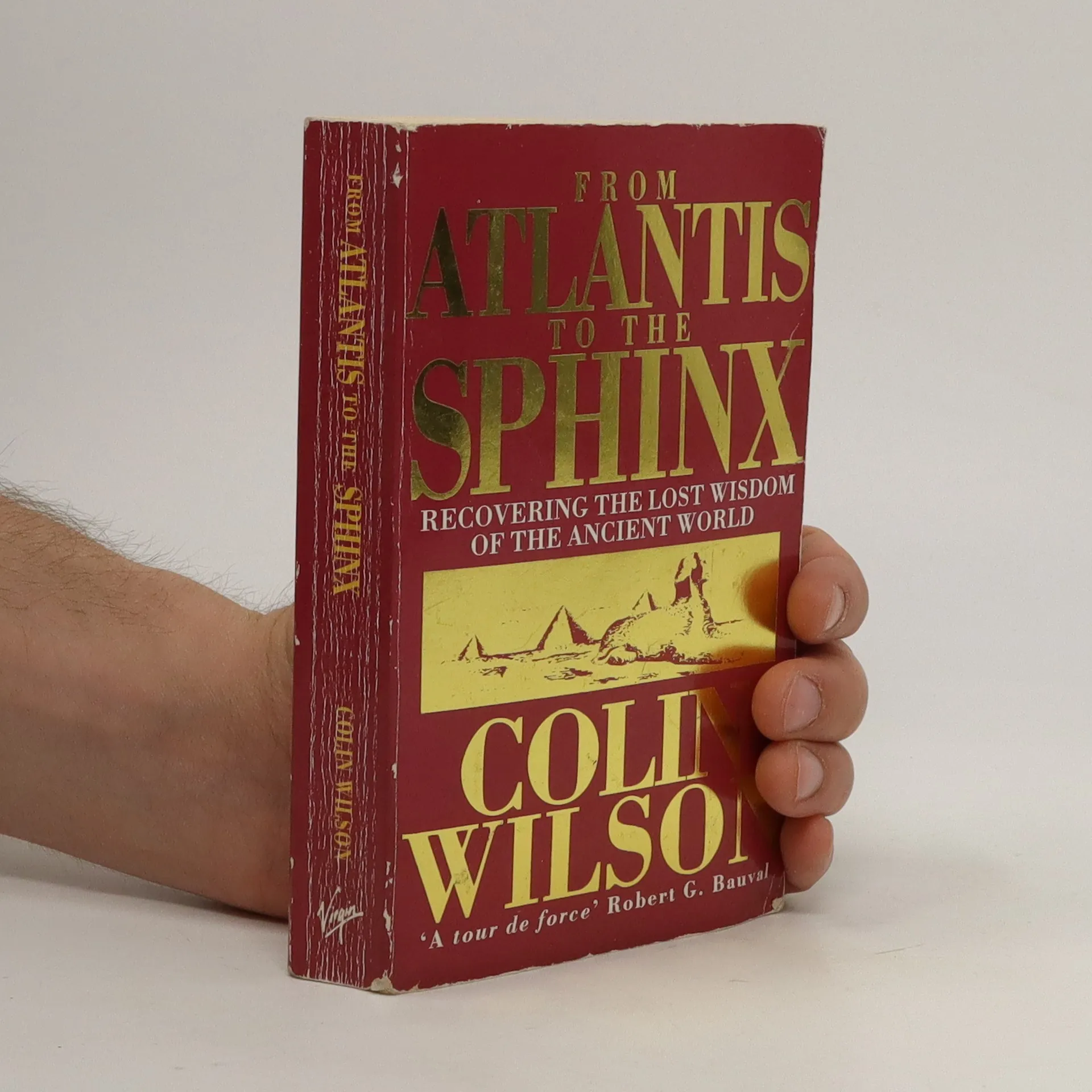
Colin Wilson believes that thousands of years before ancient Egypt and Greece became powerful, there was a great civilization whose ships travelled the world. Whereas we have no way of viewing the universe as a whole, these old ones possessed a knowledge system that offered a unified view of the universe, which was then passed on to descendants who escaped to Egypt and South America. It was this knowledge system - alien to modern man - that enabled them to move stones weighing a thousand tons.
Arguing that the mythical lost continent of Atlantis is actually the land mass currently known as Antarctica, a study based on ancient maps and tribal myths cites the existence of an advanced civilization that was destroyed in a global catastrophe.
Niall, now ruler of the spider city, is horrified by a brutal murder that threatens the delicate relationship between the spiders and humans who share the city. Niall uses his psychic ability to track down the killers, but is thwarted in his effort to solve the crime as each conspirator mysteriously dies. The most obvious clues lead to a being Niall has only seen in a dream: The Magician. In his quest to find the Magician, Niall makes shocking discoveries about both his own people and the rapidly evolving spiders, whose desire for peace forced them to conquer and forge an empire with the labor of human slaves.
In a bold effort to save his brother's life, Niall leaves the spider city and travels underground into Shadowland-the lair of the powerful Magician-who Niall must battle in a near superhuman contest of strength. Colin Wilson is the author of more than eighty books that include novels, psychology, and the paranormal.This edition replaces a previously announced but never released hardcover (ISBN 1-57174-281-6).
Acts as a treasure trove for armchair detectives. This book examines oddities and raises questions about facts always taken for granted.
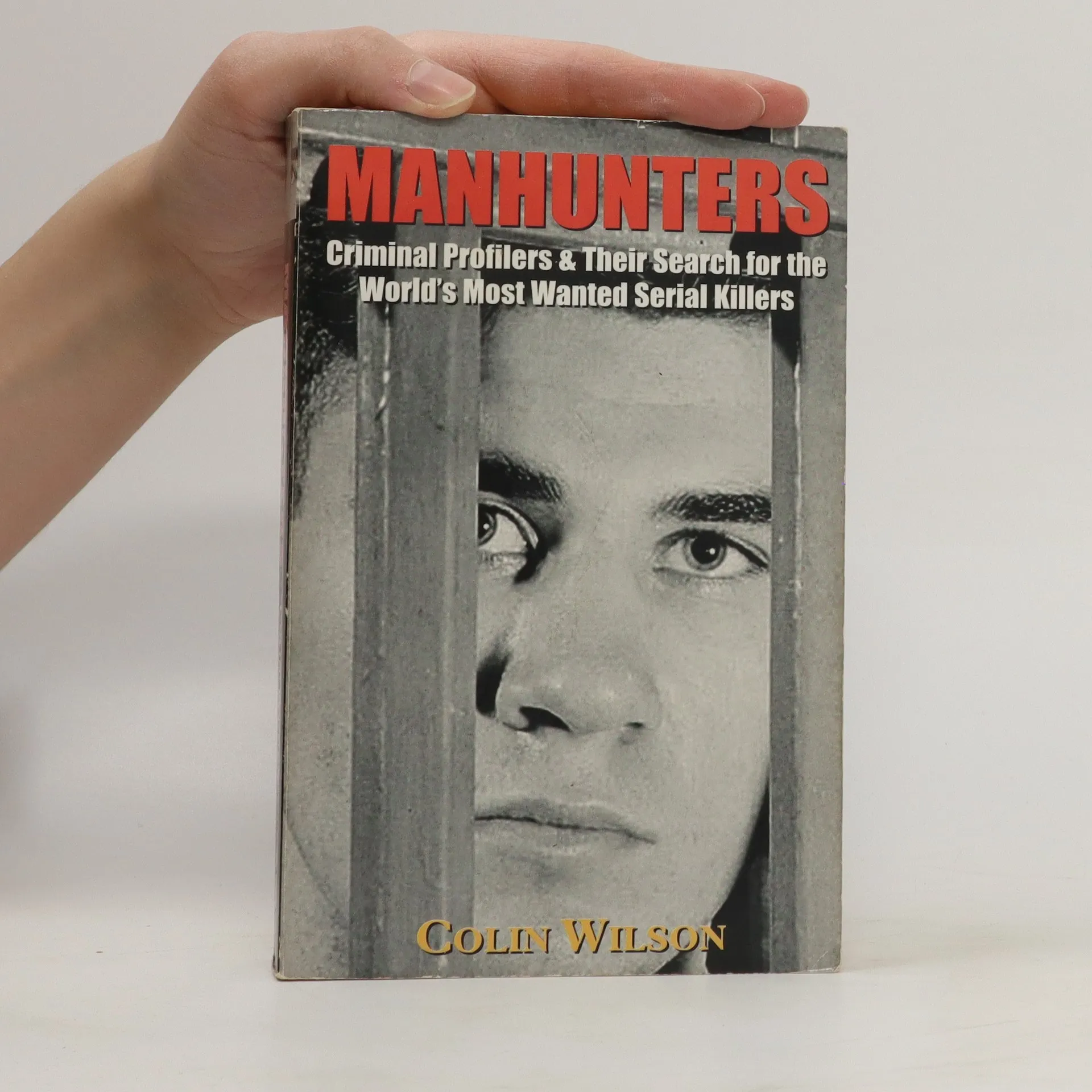
s/t: Criminal Profilers & Their Search for the World's Most Wanted Serial Killers
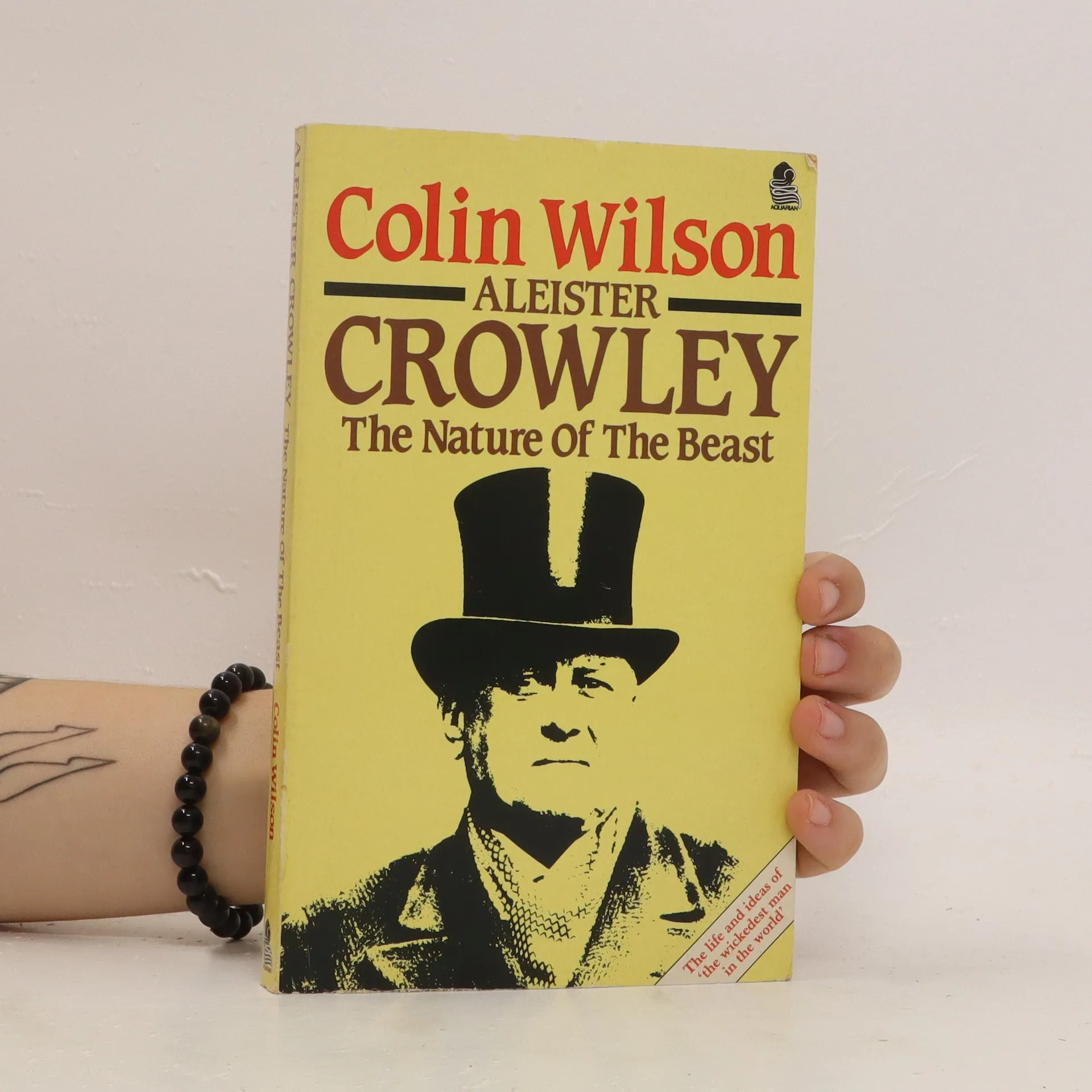
Librarian's note: See alternate cover edition of ISBN 0850305411 here. Poet, Magician, Mountaineer, Polemicist & Pornographer, Aleister Crowley was the most famous, or infamous, name in 20th century occultism. The popular image of him as, in the words of Francis King, "an insatiable sexual athlete, a pimp who lived on the immoral earnings of his girl-friends, & a junkie who daily took enough heroin to kill a roomful of people", has a basis in fact; but there were other, less obnoxious & despicable aspects of this highly original character. Crowley's greatest legacy is his eclectic occult system. His Magick persists, a potent synthesis of Golden Dawn magic, oriental esoteric techniques, sexual magic & the all-encompassing Law of Thelema with its two fundamental principles, "Every man & woman is a star" & the notorious "Do What Thou Wilt Shall Be the Whole of the Law". With his usual flair, Colin Wilson brings this complex enigmatic figure to life & provides an engrossing portrait of the self-styled Great Beast, the man whom the contemporary press dubbed The Wickedest Man in the World.
aka Lifeforce
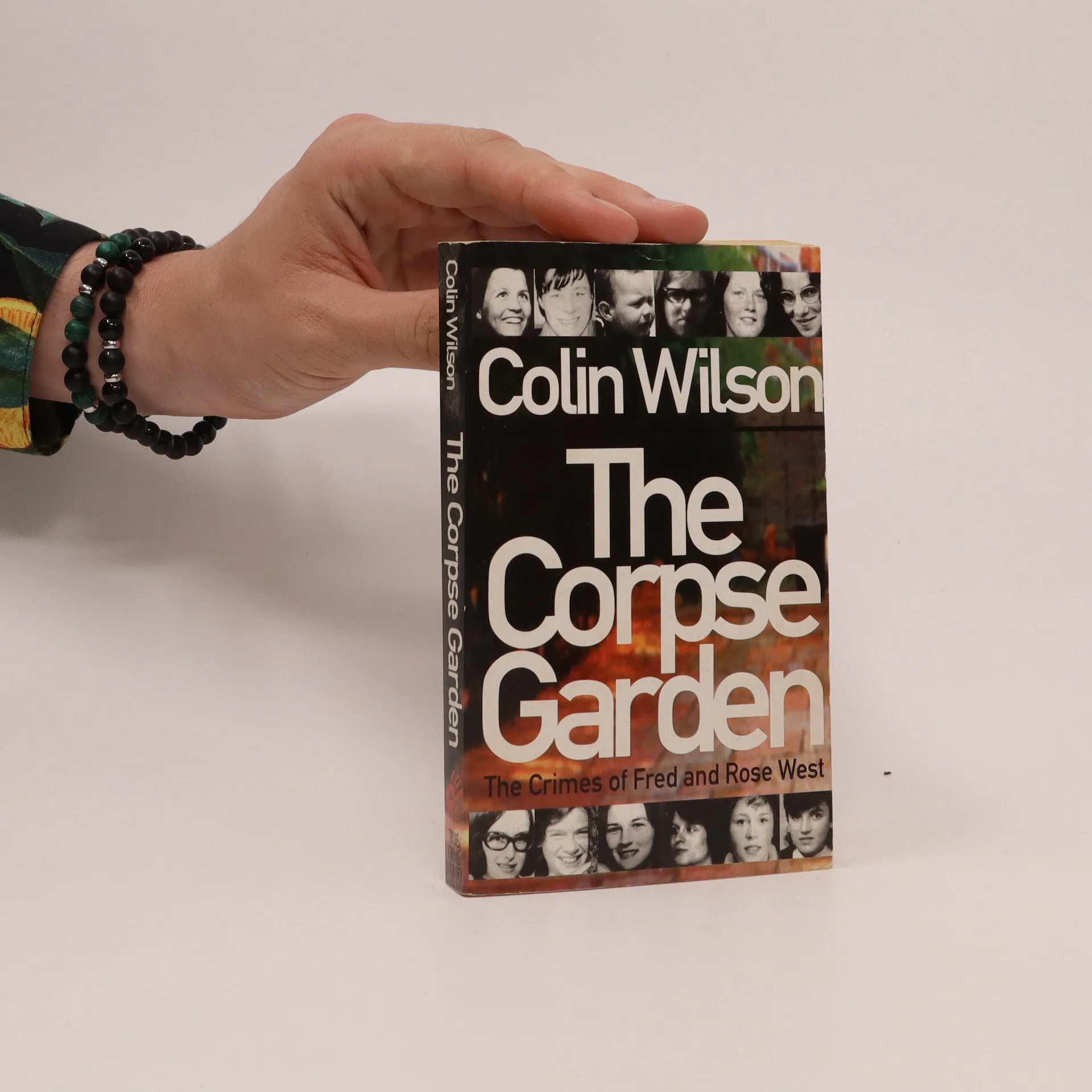
An ordinary family house in a quiet West Country town - 25 Cromwell Street, Gloucester - is now known throughout the world as the House of Horror: the home of Fred and Rosemary West and the scene of one of the most shocking cases of serial murder England has ever seen. United by acts of unimagingable cruelty, the West's partnership was one of the most deadly in criminal history.
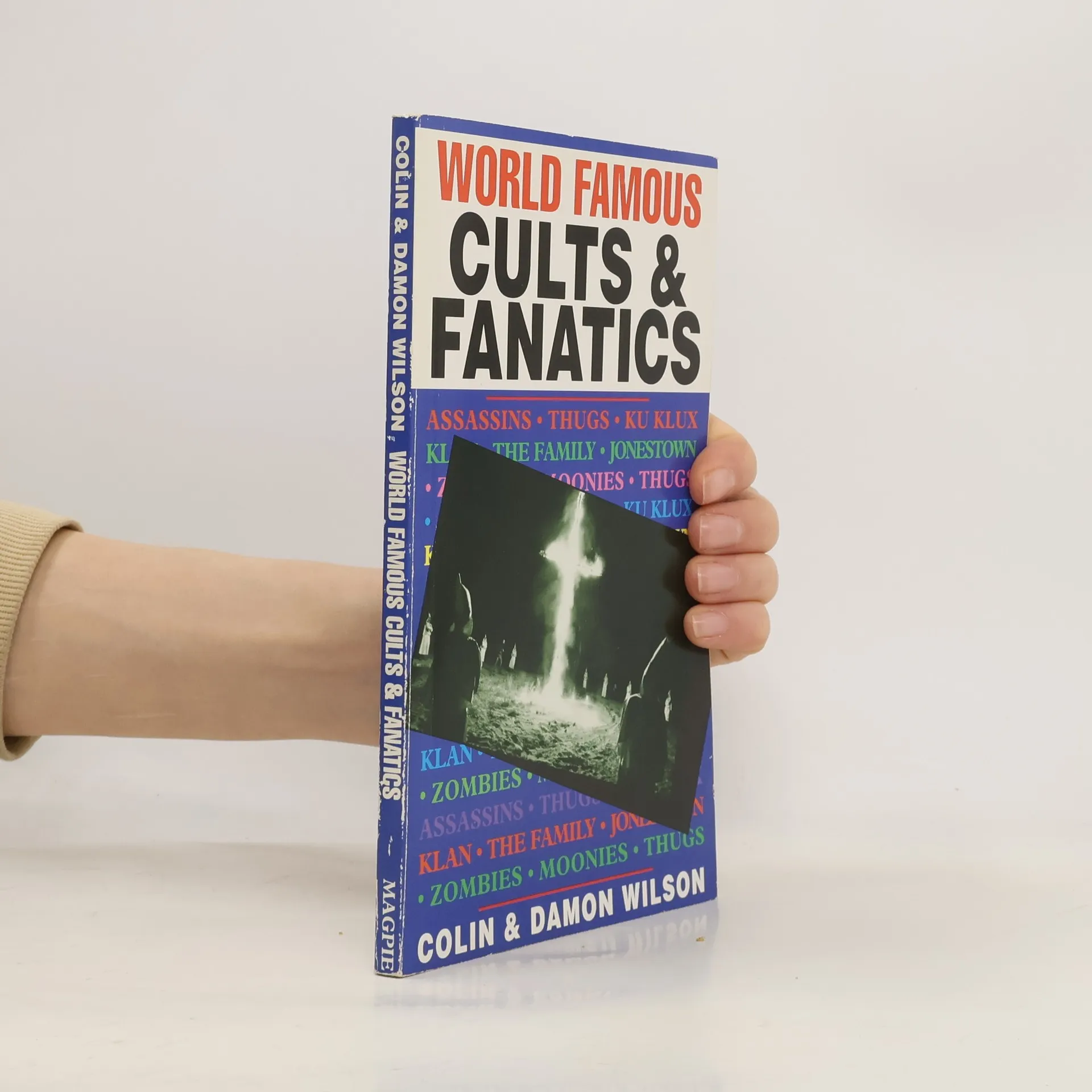
Throughout history, Western culture has been plagued by false prophets and self-appointed messianic figures whose destructive appetites have led to broken lives, mass suicides, and even mass murder. In this compelling exploration, the author recounts the stories and outrageous claims of 25 self-proclaimed messiahs from the last 300 years, uncovering the factors that transform earnest leaders and well-intentioned cult figures into violent, abusive, and paranoid rogue messiahs. This gallery includes notorious names like David Koresh, Shoko Asahara, Rev. Jim Jones, and Jeffrey Don Lundgren, among others. The author also examines those who achieved spiritual insight without resorting to destruction, illustrating that mayhem and benevolence often coexist. These would-be messiahs are driven by a childish dream of absolute power, frequently crossing the line from inspiration to paranoia and from teaching to killing. The analysis reveals a blend of genuine aspiration and self-deception, providing an incisive review of the motives and madness behind cult leaders, spiritual con men, and would-be saviors.
These lost works of Wells, written near his death, deal with the apocalypse and the afterlife.
As Moll Flanders struggles for survival amid the harsh social realities of seventeenth-century England, there is but one thing she is determined to avoid: the deadly snare of poverty. On the twisting path that leads from her birth in Newgate Prison to her final prosperous respectability, love is regarded as worth no more than its weight in gold; and such matters as bigamy, incest, theft, and prostitution occasion but a brief blush before they are reckoned in terms of profit and loss. Yet so pure is her candor, so healthy her animal appetites, so indomitable her resiliency through every vicissitude of fortune, that this extraordinary woman emerges as one of the most appealing heroines in English literature. With a New Introduction and with an Afterword by Regina Barreca
Real life stories of infamous killers from the Milwaukee Cannibal, Jeffrey Dahmer, to Peter Kürten, the Dusseldorf Vampire, these are some of the most evil killers the world has ever seen
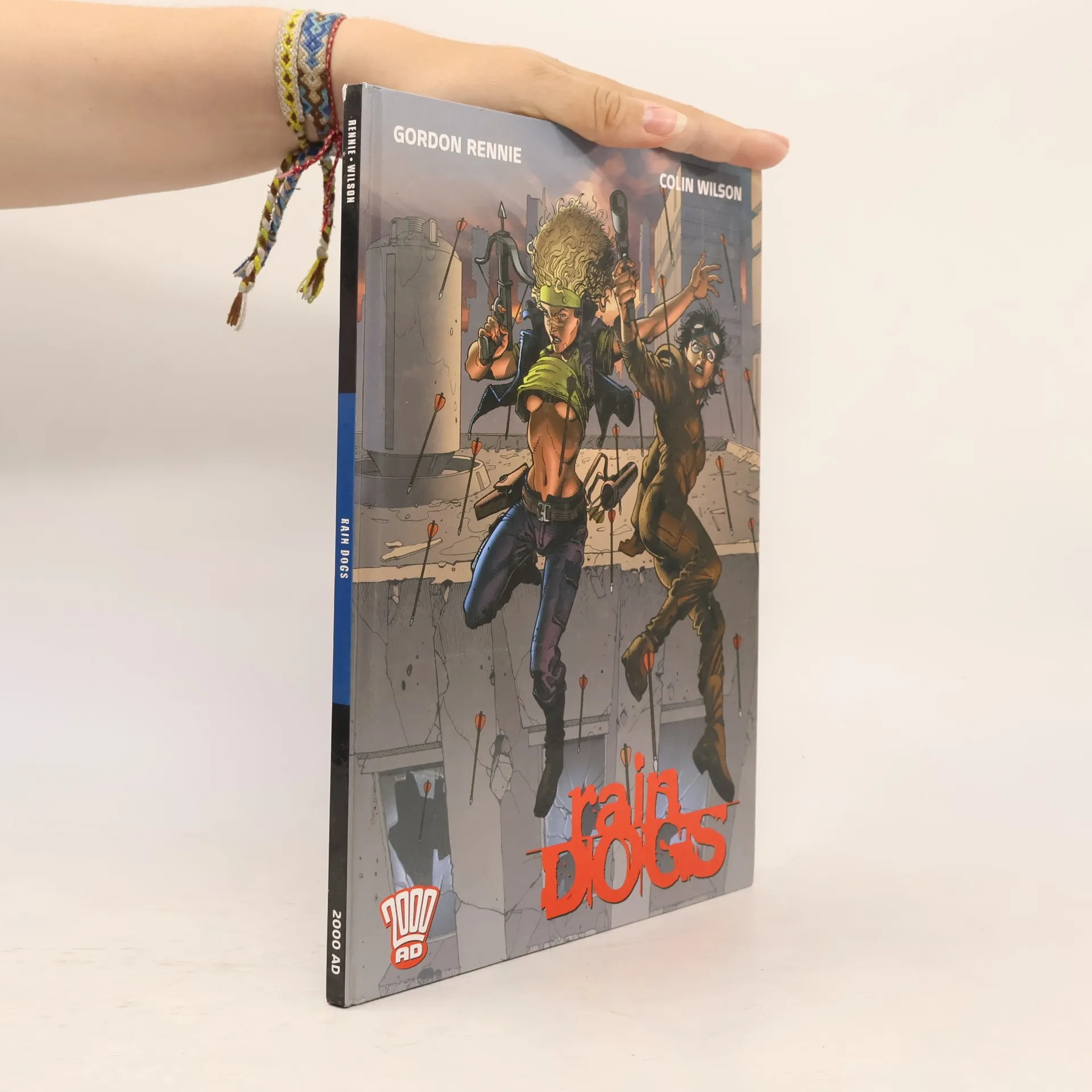
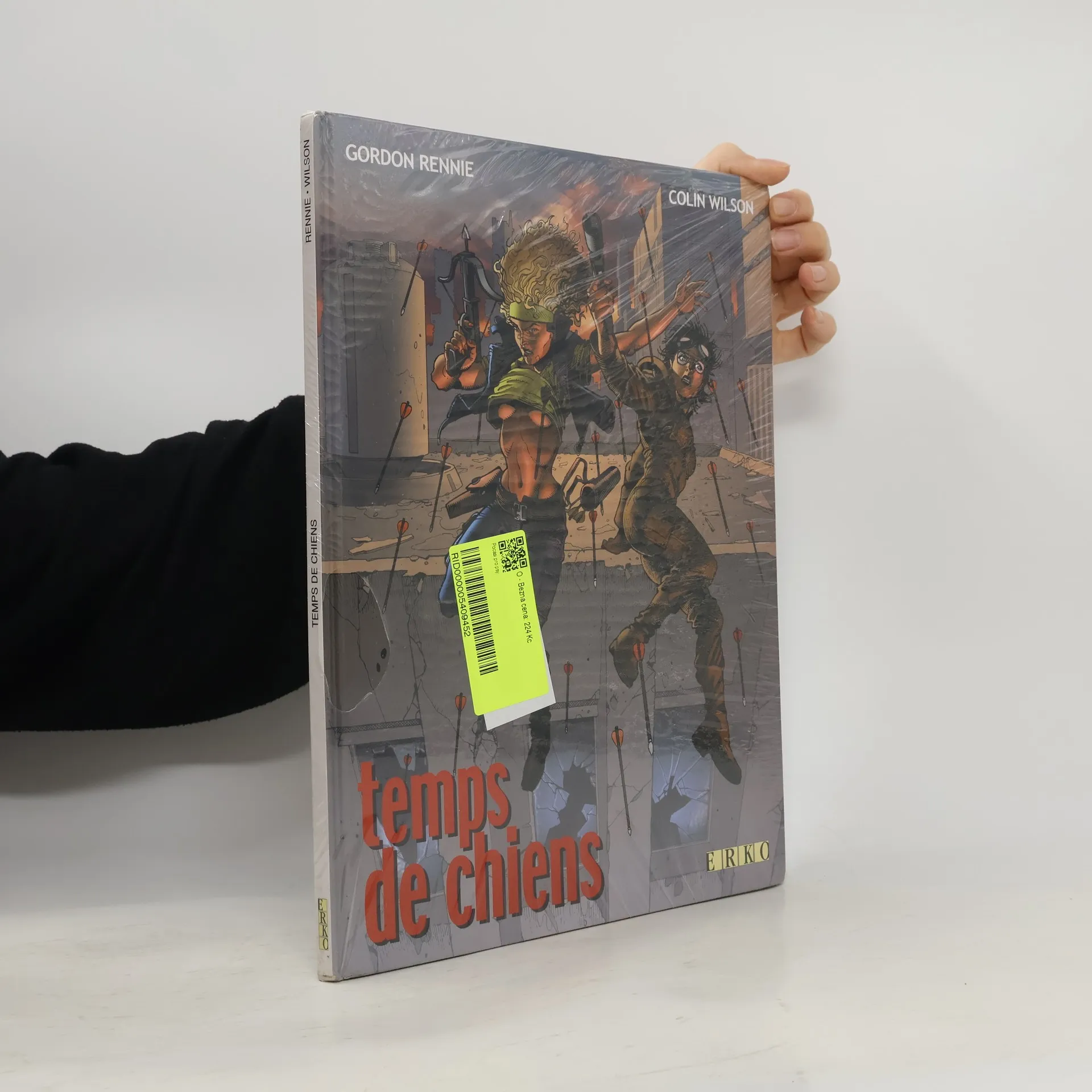
GLOBAL WARMING The 'Big Rain' has turned New York City into a twisted warren of river canyons and skyscraper archipelagos where danger lurks both above and below the water. COLD COMFORT While the remnants of the city's population fight for a place among the ruins, others have persevered with their technology intact, surveying the less fortunate with cool detachment. HARD FACTS When a scientist named Eve crash lands in what was once mid-town Manhattan, she realises that in order to survive, she must put her trust in the one of the 'savages' — a salvage-hunter named Holly — who is as at home in this new wilderness as Eve is a stranger to it. WELCOME TO THE JUNGLE
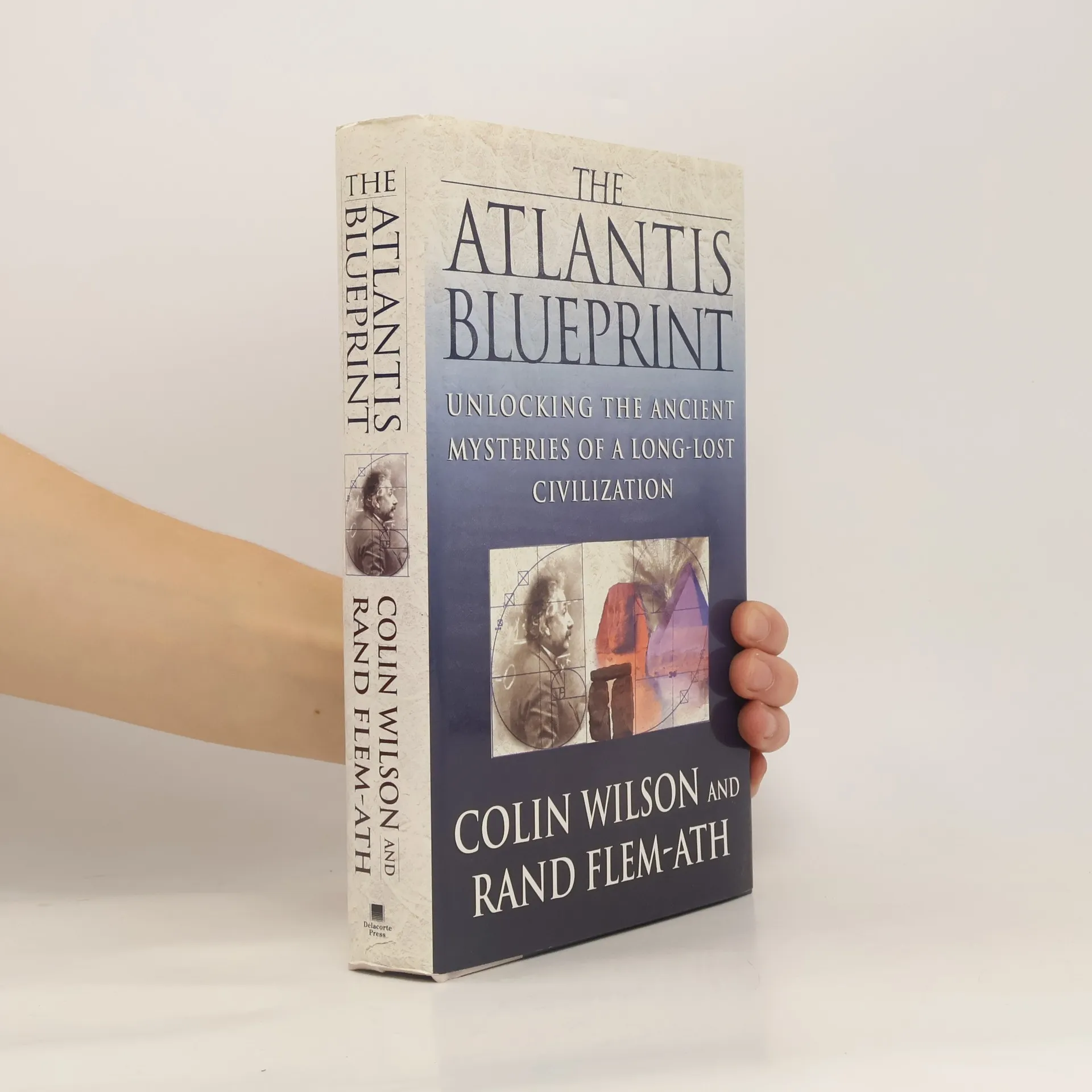
Unlocking the Ancient Mysteries of a Long-Lost Civilization
The Great Pyramid. Stonehenge. Machu Picchu. For centuries, these and other sacred sites have inspired wonder. Although conventional science says they were constructed by local peoples working with primitive tools, these megaliths continue to fascinate. The Atlantis Blueprint is for readers searching for hidden truths just beyond our grasp.
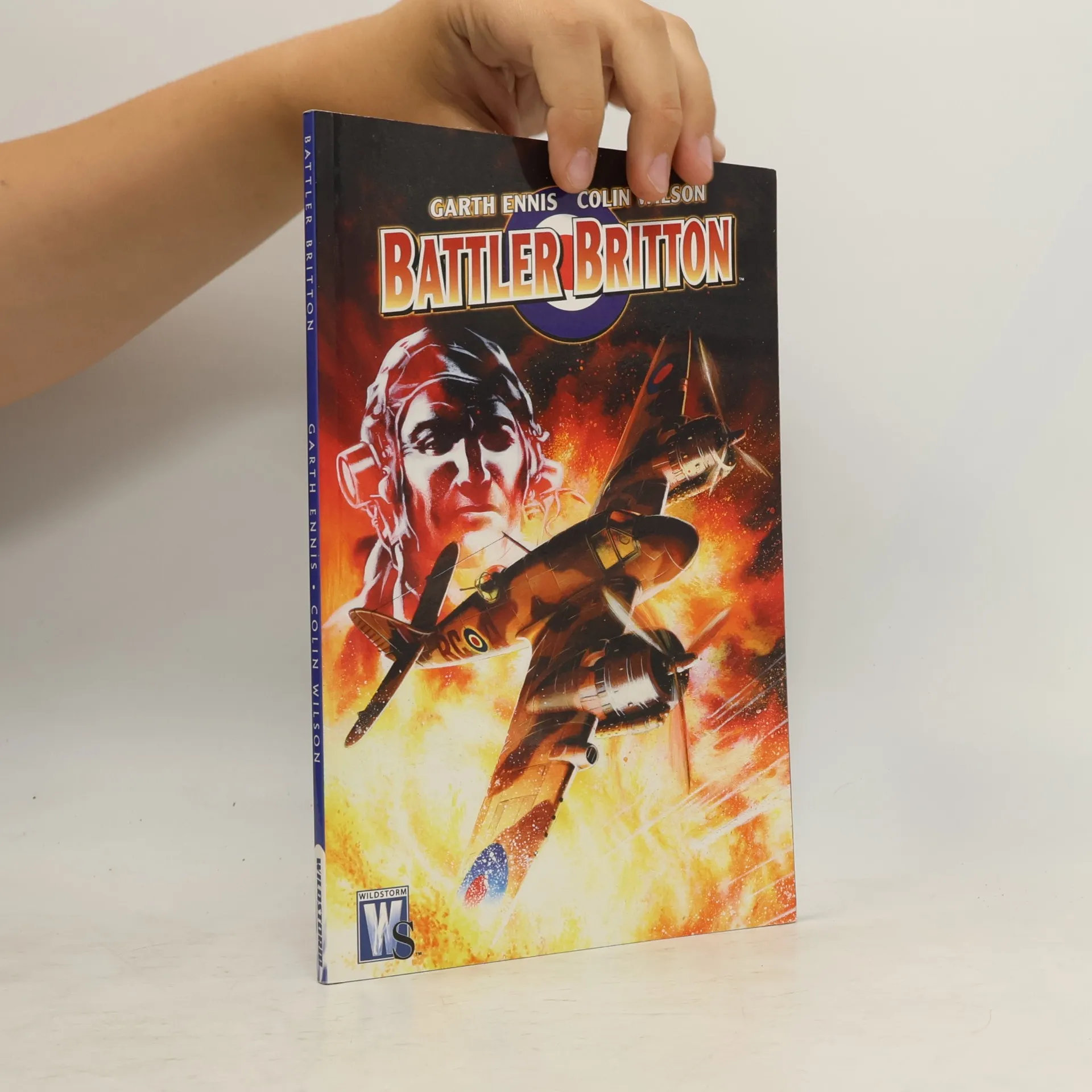
Garth Ennis , the writer of the best-selling thought-provoking series PREACHER tells a an exciting tale of World War II in this riveting new graphic novel. In October, 1942, Allied forces are on the run from the unrelenting forces of the Nazis in North Africa. Wing Commander Robert "Battler" Britton of the Royal Air Force and his squadron are dispatched to an American airstrip to spearhead a joint action against Hitler's war machine. Now they must survive taunts, threats, and assaults ... and that's just from the Yanks!
This study of sex crime has been revised and updated to include in-depth accounts of recent killers such as Andre Chikatilo, 'The Russian Vampire', Jack Unterweger, the sex-crazed poet, and Robert Black, the murdering paedophile.
In this battle-scarred landscape called Nu Earth, the Norts and Southers fight where only the Genetic Infantrymen can survive unaided. Rogue is one such soldier. This book tells his tales.
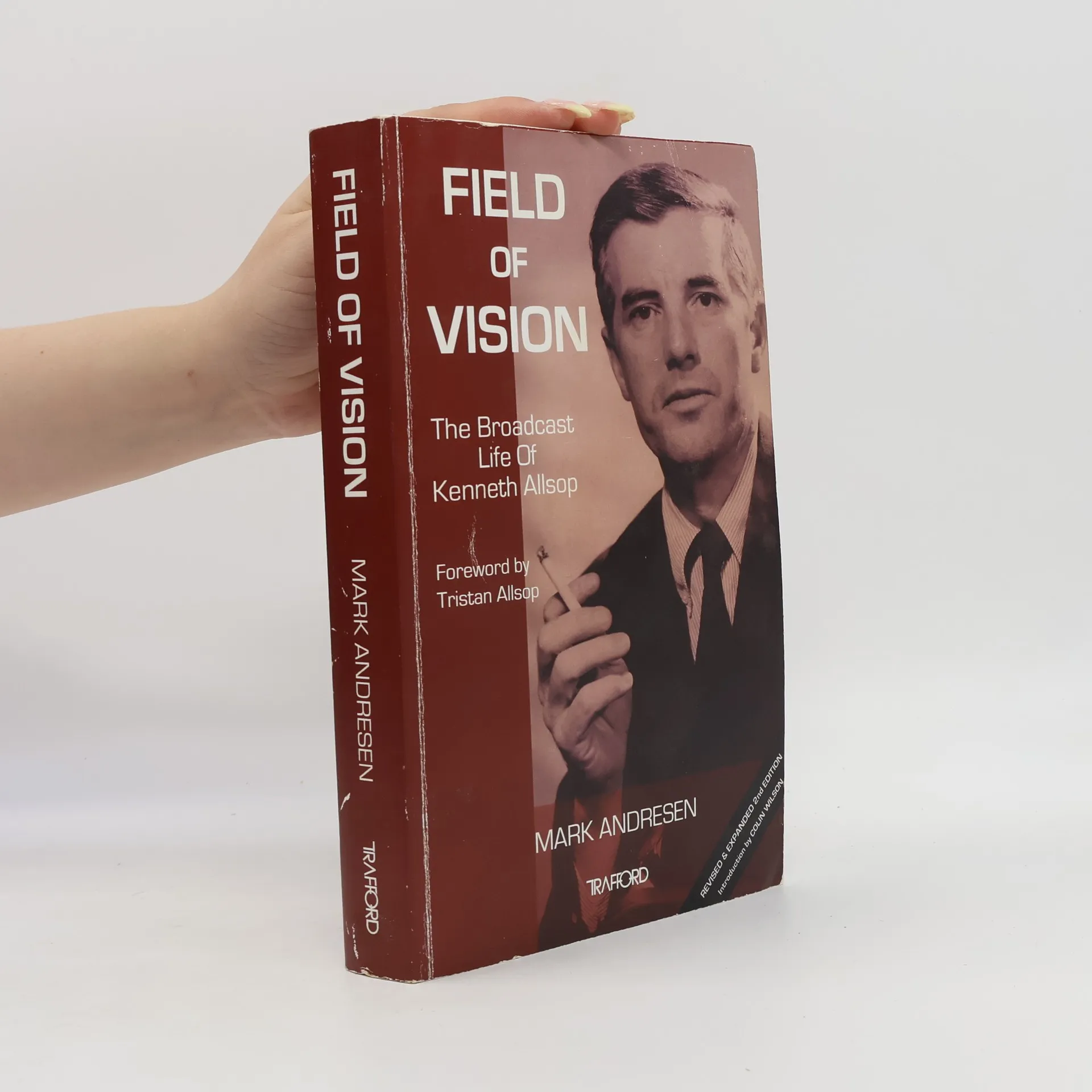
The Broadcast Life of Kenneth Allsop - Revised & Expanded 2nd Edition
Stylish, inspiring, driven and demanding journalist Kenneth Allsop chased international news stories and their creators across post-war Britain and America through unending pain from an artificial limb.
Inside the Minds of Today's Deadliest Criminals: Contains Documents from Criminal Casefiles
Artikelzustand: Gut Autor: Genre: Format: Erscheinungstermin: Anzahl der Seiten: Länge: Breite: Gewicht: Sprache: EAN: 9781862008236
Byl ztracený ostrovní ráj Atlantida konečně nalezen? Kniha Když padalo nebe podává některá překvapivá a přesvědčivá svědectví, že nalezena byla. Že vlastně Antarktida je tím ztraceným kontinentem – Atlantidou. Úvod Colin Wilson.
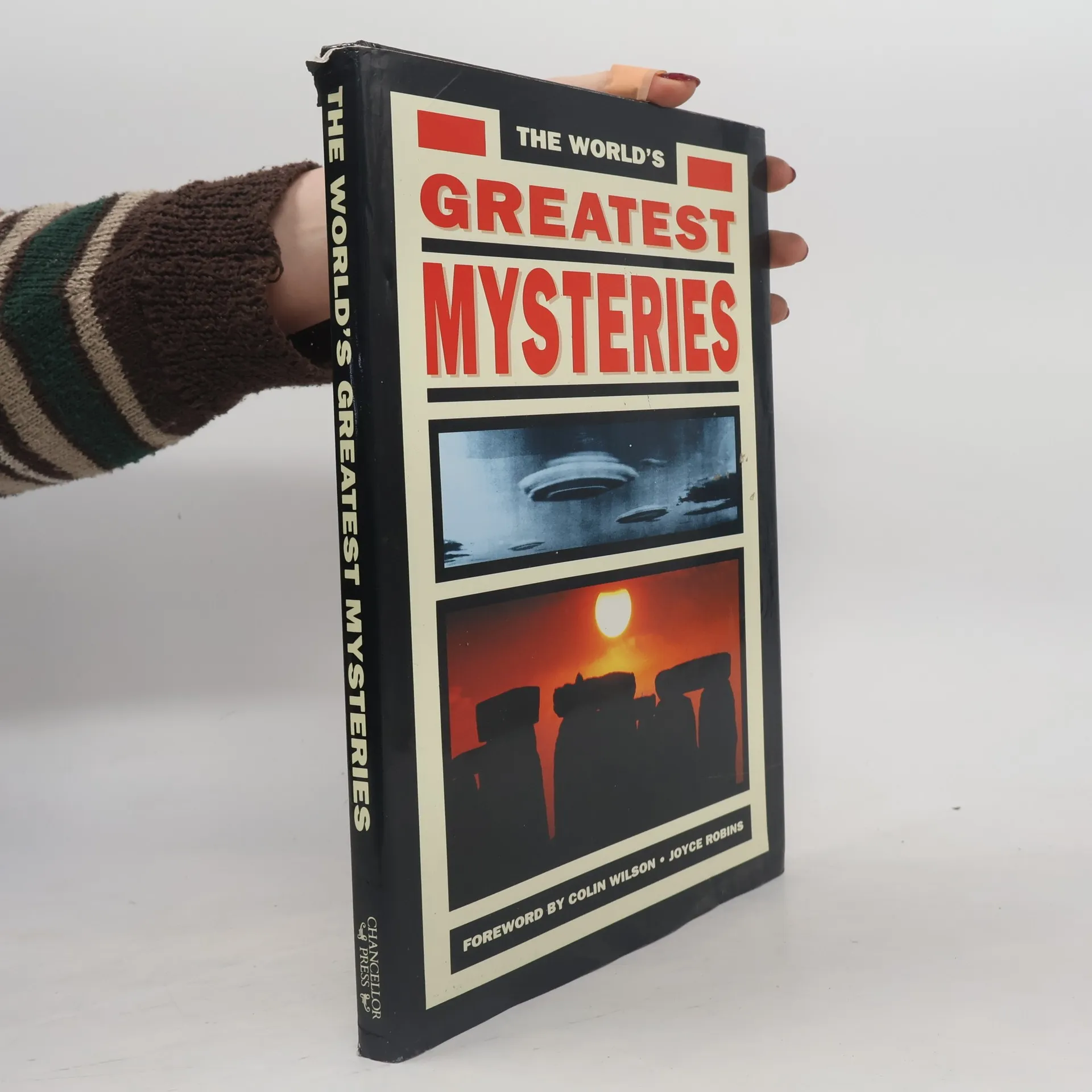
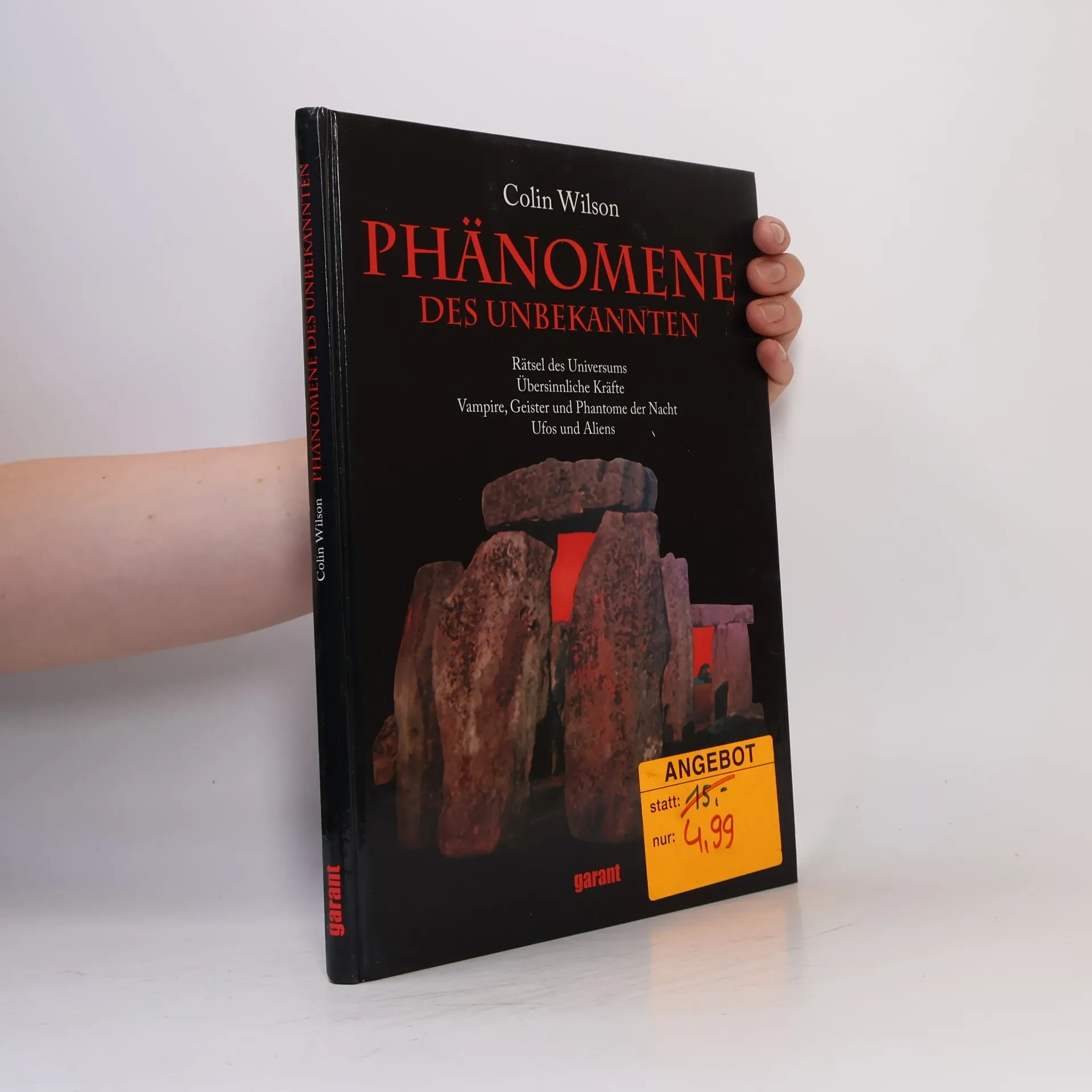
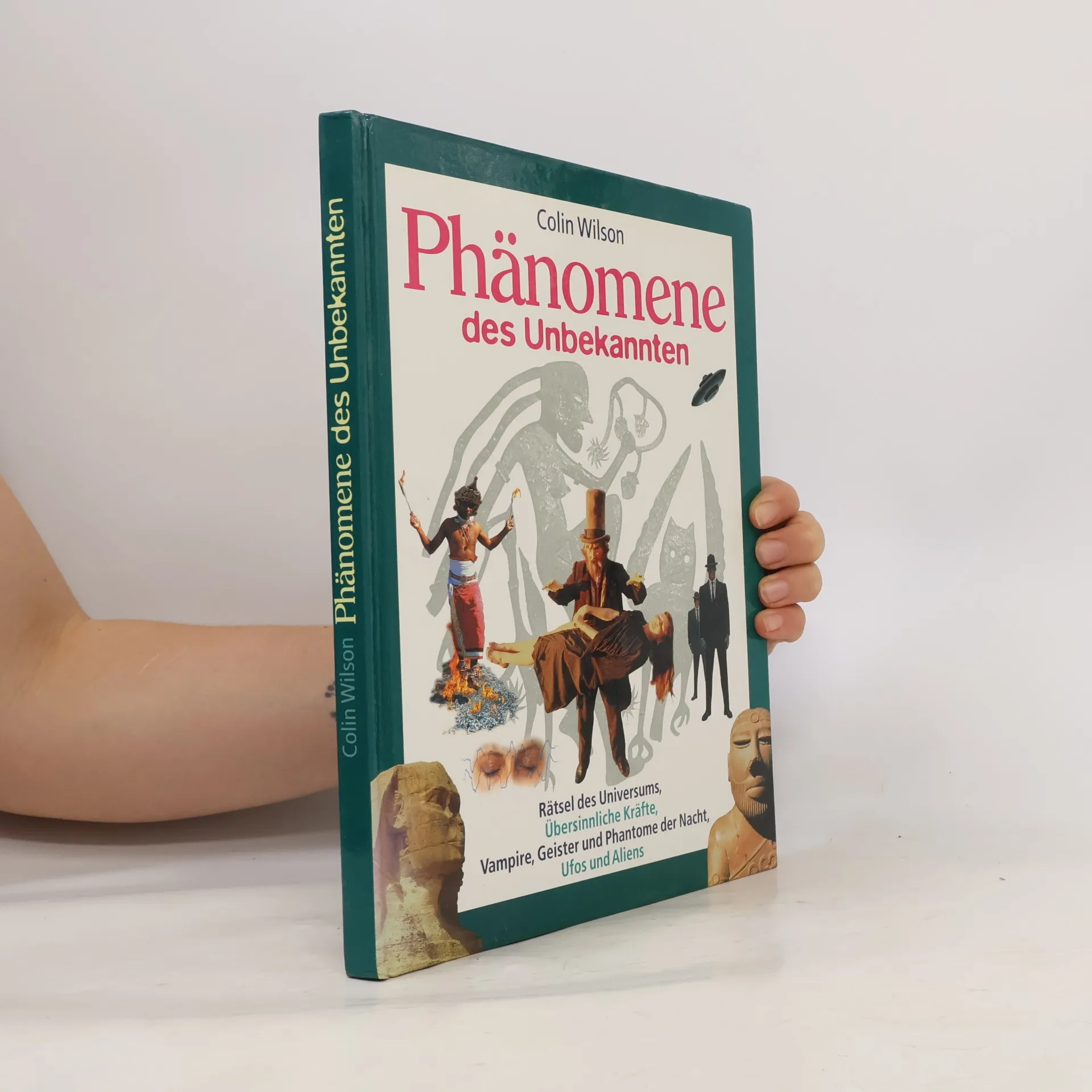
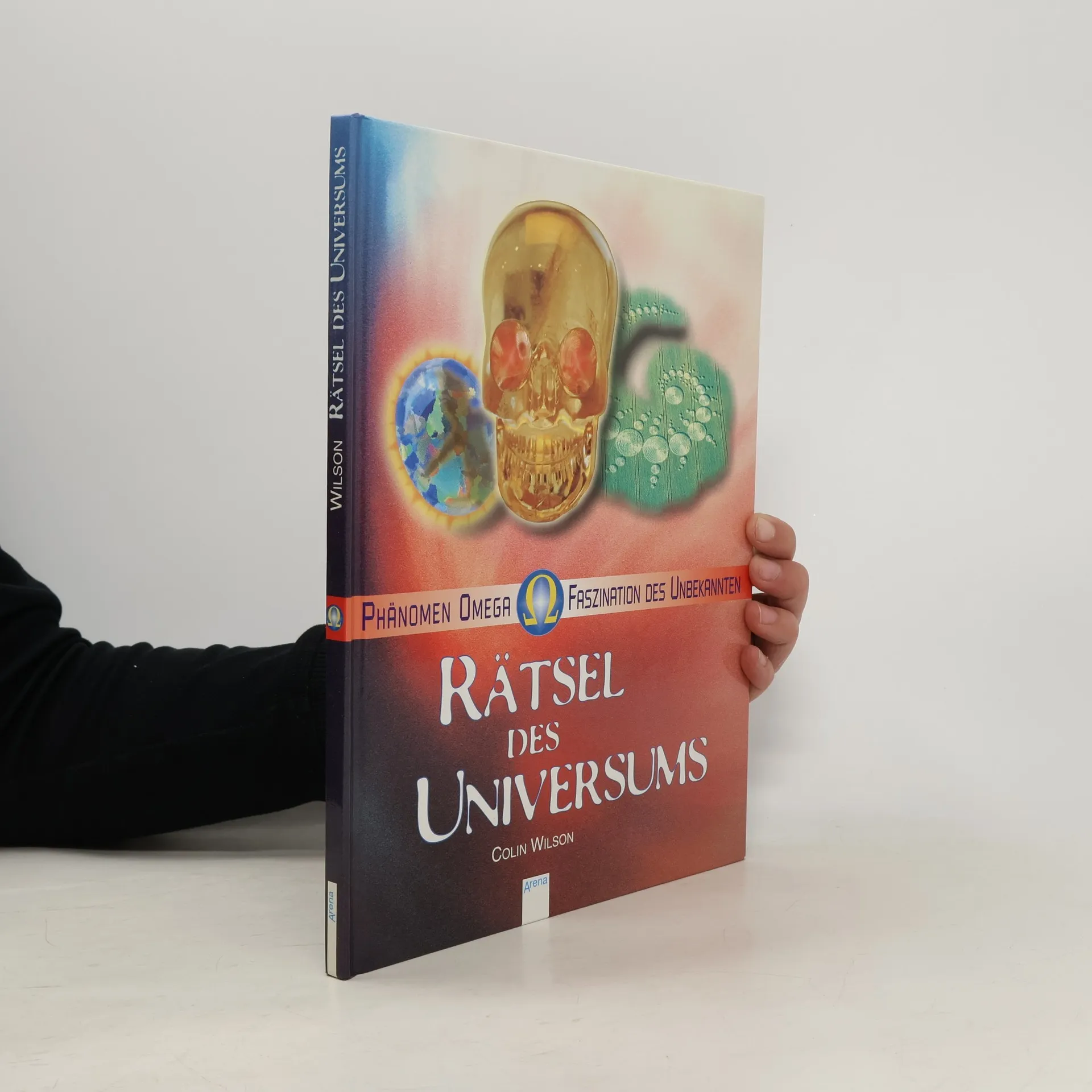
Das Buch präsentiert faszinierende Rätsel des Universums, darunter Augenzeugenberichte und Bilder zu Ufos, Aliens, Menschen mit übersinnlichen Fähigkeiten und berühmten Geistern.
Una straordinaria antologia, una storia affascinante che spazia sui più grandi enigmi dell’umanità Quando, nel 1957, lo scienziato e scrittore francese Jacques Bergier ipotizzò che la scomparsa improvvisa dei dinosauri fosse dovuta all’esplosione di una supernova, fu accusato di essere un visionario. Qualche decennio dopo, però, si capì che la causa più probabile di tale evento – lo scontro con un gigantesco meteorite – non era poi tanto lontana dall’idea di Bergier. Proprio con questo spirito Il grande libro dei misteri irrisolti passa in rassegna oltre sessanta eventi misteriosi, analizzando le varie ipotesi proposte per la loro soluzione e valutando l’attendibilità di ciascuna di esse. Dagli enigmi più antichi, come l’esistenza di Atlantide, a quelli più recenti, come la comparsa degli Ufo, rivivono in queste pagine tutti gli interrogativi che ancora sfidano il nostro desiderio di conoscere il mondo e di trovare una spiegazione ai suoi affascinanti misteri.
Podtitul: Existuje čtvrtý rozměr? Autor shrnuje poznatky mnoha světových ufologů, zabývá se zážitky lidí při setkání s UFO, seriózně je hodnotí a rozebírá. Autor, který se zabývá téměř půl století zkoumáním archeologie, astronomie, kosmologie a parapsychologie, dochází po mnoha úvahách k názoru, že se s lidstvem kdosi pokouší komunikovat, ale přímý kontakt se mu zdá nevhodný, a tak vytváří tajemnou atmosféru kruhů v obilí, únosů lidí, mimosmyslových zážitků. Mnoho příběhů lidí současných i příběhy z historie a mytologie mnoha národů světa naznačují, že náš normální realistický způsob nazírání na skutečnost, který používá i věda, je poněkud zkreslený.
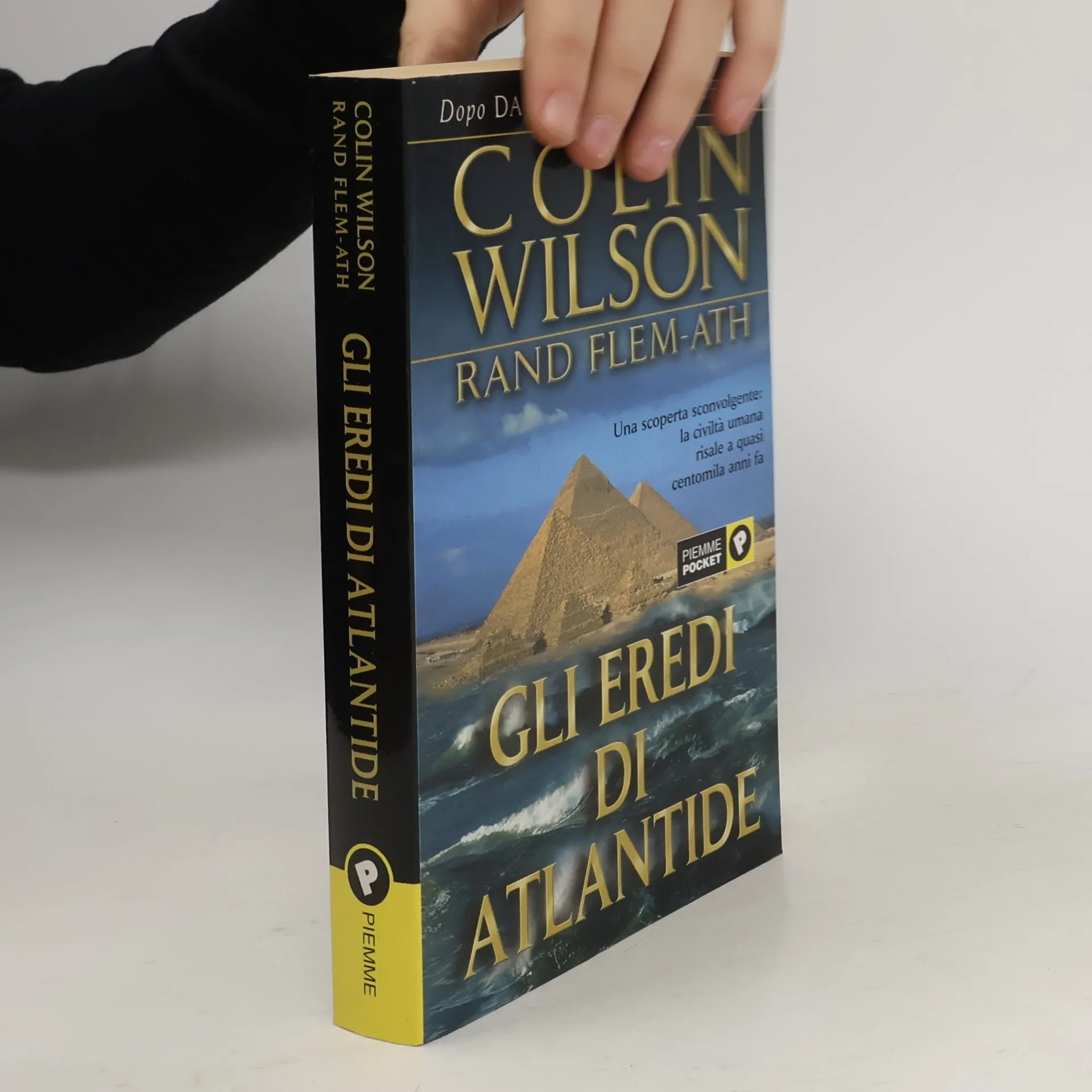
Una scoperta sconvolgente: la civiltà umana risale a quasi centomila anni fa
Primavera 1366, Beverley, Inghilterra: una giovane donna pallida e spettrale afferma di essere la resurrezione di Joanna Calverley, una suora morta di febbre alcuni mesi prima. Sarebbe una questione che riguarderebbe solo la Chiesa, se non fosse per i delitti che sembrano seguire le sue tracce. Owen Archer trova il caso frustrante. Dame Joanne è ora evasiva e ora isterica, mentre tiene sempre stretti i suoi segreti. E, cosa peggiore, i custodi della suora chiedono alla moglie incinta di Owen, Lucie, di usare le sue abilità di guarigione a favore di Joanna, mettendo la famiglia Archer in grave pericolo.
In over 80 books, Wilson has explored alternate realities involving crime, sex, and the occult, suggesting that our everyday consciousness is limited compared to the potential powers available to us. His synthesis of the alien/UFO phenomenon showcases both his encyclopedic knowledge and a notable weakness. In his eagerness to be inclusive, he covers the history of UFOs from mythology to modern accounts, alongside topics like Uri Geller, LSD research, crop circles, ley lines, the Loch Ness monster, remote viewing, Jung, hypnotism, poltergeists, Ouspensky, out-of-body experiences, and quantum physics. Much of the content consists of unfootnoted second- and third-hand accounts of UFOs and related phenomena, leading to an unfocused collection of anecdotes with little deeper analysis. He frequently poses the question, "What, then, are we to make of it all?" At times, he suggests that the absurdity of certain claims might actually lend them credibility, as a fabricator would likely make a story more believable. By the time readers reach the chapter titled "Oh no, not again!" the phrase carries an unintended weight. Ultimately, he seems to view aliens as agents of consciousness transformation, yet he offers scant evidence or clarity to support this idea.
Antologie nejslavnějších a nejkurióznějších zločinů 19. a 20. století. Ve čtyřech rozsáhlých oddílech autoři nepředkládají čtenáři pouhý suchý výčet historických fakt - i když historii zločinu samozřejmě stranou neponechávají - ale zalidňují své vyprávění živoucími, přesvědčivě vykreslenými postavami
Onderzoek naar herkomst, ontwikkeling en betekenis van de legenden en overleveringen rond koning Arthur, geïllustreerd met vele mooie natuurfoto's.
Auf dem Weltraumschiff des Genesis-Projekts sind Rael, Mantell und Alia alle drei Gefangene eines Tyrannen, den sie stürzen wollen. Dies ist der Startpunkt von Im Schatten der Sonne, einer dystopischen Geschichte aus den 1980er Jahren, die dem Publikum das Talent eines unglaublichen Künstlers offenbart: Colin Wilson. Dieser wahre geistige Sohn von Jean Giraud stellt die komplexen Welten eines futuristischen Universums dar, das es sich erlaubte, die Ankunft des All-Digitalen zu antizipieren (ein Thema, das damals wenig angesprochen wurde), was sowohl von großem Erfindungsreichtum als auch von einer ausgezeichneten Kultur in der Science-Fiction zeugt. Unterstützt durch den inzwischen unvermeidlichen Thierry Smolderen (Ghost Money, L'Été Diabolik) im Skript für Band 3 schrieb er ein echtes Comic-Juwel dessen drei Bände nun in einer Gesamtausgabe erscheinen!
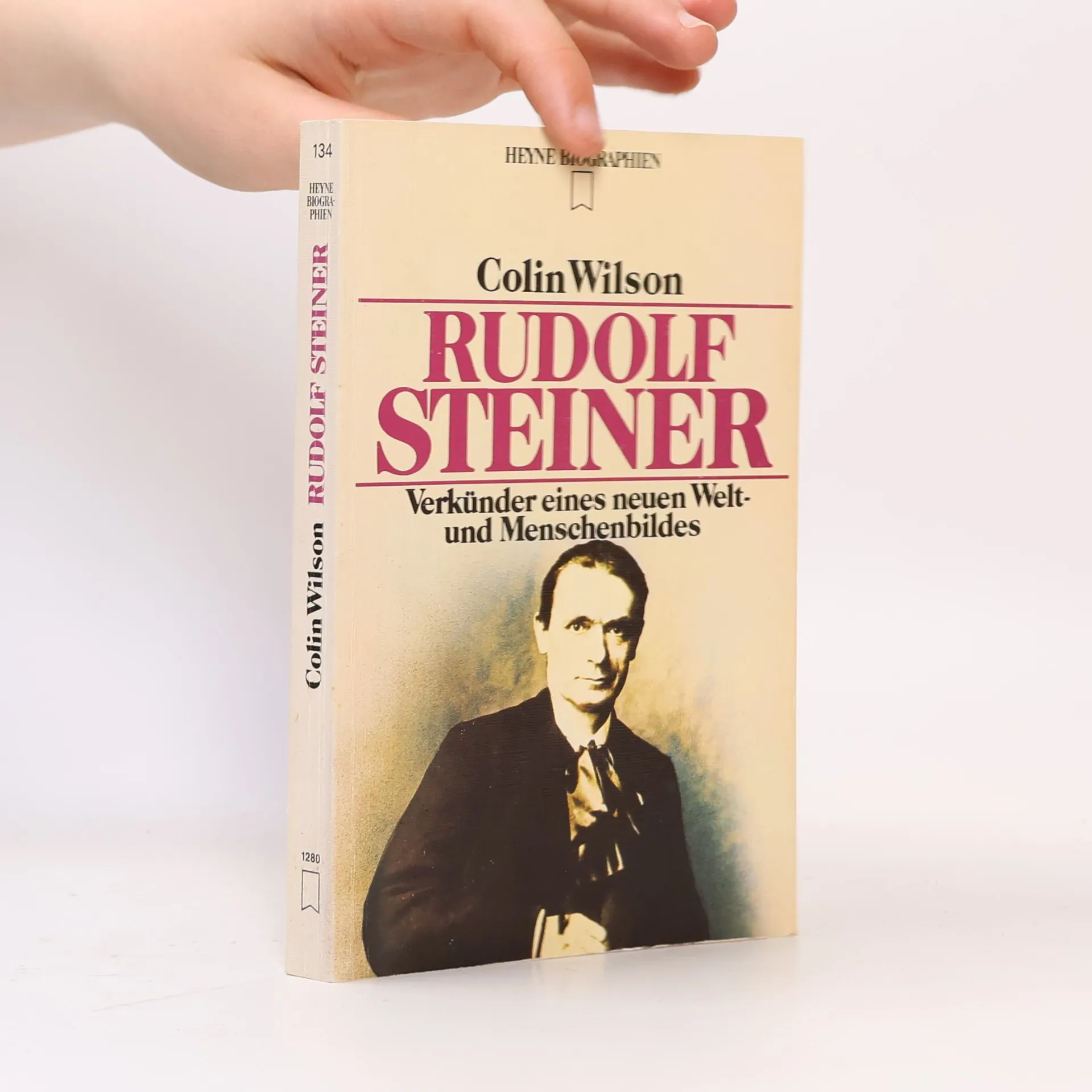
Informationen über messianische Gestalten verschiedener Epochen von den Makkabäern und Jesus Christus über Aleister Crowley, Freud und Steiner bis zu heutigen Sektenführern, wie Shoko Asahara, dem Führer der Aum-Sekte.