

Bookbot

Mark Gilbert

    Italy Reborn
    Ernest Holmes at Asilomar: Lectures and Classes from the 1950s
    European Integration
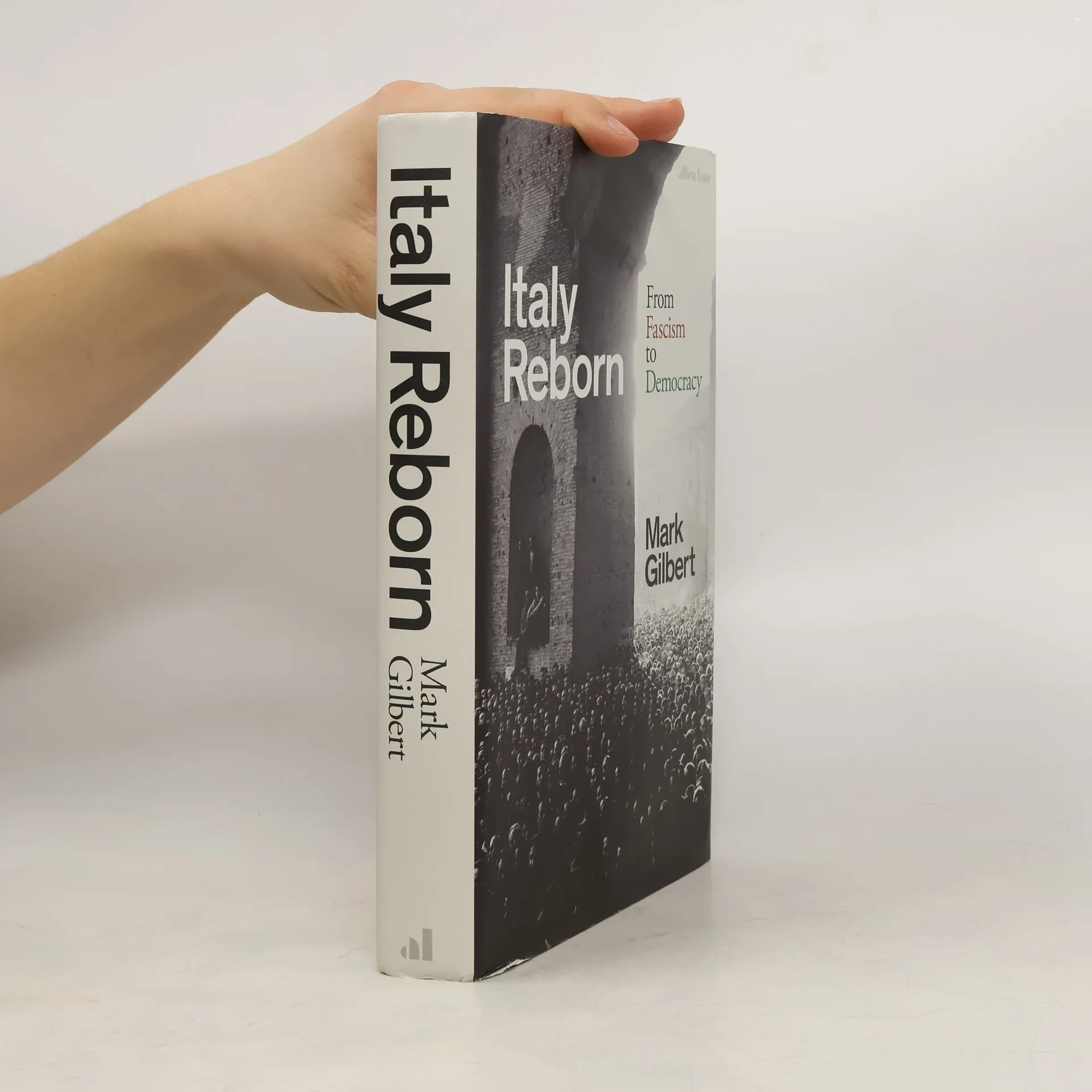
    Italy Reborn: From Fascism to Democracy
    • Italy Reborn: From Fascism to Democracy

      • 544pages
      • 20 heures de lecture

      This account explores the remarkable transformation of Italy into a democracy following the Second World War. In 1945, post-fascist Italy was in ruins, lacking international standing. By December 1955, however, Italy had undergone significant changes, having held three contentious yet free elections, established a vibrant press, and emerged as a leader in Europe's reconstruction. The book traces Italy's descent into Fascism, the devastation of wartime, the resistance against Nazi occupation, and the establishment of the Republic in 1946. It highlights the impact of the Cold War, which in 1947 fractured the coalition of parties that had united against Fascism and Nazism. The final chapters focus on the consolidation of democracy and the pivotal role of Alcide De Gasperi, who served as premier from December 1945 to August 1953. The author argues that De Gasperi deserves greater recognition for his contributions to Italy's post-war democratization and asserts that the foundations of Italian democracy were solid, enabling it to withstand numerous crises. Drawing on contemporary Italian sources, the narrative is engaging and accessible for both general readers and specialists in Italian history.

      Italy Reborn: From Fascism to Democracy
      4,2
    • European Integration

      A Political History

      • 358pages
      • 13 heures de lecture

      Focusing on European integration from the postwar era to the present, this book provides a comprehensive overview of the EU's history. It examines the challenges faced in recent years, including the global recession, the refugee crisis, and Brexit, while offering insights into the future of the EU. Gilbert's balanced narrative serves as a definitive resource for understanding the complexities and developments of European unity and cooperation.

      European Integration
      3,9
    • Italy Reborn

      From Fascism to Democracy

      • 544pages
      • 20 heures de lecture

      The rebirth of Italy after the Second World War is one of the most impressive political transformations in modern European history. In 1945, post-fascist Italy was devastated by war and its reputation in the international arena was nil. Yet by December 1955, when Italy was admitted to the United Nations, the nation had contested three acrimonious but free general elections, had a flourishing press, and was a leader in the re-building of Europe. The contrast with Fascism was stark. This book charts the descent of Italy into Fascism, the scale of the wartime disaster, the Italian resistance to Nazi occupation, and the establishment of the Republic in 1946. The Cold War divided, in 1947, the coalition of parties that had led the resistance to Fascism and Nazism. The book's final chapters deal with the consolidation of Italian democracy and with the statesmanship of Alcide De Gasperi, the premier from December 1945 to August 1953. The book argues, first, that De Gasperi deserves more credit than he has typically been accorded for Italy's post-war democratization and, second, that Italian democracy was constructed on a sound foundation - which is why it has been able to survive its many post-war crises. Largely based on contemporary Italian sources, the book is written in an engaging, lively way for both the general reader and specialists in Italian history.

      Italy Reborn