There is an unresolved tension in Dostoevsky's novels - a tension between believing and not believing in the existence of God. This book enables us to consider the nature of God in the 21st Century through the lens of Dostoevsky's novels.
Rowan Williams Livres
14 juin 1950
Rowan Williams est un poète et théologien acclamé dont l'œuvre explore en profondeur les questions de foi, d'identité et de la condition humaine. Sa poésie se caractérise par sa profondeur introspective et un langage riche, explorant souvent les liens complexes entre le spirituel et le séculier. L'écriture de Williams cherche à établir un pont entre la pensée théologique et l'expression artistique, offrant aux lecteurs des aperçus profonds de l'expérience humaine. Sa contribution littéraire réside dans sa capacité à transmettre des idées complexes de manière accessible et captivante.


Tokens of Trust
- 192pages
- 7 heures de lecture
Presents an introduction to the Christian faith which explores the key themes of Christian belief and the reality of living them.
On Christian Theology
- 328pages
- 12 heures de lecture
Rowan Williams addresses profound theological and societal questions from the late twentieth century, blending academic, spiritual, and political insights. Drawing from two decades of teaching and pastoral experience, this collection reflects his engagement with both historical theological traditions and contemporary issues in theology and philosophy. It serves as a significant contribution to understanding the interplay between faith and modern societal challenges.
Wound of Knowledge
- 207pages
- 8 heures de lecture
The Wound of Knowledge is a penetrating psychological and intellectual analysis of Christian spirituality. schovat popis
The Edge of Words is Rowan Williams' first book since standing down as Archbishop of Canterbury. Invited to give the prestigious 2014 Gifford Lectures, Dr Williams has produced a scholarly but eminently accessible account of the possibilities of speaking about God – taking as his point of departure the project of natural theology. Dr Williams enters into dialogue with thinkers as diverse as Augustine and Simone Weil and authors such as Joyce, Hardy, Burgess and Hoban in what is a compelling essay about the possibility of language about God.
Rowan Williams explores the essentials of Paul's thought for complete beginners - as well as for those who've read Paul's letters many times before and want to see them in a fresh light.
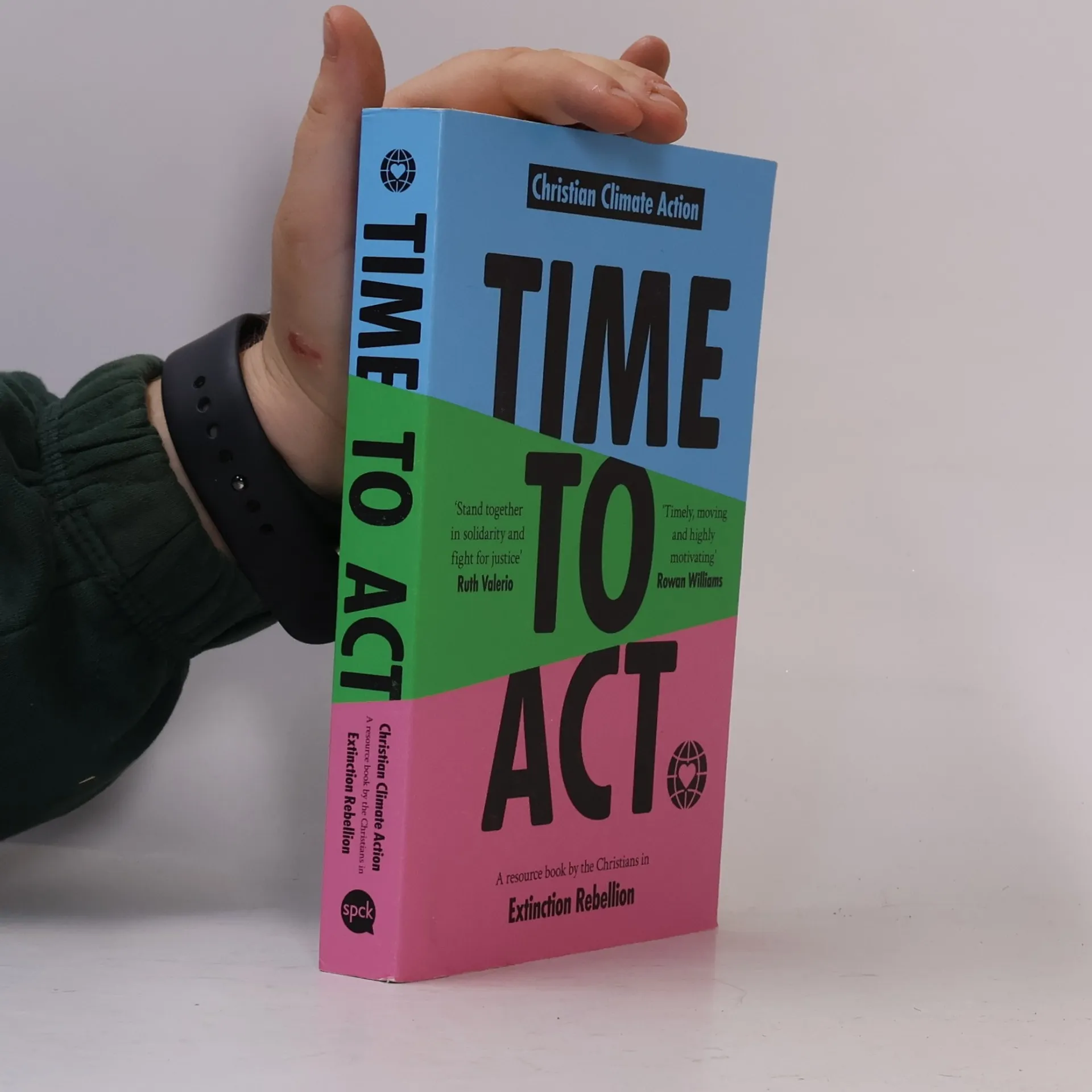
Time to Act
- 320pages
- 12 heures de lecture
A timely, empowering and energizing resource book for Christian climate activists, as well as for those who support and encourage greater responsibility for the environment through their churches
The E-Commerce Pocketbook
A Pocketful of Tips and Techniques to Help You Set Up, Manage and Promote an E-Commerce Channel to Best Advantage - 2nd Edition
- 128pages
- 5 heures de lecture
The pocketbook sets out how to plan for working online, who should be involved, time, cost and quality issues, resources required and how to calculate cost and benefits. The first chapter defines e-commerce, citing seven things to know and eight things to do. The five business benefits of e-commerce are then explored, followed by details of how being online has dramatically affected businesses, especially with regard to the customer. In subsequent and separate chapters, the author then explains how to promote a company online, how to manage search engines to raise visibility and how to create trust online through appropriate security and data protection. The concluding chapter lists eight steps to plan successful e-commerce. Each chapter ends with a useful action plan.
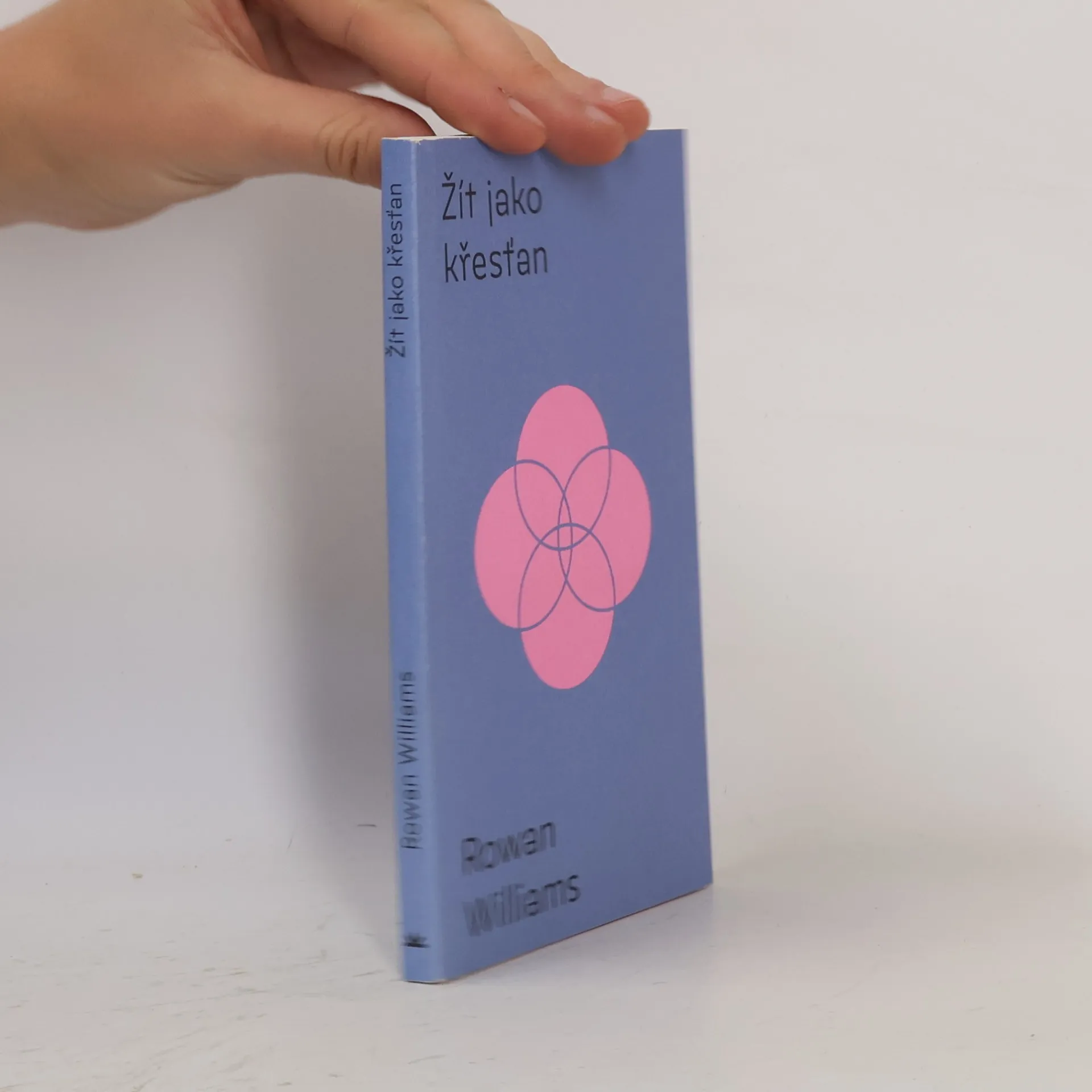
Žít jako křesťan
- 112pages
- 4 heures de lecture
Křest, Bible, eucharistie, modlitba. Esej o křesťanské identitě z pera někdejšího arcibiskupa z Canterbury. Co znamená by´t křesťan? Co odlišuje křesťanství od jiny´ch vyznání? Co je společné křesťanům všech míst a všech dob? Rowan Williams neodpovídá vy´kladem věroučny´ch článků, ale toho, co křesťané dělají: křtí — čtou Bibli — slaví večeři Páně — modlí se. Knížka jeho citlivě napsany´ch úvah, čerpající z pokladu společné křesťanské tradice, je přehledná a srozumitelná, současně však čtenáře zve na hlubinu a nespokojuje se s laciny´mi odpověďmi.
In einer zunehmend einheitlichen Welt, in einer Gesellschaft, in der tausend und eine Glaubensrichtungen koexistieren, sind die Anhänger Jesu aufgefordert, die Grundlagen ihres Glaubens zu identifizieren. Ein Christ ist in erster Linie derjenige, der das Wasser der Taufe empfangen hat, das ihn zu einem vollwertigen Mitglied der Kirche macht. Ein Christ ist derjenige, der auf das Wort Gottes hört, das sich jeden Tag gegenwärtig macht, wenn die heilige Schrift in der Gemeinschaft verkündet wird und wenn in der privaten Lektüre meditiert wird. Ein Christ ist derjenige, der sich vor allem am Sonntag versammelt, um das Brot und den Wein zum Gedächtnis an Jesus von Nazareth zu teilen. Ein Christ ist schließlich derjenige, der täglich das Vaterunser betet, sich für Gerechtigkeit einsetzt und seinen Geist im Gebet zu Jesus nährt.
Rowan Williams lässt sich von den Wüstenvätern und -müttern des 4. Jahrhunderts inspirieren und entdeckt, dass ihre Spiritualität stark mit Aspekten der modernen spirituellen Suche übereinstimmt. Er nutzt die Auseinandersetzung mit ihren Geschichten und Sprüchen als Ausgangspunkt für seine eigenen Überlegungen zu Themen wie: Leben in Beziehung zu anderen; die Wahrheit über uns selbst entdecken; unsere Prioritäten neu bewerten; Stille und die Bedeutung der Sprache; Leben in einer furchtlosen Gemeinschaft ; Leben innerhalb unserer Grenzen; Leben und Tod; Bleiben und Gehen.
Dietrich Bonhoeffer in einer globalen Zeit / Dietrich Bonhoeffer in a Global Era
Christlicher Glaube, Zeugnis, Dienst / Christian Faith, Witness, Service
- 481pages
- 17 heures de lecture
Dietrich Bonhoeffer gehörte zu den wenigen deutschsprachigen Theologen seiner Zeit, die schon früh Auslandserfahrungen sammelten und in der internationalen ökumenischen Bewegung mitarbeiteten. Gleichzeitig unterscheidet sich seine Zeit grundlegend von unserer, die durch nie gekannte globale Vernetzungsstrukturen - das internet und neue Kommunikationsmethoden, schnelle Trasportmöglichkeiten sowie unlösbares ökonomisches und politisches Verwobensein - geprägt ist. Der Band, der renommierte Bonhoeffer-Forschende aus der ganzen Welt versammelt, untersuht seine Theologie im Hinblick auf Fragen des christlichen Glaubensvollzugs, des christlichen Zeugnisses in einer pluralen Welt und des christichen Dienstes angesichts viefältiger politischer und gesellischaftlicher Herausforderungen unserer Zeit.