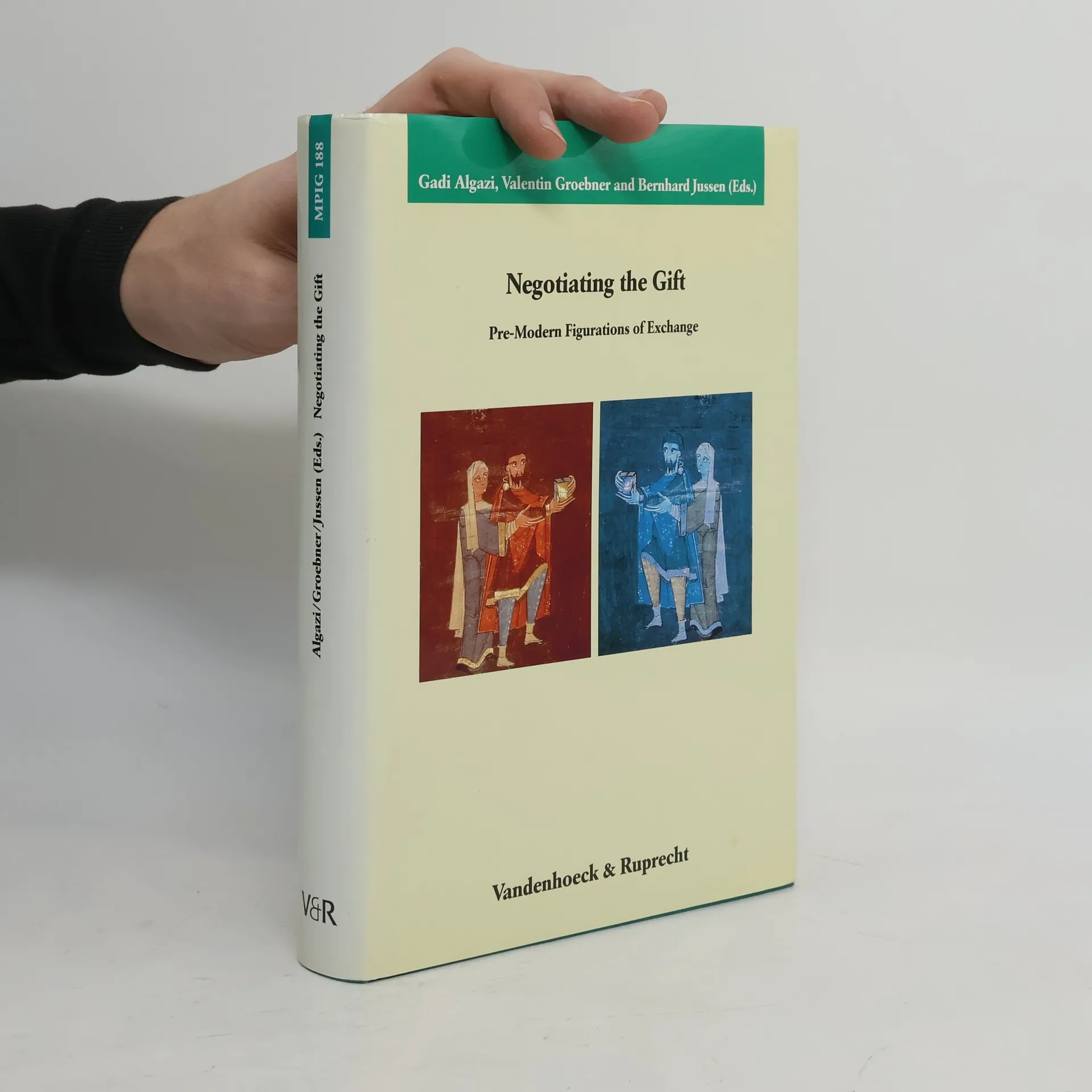
Veröffentlichungen des Max-Planck-Instituts für Geschichte - 188: Negotiating the Gift
Pre-Modern Figurations of Exchange
- 419pages
- 15 heures de lecture
Negotiating the Gift liefert zum ersten Mal eine Gesamtschau der Gebrauchsweisen von Gaben im mittelalterlichen Europa. Das Spektrum der Beiträge reicht dabei von den römischen Kaisern bis zu den Kaufmannstädten der Renaissance, von frühmittelalterlichen Klöstern bis zu den Konquistadoren der Neuen Welt. Was, so fragen die Autoren, unterschied ein Geschenk von einem Kauf, eine Liebesgabe von einer erpressten Zahlung, ein Präsent von einer Bestechung? Gaben, so wird dabei deutlich, waren kein archaisches Bindemittel jenseits von Geldökonomie und Verwaltung, sondern funktionierten als höchst flexibles und allgegenwärtiges soziales Instrument. Herrschaft war nicht unbedingt das Gegenteil von Gegenseitigkeit, sie konnte sich gerade in und mit »Liebesgaben« entfalten. Darin beginnt sich das Mittelalter durchaus modern anzuhören.