Histoire de mon fils
- 325pages
- 12 heures de lecture
L'histoire d'une passion, d'un amour entre un homme et deux femmes, entre un père et son fils, drame intime qui se noue à l'histoire tragique de l'Afrique du Sud.


Nadine Gordimer était une écrivaine et une militante politique sud-africaine dont l'œuvre a exploré les questions morales et raciales, notamment l'apartheid dans son pays natal. Son écriture se caractérisait par une portée épique et une profonde compréhension de la condition humaine. Gordimer a participé activement au mouvement anti-apartheid et s'est également consacrée à des causes liées au VIH/SIDA, démontrant un profond engagement envers l'humanité. Ses contributions littéraires lui ont valu le Prix Nobel de littérature.


L'histoire d'une passion, d'un amour entre un homme et deux femmes, entre un père et son fils, drame intime qui se noue à l'histoire tragique de l'Afrique du Sud.
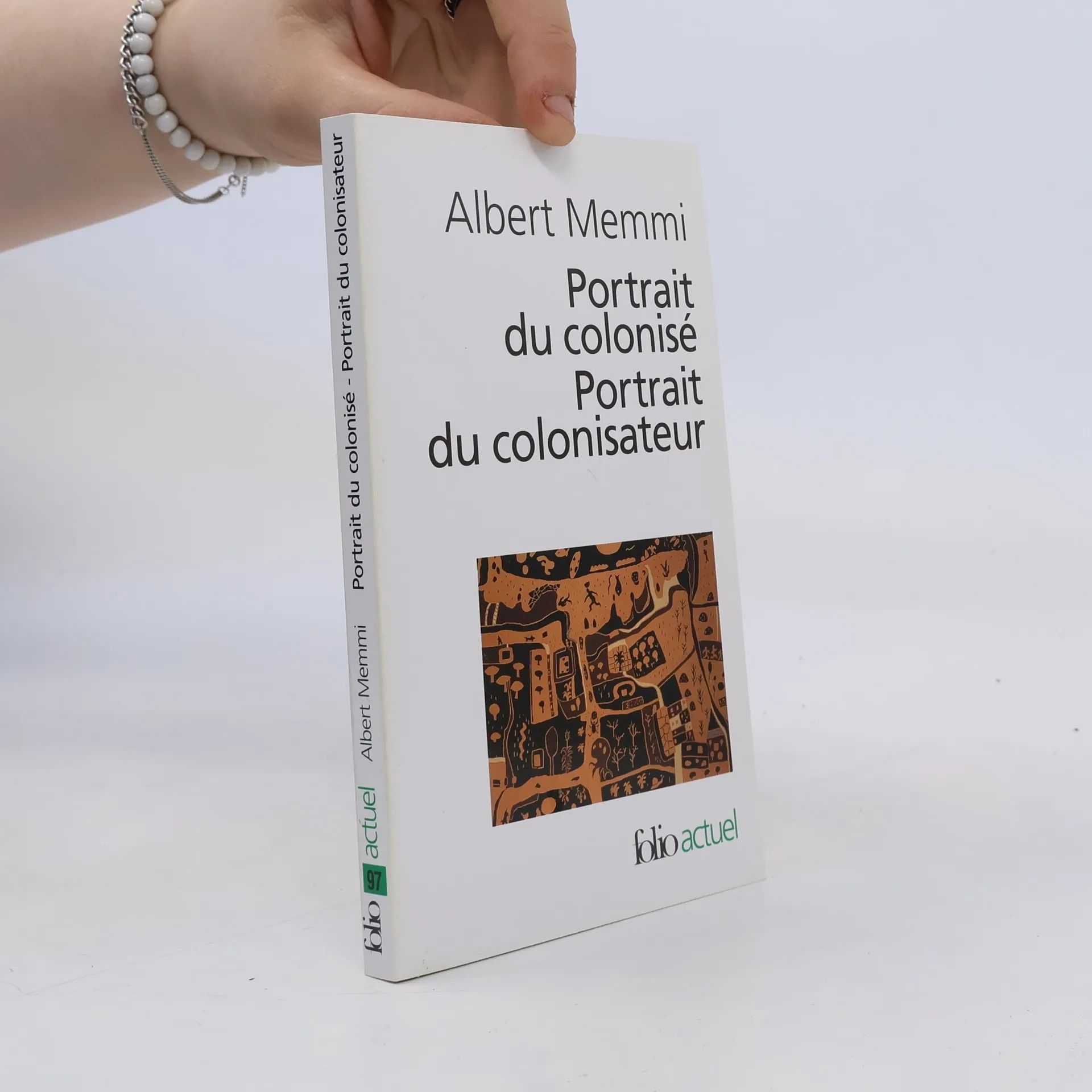
" J'ai entrepris cet inventaire de la condition du colonisé d'abord pour me comprendre moi-même et identifier ma place au milieu des autres hommes Ce que j'avais décrit était le lot d'une multitude d'hommes à travers le monde. Je découvrais du même coup, en somme, que tous les colonisés se ressemblaient ; je devais constater par la suite que tous les opprimés se ressemblaient en quelque mesure. " Et Sartre d'écrire : " Cet ouvrage sobre et clair se range parmi "les géométries passionnées" : son objectivité calme, c'est de la souffrance et de la colère dépassée. " Cet essai est devenu un classique, dès sa parution en 1957 : il soulignait combien les conduites du colonisateur et du colonisé créent une relation fondamentale qui les conditionne l'un et l'autre.
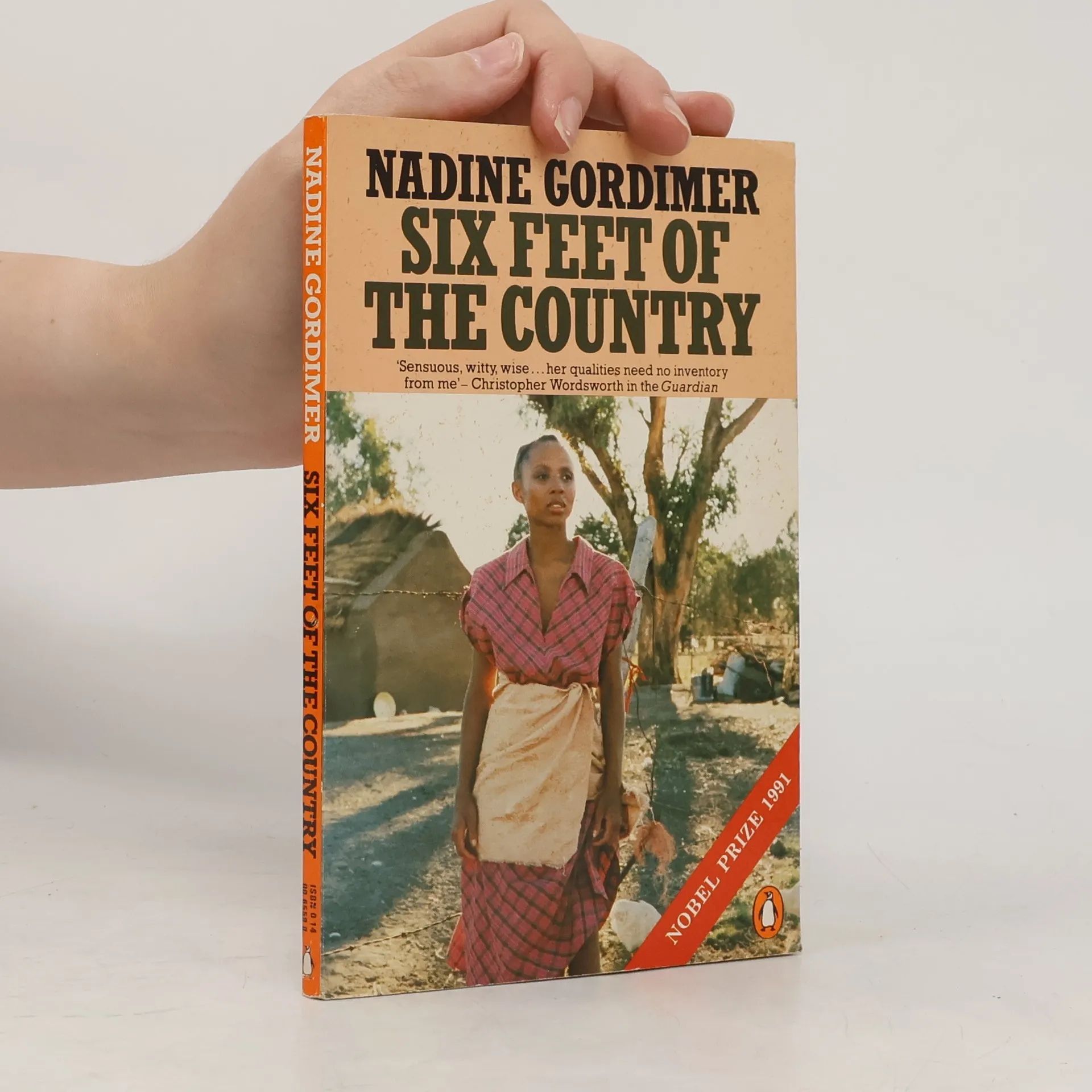
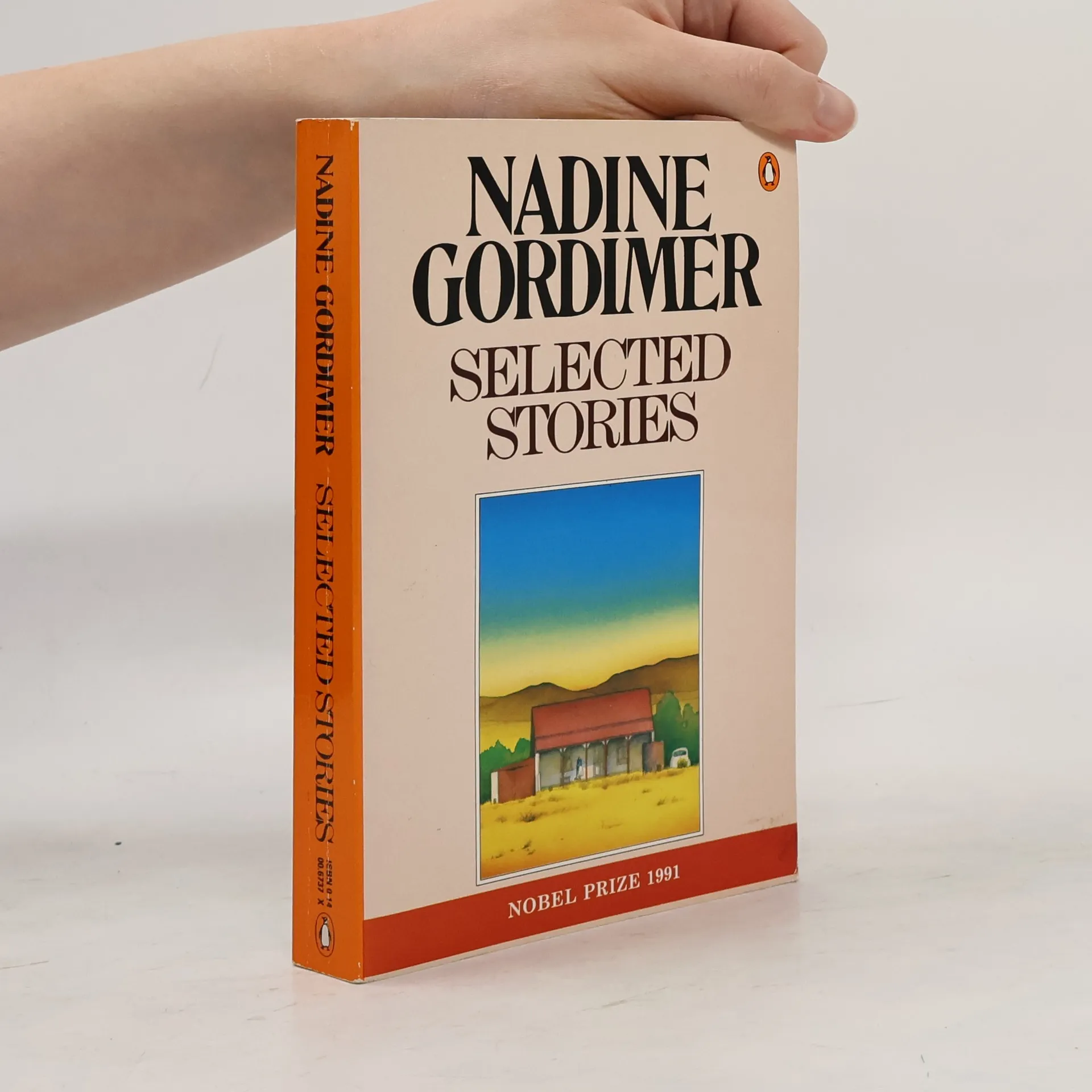
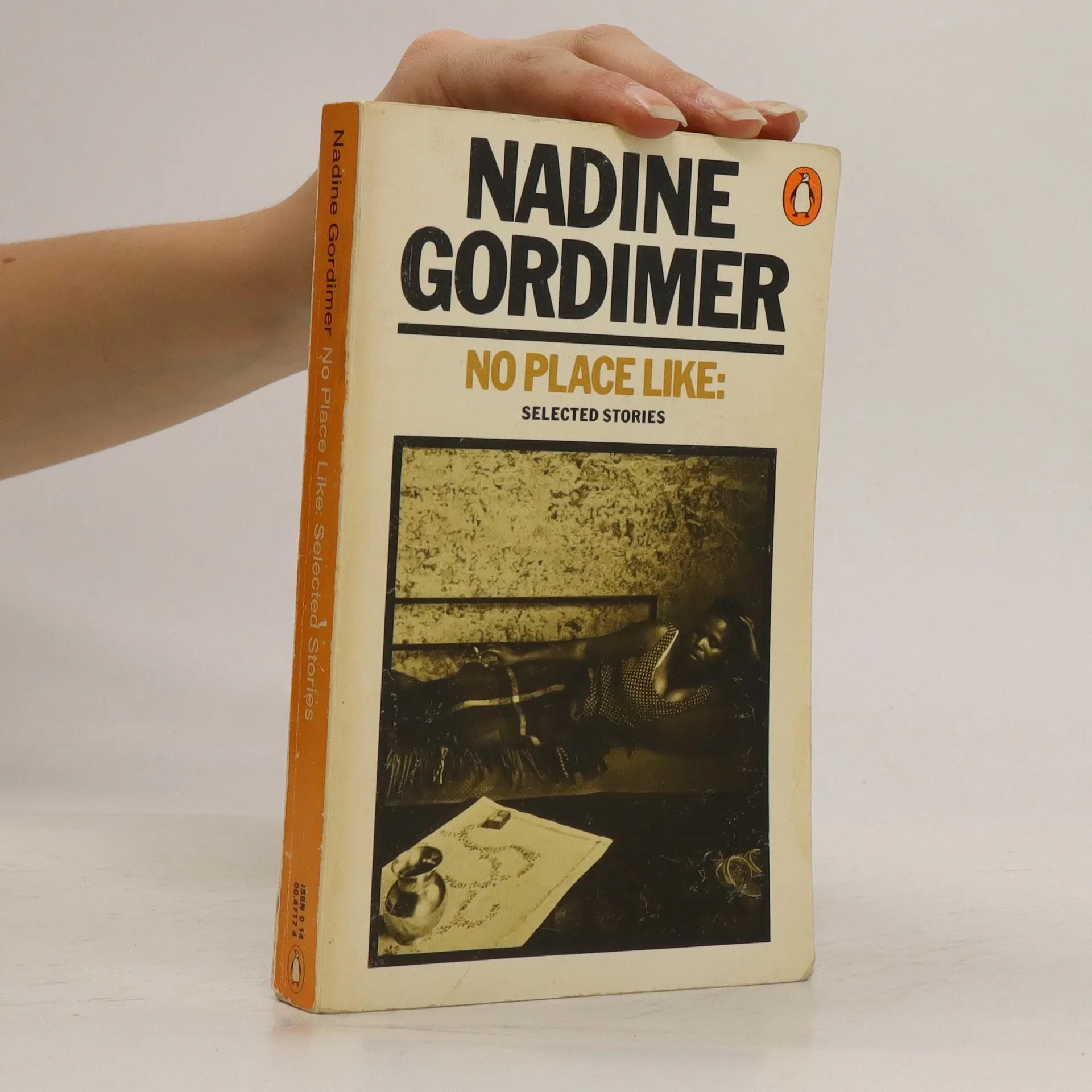
In these stories, selected by Gordimer herself, characters from every corner of society come to life, along with the South African landscape they inhabit. The stories have a strong focus on racial issues, yet their implications are universal. The stories are National Curriculum recommended reading.
Seven stories of South Africa deal with a missing body, a mysterious Rhodesian visitor, a pass law protest, a white geologist and his Black secretary, and a pair of childhood sweethearts
A profoundly moving book that combines the superb writings fo Gordimer and the stark, powerful photogrpahs fo Goldblatt to show us, in the details of individual lives, the great human damage wrought by apartheid. Black-and-white photographs.----------This work is another contribution to the growing pictorial record of apartheid in South Africa, and like some earlier series of black-and-white photographs it is haunted with pathos and irony. Like the pictures from Peter Magubane's Magubane's South Africa ( LJ 5/15/78), Goldblatt's images span 35 years and qualify as works of art in their own right. Complementing the harsh reality represented by the photographs are excerpts from the writings of South African novelist Gordimer, which in their way are as telling as the scholarly pieces that accompany South Africa, the Cordoned Heart , edited by Omar Badsha ( LJ 5/15/86), a work to which Goldblatt also contributed. Despite the photographic essays already available, libraries may still find this handsome book worth acquiring. Paul H. Thomas, Hoover Inst. Lib., Stanford, Cal.Copyright 1986 Reed Business Information, Inc.
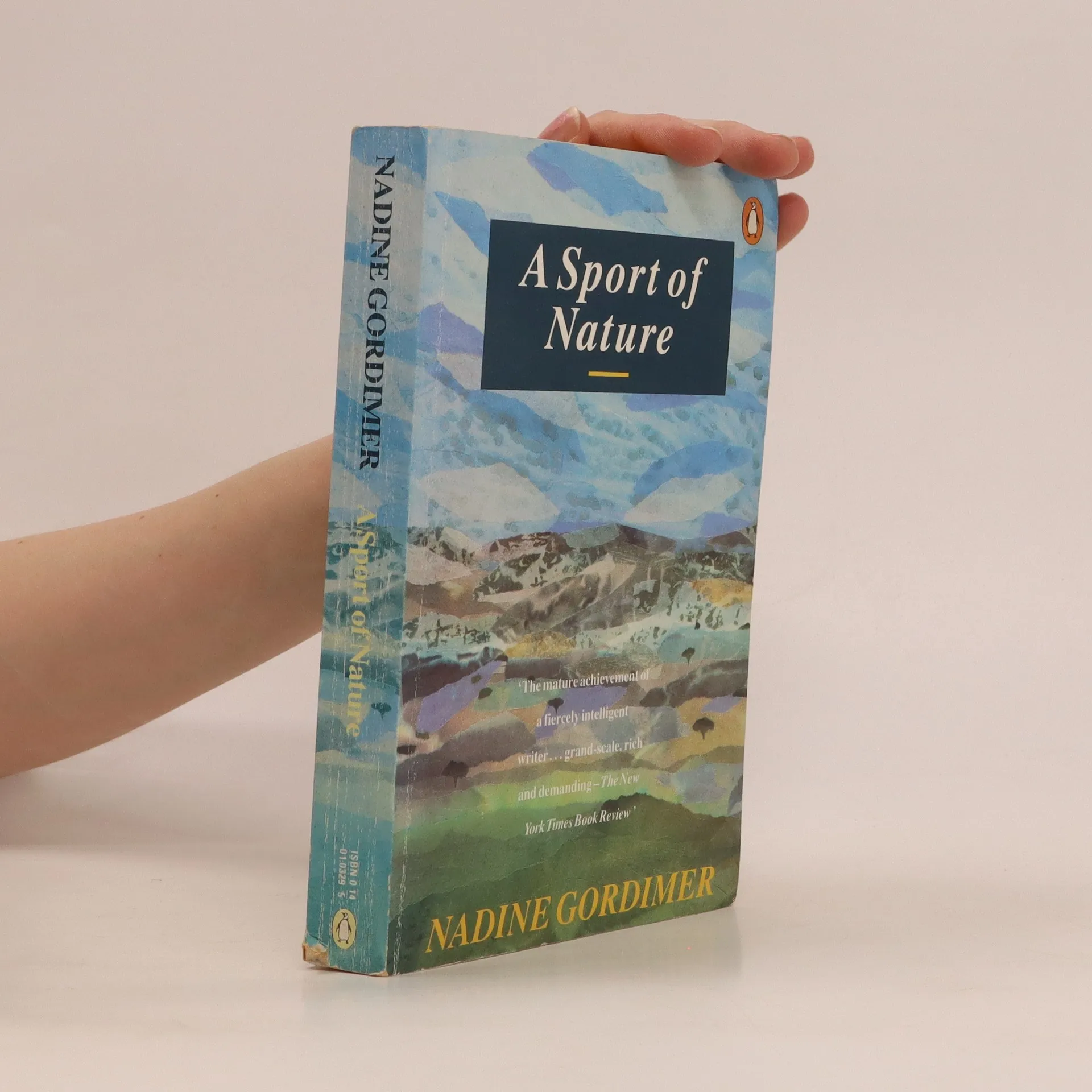
Nadine Gordimer's first novel, published in 1953, tells the story of Helen Shaw, daughter of white middle-class parents in a small gold-mining town in South Africa. As Helen comes of age, so does her awareness grow of the African life around her. Her involvement, as a bohemian student, with young blacks leads her into complex relationships of emotion and action in a culture of dissension.
At age 82, Clifton Fadiman continues his prolific publishing career, here presenting 62 of the world's best short stories from 16 countries. His criteria? "Each story had to be both interesting and of high literary merit." Fadiman fulfills both requirements and much more, offering a cornucopia of superior 20th-century writers that includes Franz Kafka, D. H. Lawrence, Isaac Babel, F. Scott Fitzgerald, William Faulkner, Ernest Hemingway, John Cheever, Sean O'Faolain, Graham Greene, Robert Penn Warren, Colette, John Updike, Donald Barthelme, and James Thurber. (Regrettably, J. D. Salinger is not included due to lack of permission.) Here is a truly remarkable collection of this century's short stories that readers from all over the world will read with delight.
A startling new work from a Nobel prize-winning author: ten short stories, each a revelation of our interior lives, each entering unforeseen contexts of our contemporary world. In the title story an earthquake exposes both an ocean bed strewn with treasure among the dead, and the avarice of the town's survivors. In 'The Diamond Mine' a woman remembers her first, passionately erotic experience, hidden, in the company of her parents, with a soldier who may not be alive to remember her. The anopheles mosquito brings death to the saunas and other playgrounds of the developed with in 'The Emissary'. In 'Karma', Gordimer's inventiveness knows no bounds: in five returns to the earthly life, taking on different ages and genders, a disembodied narrator testifies to unfinished business - critically, wittily - and questions the nature of existence.
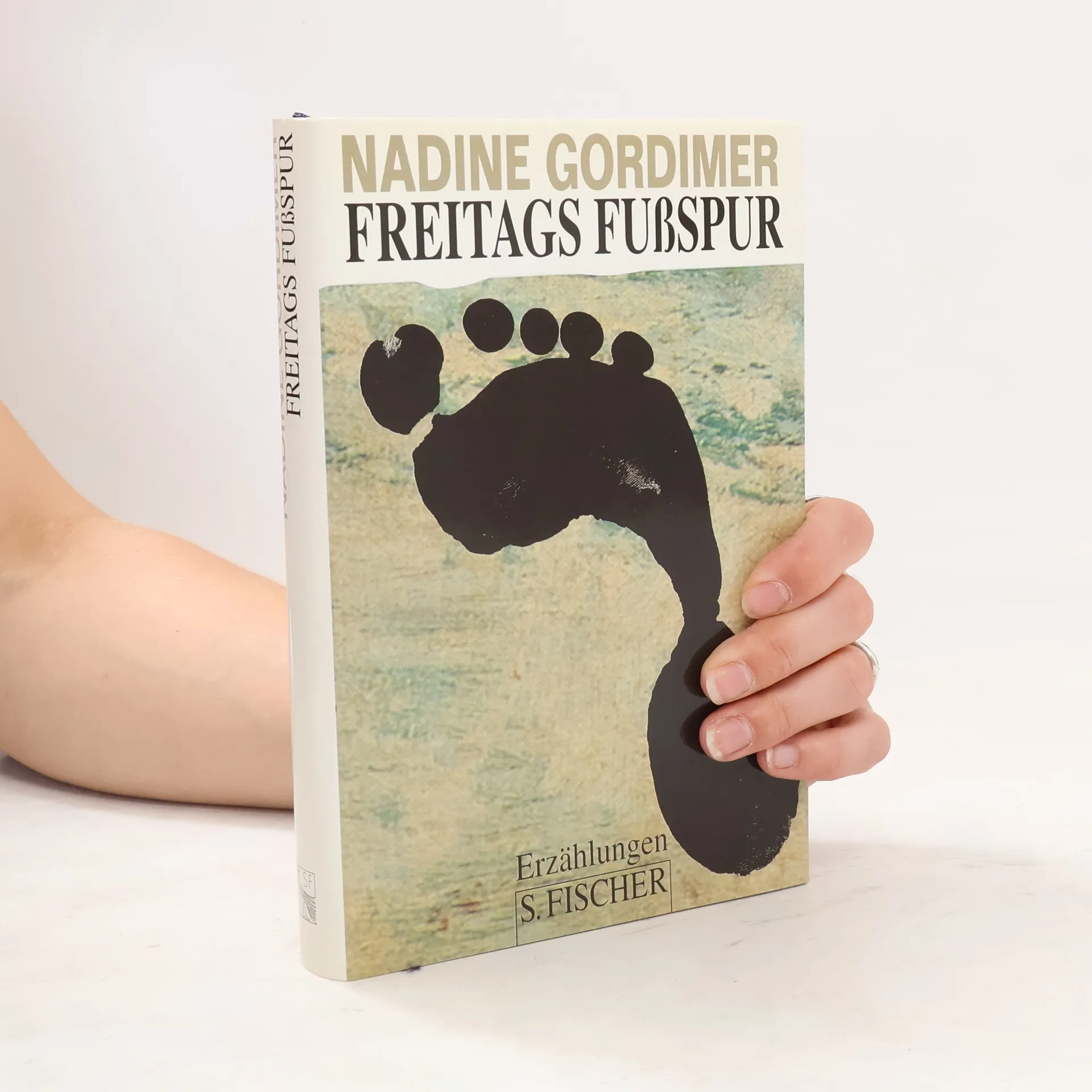
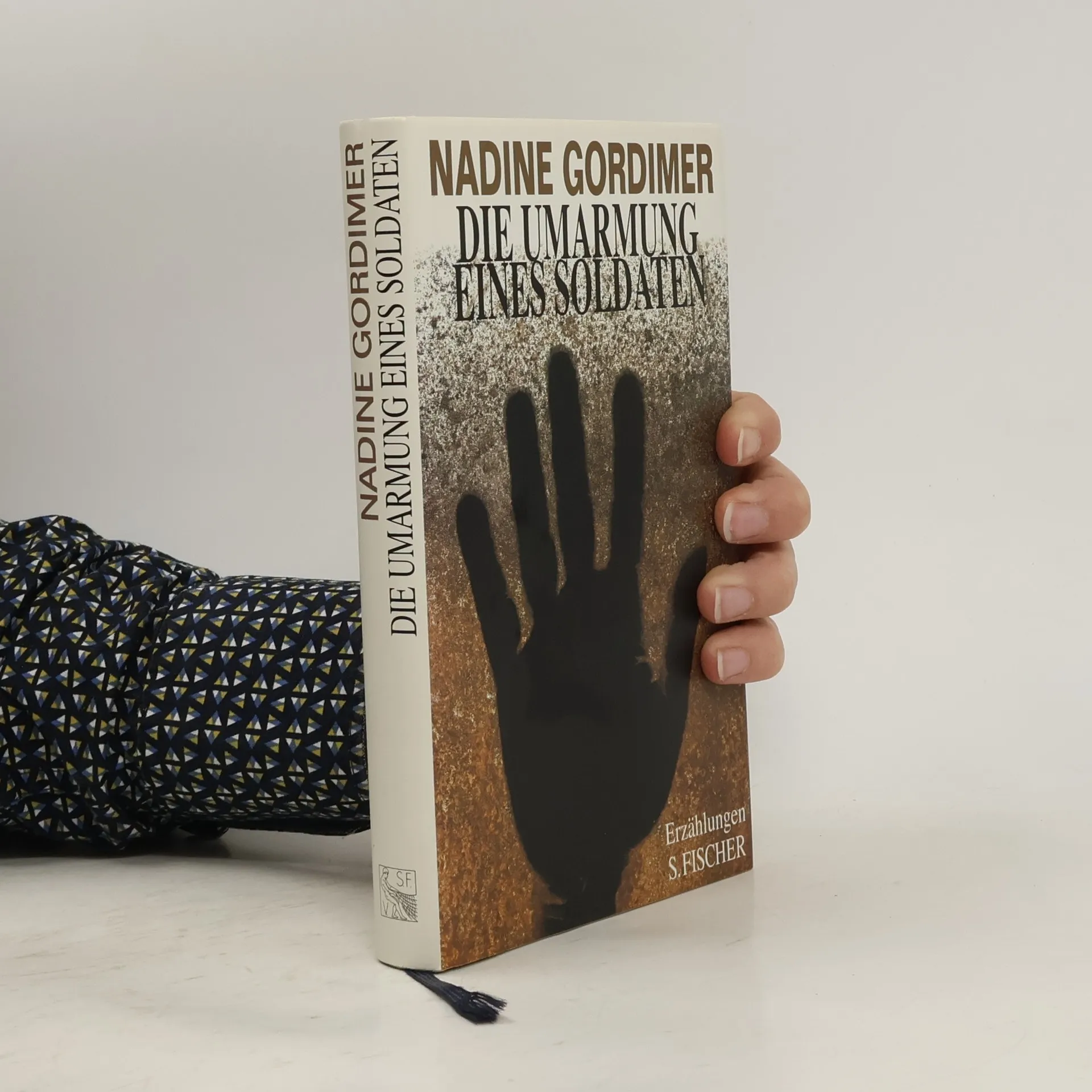
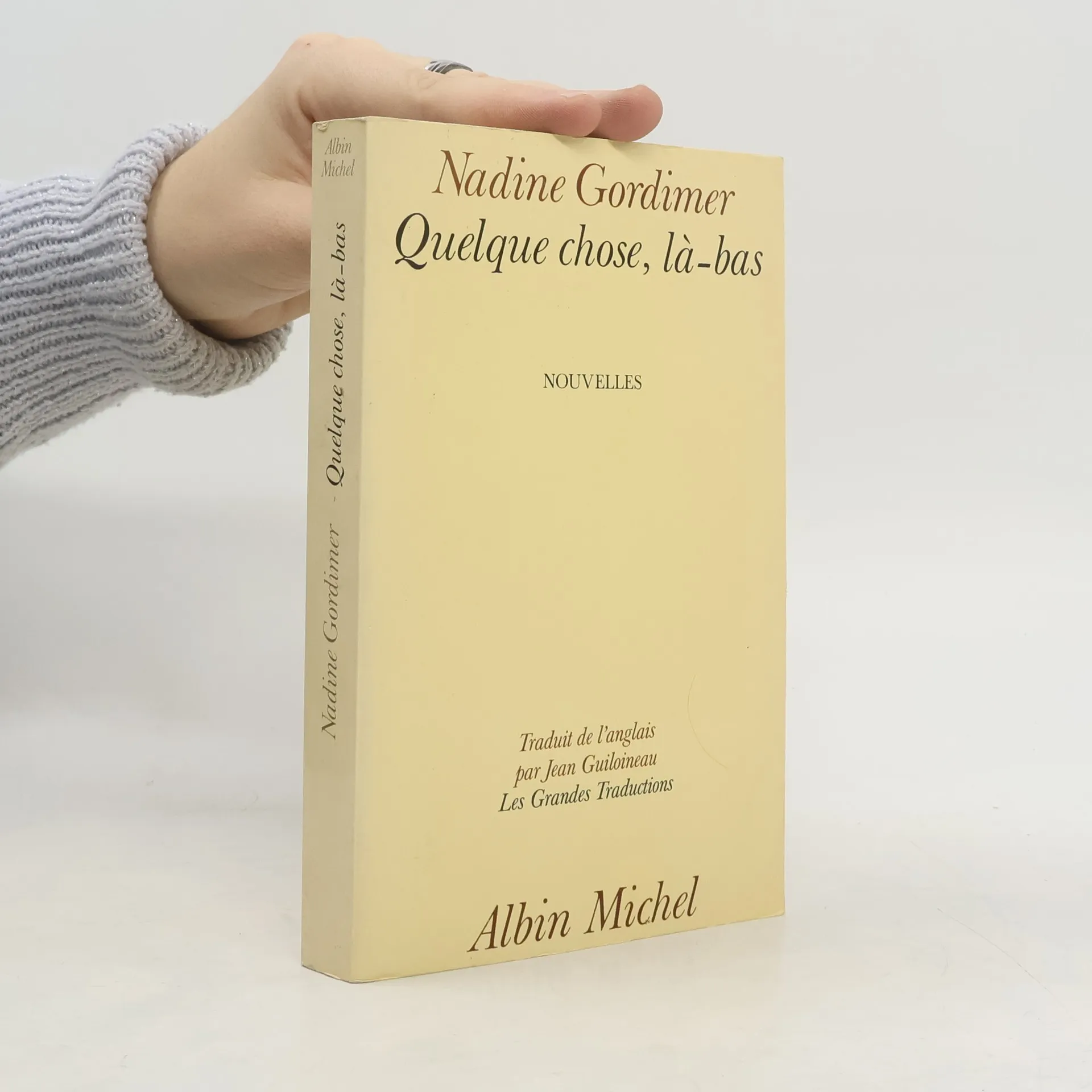
A collection of short stories exploring the emotional and physical landscapes of South Africa.Contents: A soldier's embrace -- A lion on the freeway -- Siblings -- Time did -- A hunting accident -- For dear life -- Town and country lovers one -- (Two) -- A mad one -- You name it -- The termitary -- The need for something sweet -- Oral history.
Seven stories set in the South African milieu reveal much about the conflicts between people of different races in an apartheid state.
Originally published in 1979 as part of a collection of short stories, this is about a white couple and two black revolutionaries in Johannesberg. The story is set in a suburb which is in the grip of rumours of a strange creature said to be roaming among them.
In sixteen new stories ranging from the dynamics of family life to the worldwide confusion of human values, Nadine Gordimer gives us access to many lives in places as far apart as suburban London, Mozambique, a mythical island, and South Africa.
After being abandoned by her mother, Hillela was pushed onto relatives where she was taught social graces. But when she betrayed her position as surrogate daughter, she was cast adrift. Later she fell into a heroic role in the overthrow of apartheid.
Longlisted for the 2002 Booker Prize: the compelling story of a relationship between a young white South African woman and a young Arab man
Toby Hood, a young Englishman, shuns the politics and the causes his liberal parents passionately support. Living in Johannesburg as a representative of his family's publishing company, Toby moves easily, carelessly, between the complacent wealthy white suburbs and the seething, vibrantly alive black townships. His friends include a wide variety of people, from mining directors to black journalists and musicians, and Toby's colonial-style weekends are often interspersed with clandestine evenings spent in black shanty towns. Toby's friendship with Steven Sithole, a dashing, embittered young African, touches him in ways he never thought possible, and when Steven's own sense of independence from the rules of society leads to tragedy, Toby's life is changed forever.
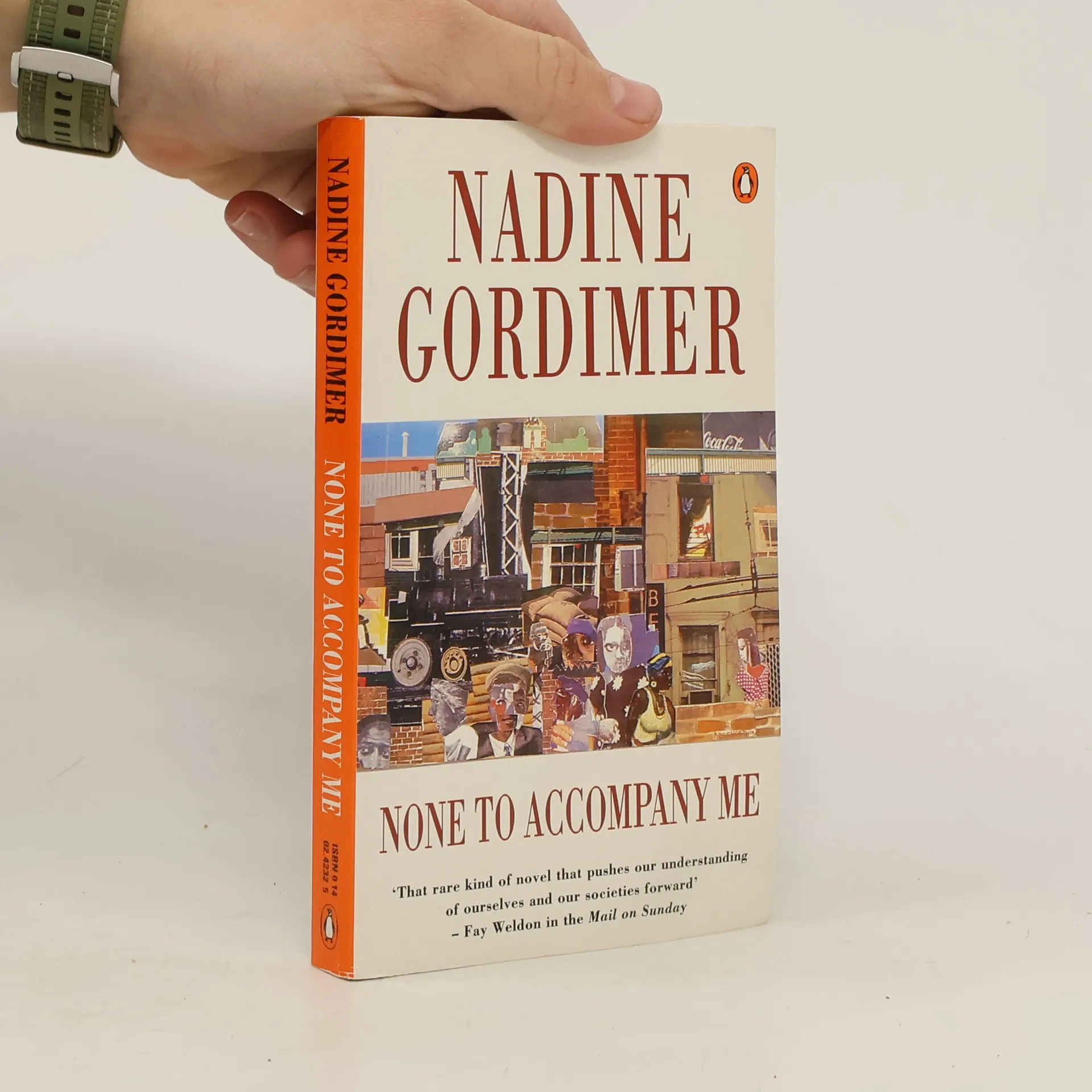
In an extraordinary period immediately before the first non-racial election and the beginning of majority rule in South Africa, Vera Stark, the protagonist of Nadine Gordimer's passionate novel, weaves a ruthless interpretation of her own past into her participation into the present as a lawyer representing blacks in the struggle to reclaim the land. None to Accompany Me is arresting and reverbant - perhaps the most powerful novel to date by one of the world's most commanding writers.
This collection is a companion to the long-established and highly successful Modern Short Stories One and its essential aims are the same: to offer stories of high literary quality which, though written for adults, can be enjoyed and appreciated by adolescents. The fifteen stories included are by distinguished writers from Africa, America, Australia, India, Ireland, Italy and Great Britain; and within their artistic context several of them deal with the special personal and social concerns of society today.The collection includes stories by the likes of Dorothy Parker, Maeve Binchy, Garrison Keillor, Peter Carey, Flannery O'Connor and Nadine Gordimer.
Deals with the suicide of a South African of British descent who is torn by divided loyalties.
The writers include Gabriel Garcia Marquez, Margaret Atwood, John Updike, Susan Sontag and Hanif Kureishi. Their stories capture the range of emotions and situations of our human universe: tragedy, comedy, fantasy, satire, dramas of sexual love, and of war, in different continents and cultures.
The tensions created among a group of white citizens of Johannesburg when a young wife indulges in a forbidden affair with an African rebel.
A woman gauges the state of her marriage by the tone of her husband's cello; and a wife reads her husband's mood by the scent in the nape of his neck. This book illustrates the show downs, standoffs and highlights of human intimacy while penetrating the nuances of immigration, national identity and race.
How else can you defend yourself against losing your hi-fi equipment, your tv set and computer, your watch and rings a house gun, like a house cat; that is a fact of ordinary life in many cities of the world as we come to the end of the twentieth century, especially in south africa at this time the successful, respected executive director of an insurance company, harold, and his doctor wife, claudia, for whom violence could never be a means of solving personal conflict, are faced with something that could never happen to their son has committed murder what kind of loyalty do a mother and a father owe a son who has committed this unimaginable horror what have they done, in influencing his character; more ominously, where is it they have failed him the house gun is a passionate narrative of love being particularly complex between parents and their children it moves with the restless pace of living itself, from the intimate to the general condition; if it is a parable of present violence, it is also an affirmation of the will to human reconciliation that starts where it must, between individuals
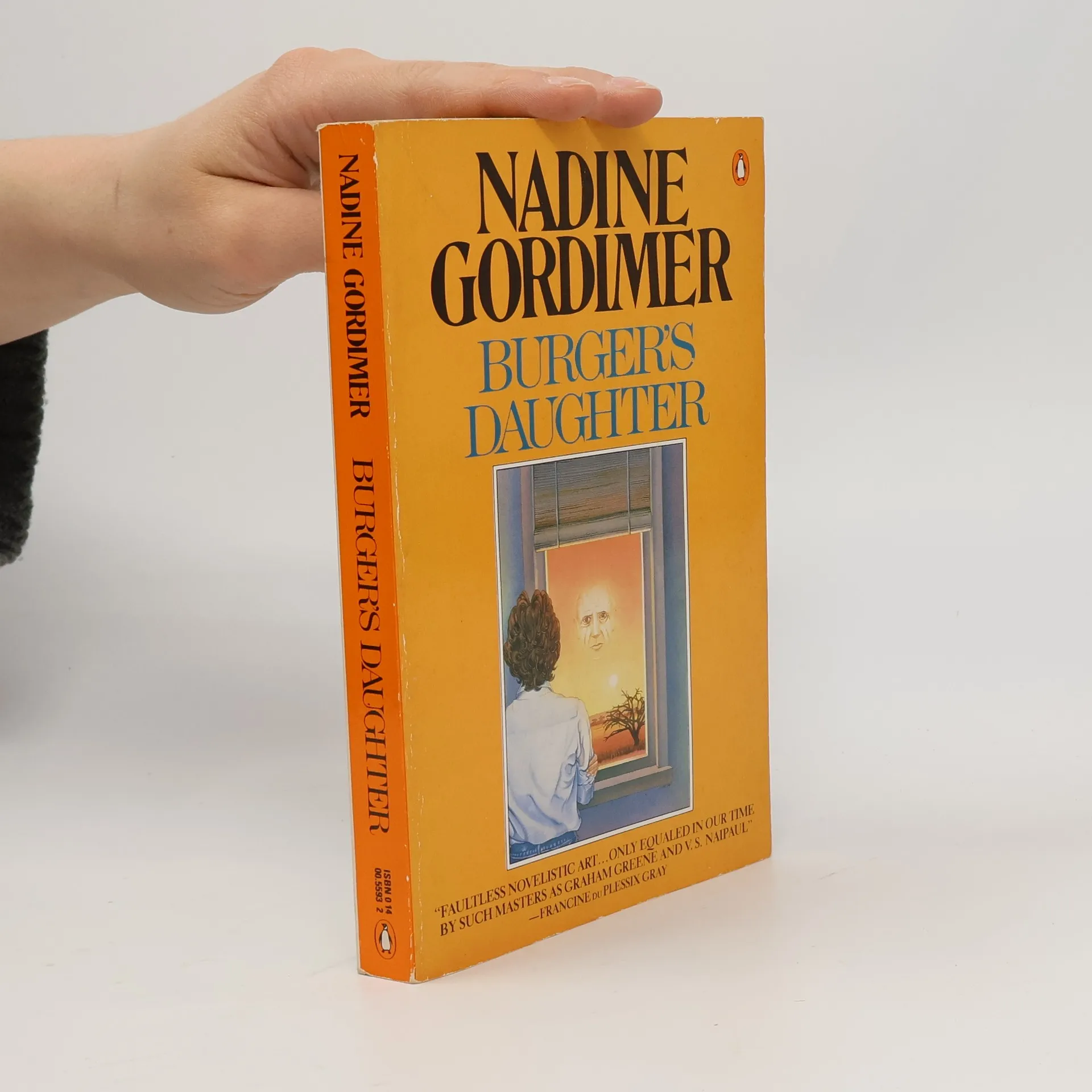
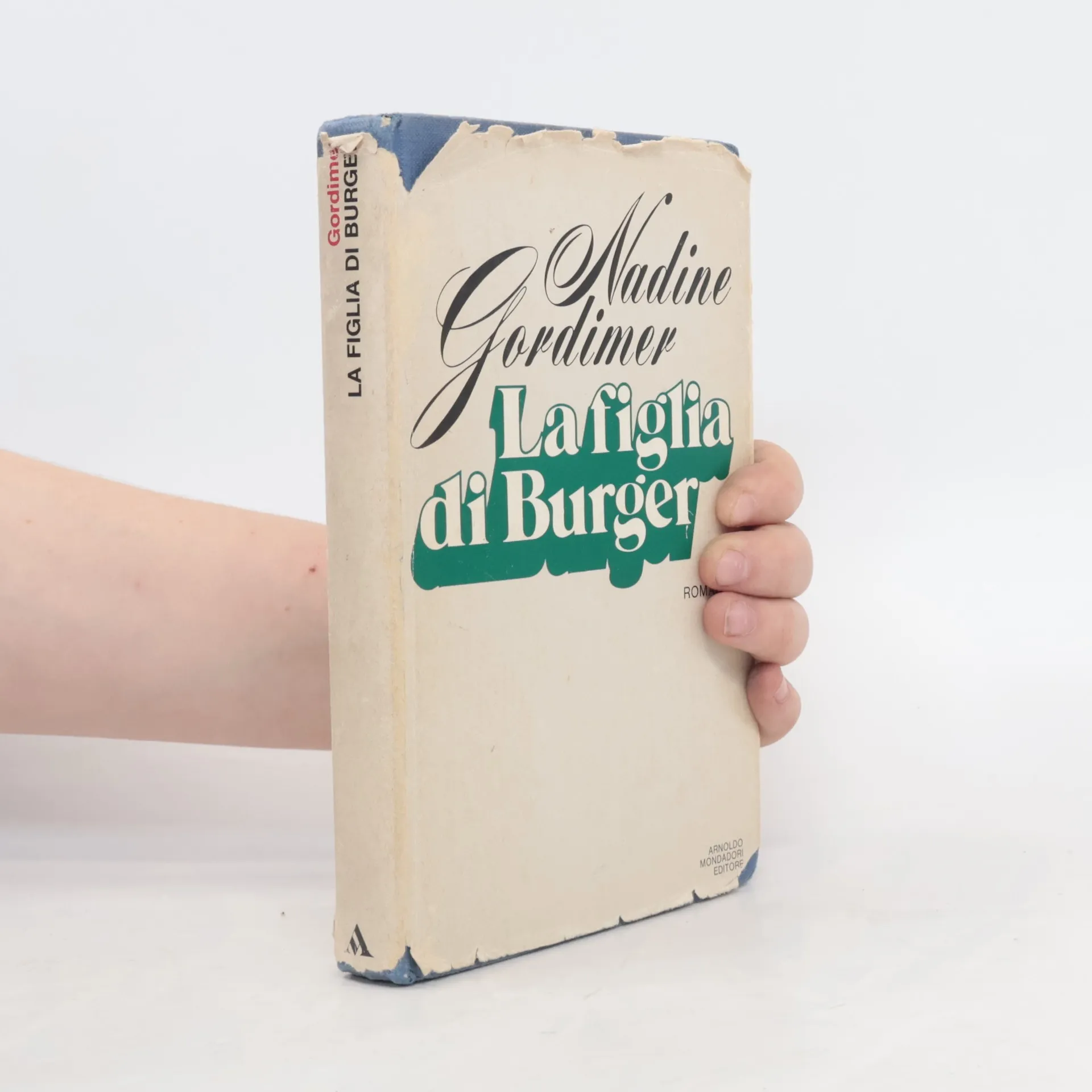
"A riveting history of South Africa and a penetrating portrait of a courageous woman." -- The New Yorker A must read fiction of South Africa from the winner of the Nobel Prize in Literature This is the moving story of the unforgettable Rosa Burger, a young woman from South Africa cast in the mold of a revolutionary tradition. Rosa tries to uphold her heritage handed on by martyred parents while still carving out a sense of self. Although it is wholly of today, Burger's Daughter can be compared to those 19th century Russian classics that make a certain time and place come alive, and yet stand as universal celebrations of the human spirit. Nadine Gordimer, winner of the 1991 Nobel Prize in Literature, was born and lives in South Africa.
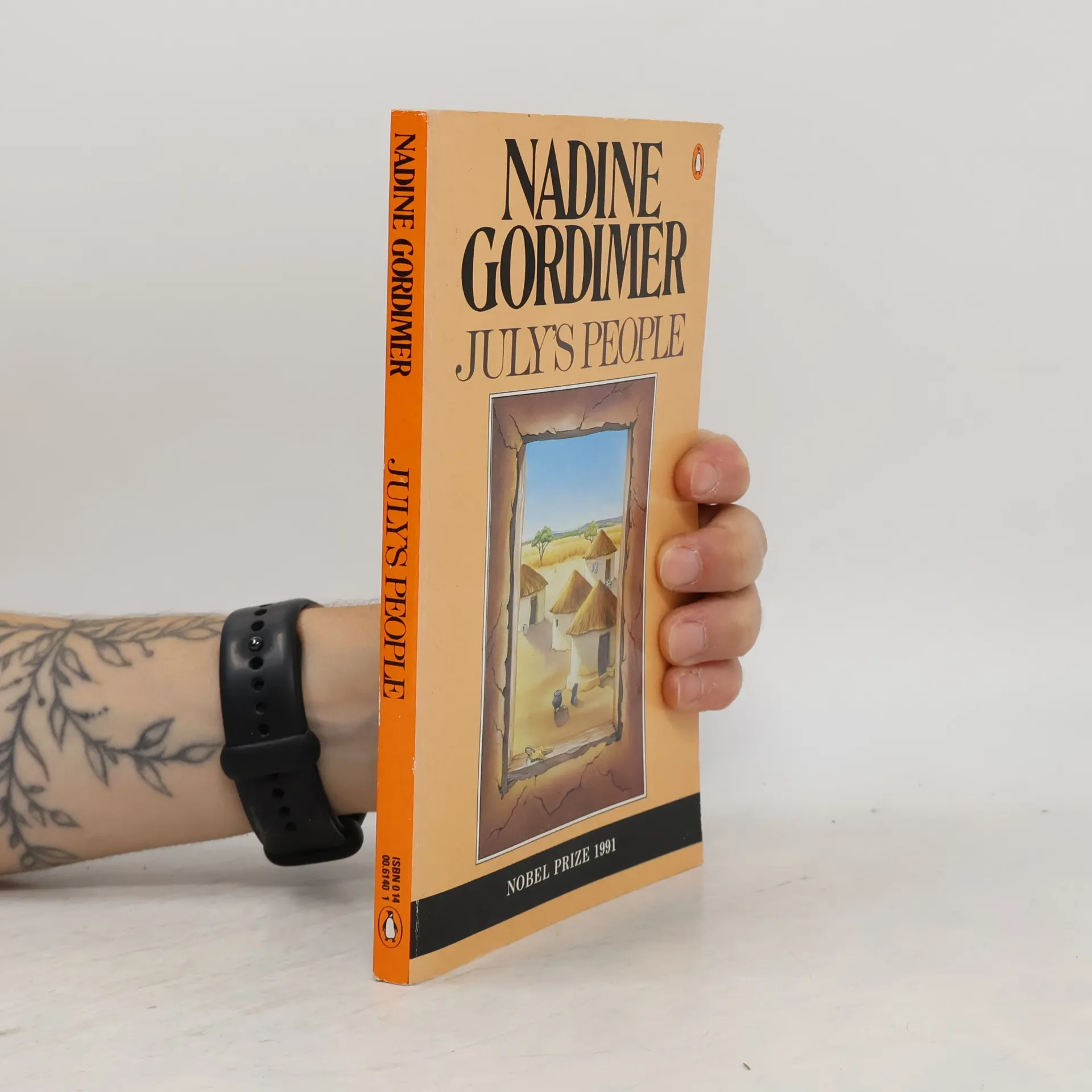
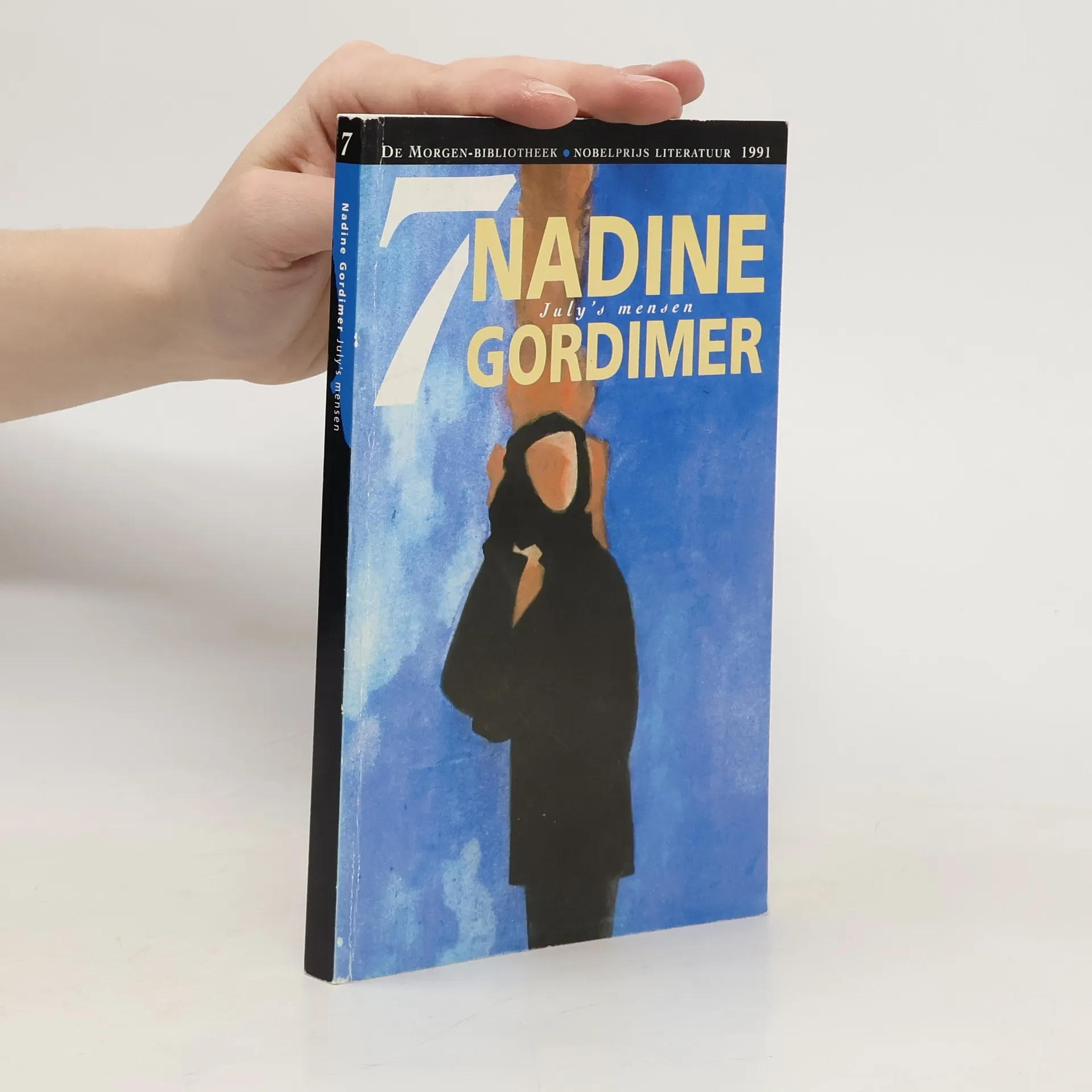
For years, it had been what is called a “deteriorating situation.” Now all over South Africa the cities are battlegrounds. The members of the Smales family—liberal whites—are rescued from the terror by their servant, July, who leads them to refuge in his village. What happens to the Smaleses and to July—the shifts in character and relationships—gives us an unforgettable look into the terrifying, tacit understandings and misunderstandings between blacks and whites.Nadine Gordimer was a winner of the Nobel Prize in Literature
James Bray, an English colonial administrator who was expelled from a central African nation for siding with its black nationalist leaders, is invited back ten years later to join in the country's independence celebrations. As he witnesses the factionalism and violence that erupt as revolutionary ideals are subverted by ambition and greed, Bray is once again forced to choose sides, a choice that becomes both his triumph and his undoing.
At the heart of this story is an interracial couple, Steven and Jabulile, living in a 'free' South Africa. He is a university lecturer and she is a lawyer, both comrades in the Struggle and now parents of children born in freedom.
Nadine Gordimer's Booker Prize-winning story of the forces and relationships seething in the South Africa of the day
Ecologist Paul Bannerman, 35, has a stable job, a successful wife, and a young son. He believes he has life under control until he is diagnosed with cancer. As a result of treatment, he becomes "radioactive," posing a danger to those around him. To protect his wife and child, Paul voluntarily quarantines himself in his childhood home, cared for by his parents, Adrian and Lyndsay. This situation forces Paul to revert from husband and father back to son, with far-reaching consequences for everyone involved. He reflects on his marriage and his job at a major conservation organization, which conflicts with his wife's views. Meanwhile, the seemingly perfect marriage of Adrian and Lyndsay faces a crisis as repressed emotions resurface, leading to an unexpected turn in their relationship. Gordimer once again demonstrates her brilliance as an analyst of our fears and hopes, offering an unflinching insight into the depths of the human soul.
Noam Chomsky, Howard Zinn, William Blum, la premio Nobel Nadine Gordimer, Michael Parenti e Leonard Weinglass descrivono le gravi realtà delle aggressioni statunitensi contro Cuba dal 1898. Nel 1959, con il trionfo della Rivoluzione cubana, Washington ha implementato il terrorismo internazionale come strumento della sua politica estera, e la violenza è diventata una norma dottrinale negli affari mondiali. Viene anche esaminato il destino dei Cinque cubani, che si recarono negli Stati Uniti per indagare su gruppi terroristici in Florida e che poi ricevettero pene detentive a vita per averlo fatto. Salim Lamrani è un ricercatore presso l'Università della Sorbona di Parigi. Si è specializzato nelle relazioni tra Stati Uniti e Cuba dal 1959 e ha scritto articoli tradotti in diverse lingue e pubblicati in tutto il mondo.
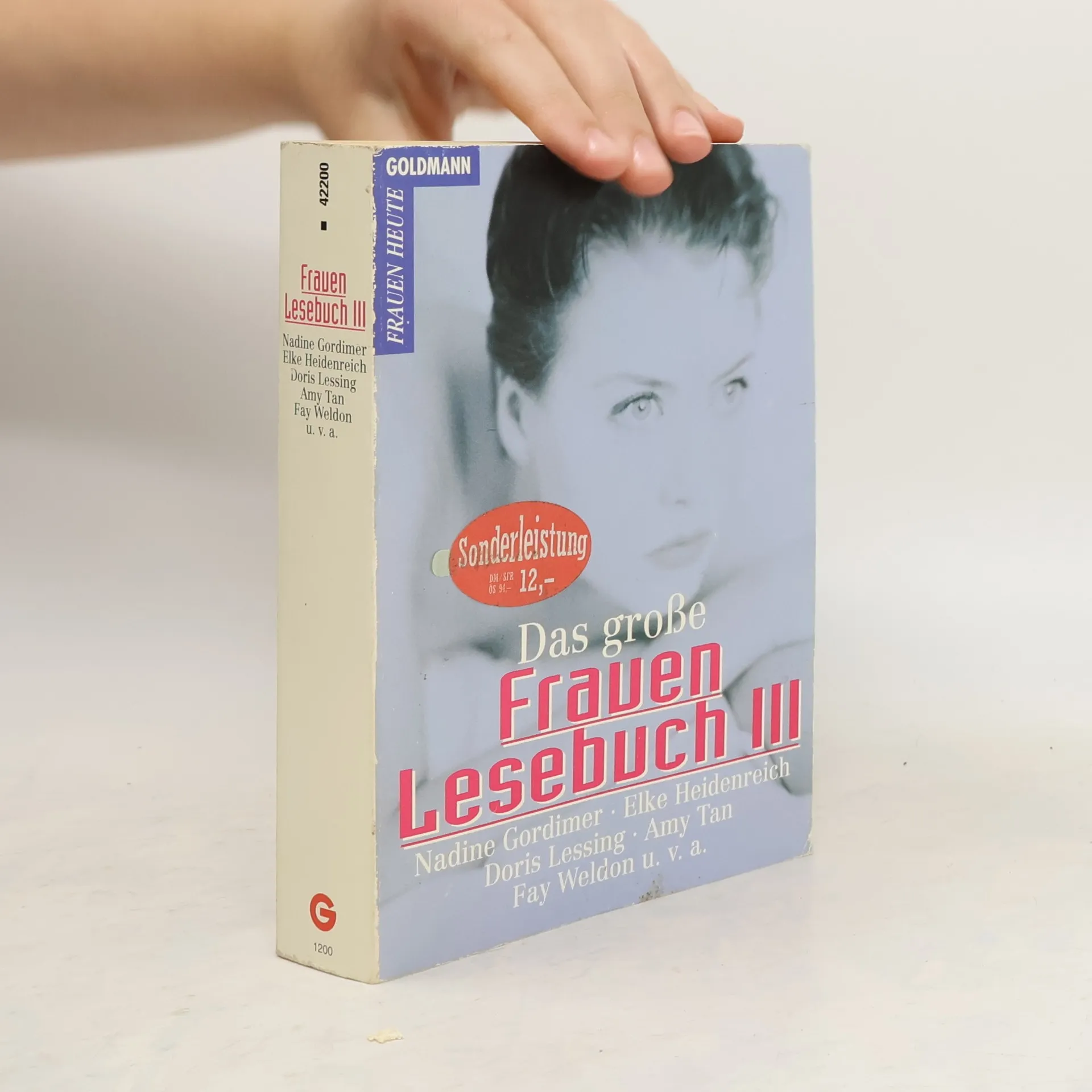
Liv Ullmann, Schauspielerin und Regisseurin, hat als UNICEF-Sonderbotschafterin 25 weitere prominente Zeitgenossen gebeten, persönliche Erfahrungen und Werte, die ihnen am Herzen liegen, weiterzugeben an real existierende eigene Enkelkinder wie überhaupt an alle jungen Menschen. In Briefen, Prosastücken und Reden sprechen sie von Frieden und Toleranz, von der Achtung von Mensch und Natur sowie von einem Leben in Würde: Harry Belafonte, Gro Harlem Brundtland, Dalai Lama, Umberto Eco, Oriana Fallaci, Marilyn French, Nadine Gordimer, Václav Havel, Thor Heyerdahl, Doris Lessing, Astrid Lindgren, Nelson Mandela, Martina Navratilova, Shimon Peres, Fay Weldon u. a.
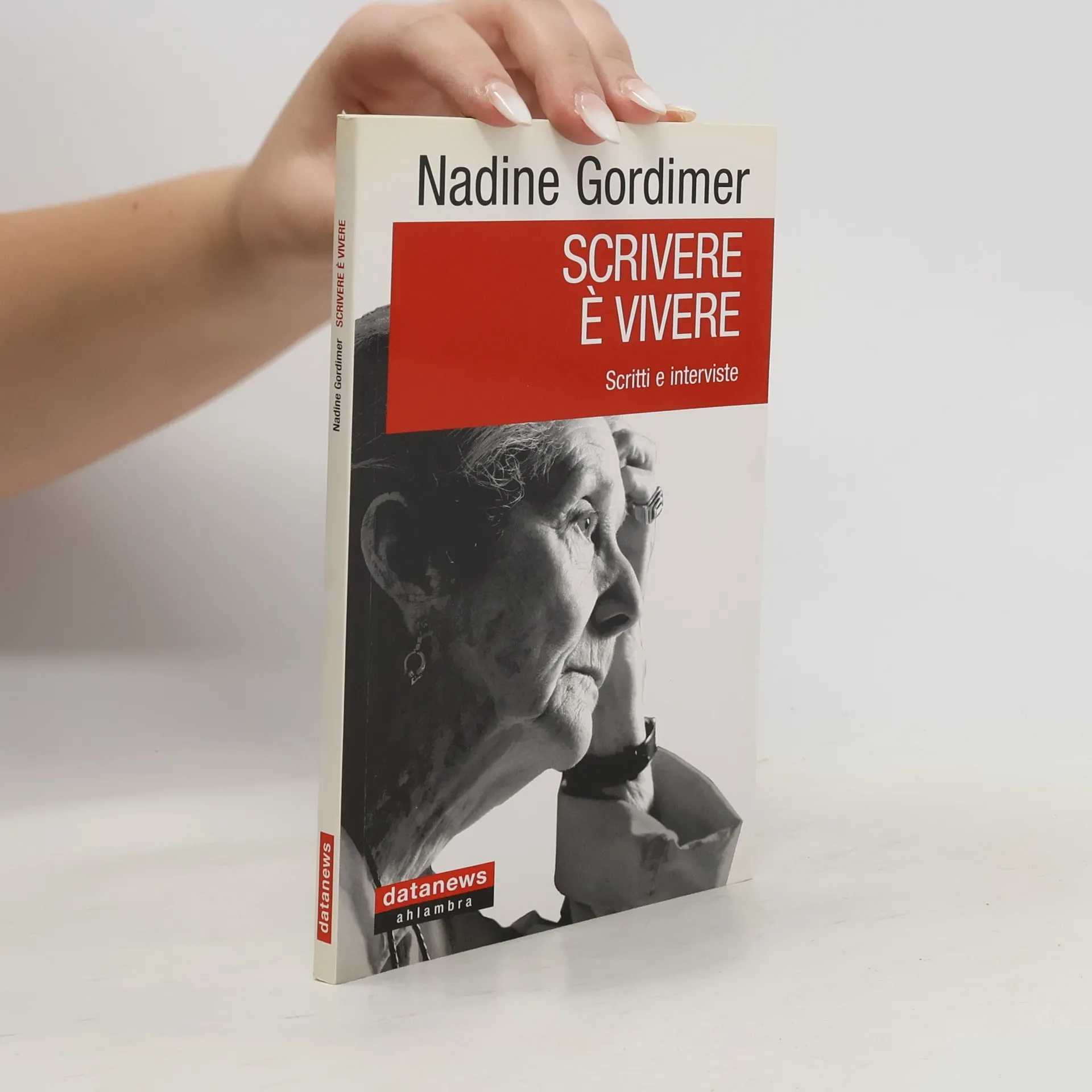
Il titolo di questo libro è l'essenza della "Lectio magistralis" pronunciata dall'autrice all'atto del conferimento del premio Nobel per la Letteratura nel 1991 e che viene qui riprodotta integralmente, assieme ad altri scritti e interviste. Da questi testi emerge la natura e il carattere della scrittrice che scrive della vita e per la vita dell'uomo e dei suoi diritti inalienabili. Un libro che fa toccare con mano la forza della scrittura che non si ferma davanti al razzismo e all'autoritarismo.
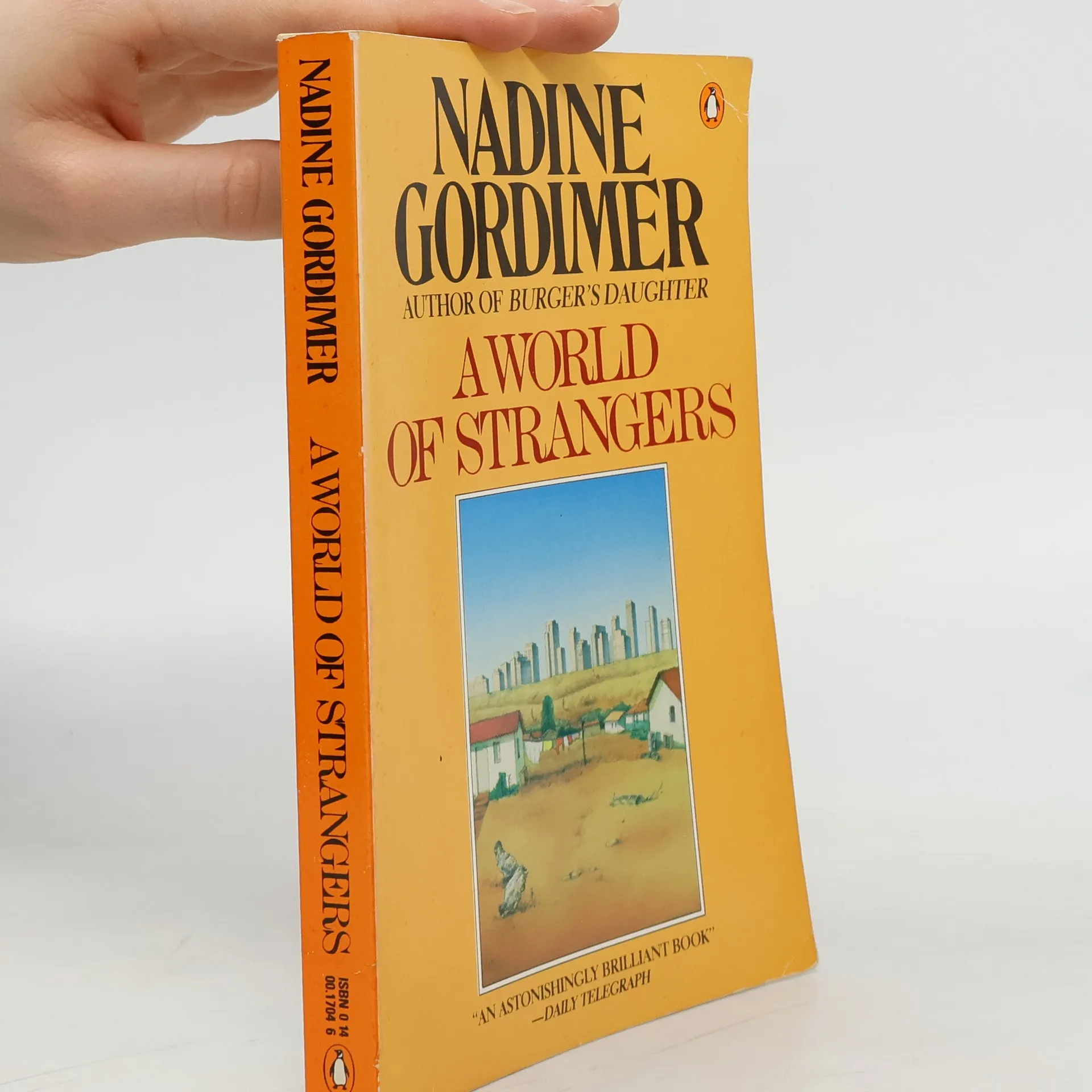
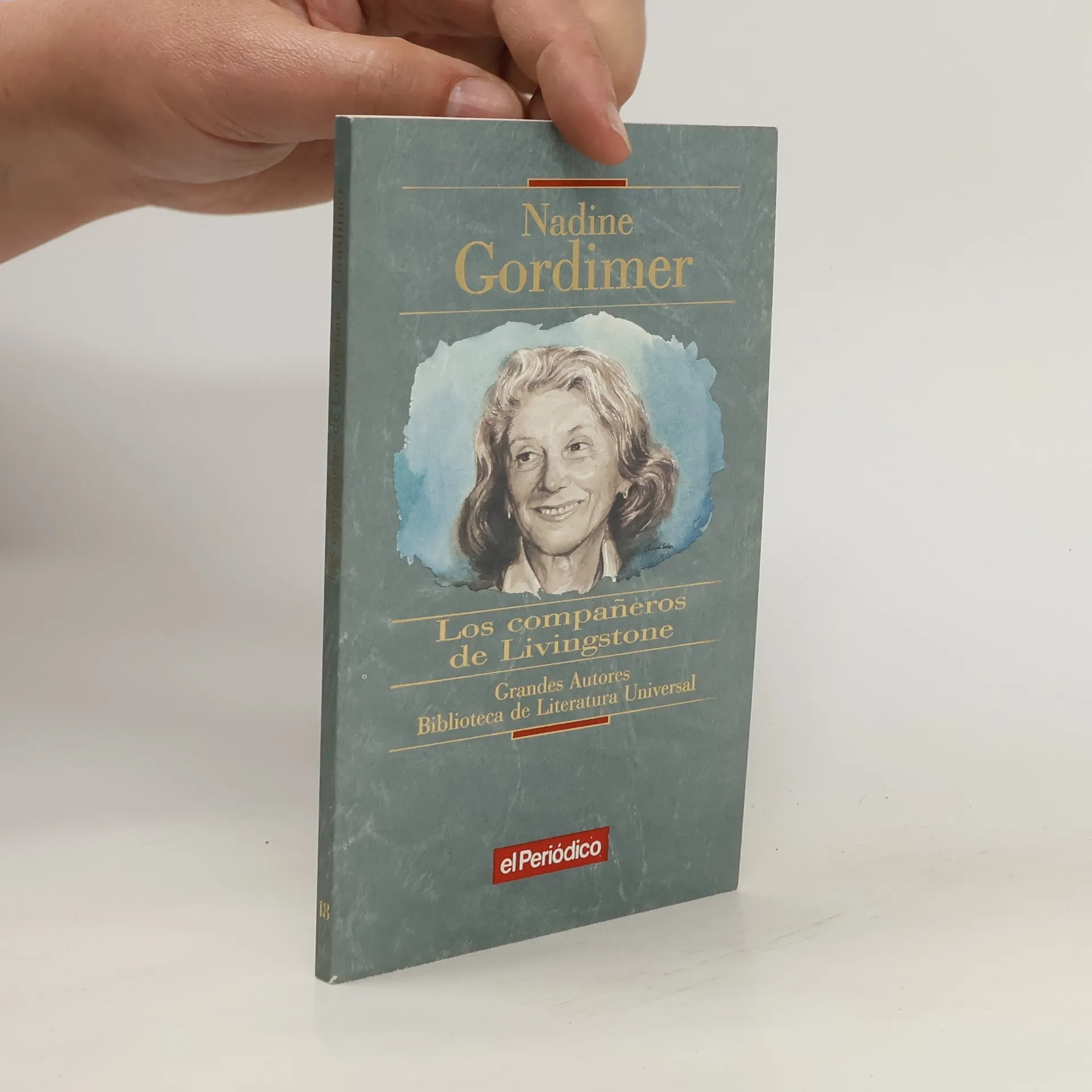
Escritora sudafricana nacida en Springs (1923). Si al principio su obra se centra en la comunidad judía en su país (MUNDO DE EXTRAÑOS), pronto desplaza su interés a los problemas interétnicos que se viven en su tierra. LOS COMPAÑEROS DE LIVINGSTONE (1971) reúne varios relatos en los que están presentes sus temas favoritos. En 1991 recibió el Premio Nobel de Literatura. Componen esta libro: -LOS COMPAÑEROS DE LIVINGSTONE -LA CASA DE INKALAMU -CONFLUENCIA EN EL ESPACIO -ÁFRICA EMERGENTE
Pětatřicátník Paul Bannerman má svůj život pod kontrolou. Když mu ale jednoho dne lékaři diagnostikují rakovinu, zhroutí se mu svět. Paul se stává nebezpečným pro své okolí, protože je "radioaktivní". Aby uchránil manželku a dítě, uchýlí se dobrovolně do karantény domu svého dětství, kde se o něho starají rodiče. Manžel a otec se tak znovu stává synem. A tento krok má své následky. Pro všechny zúčastněné...
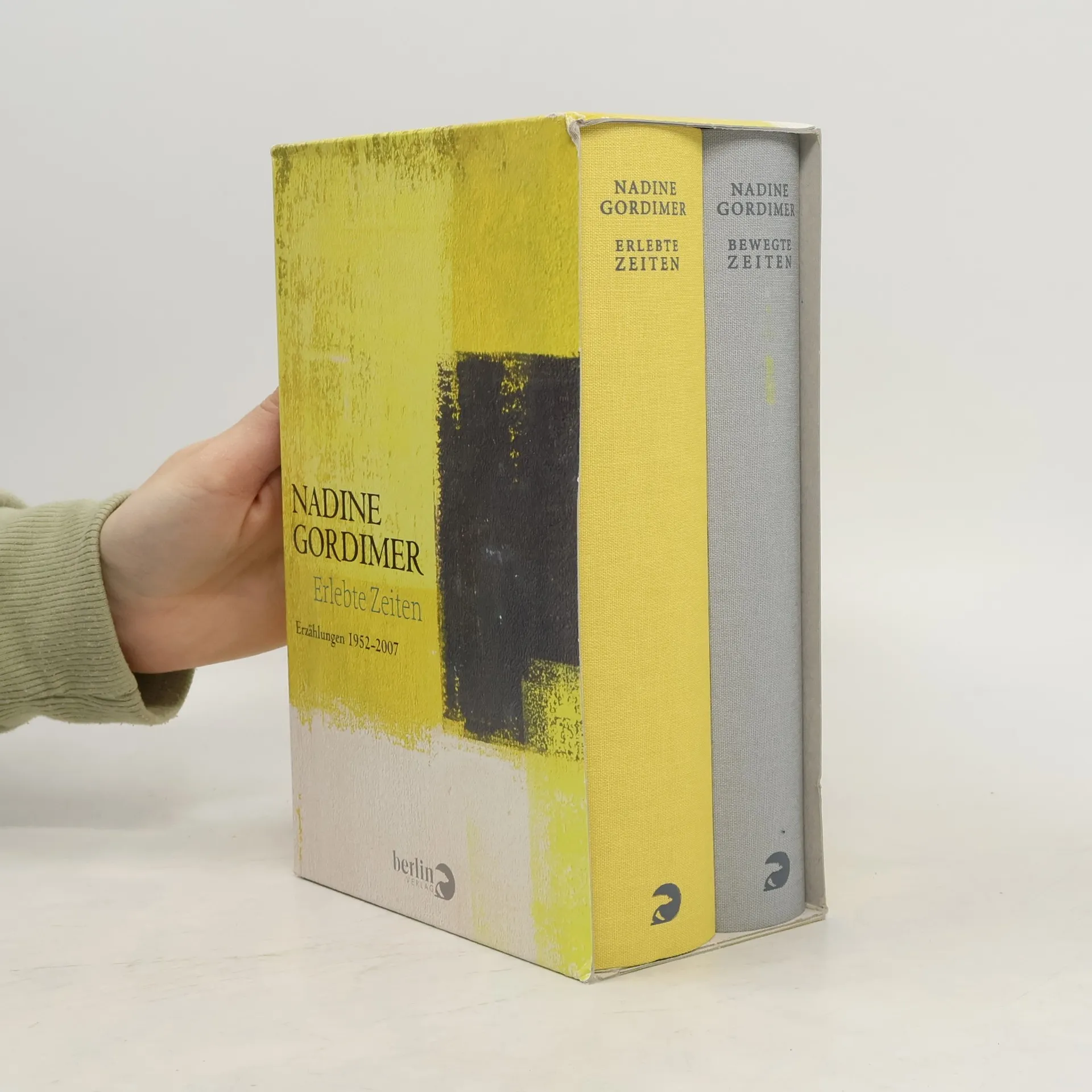
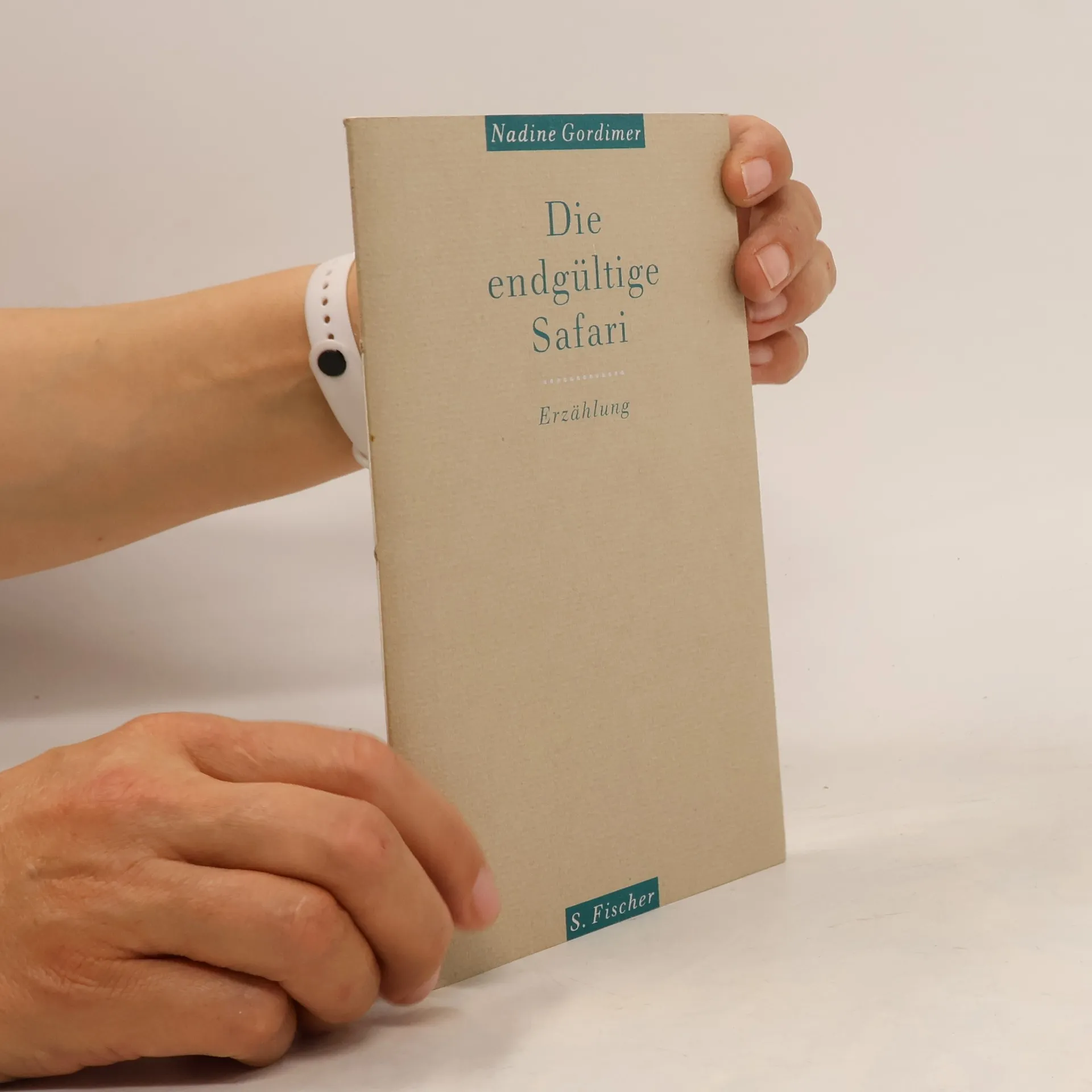
Die Erzählung steht am Beginn ihres Schaffens: Mit vierzehn veröffentlicht Nadine Gordimer ihre erste Kurzgeschichte, die erste Buchpublikation ist ein Erzählungsband. Während die Romane ihren Weltruf begründeten, hält Gordimer die Kurzgeschichte für die literarische Form unserer Zeit, immer wieder kehrt sie zu ihr zurück. »Erlebte Zeiten« bietet nun erstmals einen Querschnitt dieses großen Werkes, Erzählungen, die einen Bogen über sechs Jahrzehnte spannen. Die Prägnanz ihrer Sprache, ihr Auge fürs Detail, die konzisen Alltagsbeobachtungen zeichnen ihre Erzählungen von jeher aus, ihre Kunst, große Themen in knappen Bildern zu inszenieren, ist unvergleichlich. Auch das essayistische Werk nimmt eine besondere Stellung in Nadine Gordimers Werk ein. Genuin offenbart sich in »Bewegte Zeiten« ihre unerschrockene politische Haltung, ihr kompromissloses Streben nach Freiheit und Gerechtigkeit. Ob sie über Apartheid, Zensur, eine Kindheit in Südafrika, über das Sklavenstädtchen Banana, den Kongo oder über Nelson Mandela schreibt, in jeder Zeile schwingen Redlichkeit und große Menschlichkeit mit. Und nicht zuletzt zeigt sie sich, in Überlegungen zu dem Einfluss moderner Technologien auf das Schreiben, als moderne und verblüffend jung gebliebene Autorin. Eine Autorin, vor deren klaren Verstand, tiefer Menschenkenntnis und jugendlicher Kühnheit man sich verneigen muss.
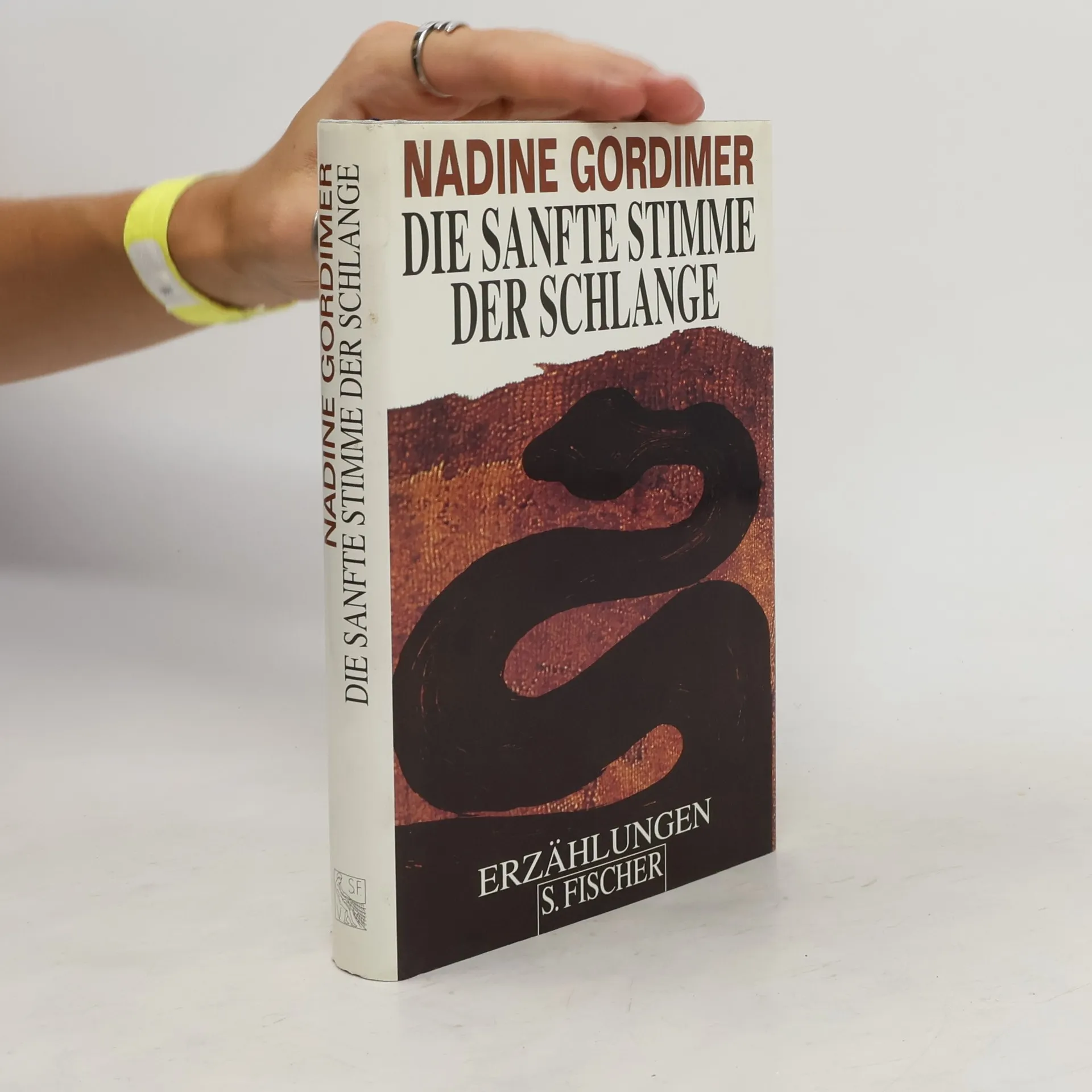
Mit einer seltenen Sensibilität für jene alltäglichen Dinge, die tiefer als große Veränderungen unter die Haut gehen, hat Nadine Gordimer den Akzent ihres Schreibens auf die Widersprüchlichkeiten der 'weißen Seele' im Südafrika der Rassentrennung gelegt: auf die Paradoxie, einer herrschenden Elite anzugehören und gleichzeitig an deren Brutalität zu leiden. So wurde sie nicht nur zur Chronistin des schwarzen Befreiungskampfes, sondern auch zur literarischen Erforscherin des psychischen Elends, das sich in den Villen der weißen Liberalen eingenistet hatte. Gerade in ihren Erzählungen erforscht sie in Standbildern von bewundernswerter Präzision die Selbstzweifel der progressiv eingestellten Intellektuellen, ihre etwas abgestandenen Existenzkrisen, ihre altmodische Libertinage, ihr Spießertum, ihre kleinen Fluchten in den Rausch oder ins politische Engagement - kurzum, ihre uneingestandenen Ängste um die eigene weiße Haut. Dank Nadine Gordimers großer erzählerischer Meisterschaft werden aus politischen Themen universale Dialoge.
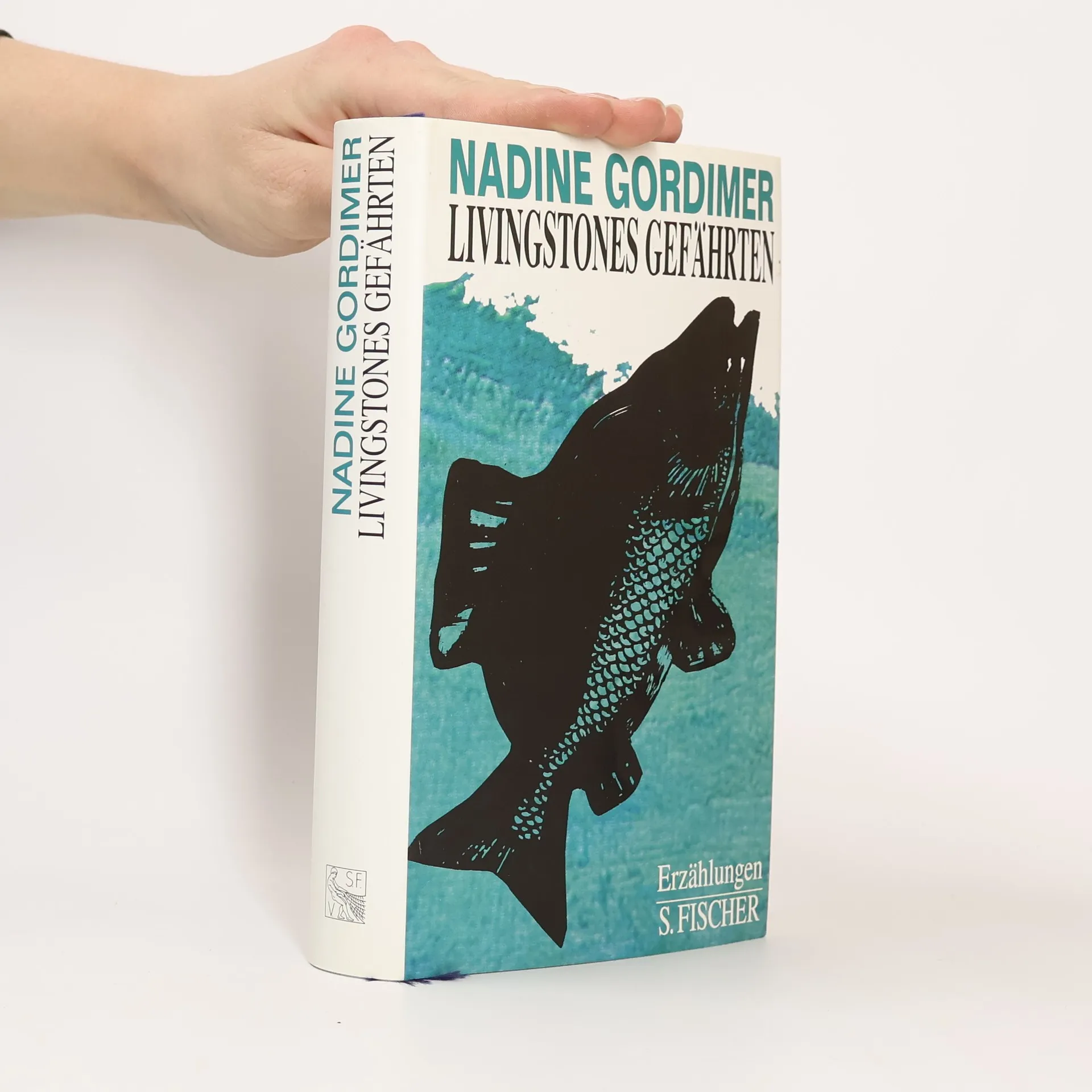
Wir alle, so lehrt uns Nadine Gordimer mit ihren Erzählungen aus den späten sechziger und frühen siebziger Jahren, sind Livingstones Gefährten, wir, die wir nach Afrika fahren, dort leben oder auch nur darüber lesen. Denn mehr als jeder andere Mensch hat Livingstone, der berühmte Missionar und Forschungsreisende, die Konfrontation zwischen Europa und Afrika zu verantworten - eine Konfrontation, die heute noch offen oder kaschiert fortgeführt wird. Gordimers Geschichten kreisen vornehmlich um das Verhalten der privilegierten südafrikanischen Weißen, die sich zwar um Distanz zum System bemühen und gerne ihre liberale Einstellung zur Schau stellen - nach wie vor aber in 'rassistischen' Denkschemata befangen bleiben. Vor allem in ihrer Kurzprosa erweist sich Nadine Gordimer als präzise Beobachterin kleiner menschlicher Dramen, deren Bezug zum politischen Hintergrund auf unaufdringliche Weise gegenwärtig bleibt; als Balancekünstlerin, die es fertigbringt, ihre Protagonisten, und zwar weiße wie schwarze, mit ironischem Abstand und gleichwohl mit Sympathie darzustellen.
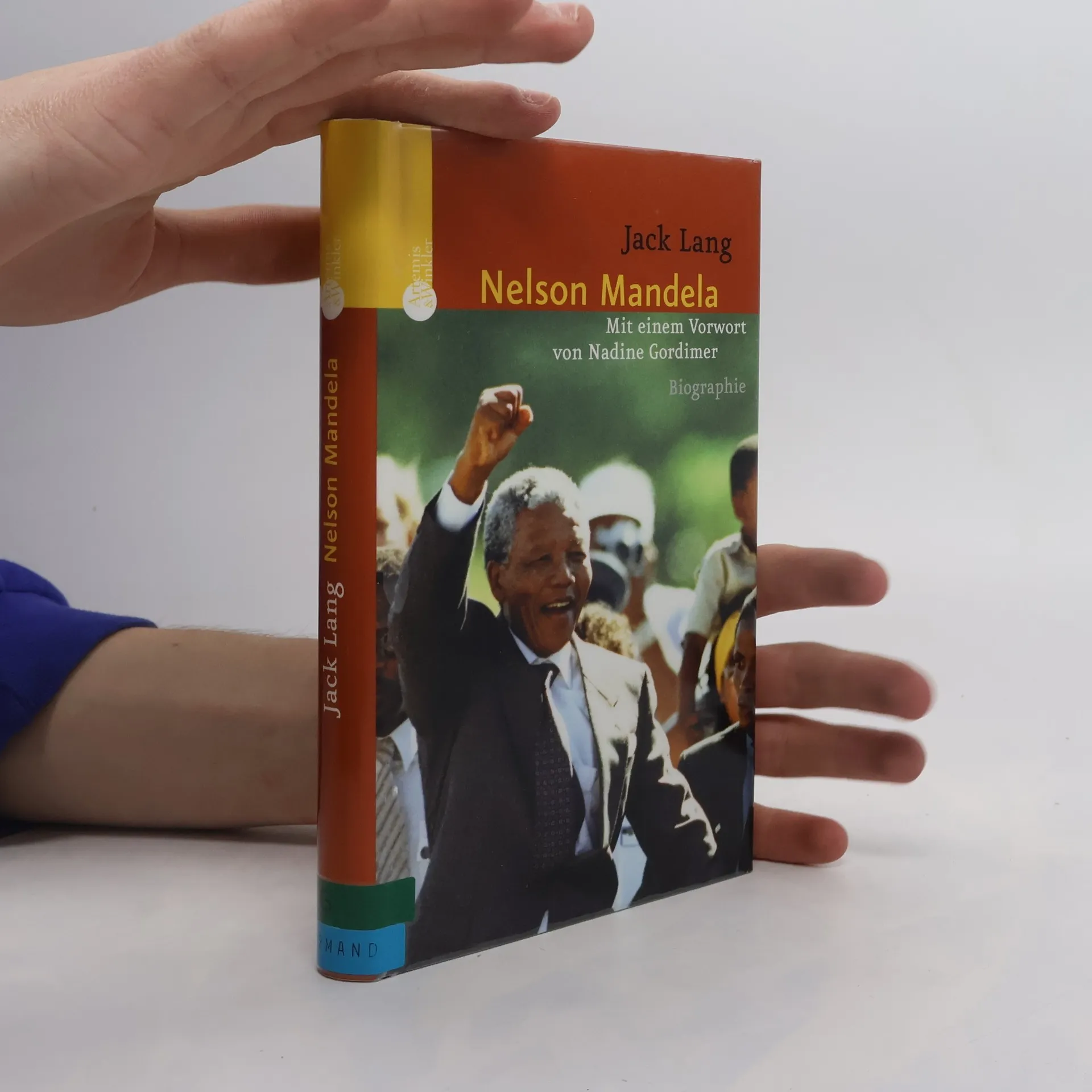
" Mandela est devenu un mythe. C'est ce mythe dont j'entends raconter la genèse, la force et l'exemple. J'ai rencontré Mandela voilà plus de quinze ans après avoir contribué au boycott de l'ancienne Afrique du Sud et milité pour sa libération. L'homme était à la hauteur de son mythe : un guerrier, un sage et tout autant un homme de culture théâtrale. C'est ce qui nous a rapprochés spontanément et c'est la manière dont j'ai choisi d'aborder un personnage d'exception. " Mandela, né en 1918, c'est à la fois le rebelle, qui entend combattre l'injustice faite par des Blancs, d'abord par le droit et dans la non-violence, comme un Gandhi, puis dans l'illégalité et la clandestinité dès 1944. C'est aussi le captif sans haine qui découvre le théâtre en prison, se transforme en homme d'Etat prêt à donner sa mesure, sitôt libéré, dans une négociation impossible où l'écoute, la tolérance et la démocratie lui permettent d'éviter un bain de sang. C'est enfin celui qui renonce à la revanche pour incarner une "nation arc-en-ciel". J'ai voulu être le passeur de cette destinée auprès des lecteurs d'aujourd'hui. " Jack LANG
V románe sa inšpirovala černošskými mýtmi a posmrtnom živote, ktoré majú svoj pedant v antickej viere v Hádesa. Hrdinom románu je bohatý priemyselník, ktorý žije v presvedčení že bohatstvo ho uchráni pred všetkým.
Mistrovské povídky, často s nečekaným rozuzlením, ve kterých jako hlavní hrdinové vystupují černoši i běloši různých společenských vrstev, odrážejí s vzácnou objektivitou spektrum rozdílných názorů, střetávání rozdílných společenských a politických tradic. Z povídek se silně humanistickým nábojem prolíná přesvědčení o nutnosti odstranění apartheidu.
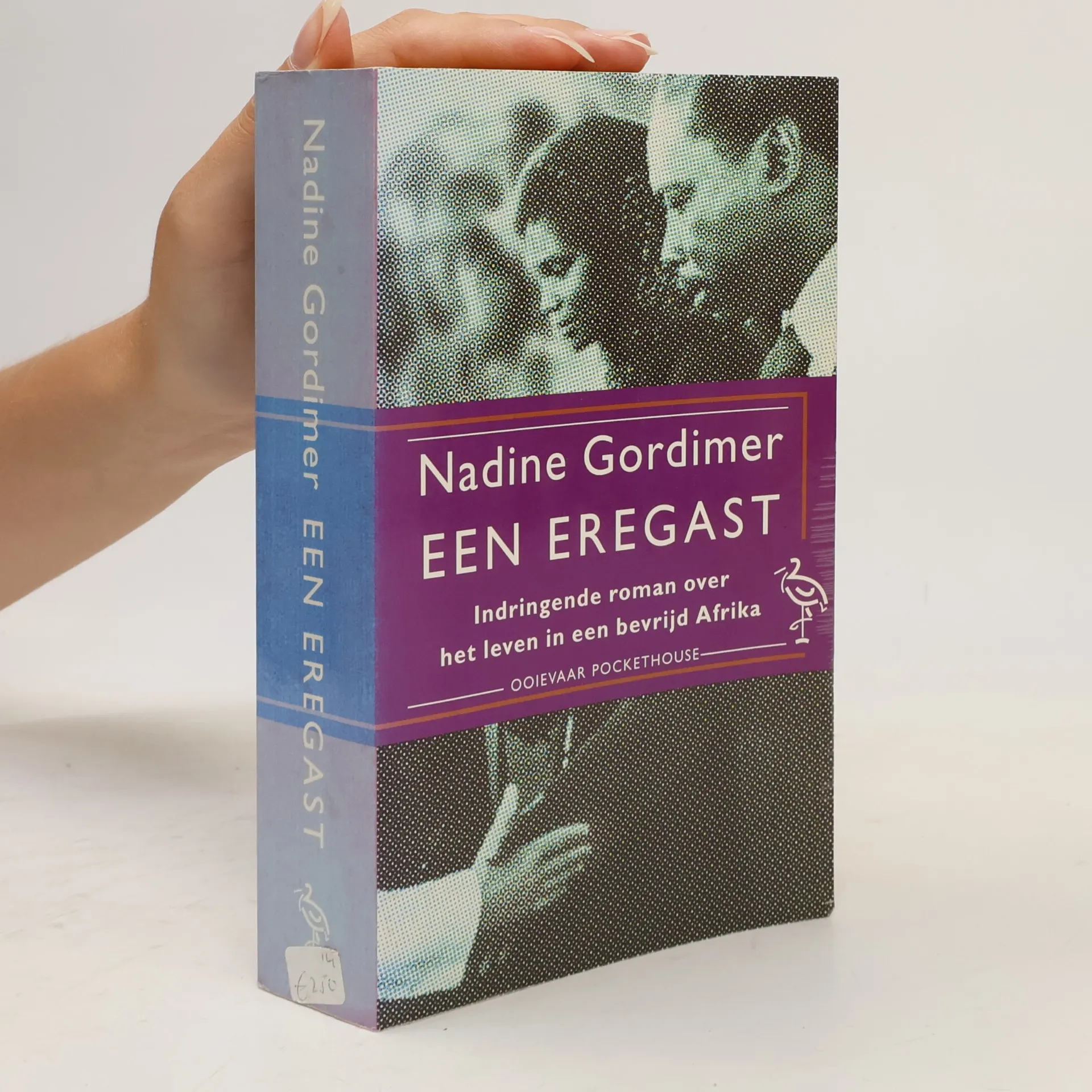
Indringende roman over het leven in een bevrijd Afrika
De Engelse koloniale bestuurder James Bray wordt verbannen uit een land in Centraal-Afrika, vanwege zijn sympatieën voor de zwarte onafhankelijkheidsbeweging. Tien jaar later wordt hij uitgenodigd om als eregast de viering van de onafhankelijkheid bij te wonen. Bray is er vervolgens getuige van hoe de onderlinge strijd tussen de nationalistische groeperingen tot een uitbarsting komt, als gevolg van de hebzucht en de ambitie die hun revolutionaire idealen hebben ondermijnd.
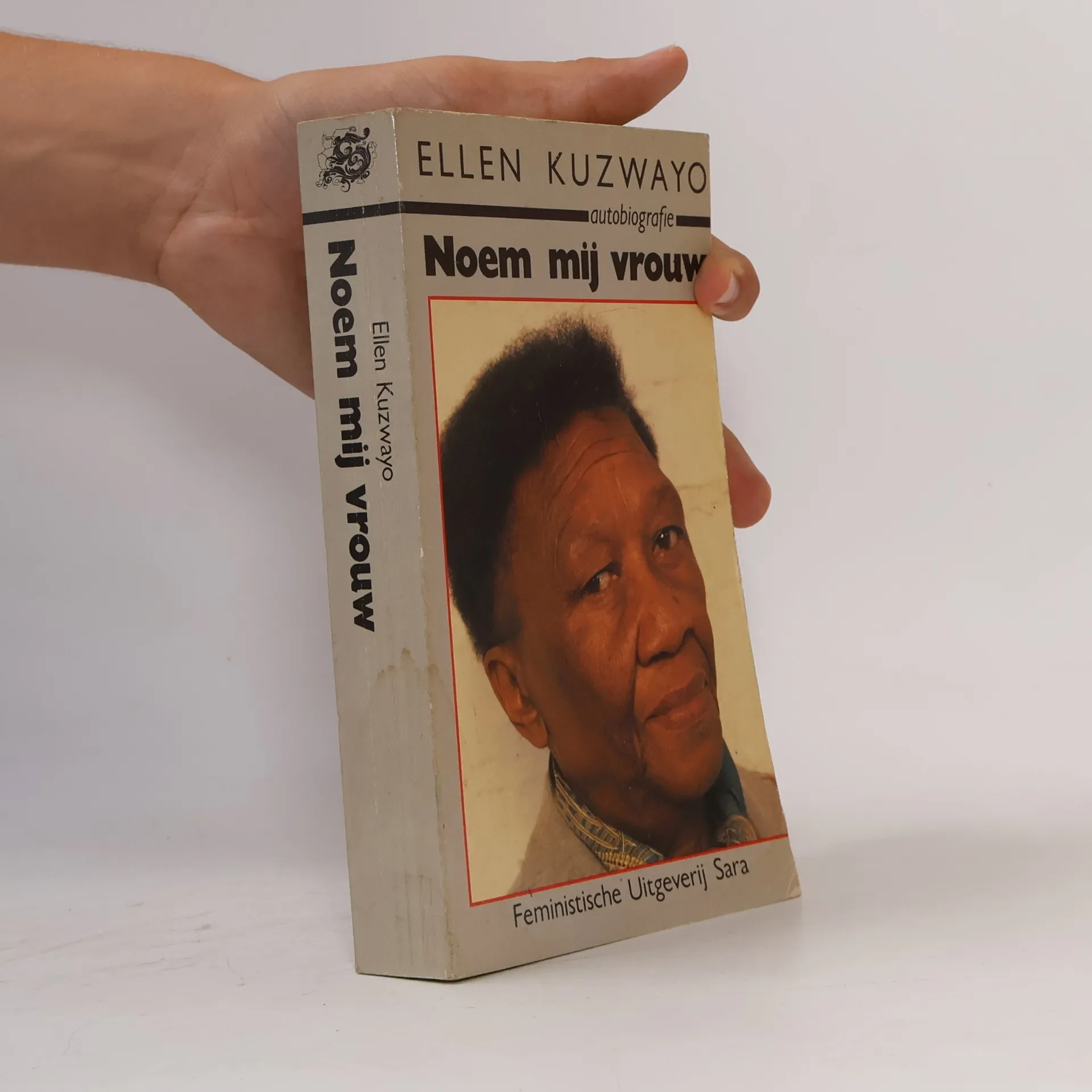
Levensverhaal van een strijdbare zwarte vrouw, voorzitter van de Black Consumer Union van Zuid-Afrika.
German (translation)
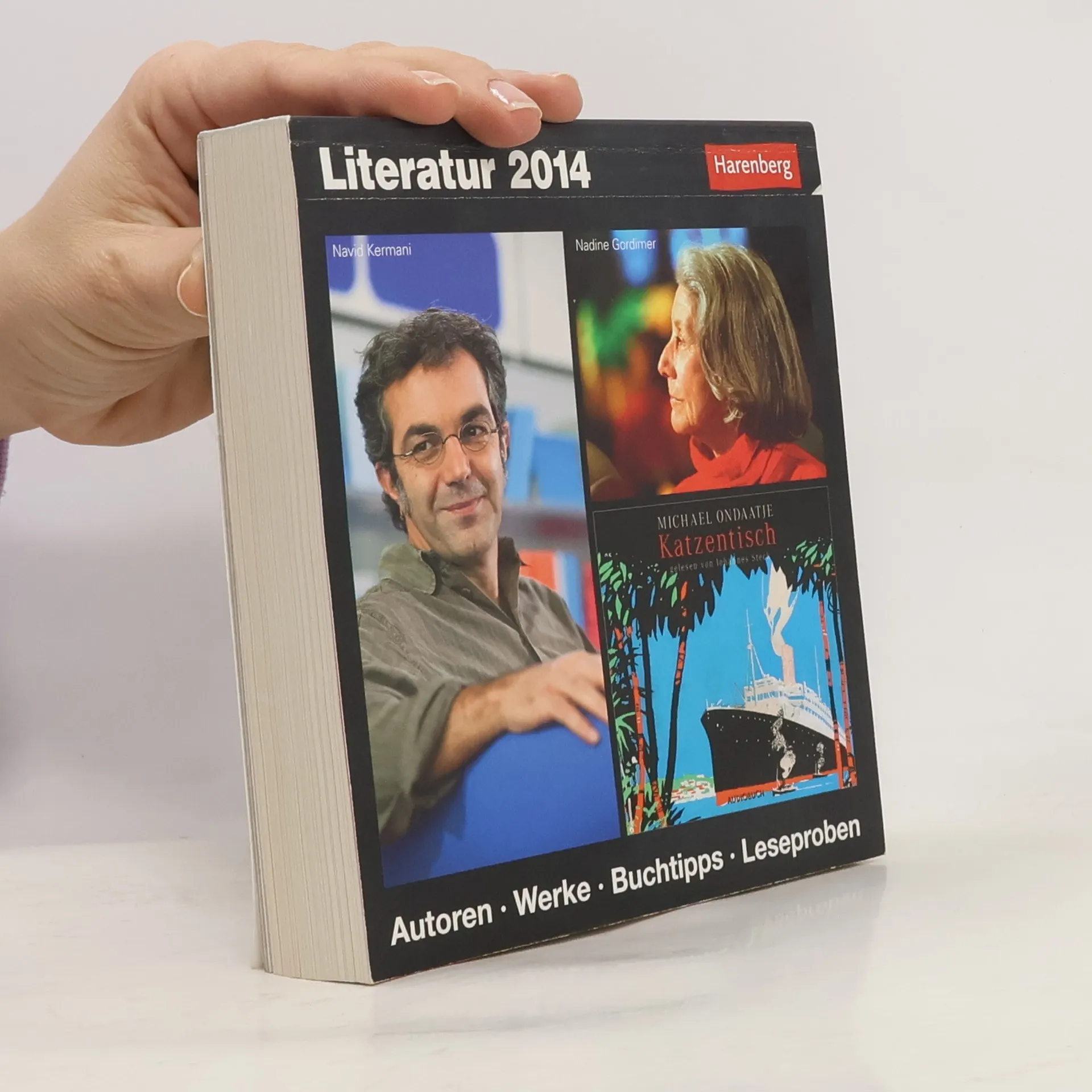
Die Harenberg Bild-Tageskalender zeigen mehr als nur das Datum: An allen Tagen des Jahres exzellente Fotos auf den Vorderseiten und dazu informative Texte auf den Rückseiten - so lautet das bewährte Erfolgskonzept. Der Harenberg Bild-Tageskalender "Literatur" öffnet die Tür ins Reich der Bücher: Autorenporträts, Buch-Umschläge und -Illustrationen, Dokumente und Szenenfotos zeigen, wer oder was Rang und Namen in der Literatur hat.§Auf den Vorderseiten: täglich faszinierende Bilder; klares Kalendarium; kurze Bilderklärungen. Auf den Rückseiten: Hintergrundinformationen zum Bild des Tages; Sternzeichen und Namenspatrone; Auf- und Untergangszeiten von Sonne und Mond. Der Serviceteil im Anhang: Register mit allen Einzelthemen des jeweiligen Kalenders; Übersichten; Schulferien für Deutschland und Österreich.§
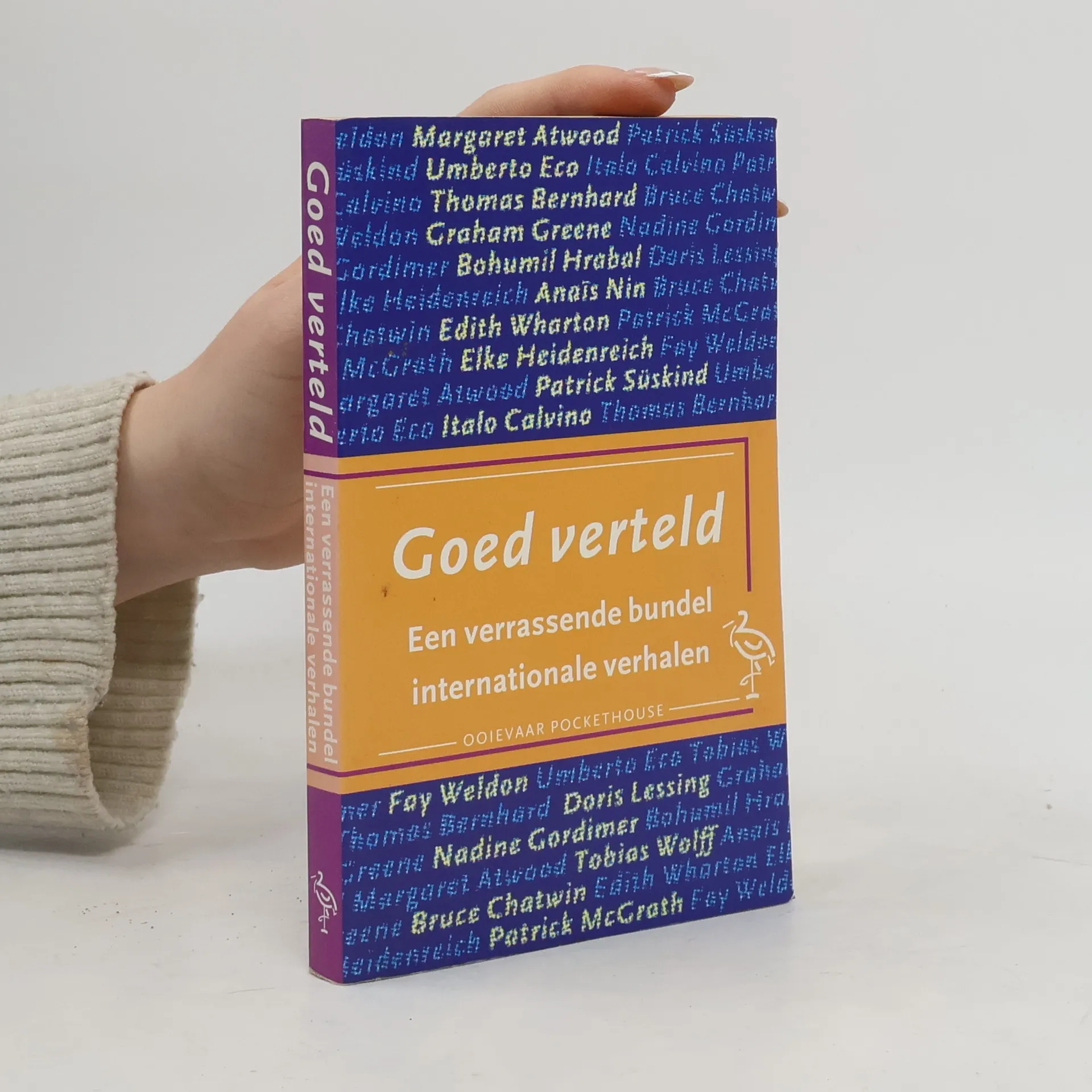
Keuze van verhalen van buitenlandse auteurs uit het fonds van de uitgeverijen Bert Bakker en Prometheus.
Die Lesungen und Gespräche fanden im Berliner Renaissance-Theater statt