Percy Wyndham Lewis fut l'une des forces vives du modernisme du début du XXe siècle, romancier, peintre et essayiste, fondateur du vorticisme, le seul mouvement original de la peinture anglaise du XXe siècle. Ses premiers romans satyriques l'ont rapidement établi comme un écrivain d'une grande distinction, loué par ses contemporains. Après la Première Guerre mondiale, Lewis s'est plongé dans l'étude de la théorie politique et de la philosophie, devenant un intellectuel public influent mais souvent controversé. Malgré les épreuves et l'isolement, il a continué à produire des œuvres picturales et littéraires puissantes, recevant une reconnaissance renouvelée dans ses dernières années, couronnée par des expositions majeures.
This work presents a sharp critique of modern democracy and mass society through the lens of Wyndham Lewis' provocative insights. It explores the pitfalls of contemporary political systems and the consequences of mass culture, offering readers a thought-provoking examination of societal issues. The book's return to print invites a new audience to engage with Lewis' challenging perspectives on the state of democracy and the individual within a collective society.
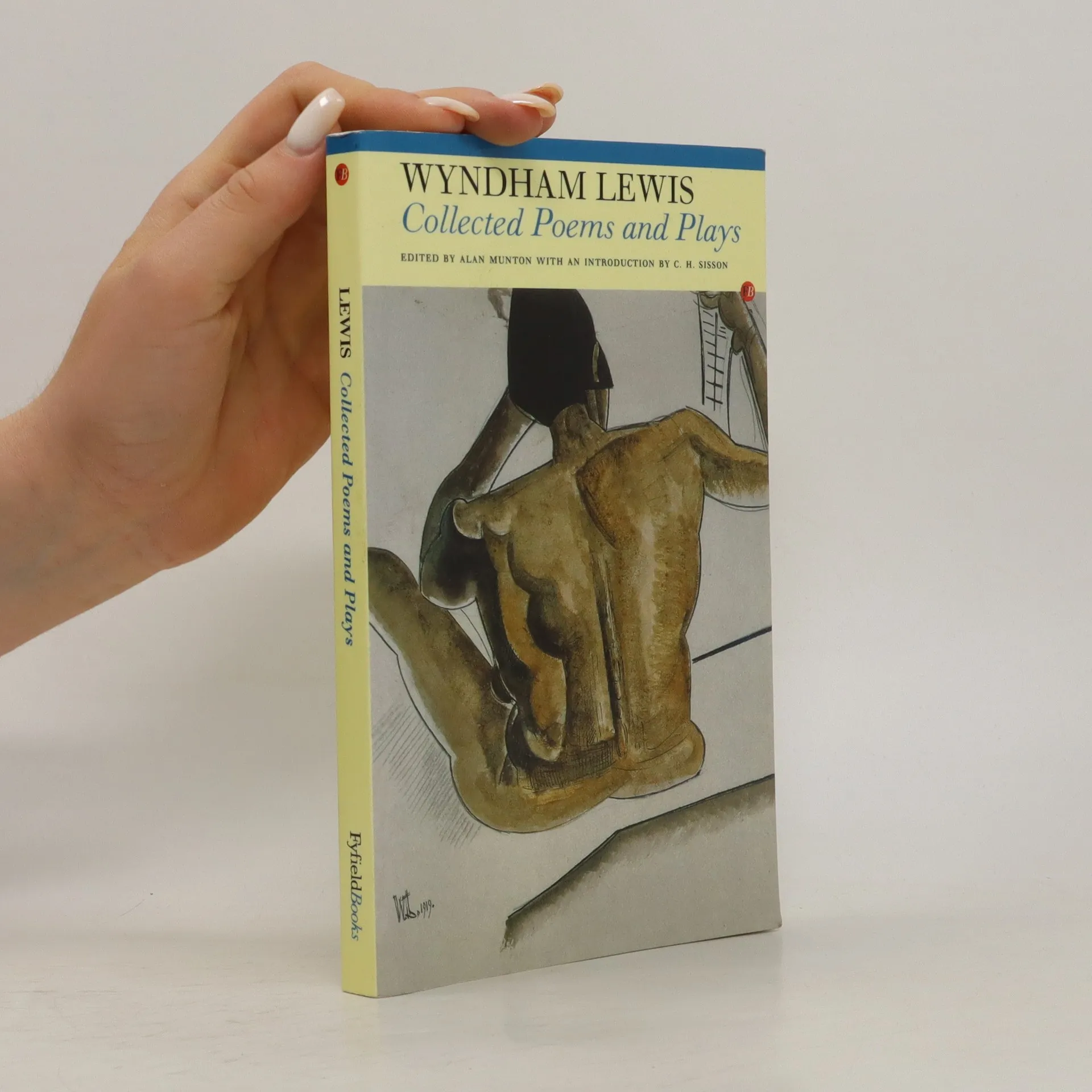
This volume includes major works such as One-Way Song and Enemy of the Stars in very different versions as well as other writings that can now be seen as central to the formation of Lewis's work. The plays and poems crackle with concentrated, brilliant, and ferocious energy as Lewis creates a literary equivalent to the visual revolutions of Cubism and Vorticism, exploring how an artist should think and write in an oppressive world.
Dust jacket art by Michael Ayrton. His last book published before his death. The psychology of an ambitious priest thwarted by his violent and domineering nature in an attempt to build up a church in the Northern regions.
In this witty exchange, Tarr playfully questions Hobson about his long hair, comparing him to figures like Walt Whitman and Shakespeare. Their banter reveals their contrasting views on personal expression and societal norms, highlighting themes of individuality and friendship through humor and clever dialogue.
»Das Beste ist, wenn man das Schlimmste über die Leute weiß« – und so ist der 1930 erschienene und hier erstmals auf Deutsch vorliegende Jahrhundertroman Die Affen Gottes eine ebenso komische wie brachiale Abrechnung mit jenem Milieu, das der Maler, Avantgardist und Gründer der Vortizisten-Gruppe Wyndham Lewis allerbestens kannte: die Londoner Kunstwelt der 1910er und -20er Jahre. Vom Autor in greller Überzeichnung vorgeführt, bringt das Personal dieser monströsen Farce ein veritables Welttheater zur Aufführung, das in einem mehrere hundert Seiten langen Karneval grotesker Masken gipfelt. Lewis’ beißende Satire operiert mit einer alle Register ziehenden Kunst des Dialogs und einer Schrift- und Umgangssprache mischenden Verfremdungstechnik. Ezra Pound zog das Werk dem Ulysses von Joyce vor, andere verglichen Lewis mit Rabelais oder Aristophanes. Mit seiner Konzentration auf das Physische und Groteske ist Die Affen Gottes eine stilistische Tour de Force und in der hier erstmals vorliegenden deutschen Übersetzung ein überaus lohnendes Stück noch zu entdeckender Literatur des 20. Jahrhunderts.