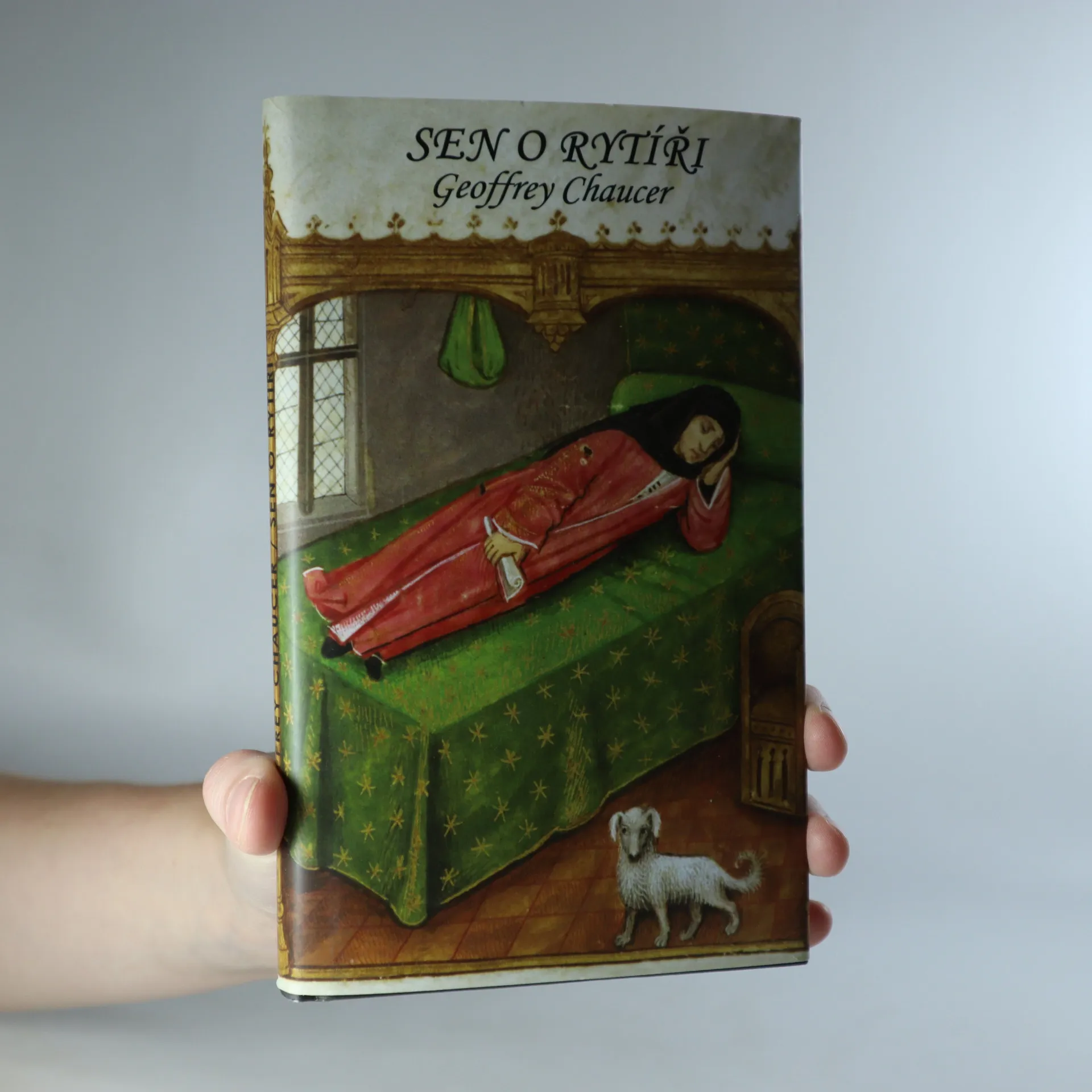
První český překlad nejzajímavější snové básně význačného básníka anglického středověku Geoffreye Chaucera (česky jen velmi oblíbené Canterburské povídky) se pokusí českému čtenáři představit jednoho z nejznámějších středověkých spisovatelů v jiném světě. Sen o rytíři jestředověkou básní překypující obrazností, alegoriemi a hrou. Je to však také báseň naplněná spiritualitou a útěchou, kterou nabízela svým středověkým čtenářů a snad ji nabídne i těm dnešním. Doprovodné texty napsali: Jan Čermák (Jungmanova cena za překlad, 2003), Záviš Šuman a Martin Pokorný. ISBN 80-86985-03-2 je chybné
Geoffrey Chaucer Livres
1 janvier 1343 – 25 octobre 1400
Geoffrey Chaucer est célébré comme le père de la littérature anglaise. À travers ses œuvres, notamment les Contes de Canterbury inachevés, il explore les complexités de la nature humaine et de la société. Son utilisation pionnière de la langue anglaise vernaculaire l'a élevée au rang de forme d'art, influençant profondément les écrivains ultérieurs. L'écriture de Chaucer est admirée pour son esprit, sa perspicacité psychologique et ses représentations magistrales de personnages.


The Kelmscott Chaucer
- 603pages
- 22 heures de lecture
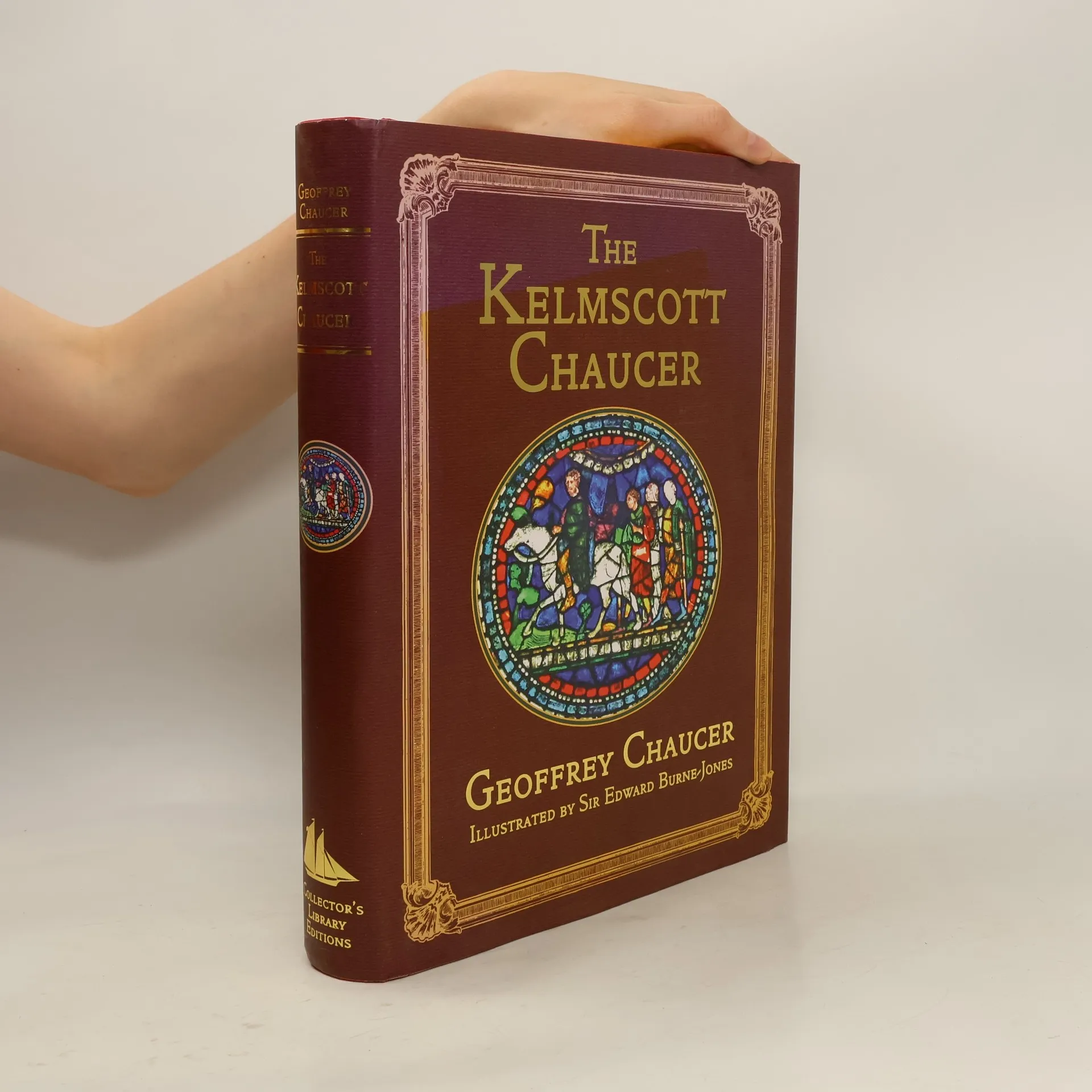
The Kelmscott Chaucer is the most memorable and beautiful edition of the complete works of the first great English poet. Next to The Gutenberg Bible, it is considered the outstanding typographic achievement of all time. The Golden typeface used for the Kelmscott Chaucer was especially designed for the book, with its consistent thick and thin strokes, and with a view to blending as a harmonious.
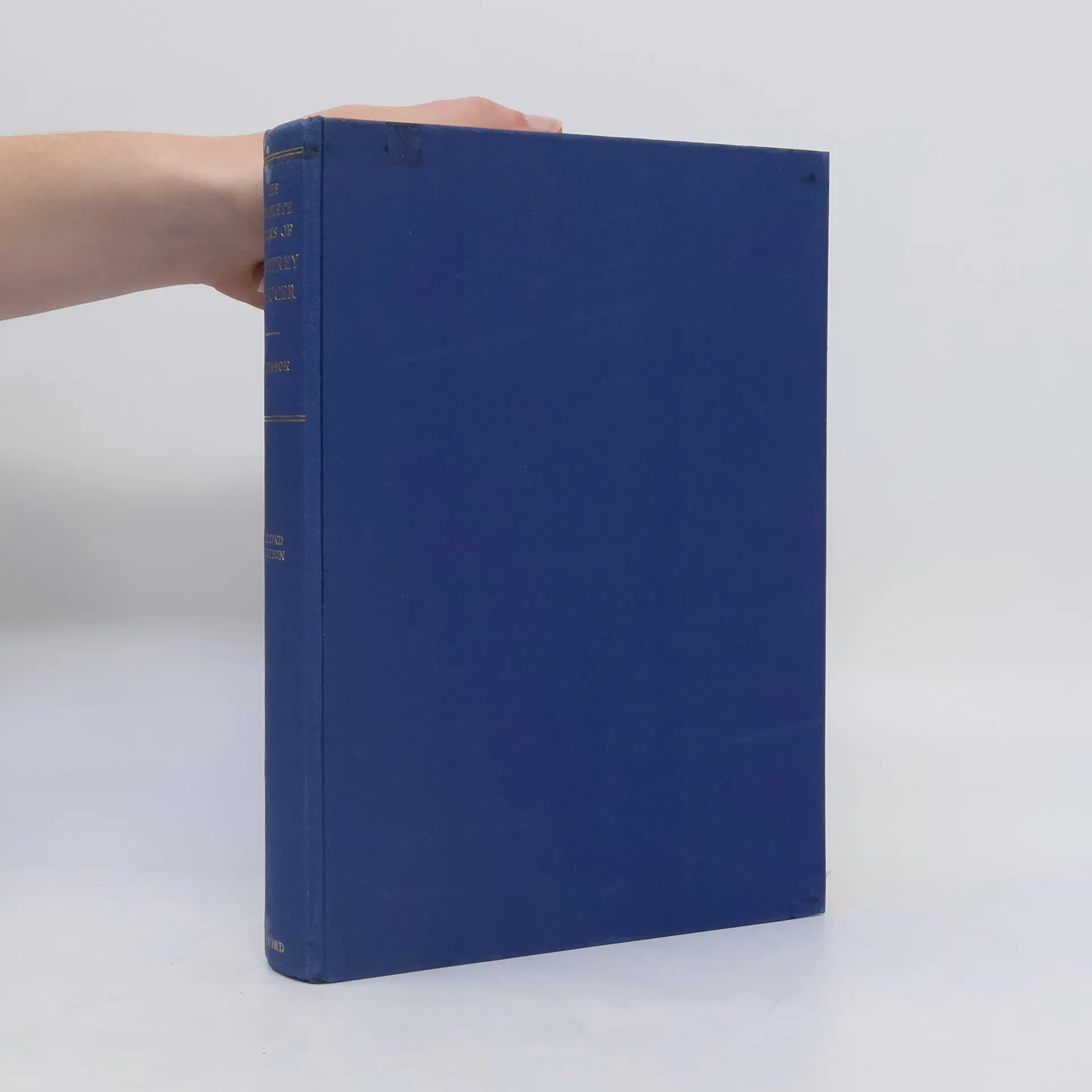
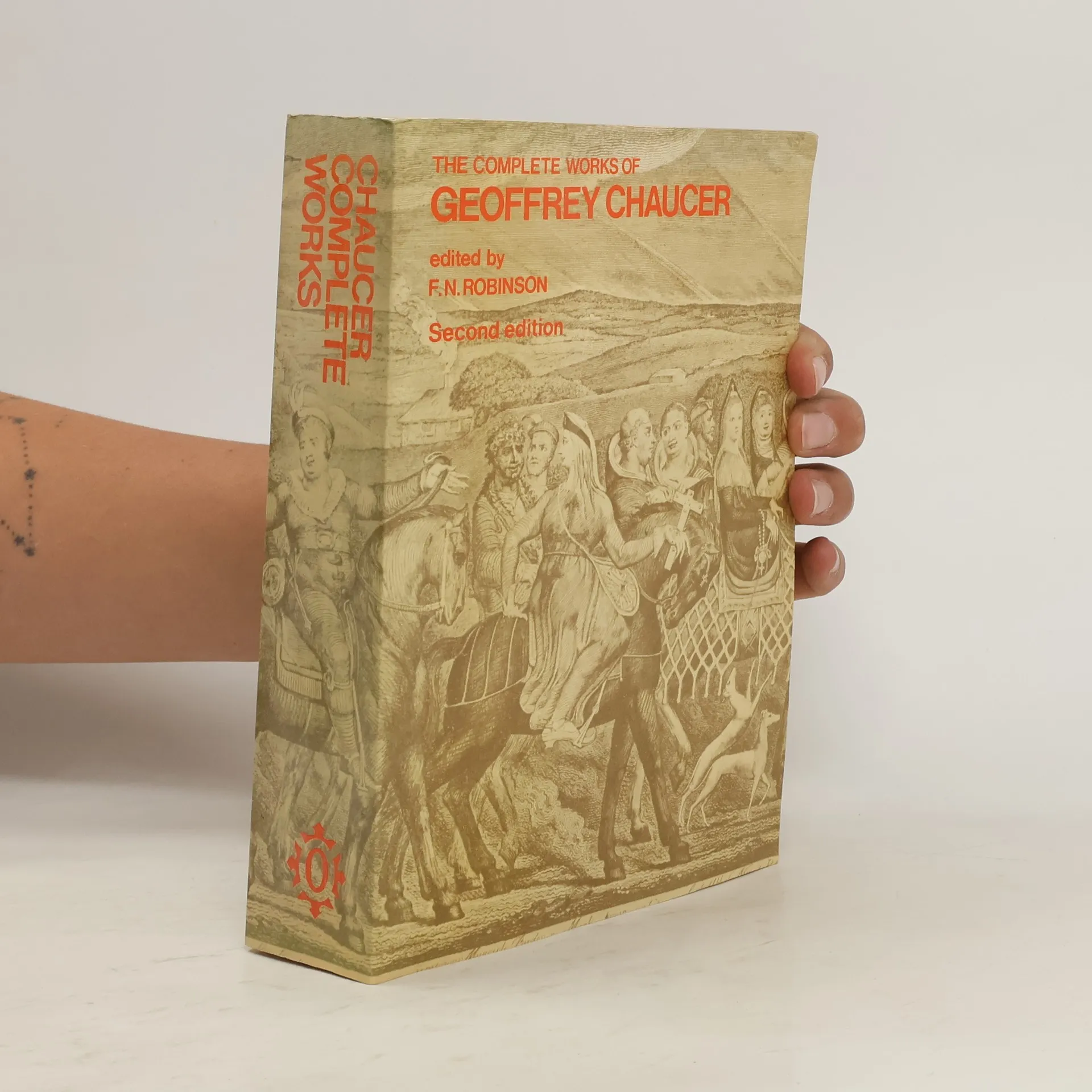
THE COMPLETE POETRY AND PROSE OF GEOFFREY CHAUCER is intended to make Chaucer's texts accessible with a minimum of scholary interference. The critical, biographical, and linguistic essays are grouped at the end so as not to impede the approach to the text. By doing so, the student is able to enjoy the richness and humor of The Canterbury Tales as well as the beauty of Troylus and Criseyde. This collection will create a deeper appreciation for Chaucer and his genius.
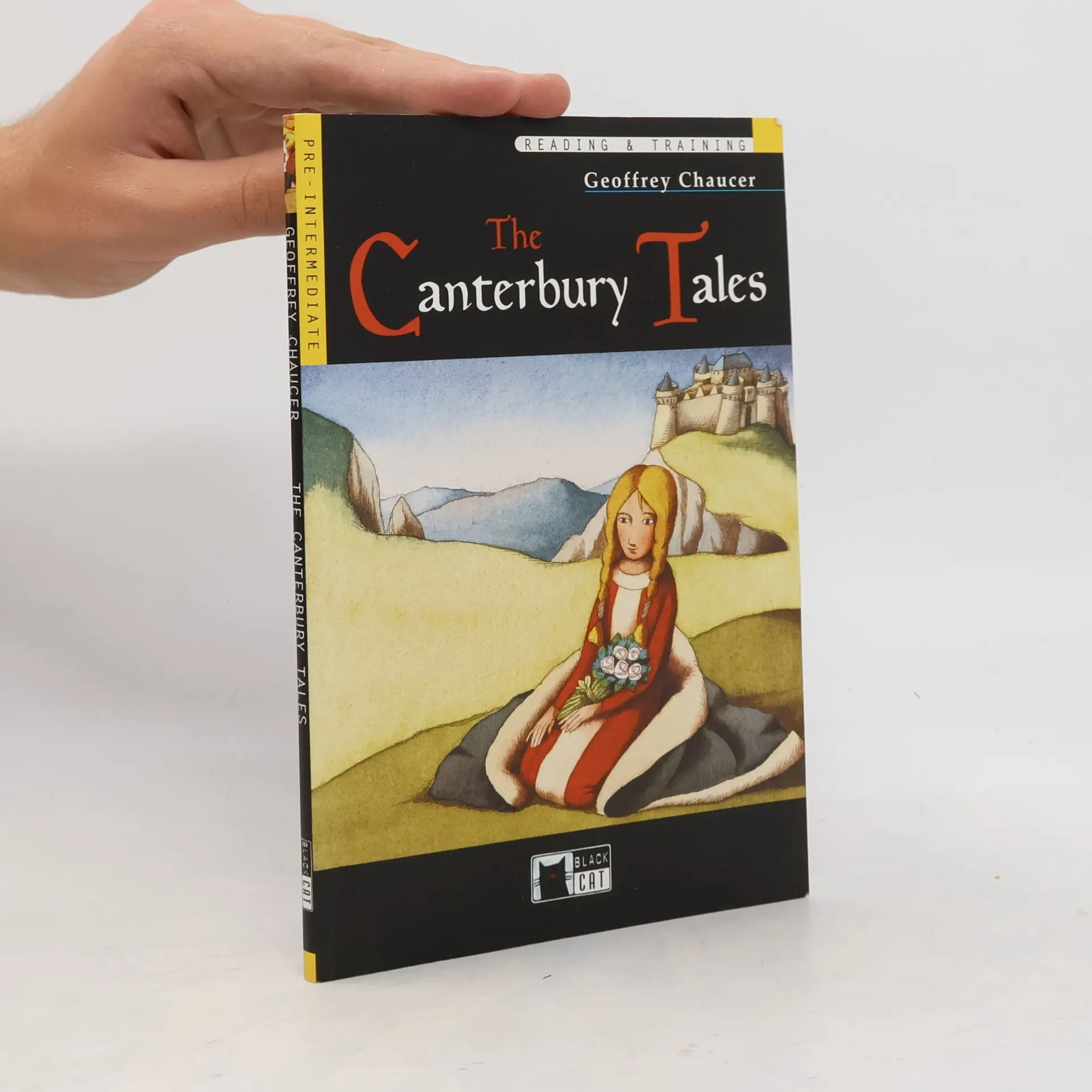
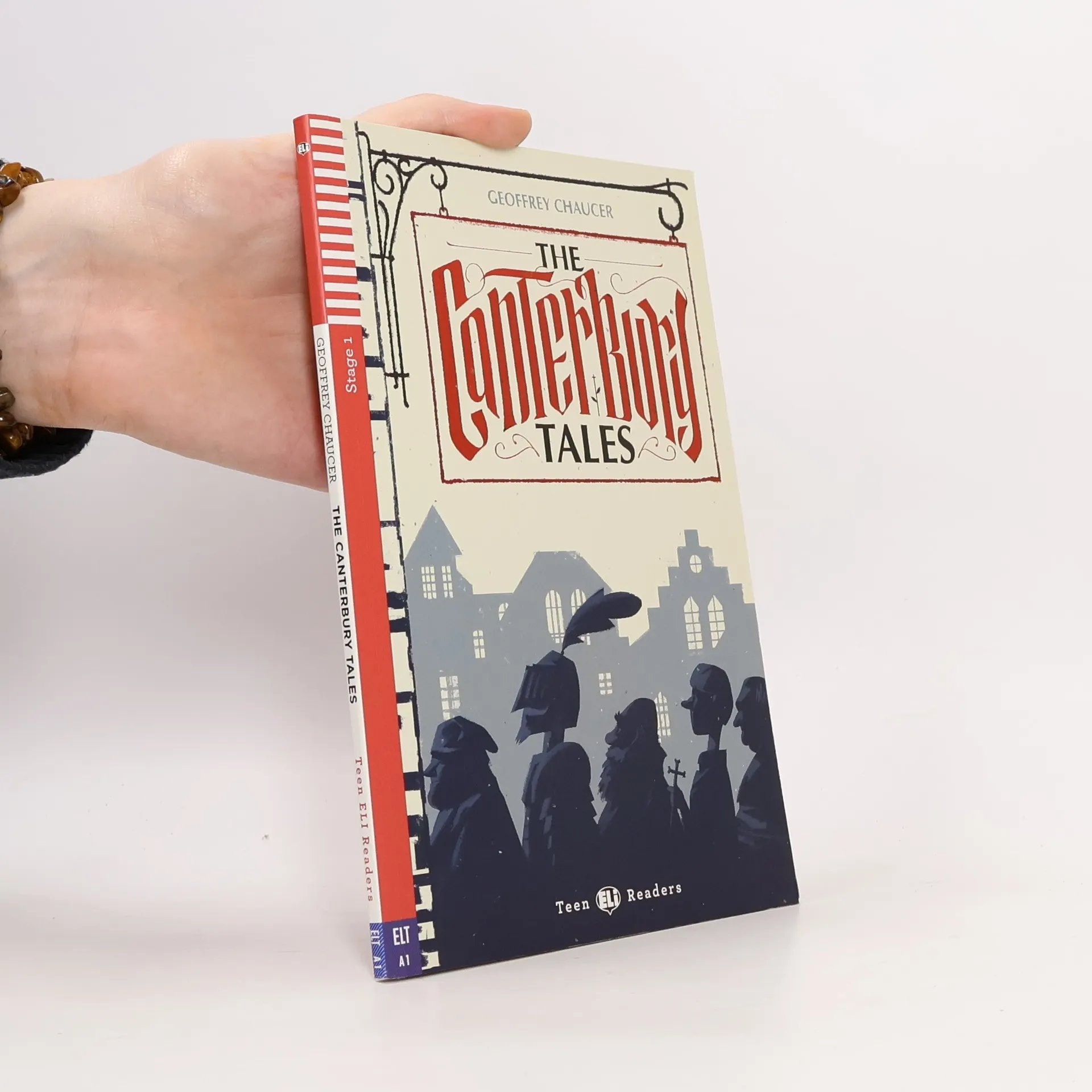
Step back in time to experience the adventures of a group of people to Canterbury in this stunning reconstruction of 14th Century England. In 1387, a group of people went to Canterbury. On their way, they told stories. The stories were exciting and interesting. They helped the group to enjoy their time travelling. But these stories do not only tell us about the past. They are stories that anybody can read and enjoy today. And they are stories that can teach us many things, about love, about friendship, and about life. Syllabus Grammar and structures Simple states and habits;Present actions in progress; Past finished actions Future Present Continuous, going to, will; ability, permission ability, permission in the past obligation; Have necessity offers, spontaneous decisions for future, predictions.
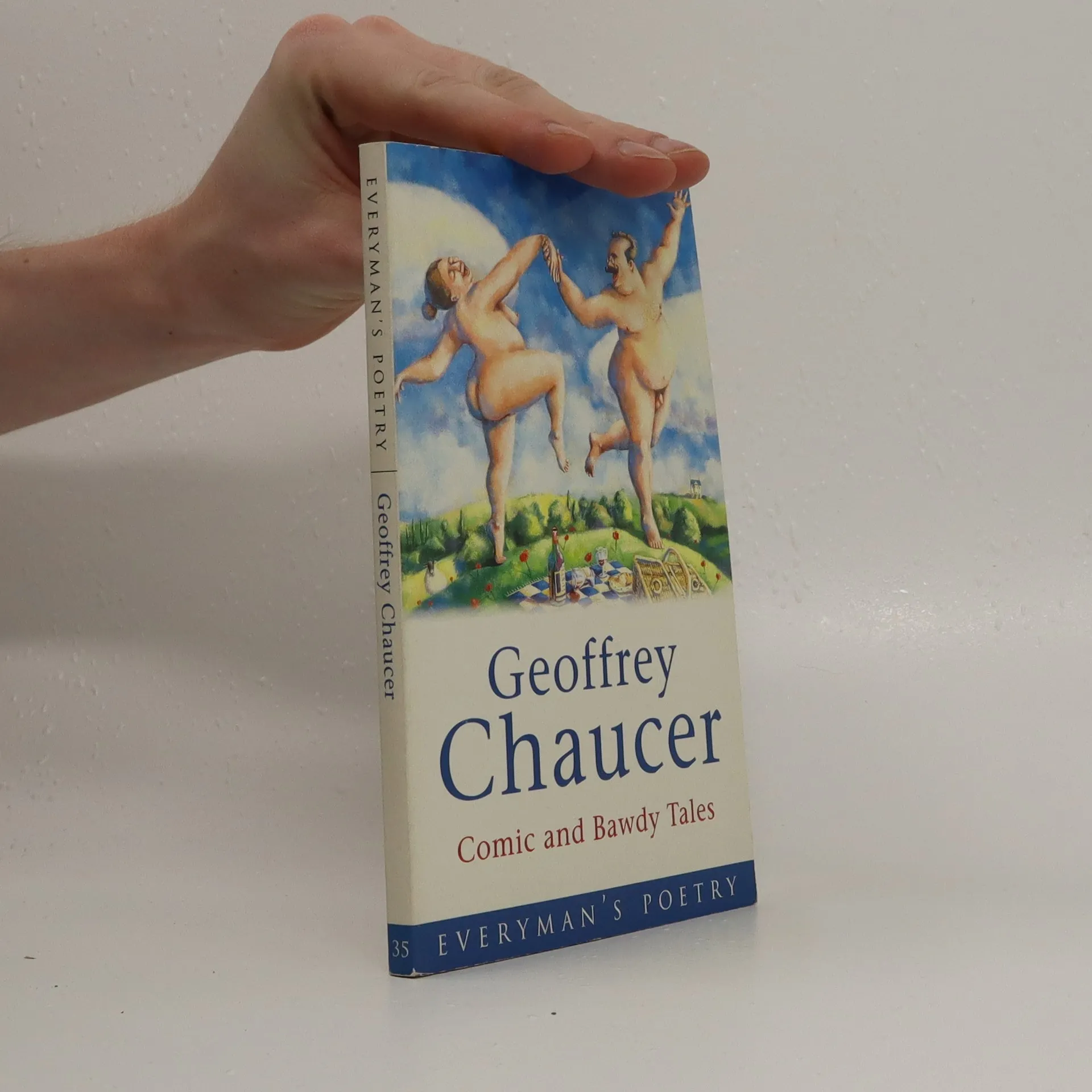
Comic and bawdy tales
- 100pages
- 4 heures de lecture
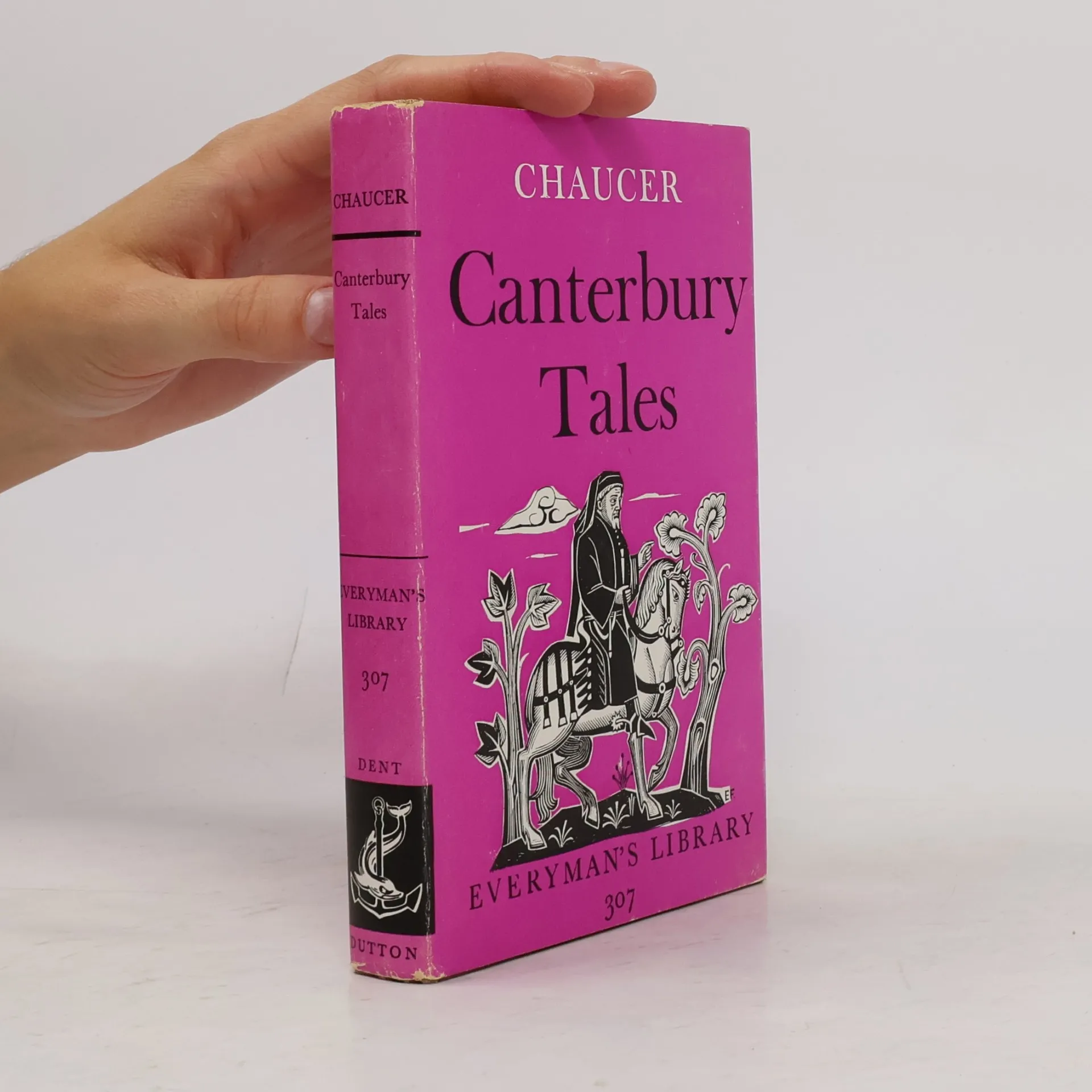
EVERYMAN'S POETRY This new series of the world's greatest poetry features the hallmarks of Everyman top-quality production and reader-friendly design along with helpful notes and critiques. Each edition is also a great value, especially for those readers beginning to explore the work of this remarkable poet.
Penguin Readers Starter Level: The Knight's Tale (ELT Graded Reader)
- 64pages
- 3 heures de lecture
With carefully adapted text, new illustrations, language practise activities and additional online resources, the Penguin Readers series introduces language learners to bestselling authors and compelling content. Titles include popular classics, exciting contemporary fiction, and thought-provoking non-fiction. The Knight's Tale, a Starter level Reader, is A1 in the CEFR framework. Starter level is ideal for readers who are learning English for the first time. Short sentences contain a maximum of two clauses, using the present simple and continuous tenses, possessives, regular and irregular verbs, and simple adjectives. Illustrations support the text throughout, and many titles at this level are graphic novels. The Knight's Tale is a very old story about two knights, Arcita and Palamon. The two men love the Queen's sister, Emily. Do they fight for her?
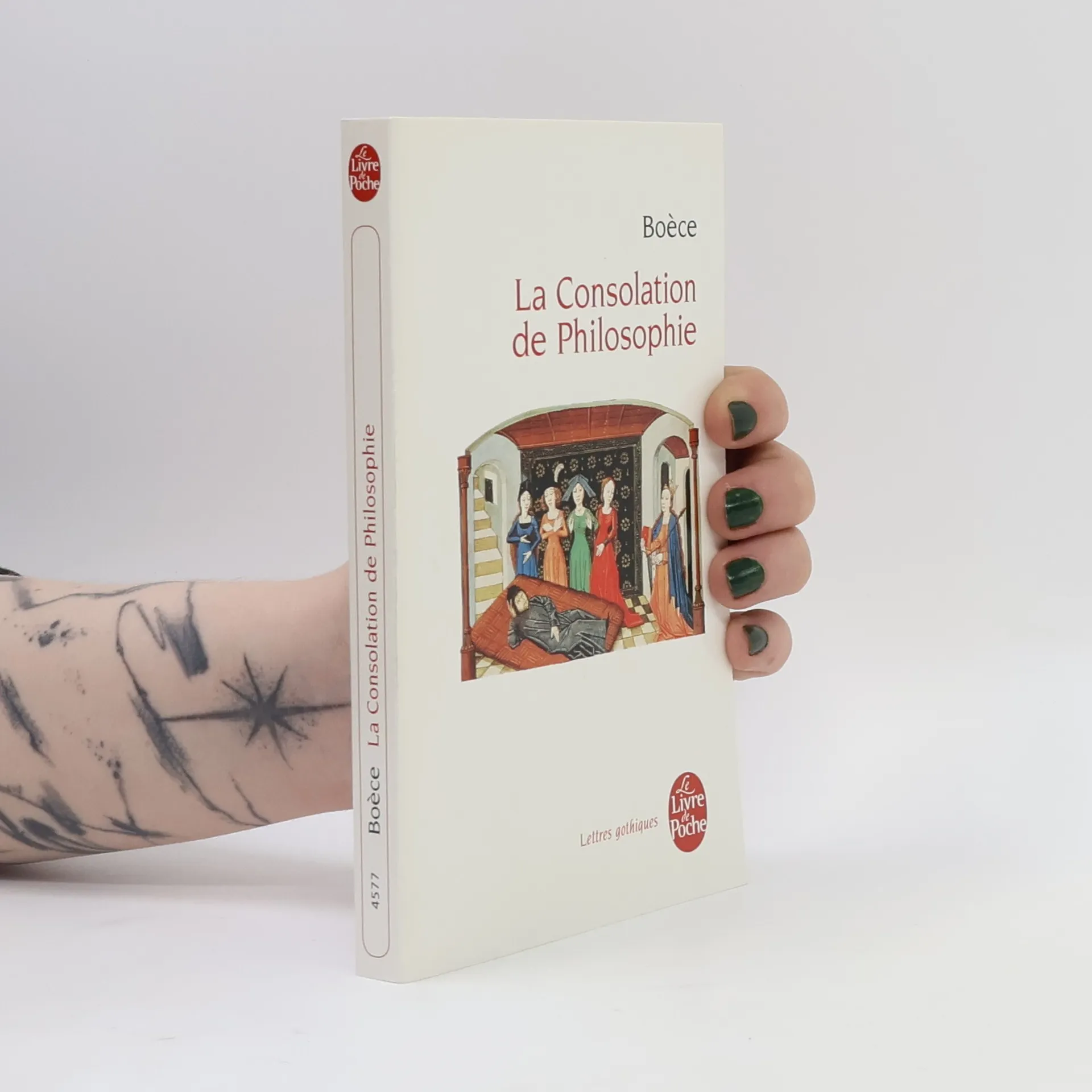
La consolation de la philosophie
- 320pages
- 12 heures de lecture
Boethius composed De Consolation Philosophiae in the 6th century while awaiting death by torture, condemned on a charge of plotting against Gothic rule, which he protested as manifestly unjust. Though a Christian, Boethius details the true end of life as the soul's knowledge of God, and consoles himself with the tenets of Greek philosophy, not with Christian precepts. Written in a form called Meippean Satire that alternates between prose & verse, Boethius' work often consists of a story told by Ovid or Horace to illustrate the philosophy being expounded. The Consolation of Philosophy dominated the intellectual world of the Middle Ages. It inspired writers as diverse Thomas Aquinas, Jean de Meun & Dante. In England it was rendered into Old English by Alfred the Great, into Middle English by Geoffrey Chaucer. Later Queen Elizabeth I made her own translation. The circumstances of composition, the heroic demeanor of the author, and the Meippean texture of part prose, part verse have been a fascination for students of philosophy, literature and religion ever since.
This is a reproduction of a book published before 1923. This book may have occasional imperfections such as missing or blurred pages, poor pictures, errant marks, etc. that were either part of the original artifact, or were introduced by the scanning process. We believe this work is culturally important, and despite the imperfections, have elected to bring it back into print as part of our continuing commitment to the preservation of printed works worldwide. We appreciate your understanding of the imperfections in the preservation process, and hope you enjoy this valuable book.
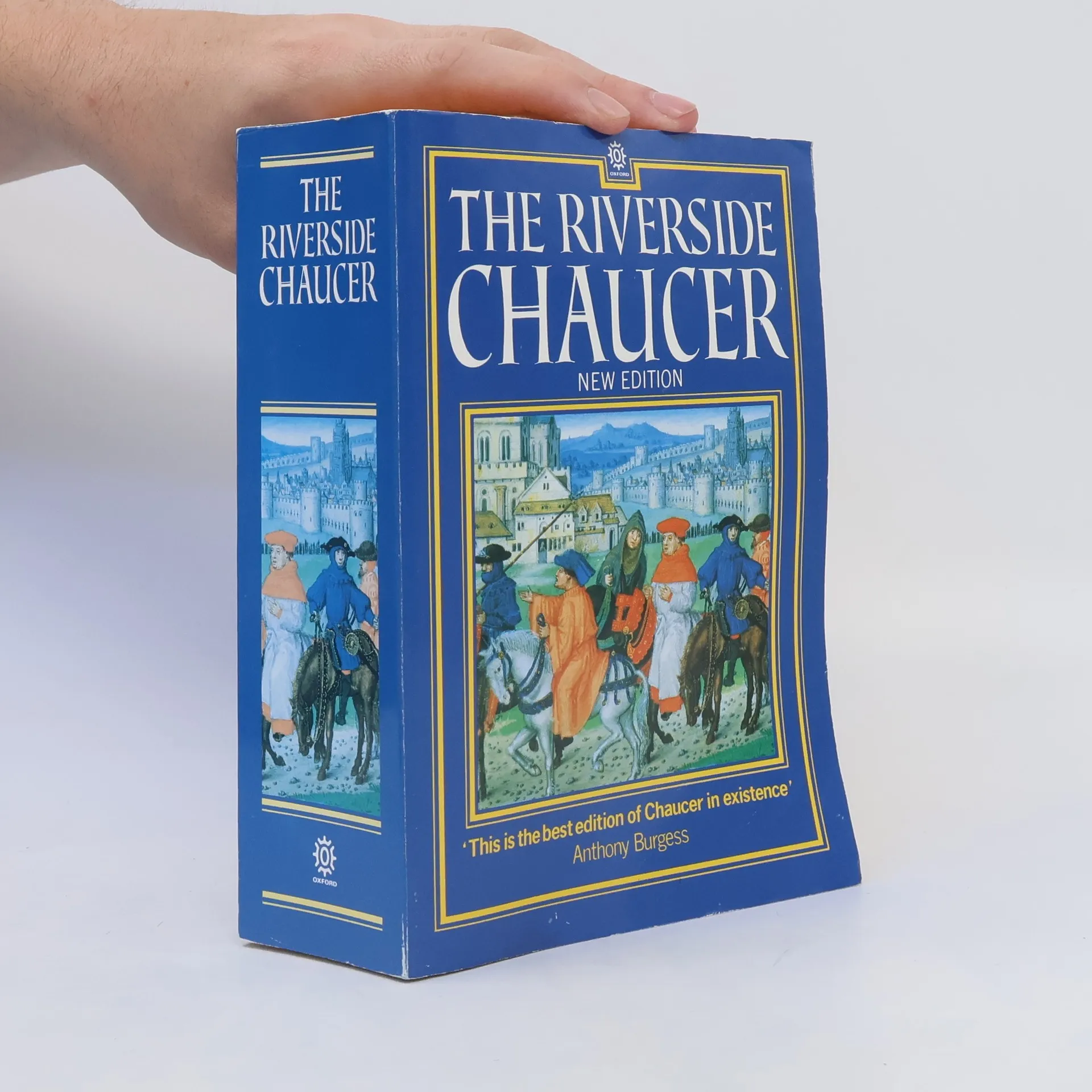
The Riverside Chaucer
- 375pages
- 14 heures de lecture
In a dream, the poet joins a hunting party. He comes upon a knight in black, who laments the loss of his lady, tells of her virtues and beauty and declares her dead. The hunting party reappears, a bell strikes twelve, and the poet awakes.
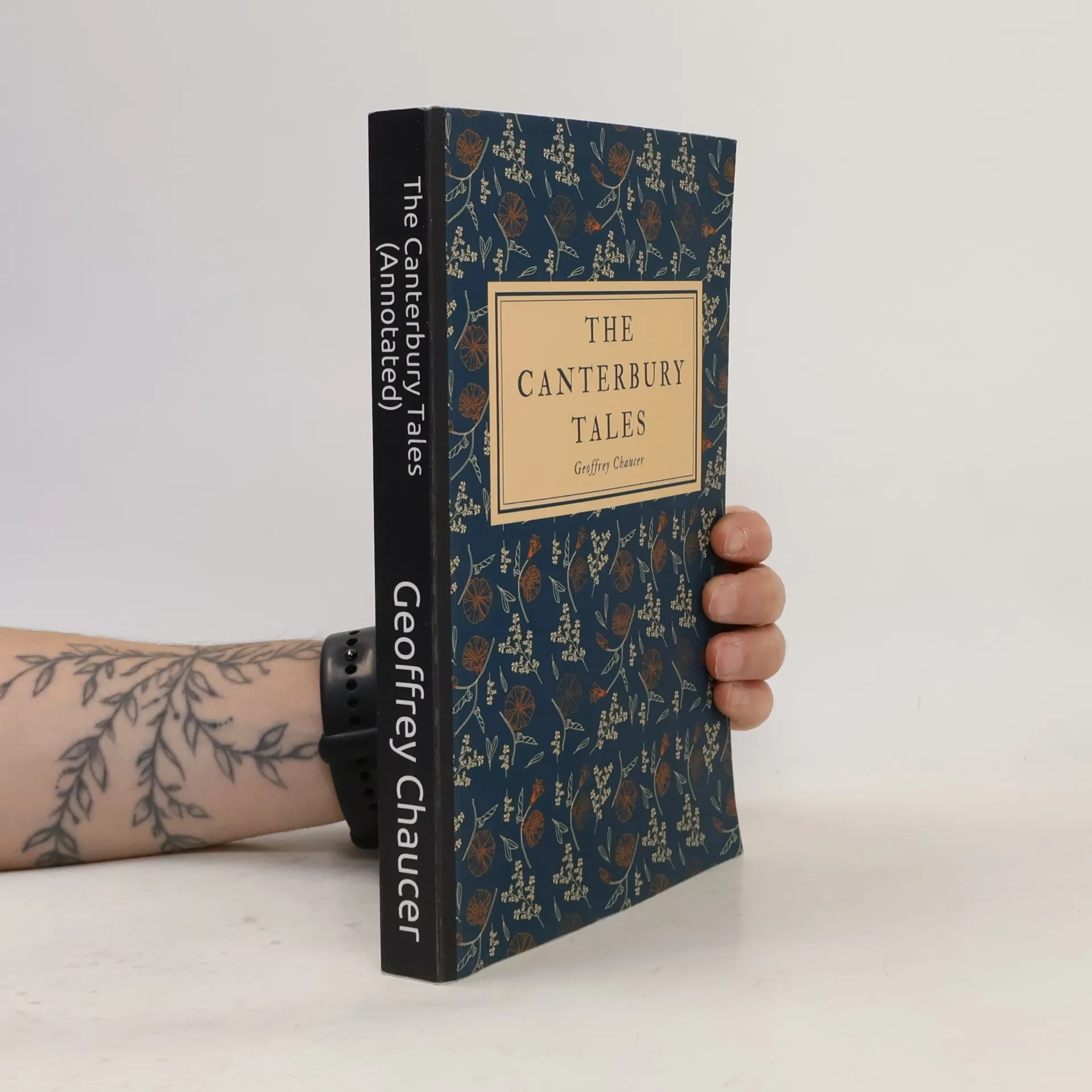
'The Canterbury Tales', compiled in the late fourteenth century, is an incisive portrait, infused with Chaucer's wry wit and vibrant, poetical language. He evokes a spestrum of colourful characters, from the bawdy Wife of Bath to the gallant Knight, the fastidious Prioress and the burly, drunken Miller. As they wend their way from Southwark to Canterbury, tales are told to pass the time, and the stories are as diverse as the narrators, encompassing themes such as adultery, revenge, courtly love, lechery, avarice and penitence. As humorous today as when it was written over six centuries ago, 'The Canterbury Tales' remains one of the most popular and enjoyable of the classic works of literature.
SparkNotes: The Canterbury Tales
- 96pages
- 4 heures de lecture
SparkNotes offers essential study guides designed to help students succeed academically. Each guide features a complete plot summary and analysis, key facts, character analyses, themes, motifs, symbols, important quotations, and the author's historical context. Additionally, suggested essay topics and a 25-question review quiz are included to enhance understanding. Join millions of students at SparkNotes.com, where over 1000 study guides cover a wide range of subjects including history, poetry, philosophy, mathematics, physics, and chemistry. The platform allows users to post questions, seek help, and explore the latest additions to the collection. To celebrate the 5th Anniversary of Spark Publishing’s Literature Guides, the top 50 guides have been revamped with exciting new features. Each guide now includes sixteen pages dedicated to writing a literary essay, offering a glossary of literary terms and step-by-step tutoring on essay writing. A feature on avoiding plagiarism is also provided. Furthermore, each book includes an A+ Essay, showcasing a model literary essay to guide students in crafting their own.
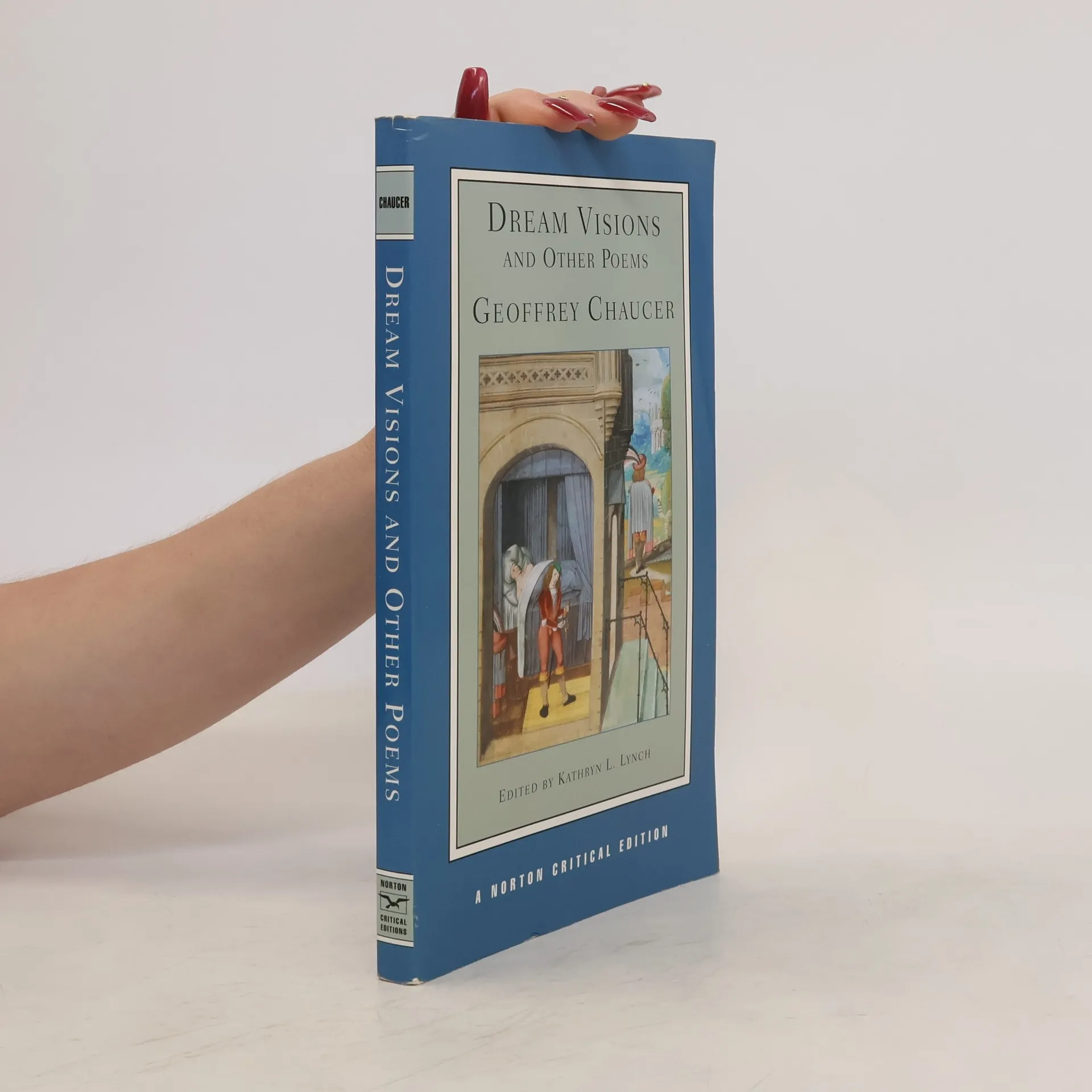
Contexts connects the poems to their classical and medieval foundations and includes works by Virgil, Ovid, Cicero, Boethius, Dante, and Boccaccio, among others From the wealth of scholarly work available, the editor has chosen for Criticism six essays that address the poems central themes. Contributors include Charles Muscatine, A. C. Spearing, R. T. Lenaghan, Richard Firth Green, Elaine Tuttle Hansen, and Steven Kruger A Chronology and Selected Bibliography are also included. "
The Knight's Tale
- 254pages
- 9 heures de lecture
The classic respected series in a stunning new design.
The Wife of Bath's Prologue & Tale
- 144pages
- 6 heures de lecture
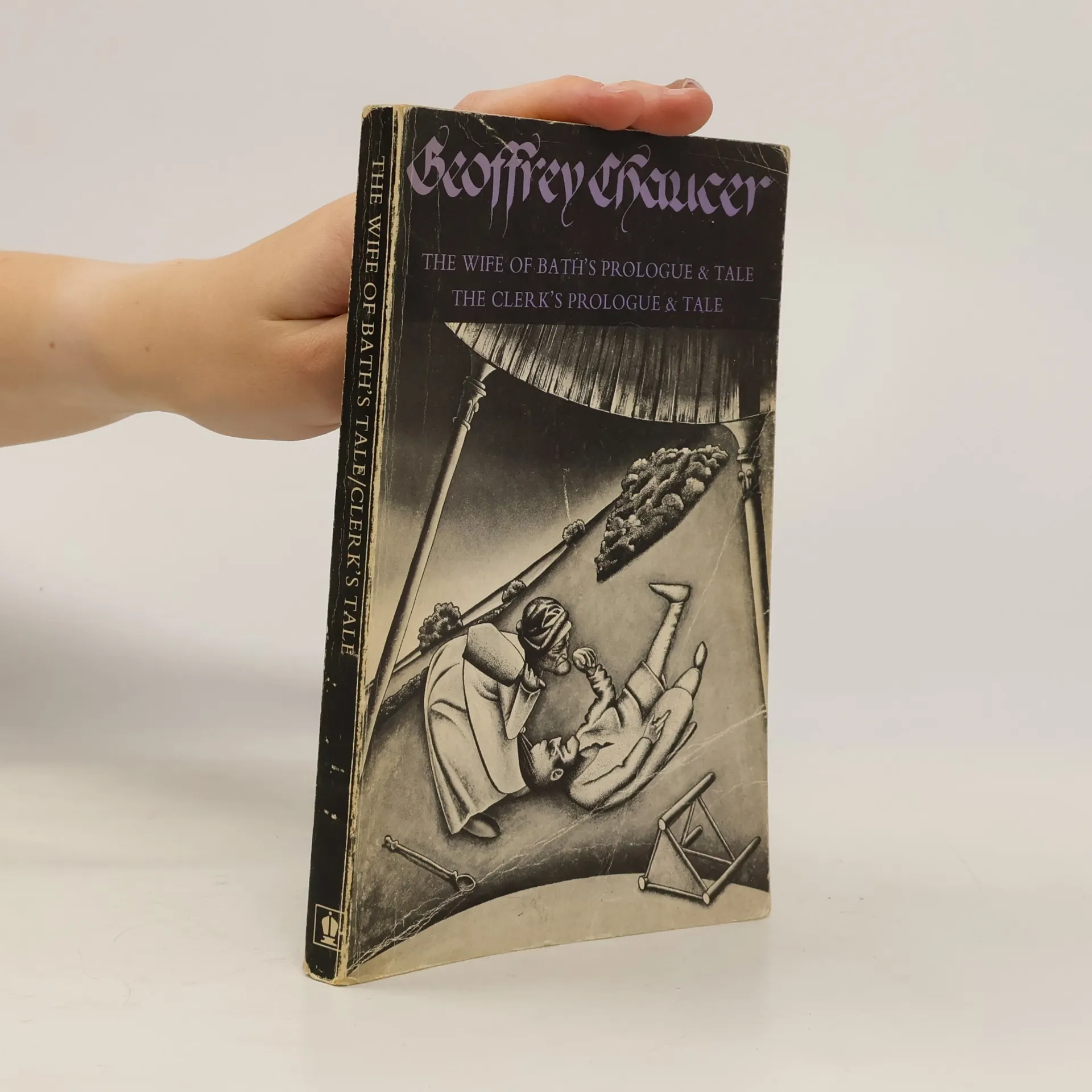
This well-established series is now being updated with new scholarly introductions and attractive new covers. Texts are in the original Middle English throughout, and each has an introduction, detailed notes and a glossary.
Penguin Classics: Troilus and Criseyde
- 332pages
- 12 heures de lecture
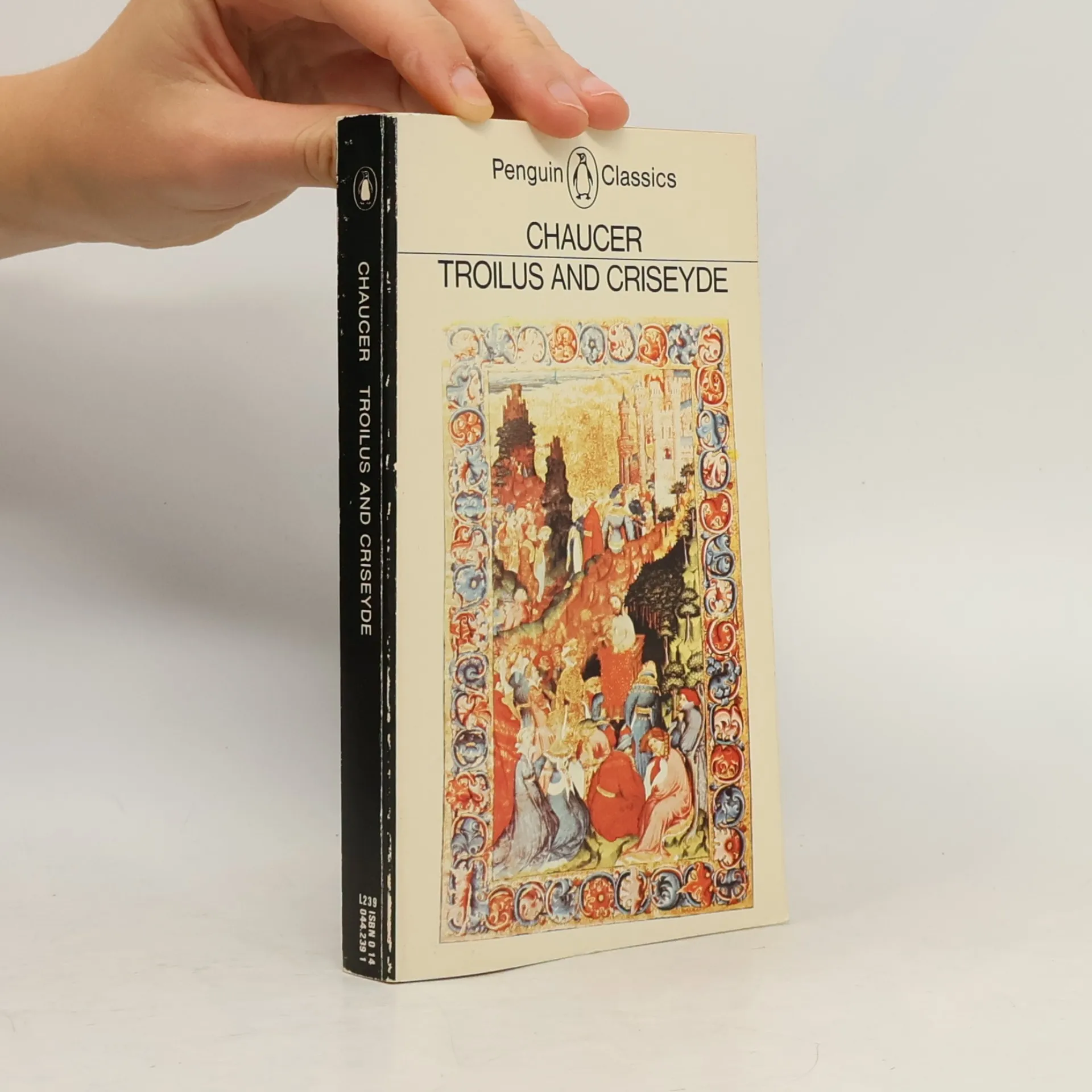
Set during the tenth year of the siege of Troy, this poem relates how Troilus persuades Crisyede to become his lover, only to be forced apart by the events of war. This edition contains an introduction that places the poem in the context of its times, with notes and appendices.
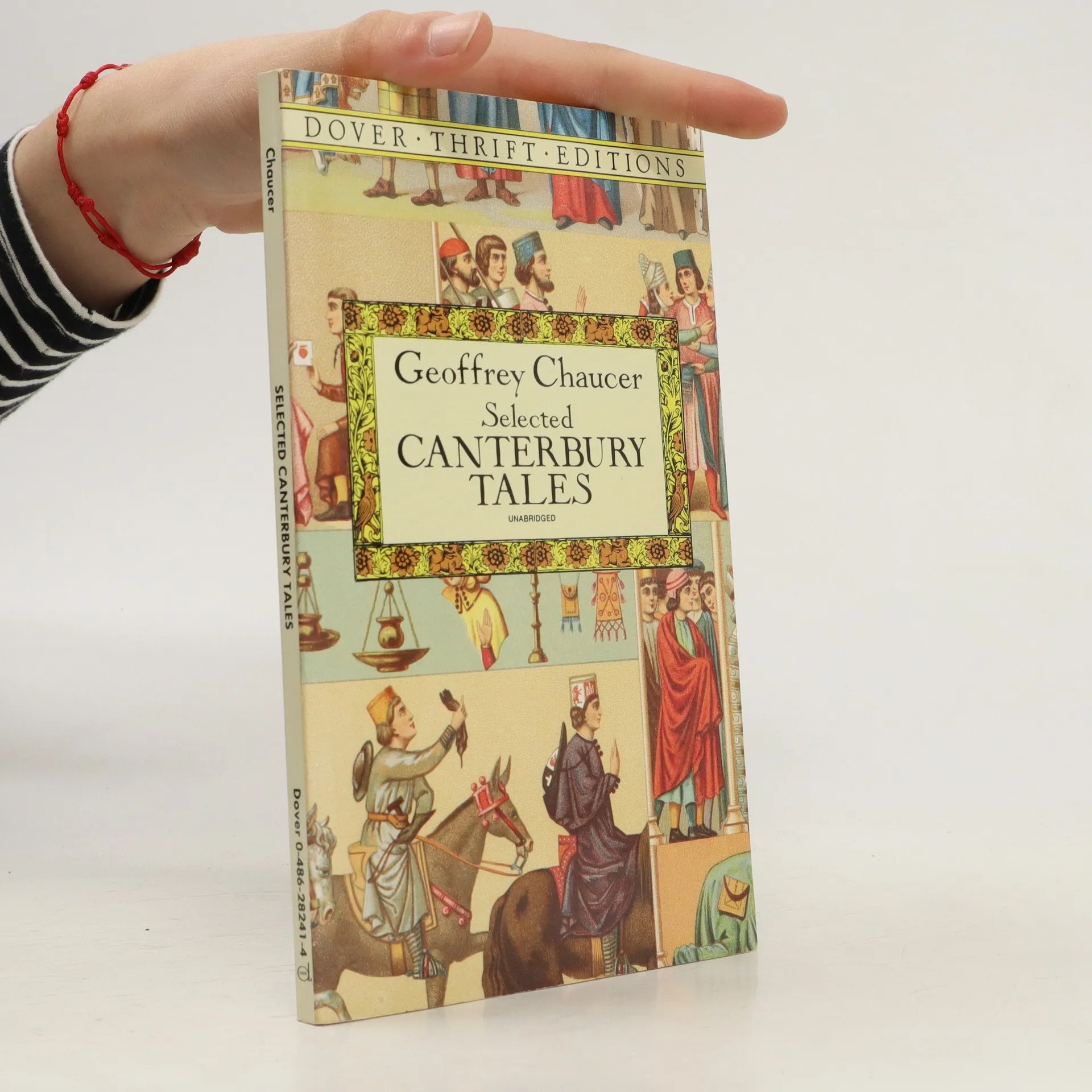
Delightful collection includes the General Prologue plus three of the most popular tales: "The Knight's Tale," "The Miller's Prologue and Tale," and "The Wife of Bath's Prologue and Tale." Recast in modern English verse that captures the lively spirit of the originals. A selection of the Common Core State Standards Initiative.
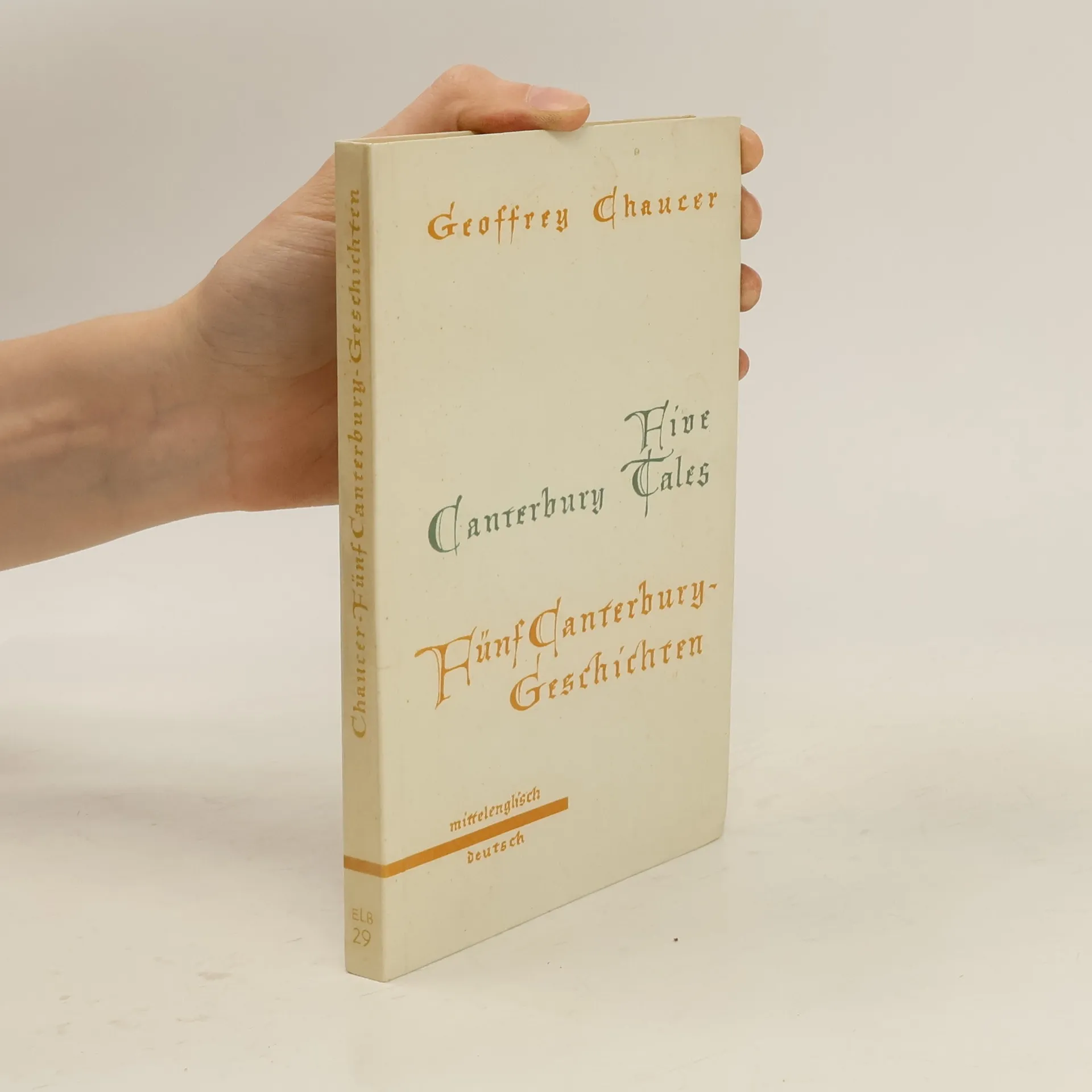
Five Canterbury tales
- 44pages
- 2 heures de lecture
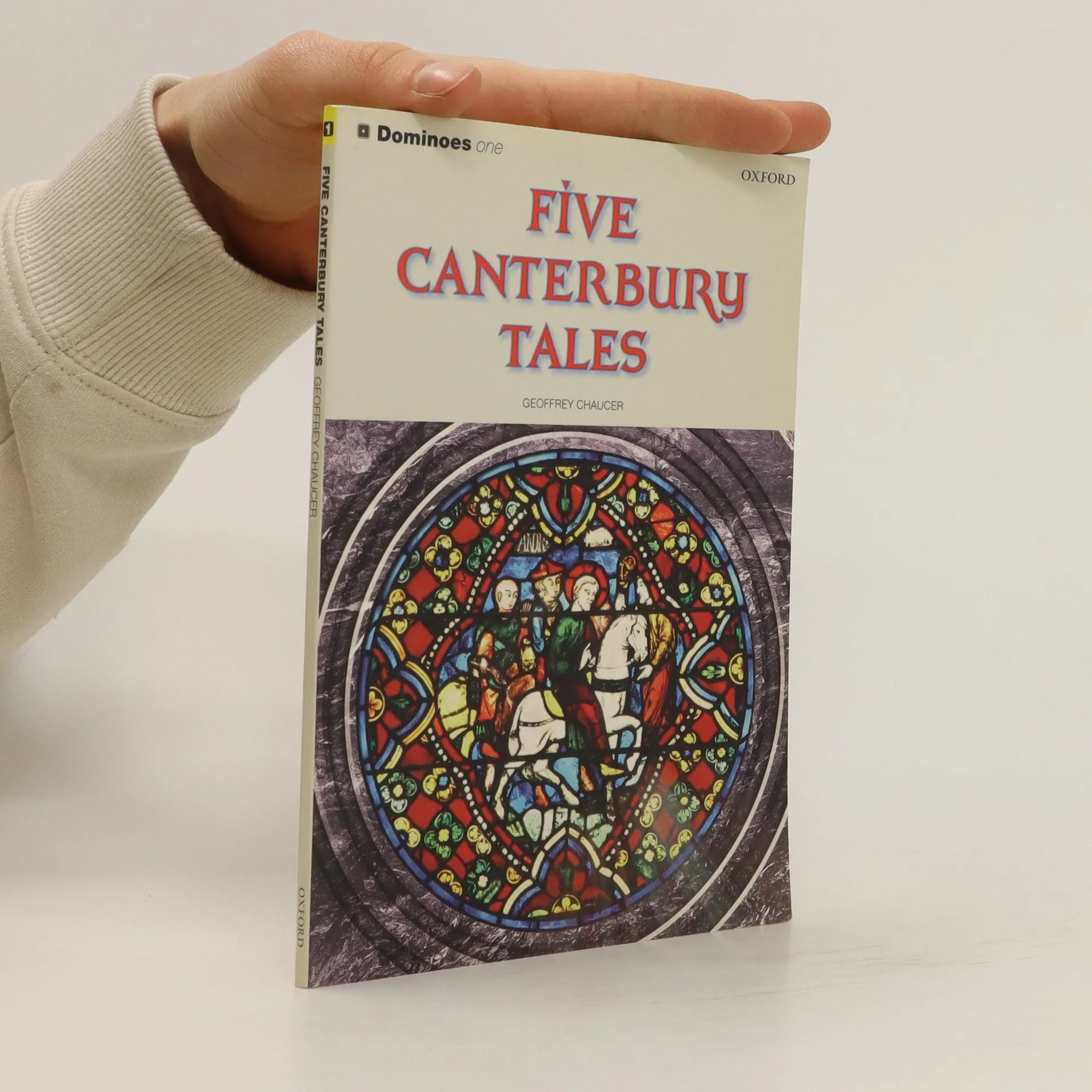
This is a graded reading series with language support on every page. These readers are ideal for students who need extra motivation and a more structured reading program.
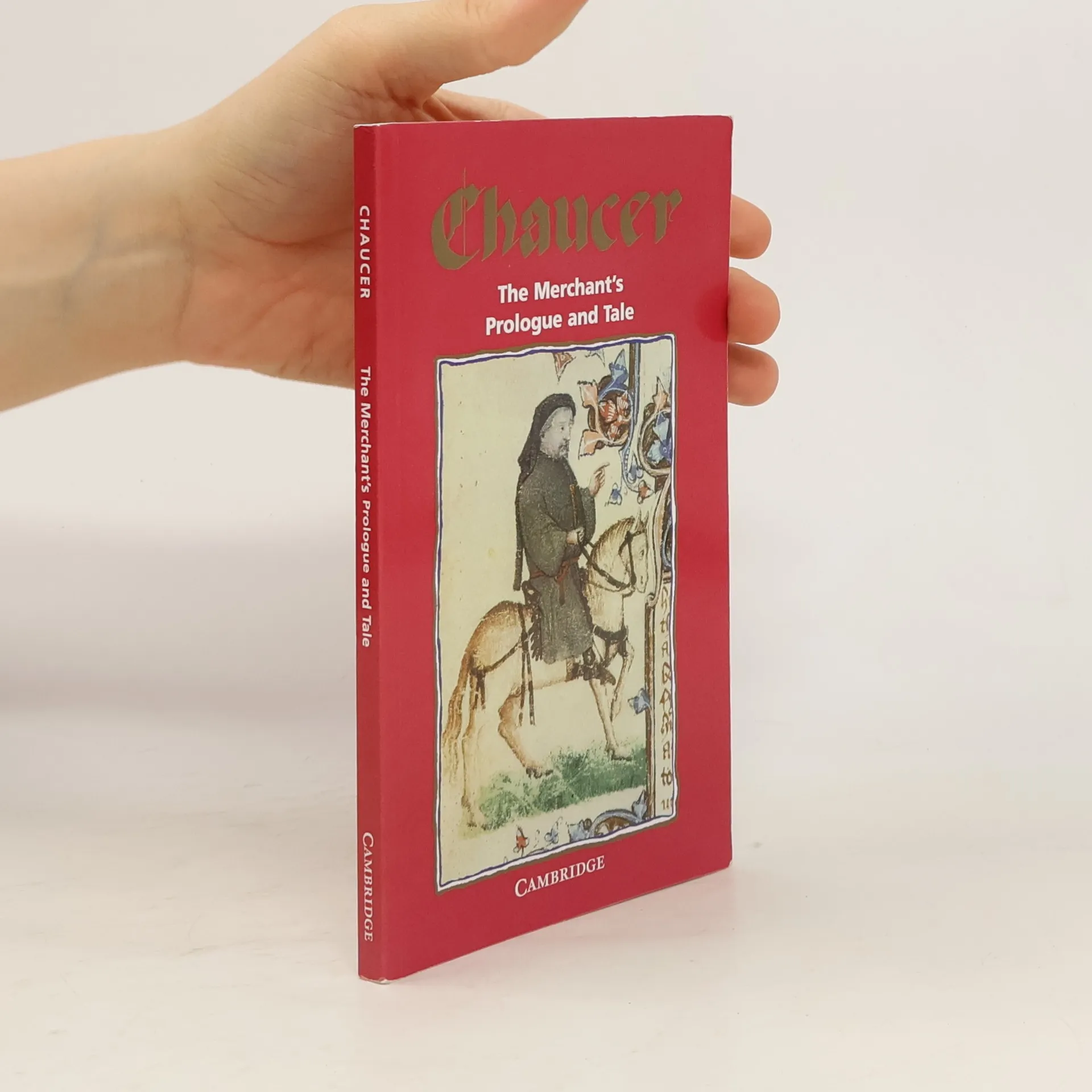
The Merchant's Prologue and Tale
- 118pages
- 5 heures de lecture
A well-established and respected series. Texts are in the original Middle English, and each has an introduction, detailed notes and a glossary. Selected titles are also available as CD recordings.
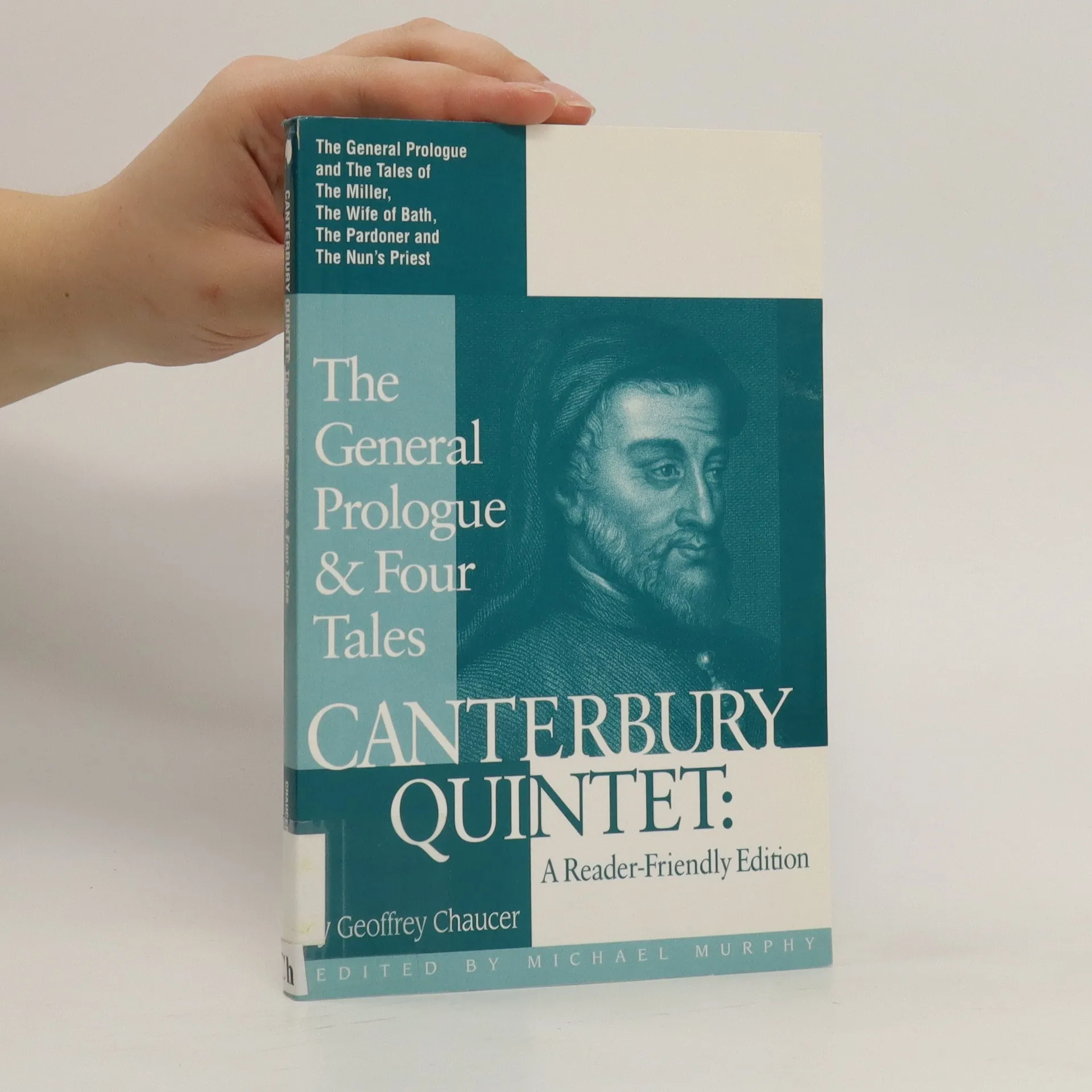
The Tales of The Miller, The Wife of Bath, The Pardoner and The Nun's Priest. Each text is Chaucer's word-for-word, but the spelling is modern. Students can read the Tales with half the effort, twice the speed, and double the enjoyment. ABOUT THE AUTHOR: Michael Murphy, Ph.D. has edited this and other Chaucer collections, making Middle English easier to grasp for students and general readers. He taught Chaucer at various universities for over 30 years, and he has published widely in medieval English studies.
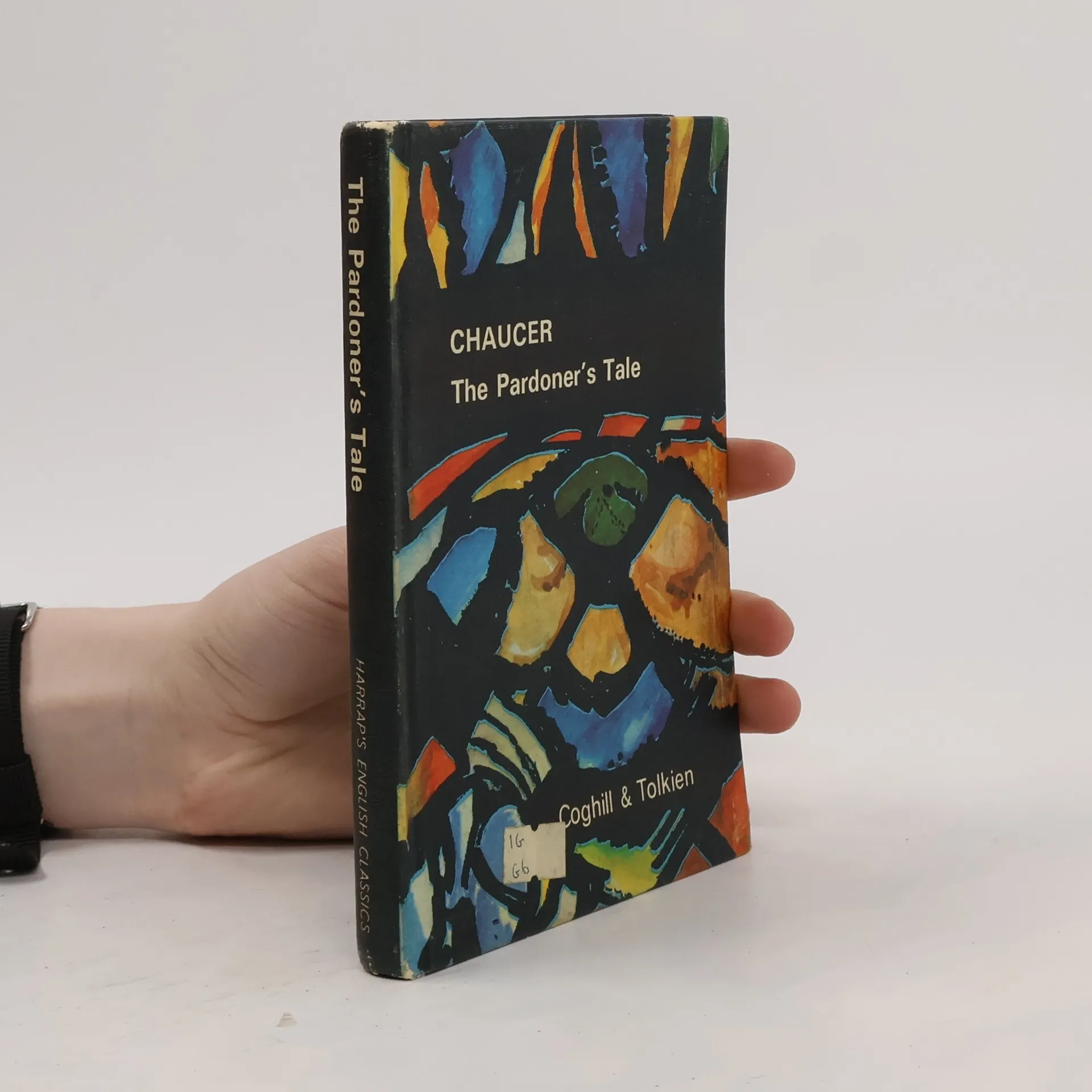
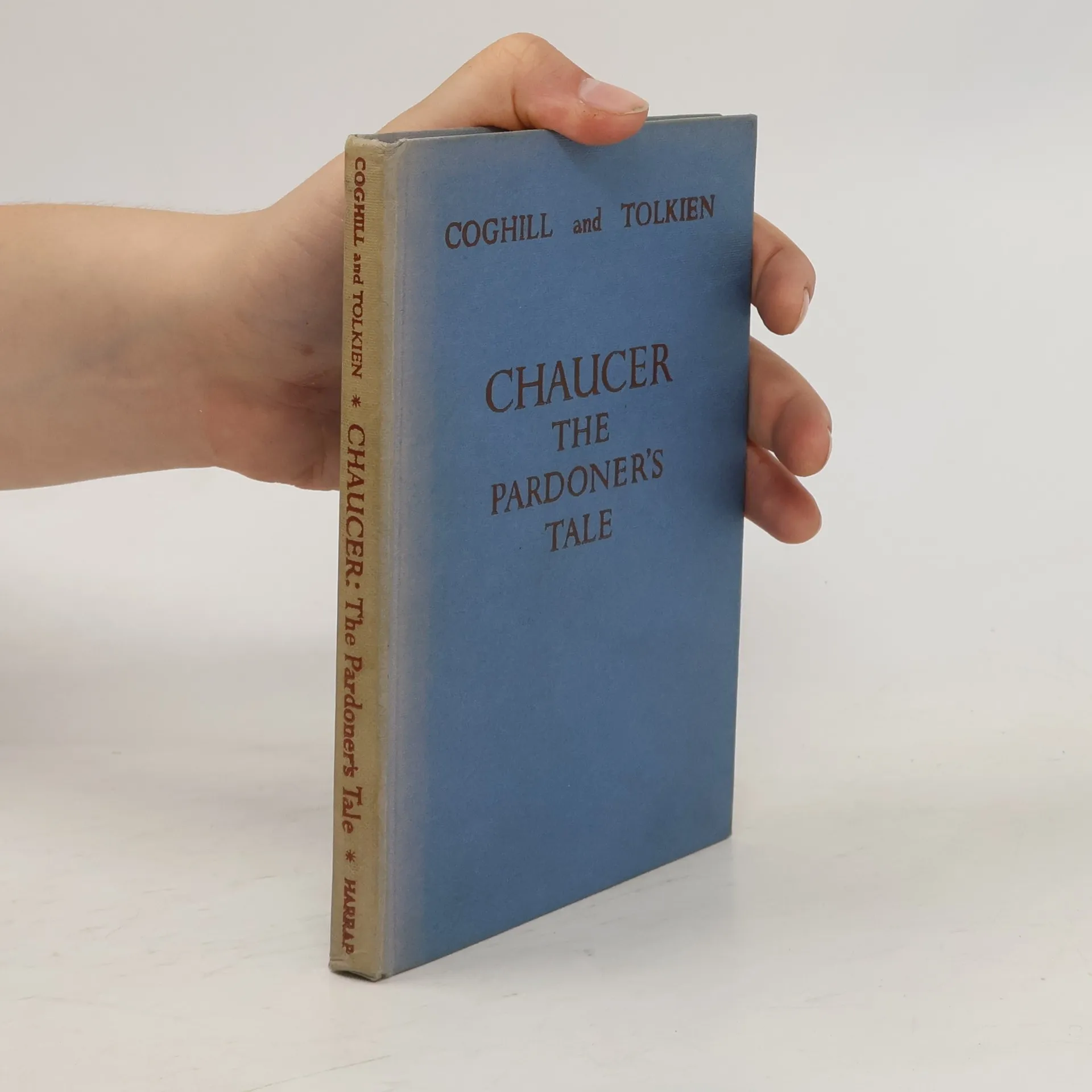
Harrap's English Classics: The Pardoner's Tale
- 172pages
- 7 heures de lecture
Essential Reading for Students of Medieval Literature The Pardoner's Tale is one of the most interesting of Chaucer's Canterbury Tales. The tale on its own is a neatly told exemplum on the dangers of greed, but the tale and its prologue also casts a light on one of Chaucer's most interesting characters: the Pardoner himself, and his own love of greed and deception. This edition presents three versions of the General Prologue description of the Pardoner, the Introduction, Prologue and the Tale. The three versions are: Original version in Middle English Dual Middle English and Modern English version - with a line by line translation rather than a parallel prose translation Modern English version There is also a brief introduction to the tale.
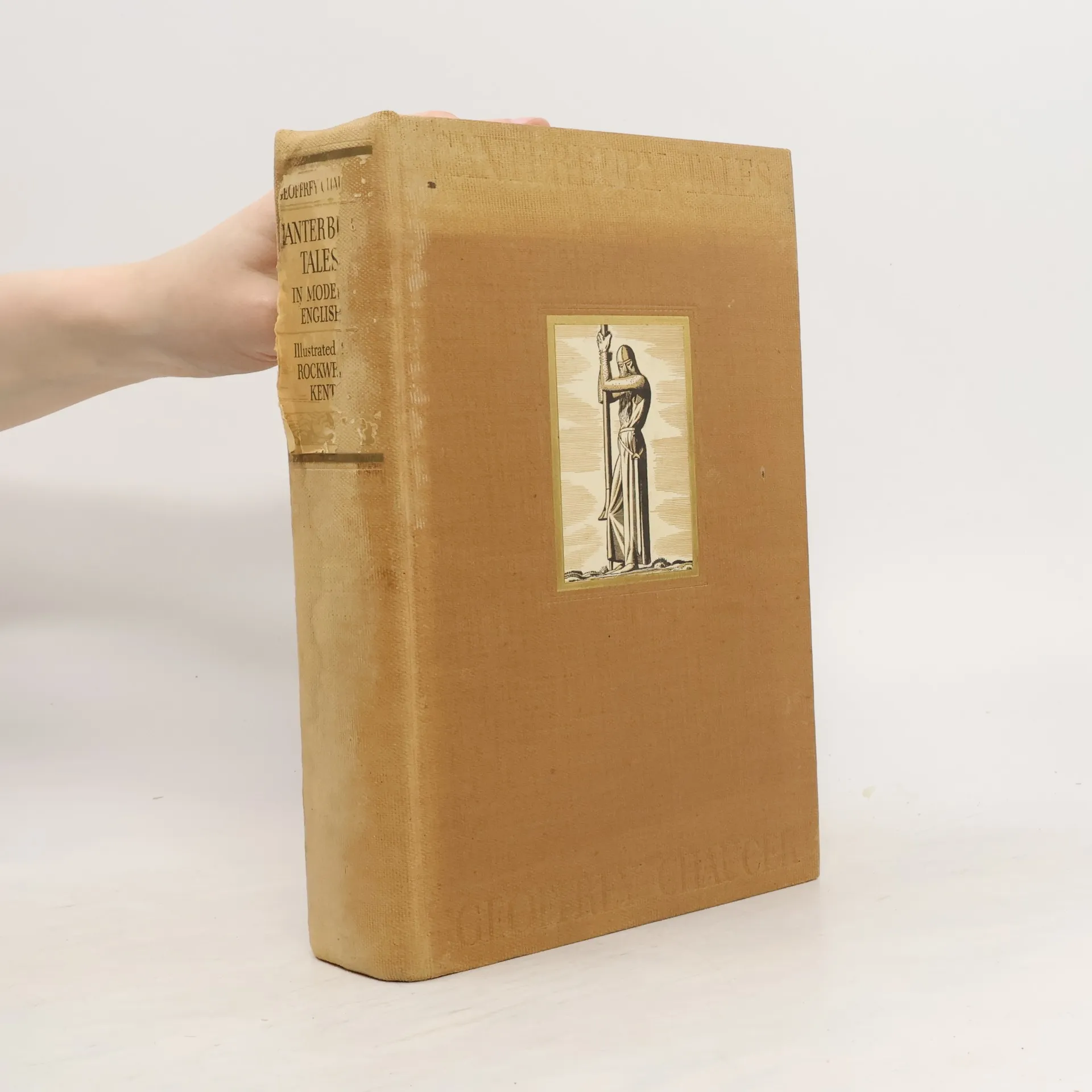
The Canterbury Tales, And Other Poems
- 784pages
- 28 heures de lecture
Set in the late 14th century, this collection features diverse tales narrated by travelers journeying from London to Canterbury, exploring themes of morality, societal critique, romance, and adventure. Alongside "The Canterbury Tales," it includes Chaucer's other notable works like "Troilus and Cressida" and "The Book of the Duchess," which delve into love and sorrow. Renowned for his vibrant characters and intricate narratives, Chaucer's poetry offers profound insights into medieval life and continues to resonate with scholars and readers today.
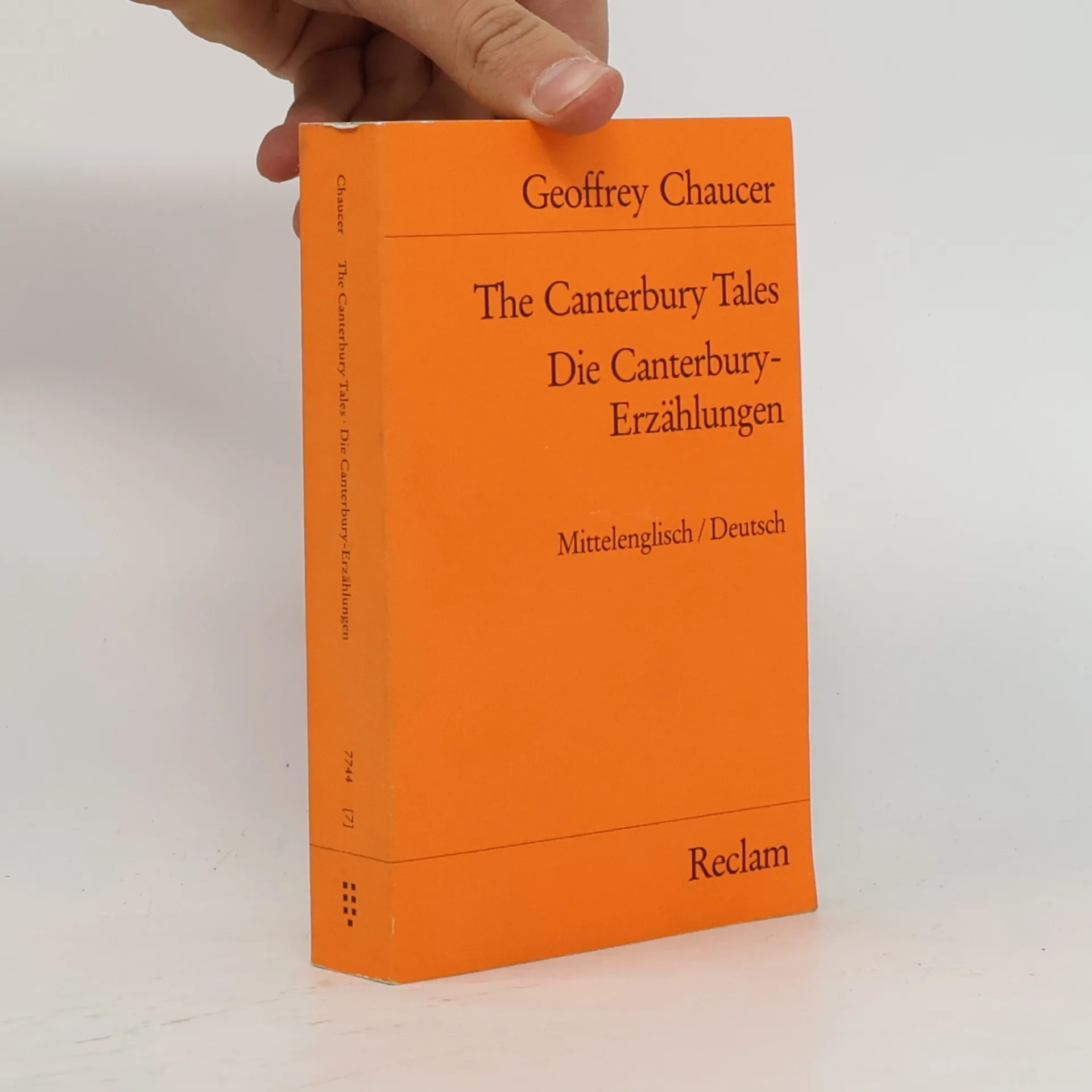
The Canterbury Tales. Die Canterbury-Erzählungen, englische Ausgabe
- 528pages
- 19 heures de lecture
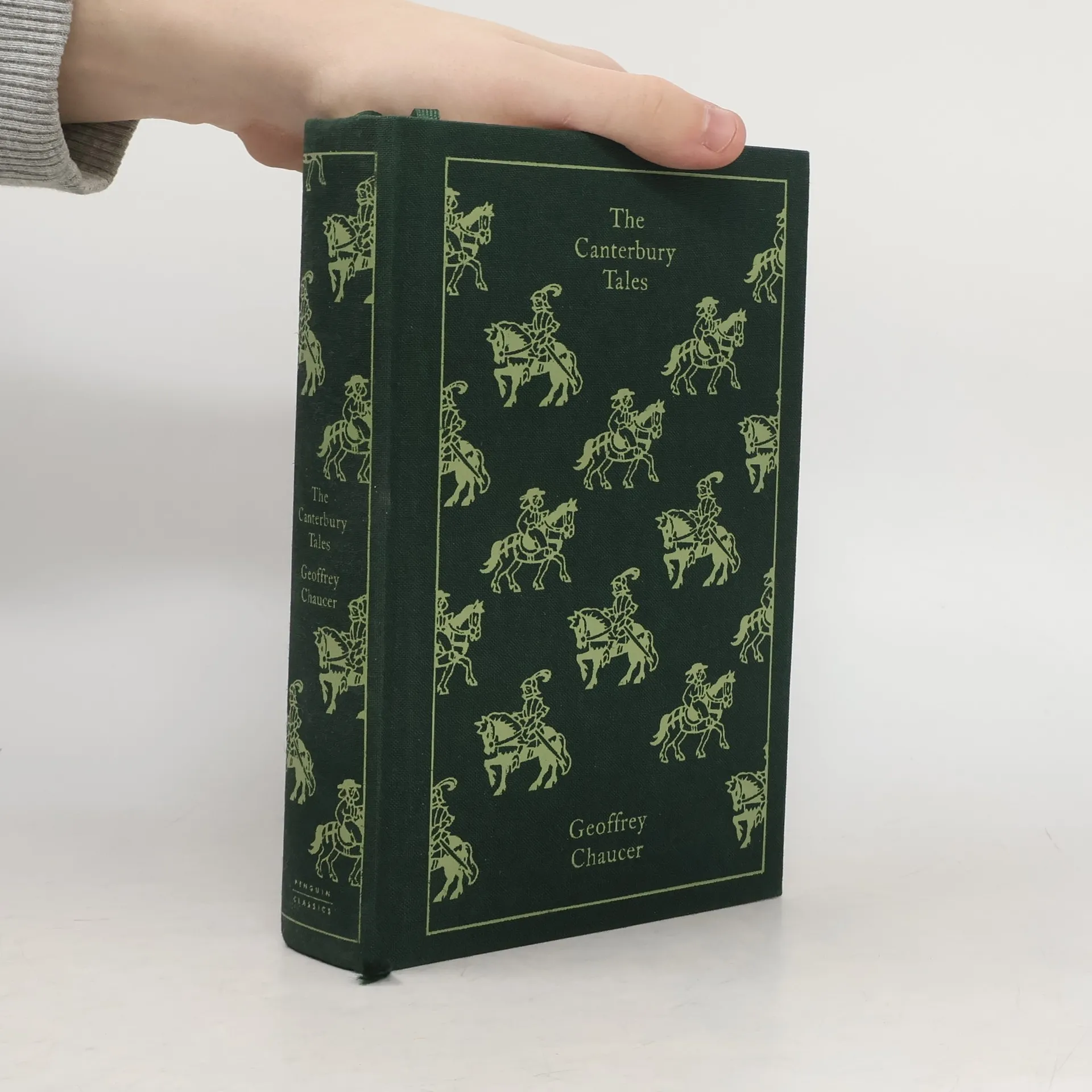
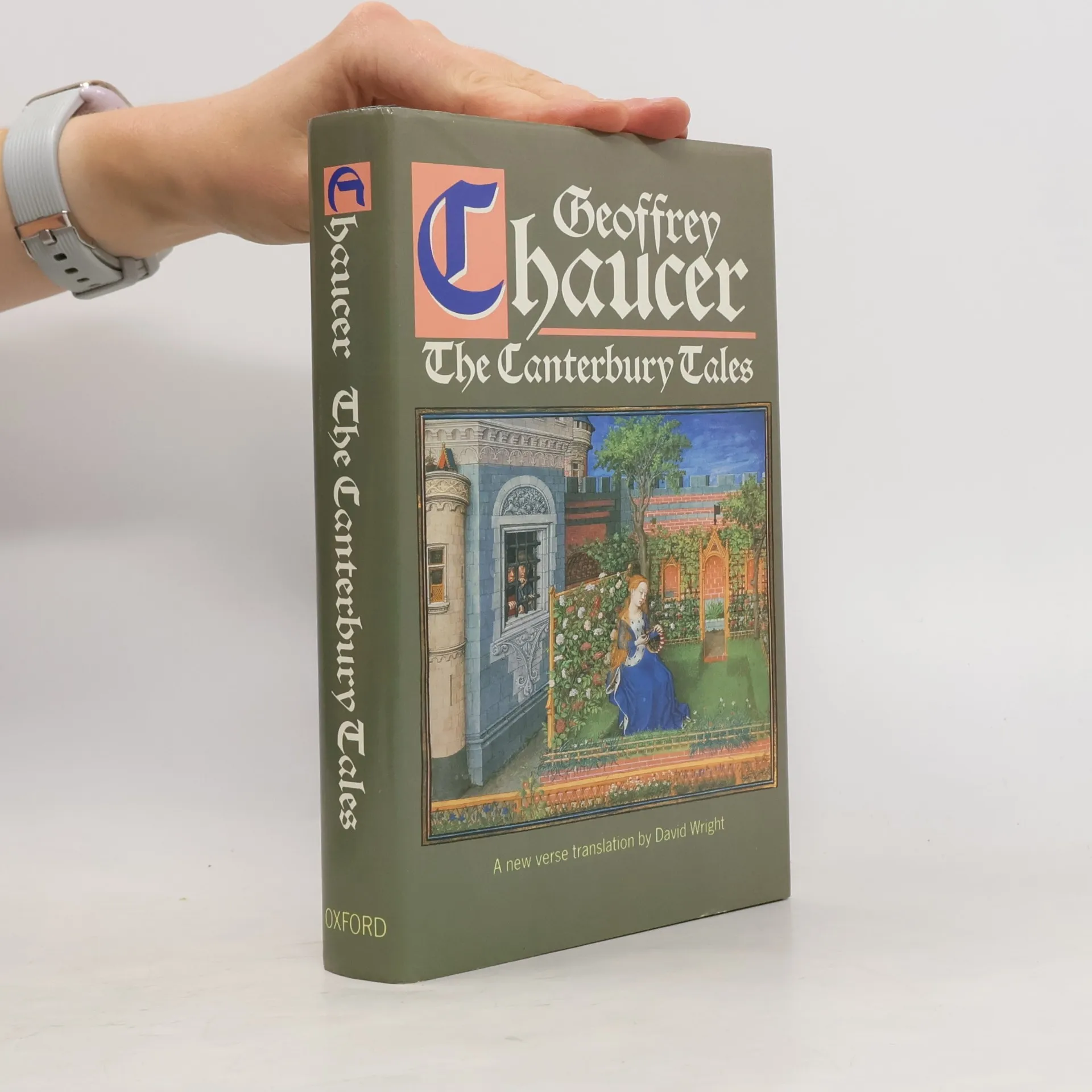
One of the great masterworks of English literature, in a gorgeous new clothbound edition In The Canterbury Tales Chaucer created one of the great touchstones of English literature, a masterly collection of chivalric romances, moral allegories, and low farce. A storytelling competition between a group of pilgrims from all walks of life is the occasion for a series of tales that range from the Knight’s account of courtly love and the ebullient Wife of Bath’s Arthurian legend, to the ribald anecdotes of the Miller and the Cook. Nevill Coghill’s masterly and vivid modern English verse translation is rendered with consummate skill to retain all the vigor and poetry of Chaucer’s fourteenth-century Middle English.
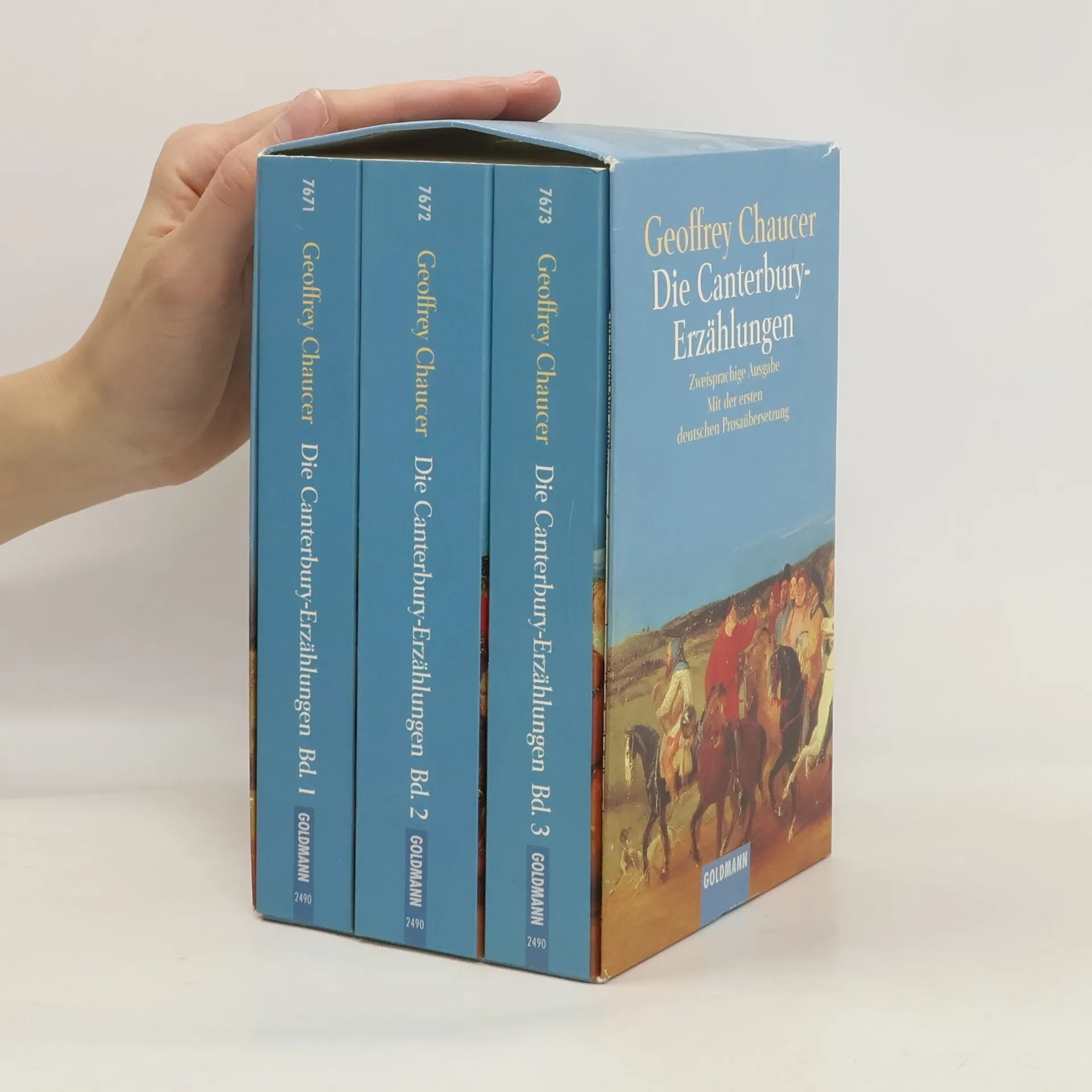
Die Canterbury-Erzählungen. Mittelenglisch und Deutsch 1
- 635pages
- 23 heures de lecture
Selected works of Chaucer.
- 536pages
- 19 heures de lecture
This scarce antiquarian book is a facsimile reprint of the original. Due to its age, it may contain imperfections such as marks, notations, marginalia and flawed pages. Because we believe this work is culturally important, we have made it available as part of our commitment for protecting, preserving, and promoting the world's literature in affordable, high quality, modern editions that are true to the original work.
The Wife of Bath's Prologue and Tale and The Clerk's Prologue and Tale from the Canterbury Tales
- 194pages
- 7 heures de lecture
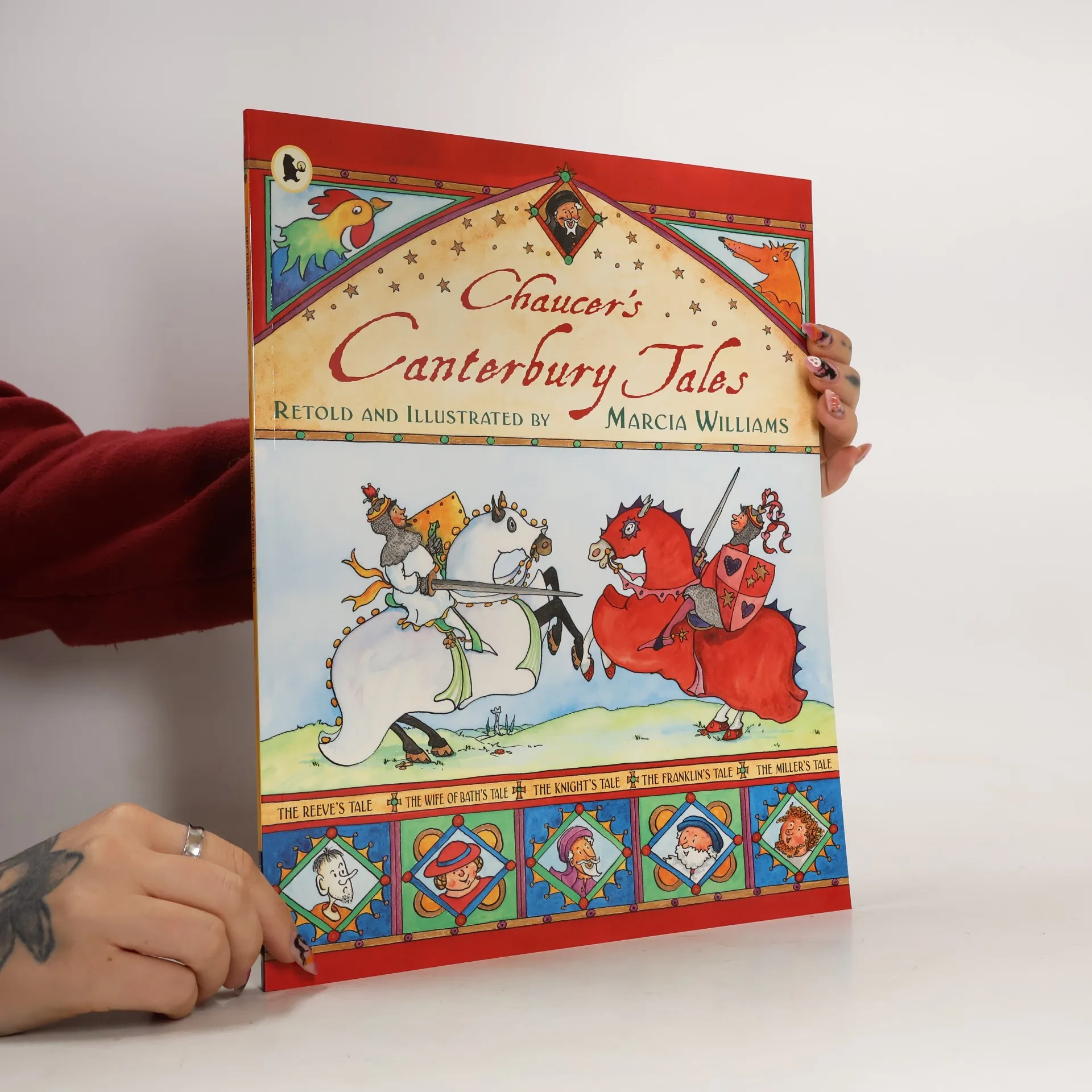
Chaucer's Canterbury Tales
- 45pages
- 2 heures de lecture
Marcia Williams retells Chaucer's popular tales in comic-strip style. As the pilgrims each tell their tales in turn, discover what happened when old John the carpenter took a young and flirtatious wife, how the students gave the thieving miller his come-uppance, what all women desire, and more.
Reading & Training: The Canterbury Tales
- 111pages
- 4 heures de lecture
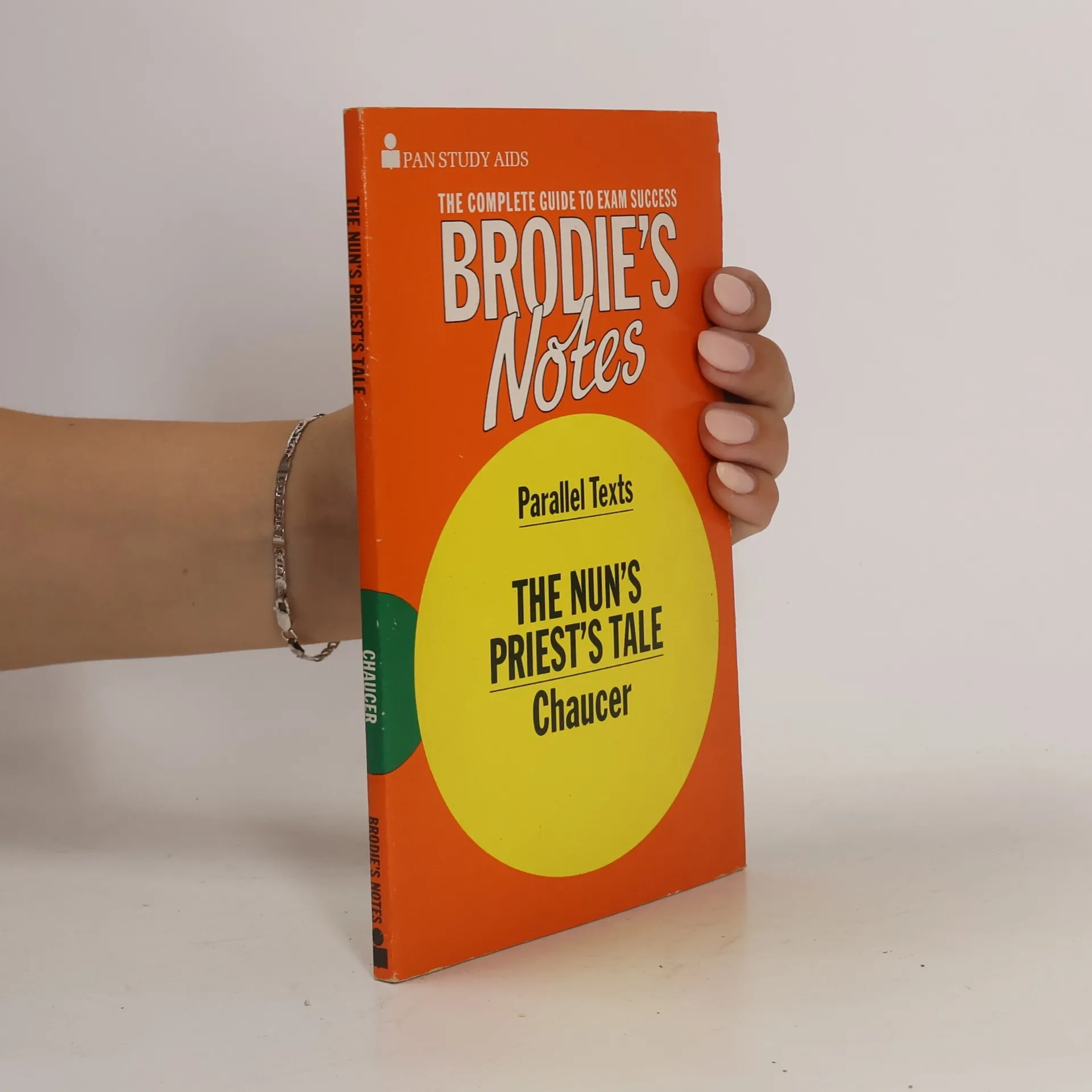
Pan Study Aids: Brodie's Notes On Chaucer's The Nun's Priest's Tale
- 112pages
- 4 heures de lecture
These notes include: General questions The Tale in Chaucer's Middle English with a translation into Modern English Background on the author and his work Analysis of Chaucer's grammar, pronunciation, and versification Full textual notes and glossary
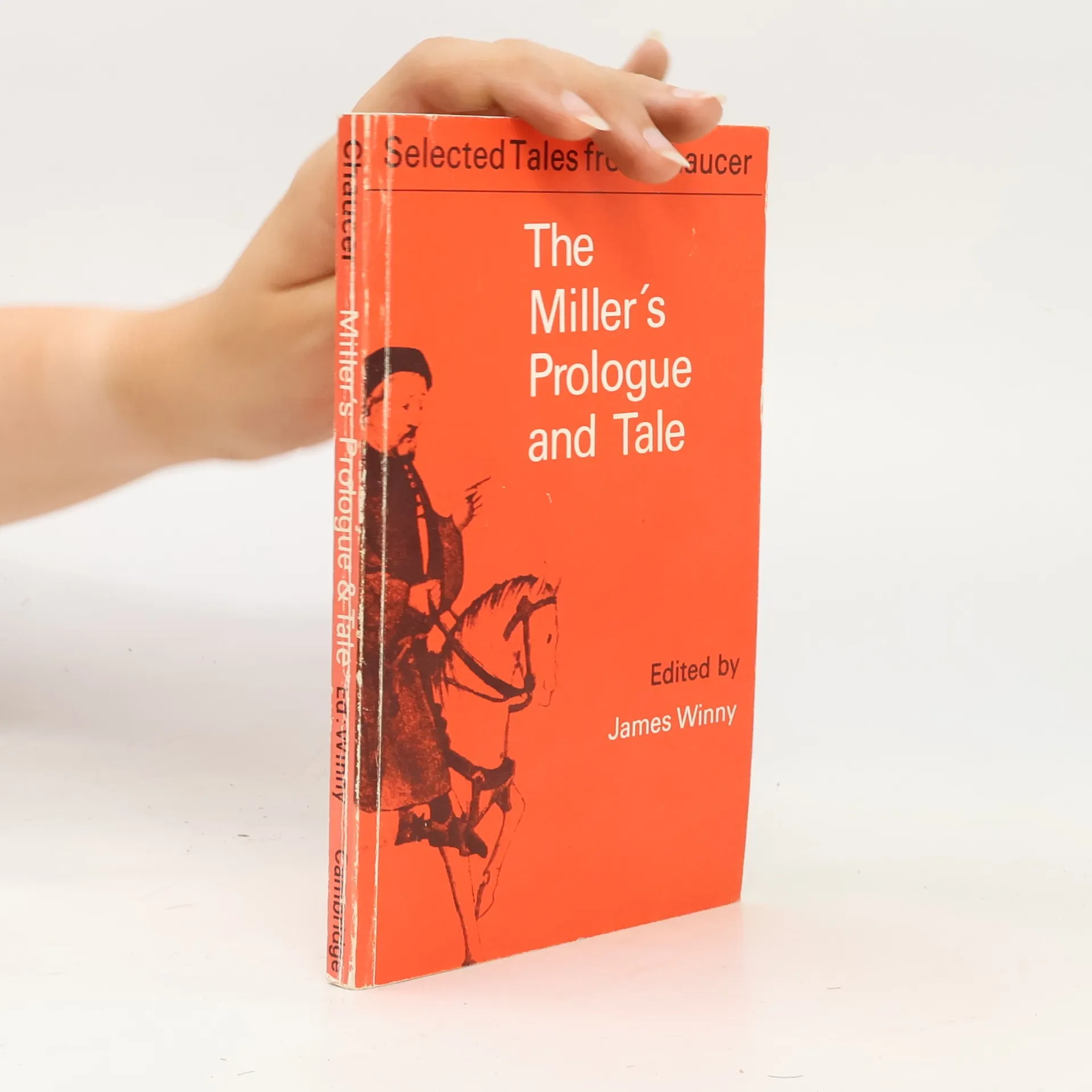
Selected Tales from Chaucer: The Miller's Prologue and Tale
- 100pages
- 4 heures de lecture
A well-established and respected series. Texts are in the original Middle English, and each has an introduction, detailed notes and a glossary. Selected titles are also available as CD recordings.
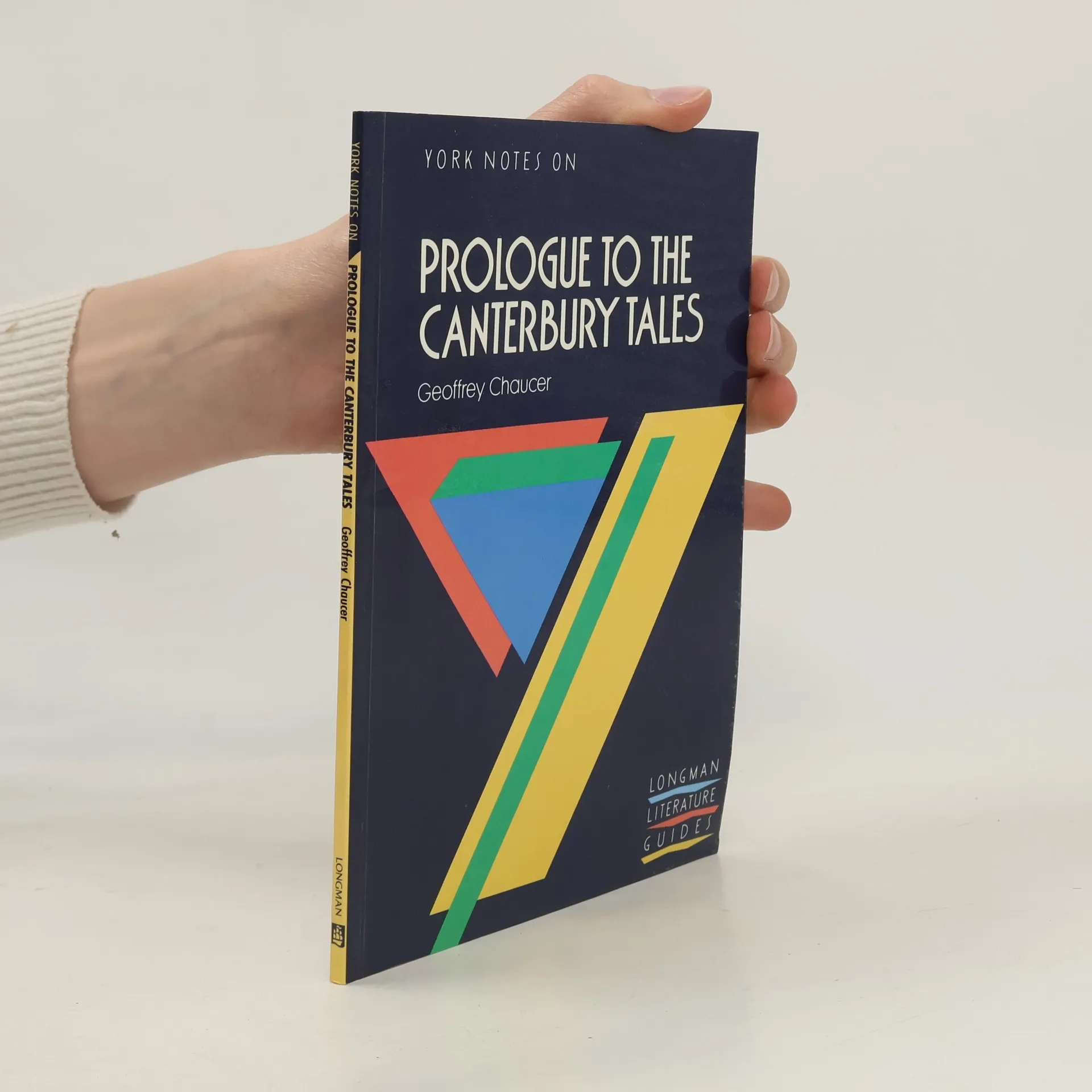
York Notes on The Prologue to The Canterbury Tales
- 80pages
- 3 heures de lecture
A collection of ten critical essays on the Prologue to Chaucer's well-known work, arranged in chronological order of their original publication.
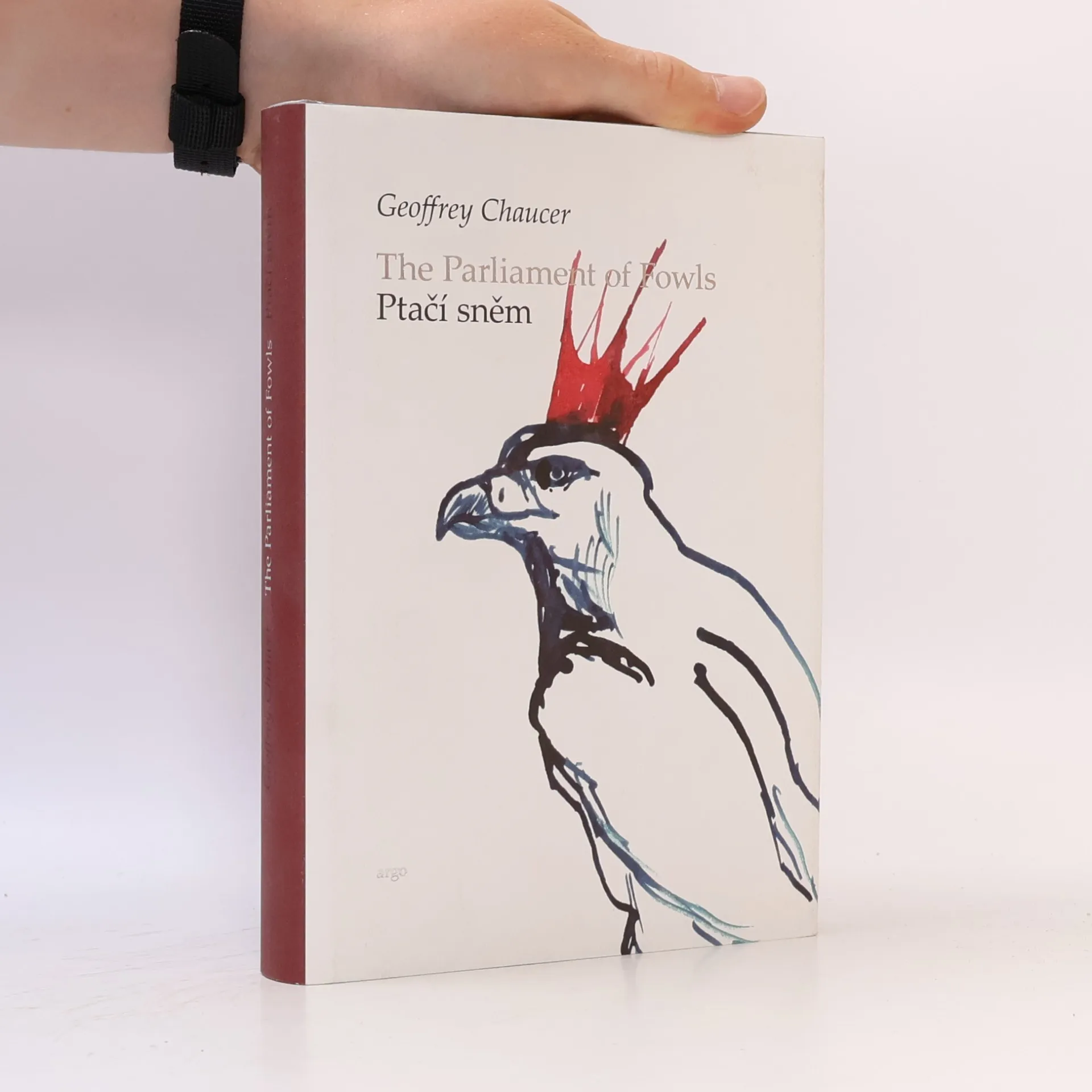
Díky své delikátní formě a vytříbenému obsahu, spojujícímu prvky středověké básnické tradice, si Ptačí sněm anglického básníka Geoffreyho Chaucera zajistil výsadní postavení v rámci autorova díla a platí za klenot středověkého literárního kánonu. Skladba zachycuje básníka neznalého lásky, který po dni stráveném nad latinskými spisy usíná neklidným spánkem. Ve snu se mu zjevuje římský vojevůdce Scipio Africanus, jenž ho zavádí do alegorické zahrady, kde „plodný květen vládne celý věk“ a kde básník poprvé poznává lásku a její rituály zblízka. Ptačí sněm je příkladem snového vidění, oblíbeného literárního žánru vrcholného a pozdního středověku, na jehož zdomácnění v anglickém prostředí měl Chaucer významný vliv. I když datace a účel skladby jsou spekulativní, mnozí historici ji spojují s námluvami mladého anglického krále Richarda II. a Annou Českou, dcerou římského císaře Karla IV. Zároveň je to jeden z nejranějších dokladů spojení kultu svatého Valentýna s milostnou tematikou. Toto vydání přináší českému čtenáři překlad básně poprvé, doplněný předmluvou, která nastiňuje hlavní rysy žánru středověké snové poezie a Chaucerovy variace na její témata, včetně ukázek z významných děl, jež s Ptačím sněmem souvisejí. Bilingvní vydání.
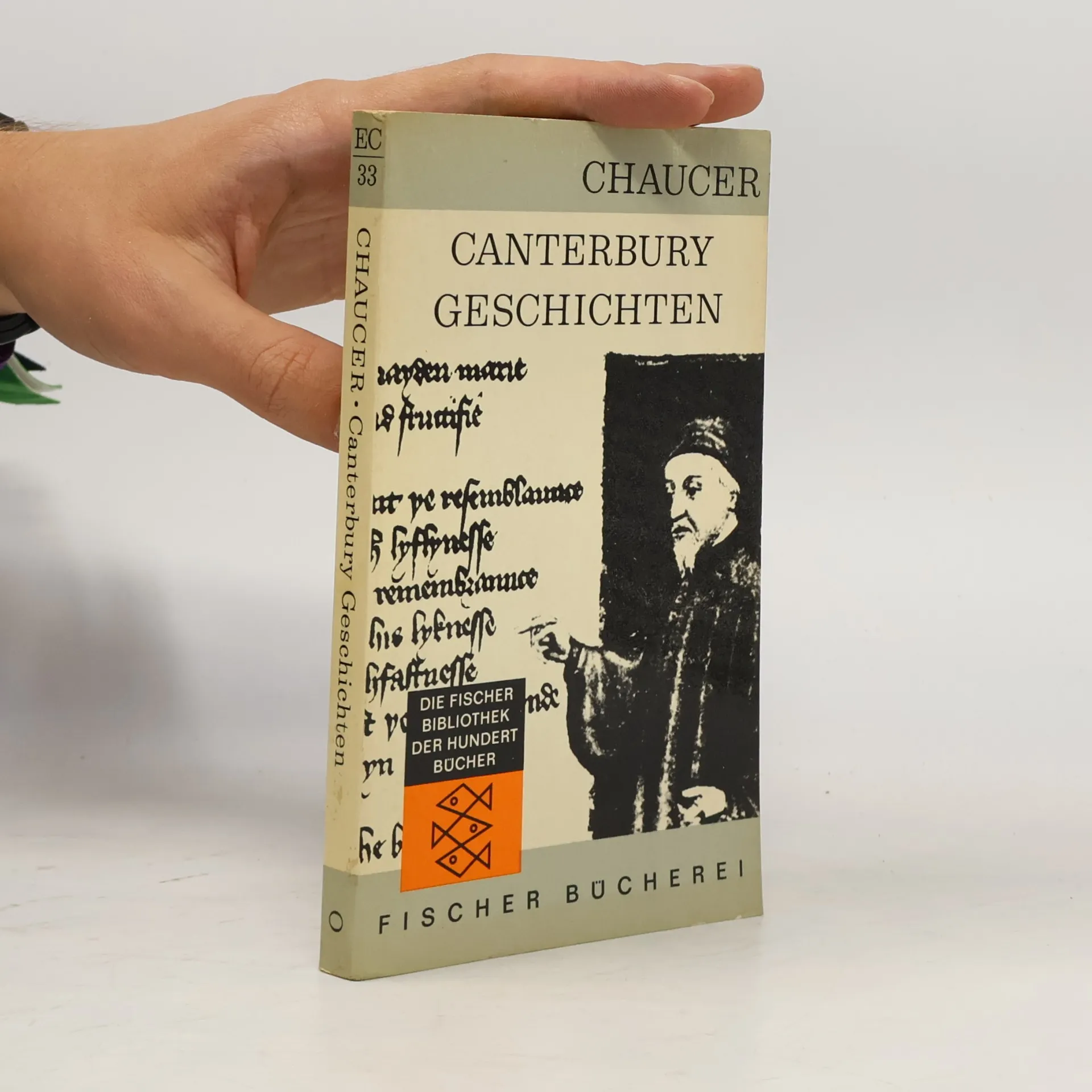
Mit Erläuterungen v. Fichte, Jörg O. S. 1366-1968
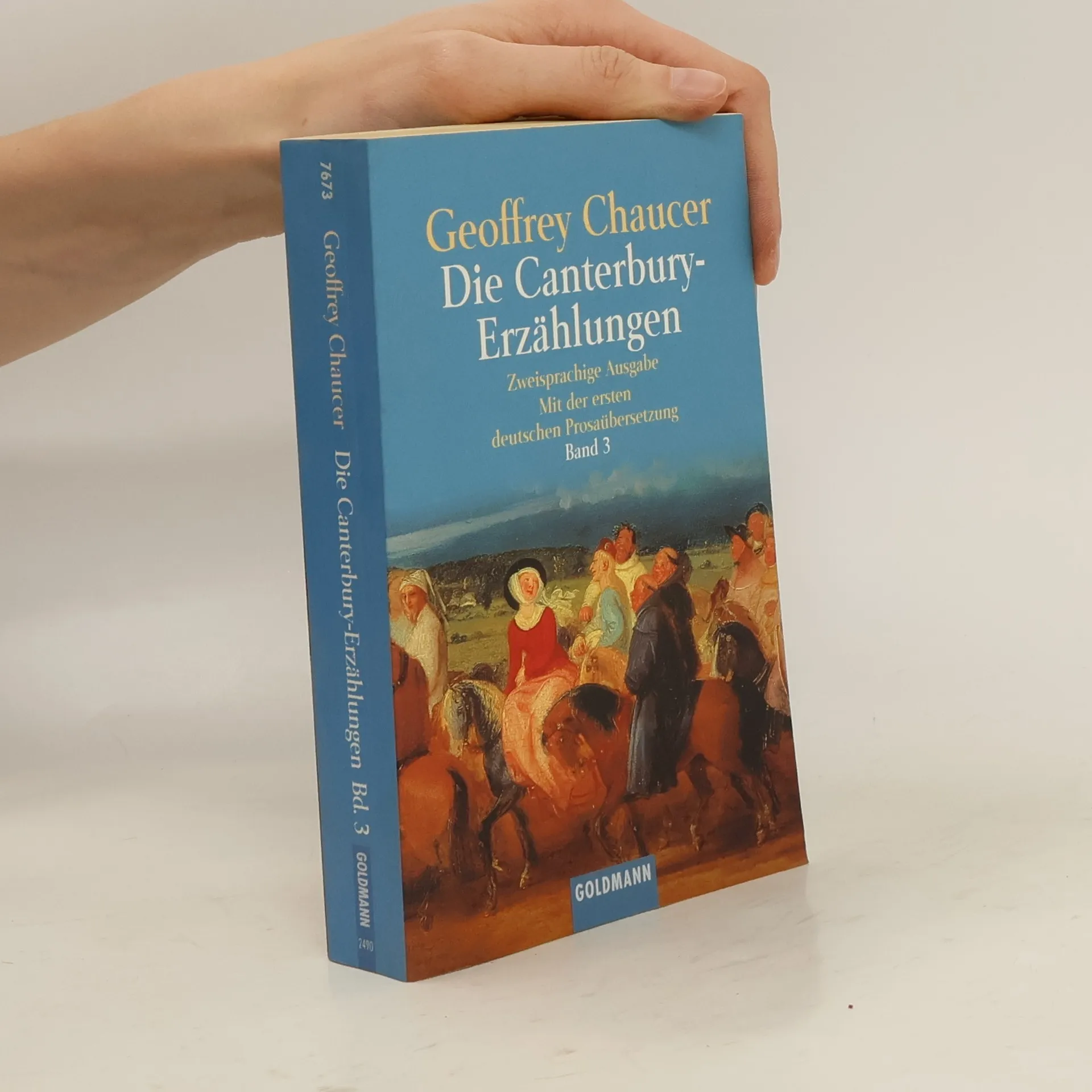
Die Canterbury-Erzählungen
- 724pages
- 26 heures de lecture
Geoffrey Chaucers „Canterbury-Erzählungen“ gelten als Höhepunkt der englischen Literatur des Mittelalters. Den Rahmen dieses englischen „Dekamerone“ bildet eine Pilgerfahrt von London nach Canterbury zum Grab des heiligen Thomas Becket. Auf dieser Reise erzählen die einzelnen Pilger, eine bunt zusammengewürfelte Schar, reihum Geschichten zur Unterhaltung der ganzen Gruppe. So entsteht vor den Augen des Lesers ein einmaliges Zeit- und Sittengemälde.
Geoffrey Chaucers "Canterbury-Erzählungen" gelten als Höhepunkt der englischen Literatur des Mittelalters. Den Rahmen dieses englischen "Dekamerone" bildet eine Pilgerfahrt von London nach Canterbury zum Grab des heiligen Thomas Becket. Auf dieser Reise erzählen die einzelnen Pilger, eine bunt zusammengewürfelte Schar, reihum Geschichten zur Unterhaltung der ganzen Gruppe. So entsteht vor den Augen des Lesers ein einmaliges Zeit- und Sittengemälde.
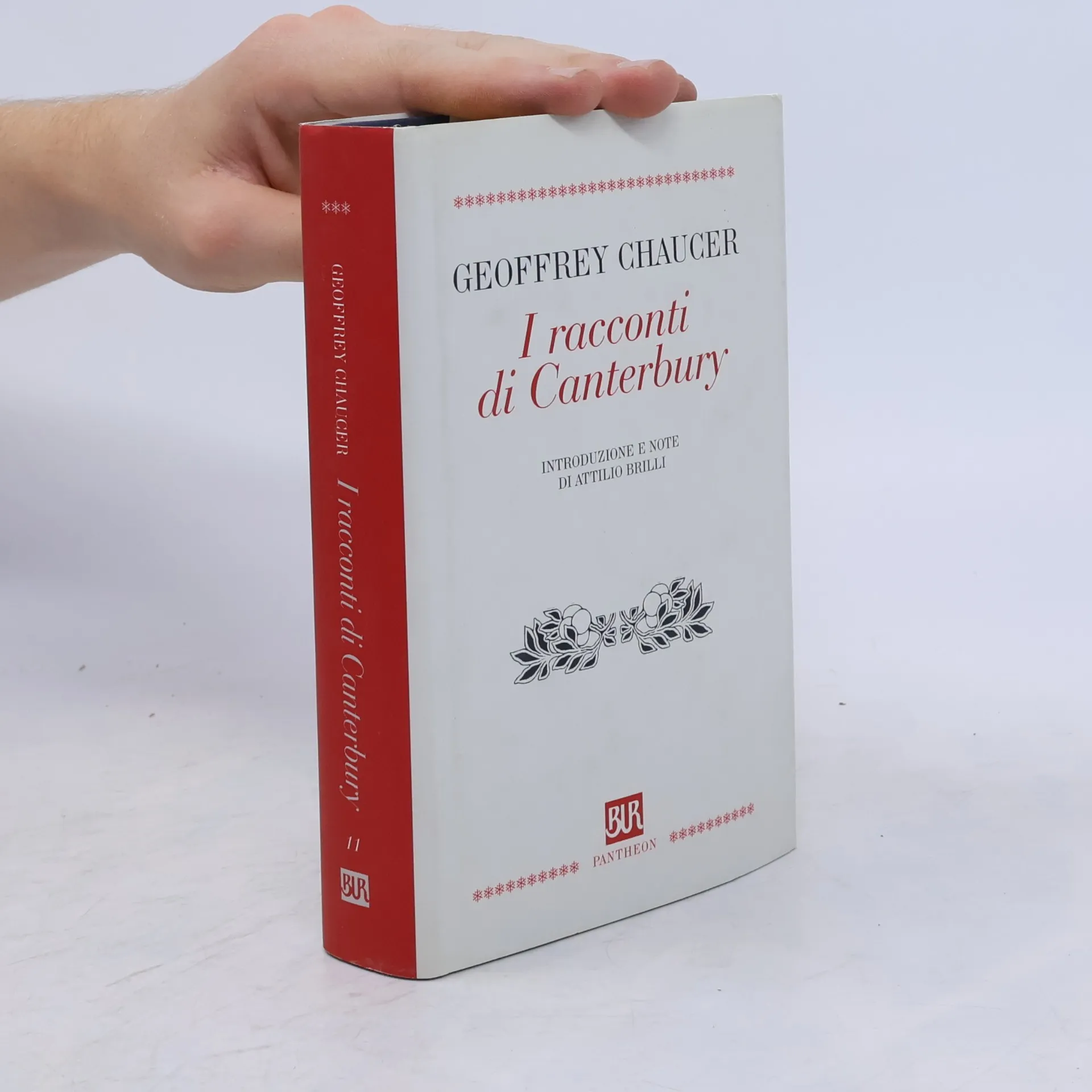
Bur Pantheon - 11: I racconti di Canterbury
Introduzione e note di Attilio Brilli
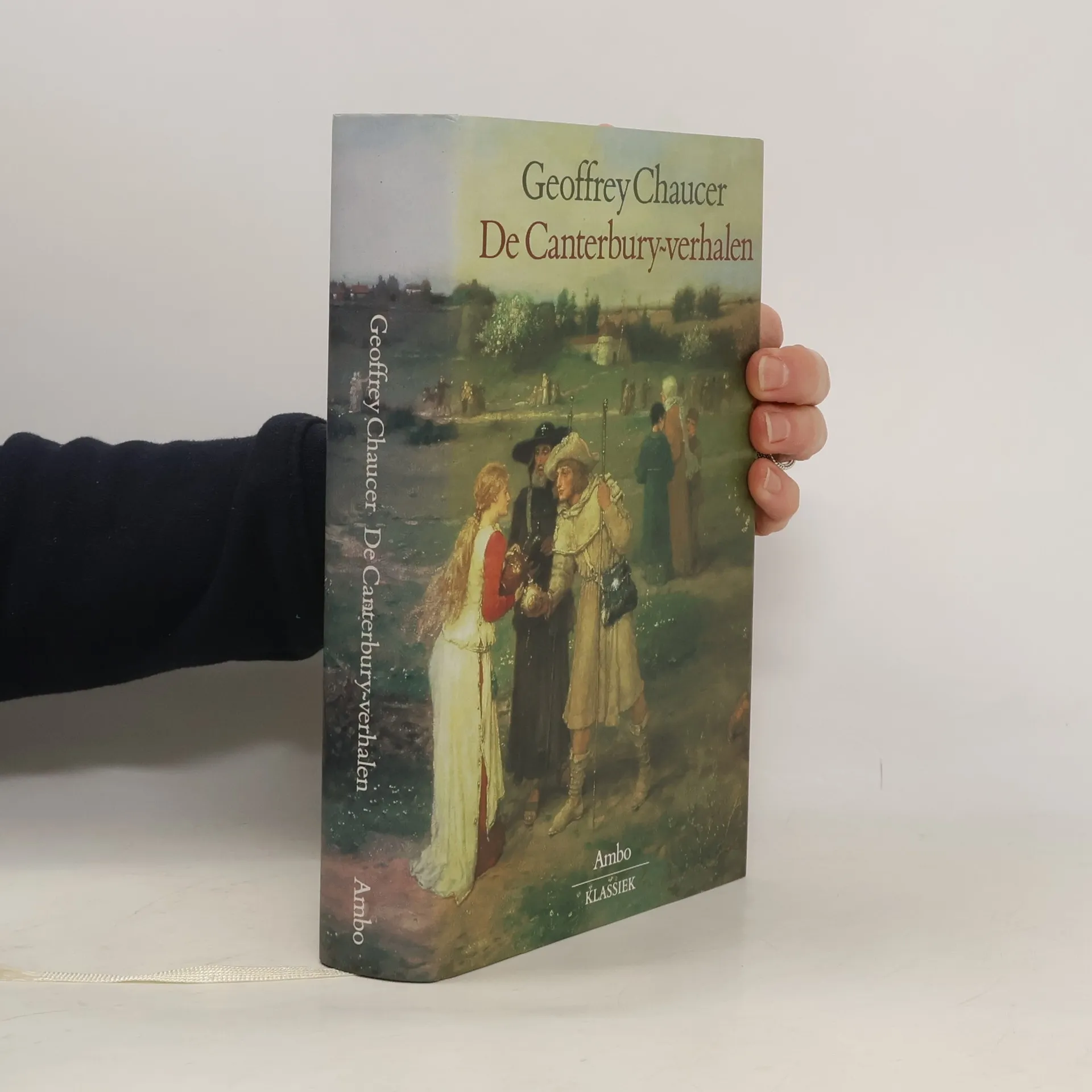
De Canterbury-verhalen
- 695pages
- 25 heures de lecture
Berijmde vertaling van het verhalende dichtwerk van de Engelse dichter (1345-1400) over de levensverhalen die pelgrims elkaar vertellen.
Cuentos de Canterbury - Edición de Pedro Guardia Massó
- 645pages
- 23 heures de lecture