


Paramètres
- 179pages
- 7 heures de lecture
En savoir plus sur le livre
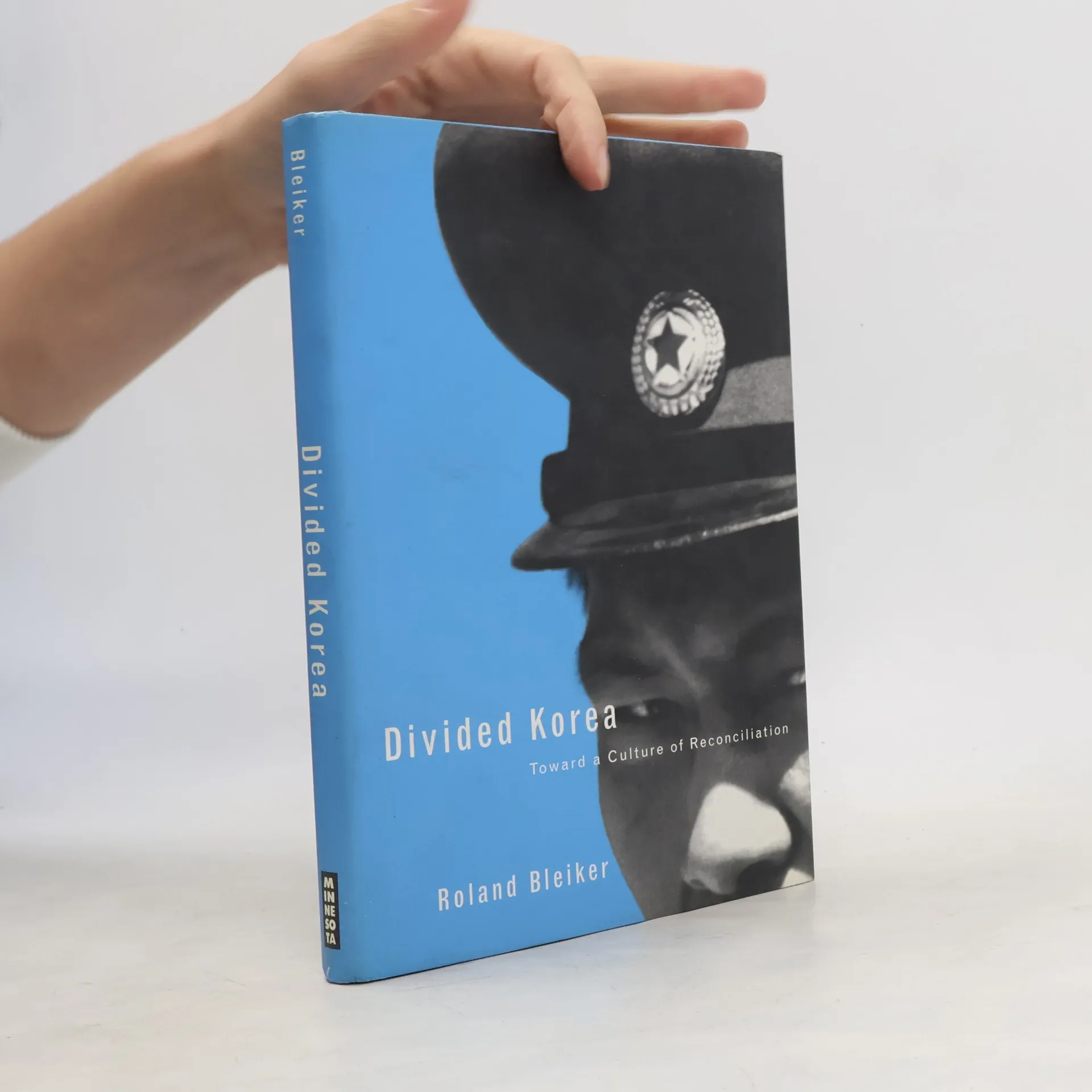
In 2002, North Korea precipitated a major international crisis when it revealed the existence of a secret nuclear weapons program and announced its withdrawal from the Nuclear Nonproliferation Treaty. Earlier in the year, George W. Bush had declared North Korea part of the "axis of evil," and soon afterward his administration listed the country as a potential target of a preemptive nuclear strike. Pyongyang's angry reaction ensured the complete deterioration of relations on the Korean peninsula, where only two years before the leaders of North and South Korea had come together in a historic summit meeting. Few international conflicts are as volatile, protracted, or seemingly insoluble as the one in Korea, where mutual mistrust, hostile Cold War attitudes, and the possibility of a North Korean economic collapse threaten the security of the entire region. For Roland Bleiker, this persistently recurring pattern suggests profound structural problems within and between the two Koreas, that have not been acknowledged - until now. Expanding the discussion beyond geopolitics and ideology, Bleiker places peninsular tensions in the context of an ongoing struggle over competing forms of Korean identity. Divided Korea examines both domestic and international attitudes toward Korean identity, the legacy of war, and the possibilities for - and anxieties about - unification. Divided Korea challenges the prevailing logic of confrontation and deterrence, embarking on a fundamental reassessment of both the roots of the conflict and the means to achieve a more stable political environment and, ultimately, peace. In order to realize a lasting solution, Bleiker concludes, the two Koreas and the international community must first show a willingness to accept difference and contemplate forgiveness as part of a broader reconciliation process.
Achat du livre
Borderlines - 25: Divided Korea, Roland Bleiker
- Langue

- Année de publication
- 2005
- Reliure
- (rigide),
- État du livre
- Bon
- Prix
- 21,49 €
Modes de paiement
Personne n'a encore évalué .
- Titre
- Borderlines - 25: Divided Korea
- Sous-titre
- Toward a Culture of Reconciliation
- Langue
- Anglais
- Auteurs
- Roland Bleiker
- Publié
- 2005
- Format
- rigide
- Pages
- 179
- ISBN10
- 0816645566
- ISBN13
- 9780816645565
- Séries
- Mots clés
- Thème historique, États-Unis, Asie, Théories politiques, Relations internationales, Corée, Corée du Sud
- Description
- In 2002, North Korea precipitated a major international crisis when it revealed the existence of a secret nuclear weapons program and announced its withdrawal from the Nuclear Nonproliferation Treaty. Earlier in the year, George W. Bush had declared North Korea part of the "axis of evil," and soon afterward his administration listed the country as a potential target of a preemptive nuclear strike. Pyongyang's angry reaction ensured the complete deterioration of relations on the Korean peninsula, where only two years before the leaders of North and South Korea had come together in a historic summit meeting. Few international conflicts are as volatile, protracted, or seemingly insoluble as the one in Korea, where mutual mistrust, hostile Cold War attitudes, and the possibility of a North Korean economic collapse threaten the security of the entire region. For Roland Bleiker, this persistently recurring pattern suggests profound structural problems within and between the two Koreas, that have not been acknowledged - until now. Expanding the discussion beyond geopolitics and ideology, Bleiker places peninsular tensions in the context of an ongoing struggle over competing forms of Korean identity. Divided Korea examines both domestic and international attitudes toward Korean identity, the legacy of war, and the possibilities for - and anxieties about - unification. Divided Korea challenges the prevailing logic of confrontation and deterrence, embarking on a fundamental reassessment of both the roots of the conflict and the means to achieve a more stable political environment and, ultimately, peace. In order to realize a lasting solution, Bleiker concludes, the two Koreas and the international community must first show a willingness to accept difference and contemplate forgiveness as part of a broader reconciliation process.