

En savoir plus sur le livre
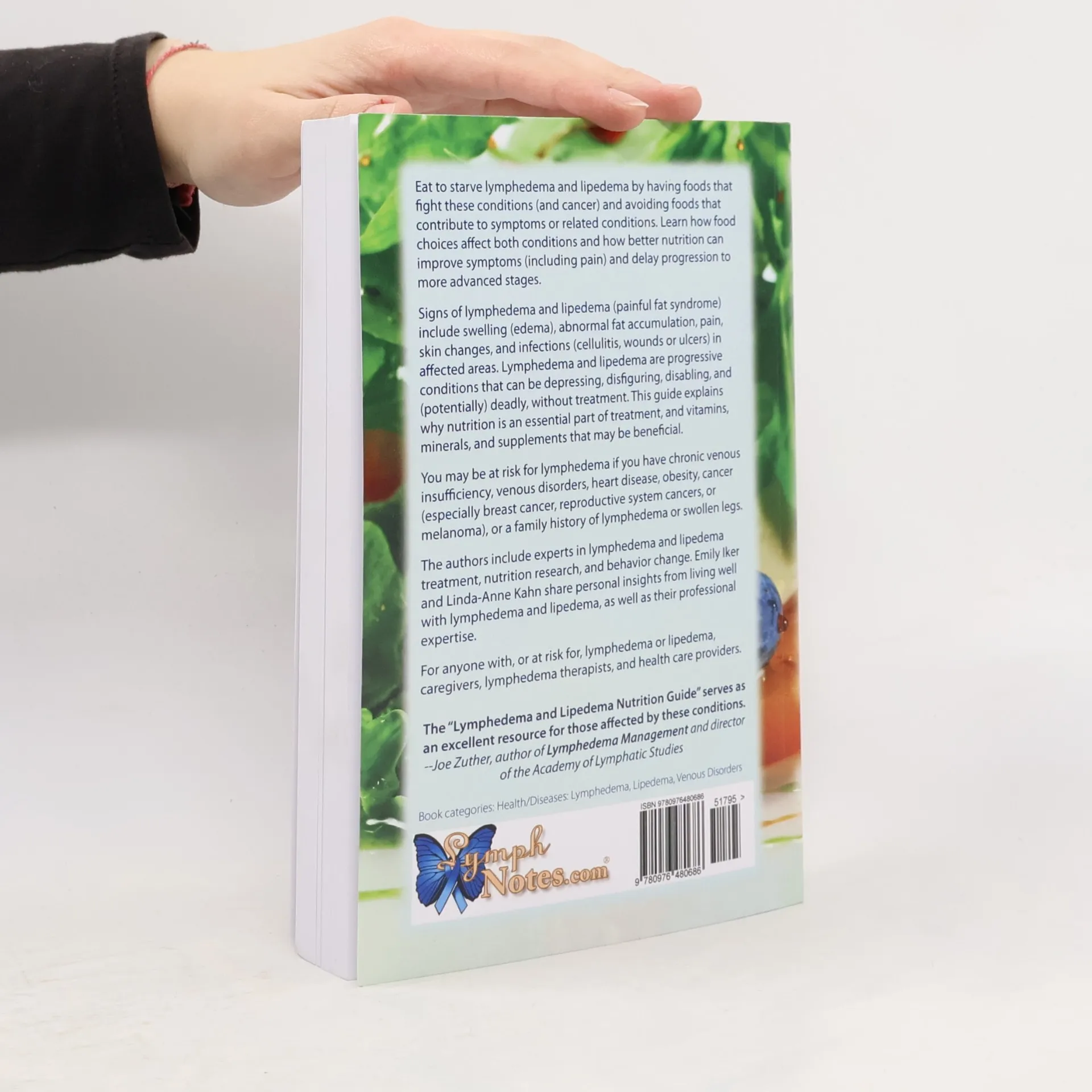
Eat to starve lymphedema and lipedema by having foods that fight these conditions (and cancer) and avoiding foods that contribute to symptoms or related conditions. Learn how food choices affect both conditions and how better nutrition can improve symptoms (including pain) and delay changes associated with progression to more advanced stages. Intended for anyone with, or at risk for, lymphedema or lipedema, caregivers, lymphedema therapists, and other health care providers. Signs of lymphedema and lipedema (painful fat syndrome) include swelling (edema), abnormal fat accumulation, pain, skin changes, and infections (cellulitis, wounds or ulcers) in affected areas. Lymphedema and lipedema are progressive conditions that can be depressing, disfiguring, disabling, and (potentially) deadly, without treatment. This guide explains why nutrition is an essential part of treatment and self-care for these conditions, what to eat, and how to change your eating pattern. It also covers vitamins, minerals, and supplements that may be beneficial. You may be at risk for lymphedema if you have chronic venous insufficiency, other venous disorders, heart disease, obesity, a cancer diagnosis (especially breast cancer, reproductive system cancers, or melanoma), or a family history of lymphedema or swollen legs. Eating wisely and maintaining a healthy body weight can help reduce your risk of developing lymphedema symptoms
Achat du livre
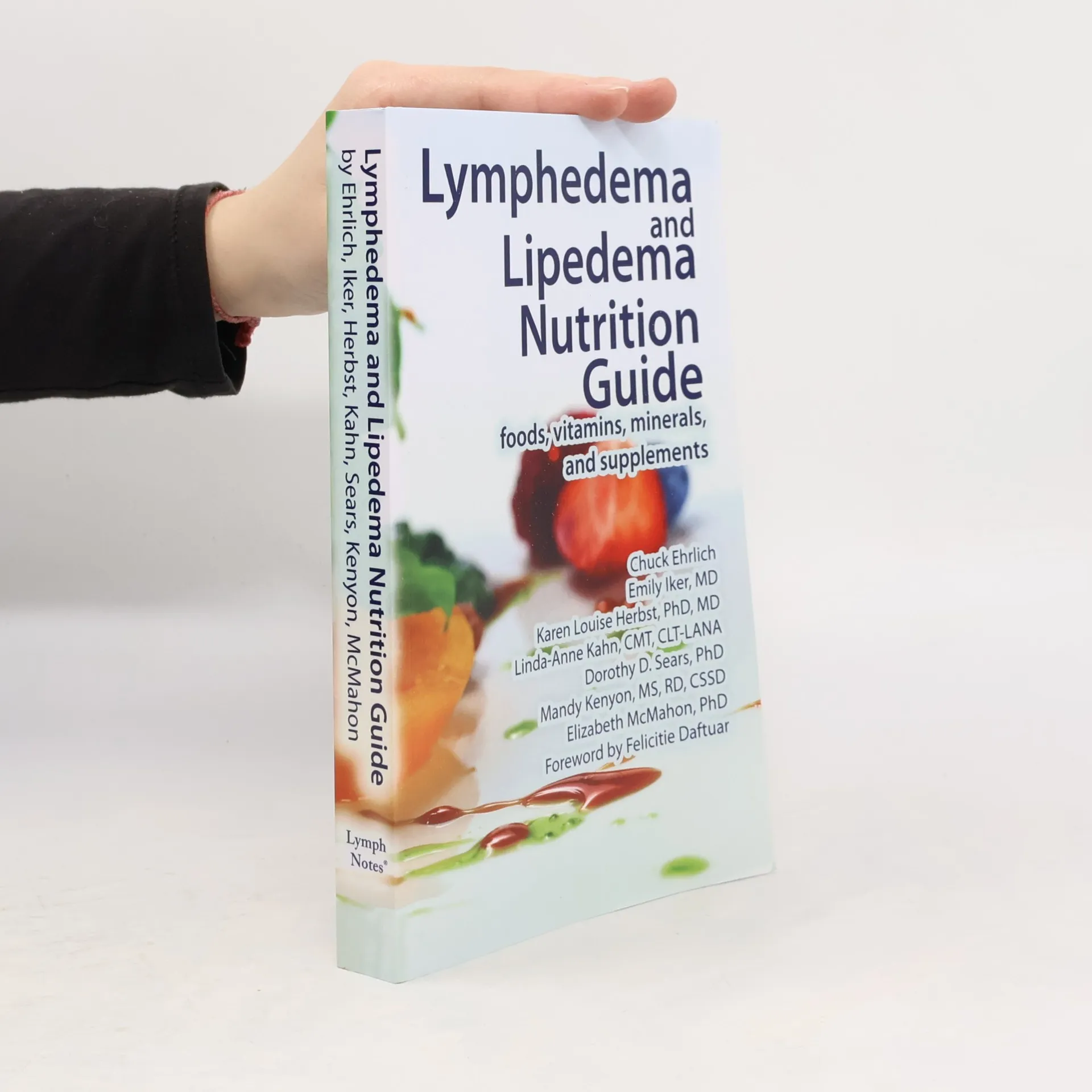
Lymphedema and Lipedema Nutrition Guide, Chuck Ehrlich, Emily Iker, Karen Louise Herbst, Linda-Anne Kahn, Dorothy D. Sears, Mandy Kenyon, Elizabeth McMahon, Felicitie Daftuar
- Langue

- Année de publication
- 2016
- Reliure
- (souple),
- État du livre
- Bon
- Prix
- 12,99 €
Modes de paiement
Personne n'a encore évalué .
- Titre
- Lymphedema and Lipedema Nutrition Guide
- Langue
- Anglais
- Auteurs
- Chuck Ehrlich, Emily Iker, Karen Louise Herbst, Linda-Anne Kahn, Dorothy D. Sears, Mandy Kenyon, Elizabeth McMahon, Felicitie Daftuar
- Éditeur
- Lymph Notes
- Publié
- 2016
- Format
- souple
- Pages
- 348
- ISBN10
- 0976480689
- ISBN13
- 9780976480686
- Séries
- Description
- Eat to starve lymphedema and lipedema by having foods that fight these conditions (and cancer) and avoiding foods that contribute to symptoms or related conditions. Learn how food choices affect both conditions and how better nutrition can improve symptoms (including pain) and delay changes associated with progression to more advanced stages. Intended for anyone with, or at risk for, lymphedema or lipedema, caregivers, lymphedema therapists, and other health care providers. Signs of lymphedema and lipedema (painful fat syndrome) include swelling (edema), abnormal fat accumulation, pain, skin changes, and infections (cellulitis, wounds or ulcers) in affected areas. Lymphedema and lipedema are progressive conditions that can be depressing, disfiguring, disabling, and (potentially) deadly, without treatment. This guide explains why nutrition is an essential part of treatment and self-care for these conditions, what to eat, and how to change your eating pattern. It also covers vitamins, minerals, and supplements that may be beneficial. You may be at risk for lymphedema if you have chronic venous insufficiency, other venous disorders, heart disease, obesity, a cancer diagnosis (especially breast cancer, reproductive system cancers, or melanoma), or a family history of lymphedema or swollen legs. Eating wisely and maintaining a healthy body weight can help reduce your risk of developing lymphedema symptoms