

En savoir plus sur le livre
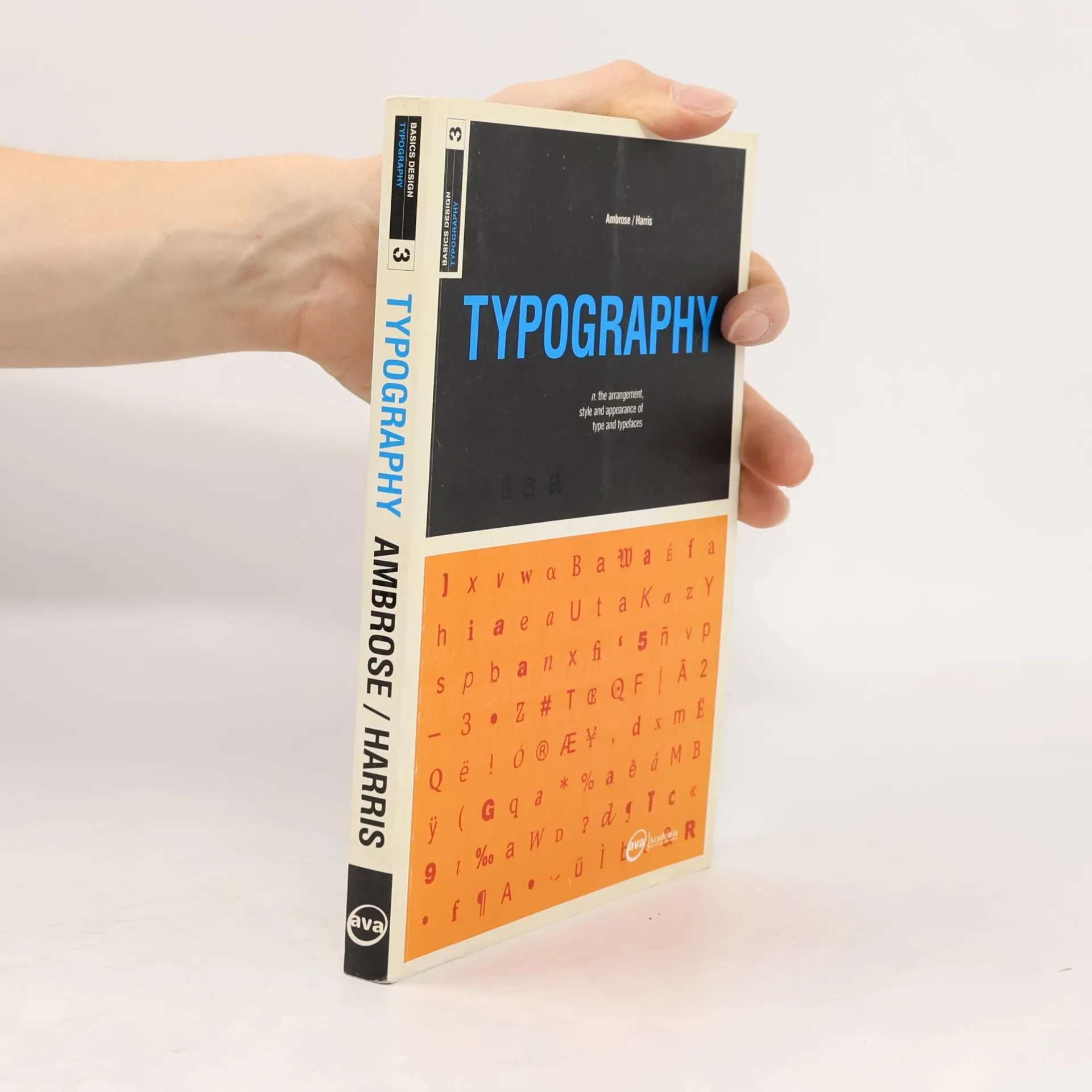
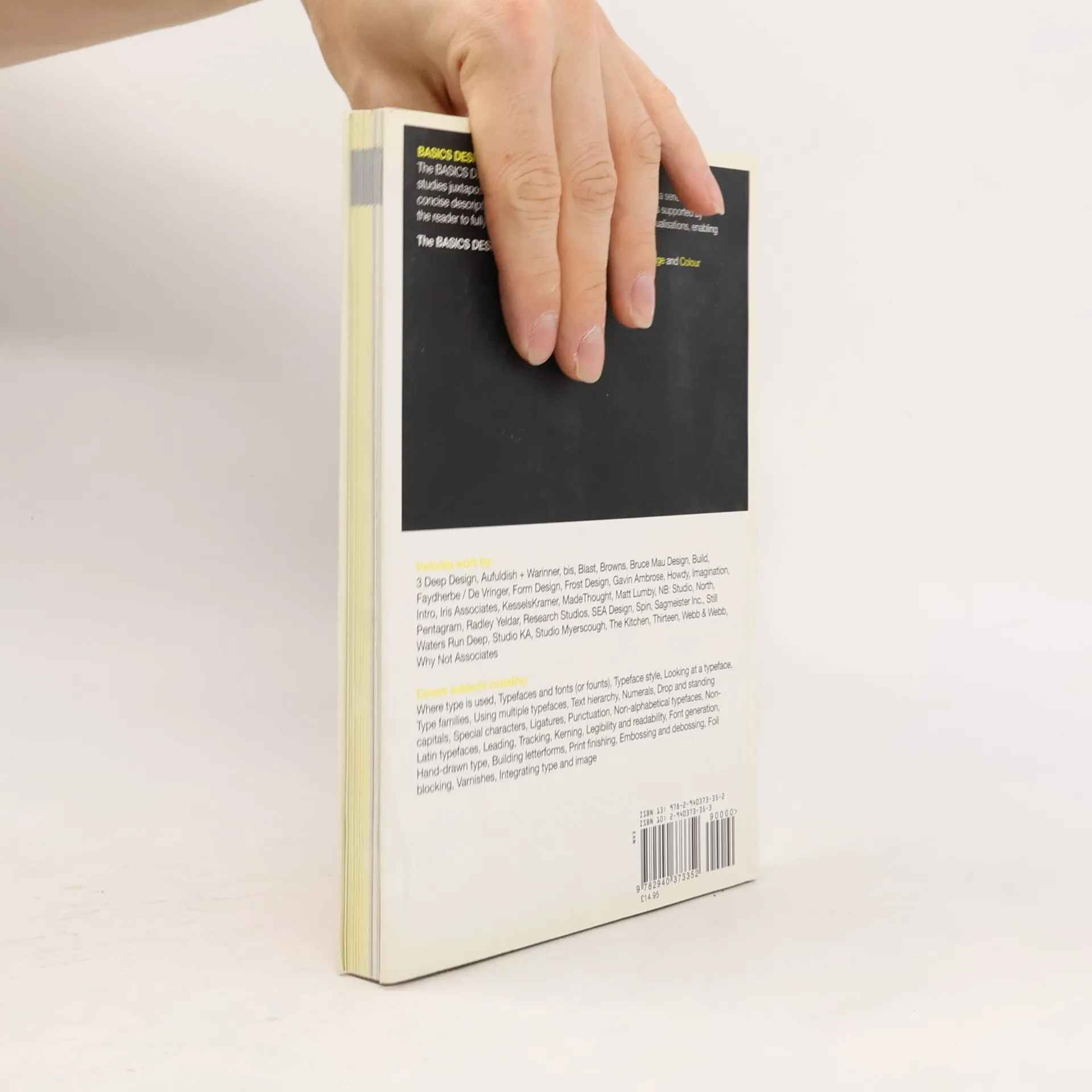
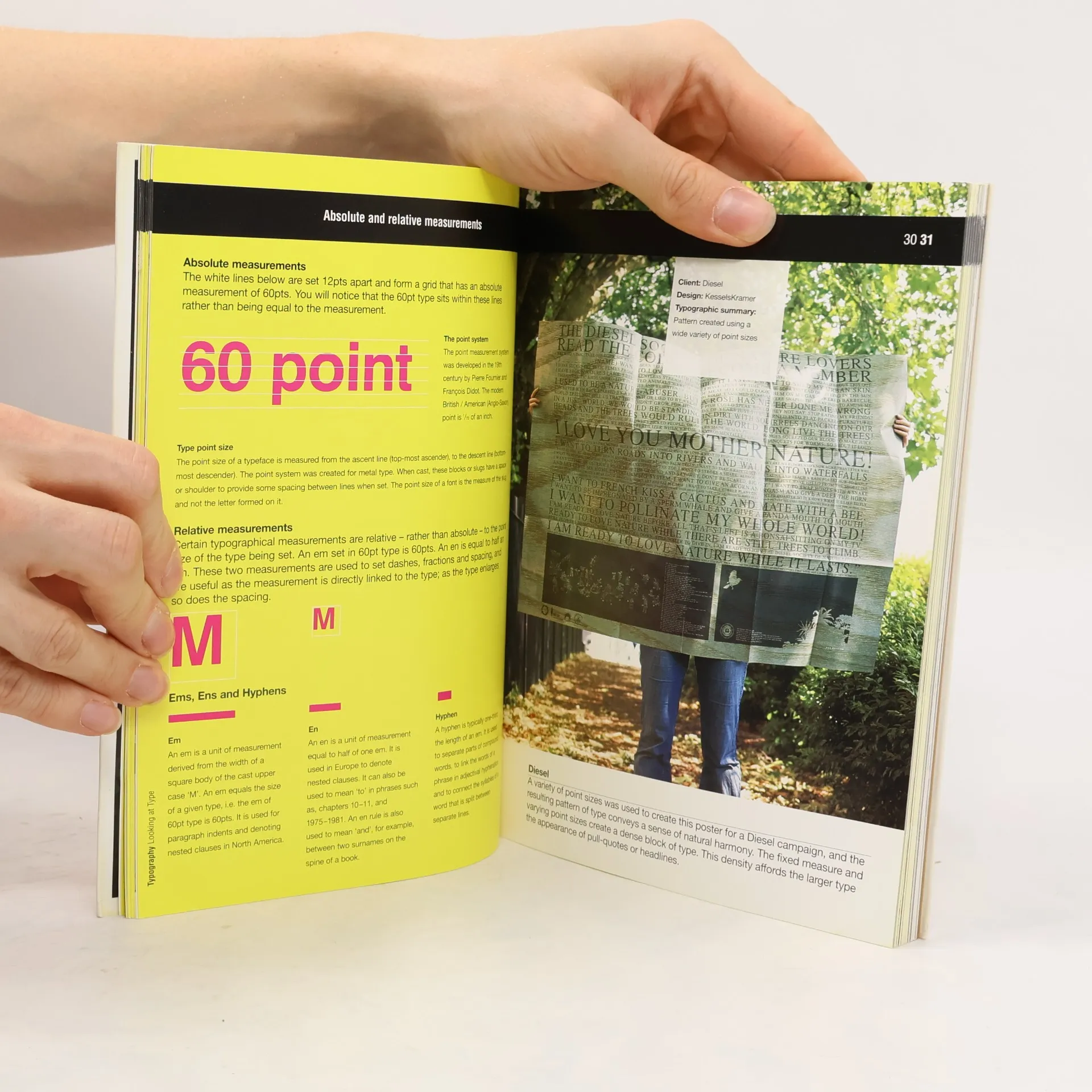
Basics Design: Typography, follows on from Format and Layout to examine a third, fundamental area of graphic design. Typography is the means by which a written idea is given a visual form. The selection of this visual form from hundreds, if not thousands, of typefaces can dramatically affect the legibility of the written idea and a reader’s feelings towards it. Effective use of typography can produce a neutral effect or rouse the passions, symbolise artistic, political or philosophical movements, or even express the personality of a person or organisation. Typefaces vary from clear and distinguishable letterforms that flow easily before the eye and are suitable for extended blocks of text, to more dramatic and eye-catching typefaces that grab attention and are used in newspaper headlines and advertisements. This book’s aim is to impart a comprehensive understanding of typography, to explore its history, theory and practice. Aimed at both students and practising designers, it provides a thorough examination of how typography informs other aspects of creative design.
Achat du livre
Basics Design - 3: Typography, Gavin Ambrose, Paul Harris
- Langue

- Année de publication
- 2005
- Reliure
- (souple),
- État du livre
- Bon
- Prix
- 6,09 €
Modes de paiement
Personne n'a encore évalué .
- Titre
- Basics Design - 3: Typography
- Langue
- Anglais
- Auteurs
- Gavin Ambrose, Paul Harris
- Éditeur
- AVA Publishing
- Publié
- 2005
- Format
- souple
- Pages
- 176
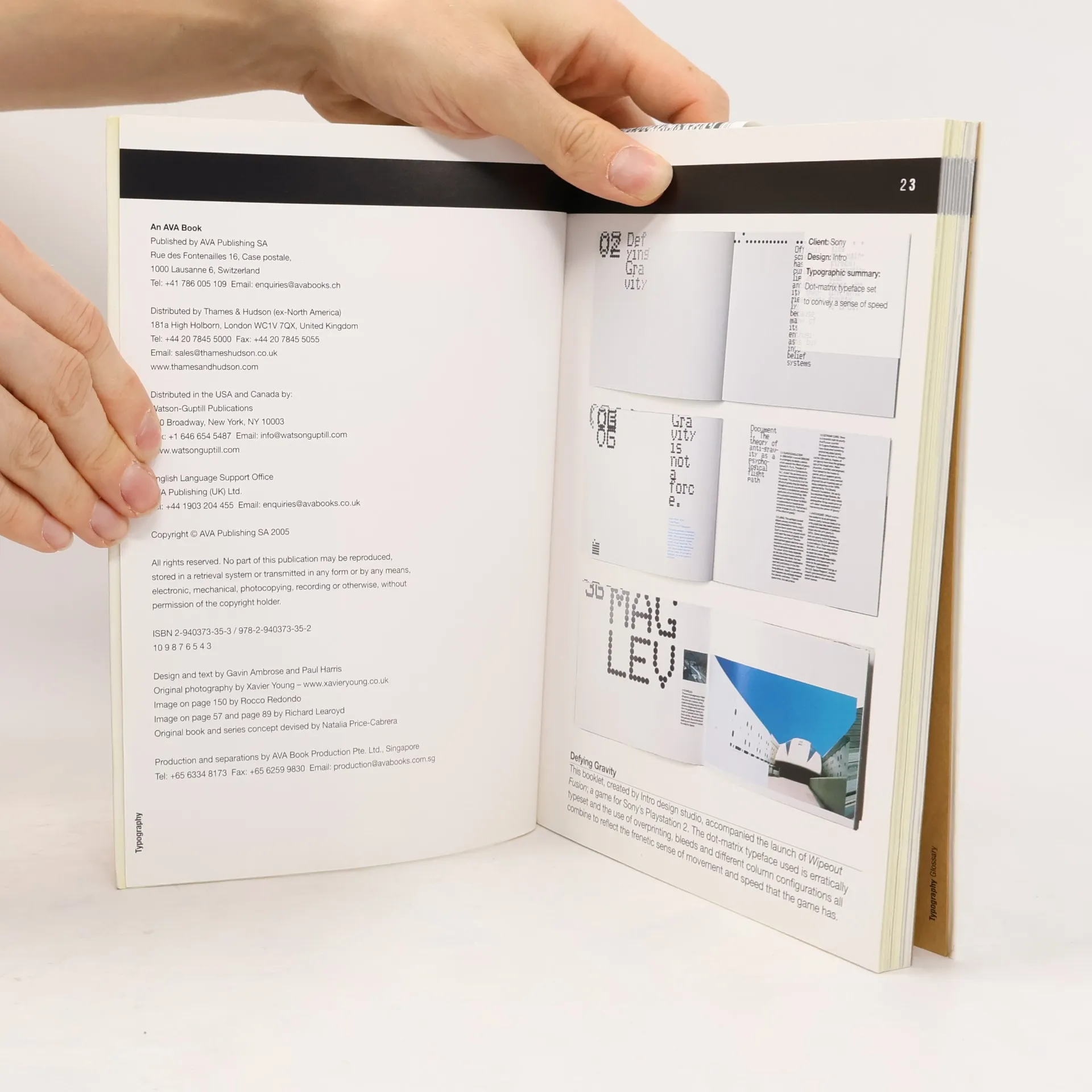
- ISBN10
- 2940373353
- ISBN13
- 9782940373352
- Séries
- Catégories
- Mots clés
- Commerce, Manuels et guides, Art, États-Unis, Design graphique, Typographie
- Description
- Basics Design: Typography, follows on from Format and Layout to examine a third, fundamental area of graphic design. Typography is the means by which a written idea is given a visual form. The selection of this visual form from hundreds, if not thousands, of typefaces can dramatically affect the legibility of the written idea and a reader’s feelings towards it. Effective use of typography can produce a neutral effect or rouse the passions, symbolise artistic, political or philosophical movements, or even express the personality of a person or organisation. Typefaces vary from clear and distinguishable letterforms that flow easily before the eye and are suitable for extended blocks of text, to more dramatic and eye-catching typefaces that grab attention and are used in newspaper headlines and advertisements. This book’s aim is to impart a comprehensive understanding of typography, to explore its history, theory and practice. Aimed at both students and practising designers, it provides a thorough examination of how typography informs other aspects of creative design.