

Paramètres
- 128pages
- 5 heures de lecture
En savoir plus sur le livre
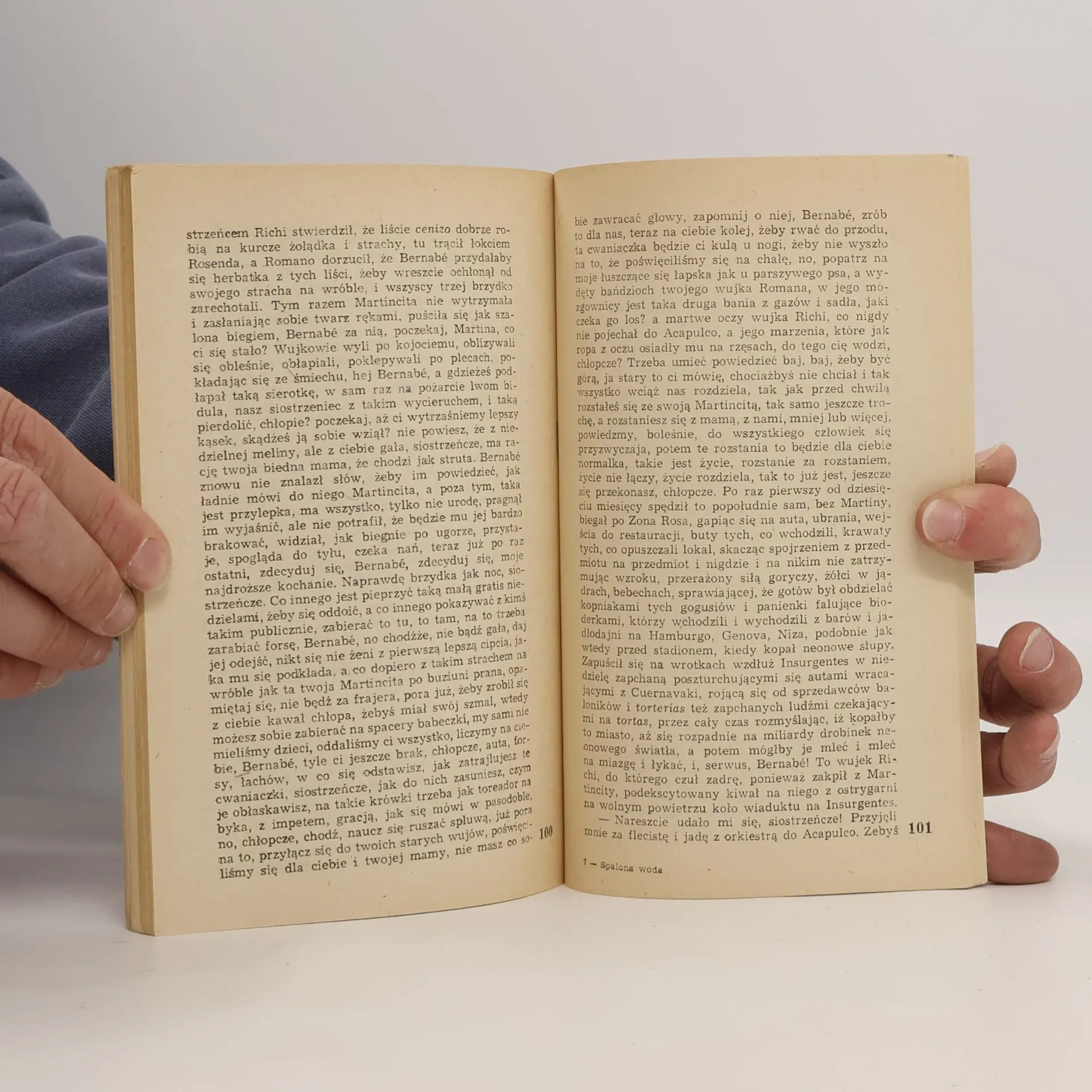
Urbane stories – almost all set in Mexico City. The weakest tales here simply exploit a single metaphor: in «Chac-Mool», a collector buys a pre-Columbian statue of a god, and the god turns into flesh; in «In a Flemish Garden», a Europeanized house is haunted by the Empress Carlotta. But the strongest of them take on Mexico City's schizoid energy in total. An old bachelor, mother-stifled, lives alone in a crumbling house and keeps to the genteel practices of 30 years before (wakes late, eats in one restaurant, wears spats and a bowler): he's eventually murdered by the street hustlers who are his cultural opposites. «The Two Elenas» portrays a young woman so desperate to be hip and ‘with-it’, decultured, that she becomes a mirror image of herself, her own bouncing infinity. And the final story, «The Son of Andres Aparacio», is perhaps the best: a rolling, careening, ashy tale of a young man without prospect who becomes involved with a neo-Fascist brigade of terrorists: here Fuentes is able to run without a leash what he knows best – disappointment. In general, however, stories are a less hospitable form for this writer than are novels, and the single ideas here mostly seem merely tantalizing, not a full measure.
Achat du livre
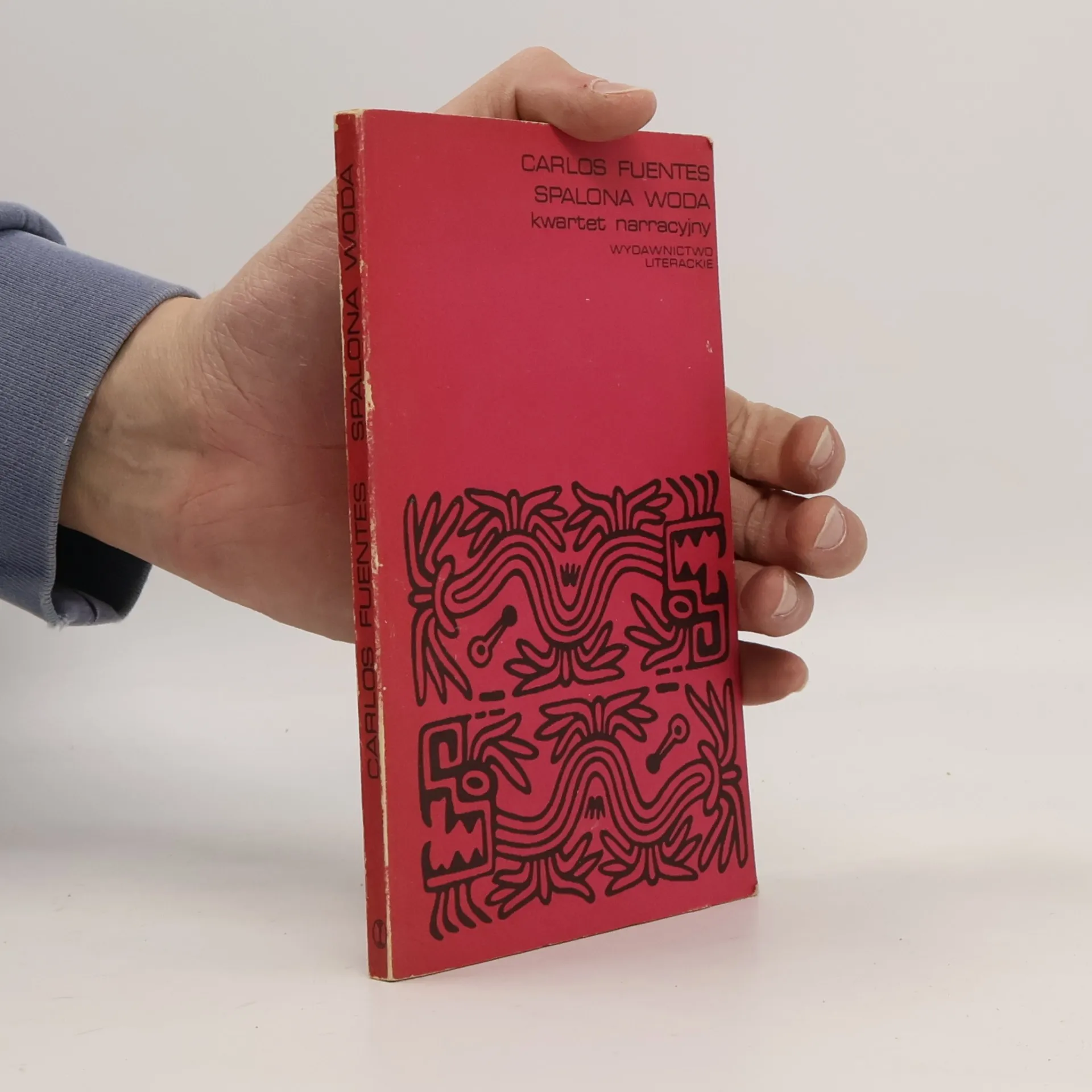
Spalona woda, Carlos Fuentes, Maria Kaniowa
- Langue

- Année de publication
- 1984
- Reliure
- (souple),
- État du livre
- Abîmé
- Prix
- 3,69 €
Modes de paiement
Personne n'a encore évalué .
- Titre
- Spalona woda
- Sous-titre
- Kwartet narracyjny
- Langue
- Polonais
- Auteurs
- Carlos Fuentes, Maria Kaniowa
- Éditeur
- Wydawnictwo Literackie
- Publié
- 1984
- Format
- souple
- Pages
- 128
- ISBN10
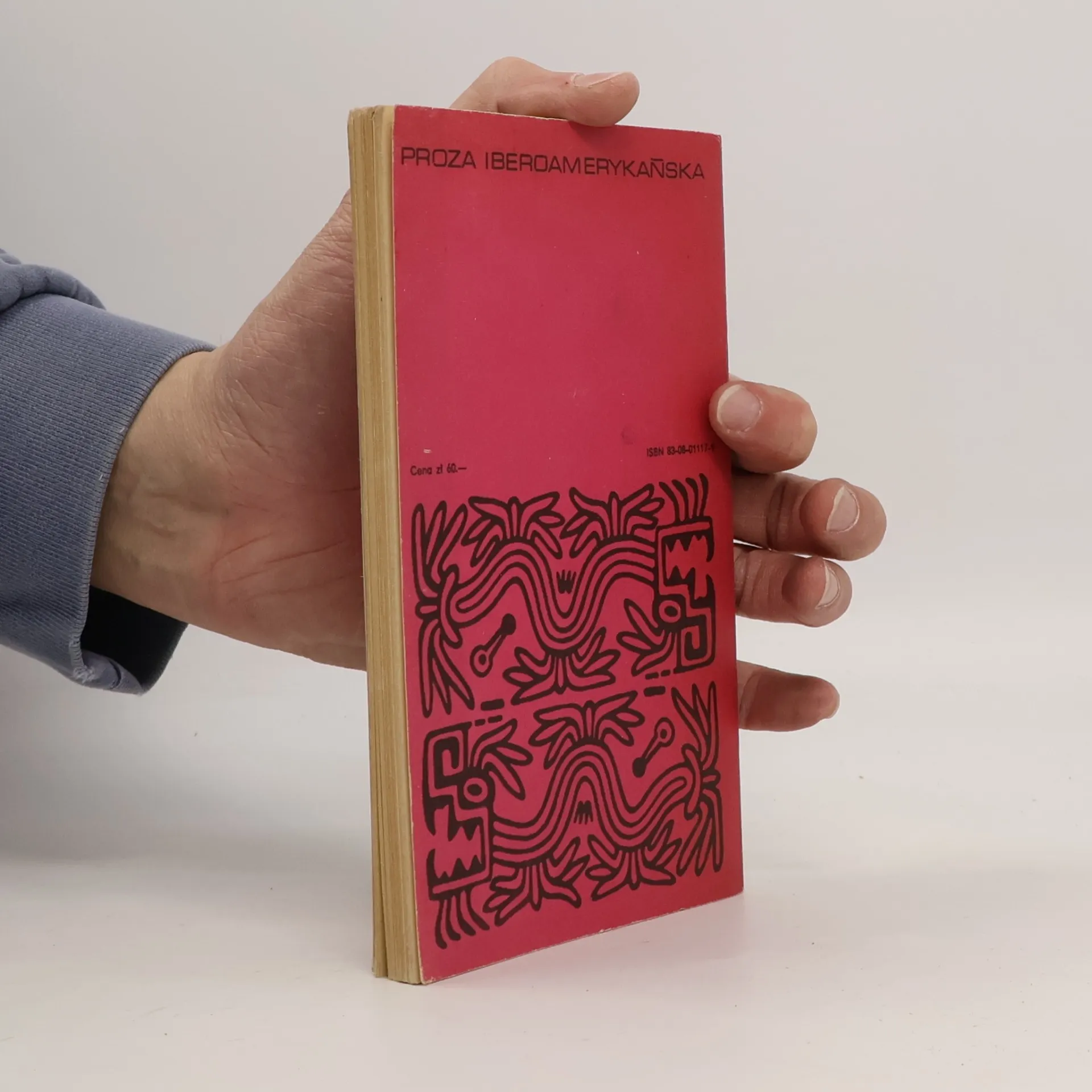
- 8308011179
- ISBN13
- 9788308011171
- Séries
- Catégories
- Description
- Urbane stories – almost all set in Mexico City. The weakest tales here simply exploit a single metaphor: in «Chac-Mool», a collector buys a pre-Columbian statue of a god, and the god turns into flesh; in «In a Flemish Garden», a Europeanized house is haunted by the Empress Carlotta. But the strongest of them take on Mexico City's schizoid energy in total. An old bachelor, mother-stifled, lives alone in a crumbling house and keeps to the genteel practices of 30 years before (wakes late, eats in one restaurant, wears spats and a bowler): he's eventually murdered by the street hustlers who are his cultural opposites. «The Two Elenas» portrays a young woman so desperate to be hip and ‘with-it’, decultured, that she becomes a mirror image of herself, her own bouncing infinity. And the final story, «The Son of Andres Aparacio», is perhaps the best: a rolling, careening, ashy tale of a young man without prospect who becomes involved with a neo-Fascist brigade of terrorists: here Fuentes is able to run without a leash what he knows best – disappointment. In general, however, stories are a less hospitable form for this writer than are novels, and the single ideas here mostly seem merely tantalizing, not a full measure.