

Paramètres
- 304pages
- 11 heures de lecture
En savoir plus sur le livre
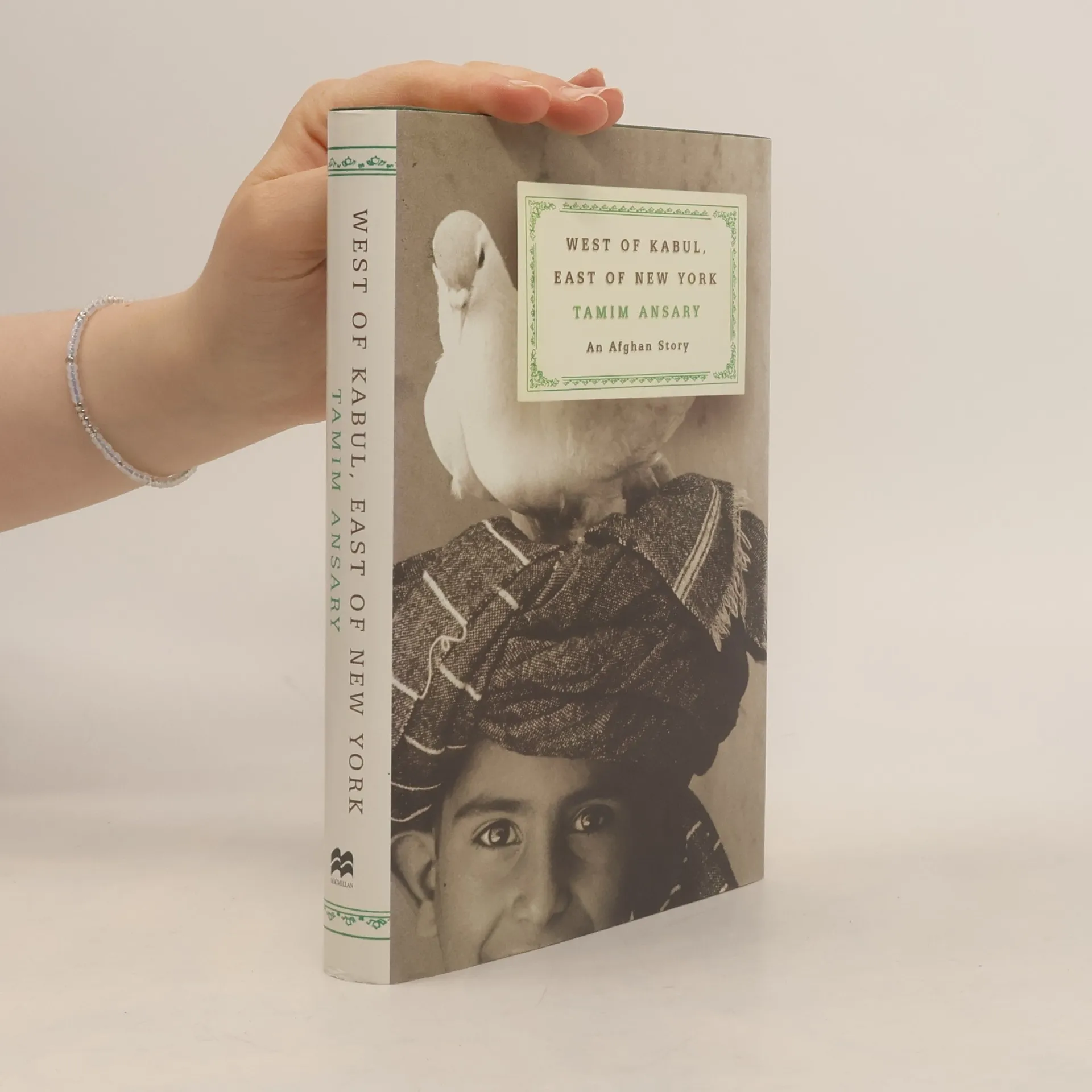
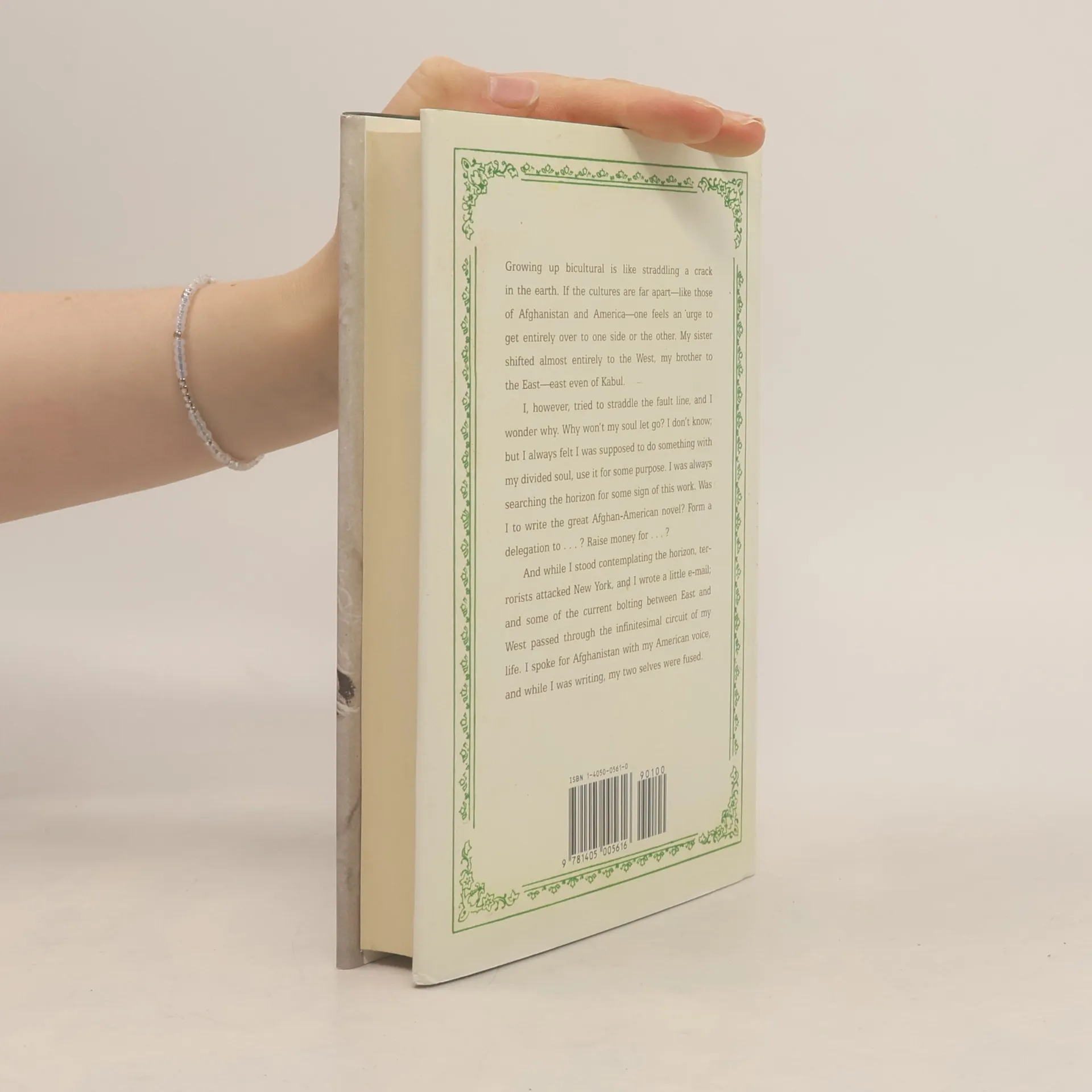
The day after the World Trade Center was destroyed, Tamim Ansary sent an anguished e-mail to twenty friends, discussing the attack from his perspective as an Afghan American. That message, spread via the internet, reached and touched millions of people around the world. Now Ansary gives us 'West of Kabul, East of New York' a moving account of a life lived in two very different cultures, Islamic Afghanistan and the secular West. Born of the first marriage between an Afghan man and an American woman, Ansary grew up in the 'lost world' of pre-war Kabul. When he emigrated America at age 16, he thought he was leaving Afghan culture behind forever. In 1979, however, at the height of the Iranian Revolution, his unresolved identity took him on a harrowing journey through the Islamic world. In the years that followed, he struggled with the emotional issues raised by the Soviet war in Afghanistan, the growing community in the United States, and the radical new ideology emerging Islam and with his own family.
Achat du livre
West of Kabul, East of New York, Tamim Ansary
- Langue

- Année de publication
- 2003
- Reliure
- (rigide),
- État du livre
- Bon
- Prix
- 9,49 €
Modes de paiement
Personne n'a encore évalué .
- Titre
- West of Kabul, East of New York
- Sous-titre
- An Afghan Story
- Langue
- Anglais
- Auteurs
- Tamim Ansary
- Éditeur
- Pan Macmillan
- Publié
- 2003
- Format
- rigide
- Pages
- 304
- ISBN10
- 1405005610
- ISBN13
- 9781405005616
- Séries
- Catégories
- Mots clés
- Politique, Proche et Moyen-Orient
- Description
- The day after the World Trade Center was destroyed, Tamim Ansary sent an anguished e-mail to twenty friends, discussing the attack from his perspective as an Afghan American. That message, spread via the internet, reached and touched millions of people around the world. Now Ansary gives us 'West of Kabul, East of New York' a moving account of a life lived in two very different cultures, Islamic Afghanistan and the secular West. Born of the first marriage between an Afghan man and an American woman, Ansary grew up in the 'lost world' of pre-war Kabul. When he emigrated America at age 16, he thought he was leaving Afghan culture behind forever. In 1979, however, at the height of the Iranian Revolution, his unresolved identity took him on a harrowing journey through the Islamic world. In the years that followed, he struggled with the emotional issues raised by the Soviet war in Afghanistan, the growing community in the United States, and the radical new ideology emerging Islam and with his own family.