

Paramètres
- 1426pages
- 50 heures de lecture
En savoir plus sur le livre
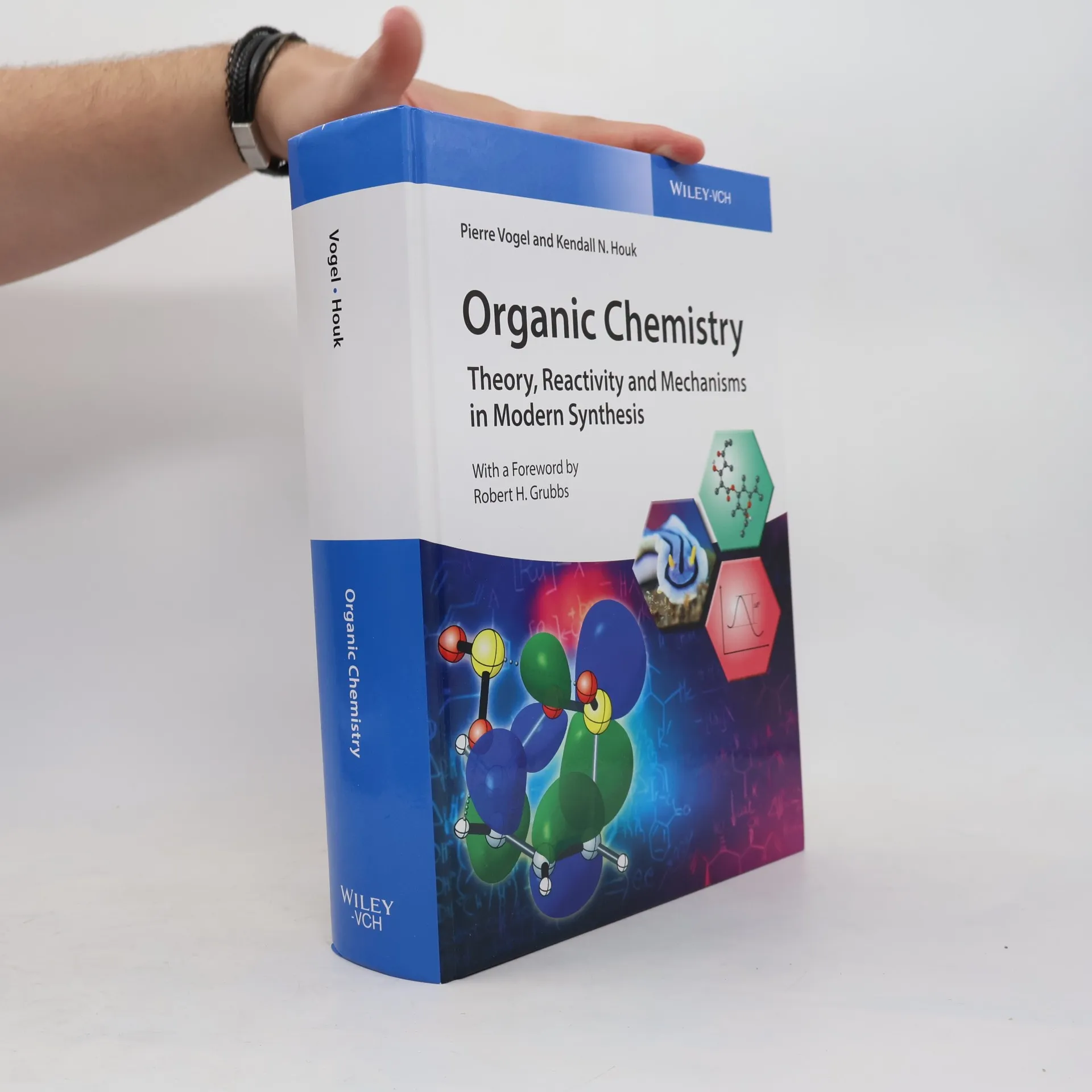
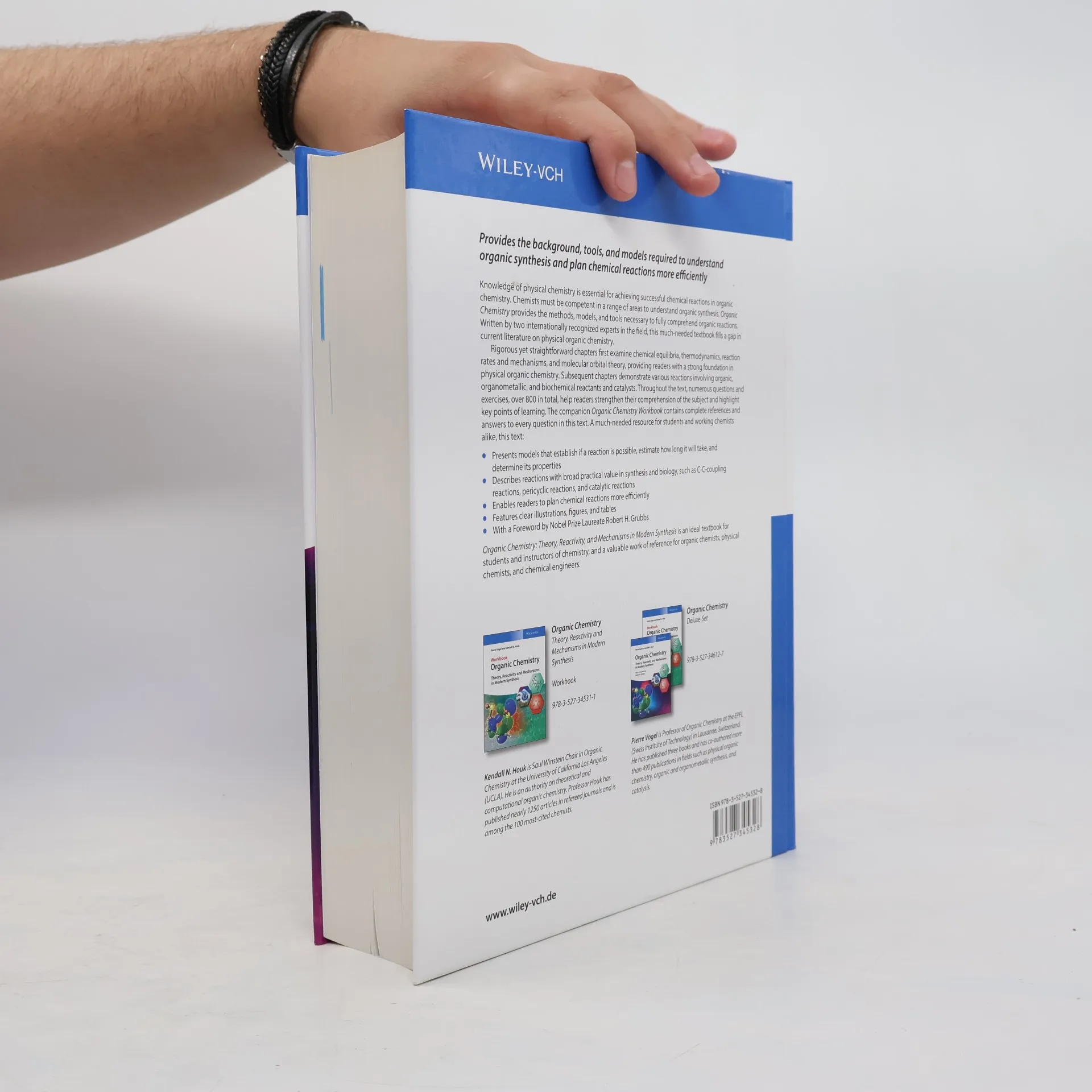
This textbook provides essential background, tools, and models for understanding organic synthesis and planning chemical reactions efficiently. A solid grasp of physical chemistry is crucial for successful reactions in organic chemistry, requiring chemists to be skilled in various areas. The text, authored by two recognized experts, addresses a gap in the literature on physical organic chemistry. It begins with rigorous yet accessible chapters on chemical equilibria, thermodynamics, reaction rates, mechanisms, and molecular orbital theory, establishing a strong foundation. Subsequent chapters showcase diverse reactions involving organic, organometallic, and biochemical reactants and catalysts. With over 800 questions and exercises, the text reinforces comprehension and emphasizes key learning points. A companion workbook provides complete references and answers to all questions. This resource is invaluable for students and working chemists, presenting models to assess reaction feasibility, duration, and properties. It covers reactions with significant practical applications, including C-C coupling, pericyclic, and catalytic reactions, enabling efficient planning of chemical reactions. The textbook features clear illustrations, figures, and tables, and includes a Foreword by Nobel Prize Laureate Robert H. Grubbs, making it an ideal reference for chemistry students, instructors, and professionals in organic and physical chemistr
Achat du livre
Organic Chemistry, Pierre Vogel, Kendall N. Houk, Robert H. Grubbs
- Langue

- Année de publication
- 2019
- Reliure
- (rigide)
Modes de paiement
Personne n'a encore évalué .
- Titre
- Organic Chemistry
- Sous-titre
- Theory, Reactivity and Mechanisms in Modern Synthesis
- Langue
- Anglais
- Auteurs
- Pierre Vogel, Kendall N. Houk, Robert H. Grubbs
- Éditeur
- Wiley-VCH
- Publié
- 2019
- Format
- rigide
- Pages
- 1426
- ISBN10
- 3527345329
- ISBN13
- 9783527345328
- Séries
- Mots clés
- Sciences naturelles, Manuels et guides, Science, Manuels de chimie, Chimie organique, Chimie physique
- Description
- This textbook provides essential background, tools, and models for understanding organic synthesis and planning chemical reactions efficiently. A solid grasp of physical chemistry is crucial for successful reactions in organic chemistry, requiring chemists to be skilled in various areas. The text, authored by two recognized experts, addresses a gap in the literature on physical organic chemistry. It begins with rigorous yet accessible chapters on chemical equilibria, thermodynamics, reaction rates, mechanisms, and molecular orbital theory, establishing a strong foundation. Subsequent chapters showcase diverse reactions involving organic, organometallic, and biochemical reactants and catalysts. With over 800 questions and exercises, the text reinforces comprehension and emphasizes key learning points. A companion workbook provides complete references and answers to all questions. This resource is invaluable for students and working chemists, presenting models to assess reaction feasibility, duration, and properties. It covers reactions with significant practical applications, including C-C coupling, pericyclic, and catalytic reactions, enabling efficient planning of chemical reactions. The textbook features clear illustrations, figures, and tables, and includes a Foreword by Nobel Prize Laureate Robert H. Grubbs, making it an ideal reference for chemistry students, instructors, and professionals in organic and physical chemistr