




Paramètres
- 278pages
- 10 heures de lecture
En savoir plus sur le livre
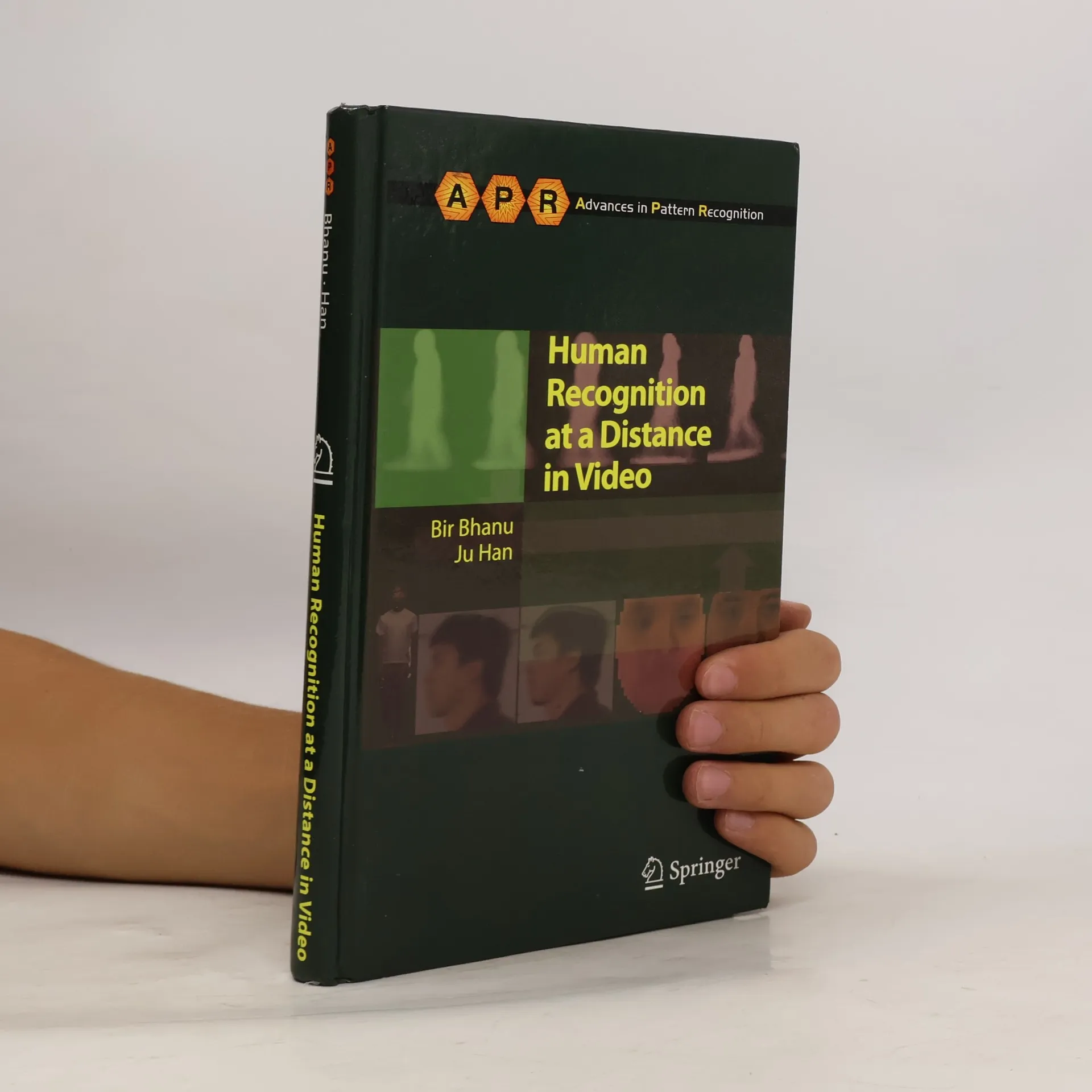
Most biometric systems for human recognition require physical contact or close proximity to a cooperative subject. Recognizing individuals at a distance, from arbitrary angles and under real-world conditions, presents a significant challenge. Gait and face data are the most easily captured biometrics from a distance using video cameras. This comprehensive text/reference addresses the fundamental issues related to gait and face-based human recognition using color and infrared video data. It explores both model-free and model-based approaches to gait recognition, including innovative techniques utilizing 3D models and data from multiple cameras. Additionally, it discusses new video-based methods for face profile recognition and super-resolution of facial imagery from various angles. The work also investigates integrated systems that detect and combine gait and face biometrics from video data. Key topics include a framework for human gait analysis based on Gait Energy Image, Bayesian statistical evaluation of model-based gait features, and methods for human recognition using 3D gait biometrics. Furthermore, it covers the integration of face profile and gait biometrics, super-resolution techniques for facial images, and an objective non-reference quality evaluation algorithm for super-resolved images. This authoritative resource is invaluable for researchers, graduate students, and professional engineers in computer vision, patter
Achat du livre
Advances in Computer Vision and Pattern Recognition: Human Recognition at a Distance in Video, Bir Bhanu, Ju Han
- Langue

- Année de publication
- 2011
- Reliure
- (rigide),
- État du livre
- Très bon
- Prix
- 49,39 €
Modes de paiement
Personne n'a encore évalué .
- Titre
- Advances in Computer Vision and Pattern Recognition: Human Recognition at a Distance in Video
- Langue
- Anglais
- Éditeur
- Springer London Ltd
- Publié
- 2011
- Format
- rigide
- Pages
- 278
- ISBN10
- 0857291238
- ISBN13
- 9780857291233
- Séries
- Mots clés
- Intelligence Artificielle, Aspects sociaux, Surveillance
- Description
- Most biometric systems for human recognition require physical contact or close proximity to a cooperative subject. Recognizing individuals at a distance, from arbitrary angles and under real-world conditions, presents a significant challenge. Gait and face data are the most easily captured biometrics from a distance using video cameras. This comprehensive text/reference addresses the fundamental issues related to gait and face-based human recognition using color and infrared video data. It explores both model-free and model-based approaches to gait recognition, including innovative techniques utilizing 3D models and data from multiple cameras. Additionally, it discusses new video-based methods for face profile recognition and super-resolution of facial imagery from various angles. The work also investigates integrated systems that detect and combine gait and face biometrics from video data. Key topics include a framework for human gait analysis based on Gait Energy Image, Bayesian statistical evaluation of model-based gait features, and methods for human recognition using 3D gait biometrics. Furthermore, it covers the integration of face profile and gait biometrics, super-resolution techniques for facial images, and an objective non-reference quality evaluation algorithm for super-resolved images. This authoritative resource is invaluable for researchers, graduate students, and professional engineers in computer vision, patter