


Paramètres
- 406pages
- 15 heures de lecture
En savoir plus sur le livre
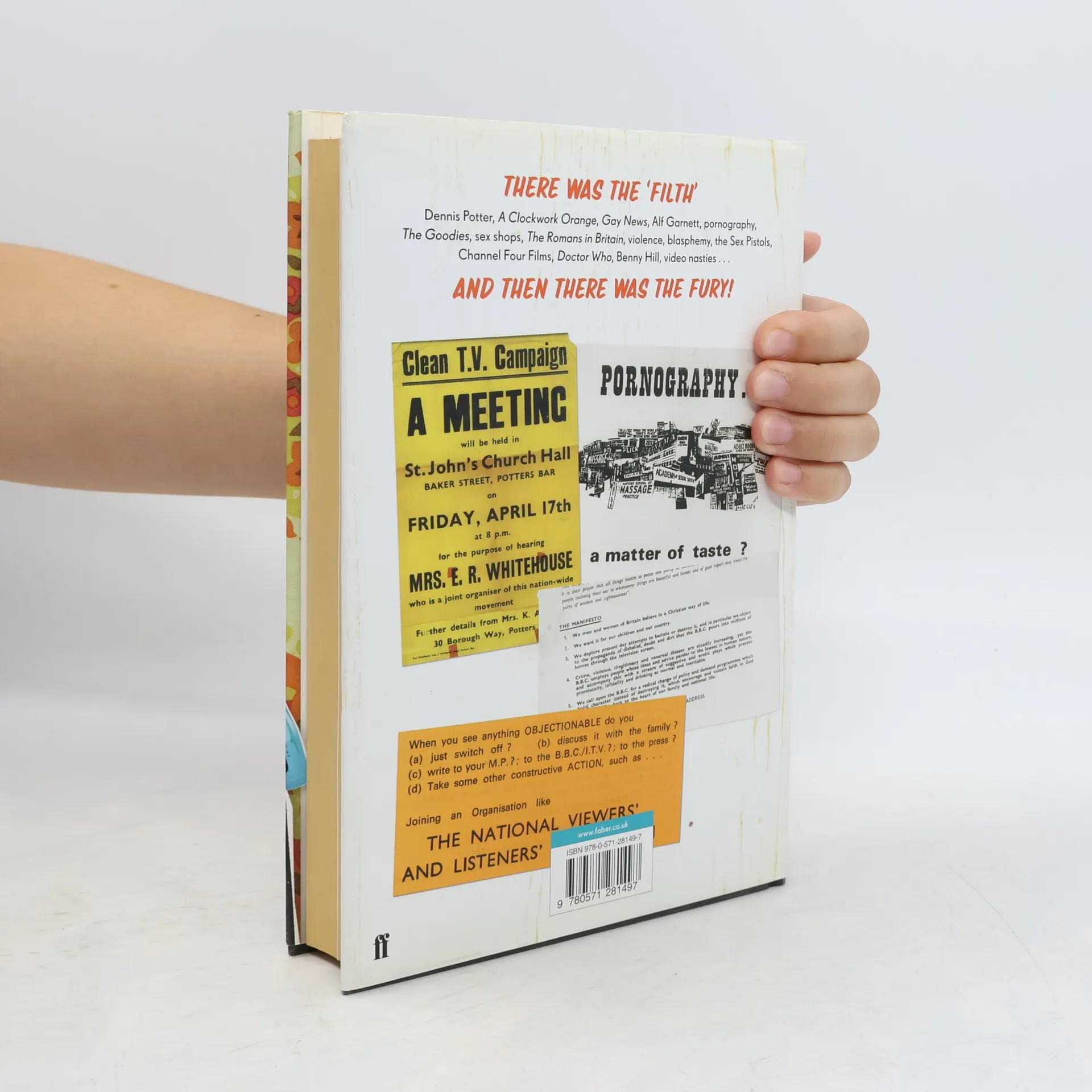
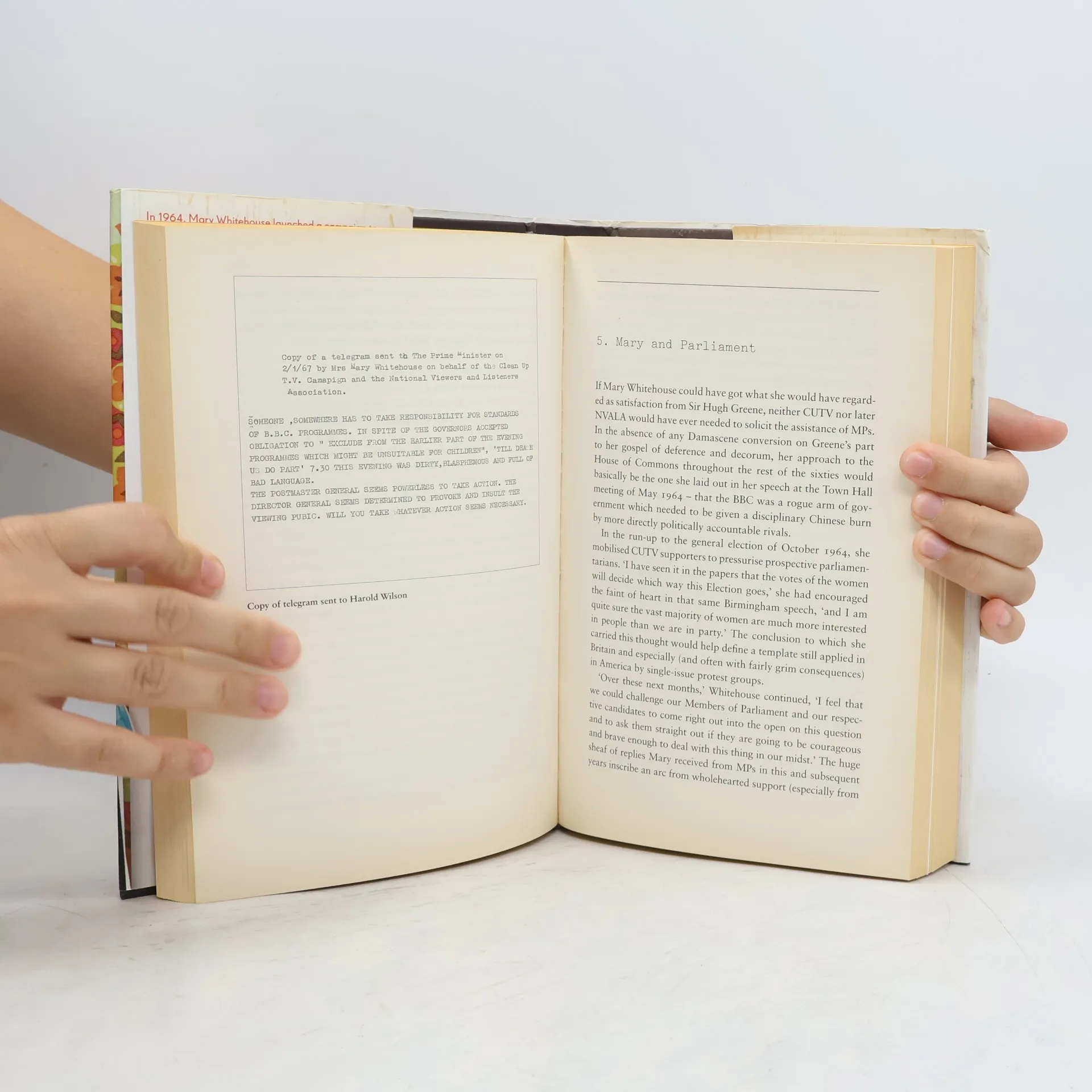
The launch of Mary Whitehouse's 'Clean Up TV' campaign (at Birmingham Town Hall in 1964) made this devoutly Christian Shropshire school-teacher a media star overnight. Over the next 37 years, her name became a byword for censoriousness. All the hundreds of letters this redoubtable campaigner sent, and most of the many thousands she subsequently received, were preserved in the archives of her National Viewers and Listeners Association. Sifting through this unique compendium of outrage and affront, Ben Thompson uncovers a startling new perspective on Mary Whitehouse's stand against a tsunami of swearing and sexual license. Far from the last of a dying breed, might she actually have been the harbinger - if not quite the agent - of a change in the tide of cultural history?
Achat du livre
Ban This Filth!, Ben Thompson
- Langue

- Année de publication
- 2012
- Reliure
- (rigide),
- État du livre
- Bon
- Prix
- 4,89 €
Modes de paiement
Personne n'a encore évalué .
- Titre
- Ban This Filth!
- Sous-titre
- Letters From the Mary Whitehouse Archive
- Langue
- Anglais
- Auteurs
- Ben Thompson
- Éditeur
- Faber and Faber
- Publié
- 2012
- Format
- rigide
- Pages
- 406
- ISBN10
- 0571281494
- ISBN13
- 9780571281497
- Séries
- Catégories
- Mots clés
- Thème historique, Littérature britannique, Europe, Histoire de l'Europe, Télévision, Spectacle vivant, Censure
- Description
- The launch of Mary Whitehouse's 'Clean Up TV' campaign (at Birmingham Town Hall in 1964) made this devoutly Christian Shropshire school-teacher a media star overnight. Over the next 37 years, her name became a byword for censoriousness. All the hundreds of letters this redoubtable campaigner sent, and most of the many thousands she subsequently received, were preserved in the archives of her National Viewers and Listeners Association. Sifting through this unique compendium of outrage and affront, Ben Thompson uncovers a startling new perspective on Mary Whitehouse's stand against a tsunami of swearing and sexual license. Far from the last of a dying breed, might she actually have been the harbinger - if not quite the agent - of a change in the tide of cultural history?