

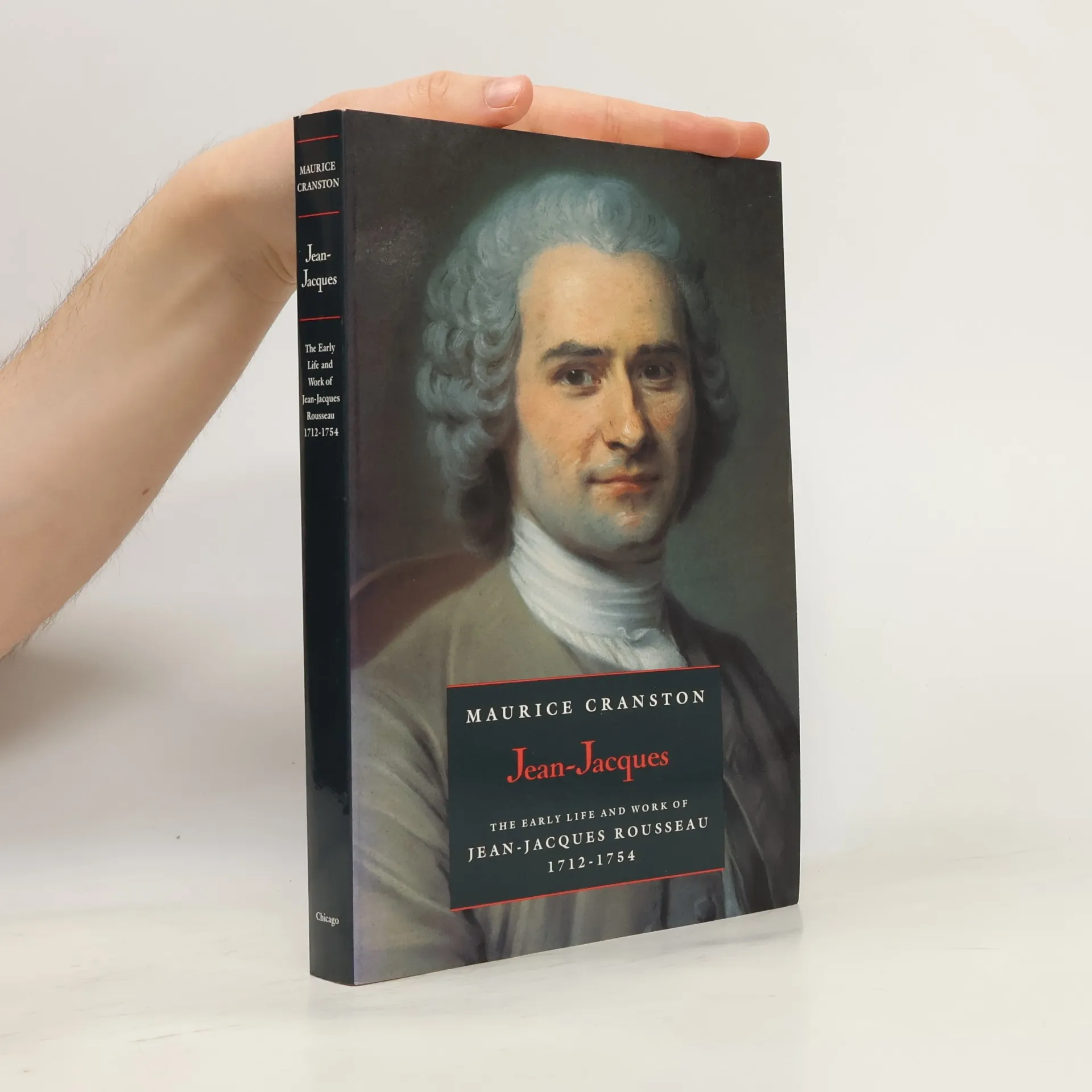
Jean-Jacques
The Early Life and Work of Jean-Jacques Rousseau, 1712-1754
Auteurs
En savoir plus sur le livre
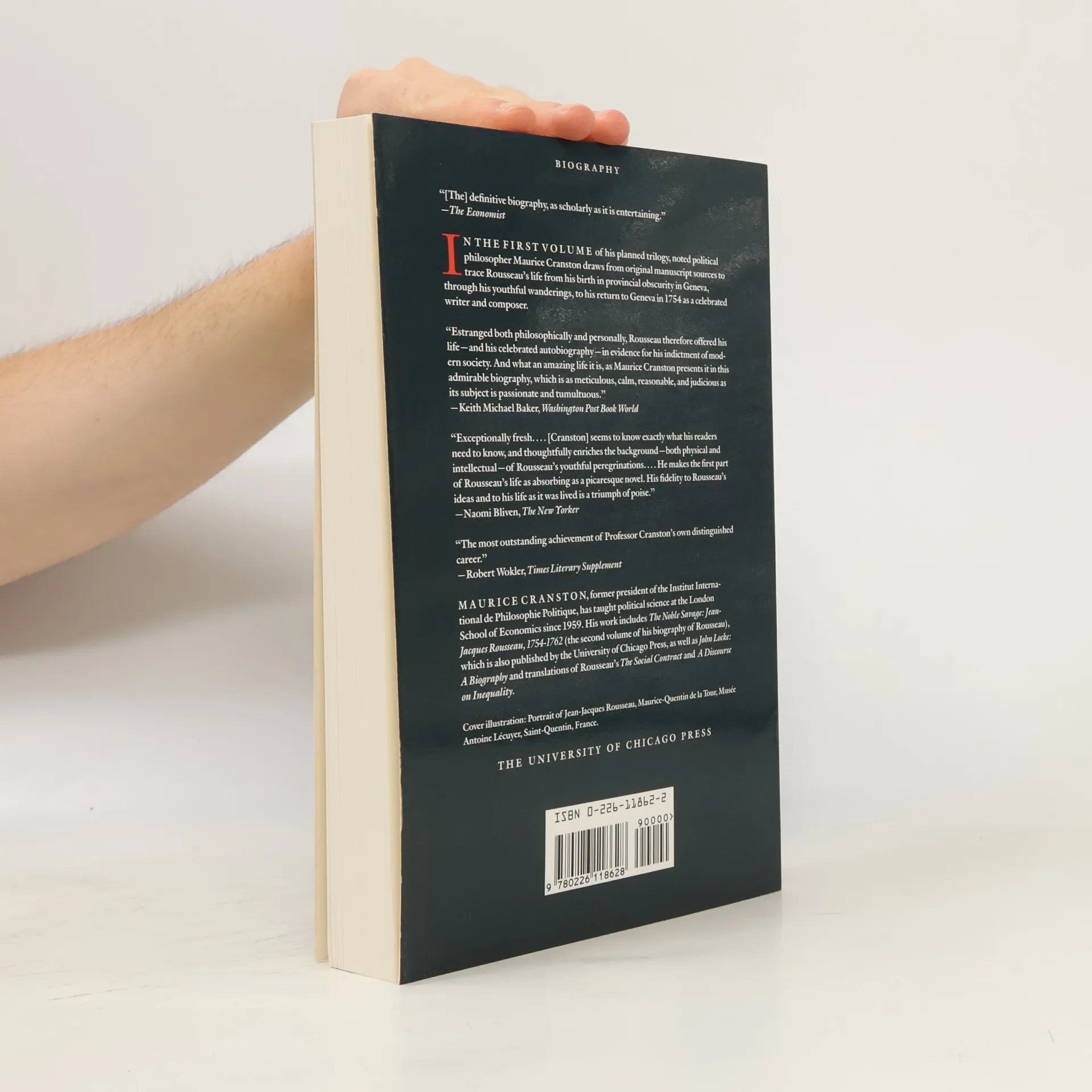
In the first volume of his trilogy, political philosopher Maurice Cranston utilizes original manuscript sources to chronicle Rousseau's life, from his humble beginnings in Geneva to his emergence as a renowned writer and composer by 1754. This biography is praised for its meticulous, calm, and reasonable approach, contrasting with Rousseau's passionate and tumultuous nature. Critics have described it as the definitive biography, combining scholarly rigor with engaging storytelling. Cranston's insights into Rousseau's early life are presented with a freshness that captivates readers, enriching their understanding of both the physical and intellectual landscapes of his formative years. The narrative is crafted with such poise that it renders Rousseau's early experiences as compelling as a picaresque novel, showcasing Cranston's fidelity to Rousseau's ideas and lived experiences. This work is considered a hallmark of Cranston's distinguished career, reflecting his expertise as a scholar and biographer. Maurice Cranston (1920-1993), a notable figure in political science, was a professor at the London School of Economics and received the James Tait Black Memorial Prize for his biography of John Locke, among other notable works.
Achat du livre
Jean-Jacques, Maurice William Cranston
- Langue

- Année de publication
- 1991
- Reliure
- (souple)
Modes de paiement
Personne n'a encore évalué .
- Titre
- Jean-Jacques
- Sous-titre
- The Early Life and Work of Jean-Jacques Rousseau, 1712-1754
- Langue
- Anglais
- Auteurs
- Maurice William Cranston
- Publié
- 1991
- Format
- souple
- Pages
- 382
- ISBN10
- 0226118622
- ISBN13
- 9780226118628
- Séries
- Mots clés
- Thématique philosophique, États-Unis, France, XVIIIe siècle, Philosophes
- Description
- In the first volume of his trilogy, political philosopher Maurice Cranston utilizes original manuscript sources to chronicle Rousseau's life, from his humble beginnings in Geneva to his emergence as a renowned writer and composer by 1754. This biography is praised for its meticulous, calm, and reasonable approach, contrasting with Rousseau's passionate and tumultuous nature. Critics have described it as the definitive biography, combining scholarly rigor with engaging storytelling. Cranston's insights into Rousseau's early life are presented with a freshness that captivates readers, enriching their understanding of both the physical and intellectual landscapes of his formative years. The narrative is crafted with such poise that it renders Rousseau's early experiences as compelling as a picaresque novel, showcasing Cranston's fidelity to Rousseau's ideas and lived experiences. This work is considered a hallmark of Cranston's distinguished career, reflecting his expertise as a scholar and biographer. Maurice Cranston (1920-1993), a notable figure in political science, was a professor at the London School of Economics and received the James Tait Black Memorial Prize for his biography of John Locke, among other notable works.