



En savoir plus sur le livre
This monograph deals with the progressive derogation of civil and human rights in the fight against money laundering, financing terrorists and tax evasion. The marriage of anti-money laundering (AML) and counterterrorism financing legislation has systematically expanded the scope of the authorities’ rights of enforcement and compliance. AML legislation has transformed from a punitive to a preventive system of enforcement that violates the principle of proportionality. This has resulted in a ‘catch-all’ approach that places citizens under a general blanket of suspicion without initial reasonable grounds. In addition, this monograph proposes ways and mechanisms to effectively address money laundering while maintaining fundamental human rights. It also addresses the symbiotic relationship between money laundering and political corruption based on a current analysis of the fundamental characteristics and types of AML regimes in the US, the EU, Latin America, Africa and Southeast Asia.
Achat du livre
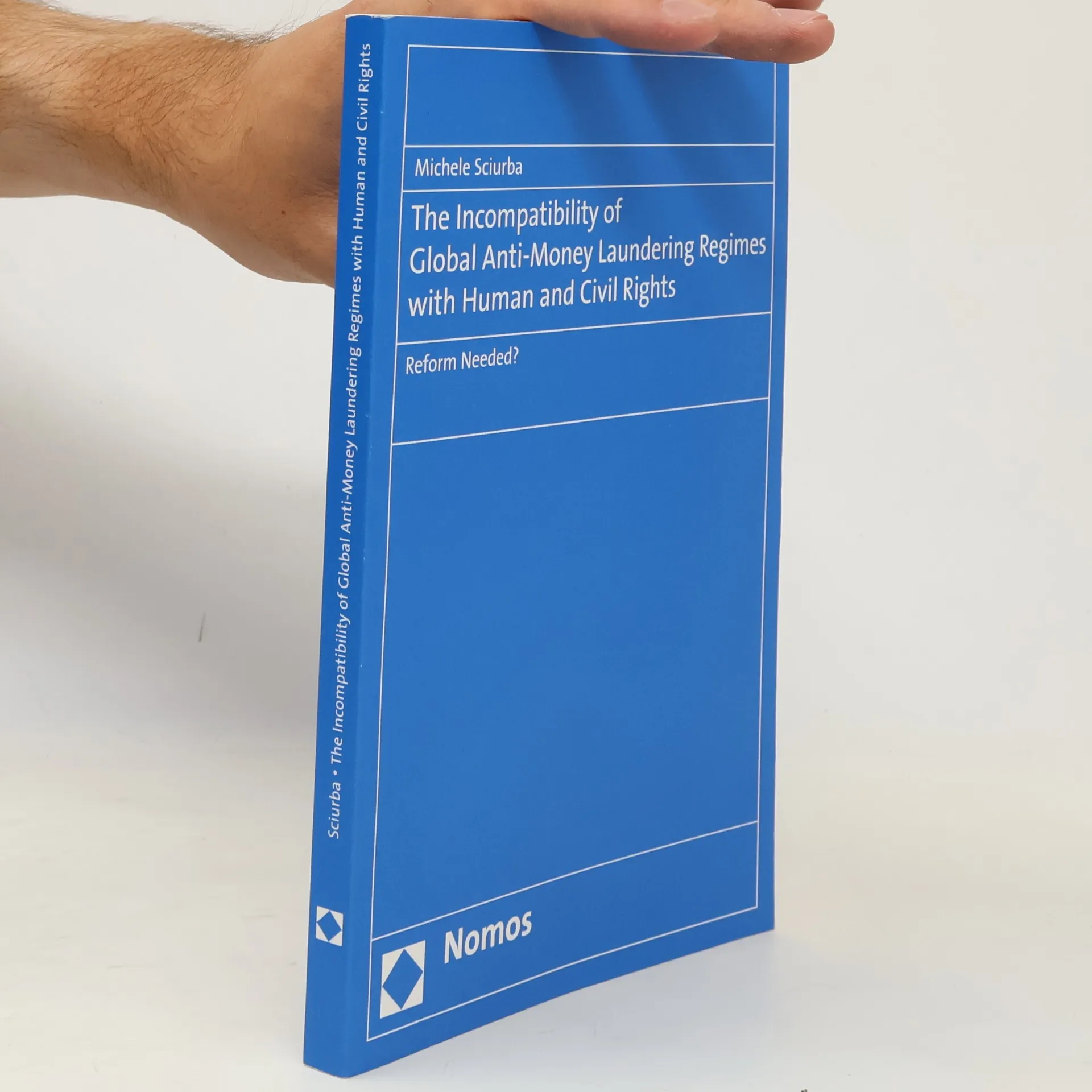
The incompatibility of global anti-money laundering regimes with human and civil rights, Michele Sciurba
- Langue

- Année de publication
- 2019
- Reliure
- (souple),
- État du livre
- Très bon
- Prix
- 23,39 €
Modes de paiement
Personne n'a encore évalué .
- Titre
- The incompatibility of global anti-money laundering regimes with human and civil rights
- Sous-titre
- Reform Needed?
- Langue
- Anglais
- Auteurs
- Michele Sciurba
- Éditeur
- Nomos
- Publié
- 2019
- Format
- souple
- Pages
- 205
- ISBN10
- 3848761890
- ISBN13
- 9783848761890
- Séries
- Catégories
- Mots clés
- Manuels universitaires
- Description
- This monograph deals with the progressive derogation of civil and human rights in the fight against money laundering, financing terrorists and tax evasion. The marriage of anti-money laundering (AML) and counterterrorism financing legislation has systematically expanded the scope of the authorities’ rights of enforcement and compliance. AML legislation has transformed from a punitive to a preventive system of enforcement that violates the principle of proportionality. This has resulted in a ‘catch-all’ approach that places citizens under a general blanket of suspicion without initial reasonable grounds. In addition, this monograph proposes ways and mechanisms to effectively address money laundering while maintaining fundamental human rights. It also addresses the symbiotic relationship between money laundering and political corruption based on a current analysis of the fundamental characteristics and types of AML regimes in the US, the EU, Latin America, Africa and Southeast Asia.