

Paramètres
- 658pages
- 24 heures de lecture
En savoir plus sur le livre
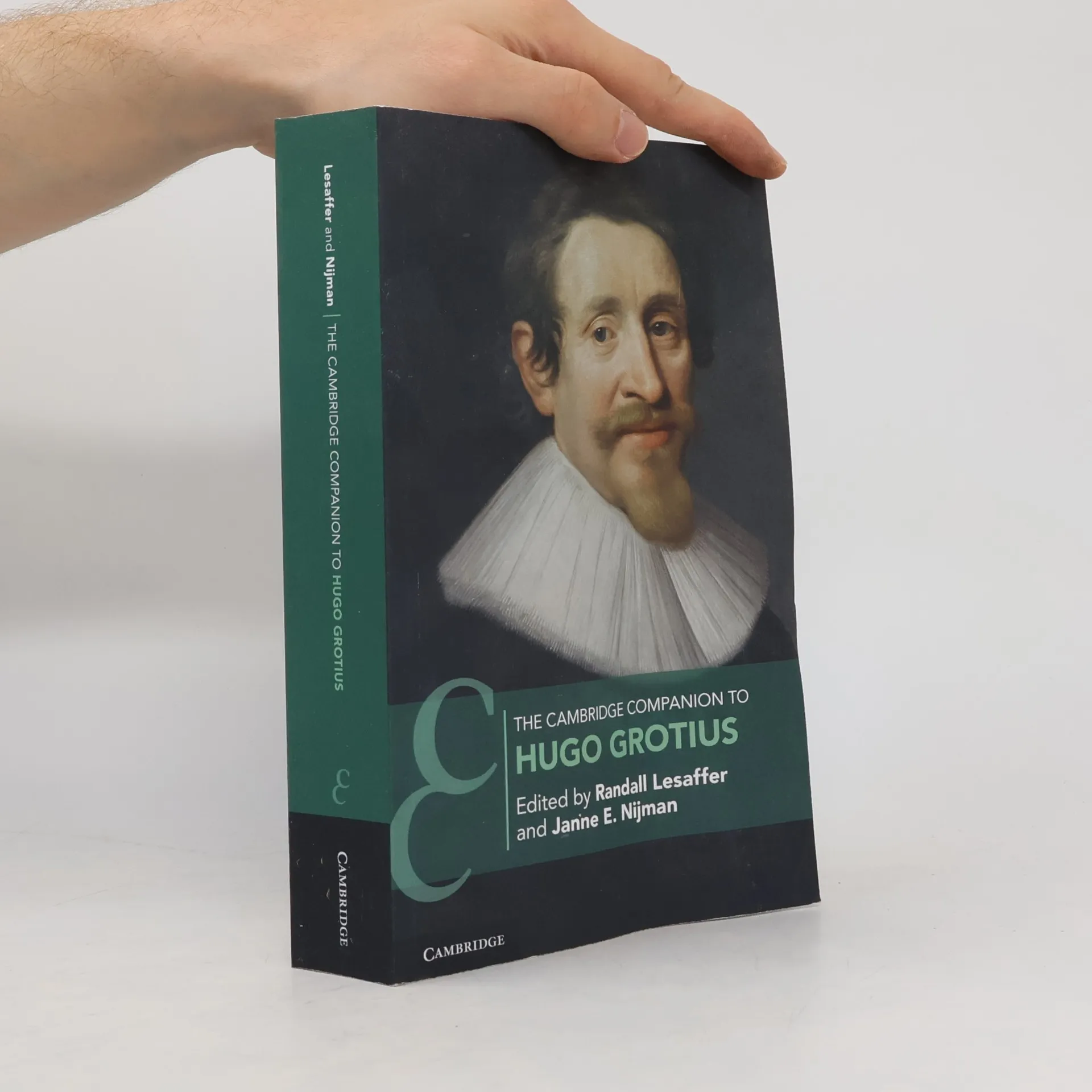
The Cambridge Companion to Grotius offers a comprehensive overview of Hugo Grotius (1583-1645) for students, teachers, and general readers, while its chapters also draw upon and contribute to recent specialised discussions of Grotius' oeuvre and its later reception. Contributors to this volume cover the width and breadth of Grotius' work and thought, ranging from his literary work, including his historical, theological and political writing, to his seminal legal interventions. While giving these various fields a separate treatment, the book also delves into the underlying conceptions and outlooks that formed Grotius' intellectual map of the world as he understood it, and as he wanted it to become, giving a new political and religious context to his forays into international and domestic law.
Achat du livre
Cambridge Companions to Law: The Cambridge Companion to Hugo Grotius, Randall Lesaffer, Janine E. Nijman
- Langue

- Année de publication
- 2021
- Reliure
- (souple)
Modes de paiement
Personne n'a encore évalué .
- Titre
- Cambridge Companions to Law: The Cambridge Companion to Hugo Grotius
- Langue
- Anglais
- Auteurs
- Randall Lesaffer, Janine E. Nijman
- Éditeur
- Cambridge University Press
- Publié
- 2021
- Format
- souple
- Pages
- 658
- ISBN10
- 1316648311
- ISBN13
- 9781316648315
- Séries
- Catégories
- Mots clés
- Thème historique, Commerce, Thèmes religieux, Thématique philosophique, Thématique juridique, Théologie, Relations internationales, Histoire sociale, Droit international
- Description
- The Cambridge Companion to Grotius offers a comprehensive overview of Hugo Grotius (1583-1645) for students, teachers, and general readers, while its chapters also draw upon and contribute to recent specialised discussions of Grotius' oeuvre and its later reception. Contributors to this volume cover the width and breadth of Grotius' work and thought, ranging from his literary work, including his historical, theological and political writing, to his seminal legal interventions. While giving these various fields a separate treatment, the book also delves into the underlying conceptions and outlooks that formed Grotius' intellectual map of the world as he understood it, and as he wanted it to become, giving a new political and religious context to his forays into international and domestic law.