

En savoir plus sur le livre
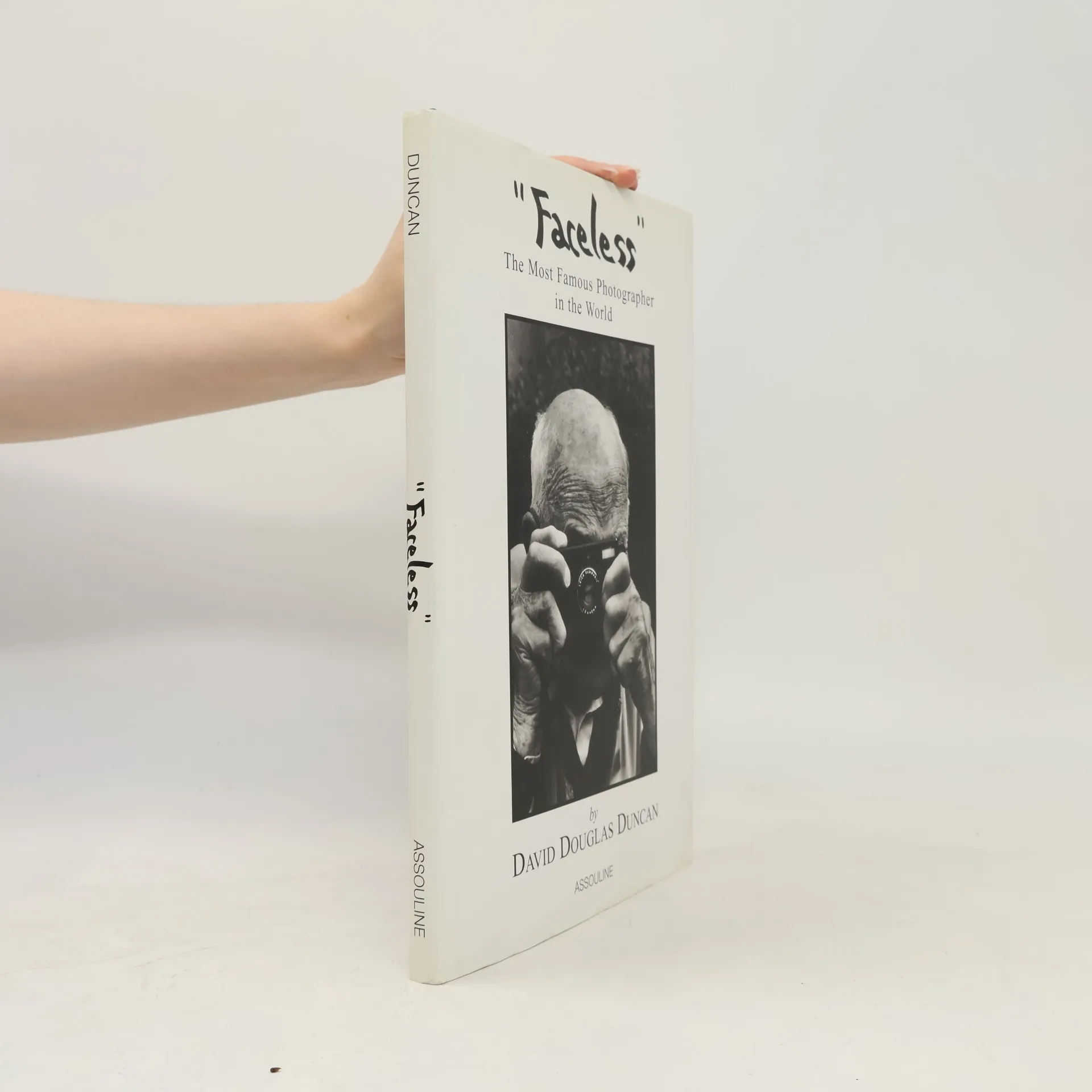
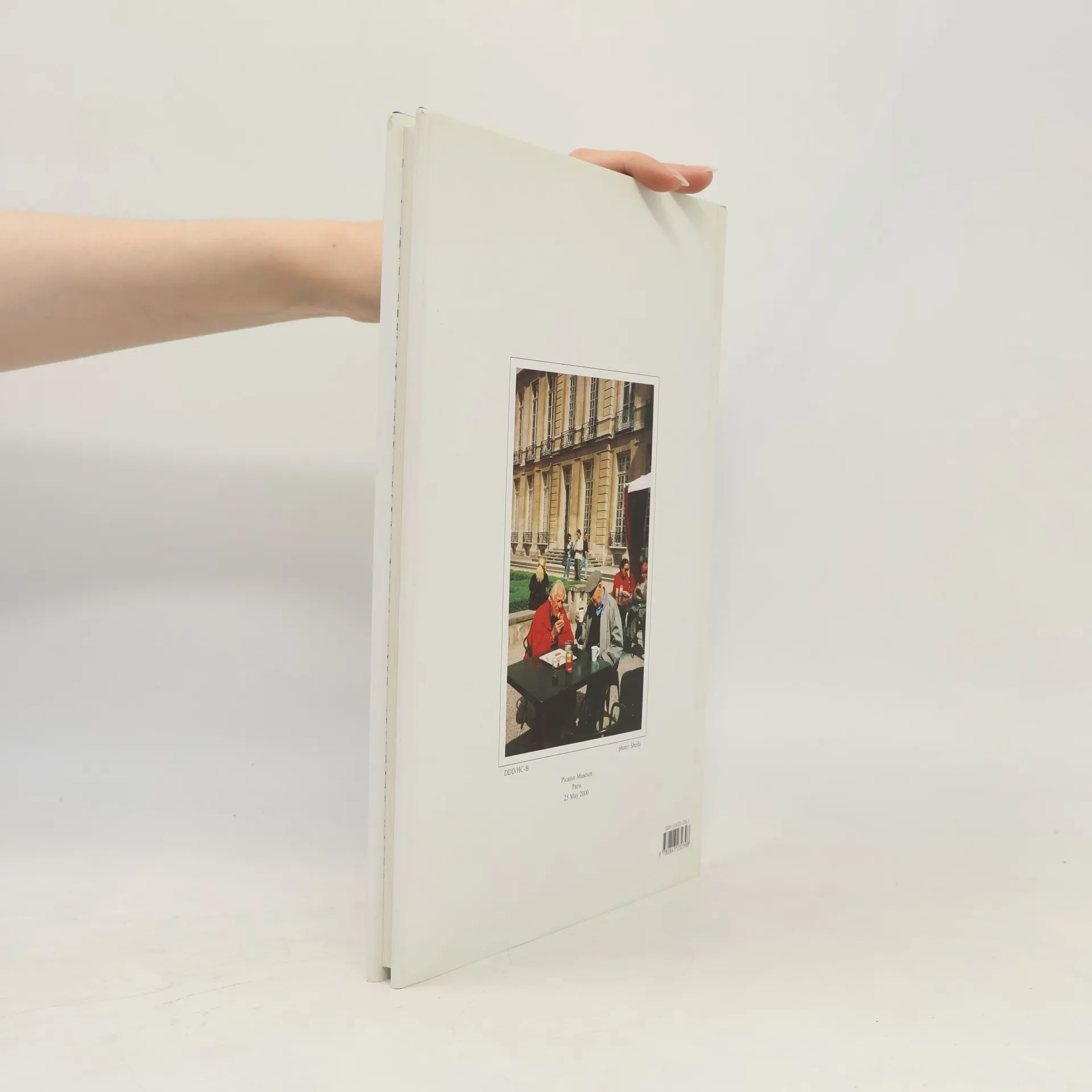
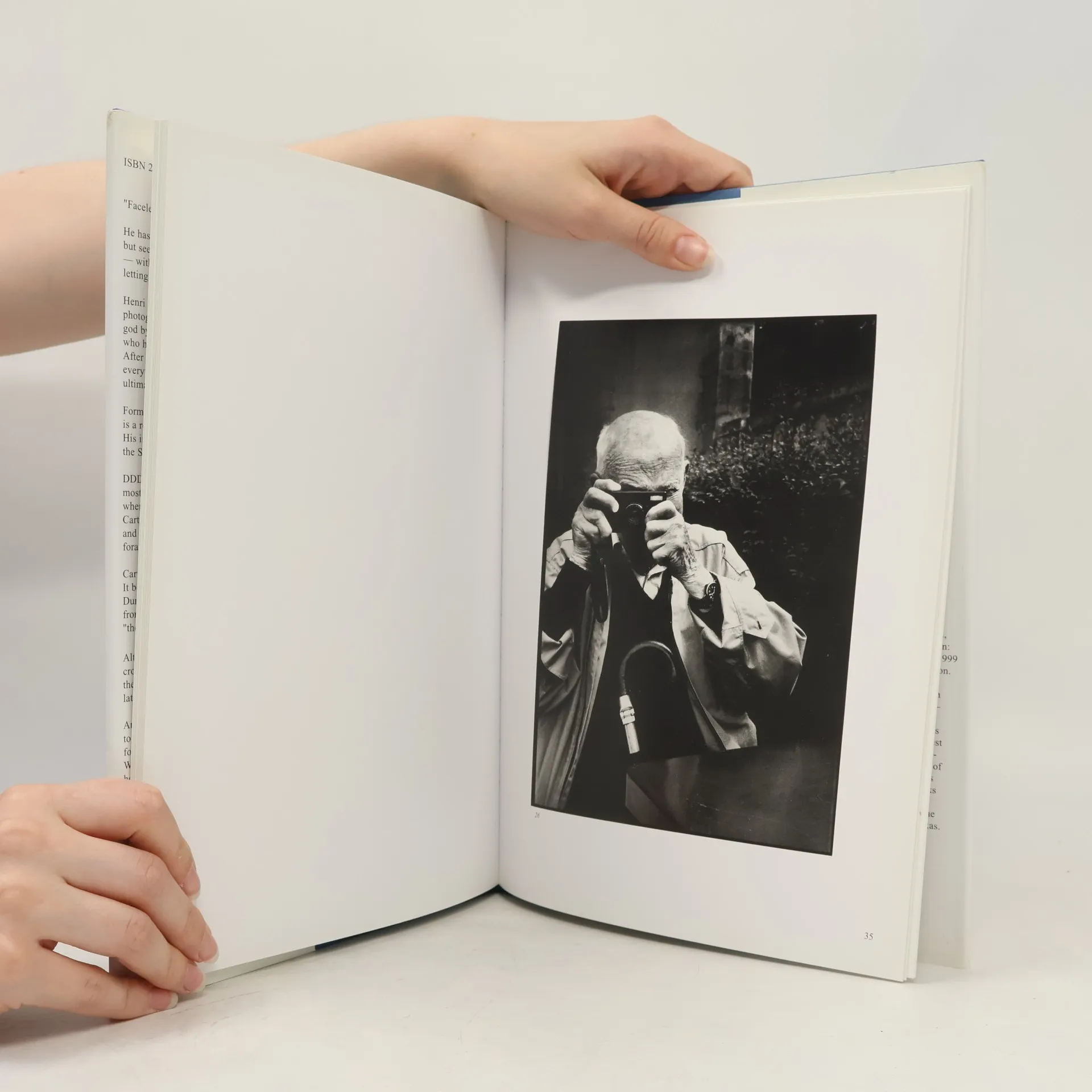
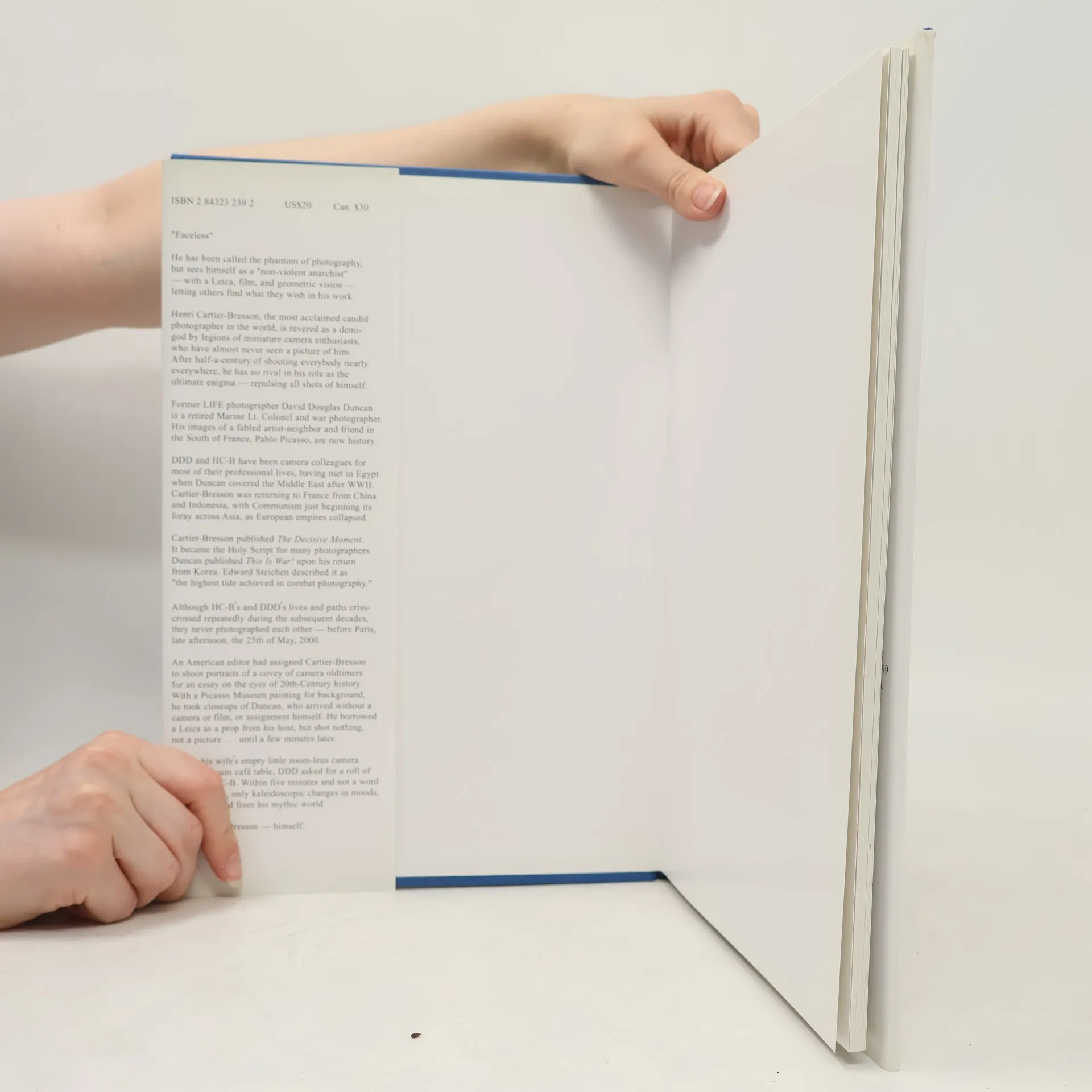
He has been called "the phantom of photography," but he sees himself as a "non-violent anarchist" with a Leica, film and geometric vision...letting others find what they wish in his work. Henri Cartier-Bresson, the most acclaimed candid photographer in the world, is revered as a demi-god by legions of miniature-camera enthusiasts, who have almost never seen a picture of him. Until now, after half-a-century of shooting everybody, everywhere, he has remained the photographer without a face. In May 2000, on assignment chronicling camera old-timers, Cartier-Bresson decided to shoot his subject, friend and colleague David Douglas Duncan, at the Picasso museum in Paris. Upon arriving at the shoot, Duncan decided to seize a rare opportunity. He spontaneously borrowed his wife's zoom-lens camera and asked Cartier-Bresson for a roll of film. And then, without a word between them, Duncan reversed the roles and began to photograph Cartier-Bresson. From this casual exchange, Duncan fully realized the outstanding nature of these images and determined to turn them into a tribute to a master of photography. This book captures the true essence of portraiture and will be sure to become a classic of its a one of a kind portrait of a photographer by one of his peers and a lesson of "spontaneity" in portrait photography.
Achat du livre
Faceless, David Duncan Douglas
- Langue

- Année de publication
- 2000
- Reliure
- (rigide)
Modes de paiement
Personne n'a encore évalué .
- Titre
- Faceless
- Sous-titre
- The Most Famous Photographer in the World
- Langue
- Anglais
- Auteurs
- David Duncan Douglas
- Éditeur
- Assouline
- Publié
- 2000
- Format
- rigide
- Pages
- 48
- ISBN10
- 2843232392
- ISBN13
- 9782843232398
- Séries
- Catégories
- Mots clés
- Description
- He has been called "the phantom of photography," but he sees himself as a "non-violent anarchist" with a Leica, film and geometric vision...letting others find what they wish in his work. Henri Cartier-Bresson, the most acclaimed candid photographer in the world, is revered as a demi-god by legions of miniature-camera enthusiasts, who have almost never seen a picture of him. Until now, after half-a-century of shooting everybody, everywhere, he has remained the photographer without a face. In May 2000, on assignment chronicling camera old-timers, Cartier-Bresson decided to shoot his subject, friend and colleague David Douglas Duncan, at the Picasso museum in Paris. Upon arriving at the shoot, Duncan decided to seize a rare opportunity. He spontaneously borrowed his wife's zoom-lens camera and asked Cartier-Bresson for a roll of film. And then, without a word between them, Duncan reversed the roles and began to photograph Cartier-Bresson. From this casual exchange, Duncan fully realized the outstanding nature of these images and determined to turn them into a tribute to a master of photography. This book captures the true essence of portraiture and will be sure to become a classic of its a one of a kind portrait of a photographer by one of his peers and a lesson of "spontaneity" in portrait photography.