

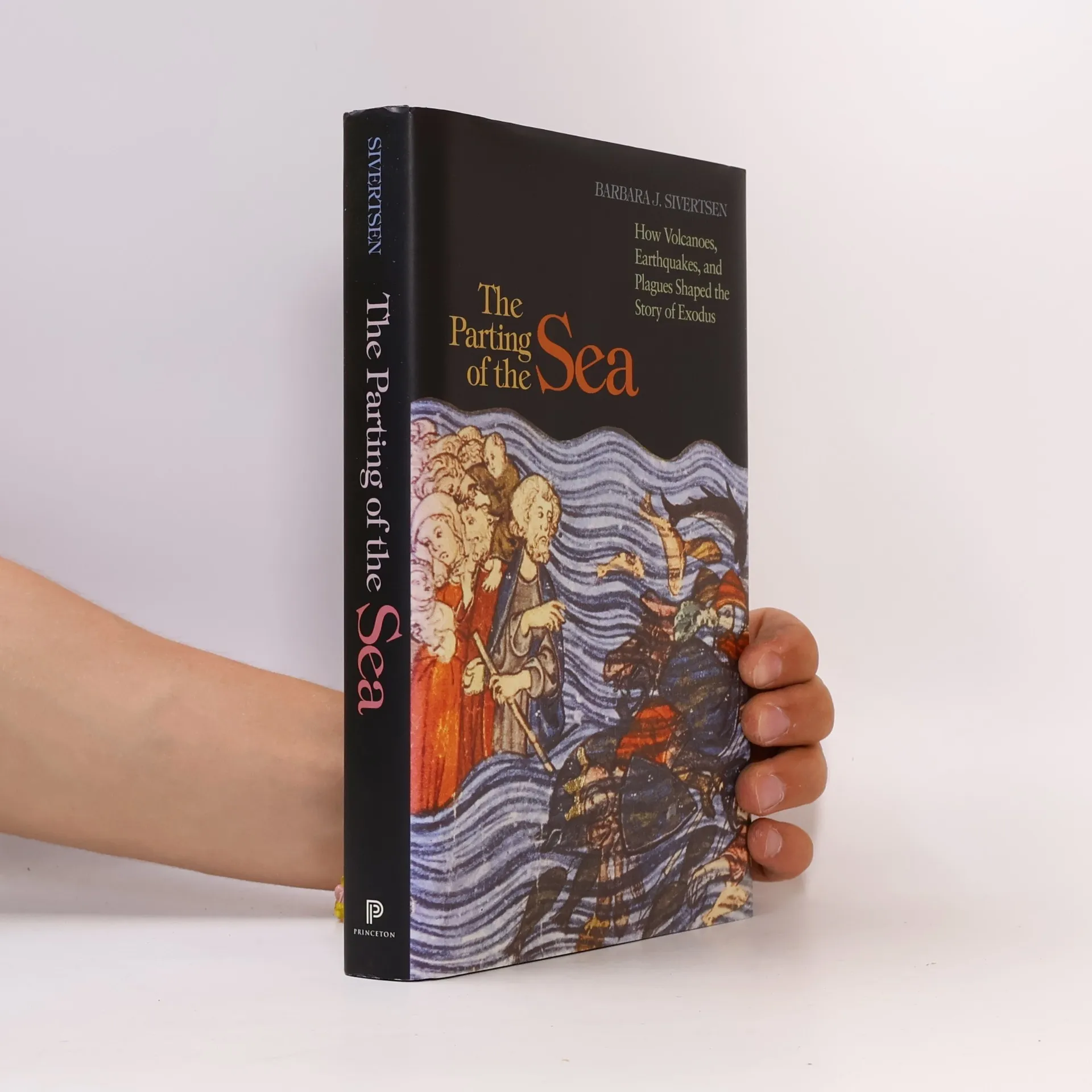
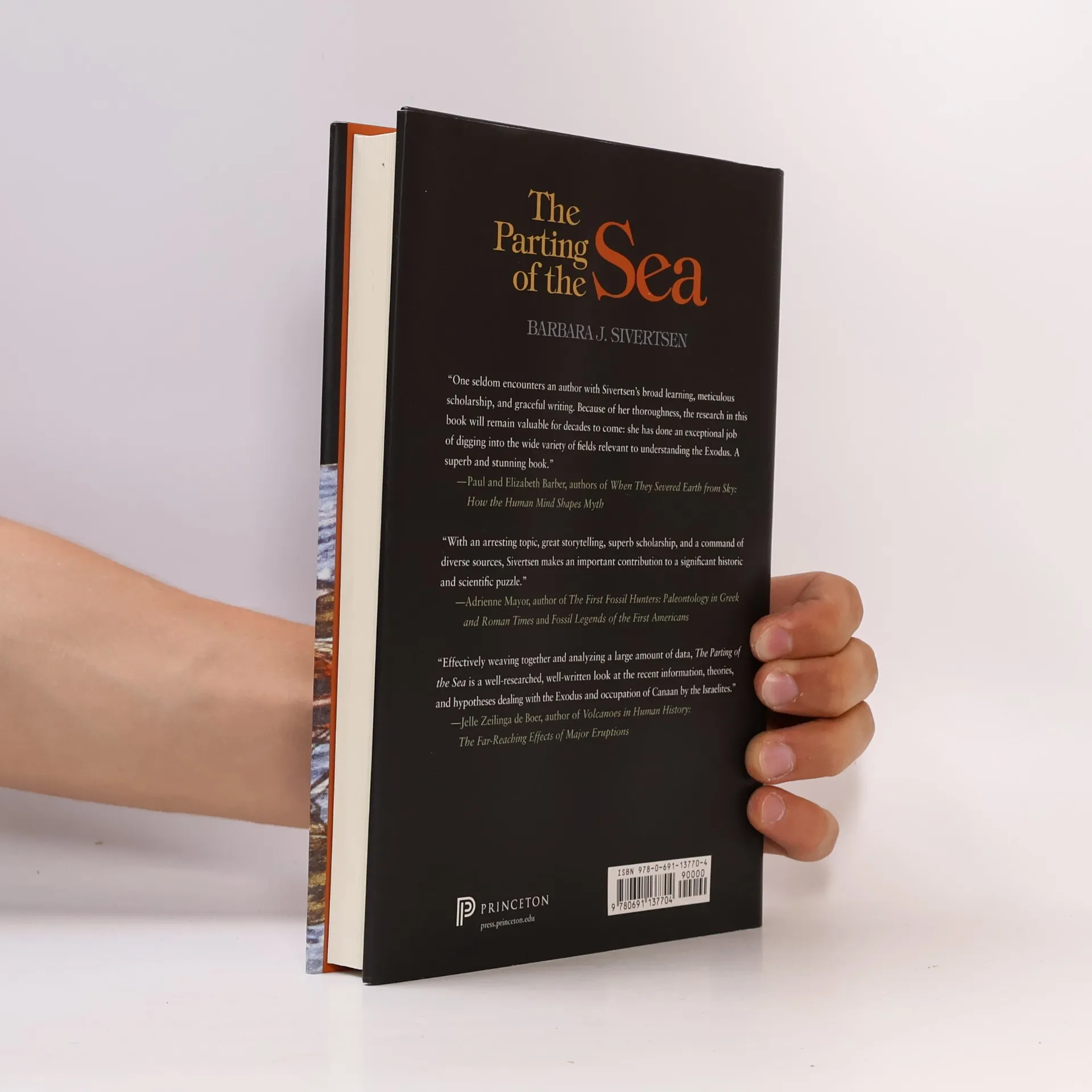

En savoir plus sur le livre
For over four decades, biblical experts have struggled to place the Exodus story in historical context. This book integrates biblical accounts with archaeological evidence to explore how natural phenomena influenced the narratives of Exodus, the Wilderness Sojourn, and the Israelite conquest of Canaan. The author argues that the Exodus consisted of two separate events triggered by volcanic eruptions, providing scientific explanations for the ten plagues and the parting of the Red Sea. Israelite oral tradition eventually combined these events into the familiar Exodus narrative. By unifying textual and archaeological records with ancient geological events, the author reveals that the first exodus followed a 1628 B.C.E. Minoan eruption, which caused most of the first nine plagues. The second exodus, occurring nearly two centuries later, was linked to an eruption off the Aegean island of Yali, resulting in the tenth plague of darkness and a series of tsunamis that "parted the sea" and drowned the Egyptian army. This account clarifies inconsistencies in the biblical narrative, aligns chronologically with the conquest of Jericho, and confirms that the Israelites were in Canaan before the end of the sixteenth century B.C.E. By examining how oral traditions process geological details through storytelling, the book illustrates how potent historical narratives can evolve into myth.
Achat du livre
The Parting of the Sea, Barbara J. Sivertsen
- Langue

- Année de publication
- 2009
- Reliure
- (rigide)
Modes de paiement
Personne n'a encore évalué .
- Titre
- The Parting of the Sea
- Sous-titre
- How Volcanoes, Earthquakes, and Plagues Shaped the Story of Exodus
- Langue
- Anglais
- Auteurs
- Barbara J. Sivertsen
- Éditeur
- Princeton University Press
- Publié
- 2009
- Format
- rigide
- Pages
- 239
- ISBN10
- 0691137706
- ISBN13
- 9780691137704
- Séries
- Catégories
- Mots clés
- Thème historique, Thèmes religieux, Thèmes chrétiens, États-Unis, Époque antique, Archéologie
- Description
- For over four decades, biblical experts have struggled to place the Exodus story in historical context. This book integrates biblical accounts with archaeological evidence to explore how natural phenomena influenced the narratives of Exodus, the Wilderness Sojourn, and the Israelite conquest of Canaan. The author argues that the Exodus consisted of two separate events triggered by volcanic eruptions, providing scientific explanations for the ten plagues and the parting of the Red Sea. Israelite oral tradition eventually combined these events into the familiar Exodus narrative. By unifying textual and archaeological records with ancient geological events, the author reveals that the first exodus followed a 1628 B.C.E. Minoan eruption, which caused most of the first nine plagues. The second exodus, occurring nearly two centuries later, was linked to an eruption off the Aegean island of Yali, resulting in the tenth plague of darkness and a series of tsunamis that "parted the sea" and drowned the Egyptian army. This account clarifies inconsistencies in the biblical narrative, aligns chronologically with the conquest of Jericho, and confirms that the Israelites were in Canaan before the end of the sixteenth century B.C.E. By examining how oral traditions process geological details through storytelling, the book illustrates how potent historical narratives can evolve into myth.