




En savoir plus sur le livre
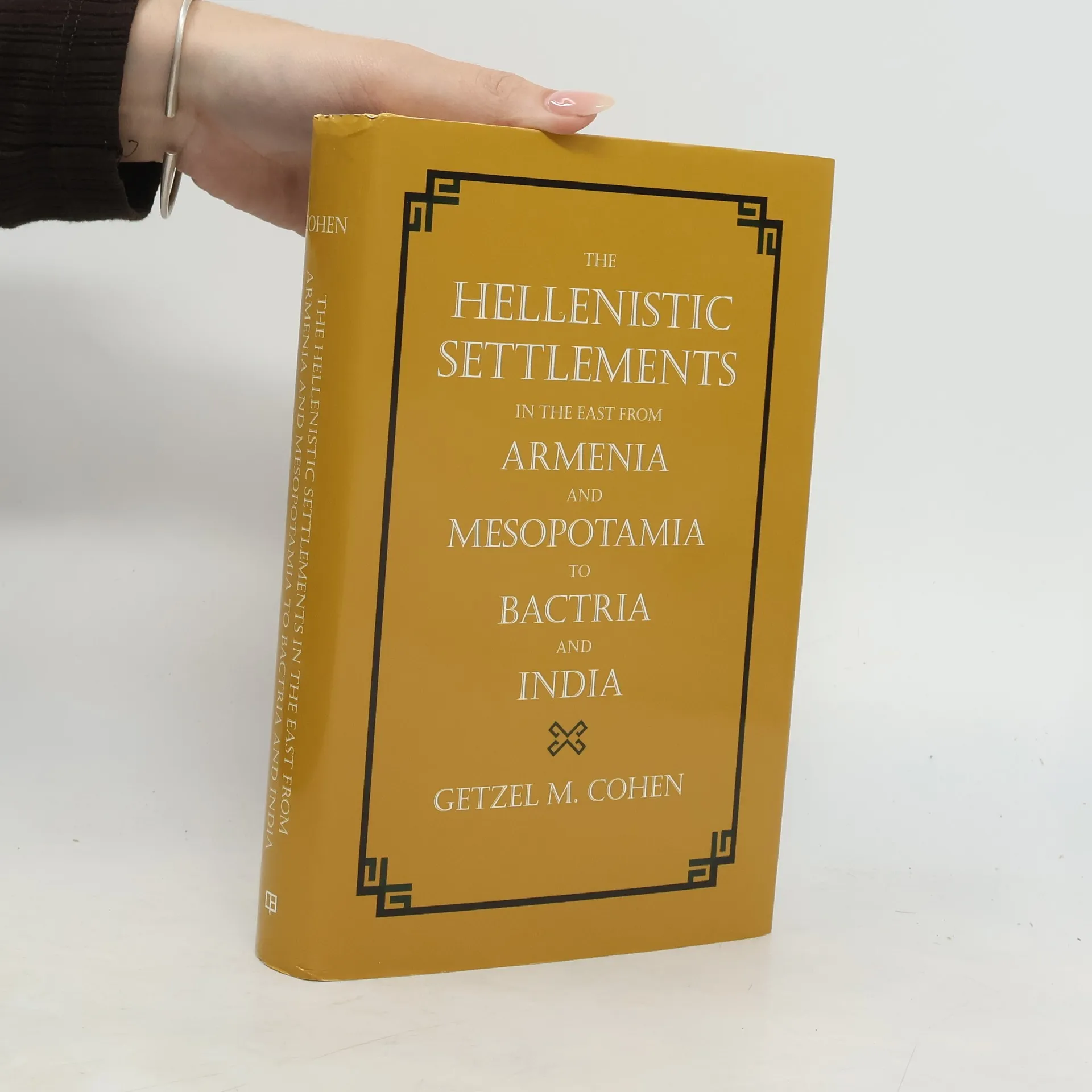
This is the third volume of Getzel Cohen’s important work on the Hellenistic settlements in the ancient world. Through the conquests of Alexander the Great, his successors and others, Greek and Macedonian culture spread deep into Asia, with colonists settling as far away as Bactria and India. In this book, Cohen provides historical narratives, detailed references, citations, and commentaries on all the Graeco-Macedonian settlements founded (or refounded) in the East. Organized geographically, Cohen pulls together discoveries and debates from dozens of widely scattered archaeological and epigraphic projects, making a distinct contribution to ongoing questions and opening new avenues of inquiry.
Achat du livre
The Hellenistic Settlements in the East from Armenia and Mesopotamia to Bactria and India, Getzel M. Cohen
- Langue

- Année de publication
- 2012
- Reliure
- (rigide)
Modes de paiement
Personne n'a encore évalué .
- Titre
- The Hellenistic Settlements in the East from Armenia and Mesopotamia to Bactria and India
- Langue
- Anglais
- Auteurs
- Getzel M. Cohen
- Publié
- 2012
- Format
- rigide
- Pages
- 454
- ISBN10
- 0520273826
- ISBN13
- 9780520273825
- Séries
- Mots clés
- Thème historique, Époque antique, Asie, Archéologie, Grèce, Alexandre le Grand
- Description
- This is the third volume of Getzel Cohen’s important work on the Hellenistic settlements in the ancient world. Through the conquests of Alexander the Great, his successors and others, Greek and Macedonian culture spread deep into Asia, with colonists settling as far away as Bactria and India. In this book, Cohen provides historical narratives, detailed references, citations, and commentaries on all the Graeco-Macedonian settlements founded (or refounded) in the East. Organized geographically, Cohen pulls together discoveries and debates from dozens of widely scattered archaeological and epigraphic projects, making a distinct contribution to ongoing questions and opening new avenues of inquiry.