

En savoir plus sur le livre
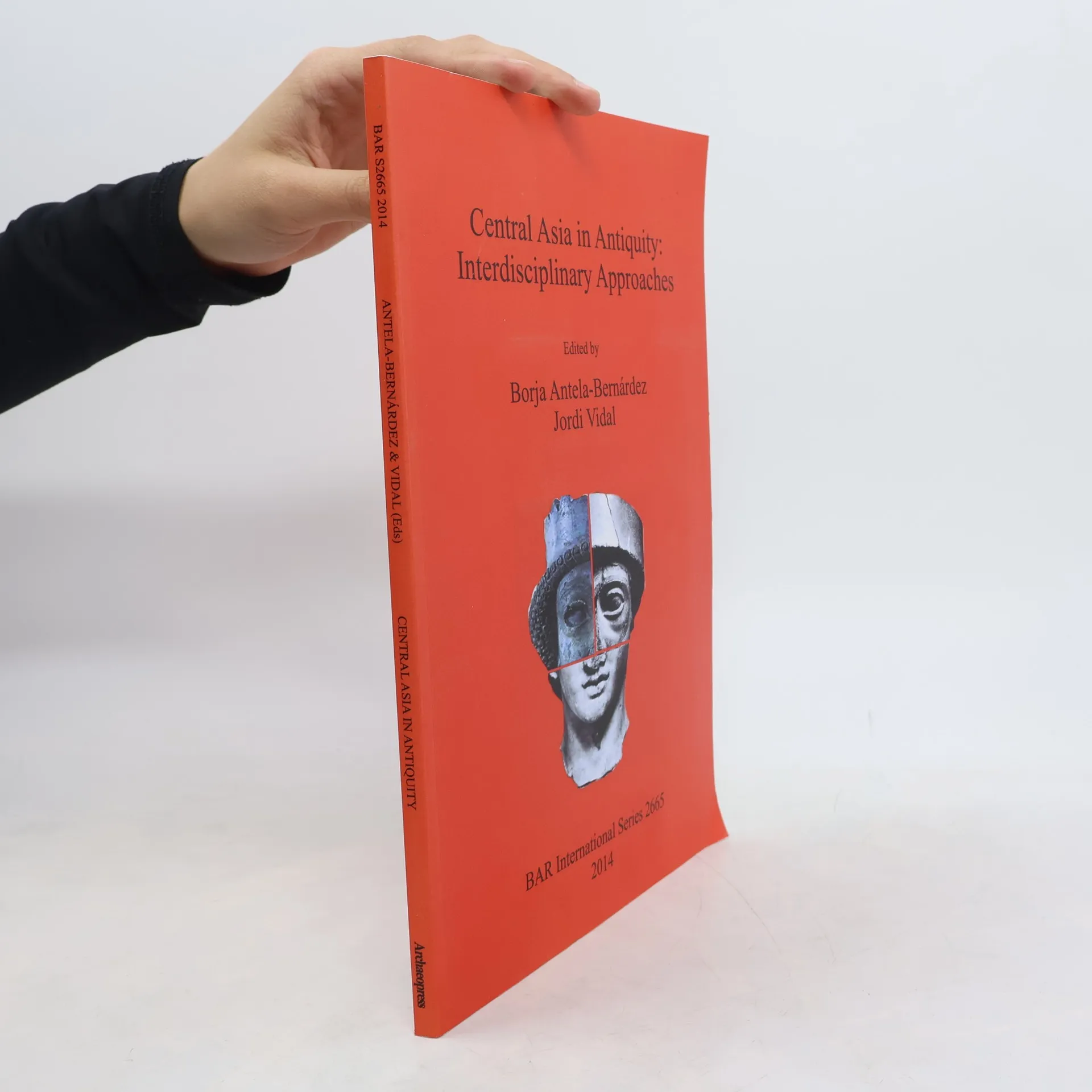
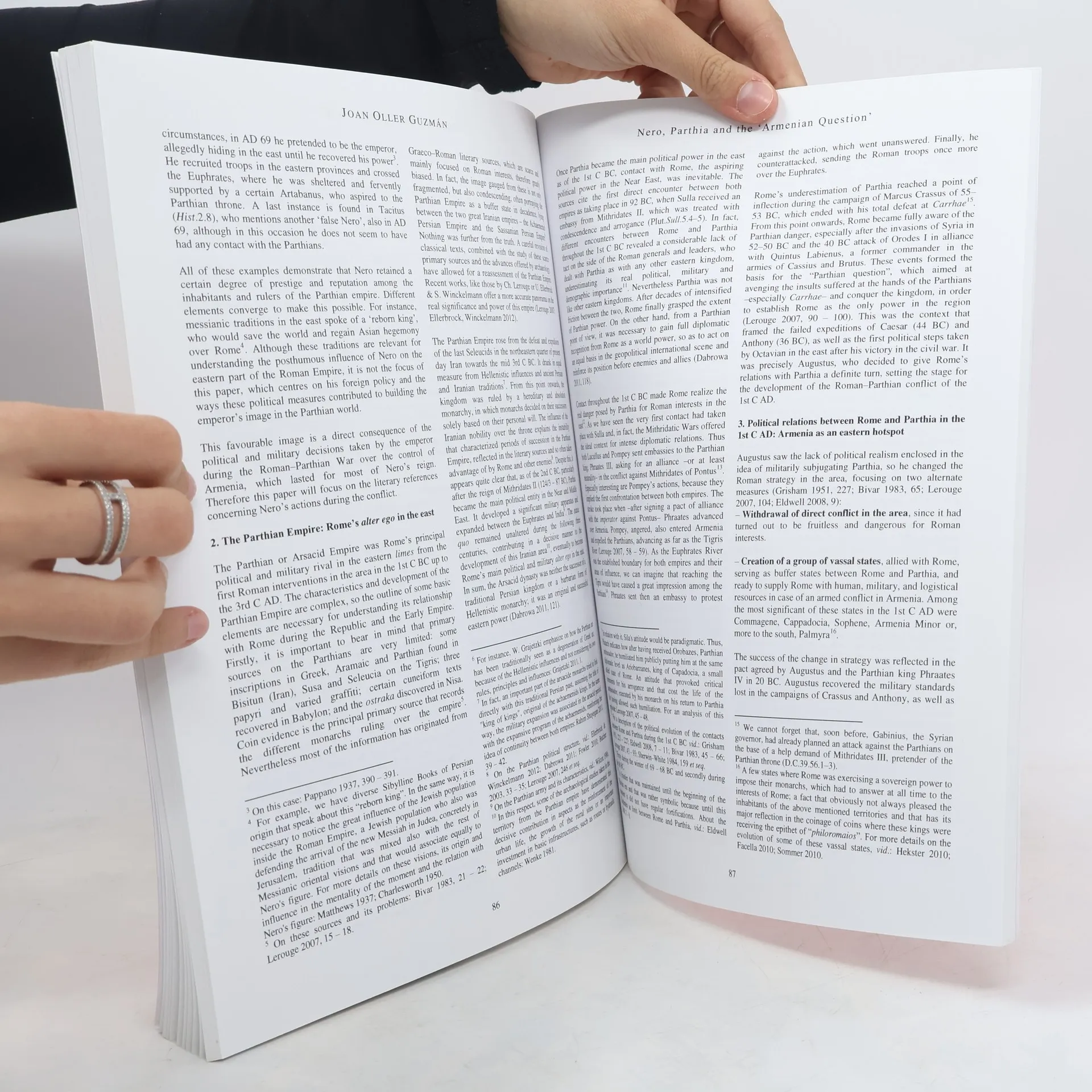
Central Asia has long been a focal point for archaeological and historical research concerning the Ancient World, with scholars examining its complex realities during Antiquity. This book aims to explore the multifaceted aspects of Central Asia from various perspectives, emphasizing an interdisciplinary approach to understand the region's dynamics. It covers a wide range of topics, from the emergence of cities and their interactions with nomadic populations to the spread of cultural practices and models westward during Islamic conquests. The chapters delve into themes such as warfare, gender studies, and historiography, primarily through an archaeological lens. Specific sites like Mes Aynak, Uch Kulakh, and Vardanzeh are analyzed, alongside the interactions among historical peoples, including the Bactrians, Persians, Macedonians, Greeks, Indians, Sassanids, and Steppe peoples. The work exemplifies the benefits of interdisciplinary dialogue, enhancing our understanding of the intricate relationships that developed in Central Asia throughout Antiquity. It highlights how archaeology and related disciplines can address historical questions, providing a deeper insight into the region's past and its diverse cultural exchanges.
Achat du livre
Central Asia in Antiquity, Borja Antela Bernárdez, Jordi Vidal
- Langue

- Année de publication
- 2014
- Reliure
- (souple)
Modes de paiement
Personne n'a encore évalué .
- Titre
- Central Asia in Antiquity
- Sous-titre
- Interdisciplinary Approaches
- Langue
- Anglais
- Auteurs
- Borja Antela Bernárdez, Jordi Vidal
- Publié
- 2014
- Format
- souple
- Pages
- 122
- ISBN10
- 1407313118
- ISBN13
- 9781407313115
- Séries
- Mots clés
- Thème historique, Époque antique, Archéologie, Asie centrale
- Description
- Central Asia has long been a focal point for archaeological and historical research concerning the Ancient World, with scholars examining its complex realities during Antiquity. This book aims to explore the multifaceted aspects of Central Asia from various perspectives, emphasizing an interdisciplinary approach to understand the region's dynamics. It covers a wide range of topics, from the emergence of cities and their interactions with nomadic populations to the spread of cultural practices and models westward during Islamic conquests. The chapters delve into themes such as warfare, gender studies, and historiography, primarily through an archaeological lens. Specific sites like Mes Aynak, Uch Kulakh, and Vardanzeh are analyzed, alongside the interactions among historical peoples, including the Bactrians, Persians, Macedonians, Greeks, Indians, Sassanids, and Steppe peoples. The work exemplifies the benefits of interdisciplinary dialogue, enhancing our understanding of the intricate relationships that developed in Central Asia throughout Antiquity. It highlights how archaeology and related disciplines can address historical questions, providing a deeper insight into the region's past and its diverse cultural exchanges.