


En savoir plus sur le livre
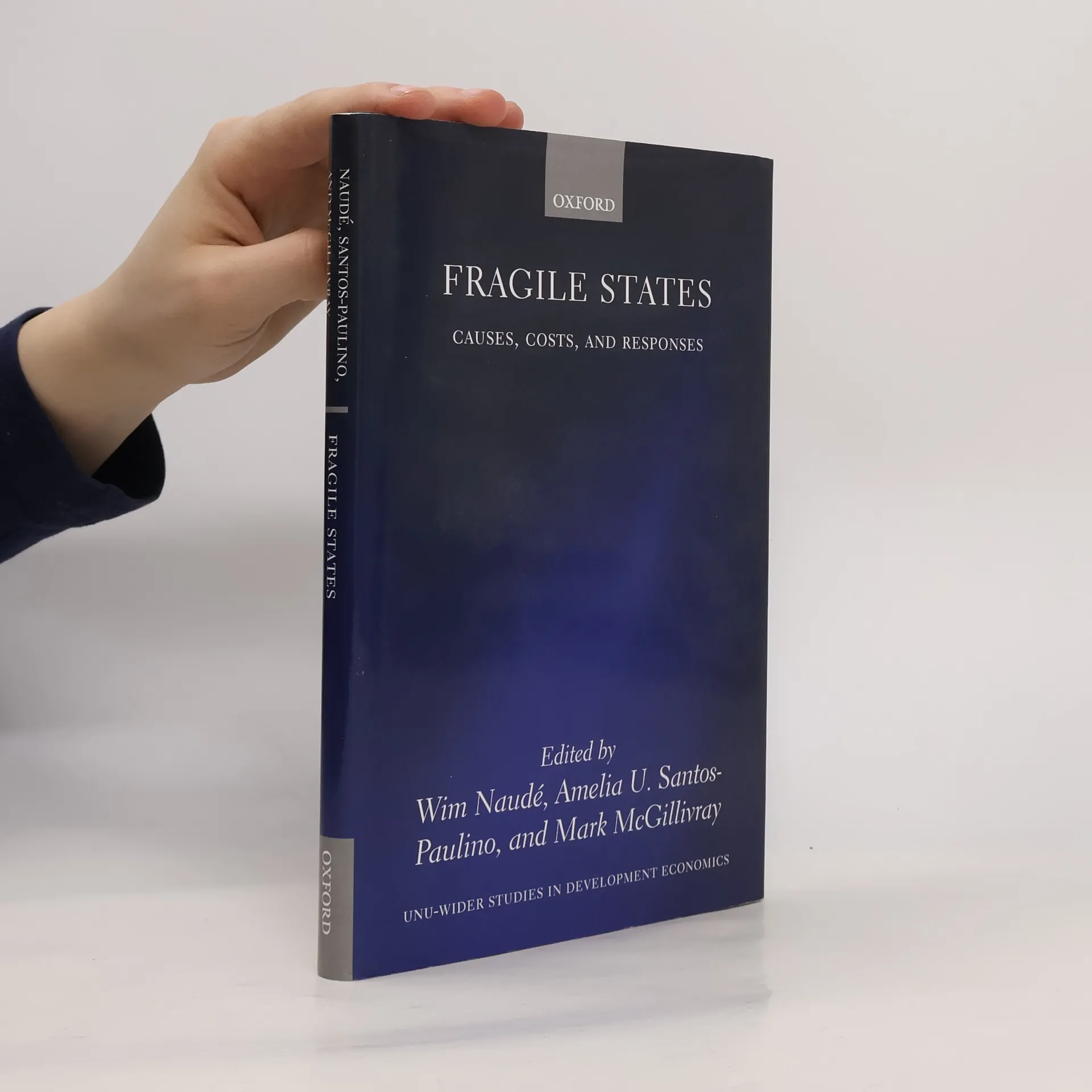
Overcoming state fragility is a crucial international development objective in the 21st century, as many fragile states have devolved into failed states, leaving millions in deprivation. These states often lack the authority, legitimacy, and capacity necessary for advancing development, posing significant challenges for policy design and implementation. Key questions arise regarding the effective delivery of aid in contexts where governments cannot absorb or utilize it. Additionally, fragile states can adversely affect their neighbors and the global community, leading to increased insecurity, out-migration, displaced populations, and environmental degradation. This work explores the extensive global repercussions of state fragility, contributing to the discourse on its causes, costs, and necessary responses. It targets scholars, policymakers, and donors focused on conflict and development, aiming to enhance understanding of how to foster strong, accountable states. Such states can promote human well-being, bolster household resilience against shocks, and create effective partnerships to maximize development assistance benefits.
Achat du livre
UNU-WIDER Studies in Development Economics: Fragile States, Wim A. Naudé, Amelia U. Santos-Paulino, Mark McGillivray
- Langue

- Année de publication
- 2011
- Reliure
- (rigide),
- État du livre
- Très bon
- Prix
- 5,99 €
Modes de paiement
Personne n'a encore évalué .
- Titre
- UNU-WIDER Studies in Development Economics: Fragile States
- Sous-titre
- Causes, Costs, and Responses
- Langue
- Anglais
- Éditeur
- Oxford University Press
- Publié
- 2011
- Format
- rigide
- Pages
- 232
- ISBN10
- 0199693153
- ISBN13
- 9780199693153
- Séries
- Mots clés
- Commerce, Thématique philosophique, Développement
- Description
- Overcoming state fragility is a crucial international development objective in the 21st century, as many fragile states have devolved into failed states, leaving millions in deprivation. These states often lack the authority, legitimacy, and capacity necessary for advancing development, posing significant challenges for policy design and implementation. Key questions arise regarding the effective delivery of aid in contexts where governments cannot absorb or utilize it. Additionally, fragile states can adversely affect their neighbors and the global community, leading to increased insecurity, out-migration, displaced populations, and environmental degradation. This work explores the extensive global repercussions of state fragility, contributing to the discourse on its causes, costs, and necessary responses. It targets scholars, policymakers, and donors focused on conflict and development, aiming to enhance understanding of how to foster strong, accountable states. Such states can promote human well-being, bolster household resilience against shocks, and create effective partnerships to maximize development assistance benefits.