

Paramètres
- 96pages
- 4 heures de lecture
En savoir plus sur le livre
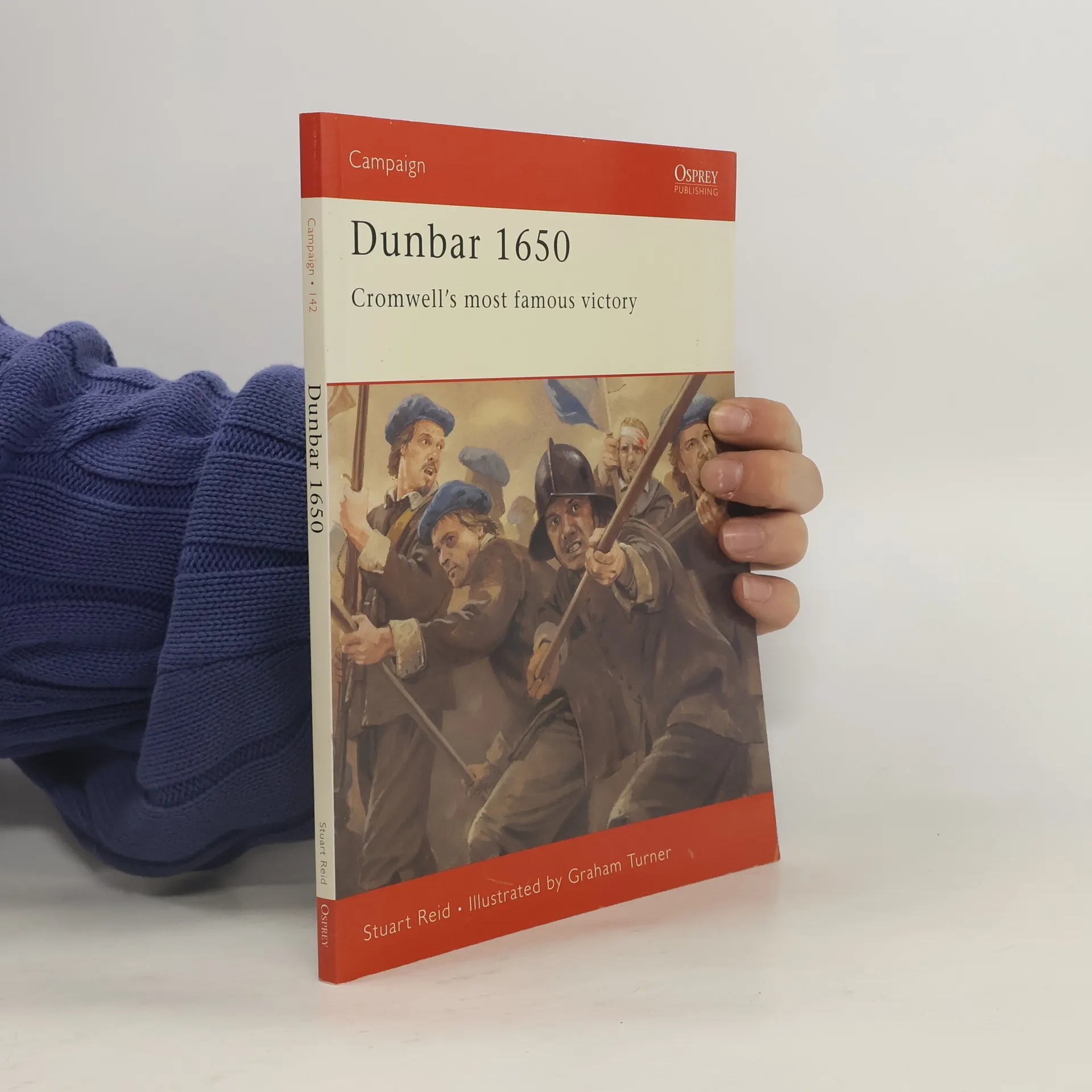
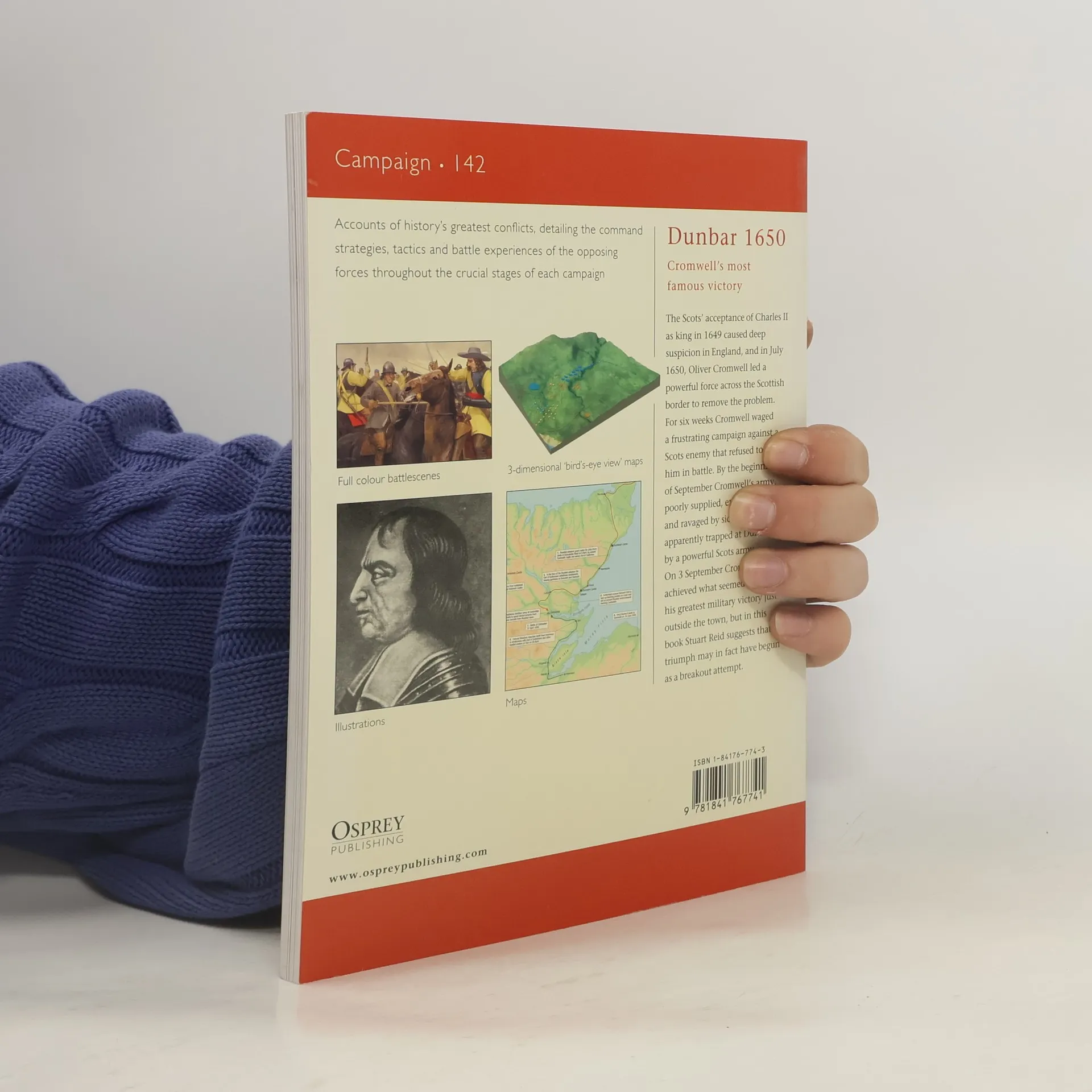
Osprey's study of the most famous battle of the Third English Civil War (1649-1651). Having already allied with his father, the Scots' acceptance of Charles II as king in 1649 caused deep suspicion in England. In July 1650, Oliver Cromwell led a powerful force across the Scottish border to remove the problem. For six weeks Cromwell waged a frustrating campaign against a Scots enemy that refused to meet him in battle. By the beginning of September Cromwell's army, poorly supplied, exhausted and ravaged by sickness, was apparently trapped at Dunbar by a powerful Scots army. On 3 September he won his greatest military victory just outside the town, but in this book Stuart Reid suggests that his triumph may in fact have begun as a breakout attempt.
Achat du livre
Campaign - 142: Dunbar 1650, Stuart Reid, Graham Turner
- Langue

- Année de publication
- 2004
- Reliure
- (souple)
Modes de paiement
Il manque plus que ton avis ici.
- Titre
- Campaign - 142: Dunbar 1650
- Sous-titre
- Cromwell’s Most Famous Victory
- Langue
- Anglais
- Auteurs
- Stuart Reid, Graham Turner
- Éditeur
- Osprey Publishing
- Publié
- 2004
- Format
- souple
- Pages
- 96
- ISBN10
- 1841767743
- ISBN13
- 9781841767741
- Séries
- Catégories
- Mots clés
- Thème historique, Europe, Grande-Bretagne, Histoire de l'Europe, Écosse, Stratégie, Batailles, Invasions, Parlement, Infanterie
- Évaluation
- 3,75 sur 5
- Description
- Osprey's study of the most famous battle of the Third English Civil War (1649-1651). Having already allied with his father, the Scots' acceptance of Charles II as king in 1649 caused deep suspicion in England. In July 1650, Oliver Cromwell led a powerful force across the Scottish border to remove the problem. For six weeks Cromwell waged a frustrating campaign against a Scots enemy that refused to meet him in battle. By the beginning of September Cromwell's army, poorly supplied, exhausted and ravaged by sickness, was apparently trapped at Dunbar by a powerful Scots army. On 3 September he won his greatest military victory just outside the town, but in this book Stuart Reid suggests that his triumph may in fact have begun as a breakout attempt.