

Paramètres
- 225pages
- 8 heures de lecture
En savoir plus sur le livre
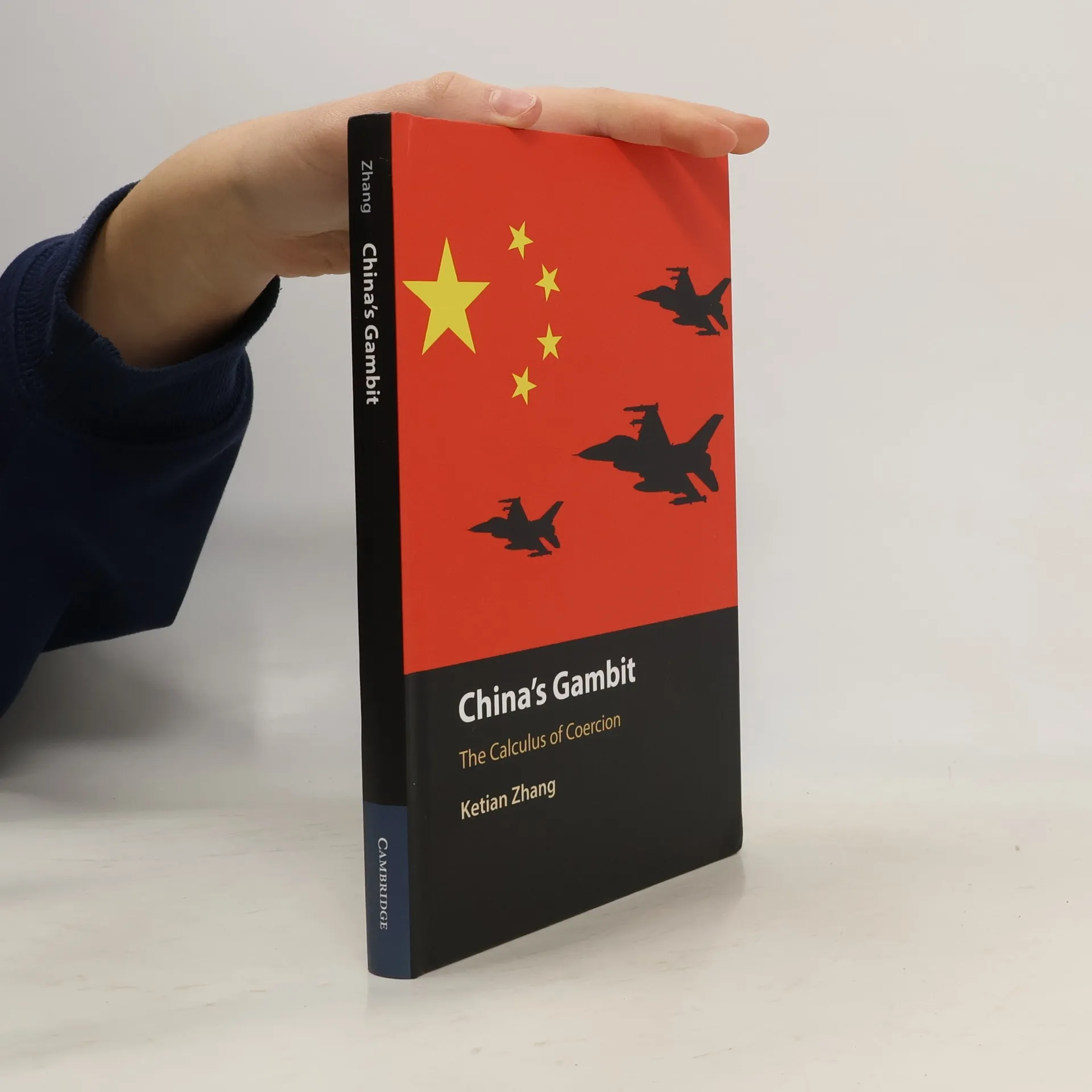
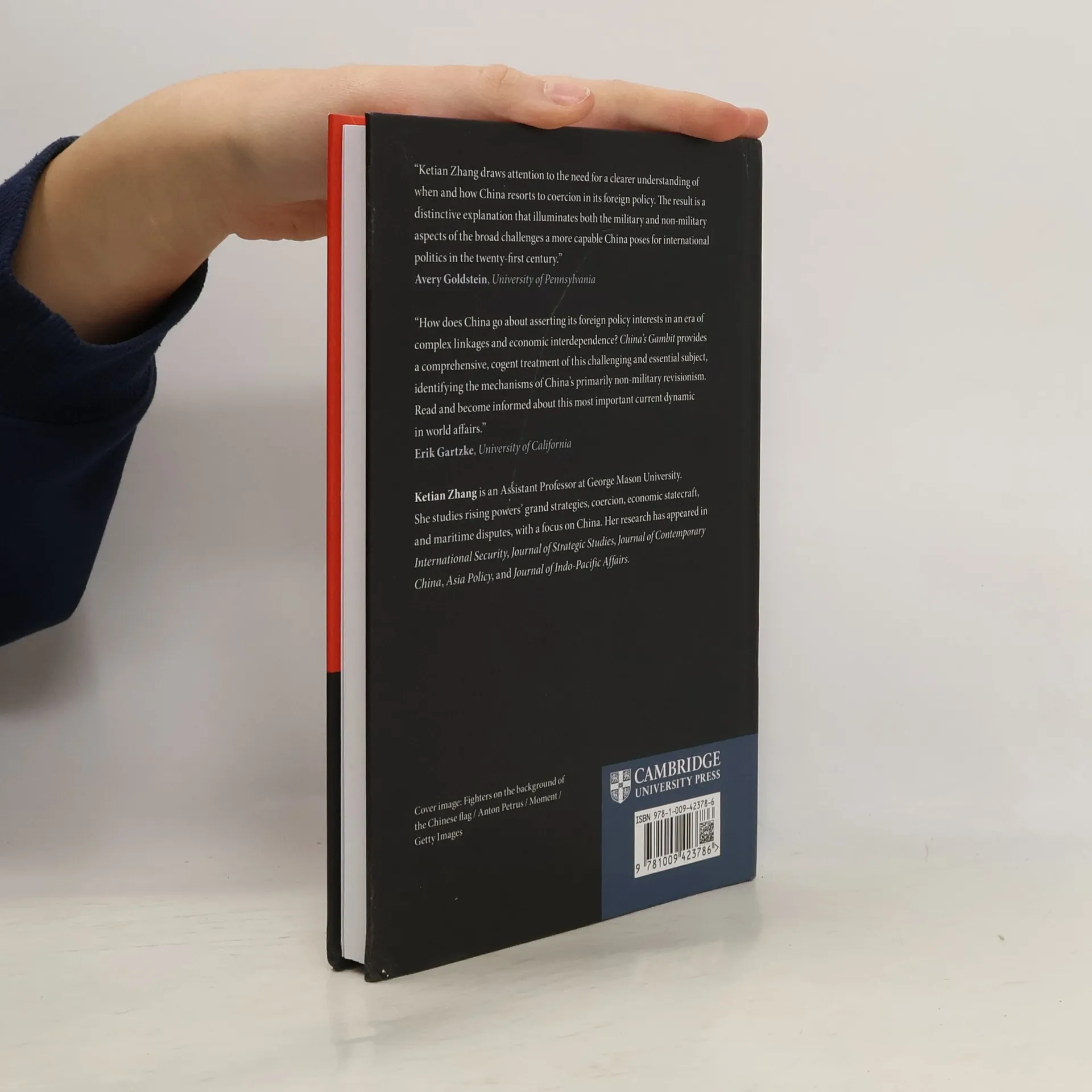
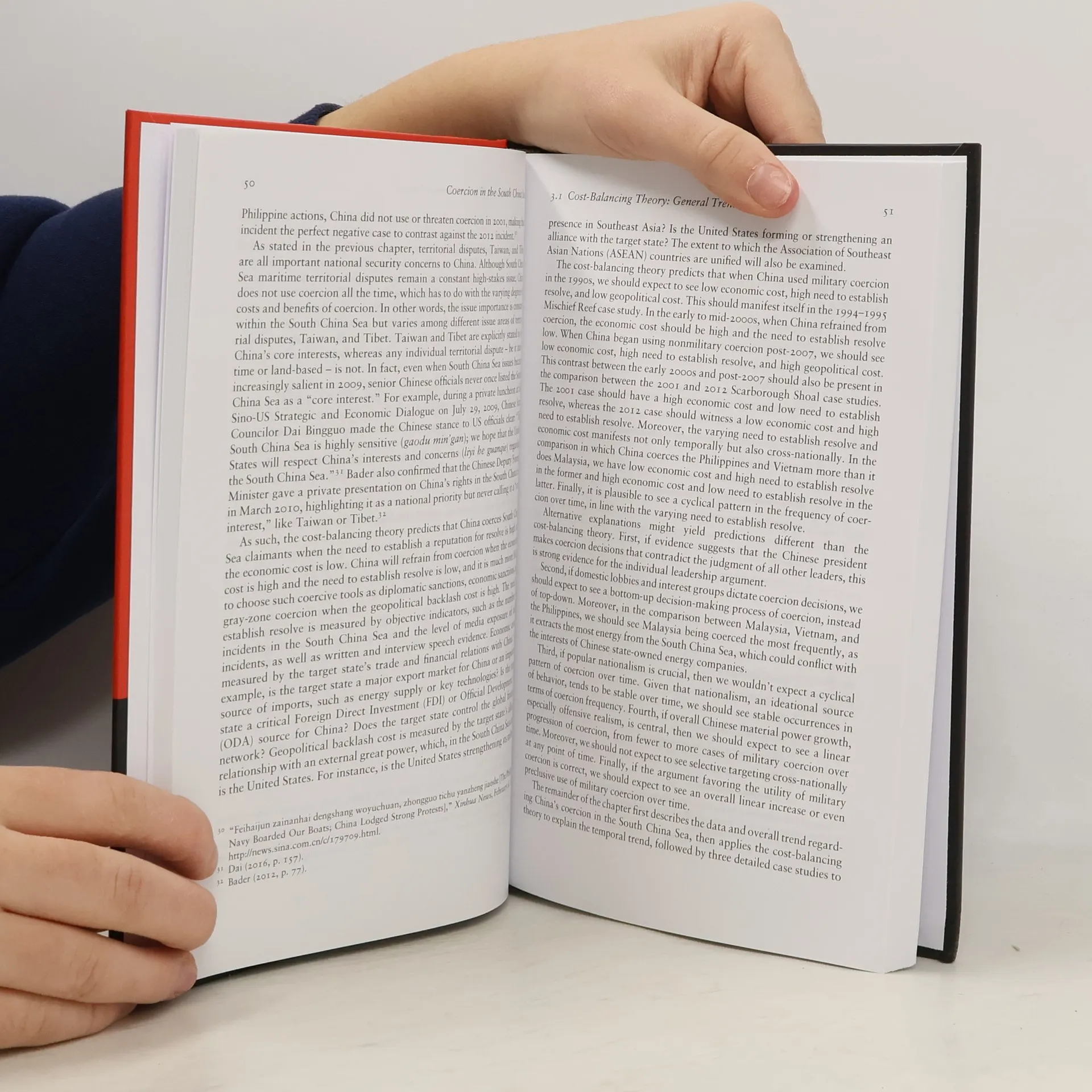
Emerging from an award-winning article in International Security, China's Gambit examines when, why, and how China attempts to coerce states over perceived threats to its national security. Since 1990, China has used coercion for territorial disputes and issues related to Taiwan and Tibet, yet China is curiously selective in the timing, target, and tools of coercion. This book offers a new and generalizable cost-balancing theory to explain states' coercion decisions. It demonstrates that China does not coerce frequently and uses military coercion less when it becomes stronger, resorting primarily to non-militarized tools. Leveraging rich empirical evidence, including primary Chinese documents and interviews with Chinese and foreign officials, this book explains how contemporary rising powers translate their power into influence and offers a new framework for explaining states' coercion decisions in an era of economic interdependence, particularly how contemporary global economic interdependence affects rising powers' foreign security policies.
Achat du livre
China's Gambit, Ketian Zhang
- Langue

- Année de publication
- 2023
- Reliure
- (rigide)
Modes de paiement
Il manque plus que ton avis ici.
- Titre
- China's Gambit
- Sous-titre
- The Calculus of Coercion
- Langue
- Anglais
- Auteurs
- Ketian Zhang
- Éditeur
- Cambridge University Press
- Publié
- 2023
- Format
- rigide
- Pages
- 225
- ISBN10
- 1009423789
- ISBN13
- 9781009423786
- Séries
- Catégories
- Mots clés
- Thème historique, Commerce, Politique, Chine, Théories politiques, Relations internationales, Géopolitique
- Évaluation
- 3,6 sur 5
- Description
- Emerging from an award-winning article in International Security, China's Gambit examines when, why, and how China attempts to coerce states over perceived threats to its national security. Since 1990, China has used coercion for territorial disputes and issues related to Taiwan and Tibet, yet China is curiously selective in the timing, target, and tools of coercion. This book offers a new and generalizable cost-balancing theory to explain states' coercion decisions. It demonstrates that China does not coerce frequently and uses military coercion less when it becomes stronger, resorting primarily to non-militarized tools. Leveraging rich empirical evidence, including primary Chinese documents and interviews with Chinese and foreign officials, this book explains how contemporary rising powers translate their power into influence and offers a new framework for explaining states' coercion decisions in an era of economic interdependence, particularly how contemporary global economic interdependence affects rising powers' foreign security policies.