

Épuisé


Paramètres
- 366pages
- 13 heures de lecture
En savoir plus sur le livre
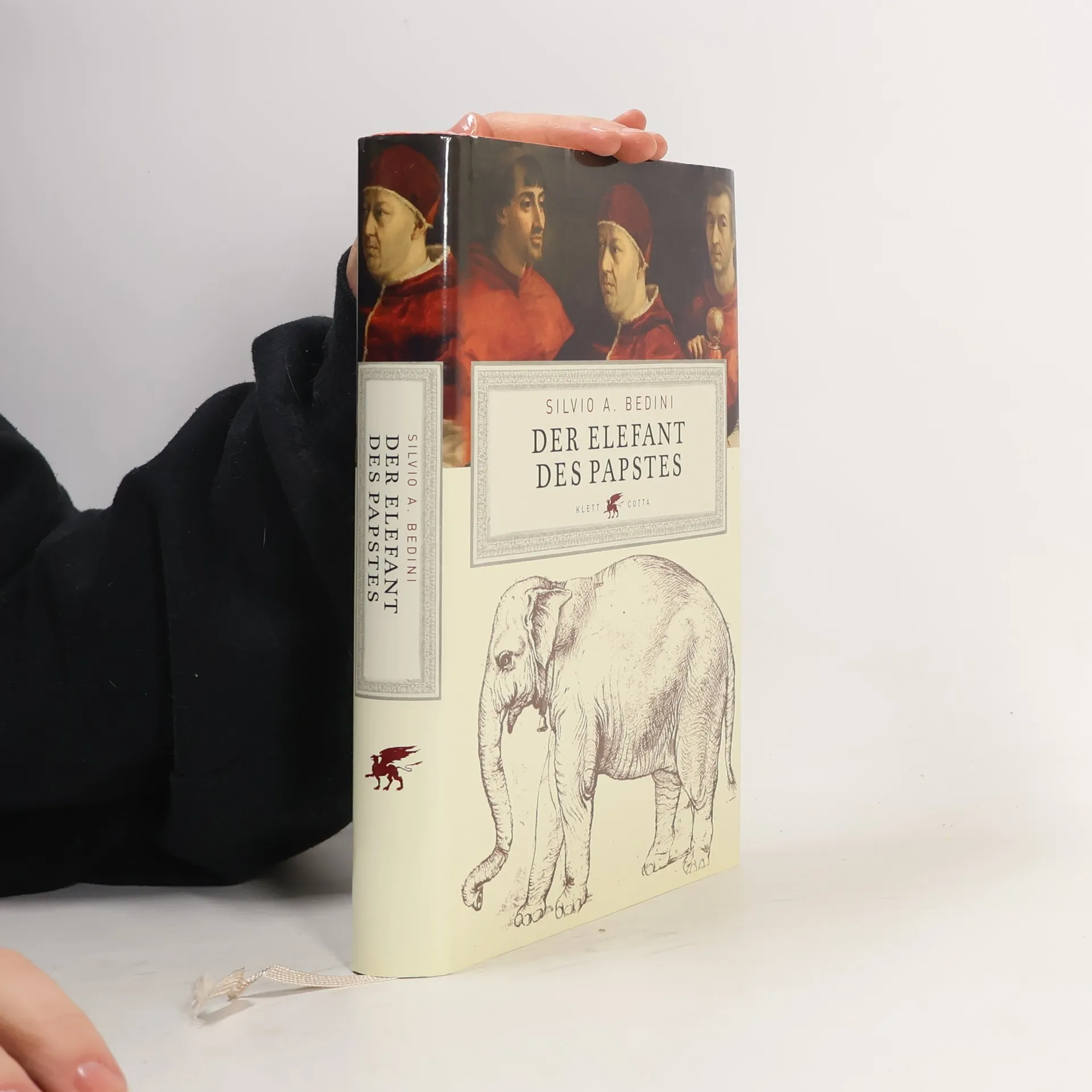
Rome, 1514. It is the high summer of the Italian Renaissance. The Turks have extinguished Constantinople, Rome's thousand-year rival. The ships of Portugal and Spain are gaining access to "new" worlds both east and west. Architects, craftsmen and artists - Bramante, Michelangelo and Raphael among themswarm for commissions to rebuild and embellish the long-derelict city. The Eternal City is once again the undisputed center of Christendom. So what on earth is the pope doing with a baby white elephant? In this tour de force of original scholarship, Silvio Bedini gives us an elephant's-back view of early modern Europe unlike any we have seen before.
Achat du livre
Der Elefant des Papstes, Klaus Kochmann, Silvio A. Bedini
- Langue

- Année de publication
- 2006
- Reliure
- (rigide)
Nous vous informerons par e-mail dès que nous l’aurons retrouvé.
Modes de paiement
Il manque plus que ton avis ici.
- Titre
- Der Elefant des Papstes
- Langue
- Allemand
- Auteurs
- Klaus Kochmann, Silvio A. Bedini
- Éditeur
- Klett-Cotta Verlag
- Publié
- 2006
- Format
- rigide
- Pages
- 366
- ISBN10
- 3608940251
- ISBN13
- 9783608940251
- Séries
- Catégories
- Mots clés
- Thème historique, La nature, Thèmes religieux, Animaux, Thèmes chrétiens, Italie, Europe du Sud, Histoire de l'art
- Évaluation
- 3 sur 5
- Description
- Rome, 1514. It is the high summer of the Italian Renaissance. The Turks have extinguished Constantinople, Rome's thousand-year rival. The ships of Portugal and Spain are gaining access to "new" worlds both east and west. Architects, craftsmen and artists - Bramante, Michelangelo and Raphael among themswarm for commissions to rebuild and embellish the long-derelict city. The Eternal City is once again the undisputed center of Christendom. So what on earth is the pope doing with a baby white elephant? In this tour de force of original scholarship, Silvio Bedini gives us an elephant's-back view of early modern Europe unlike any we have seen before.