


Évaluation du livre
Paramètres
- 224pages
- 8 heures de lecture
En savoir plus sur le livre
Whether or not you are trained as an addictions specialist, you will encounter addictions issues during the course of your career. Learning how to approach these patients should lessen the anxiety that comes from not knowing how to manage their problems. The book is a brief and practical introduction to diagnosis and intervention with substance-abusing clients. Each chapter uses brief vignettes to illustrate concepts, and tables or figures to clarify material. Two special populations are featured in this book: those at opposite ends of the age spectrum-adolescence and late life. This book provides reasons for clinicians to be optimistic about their work with patients who abuse substances. In part, this optimism is based on improved scientific understanding of drug and alcohol dependence. Compared to the slow pace of research in the past, knowledge about the brain's role in addictive diseases has accumulated at a rapid pace over the past twenty years. The numbers of psychotherapeutic and pharmacologic interventions have grown as well. This book will be a handy guide for all those in clinical practice.
Achat du livre
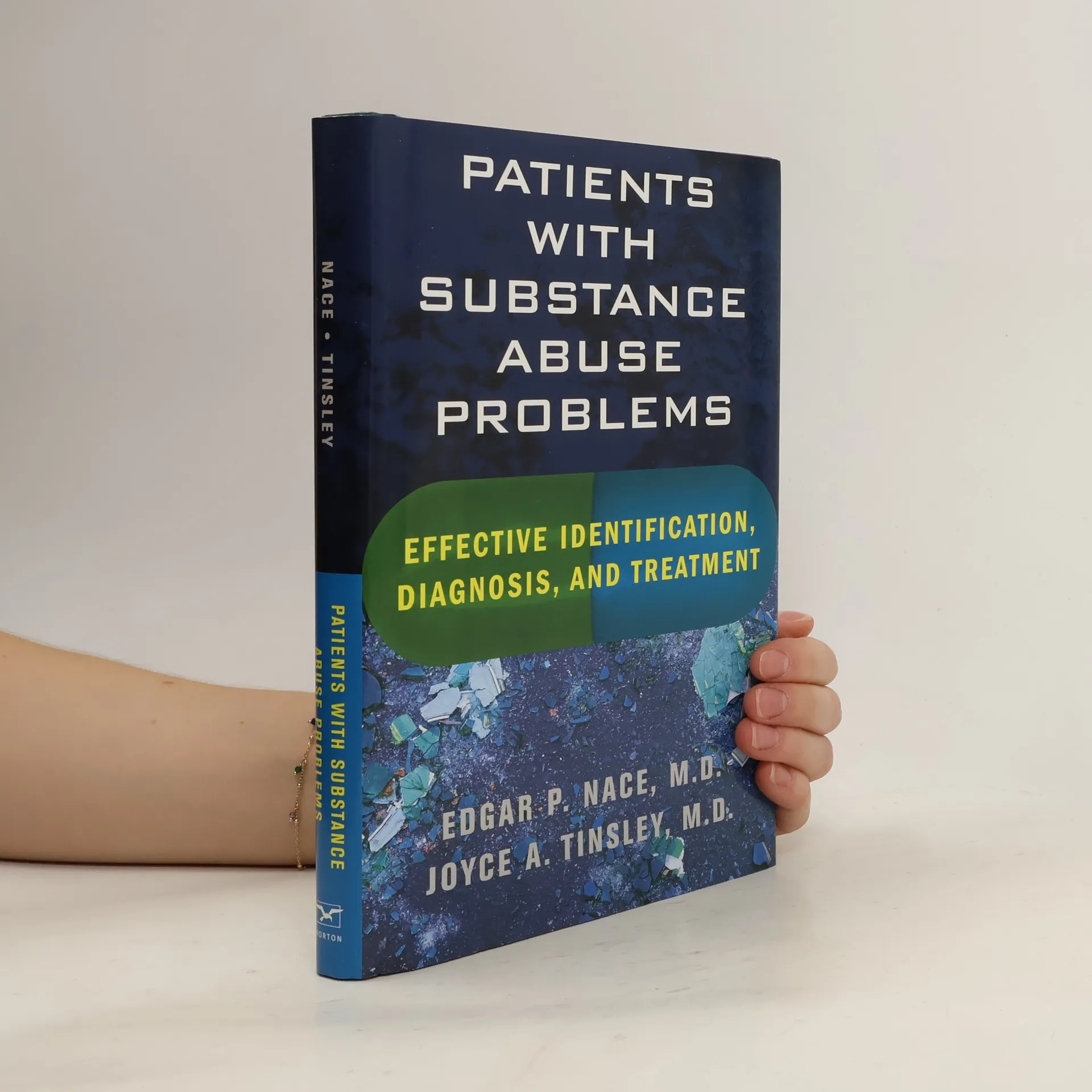
Patients With Substance Abuse Problems, Edgar P. Nace, Joyce A. Tinsley
- Langue

- Année de publication
- 2007
- Reliure
- (rigide)
Modes de paiement
Il manque plus que ton avis ici.
- Titre
- Patients With Substance Abuse Problems
- Sous-titre
- Effective Identification, Diagnosis, And Treatment
- Langue
- Anglais
- Auteurs
- Edgar P. Nace, Joyce A. Tinsley
- Éditeur
- W. W. Norton & Company
- Publié
- 2007
- Format
- rigide
- Pages
- 224
- ISBN10
- 0393705110
- ISBN13
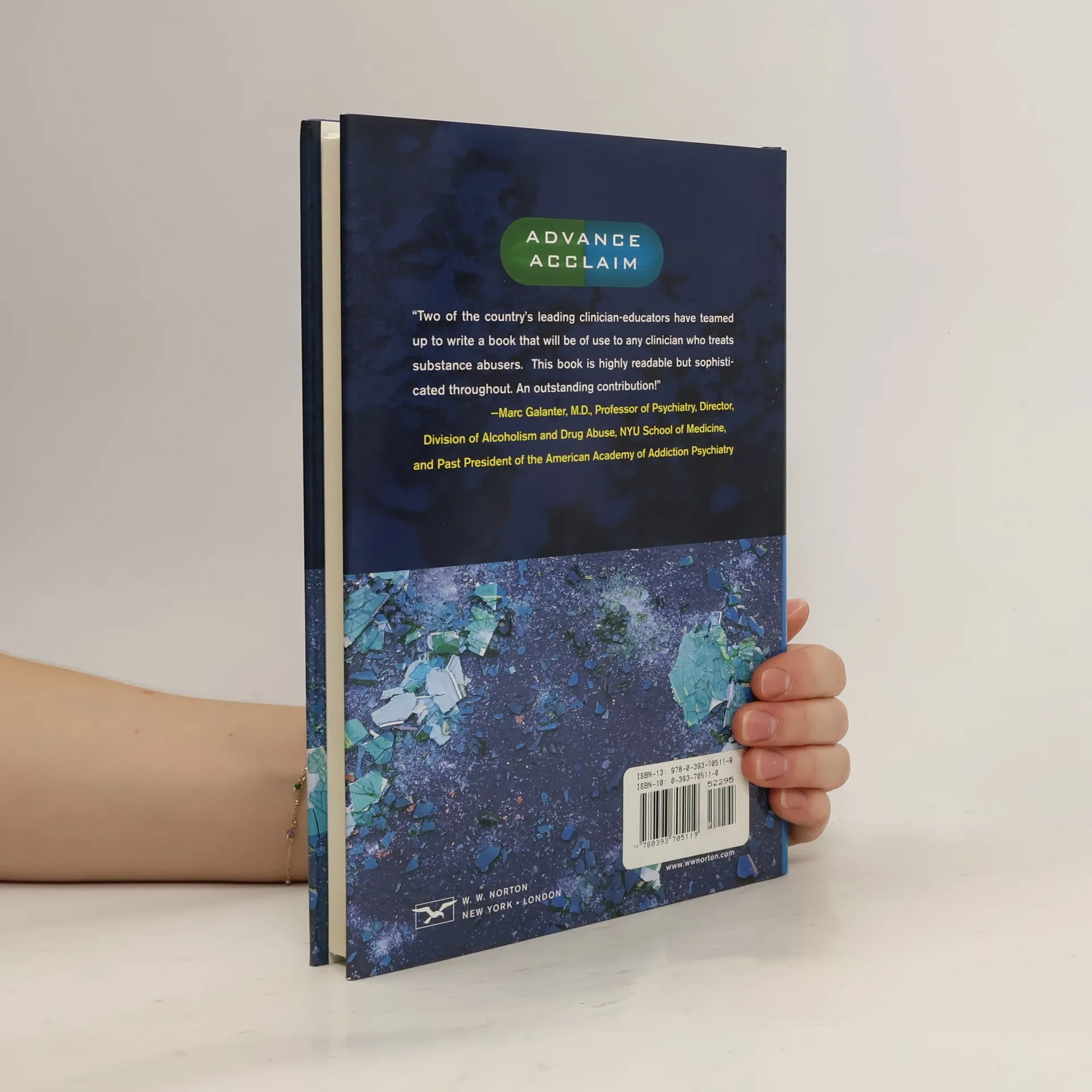
- 9780393705119
- Séries
- Catégories
- Mots clés
- Santé & Médecine, Thèmes psychologiques, Santé, Santé mentale
- Évaluation
- 3,35 sur 5
- Description
- Whether or not you are trained as an addictions specialist, you will encounter addictions issues during the course of your career. Learning how to approach these patients should lessen the anxiety that comes from not knowing how to manage their problems. The book is a brief and practical introduction to diagnosis and intervention with substance-abusing clients. Each chapter uses brief vignettes to illustrate concepts, and tables or figures to clarify material. Two special populations are featured in this book: those at opposite ends of the age spectrum-adolescence and late life. This book provides reasons for clinicians to be optimistic about their work with patients who abuse substances. In part, this optimism is based on improved scientific understanding of drug and alcohol dependence. Compared to the slow pace of research in the past, knowledge about the brain's role in addictive diseases has accumulated at a rapid pace over the past twenty years. The numbers of psychotherapeutic and pharmacologic interventions have grown as well. This book will be a handy guide for all those in clinical practice.