

En savoir plus sur le livre
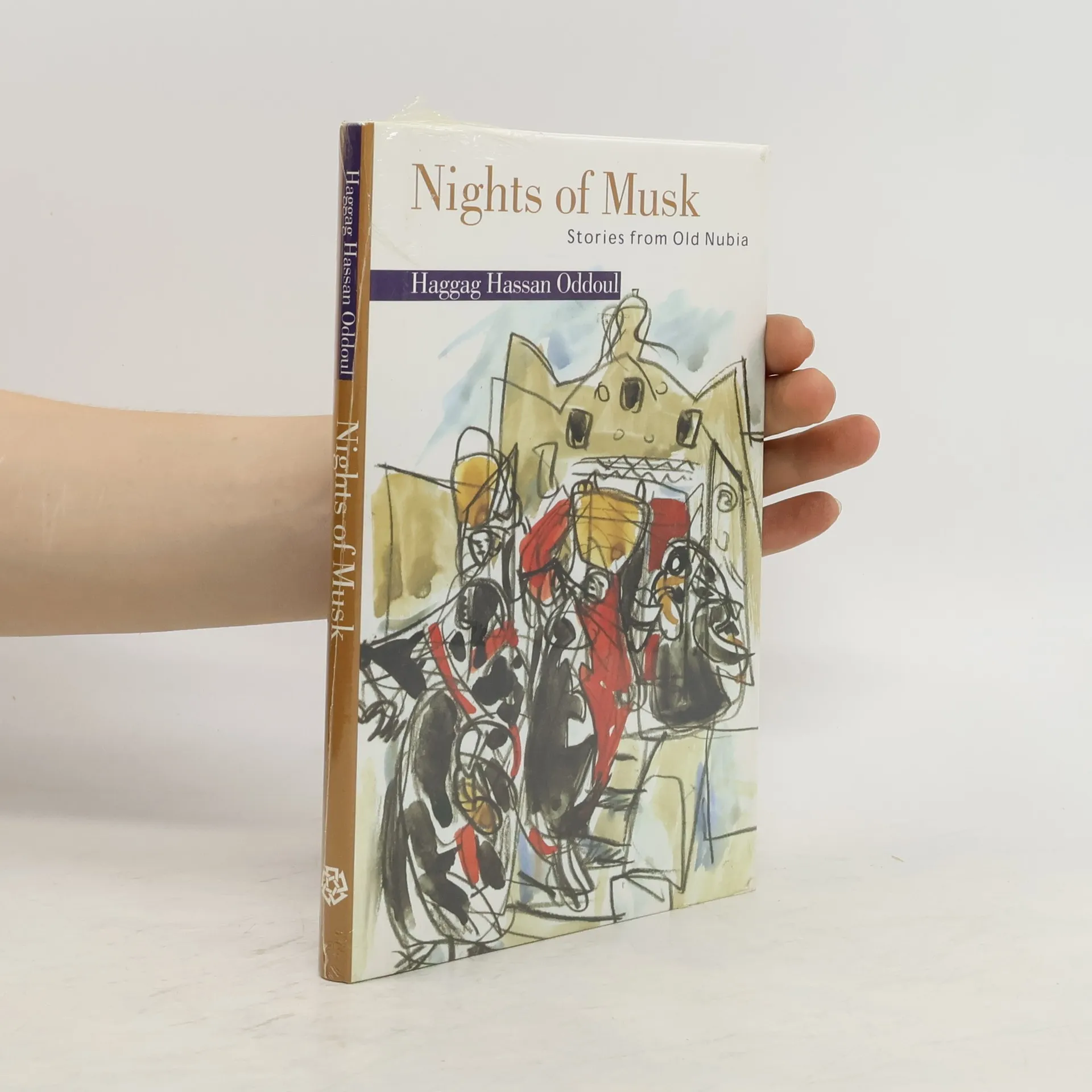
Haggag Oddoul's work documents the personal tragedy of individuals caught up in massive social transformation while casting a nostalgic light on the heritage and way of life of the Nubians: their rhythmic dancing, their beautiful women, the lively humor of their elders, and the enormous centrality of their traditions and the spirits with which they shared the environment. Two stories in this collection, "Zeinab Uburty" and "Nights of Musk," offer a bucolic and dream-like insight into the world that has disappeared forever under the water behind the dam. Meanwhile, two other stories, "Adila, Grandmother" and "The River People," document the departure of the men, while the women are left behind to go fallow, and the second and third generations born in the cities of the north have only their grandmother's tales and her pigeon Arabic to remind them of their heritage.
Achat du livre
Nights of Musk, Collectif d'auteurs
- Langue

- Année de publication
- 2005
- Reliure
- (rigide)
Modes de paiement
Il manque plus que ton avis ici.
- Titre
- Nights of Musk
- Langue
- Anglais
- Auteurs
- Collectif d'auteurs
- Publié
- 2005
- Format
- rigide
- Pages
- 128
- ISBN10
- 9774248945
- ISBN13
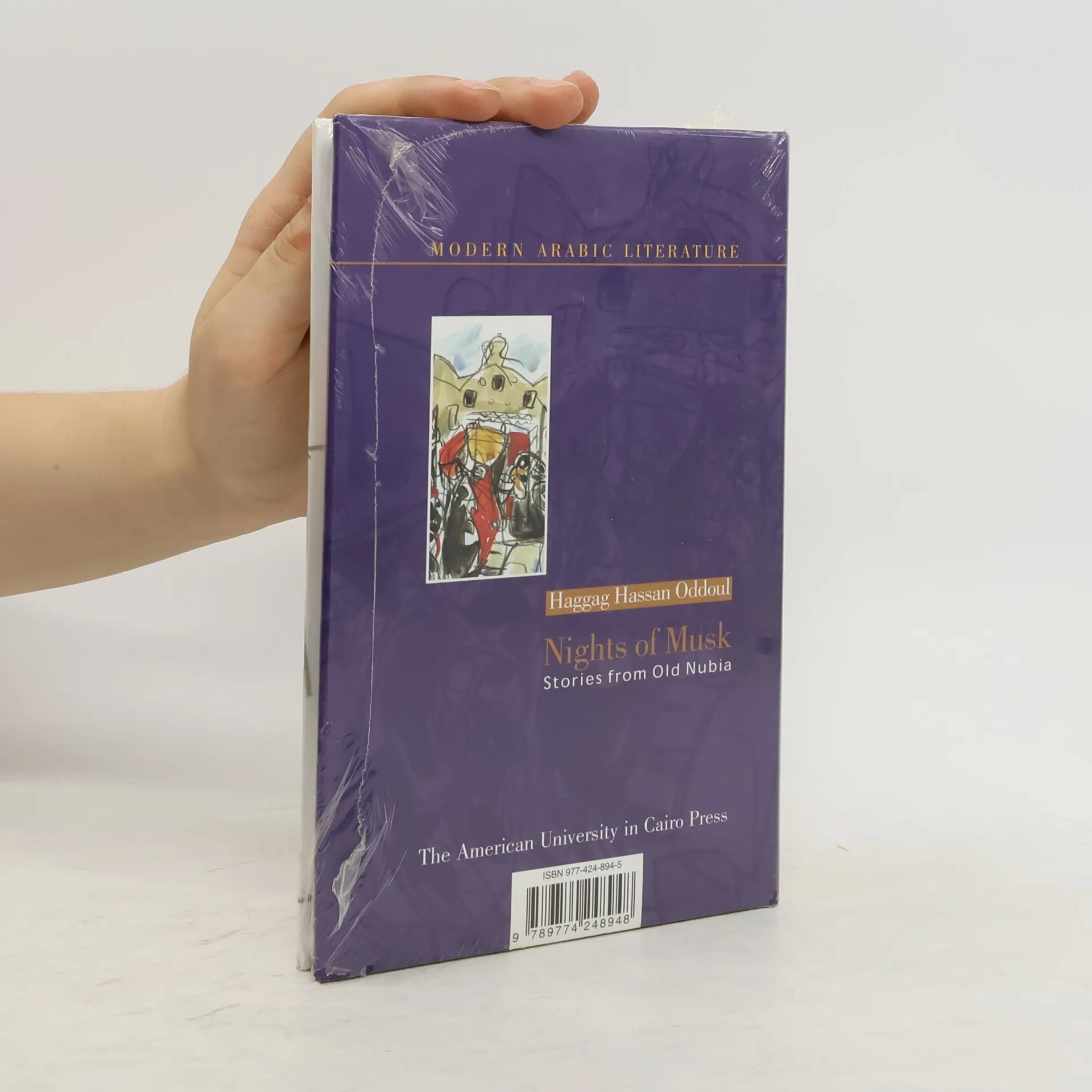
- 9789774248948
- Séries
- Catégories
- Mots clés
- Littérature mondiale
- Évaluation
- 4,15 sur 5
- Description
- Haggag Oddoul's work documents the personal tragedy of individuals caught up in massive social transformation while casting a nostalgic light on the heritage and way of life of the Nubians: their rhythmic dancing, their beautiful women, the lively humor of their elders, and the enormous centrality of their traditions and the spirits with which they shared the environment. Two stories in this collection, "Zeinab Uburty" and "Nights of Musk," offer a bucolic and dream-like insight into the world that has disappeared forever under the water behind the dam. Meanwhile, two other stories, "Adila, Grandmother" and "The River People," document the departure of the men, while the women are left behind to go fallow, and the second and third generations born in the cities of the north have only their grandmother's tales and her pigeon Arabic to remind them of their heritage.