


En savoir plus sur le livre
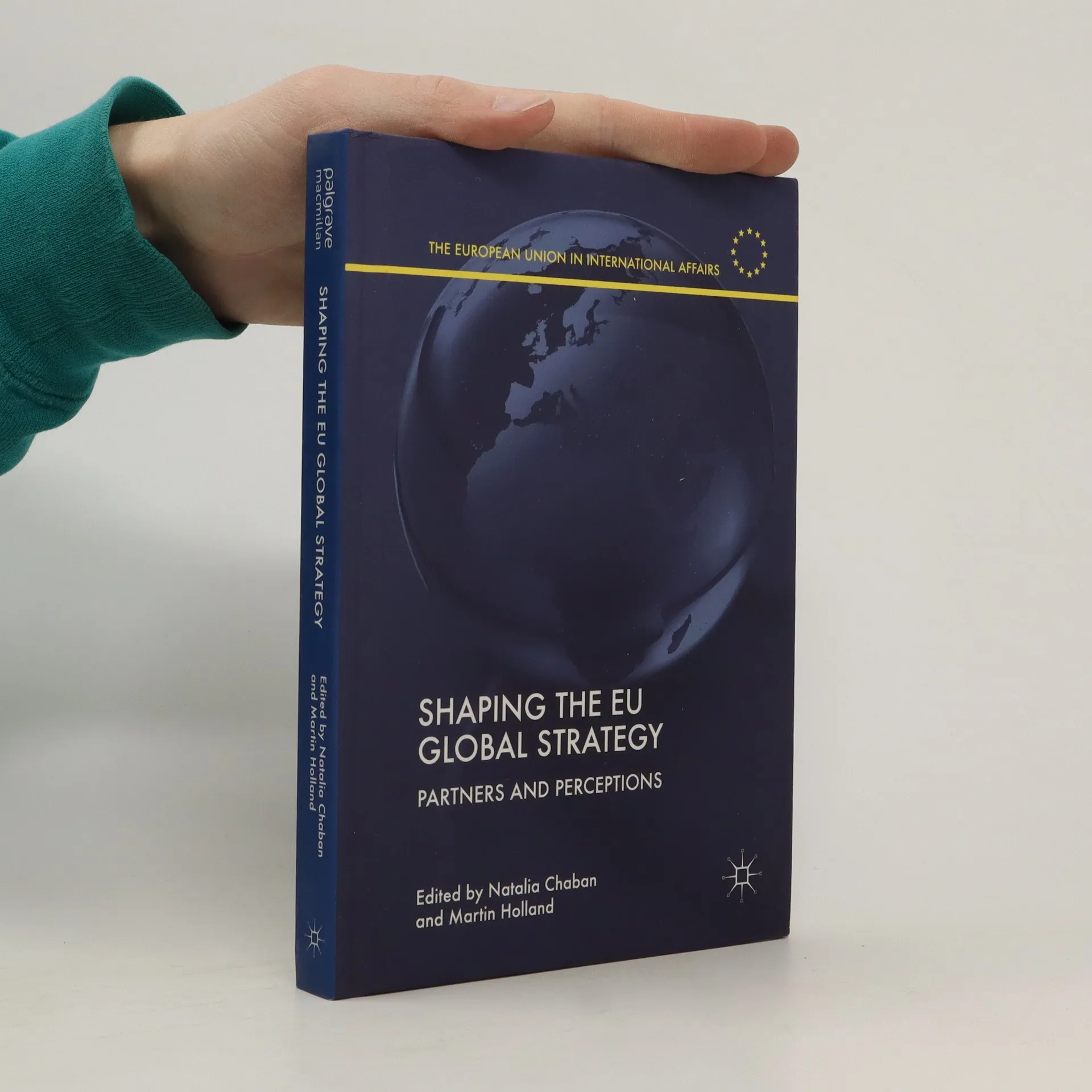
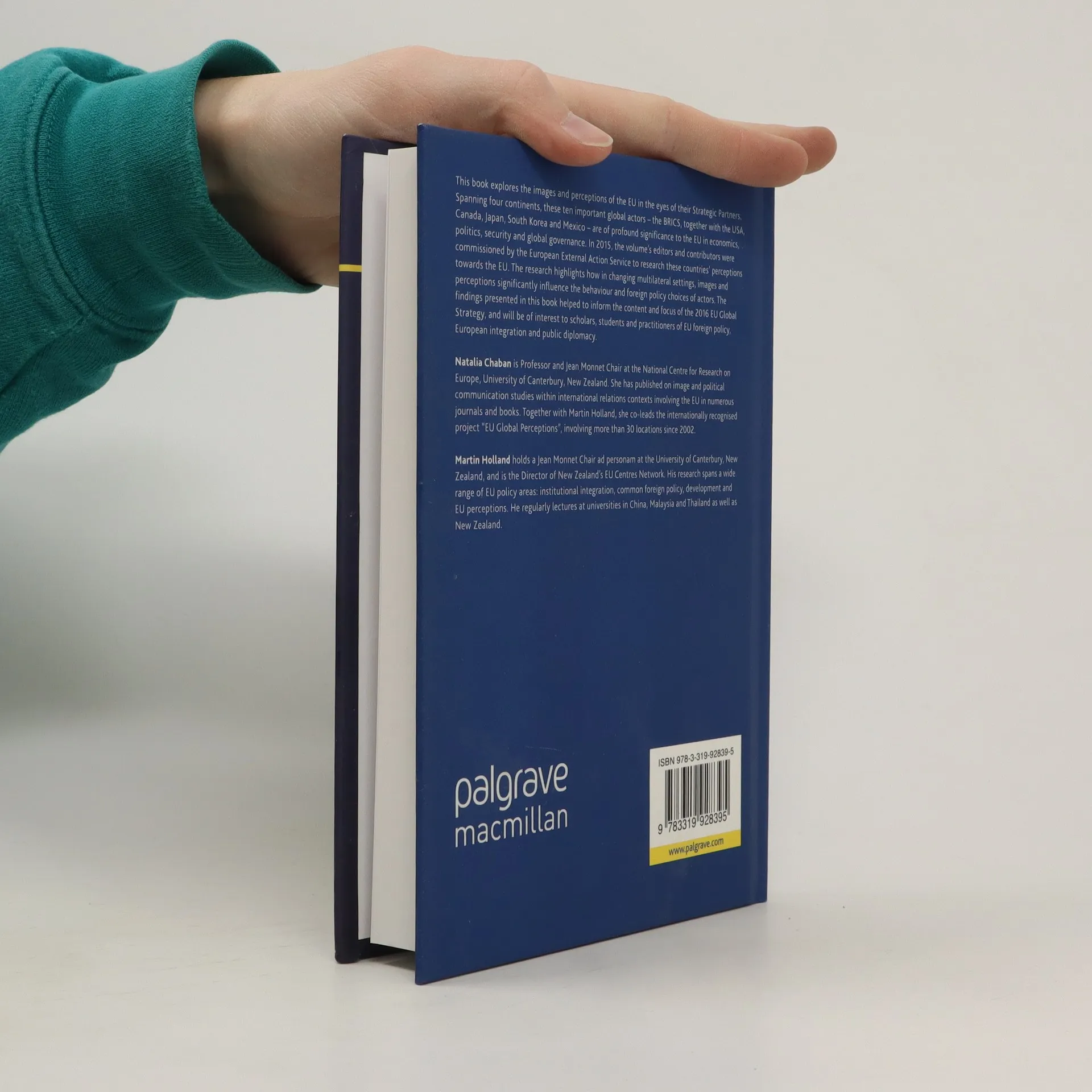
This book explores the images and perceptions of the EU in the eyes of their Strategic Partners. Spanning four continents, these ten important global actors – the BRICS together with the USA, Canada, Japan, South Korea and Mexico – are of profound significance to the EU in economics, politics, security and global governance. In 2015, the volume’s editors and contributors were commissioned by the European External Action Service to research these countries’ perceptions towards the EU. The research highlights how in changing multilateral settings, images and perceptions significantly influence the behaviour and foreign policy choices of actors. The findings presented in this book helped to inform the content and focus of the 2016 EU Global Strategy, and will be of interest to scholars, students and practitioners of EU foreign policy, European integration and public diplomacy.
Achat du livre
Shaping the EU global strategy : Partners and perceptions, Natalia Chaban, Martin Holland
- Langue

- Année de publication
- 2019
- Reliure
- (rigide)
Modes de paiement
Personne n'a encore évalué .
- Titre
- Shaping the EU global strategy : Partners and perceptions
- Langue
- Anglais
- Auteurs
- Natalia Chaban, Martin Holland
- Éditeur
- Palgrave Macmillan
- Publié
- 2019
- Format
- rigide
- Pages
- 289
- ISBN10
- 3319928392
- ISBN13
- 9783319928395
- Séries
- Mots clés
- Cadeaux pour papy
- Description
- This book explores the images and perceptions of the EU in the eyes of their Strategic Partners. Spanning four continents, these ten important global actors – the BRICS together with the USA, Canada, Japan, South Korea and Mexico – are of profound significance to the EU in economics, politics, security and global governance. In 2015, the volume’s editors and contributors were commissioned by the European External Action Service to research these countries’ perceptions towards the EU. The research highlights how in changing multilateral settings, images and perceptions significantly influence the behaviour and foreign policy choices of actors. The findings presented in this book helped to inform the content and focus of the 2016 EU Global Strategy, and will be of interest to scholars, students and practitioners of EU foreign policy, European integration and public diplomacy.