



Paramètres
- 200pages
- 7 heures de lecture
En savoir plus sur le livre
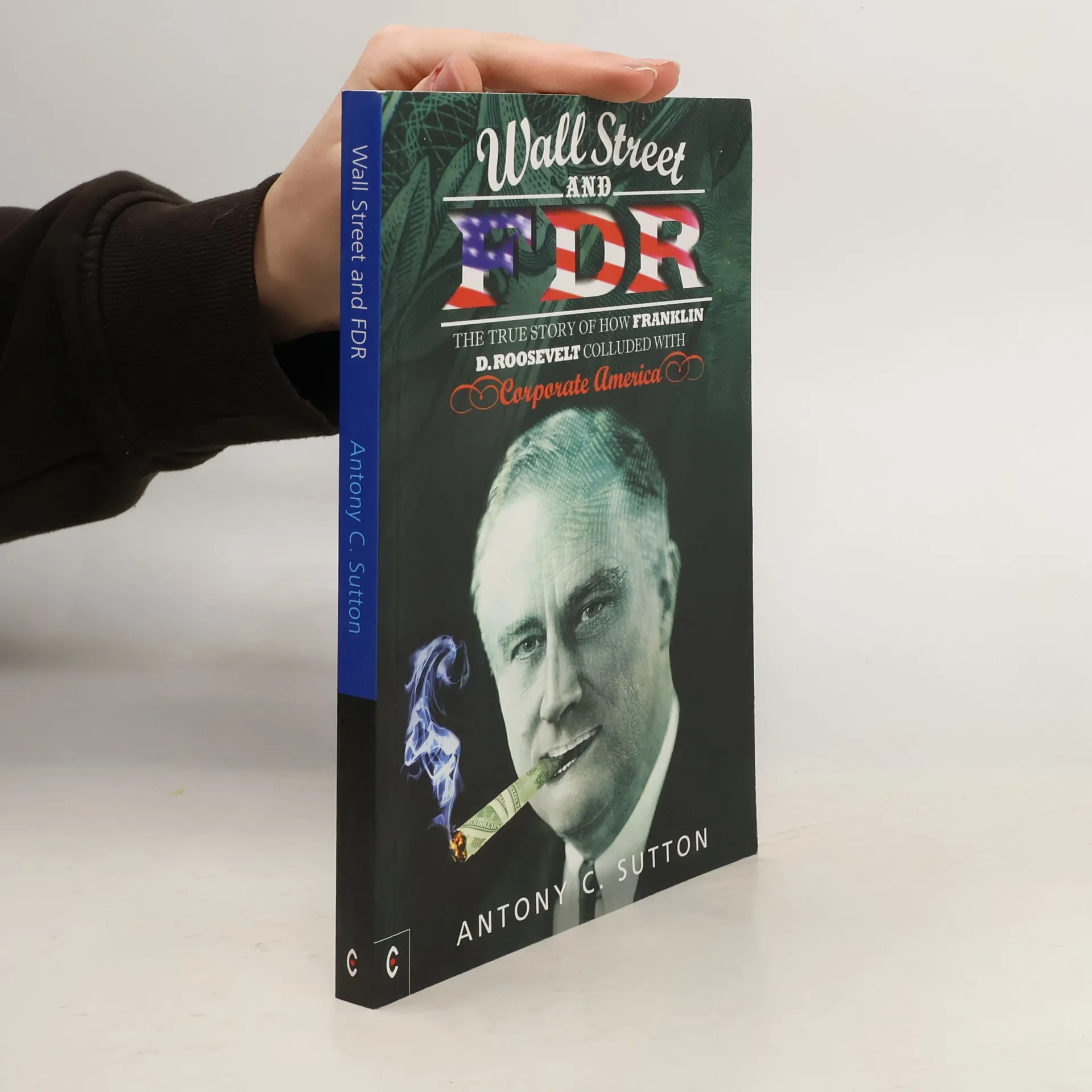
Franklin Delano Roosevelt is frequently described as one of the greatest presidents in American history. He is also remembered for his leadership during the Great Depression and World War II. Antony Sutton challenges this received wisdom, presenting a controversial but convincing analysis. Based on an extensive study of original documents, Sutton concludes that FDR was an elitist who influenced public policy to benefit special interests, including his own; that FDR and his Wall Street colleagues were "corporate socialists" who believed in making society work for their own benefit; and that FDR believed in business but not in free-market economics. This much more than a fascinating historical and political study. Many contemporary parallels can be drawn to Sutton's powerful presentation given the recent banking crises and worldwide governments bolstering of private institutions via the public purse.
Achat du livre
Wall Street and FDR, Antony C. Sutton
- Langue

- Année de publication
- 2013
- Reliure
- (souple)
Modes de paiement
Il manque plus que ton avis ici.
- Titre
- Wall Street and FDR
- Langue
- Anglais
- Auteurs
- Antony C. Sutton
- Éditeur
- Clairview Books
- Publié
- 2013
- Format
- souple
- Pages
- 200
- ISBN10
- 1905570716
- ISBN13
- 9781905570713
- Séries
- Catégories
- Évaluation
- 3,5 sur 5
- Description
- Franklin Delano Roosevelt is frequently described as one of the greatest presidents in American history. He is also remembered for his leadership during the Great Depression and World War II. Antony Sutton challenges this received wisdom, presenting a controversial but convincing analysis. Based on an extensive study of original documents, Sutton concludes that FDR was an elitist who influenced public policy to benefit special interests, including his own; that FDR and his Wall Street colleagues were "corporate socialists" who believed in making society work for their own benefit; and that FDR believed in business but not in free-market economics. This much more than a fascinating historical and political study. Many contemporary parallels can be drawn to Sutton's powerful presentation given the recent banking crises and worldwide governments bolstering of private institutions via the public purse.