


Évaluation du livre
En savoir plus sur le livre
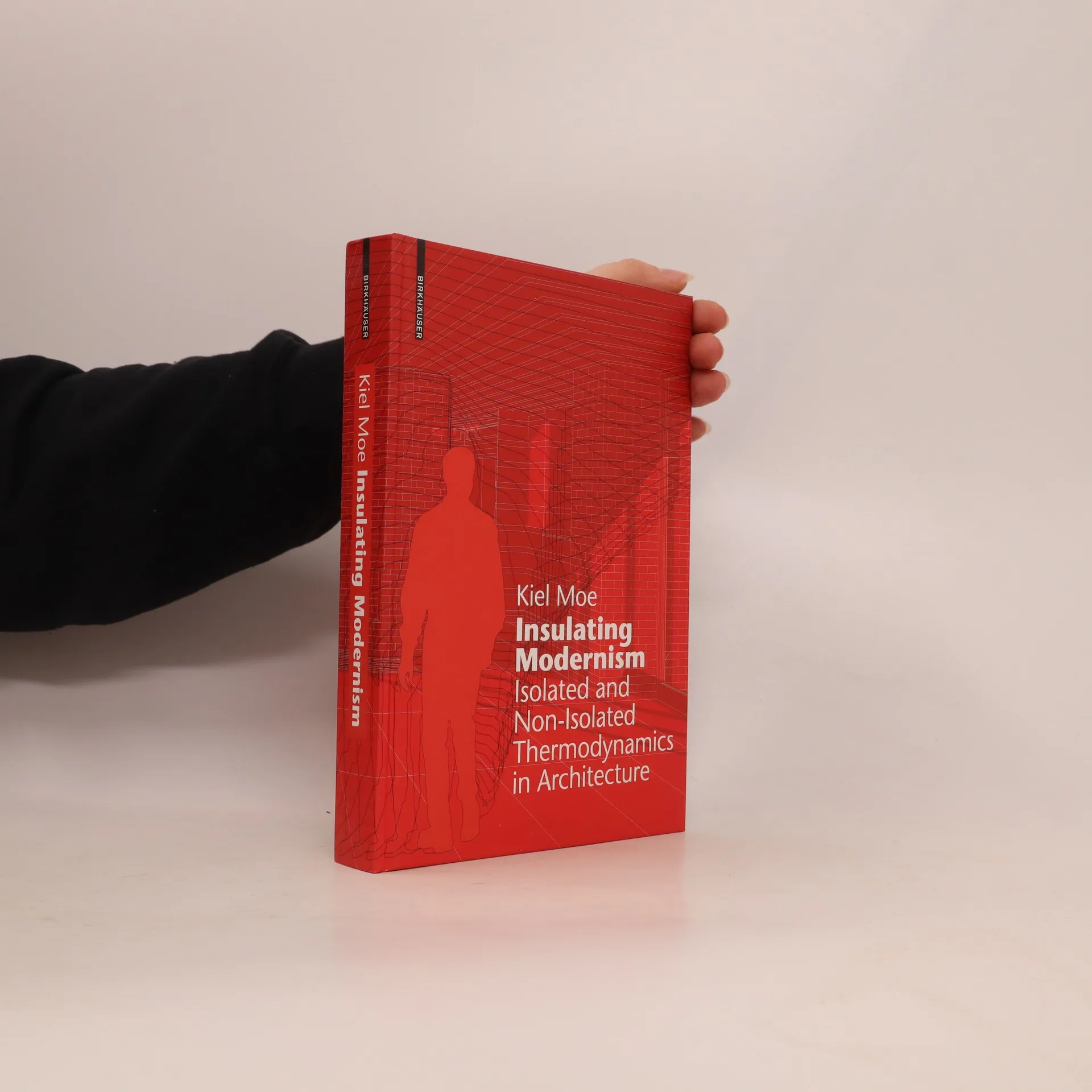
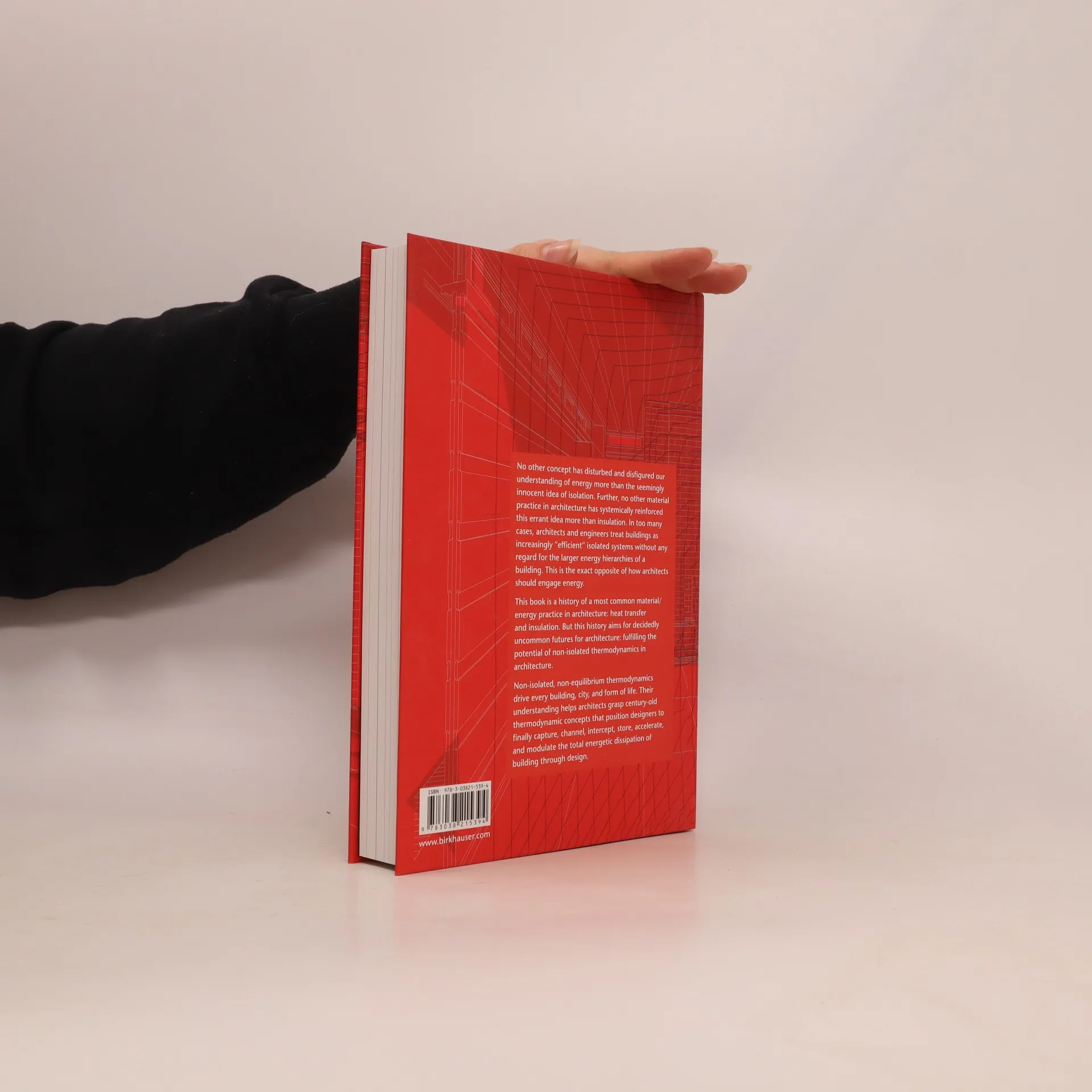
What is the best way to consider energy in buildings? For over a century, the building industry has largely focused on ideas of insulation and isolation for its energetic practices. A growing movement of designers claim that other concepts and practices are required for the non-isolated energy systems of architecture. This book describes the history, theory and facts of the mainstream isolation technologies and the emerging alternative design approaches. It is a book on the scientific, material, and design history of building isolation; but more importantly, it is a book on isolated and non-isolated perspectives on energy in architecture. Written by a registered practicing architect with detailed technical knowledge, who is at the same time a researcher and experienced teacher, the aim is to understand the different scientific, architectural and cultural approaches to energy and to promote a non-isolated perspective: a thermodynamically accurate, ecologically powerful, culturally relevant, and architecturally ambitious perspective on energy in architecture.
Achat du livre
Insulating Modernism. Isolated and Non-isolated Thermodynamics in Architecture, Inc ebrary, Kiel Moe
- Langue

- Année de publication
- 2014
- Reliure
- (rigide)
Modes de paiement
Il manque plus que ton avis ici.
- Titre
- Insulating Modernism. Isolated and Non-isolated Thermodynamics in Architecture
- Langue
- Anglais
- Auteurs
- Inc ebrary, Kiel Moe
- Éditeur
- Birkhäuser
- Publié
- 2014
- Format
- rigide
- Pages
- 320
- ISBN10
- 3038213217
- ISBN13
- 9783038213215
- Séries
- Mots clés
- Beaux-arts
- Évaluation
- 4 sur 5
- Description
- What is the best way to consider energy in buildings? For over a century, the building industry has largely focused on ideas of insulation and isolation for its energetic practices. A growing movement of designers claim that other concepts and practices are required for the non-isolated energy systems of architecture. This book describes the history, theory and facts of the mainstream isolation technologies and the emerging alternative design approaches. It is a book on the scientific, material, and design history of building isolation; but more importantly, it is a book on isolated and non-isolated perspectives on energy in architecture. Written by a registered practicing architect with detailed technical knowledge, who is at the same time a researcher and experienced teacher, the aim is to understand the different scientific, architectural and cultural approaches to energy and to promote a non-isolated perspective: a thermodynamically accurate, ecologically powerful, culturally relevant, and architecturally ambitious perspective on energy in architecture.