



En savoir plus sur le livre
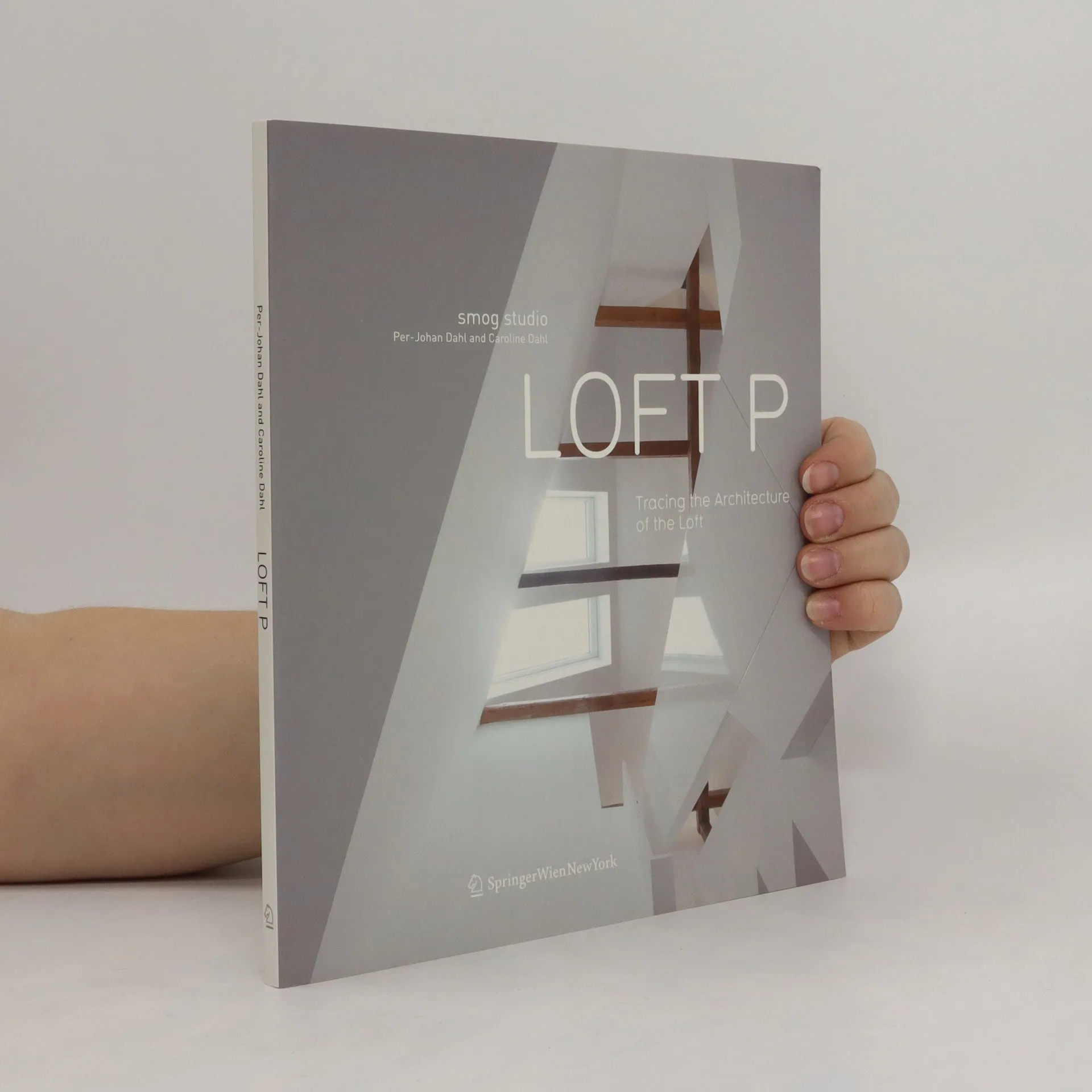
In Loft P Per-Johan and Caroline Dahl draw from their research and practice in architecture and urbanism to extract the spatial typology of the loft. Departuring from the synchronized celebration and critique of Modernism, which spurred the emergence of loft architecture in Lower Manhattan during the 1950s and ‘60s, the book deploys the design and construction of Loft P in Malmö, Sweden, to extrapolate the architectural significance of the loft. The loft became a real estate success in the 1970s that spread beyond New York City, yet, however, often lacking a critical approach to architectural design. By recognizing the historical and theoretical premises of the loft, this book establishes a body of knowledge useful for various fields and practices when engaging the spatial attributes of the loft in contemporary discourse.
Achat du livre
Loft P, Per-Johan Dahl, Caroline Dahl
- Langue

- Année de publication
- 2012
- Reliure
- (souple)
Modes de paiement
Il manque plus que ton avis ici.
- Titre
- Loft P
- Langue
- Anglais
- Auteurs
- Per-Johan Dahl, Caroline Dahl
- Éditeur
- Springer
- Publié
- 2012
- Format
- souple
- Pages
- 78
- ISBN10
- 3709112591
- ISBN13
- 9783709112595
- Séries
- Mots clés
- Architecture
- Évaluation
- 3,5 sur 5
- Description
- In Loft P Per-Johan and Caroline Dahl draw from their research and practice in architecture and urbanism to extract the spatial typology of the loft. Departuring from the synchronized celebration and critique of Modernism, which spurred the emergence of loft architecture in Lower Manhattan during the 1950s and ‘60s, the book deploys the design and construction of Loft P in Malmö, Sweden, to extrapolate the architectural significance of the loft. The loft became a real estate success in the 1970s that spread beyond New York City, yet, however, often lacking a critical approach to architectural design. By recognizing the historical and theoretical premises of the loft, this book establishes a body of knowledge useful for various fields and practices when engaging the spatial attributes of the loft in contemporary discourse.