

Paramètres
- 360pages
- 13 heures de lecture
En savoir plus sur le livre
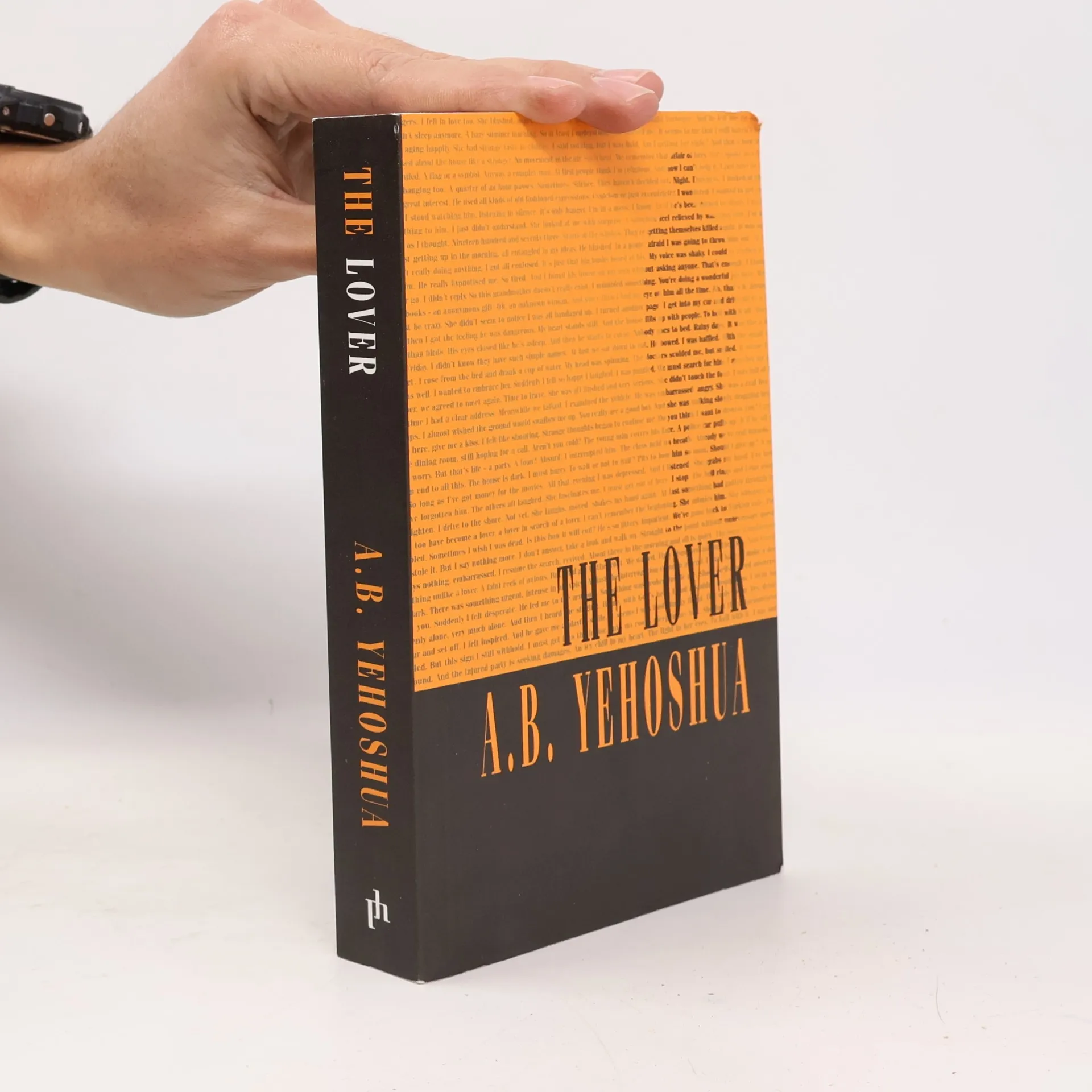
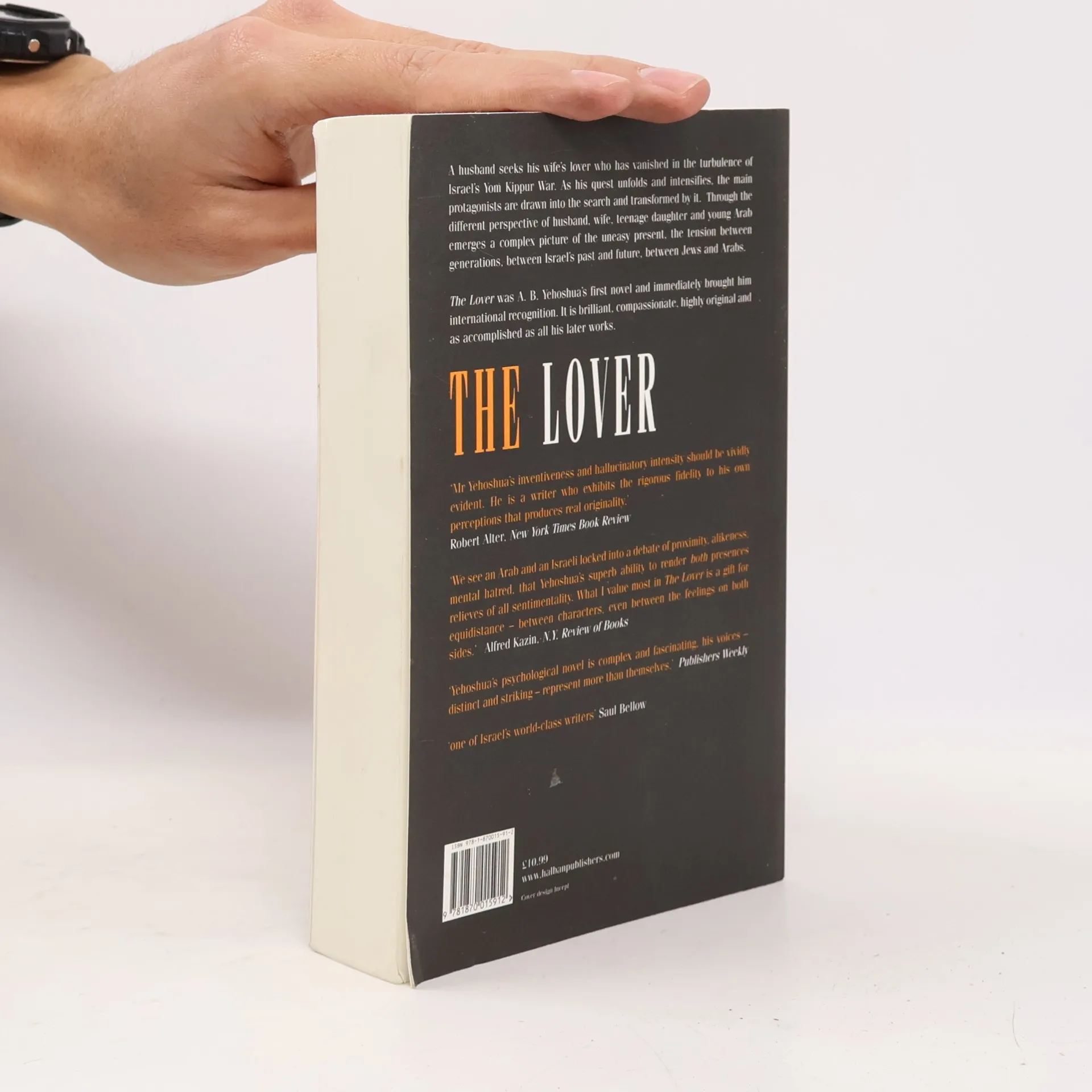
A husband seeks his wife's lover who is lost in the turbulence of Israel's Yom Kippur War. As the story of his quest unfolds and grows in intensity, the main protagonists are drawn into the search and are transformed by it: through the different perspectives of husband, wife, teenage daughter, and young Arab emerges a complex picture of the uneasy present, the tension between generations, between Israel's past and future, between Jews and Arabs. 'We see an Arab and an Israeli locked into a debate of proximity, alikeness, mental hatred, that Yehoshua's superb ability to render both presences relieves of all sentimentality. What I value most in The Lover is a gift for equidistance - between characters, even between the feelings on both sides.' Alfred Kazin, New York Review of Books


Achat du livre
The lover, Avraham B. Jehošua
- Langue

- Année de publication
- 2004
- Reliure
- (souple),
- État du livre
- Bon
- Prix
- 5,29 €
Modes de paiement
Il manque plus que ton avis ici.
- Titre
- The lover
- Langue
- Anglais
- Auteurs
- Avraham B. Jehošua
- Éditeur
- Halban Publishers
- Publié
- 2004
- Format
- souple
- Pages
- 360
- ISBN10
- 1870015916
- ISBN13
- 9781870015912
- Séries
- Mots clés
- Littérature contemporaine, France, Prose de guerre, Littérature française, Asie, Chine, Adapté au cinéma, Littérature juive, Israël, Romans autobiographiques, Amants, Littérature Israélienne, Indochine, Prix Goncourt, Littérature hébraïque
- Première publication
- 1984
- Titre original
- L'Amant
- Évaluation
- 3,7 sur 5
- Description
- A husband seeks his wife's lover who is lost in the turbulence of Israel's Yom Kippur War. As the story of his quest unfolds and grows in intensity, the main protagonists are drawn into the search and are transformed by it: through the different perspectives of husband, wife, teenage daughter, and young Arab emerges a complex picture of the uneasy present, the tension between generations, between Israel's past and future, between Jews and Arabs. 'We see an Arab and an Israeli locked into a debate of proximity, alikeness, mental hatred, that Yehoshua's superb ability to render both presences relieves of all sentimentality. What I value most in The Lover is a gift for equidistance - between characters, even between the feelings on both sides.' Alfred Kazin, New York Review of Books