

En savoir plus sur le livre
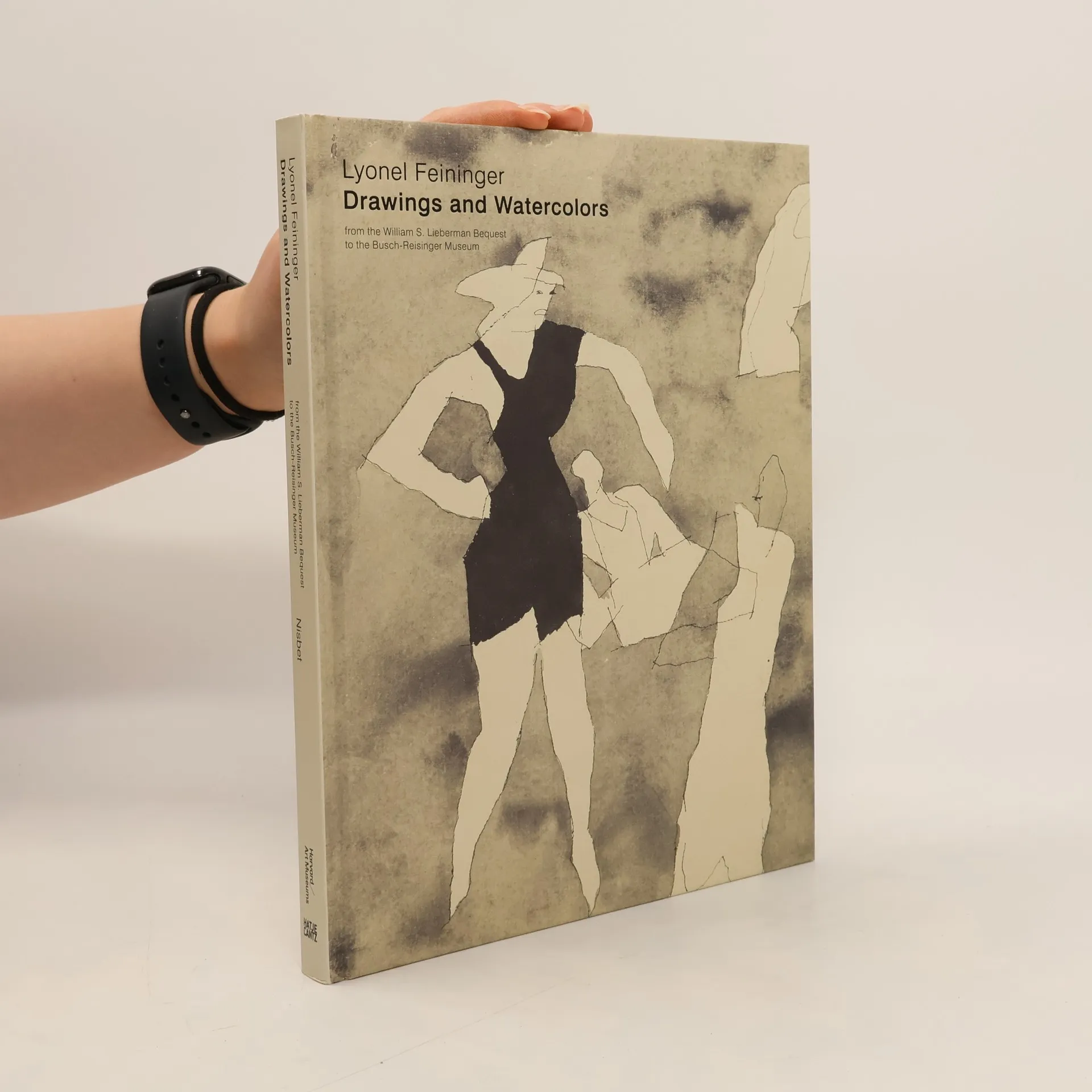
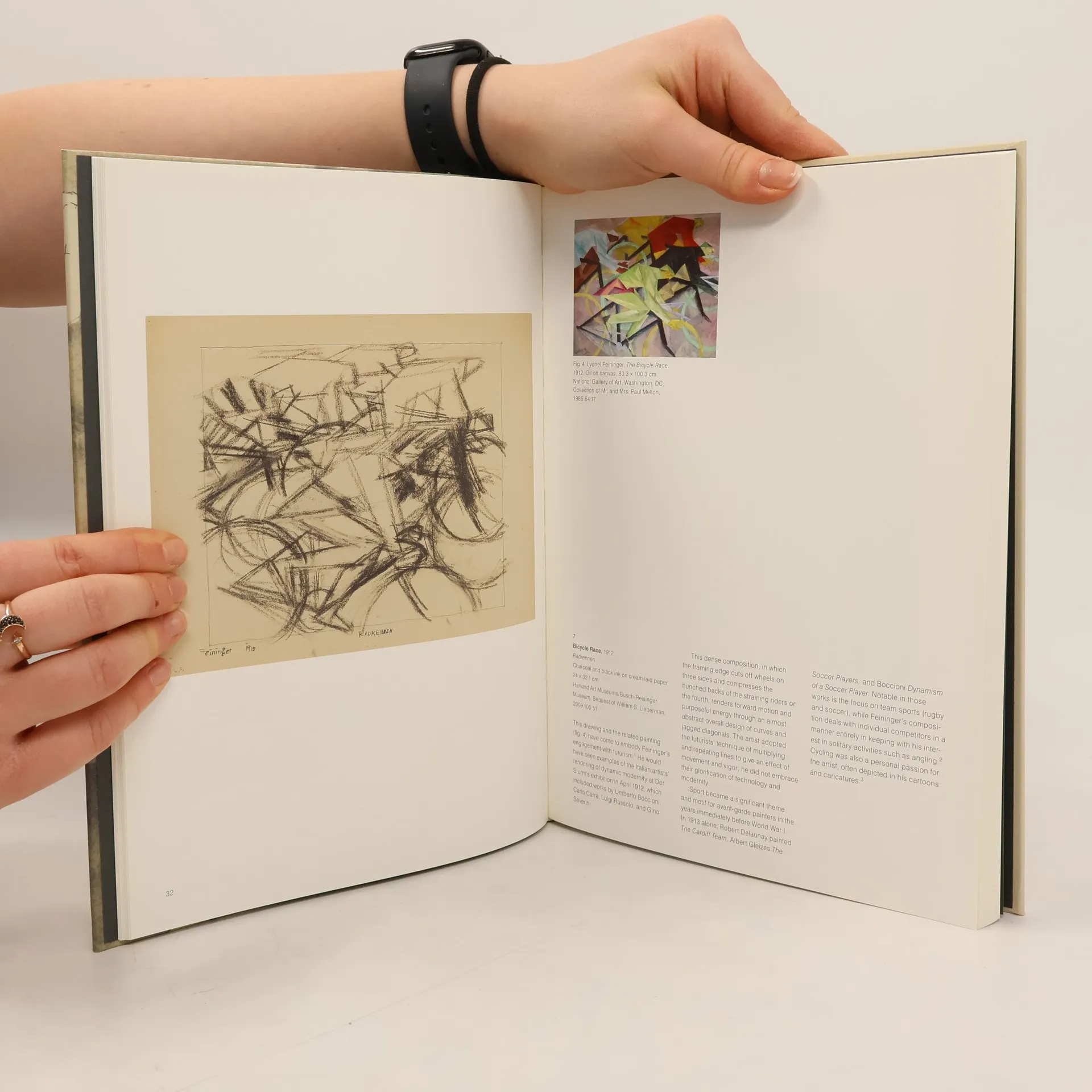
The German-American artist, photographer, illustrator and teacher Lyonel Feininger (1871-1956) was one of the modernist era's true world citizens, allied with the Berlin Secession, Die Brücke, the Blaue Reiter and the Bauhaus. The Busch-Reisinger Museum, home to the Lyonel Feininger Archive, recently received a bequest of more than 400 Feininger drawings and watercolors from the estate of curator and collector William S. Lieberman, most of which have never before been published. Lieberman appears to have made a point of acquiring Feininger's more intimate and personal works (as opposed to, say, the murals for which he is so well known), and such works constitute the bulk of this volume. Essayist Peter Nisbet provides entries on individual works, offers perspective on Feininger's reception in the United States in the decades after his return from Germany in 1937 and suggests directions for an overdue reassessment of his oeuvre.
Achat du livre
Lyonel Feininger, drawings and watercolors, Peter Nisbet
- Langue

- Année de publication
- 2011
- Reliure
- (rigide)
Modes de paiement
Il manque plus que ton avis ici.
- Titre
- Lyonel Feininger, drawings and watercolors
- Langue
- Anglais
- Auteurs
- Peter Nisbet
- Éditeur
- Hatje Cantz
- Publié
- 2011
- Format
- rigide
- Pages
- 144
- ISBN10
- 3775727876
- ISBN13
- 9783775727877
- Séries
- Catégories
- Mots clés
- Manuels universitaires
- Évaluation
- 4,2 sur 5
- Description
- The German-American artist, photographer, illustrator and teacher Lyonel Feininger (1871-1956) was one of the modernist era's true world citizens, allied with the Berlin Secession, Die Brücke, the Blaue Reiter and the Bauhaus. The Busch-Reisinger Museum, home to the Lyonel Feininger Archive, recently received a bequest of more than 400 Feininger drawings and watercolors from the estate of curator and collector William S. Lieberman, most of which have never before been published. Lieberman appears to have made a point of acquiring Feininger's more intimate and personal works (as opposed to, say, the murals for which he is so well known), and such works constitute the bulk of this volume. Essayist Peter Nisbet provides entries on individual works, offers perspective on Feininger's reception in the United States in the decades after his return from Germany in 1937 and suggests directions for an overdue reassessment of his oeuvre.