

Paramètres
En savoir plus sur le livre
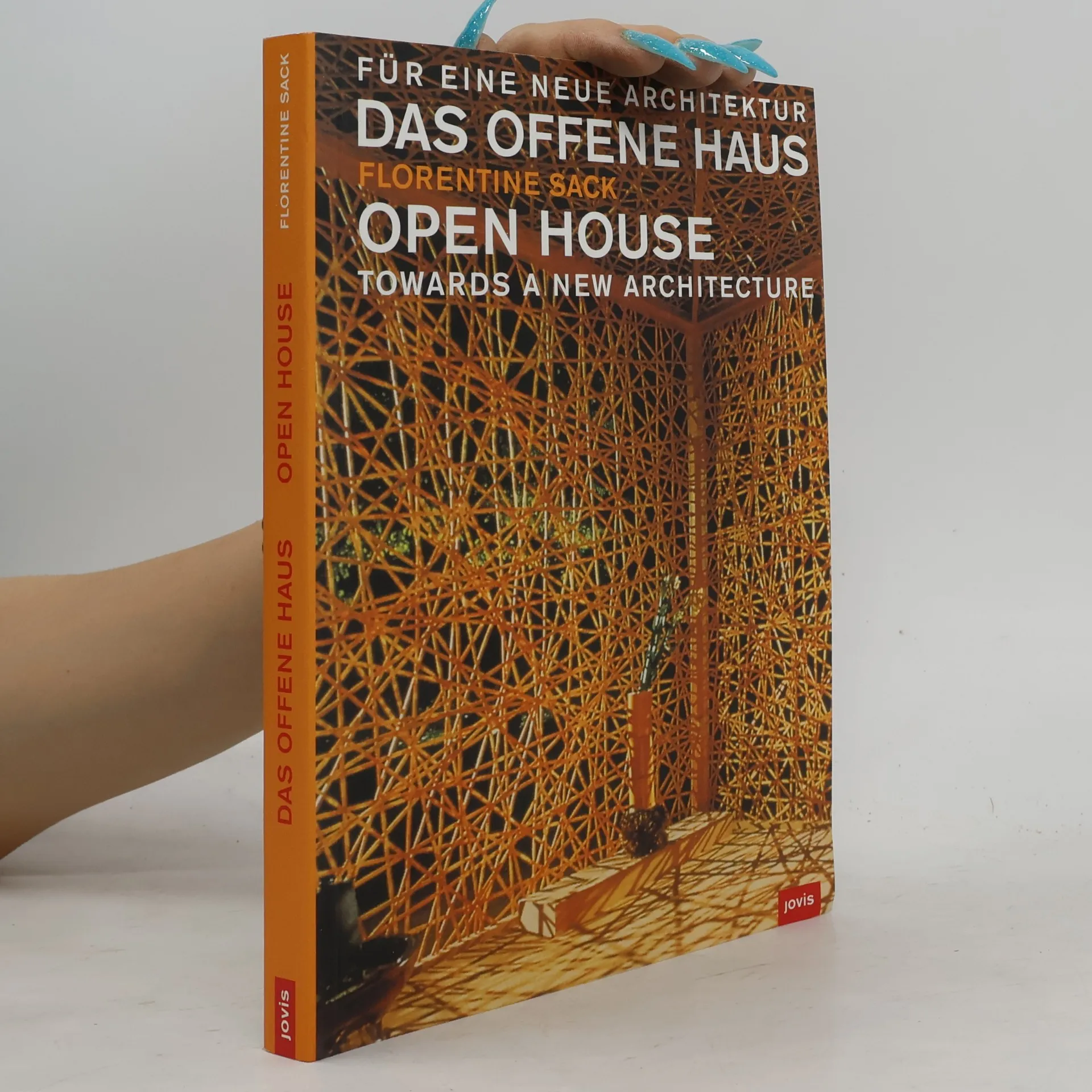
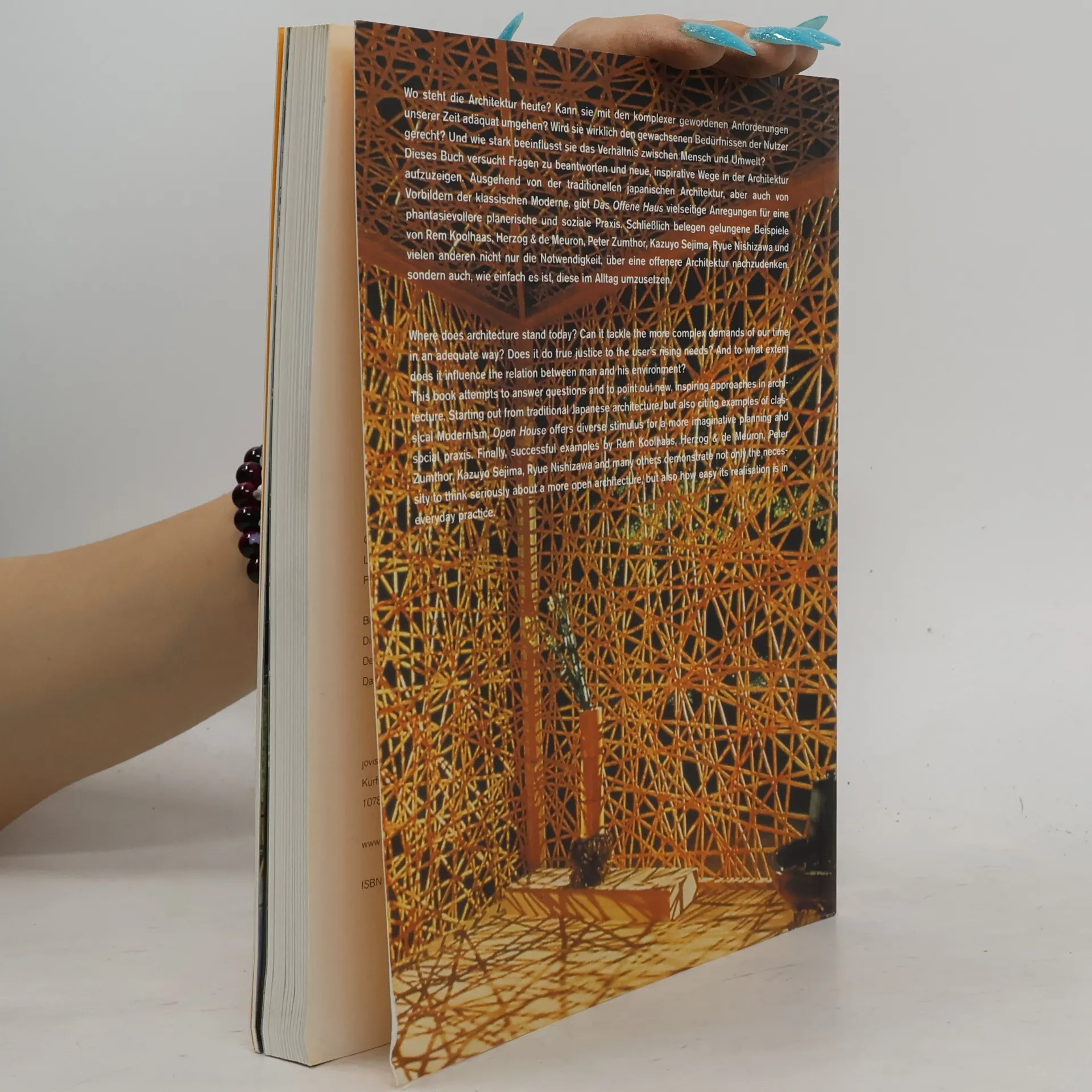
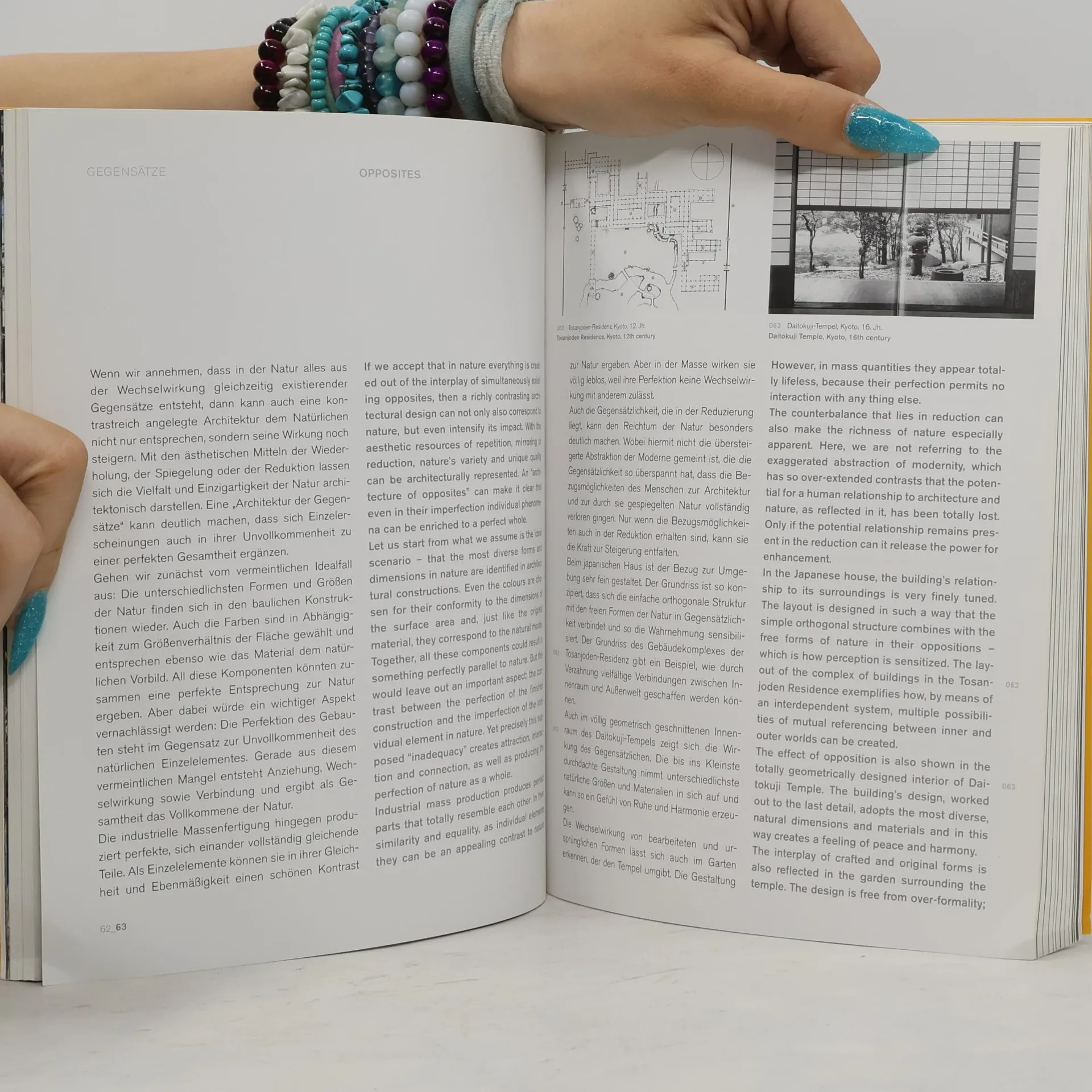
Take Rem Koolhaas's lauded new Seattle Public Library and remove it from its context. Would it be as beautiful? Would it lose something of its meaning if you picked it up and placed it elsewhere? Is it even possible for a building to have no relation whatsoever to the place where it is erected? Is it pointless to talk about architecture as a pure intellectual enterprise, without grounding it in its surroundings? These are among the important questions raised by architecture scholar Florentine Sack in this exploration of the philosophical, aesthetic, and subjective links between a building and its environment. Drawing upon traditions as old as that of the Japanese house through models of classical Western Modernism, she brings the notion of unity to bear on contemporary architecture, referring to exemplary buildings by Koolhaas, Herzog & de Meuron, Peter Zumthor, Kazuyo Sejima, Ryue Nishizawa, and many others.
Achat du livre
Für eine neue Architektur, Florentine Sack
- Langue


- Année de publication
- 2006
- Reliure
- (souple)
Modes de paiement
Il manque plus que ton avis ici.
- Titre
- Für eine neue Architektur
- Langue
- Anglais, Allemand
- Auteurs
- Florentine Sack
- Éditeur
- jovis
- Publié
- 2006
- Format
- souple
- ISBN10
- 3936314438
- ISBN13
- 9783936314434
- Séries
- Mots clés
- Architecture
- Évaluation
- 4 sur 5
- Description
- Take Rem Koolhaas's lauded new Seattle Public Library and remove it from its context. Would it be as beautiful? Would it lose something of its meaning if you picked it up and placed it elsewhere? Is it even possible for a building to have no relation whatsoever to the place where it is erected? Is it pointless to talk about architecture as a pure intellectual enterprise, without grounding it in its surroundings? These are among the important questions raised by architecture scholar Florentine Sack in this exploration of the philosophical, aesthetic, and subjective links between a building and its environment. Drawing upon traditions as old as that of the Japanese house through models of classical Western Modernism, she brings the notion of unity to bear on contemporary architecture, referring to exemplary buildings by Koolhaas, Herzog & de Meuron, Peter Zumthor, Kazuyo Sejima, Ryue Nishizawa, and many others.