
Bookbot

Ernst Bloch

    8 juillet 1885 – 4 août 1977

    Ernst Bloch s'impose comme une voix philosophique et politique majeure de l'Allemagne du vingtième siècle. Son œuvre se caractérise par une exploration profonde de l'espoir et de l'utopie, qu'il considérait comme des moteurs fondamentaux du progrès et de la liberté humains. L'approche philosophique de Bloch, tout en étant influencée par le marxisme, l'a transcendé en mettant l'accent sur les dimensions transcendantes et spirituelles de l'existence humaine. Sa pensée cherche à lier une compréhension matérialiste du monde à une quête incessante d'un avenir meilleur.

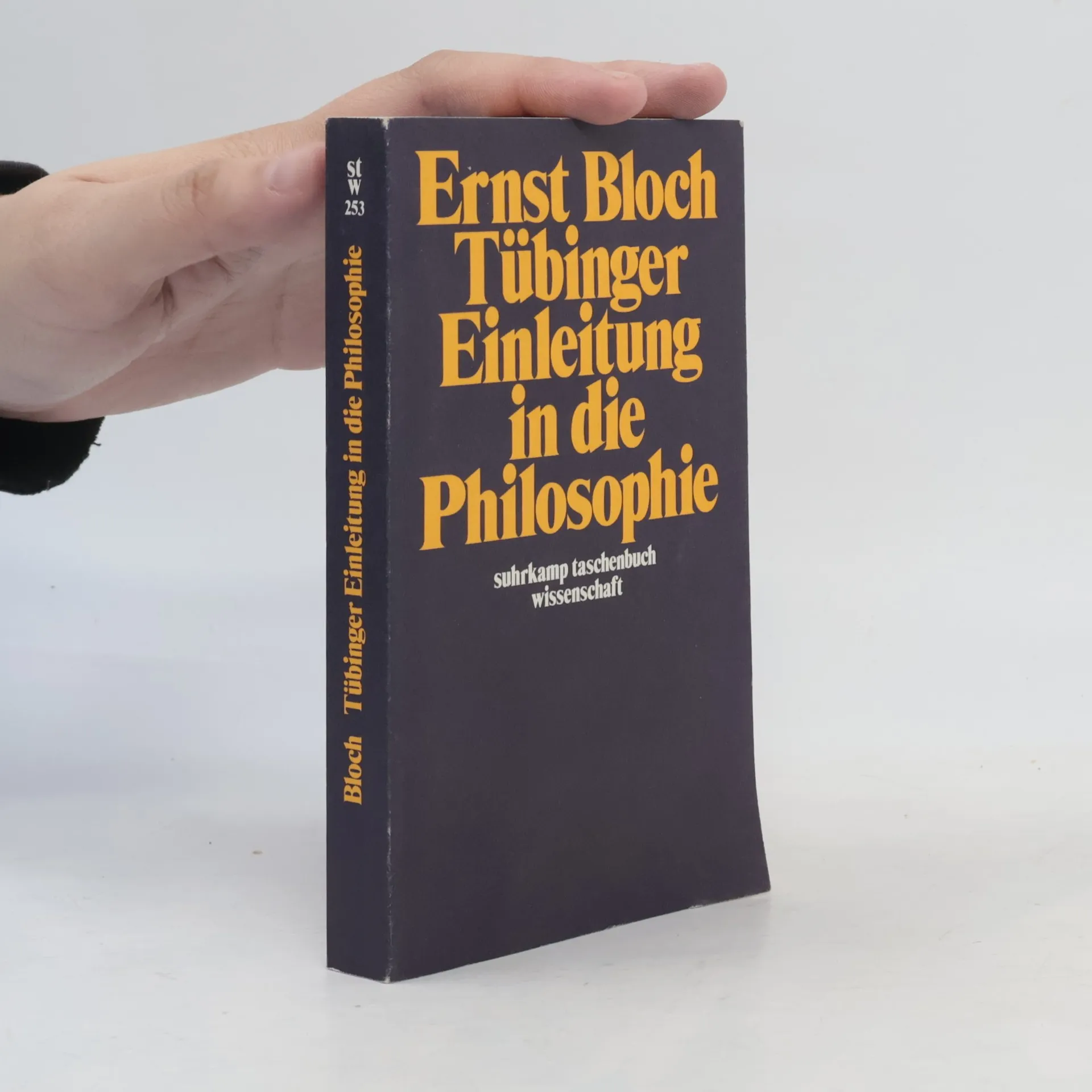
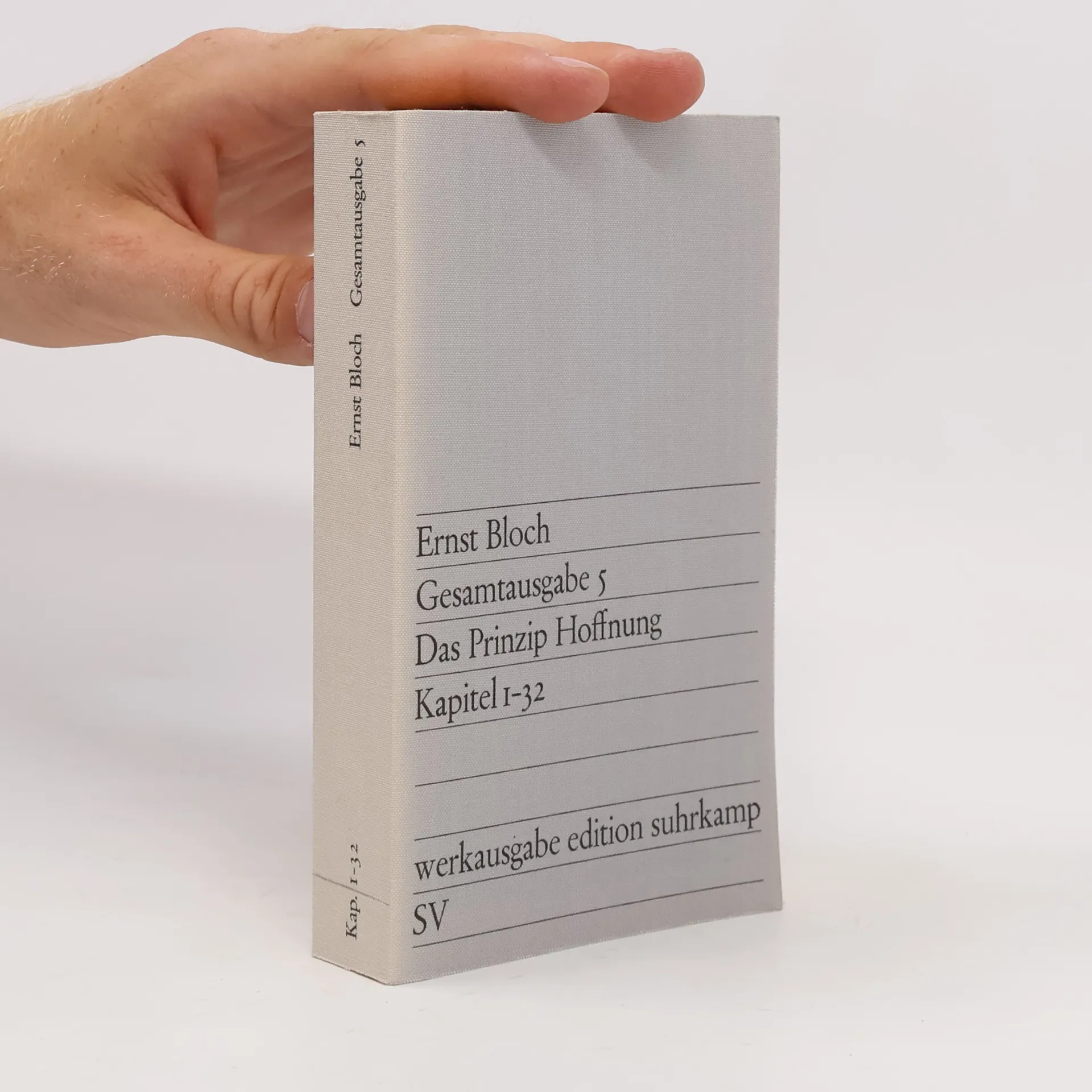
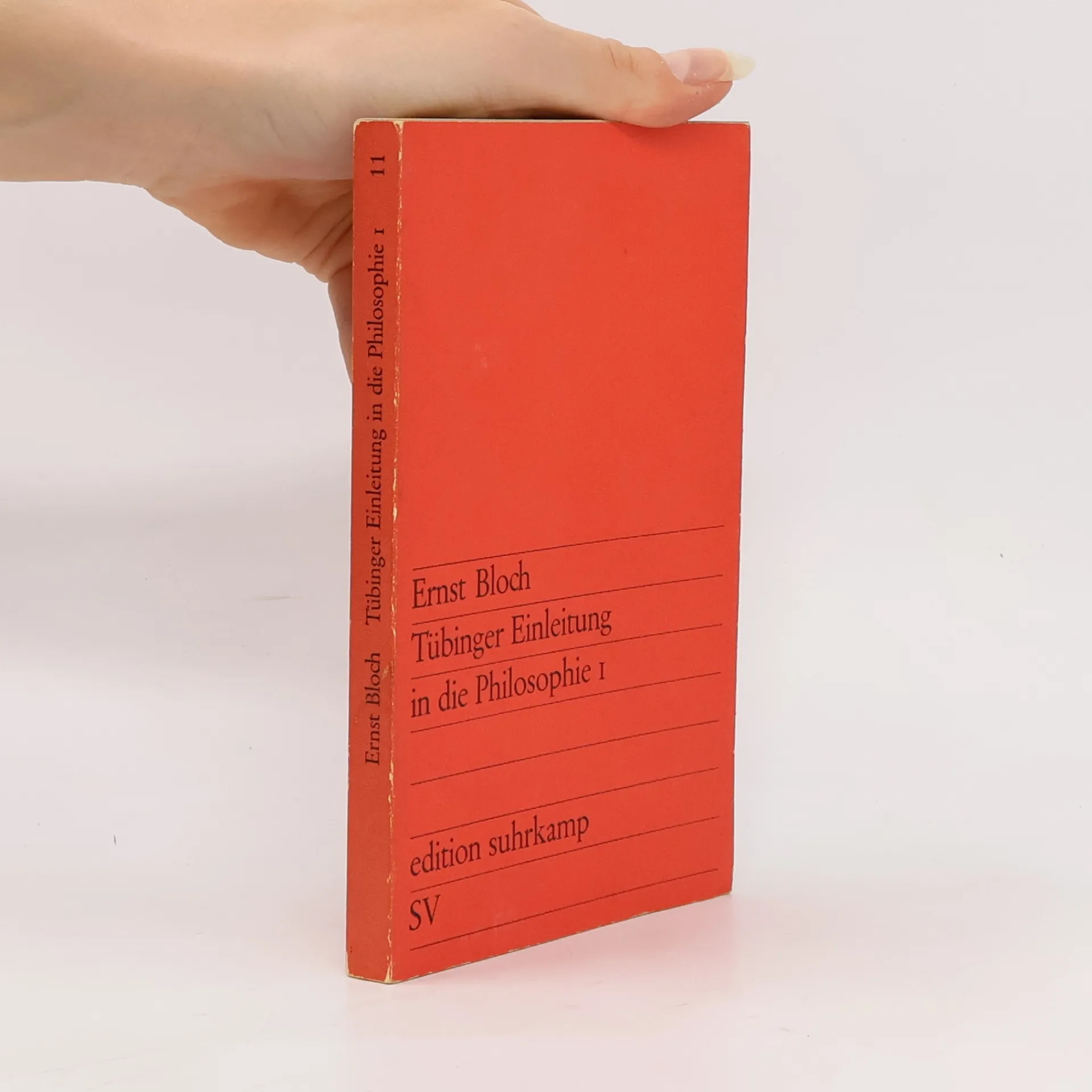
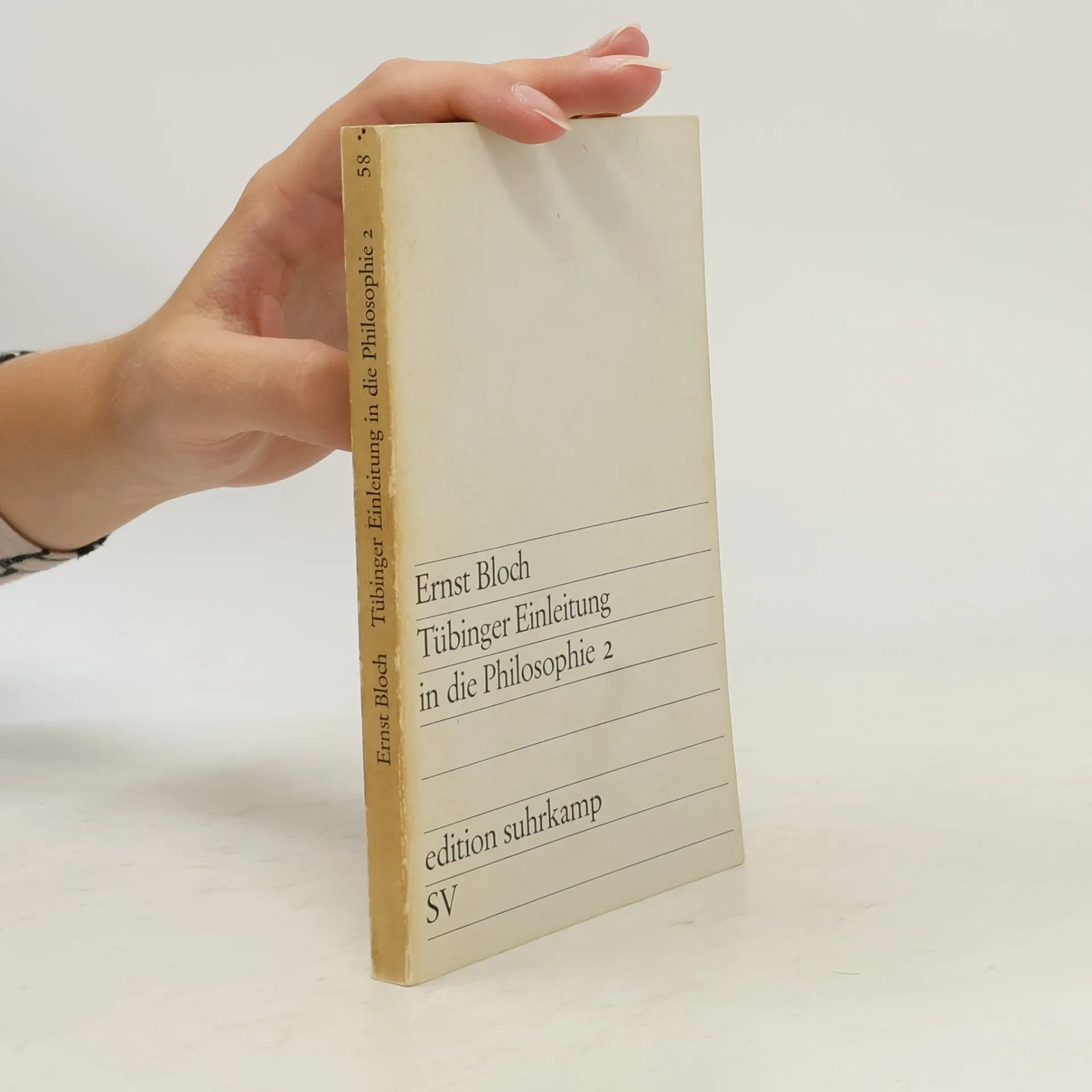
    Tübinger Einleitung in die Philosophie
    Filosofie naděje / Výbor z díla
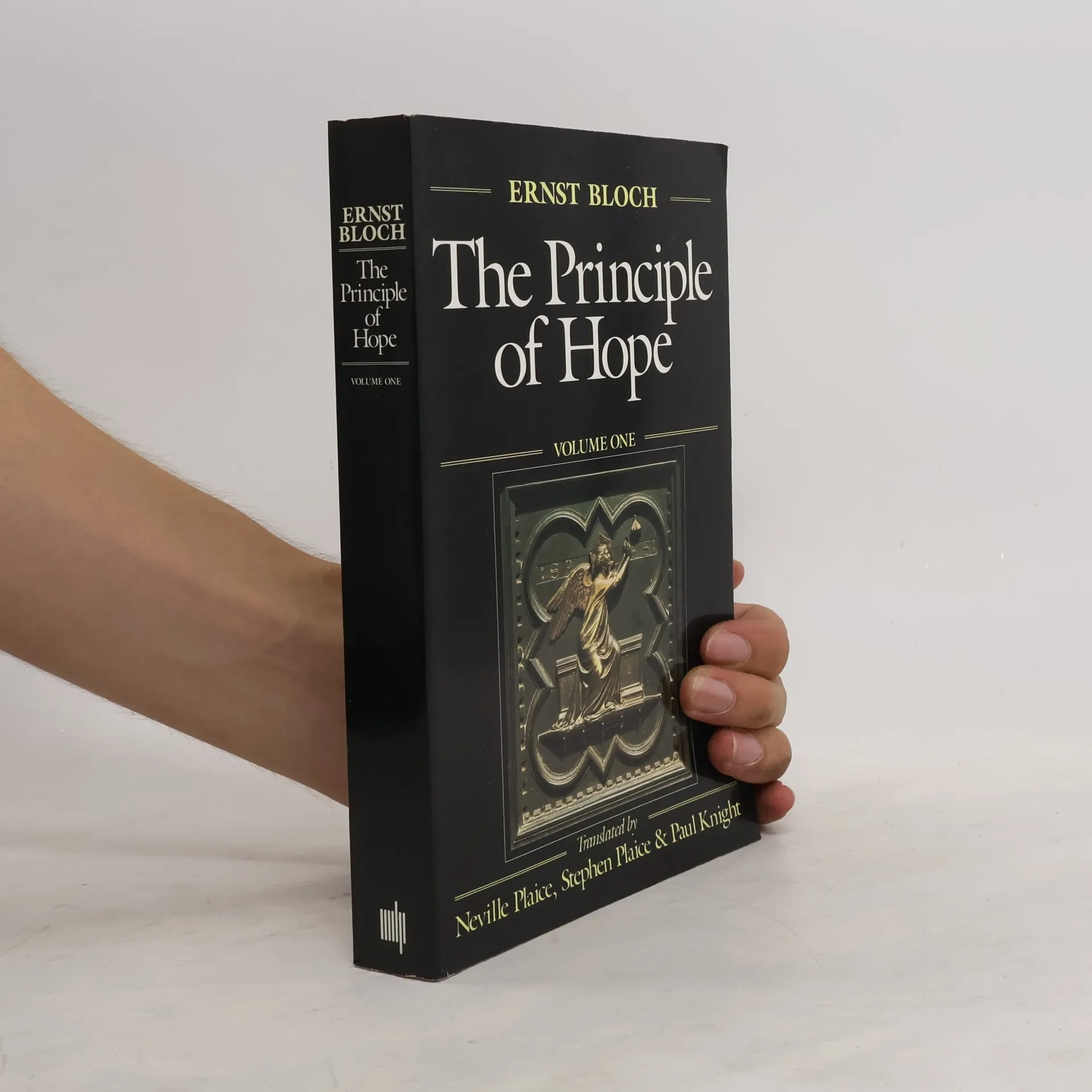
    The Principle of Hope
    The Spirit of Utopia
    Aesthetics and Politics
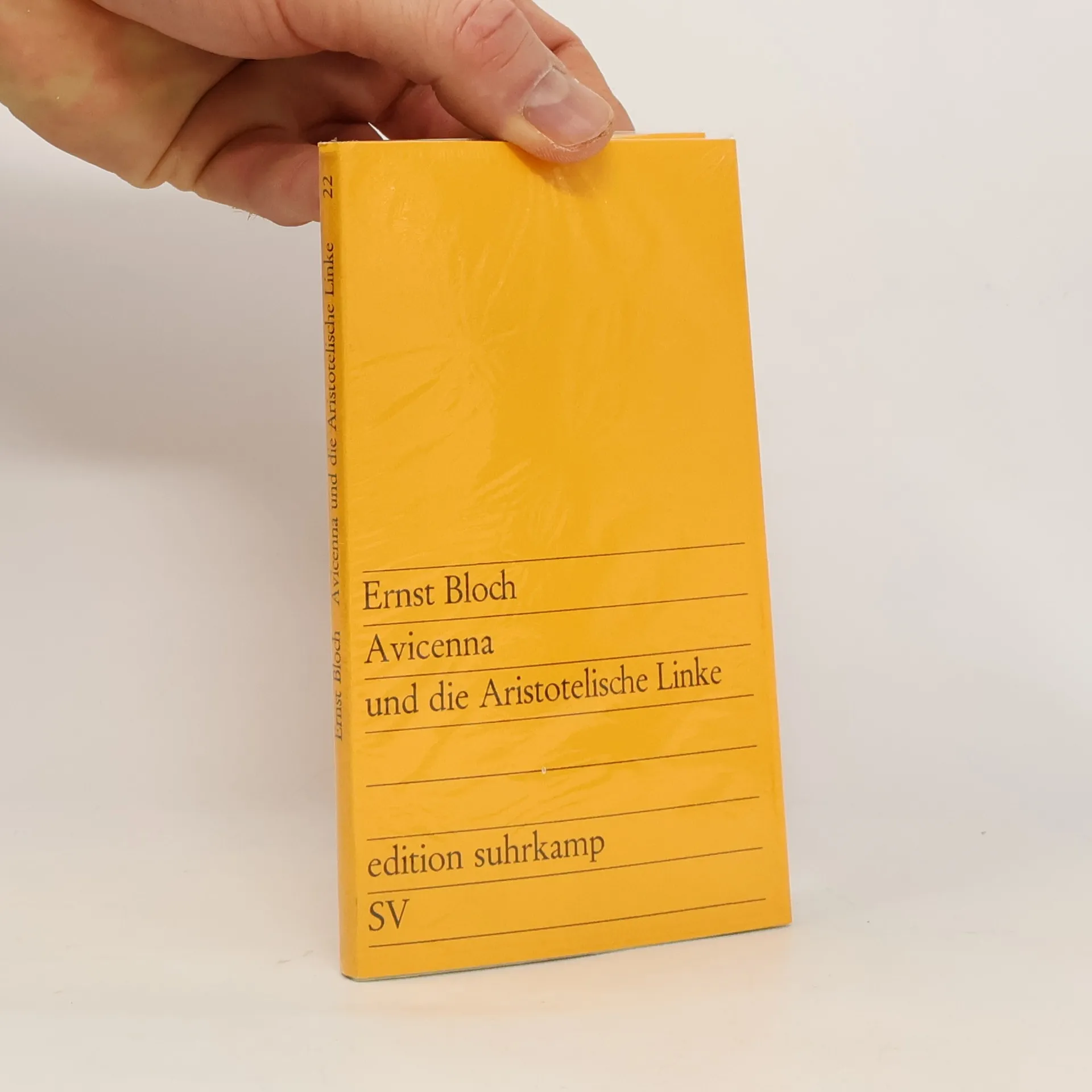
    Avicenne et la gauche aristotélicienne
    • Avicenne et la gauche aristotélicienne

      • 93pages
      • 4 heures de lecture

      Grand penseur de l'utopie, Ernst Bloch (1885-1977) a aussi élaboré une philosophie spéculative de la nature et un concept de matière auxquels on n'a que rarement prêté attention. Pourtant, chez l'auteur du Principe Espérance, utopie et matière renvoient l'une à l'autre, ce qu'annonçait déjà la célèbre sentence de Marx : " La société [à venir] est l'achèvement de l'unité essentielle de l'homme avec la nature, la vraie résurrection de la nature, le naturalisme accompli de l'homme et l'humanisme accompli de la nature. " Pour fonder ces connexions, Bloch a approfondi la catégorie de la possibilité et en a énoncé l'enjeu : la transformation du monde. Mais d'où la possibilité surgit-elle ? Partant de l'assimilation par Aristote de la possibilité avec la matière, Bloch a voulu établir la généalogie de sa propre réponse, en repérant les métamorphoses successives des relations forme matière opérées par ceux qu'il nomme les aristotéliciens de gauche ou matérialistes panthéistes, et dont les grandes figures seront Avicenne, Averroès, Avicébron, Giordano Bruno, et Goethe. Au terme du processus s'esquisse le concept blochien de matière féconde, aussi éloignée de celle des théologiens, qui tient son principe d'un sujet transcendant, que de celle, dépourvue de vie ou de " raisons de déterminations purement internes " (Kant), des mécanistes. La publication en 1952 d'Avicenne et la gauche aristotélicienne dont nous donnons la première traduction en français eut très vite un fort retentissement : enthousiasme des tenants des Lumières arabes, critiques parfois virulentes de certains historiens de la philosophie, embarras jusque parmi les " blochiens " face à un ' morceau de bravoure " au statut théorique complexe.
      Avicenne et la gauche aristotélicienne
    • Aesthetics and Politics

      • 224pages
      • 8 heures de lecture
      4,2(2137)Évaluer

      An intense and lively debate on literature and art between thinkers who became some of the great figures of twentieth-century philosophy and literature

      Aesthetics and Politics
    • The Spirit of Utopia

      • 320pages
      • 12 heures de lecture
      3,9(91)Évaluer

      The Spirit of Utopia, written mostly in 1915-16, published in its first version just after the First World War, republished five years later, 1923, in this version is presented for the first time in English translation. schovat popis

      The Spirit of Utopia
    • The Principle of Hope

      • 528pages
      • 19 heures de lecture

      The Principle of Hope is one of the great works of the human spirit. It is a critical history of the utopian vision and a profound exploration of the possible reality of utopia. Even as the world has rejected the doctrine on which Bloch sought to base his utopia, his work still challenges us to think more insightfully about our own visions of a better world.The Principle of Hope is published in three volumes: Volume 1 lays the foundations of the philosophy of process and introduces the idea of the Not-Yet-Conscious - the anticipatory element that Bloch sees as central to human thought. It also contains a remarkable account of the aesthetic interpretations of utopian "wishful images" in fairy tales, popular fiction, travel, theater, dance, and the cinema. Volume 2 presents "the outlines of a better world." It examines the utopian systems that progressive thinkers have developed in the fields of medicine, painting, opera, poetry, and ultimately, philosophy. It is nothing less than an encyclopedic account of utopian thought from the Greeks to the present. Volume 3 offers a prescription for ways in which humans can reach their proper "homeland," where social justice is coupled with an openness to change and to the future.

      The Principle of Hope
    • Filosofie naděje / Výbor z díla

      • 351pages
      • 13 heures de lecture
      5,0(4)Évaluer

      Ernst Bloch je klasickým filosofem 20. století, kterého proslavila především práce Princip naděje. Jeho myšlení mělo zásadní vliv na tradici neortodoxního marxismu, ale také např. na československý marxisticko-křesťanský dialog. V češtině dosud nebyly dostupné žádné překlady Blochových textů, proto chce výbor tuto mezeru zaplnit. Cílem je zprostředkovat autorovy myšlenky ze zásadních oblastí jeho zájmu, jakými jsou ontologie, náboženství, politická teorie a estetika. Výbor je doplněn úvodní studií, která uvede do základů Blochova myšlení a zasadí vybrané texty do kontextu jeho díla.

      Filosofie naděje / Výbor z díla